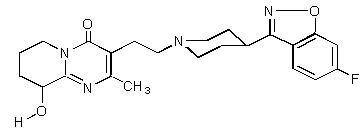
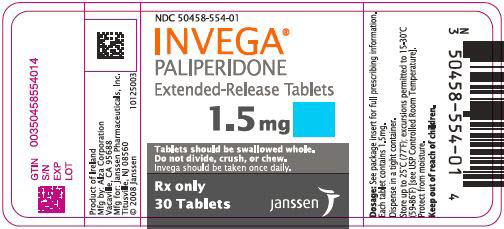
Adults
The recommended dose of INVEGA® (paliperidone) Extended-Release Tablets for the treatment of schizophrenia in adults is 6 mg administered once daily. Initial dose titration is not required. Although it has not been systematically established that doses above 6 mg have additional benefit, there was a general trend for greater effects with higher doses. This must be weighed against the dose-related increase in adverse reactions. Thus, some patients may benefit from higher doses, up to 12 mg/day, and for some patients, a lower dose of 3 mg/day may be sufficient. Dose increases above 6 mg/day should be made only after clinical reassessment and generally should occur at intervals of more than 5 days. When dose increases are indicated, increments of 3 mg/day are recommended. The maximum recommended dose is 12 mg/day.
In a longer-term study, INVEGA® has been shown to be effective in delaying time to relapse in patients with schizophrenia who were stabilized on INVEGA® for 6 weeks [see Clinical Studies (14)]. INVEGA® should be prescribed at the lowest effective dose for maintaining clinical stability and the physician should periodically reevaluate the long-term usefulness of the drug in individual patients.
Adolescents (12–17 years of age)
The recommended starting dose of INVEGA® (paliperidone) Extended-Release Tablets for the treatment of schizophrenia in adolescents 12–17 years of age is 3 mg administered once daily. Initial dose titration is not required. Dose increases, if considered necessary, should be made only after clinical reassessment and should occur at increments of 3 mg/day at intervals of more than 5 days. Prescribers should be mindful that, in the adolescent schizophrenia study, there was no clear enhancement to efficacy at the higher doses, i.e., 6 mg for subjects weighing less than 51 kg and 12 mg for subjects weighing 51 kg or greater, while adverse events were dose-related.
Renal Impairment
Dosing must be individualized according to the patient's renal function status. For patients with mild renal impairment (creatinine clearance ≥ 50 mL/min to < 80 mL/min), the recommended initial dose of INVEGA® is 3 mg once daily. The dose may then be increased to a maximum of 6 mg once daily based on clinical response and tolerability. For patients with moderate to severe renal impairment (creatinine clearance ≥ 10 mL/min to < 50 mL/min), the recommended initial dose of INVEGA® is 1.5 mg once daily, which may be increased to a maximum of 3 mg once daily after clinical reassessment. As INVEGA® has not been studied in patients with creatinine clearance below 10 mL/min, use is not recommended in such patients. [See Clinical Pharmacology (12.3)]
Hepatic Impairment
For patients with mild to moderate hepatic impairment, (Child-Pugh Classification A and B), no dose adjustment is recommended [see Clinical Pharmacology (12.3)]. INVEGA® has not been studied in patients with severe hepatic impairment.
Elderly
Because elderly patients may have diminished renal function, dose adjustments may be required according to their renal function status. In general, recommended dosing for elderly patients with normal renal function is the same as for younger adult patients with normal renal function. For patients with moderate to severe renal impairment (creatinine clearance 10 mL/min to < 50 mL/min), the maximum recommended dose of INVEGA® is 3 mg once daily [see Renal Impairment above].
Hyperglycemia and Diabetes Mellitus
Hyperglycemia and diabetes mellitus, in some cases extreme and associated with ketoacidosis or hyperosmolar coma or death, have been reported in patients treated with all atypical antipsychotics. These cases were, for the most part, seen in post-marketing clinical use and epidemiologic studies, not in clinical trials, and there have been few reports of hyperglycemia or diabetes in trial subjects treated with INVEGA®. Assessment of the relationship between atypical antipsychotic use and glucose abnormalities is complicated by the possibility of an increased background risk of diabetes mellitus in patients with schizophrenia and the increasing incidence of diabetes mellitus in the general population. Given these confounders, the relationship between atypical antipsychotic use and hyperglycemia-related adverse events is not completely understood. However, epidemiological studies suggest an increased risk of treatment-emergent hyperglycemia-related adverse events in patients treated with the atypical antipsychotics. Because INVEGA® was not marketed at the time these studies were performed, it is not known if INVEGA® is associated with this increased risk.
Patients with an established diagnosis of diabetes mellitus who are started on atypical antipsychotics should be monitored regularly for worsening of glucose control. Patients with risk factors for diabetes mellitus (e.g., obesity, family history of diabetes) who are starting treatment with atypical antipsychotics should undergo fasting blood glucose testing at the beginning of treatment and periodically during treatment. Any patient treated with atypical antipsychotics should be monitored for symptoms of hyperglycemia including polydipsia, polyuria, polyphagia, and weakness. Patients who develop symptoms of hyperglycemia during treatment with atypical antipsychotics should undergo fasting blood glucose testing. In some cases, hyperglycemia has resolved when the atypical antipsychotic was discontinued; however, some patients required continuation of anti-diabetic treatment despite discontinuation of the suspect drug.
Pooled data from the three placebo-controlled, 6-week, fixed-dose studies in adult subjects with schizophrenia are presented in Table 1a.
Table 1a. Change in Fasting Glucose from Three Placebo-Controlled, 6-Week, Fixed-Dose Studies in Adult Subjects with Schizophrenia | | | INVEGA® | |
|---|
| Placebo | 3 mg/day | 6 mg/day | 9 mg/day | 12 mg/day |
|---|
| Mean change from baseline (mg/dL) |
| n=322 | n=122 | n=212 | n=234 | n=218 |
Serum Glucose
Change from baseline | 0.8 | -0.7 | 0.4 | 2.3 | 4.3 |
| Proportion of Patients with Shifts |
Serum Glucose
Normal to High | 5.1% | 3.2% | 4.5% | 4.8% | 3.8% |
| (<100 mg/dL to ≥126 mg/dL) | (12/236) | (3/93) | (7/156) | (9/187) | (6/157) |
In the uncontrolled, longer-term open-label extension studies, INVEGA® was associated with a mean change in glucose of +3.3 mg/dL at Week 24 (n=570) and +4.6 mg/dL at Week 52 (n=314).
Data from the placebo-controlled 6-week study in adolescent subjects (12–17 years of age) with schizophrenia are presented in Table 1b.
Table 1b. Change in Fasting Glucose from a Placebo-Controlled 6-Week Study in Adolescent Subjects (12–17 years of age) with Schizophrenia | | INVEGA® |
|---|
| Placebo | 1.5 mg/day | 3 mg/day | 6 mg/day | 12 mg/day |
|---|
| Mean change from baseline (mg/dL) |
| n=41 | n=44 | n=11 | n=28 | n=32 |
Serum Glucose
Change from baseline | 0.8 | -1.4 | -1.8 | -0.1 | 5.2 |
| Proportion of Patients with Shifts |
Serum Glucose
Normal to High | 3% | 0% | 0% | 0% | 11% |
| (<100 mg/dL to ≥126 mg/dL) | (1/32) | (0/34) | (0/9) | (0/20) | (3/27) |
Dyslipidemia
Undesirable alterations in lipids have been observed in patients treated with atypical antipsychotics.
Pooled data from the three placebo-controlled, 6-week, fixed-dose studies in adult subjects with schizophrenia are presented in Table 2a.
Table 2a. Change in Fasting Lipids from Three Placebo-Controlled, 6-Week, Fixed-Dose Studies in Adult Subjects with Schizophrenia | | INVEGA® |
|---|
| Placebo | 3 mg/day | 6 mg/day | 9 mg/day | 12 mg/day |
|---|
| Mean change from baseline (mg/dL) |
| Cholesterol | n=331 | n=120 | n=216 | n=236 | n=231 |
| Change from baseline | -6.3 | -4.4 | -2.4 | -5.3 | -4.0 |
| LDL | n=322 | n=116 | n=210 | n=231 | n=225 |
| Change from baseline | -3.2 | 0.5 | -0.8 | -3.9 | -2.0 |
| HDL | n=331 | n=119 | n=216 | n=234 | n=230 |
| Change from baseline | 0.3 | -0.4 | 0.5 | 0.8 | 1.2 |
| Triglycerides | n=331 | n=120 | n=216 | n=236 | n=231 |
| Change from baseline | -22.3 | -18.3 | -12.6 | -10.6 | -15.4 |
| Proportion of Patients with Shifts |
| Cholesterol | | | | | |
| Normal to High | 2.6% | 2.8% | 5.6% | 4.1% | 3.1% |
| (<200 mg/dL to ≥240 mg/dL) | (5/194) | (2/71) | (7/125) | (6/147) | (4/130) |
| LDL | | | | | |
| Normal to High | 1.9% | 0.0% | 5.0% | 3.7% | 0.0% |
| (<100 mg/dL to ≥160 mg/dL) | (2/105) | (0/44) | (3/60) | (3/81) | (0/69) |
| HDL | | | | | |
| Normal to Low | 22.0% | 16.3% | 29.1% | 23.4% | 20.0% |
| (≥40 mg/dL to <40 mg/dL) | (44/200) | (13/80) | (39/134) | (32/137) | (27/135) |
| Triglycerides | | | | | |
| Normal to High | 5.3% | 11.0% | 8.8% | 8.7% | 4.3% |
| (<150 mg/dL to ≥200 mg/dL) | (11/208) | (9/82) | (12/136) | (13/150) | (6/139) |
In the uncontrolled, longer-term open-label extension studies, INVEGA® was associated with a mean change in (a) total cholesterol of -1.5 mg/dL at Week 24 (n=573) and -1.5 mg/dL at Week 52 (n=317), (b) triglycerides of -6.4 mg/dL at Week 24 (n=573) and -10.5 mg/dL at Week 52 (n=317); (c) LDL of -1.9 mg/dL at Week 24 (n=557) and -2.7 mg/dL at Week 52 (n=297); and (d) HDL of +2.2 mg/dL at Week 24 (n=568) and +3.6 mg/dL at Week 52 (n=302).
Data from the placebo-controlled 6-week study in adolescent subjects (12–17 years of age) with schizophrenia are presented in Table 2b.
Table 2b. Change in Fasting Lipids from a Placebo-Controlled 6-Week Study in Adolescent Subjects (12–17 years of age) with Schizophrenia | | INVEGA® |
|---|
| Placebo | 1.5 mg/day | 3 mg/day | 6 mg/day | 12 mg/day |
|---|
| Mean change from baseline (mg/dL) |
| Cholesterol | n=39 | n=45 | n=11 | n=28 | n=32 |
| Change from baseline | -7.8 | -3.3 | 12.7 | 3.0 | -1.5 |
| LDL | n=37 | n=40 | n=9 | n=27 | n=31 |
| Change from baseline | -4.1 | -3.1 | 7.2 | 2.4 | 0.6 |
| HDL | n=37 | n=41 | n=9 | n=27 | n=31 |
| Change from baseline | -1.9 | 0.0 | 1.3 | 1.4 | 0.0 |
| Triglycerides | n=39 | n=44 | n=11 | n=28 | n=32 |
| Change from baseline | -8.9 | 3.2 | 17.6 | -5.4 | 3.9 |
| Proportion of Patients with Shifts |
| Cholesterol | | | | | |
| Normal to High | 7% | 4% | 0% | 6% | 11% |
| (<170 mg/dL to ≥200 mg/dL) | (2/27) | (1/26) | (0/6) | (1/18) | (2/19) |
| LDL | | | | | |
| Normal to High | 3% | 4% | 14% | 0% | 9% |
| (<110 mg/dL to ≥130 mg/dL) | (1/32) | (1/25) | (1/7) | (0/22) | (2/22) |
| HDL | | | | | |
| Normal to Low | 14% | 7% | 29% | 13% | 23% |
| (≥40 mg/dL to <40 mg/dL) | (4/28) | (2/30) | (2/7) | (3/23) | (5/22) |
| Triglycerides | | | | | |
| Normal to High | 3% | 5% | 13% | 8% | 7% |
| (<150 mg/dL to ≥200 mg/dL) | (1/34) | (2/38) | (1/8) | (2/26) | (2/28) |
Weight Gain
Weight gain has been observed with atypical antipsychotic use. Clinical monitoring of weight is recommended.
Schizophrenia Trials
Data on mean changes in body weight and the proportion of subjects meeting a weight gain criterion of ≥ 7% of body weight from the three placebo-controlled, 6-week, fixed-dose studies in adult subjects are presented in Table 3a.
Table 3a. Mean Change in Body Weight (kg) and the Proportion of Subjects with ≥ 7% Gain in Body Weight from Three Placebo-Controlled, 6-Week, Fixed-Dose Studies in Adult Subjects with Schizophrenia | | INVEGA® |
|---|
| Placebo | 3 mg/day | 6 mg/day | 9 mg/day | 12 mg/day |
|---|
| n=323 | n=112 | n=215 | n=235 | n=218 |
|---|
Weight (kg)
Change from baseline | -0.4 | 0.6 | 0.6 | 1.0 | 1.1 |
Weight Gain
≥ 7% increase from baseline | 5% | 7% | 6% | 9% | 9% |
In the uncontrolled, longer-term open-label extension studies, INVEGA® was associated with a mean change in weight of +1.4 kg at Week 24 (n=63) and +2.6 kg at Week 52 (n=302).
Weight gain in adolescent subjects with schizophrenia was assessed in a 6-week, double-blind, placebo-controlled study and an open-label extension with a median duration of exposure to INVEGA® of 182 days. Data on mean changes in body weight and the proportion of subjects meeting a weight gain criterion of ≥ 7% of body weight [see Clinical Studies (14.1)] from the placebo-controlled 6-week study in adolescent subjects (12–17 years of age) are presented in Table 3b.
Table 3b. Mean Change in Body Weight (kg) and the Proportion of Subjects with ≥ 7% Gain in Body Weight from a Placebo-Controlled 6-Week Study in Adolescent Subjects (12–17 years of age) with Schizophrenia | | INVEGA® |
|---|
| Placebo | 1.5 mg/day | 3 mg/day | 6 mg/day | 12 mg/day |
|---|
| n=51 | n=54 | n=16 | n=45 | n=34 |
|---|
Weight (kg)
Change from baseline | 0.0 | 0.3 | 0.8 | 1.2 | 1.5 |
Weight Gain
≥ 7% increase from baseline | 2% | 6% | 19% | 7% | 18% |
In the open-label long-term study the proportion of total subjects treated with INVEGA® with an increase in body weight of ≥ 7% from baseline was 33%. When treating adolescent patients with INVEGA®, weight gain should be assessed against that expected with normal growth. When taking into consideration the median duration of exposure to INVEGA® in the open-label study (182 days) along with expected normal growth in this population based on age and gender, an assessment of standardized scores relative to normative data provides a more clinically relevant measure of changes in weight. The mean change from open-label baseline to endpoint in standardized score for weight was 0.1 (4% above the median for normative data). Based on comparison to the normative data, these changes are not considered to be clinically significant.
Schizoaffective Disorder Trials
In the pooled data from the two placebo-controlled, 6-week studies in adult subjects with schizoaffective disorder, a higher percentage of INVEGA®-treated subjects (5%) had an increase in body weight of ≥ 7% compared with placebo-treated subjects (1%). In the study that examined high- and low-dose groups, the increase in body weight of ≥ 7% was 3% in the low-dose group, 7% in the high-dose group, and 1% in the placebo group.
Class Effect: In clinical trial and/or postmarketing experience, events of leukopenia/neutropenia have been reported temporally related to antipsychotic agents, including INVEGA®. Agranulocytosis has also been reported.
Possible risk factors for leukopenia/neutropenia include pre-existing low white blood cell count (WBC) and history of drug-induced leukopenia/neutropenia. Patients with a history of a clinically significant low WBC or a drug-induced leukopenia/neutropenia should have their complete blood count (CBC) monitored frequently during the first few months of therapy and discontinuation of INVEGA® should be considered at the first sign of a clinically significant decline in WBC in the absence of other causative factors.
Patients with clinically significant neutropenia should be carefully monitored for fever or other symptoms or signs of infection and treated promptly if such symptoms or signs occur. Patients with severe neutropenia (absolute neutrophil count <1000/mm3) should discontinue INVEGA® and have their WBC followed until recovery.
Adult Patients with Schizophrenia
Table 4 enumerates the pooled incidences of adverse reactions reported in the three placebo-controlled, 6-week, fixed-dose studies in adults, listing those that occurred in 2% or more of subjects treated with INVEGA® in any of the dose groups, and for which the incidence in INVEGA®-treated subjects in any of the dose groups was greater than the incidence in subjects treated with placebo.
Table 4. Adverse Reactions Reported by ≥ 2% of INVEGA®-Treated Adult Subjects with Schizophrenia in Three Short-Term, Fixed-Dose, Placebo-Controlled Clinical Trials Table includes adverse reactions that were reported in 2% or more of subjects in any of the INVEGA® dose groups and which occurred at greater incidence than in the placebo group. Data are pooled from three studies; one study included once-daily INVEGA® doses of 3 mg and 9 mg, the second study included 6 mg, 9 mg, and 12 mg, and the third study included 6 mg and 12 mg [see Clinical Studies (14)]. Extrapyramidal symptoms includes the terms dyskinesia, dystonia, extrapyramidal disorder, hypertonia, muscle rigidity, oculogyration, parkinsonism, and tremor. Somnolence includes the terms sedation and somnolence. Tachycardia includes the terms tachycardia, sinus tachycardia, and heart rate increased. Adverse reactions for which the INVEGA® incidence was equal to or less than placebo are not listed in the table, but included the following: vomiting.
| Percentage of Patients |
|---|
| | INVEGA® |
|---|
| Placebo | 3 mg once daily | 6 mg once daily | 9 mg once daily | 12 mg once daily |
|---|
| Body System or Organ Class | (N=355) | (N=127) | (N=235) | (N=246) | (N=242) |
|---|
| Dictionary-Derived Term | | | | | |
|---|
| Total percentage of subjects with adverse reactions | 37 | 48 | 47 | 53 | 59 |
Cardiac disorders | | | | | |
| Atrioventricular block first degree | 1 | 2 | 0 | 2 | 1 |
| Bundle branch block | 2 | 3 | 1 | 3 | <1 |
| Sinus arrhythmia | 0 | 2 | 1 | 1 | <1 |
| Tachycardia | 7 | 14 | 12 | 12 | 14 |
Gastrointestinal disorders | | | | | |
| Abdominal pain upper | 1 | 1 | 3 | 2 | 2 |
| Dry mouth | 1 | 2 | 3 | 1 | 3 |
| Salivary hypersecretion | <1 | 0 | <1 | 1 | 4 |
General disorders | | | | | |
| Asthenia | 1 | 2 | <1 | 2 | 2 |
| Fatigue | 1 | 2 | 1 | 2 | 2 |
Nervous system disorders | | | | | |
| Akathisia | 4 | 4 | 3 | 8 | 10 |
| Dizziness | 4 | 6 | 5 | 4 | 5 |
| Extrapyramidal symptoms | 8 | 10 | 7 | 20 | 18 |
| Headache | 12 | 11 | 12 | 14 | 14 |
| Somnolence | 7 | 6 | 9 | 10 | 11 |
Vascular disorders | | | | | |
| Orthostatic hypotension | 1 | 2 | 1 | 2 | 4 |
Adolescent Patients with Schizophrenia
Table 5 lists the adverse reactions reported in a fixed-dose, placebo-controlled study in adolescent subjects 12–17 years of age with schizophrenia, listing those that occurred in 2% or more of subjects treated with INVEGA® in any of the dose groups, and for which the incidence in INVEGA®-treated subjects in any of the dose groups was greater than the incidence in subjects treated with placebo.
Table 5. Adverse Reactions Reported by ≥ 2% of INVEGA®-Treated Adolescent Subjects with Schizophrenia in a Fixed-Dose, Placebo-Controlled Clinical Trial Table includes adverse reactions that were reported in 2% or more of subjects in any of the INVEGA® dose groups and which occurred at greater incidence than in the placebo group. Extrapyramidal symptoms includes the terms oculogyric crisis, muscle rigidity, musculoskeletal stiffness, nuchal rigidity, torticollis, trismus, bradykinesia, cogwheel rigidity, dyskinesia, dystonia, extrapyramidal disorder, hypertonia, hypokinesia, muscle contractions involuntary, parkinsonian gait, parkinsonism, tremor, and restlessness. Somnolence includes the terms somnolence, sedation, and hypersomnia. Insomnia includes the terms insomnia and initial insomnia. Tachycardia includes the terms tachycardia, sinus tachycardia, and heart rate increased. Hypertension includes the terms hypertension and blood pressure increased. Gynecomastia includes the terms gynecomastia and breast swelling.
| Percentage of Patients |
|---|
| | INVEGA® |
|---|
| Placebo | 1.5 mg once daily | 3 mg once daily | 6 mg once daily | 12 mg once daily |
|---|
| Body System or Organ Class | (N=51) | (N=54) | (N=16) | (N=45) | (N=35) |
|---|
| Dictionary-Derived Term | | | | | |
|---|
| Total percentage of subjects with adverse reactions | 43 | 37 | 50 | 58 | 74 |
Cardiac disorders | | | | | |
| Tachycardia | 0 | 0 | 6 | 9 | 6 |
Eye disorders | | | | | |
| Vision blurred | 0 | 0 | 0 | 0 | 3 |
Gastrointestinal disorders | | | | | |
| Dry mouth | 2 | 0 | 0 | 0 | 3 |
| Salivary hypersecretion | 0 | 2 | 6 | 2 | 0 |
| Swollen tongue | 0 | 0 | 0 | 0 | 3 |
| Vomiting | 10 | 0 | 6 | 11 | 3 |
General disorders | | | | | |
| Asthenia | 0 | 0 | 0 | 2 | 3 |
| Fatigue | 0 | 4 | 0 | 2 | 3 |
Infections and infestations | | | | |
| Nasopharyngitis | 2 | 4 | 0 | 4 | 0 |
Investigations | | | | | |
| Weight increased | 0 | 7 | 6 | 2 | 3 |
Nervous system disorders | | | | | |
| Akathisia | 0 | 4 | 6 | 11 | 17 |
| Dizziness | 0 | 2 | 6 | 2 | 3 |
| Extrapyramidal symptoms | 0 | 4 | 19 | 18 | 23 |
| Headache | 4 | 9 | 6 | 4 | 14 |
| Lethargy | 0 | 0 | 0 | 0 | 3 |
| Somnolence | 4 | 9 | 13 | 20 | 26 |
| Tongue paralysis | 0 | 0 | 0 | 0 | 3 |
Psychiatric disorders | | | | | |
| Anxiety | 4 | 0 | 0 | 2 | 9 |
Reproductive system and breast disorders | | | |
| Amenorrhea | 0 | 0 | 6 | 0 | 0 |
| Galactorrhea | 0 | 0 | 0 | 4 | 0 |
| Gynecomastia | 0 | 0 | 0 | 0 | 3 |
Respiratory, thoracic and mediastinal disorders | | | |
| Epistaxis | 0 | 0 | 0 | 2 | 0 |
Monotherapy versus Adjunctive Therapy
The designs of the two placebo-controlled, 6-week, double-blind trials in adult subjects with schizoaffective disorder included the option for subjects to receive antidepressants (except monoamine oxidase inhibitors) and/or mood stabilizers (lithium, valproate, or lamotrigine). In the subject population evaluated for safety, 230 (55%) subjects received INVEGA® as monotherapy and 190 (45%) subjects received INVEGA® as an adjunct to mood stabilizers and/or antidepressants. When comparing these 2 subpopulations, only nausea occurred at a greater frequency (≥ 3% difference) in subjects receiving INVEGA® as monotherapy.
Schizophrenia Trials
The percentages of subjects who discontinued due to adverse reactions in the three schizophrenia placebo-controlled, 6-week, fixed-dose studies in adults were 3% and 1% in INVEGA®- and placebo-treated subjects, respectively. The most common reasons for discontinuation were nervous system disorders (2% and 0% in INVEGA®- and placebo-treated subjects, respectively).
Among the adverse reactions in the 6-week, fixed-dose, placebo-controlled study in adolescents with schizophrenia, only dystonia led to discontinuation (<1% of INVEGA®-treated subjects).
Schizoaffective Disorder Trials
The percentages of subjects who discontinued due to adverse reactions in the two schizoaffective disorder placebo-controlled 6-week studies in adults were 1% and <1% in INVEGA®- and placebo-treated subjects, respectively. The most common reasons for discontinuation were gastrointestinal disorders (1% and 0% in INVEGA®- and placebo-treated subjects, respectively).
Schizophrenia Trials
Based on the pooled data from the three placebo-controlled, 6-week, fixed-dose studies in adult subjects with schizophrenia, among the adverse reactions that occurred with a greater than 2% incidence in the subjects treated with INVEGA®, the incidences of the following adverse reactions increased with dose: somnolence, orthostatic hypotension, akathisia, dystonia, extrapyramidal disorder, hypertonia, parkinsonism, and salivary hypersecretion. For most of these, the increased incidence was seen primarily at the 12 mg dose, and, in some cases, the 9 mg dose.
In the 6-week, fixed-dose, placebo-controlled study in adolescents with schizophrenia, among the adverse reactions that occurred with >2% incidence in the subjects treated with INVEGA®, the incidences of the following adverse reactions increased with dose: tachycardia, akathisia, extrapyramidal symptoms, somnolence, and headache.
Schizoaffective Disorder Trials
In a placebo-controlled, 6-week, high- and low-dose study in adult subjects with schizoaffective disorder, akathisia, dystonia, dysarthria, myalgia, nasopharyngitis, rhinitis, cough, and pharyngolaryngeal pain occurred more frequently (i.e., a difference of at least 2%) in subjects who received higher doses of INVEGA® compared with subjects who received lower doses.
Dystonia
Class Effect: Symptoms of dystonia, prolonged abnormal contractions of muscle groups, may occur in susceptible individuals during the first few days of treatment. Dystonic symptoms include: spasm of the neck muscles, sometimes progressing to tightness of the throat, swallowing difficulty, difficulty breathing, and/or protrusion of the tongue. While these symptoms can occur at low doses, they occur more frequently and with greater severity with high potency and at higher doses of first generation antipsychotic drugs. An elevated risk of acute dystonia is observed in males and younger age groups.
Absorption and Distribution
The absolute oral bioavailability of paliperidone following INVEGA® administration is 28%.
Administration of a 12 mg paliperidone extended-release tablet to healthy ambulatory subjects with a standard high-fat/high-caloric meal gave mean Cmax and AUC values of paliperidone that were increased by 60% and 54%, respectively, compared with administration under fasting conditions. Clinical trials establishing the safety and efficacy of INVEGA® were carried out in subjects without regard to the timing of meals. While INVEGA® can be taken without regard to food, the presence of food at the time of INVEGA® administration may increase exposure to paliperidone [see Dosage and Administration (2.3)].
Based on a population analysis, the apparent volume of distribution of paliperidone is 487 L. The plasma protein binding of racemic paliperidone is 74%.
Metabolism and Elimination
Although in vitro studies suggested a role for CYP2D6 and CYP3A4 in the metabolism of paliperidone, in vivo results indicate that these isozymes play a limited role in the overall elimination of paliperidone [see Drug Interactions (7)].
One week following administration of a single oral dose of 1 mg immediate-release 14C-paliperidone to 5 healthy volunteers, 59% (range 51% – 67%) of the dose was excreted unchanged into urine, 32% (26% – 41%) of the dose was recovered as metabolites, and 6% – 12% of the dose was not recovered. Approximately 80% of the administered radioactivity was recovered in urine and 11% in the feces. Four primary metabolic pathways have been identified in vivo, none of which could be shown to account for more than 10% of the dose: dealkylation, hydroxylation, dehydrogenation, and benzisoxazole scission.
Population pharmacokinetic analyses found no difference in exposure or clearance of paliperidone between extensive metabolizers and poor metabolizers of CYP2D6 substrates.
Special Populations
Renal Impairment
The dose of INVEGA® should be reduced in patients with moderate or severe renal impairment [see Dosage and Administration (2.5)]. The disposition of a single dose paliperidone 3 mg extended-release tablet was studied in adult subjects with varying degrees of renal function. Elimination of paliperidone decreased with decreasing estimated creatinine clearance. Total clearance of paliperidone was reduced in subjects with impaired renal function by 32% on average in mild (CrCl = 50 mL/min to < 80 mL/min), 64% in moderate (CrCl = 30 mL/min to < 50 mL/min), and 71% in severe (CrCl = 10 mL/min to < 30 mL/min) renal impairment, corresponding to an average increase in exposure (AUCinf) of 1.5 fold, 2.6 fold, and 4.8 fold, respectively, compared to healthy subjects. The mean terminal elimination half-life of paliperidone was 24 hours, 40 hours, and 51 hours in subjects with mild, moderate, and severe renal impairment, respectively, compared with 23 hours in subjects with normal renal function (CrCl ≥ 80 mL/min).
Hepatic Impairment
In a study in adult subjects with moderate hepatic impairment (Child-Pugh class B), the plasma concentrations of free paliperidone were similar to those of healthy subjects, although total paliperidone exposure decreased because of a decrease in protein binding. Consequently, no dose adjustment is required in patients with mild or moderate hepatic impairment. INVEGA® has not been studied in patients with severe hepatic impairment.
Adolescents (12–17 years of age)
Paliperidone systemic exposure in adolescents weighing ≥ 51 kg (≥ 112 lbs) was similar to that in adults. In adolescents weighing < 51 kg (< 112 lbs), a 23% higher exposure was observed; this is considered not to be clinically significant. Age did not influence the paliperidone exposure.
Elderly
No dosage adjustment is recommended based on age alone. However, dose adjustment may be required because of age-related decreases in creatinine clearance [see Renal Impairment above and Dosage and Administration (2.1, 2.5)].
Race
No dosage adjustment is recommended based on race. No differences in pharmacokinetics were observed in a pharmacokinetic study conducted in Japanese and Caucasians.
Gender
No dosage adjustment is recommended based on gender. No differences in pharmacokinetics were observed in a pharmacokinetic study conducted in men and women.
Smoking
No dosage adjustment is recommended based on smoking status. Based on in vitro studies utilizing human liver enzymes, paliperidone is not a substrate for CYP1A2; smoking should, therefore, not have an effect on the pharmacokinetics of paliperidone.
Carcinogenesis
Carcinogenicity studies of paliperidone have not been performed.
Carcinogenicity studies of risperidone, which is extensively converted to paliperidone in rats, mice, and humans, were conducted in Swiss albino mice and Wistar rats. Risperidone was administered in the diet at daily doses of 0.63 mg/kg, 2.5 mg/kg, and 10 mg/kg for 18 months to mice and for 25 months to rats. A maximum tolerated dose was not achieved in male mice. There were statistically significant increases in pituitary gland adenomas, endocrine pancreas adenomas, and mammary gland adenocarcinomas. The no-effect dose for these tumors was less than or equal to the maximum recommended human dose of risperidone on a mg/m2 basis (see risperidone package insert). An increase in mammary, pituitary, and endocrine pancreas neoplasms has been found in rodents after chronic administration of other antipsychotic drugs and is considered to be mediated by prolonged dopamine D2 antagonism and hyperprolactinemia. The relevance of these tumor findings in rodents in terms of human risk is unknown [see Warnings and Precautions (5.7)].
Mutagenesis
No evidence of genotoxic potential for paliperidone was found in the Ames reverse mutation test, the mouse lymphoma assay, or the in vivo rat micronucleus test.
Impairment of Fertility
In a study of fertility, the percentage of treated female rats that became pregnant was not affected at oral doses of paliperidone of up to 2.5 mg/kg/day. However, pre- and post-implantation loss was increased, and the number of live embryos was slightly decreased, at 2.5 mg/kg, a dose that also caused slight maternal toxicity. These parameters were not affected at a dose of 0.63 mg/kg, which is half of the maximum recommended human dose on a mg/m2 basis.
The fertility of male rats was not affected at oral doses of paliperidone of up to 2.5 mg/kg/day, although sperm count and sperm viability studies were not conducted with paliperidone. In a subchronic study in Beagle dogs with risperidone, which is extensively converted to paliperidone in dogs and humans, all doses tested (0.31 mg/kg – 5.0 mg/kg) resulted in decreases in serum testosterone and in sperm motility and concentration. Serum testosterone and sperm parameters partially recovered, but remained decreased after the last observation (two months after treatment was discontinued).
Adults
The acute efficacy of INVEGA® (3 mg to 15 mg once daily) was established in three placebo-controlled and active-controlled (olanzapine), 6-week, fixed-dose trials in non-elderly adult subjects (mean age of 37) who met DSM-IV criteria for schizophrenia. Studies were carried out in North America, Eastern Europe, Western Europe, and Asia. The doses studied among these three trials included 3 mg/day, 6 mg/day, 9 mg/day, 12 mg/day, and 15 mg/day. Dosing was in the morning without regard to meals.
Efficacy was evaluated using the Positive and Negative Syndrome Scale (PANSS), a validated multi-item inventory composed of five factors to evaluate positive symptoms, negative symptoms, disorganized thoughts, uncontrolled hostility/excitement, and anxiety/depression. Efficacy was also evaluated using the Personal and Social Performance (PSP) scale. The PSP is a validated clinician-rated scale that measures personal and social functioning in the domains of socially useful activities (e.g., work and study), personal and social relationships, self-care, and disturbing and aggressive behaviors.
In all 3 studies (n=1665), INVEGA® was superior to placebo on the PANSS at all doses. Mean effects at all doses were fairly similar, although the higher doses in all studies were numerically superior. INVEGA® was also superior to placebo on the PSP in these trials.
An examination of population subgroups did not reveal any evidence of differential responsiveness on the basis of gender, age (there were few patients over 65), or geographic region. There were insufficient data to explore differential effects based on race.
In a longer-term trial, adult outpatients meeting DSM-IV criteria for schizophrenia who had clinically responded (defined as PANSS score ≤ 70 or ≤ 4 on pre-defined PANSS subscales, as well as having been on a stable fixed dose of INVEGA® for the last two weeks of an 8-week run-in phase) were entered into a 6-week open-label stabilization phase where they received INVEGA® (doses ranging from 3 mg to 15 mg once daily). After the stabilization phase, patients were randomized in a double-blind manner to either continue on INVEGA® at their achieved stable dose, or to placebo, until they experienced a relapse of schizophrenia symptoms. Relapse was pre-defined as significant increase in PANSS (or pre-defined PANSS subscales), hospitalization, clinically significant suicidal or homicidal ideation, or deliberate injury to self or others. An interim analysis of the data showed a significantly longer time to relapse in patients treated with INVEGA® compared to placebo, and the trial was stopped early because maintenance of efficacy was demonstrated.
Adolescents
The efficacy of INVEGA® in adolescent subjects with schizophrenia was established in a randomized, double-blind, parallel-group, placebo-controlled, 6-week study using a fixed-dose weight-based treatment group design over the dose range of 1.5 to 12 mg/day. The study was carried out in the US, India, Romania, Russia, and Ukraine, and involved subjects 12–17 years of age meeting DSM-IV criteria for schizophrenia, with diagnosis confirmation using the Kiddie Schedule for Affective Disorders and Schizophrenia-Present and Lifetime Version (K-SADS-PL).
Eligible subjects were randomly assigned to 1 of 4 treatment groups: a placebo group or INVEGA® Low, Medium, or High dose groups. Doses were administered based on body weight to minimize the risk of exposing lower-weight adolescents to high doses of INVEGA®. Subjects weighing between 29 kg and less than 51 kg at the baseline visit were randomly assigned to receive placebo or 1.5 mg (Low dose), 3 mg (Medium dose), or 6 mg (High dose) of INVEGA® daily, and subjects weighing at least 51 kg at the baseline visit were randomly assigned to receive placebo or 1.5 mg (Low dose), 6 mg (Medium dose), or 12 mg (High dose) of INVEGA® daily. Dosing was in the morning without regard to meals.
Efficacy was evaluated using PANSS. Overall, this study demonstrated the efficacy of INVEGA® in adolescents with schizophrenia in the dose range of 3 to 12 mg/day. Doses within this broad range were shown to be effective, however, there was no clear enhancement to efficacy at the higher doses, i.e., 6 mg for subjects weighing less than 51 kg and 12 mg for subjects weighing 51 kg or greater. Although paliperidone was adequately tolerated within the dose range of 3 to 12 mg/day, adverse events were dose related.
Adults
The acute efficacy of INVEGA® (3 mg to 12 mg once daily) in the treatment of schizoaffective disorder was established in two placebo-controlled, 6-week trials in non-elderly adult subjects. Enrolled subjects 1) met DSM-IV criteria for schizoaffective disorder, as confirmed by the Structured Clinical Interview for DSM-IV Disorders, 2) had a Positive and Negative Syndrome Scale (PANSS) total score of at least 60, and 3) had prominent mood symptoms as confirmed by a score of at least 16 on the Young Mania Rating Scale and/or Hamilton Rating Scale for Depression. The population included subjects with schizoaffective bipolar and depressive types. In one of these trials, efficacy was assessed in 211 subjects who received flexible doses of INVEGA® (3–12 mg once daily). In the other study, efficacy was assessed in 203 subjects who were assigned to one of two dose levels of INVEGA®: 6 mg with the option to reduce to 3 mg (n=105) or 12 mg with the option to reduce to 9 mg (n=98) once daily. Both studies included subjects who received INVEGA® either as monotherapy [no mood stabilizers and/or antidepressants (55%)] or as an adjunct to mood stabilizers and/or antidepressants (45%). The most commonly used mood stabilizers were valproate and lithium. The most commonly used antidepressants were SSRIs and SNRIs. INVEGA® was dosed in the morning without regard to meals. Studies were carried out in the United States, Eastern Europe, Russia, and Asia.
Efficacy was evaluated using the PANSS, a validated multi-item inventory composed of five factors to evaluate positive symptoms, negative symptoms, disorganized thoughts, uncontrolled hostility/excitement, and anxiety/depression. As secondary outcomes, mood symptoms were evaluated using the Hamilton Depression Rating Scale (HAM-D-21) and the Young Mania Rating Scale (YMRS).
The INVEGA® group in the flexible-dose study (dosed between 3 and 12 mg/day, mean modal dose of 8.6 mg/day) and the higher dose group of INVEGA® in the 2 dose-level study (12 mg/day with option to reduce to 9 mg/day) were each superior to placebo in the PANSS. Numerical improvements in mood symptoms were also observed, as measured by the HAM-D-21 and YMRS. In the lower dose group of the 2 dose-level study (6 mg/day with option to reduce to 3 mg/day), INVEGA® was not significantly different from placebo as measured by the PANSS.
Taking the results of both studies together, INVEGA® improved the symptoms of schizoaffective disorder at endpoint relative to placebo when administered either as monotherapy or as an adjunct to mood stabilizers and/or antidepressants. An examination of population subgroups did not reveal any evidence of differential responsiveness on the basis of gender, age, or geographic region. There were insufficient data to explore differential effects based on race.
INVEGA® (paliperidone) Extended-Release Tablets
Product of Ireland
Manufactured by:
ALZA Corporation
Vacaville, CA 95688
OR
Janssen Cilag Manufacturing, LLC
Gurabo, Puerto Rico 00778
Manufactured for:
Janssen Pharmaceuticals, Inc.
Titusville, NJ 08560
OROS is a registered trademark of ALZA Corporation
© 2007 Janssen Pharmaceutical Companies