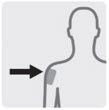
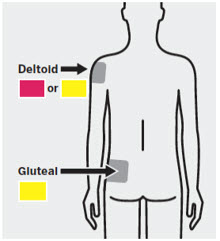
- For patients weighing less than 90 kg, the 1-inch, 22 gauge thin wall needle is recommended.
- For patients weighing 90 kg or more, the 1½-inch, 22 gauge thin wall needle is recommended.
Administer into the center of the deltoid muscle. Deltoid injections should be alternated between the two deltoid muscles.
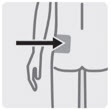
Gluteal Injection
Regardless of patient weight, the recommended needle size for administration of INVEGA TRINZA® into the gluteal muscle is the 1½-inch, 22 gauge thin wall needle. Administer into the upper-outer quadrant of the gluteal muscle. Gluteal injections should be alternated between the two gluteal muscles.
Incomplete Administration
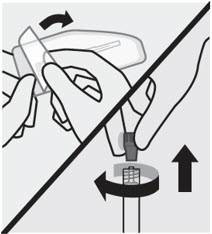
To avoid an incomplete administration of INVEGA TRINZA®, ensure that the prefilled syringe is shaken vigorously for at least 15 seconds within 5 minutes prior to administration to ensure a homogeneous suspension and ensure the needle does not get clogged during injection [see Dosage and Administration (2.8)].
However, in the event of an incompletely administered dose, do not re-inject the dose remaining in the syringe and do not administer another dose of INVEGA TRINZA®. Closely monitor and treat the patient with oral supplementation as clinically appropriate until the next scheduled 3-month injection of INVEGA TRINZA®.
Adults
INVEGA TRINZA® is to be used only after INVEGA SUSTENNA® (1-month paliperidone palmitate extended-release injectable suspension) has been established as adequate treatment for at least four months. In order to establish a consistent maintenance dose, it is recommended that the last two doses of INVEGA SUSTENNA® be the same dosage strength before starting INVEGA TRINZA®.
Initiate INVEGA TRINZA® when the next 1-month paliperidone palmitate dose is scheduled with an INVEGA TRINZA® dose based on the previous 1-month injection dose, using the equivalent 3.5-fold higher dose as shown in Table 1. INVEGA TRINZA® may be administered up to 7 days before or after the monthly time point of the next scheduled paliperidone palmitate 1-month dose.
Table 1. INVEGA TRINZA® Doses for Adult Patients Adequately Treated with INVEGA SUSTENNA®| If the Last Dose of INVEGA SUSTENNA® is: | Initiate INVEGA TRINZA® at the Following Dose: |
|---|
| Conversion from the INVEGA SUSTENNA® 39 mg dose was not studied. |
| 78 mg | 273 mg |
| 117 mg | 410 mg |
| 156 mg | 546 mg |
| 234 mg | 819 mg |
Following the initial INVEGA TRINZA® dose, INVEGA TRINZA® should be administered every 3 months. If needed, dose adjustment can be made every 3 months in increments within the range of 273 mg to 819 mg based on individual patient tolerability and/or efficacy. Due to the long-acting nature of INVEGA TRINZA®, the patient's response to an adjusted dose may not be apparent for several months [see Clinical Pharmacology (12.3)].
Dosing Window
Missing doses of INVEGA TRINZA® should be avoided. If necessary, patients may be given the injection up to 2 weeks before or after the 3-month time point.
Missed Dose 3½ Months to 4 Months Since Last Injection
If more than 3½ months (up to but less than 4 months) have elapsed since the last injection of INVEGA TRINZA®, the previously administered INVEGA TRINZA® dose should be administered as soon as possible, then continue with the 3-month injections following this dose.
Missed Dose 4 Months to 9 Months Since Last Injection
If 4 months up to and including 9 months have elapsed since the last injection of INVEGA TRINZA®, do NOT administer the next dose of INVEGA TRINZA®. Instead, use the re-initiation regimen shown in Table 2.
Table 2. Re-initiation Regimen After Missing 4 Months to 9 Months of INVEGA TRINZA®| If the Last Dose of INVEGA TRINZA® was: | Administer INVEGA SUSTENNA®, two doses one week apart (into deltoid muscle) | Then administer INVEGA TRINZA® (into deltoid See Instructions for Use for deltoid injection needle selection based on body weight. or gluteal muscle) |
|---|
| Day 1 | Day 8 | 1 month after Day 8 |
|---|
| 273 mg | 78 mg | 78 mg | 273 mg |
| 410 mg | 117 mg | 117 mg | 410 mg |
| 546 mg | 156 mg | 156 mg | 546 mg |
| 819 mg | 156 mg | 156 mg | 819 mg |
Missed Dose Longer than 9 Months Since Last Injection
If more than 9 months have elapsed since the last injection of INVEGA TRINZA®, re-initiate treatment with the 1-month paliperidone palmitate extended-release injectable suspension as described in the prescribing information for that product. INVEGA TRINZA® can then be resumed after the patient has been adequately treated with the 1-month paliperidone palmitate extended-release injectable suspension for at least 4 months.
Hyperglycemia and Diabetes Mellitus
Hyperglycemia and diabetes mellitus, in some cases extreme and associated with ketoacidosis or hyperosmolar coma or death, have been reported in patients treated with all atypical antipsychotics. These cases were, for the most part, seen in post-marketing clinical use and epidemiologic studies, not in clinical trials. Hyperglycemia and diabetes have been reported in trial subjects treated with INVEGA TRINZA®. Assessment of the relationship between atypical antipsychotic use and glucose abnormalities is complicated by the possibility of an increased background risk of diabetes mellitus in patients with schizophrenia and the increasing incidence of diabetes mellitus in the general population. Given these confounders, the relationship between atypical antipsychotic use and hyperglycemia-related adverse events is not completely understood. However, epidemiological studies suggest an increased risk of hyperglycemia-related adverse reactions in patients treated with the atypical antipsychotics.
Patients with an established diagnosis of diabetes mellitus who are started on atypical antipsychotics should be monitored regularly for worsening of glucose control. Patients with risk factors for diabetes mellitus (e.g., obesity, family history of diabetes) who are starting treatment with atypical antipsychotics should undergo fasting blood glucose testing at the beginning of treatment and periodically during treatment. Any patient treated with atypical antipsychotics should be monitored for symptoms of hyperglycemia including polydipsia, polyuria, polyphagia, and weakness. Patients who develop symptoms of hyperglycemia during treatment with atypical antipsychotics should undergo fasting blood glucose testing. In some cases, hyperglycemia has resolved when the atypical antipsychotic was discontinued; however, some patients required continuation of anti-diabetic treatment despite discontinuation of the suspect drug.
Data from the long-term maintenance trial with INVEGA TRINZA® in subjects with schizophrenia are presented in Table 5.
Table 5. Change in Fasting Glucose from the Long-Term Maintenance Trial with INVEGA TRINZA® in Subjects with Schizophrenia | Open-Label Phase (relative to open-label baseline) | Double-Blind Phase (relative to double-blind baseline) |
|---|
| Paliperidone Palmitate During the open-label phase, subjects received several doses of the 1-month paliperidone palmitate extended-release injectable suspension followed by a single dose of INVEGA TRINZA® [see Clinical Studies (14)]. | Placebo | INVEGA TRINZA® |
|---|
| Mean change from baseline (mg/dL) |
| n=397 | n=120 | n=138 |
Serum Glucose
Change from baseline | 1.2 | -1.6 | -1.2 |
| Proportion of Patients with Shifts |
| n=397 | n=128 | n=148 |
Serum Glucose
Normal to High | 2.3% | 2.3% | 4.1% |
| (<100 mg/dL to ≥126 mg/dL) | (9/397) | (3/128) | (6/148) |
Dyslipidemia
Undesirable alterations in lipids have been observed in patients treated with atypical antipsychotics.
Data from the long-term maintenance trial with INVEGA TRINZA® in subjects with schizophrenia are presented in Table 6.
Table 6. Change in Fasting Lipids from the Long-Term Maintenance Trial with INVEGA TRINZA® in Subjects with Schizophrenia | Open-Label Phase (relative to open-label baseline) | Double-Blind Phase (relative to double-blind baseline) |
|---|
| Paliperidone Palmitate During the open-label phase, subjects received several doses of the 1-month paliperidone palmitate extended-release injectable suspension followed by a single dose of INVEGA TRINZA® [see Clinical Studies (14)]. | Placebo | INVEGA TRINZA® |
|---|
| Mean change from baseline (mg/dL) |
| Cholesterol | n=400 | n=120 | n=138 |
| Change from baseline | 0.5 | -0.4 | 0.9 |
| LDL | n=396 | n=119 | n=138 |
| Change from baseline | 1.1 | -0.4 | 1.1 |
| HDL | n=397 | n=119 | n=138 |
| Change from baseline | -0.2 | -0.5 | -1.3 |
| Triglycerides | n=400 | n=120 | n=138 |
| Change from baseline | 0.1 | -2.0 | 5.1 |
| Proportion of Patients with Shifts |
| Cholesterol Normal to High | 2.0% | 3.9% | 1.4% |
| (<200 mg/dL to ≥240 mg/dL) | (8/400) | (5/128) | (2/148) |
| LDL Normal to High | 0.3% | 0.8% | 0% |
| (<100 mg/dL to ≥160 mg/dL) | (1/396) | (1/127) | (0/148) |
| HDL Normal to Low | 8.6% | 9.4% | 13.5% |
| (≥40 mg/dL to <40 mg/dL) | (34/397) | (12/127) | (20/148) |
| Triglycerides Normal to High | 4.5% | 1.6% | 8.1% |
| (<150 mg/dL to ≥200 mg/dL) | (18/400) | (2/128) | (12/148) |
Weight Gain
Weight gain has been observed with atypical antipsychotic use. Clinical monitoring of weight is recommended.
Data on mean changes in body weight and the proportion of subjects meeting a weight gain criterion of ≥ 7% of body weight from the long-term maintenance trial with INVEGA TRINZA® in subjects with schizophrenia are presented in Table 7.
Table 7. Change in Body Weight (kg) and the Proportion of Subjects with ≥ 7% Gain in Body Weight from the Long-Term Maintenance Trial with INVEGA TRINZA® in Subjects with Schizophrenia | Open-Label Phase (relative to open-label baseline) | Double-Blind Phase (relative to double-blind baseline) |
|---|
| Paliperidone Palmitate During the open-label phase, subjects received several doses of the 1-month paliperidone palmitate extended-release injectable suspension followed by a single dose of INVEGA TRINZA® [see Clinical Studies (14)]. | Placebo | INVEGA TRINZA® |
|---|
| n=466 | n=142 | n=157 |
|---|
Weight (kg)
Change from baseline | 1.42 | -1.28 | 0.94 |
| Weight Gain ≥ 7% increase from baseline | 15.2% | 0.7% | 9.6% |
Patient Exposure
The data described in this section include data from two clinical trials. One is a long-term maintenance trial, in which 506 subjects with schizophrenia received several doses of the 1-month paliperidone palmitate extended-release injectable suspension during the open-label phase, of which 379 subjects continued to receive a single injection of INVEGA TRINZA® during the open-label phase, and 160 subjects were subsequently randomized to receive at least one dose of INVEGA TRINZA® and 145 subjects received placebo during the double-blind placebo-controlled phase. The mean (SD) duration of exposure during the double-blind phase was 150 (79) days in the placebo group and 175 (90) days in the INVEGA TRINZA® group. The other is a Phase 1 study (N=308), which included patients with schizophrenia who received a single injection of INVEGA TRINZA® concomitantly with other oral antipsychotics.
Adverse Reactions in a Double-Blind, Placebo-Controlled (Long-Term Maintenance) Clinical Trial
Commonly Observed Adverse Reactions: The most common adverse reactions (incidence at least 5% in the open-label phase, or in the INVEGA TRINZA® group and at least twice the incidence in the placebo group during the double-blind phase) were injection site reaction, weight increased, headache, upper respiratory tract infection, akathisia, and parkinsonism.
Discontinuation of Treatment Due to Adverse Events: The percentages of subjects who discontinued due to adverse events in the long-term maintenance trial were 5.1% during the open-label phase. During the double-blind phase, no INVEGA TRINZA®-treated subject and one placebo-treated subject discontinued due to adverse events.
Adverse Reactions Occurring at an Incidence of 2% or More in INVEGA TRINZA®-Treated Patients: The safety profile of INVEGA TRINZA® was similar to that seen with the 1-month paliperidone extended-release injectable suspension. Table 8 lists the adverse reactions reported in a long-term maintenance trial in subjects with schizophrenia.
Table 8. Incidences of Adverse Reactions 2% or More of INVEGA TRINZA®-Treated Patients (and Greater than Placebo) for the Open-Label and Double-Blind Phases of a Long-Term Maintenance Trial in Patients with Schizophrenia | --- Open Label----- | ------------ Double Blind ------------- |
|---|
| Paliperidone Palmitate During the open-label phase, subjects received several doses of the 1-month paliperidone palmitate extended-release injectable suspension followed by a single dose of INVEGA TRINZA® prior to randomization to either placebo or INVEGA TRINZA® in the subsequent double-blind phase [see Clinical Studies (14)]. | Placebo | INVEGA TRINZA® |
|---|
| System Organ Class | (N=506) | (N=145) | (N=160) |
|---|
| Adverse Reaction The following terms were combined:
Injection site reaction includes Injection site reaction, Injection site erythema, Injection site extravasation, Injection site induration, Injection site inflammation, Injection site mass, Injection site nodule, Injection site pain, Injection site swelling.
Weight increased includes Weight increased, Waist circumference increased.
Upper respiratory tract infection includes Upper respiratory tract infection, Nasopharyngitis, Pharyngitis, Rhinitis.
Akathisia includes Akasthisia, Restlessness.
Parkinsonism includes Parkinsonism, Cogwheel rigidity, Drooling, Extrapyramidal disorder, Hypokinesia, Muscle rigidity, Muscle tightness, Musculoskeletal stiffness, Salivary hypersecretion. | % Incidence is based on the number of subjects experiencing at least one adverse event, not the number of events. | % | % |
|---|
| Table includes adverse reactions that were reported in 2% or more of subjects in the INVEGA TRINZA® group during the double-blind phase and which occurred at greater incidence than in the placebo group. |
| General disorders and administration site conditions | | | |
| Injection site reaction | 12 | 0 | 3 |
| Infections and infestations | | | |
| Upper respiratory tract infection | 5 | 4 | 10 |
| Urinary tract infection | <1 | 1 | 3 |
| Metabolism and nutrition disorders | | | |
| Weight increased | 10 | 3 | 9 |
| Nervous system disorders | | | |
| Akathisia | 5 | 2 | 5 |
| Headache | 7 | 4 | 9 |
| Parkinsonism | 5 | 0 | 4 |
Demographic Differences
An examination of population subgroups in the long-term maintenance trial did not reveal any evidence of differences in safety on the basis of age, gender, or race alone; however, there were few subjects 65 years of age and older.
Extrapyramidal Symptoms (EPS)
Data from the long-term maintenance trial provided information regarding EPS. Several methods were used to measure EPS: (1) the Simpson-Angus global score which broadly evaluates parkinsonism, (2) the Barnes Akathisia Rating Scale global clinical rating score which evaluates akathisia, (3) the Abnormal Involuntary Movement Scale scores which evaluates dyskinesia, and (4) use of anticholinergic medications to treat EPS (Table 9), and (5) incidence of spontaneous reports of EPS (Table 10).
Table 9. Extrapyramidal Symptoms (EPS) Assessed by Incidence of Rating Scales and Use of Anticholinergic Medication | | Percentage of Subjects |
|---|
| Open-label Phase | Double-blind Phase |
|---|
| Paliperidone Palmitate During the open-label phase, subjects received several doses of the 1-month paliperidone palmitate extended-release injectable suspension followed by a single dose of INVEGA TRINZA® [see Clinical Studies (14)]. | Placebo | INVEGA TRINZA® |
|---|
| Scale | (N=506)
% | (N=145)
% | (N=160)
% |
|---|
| Parkinsonism For Parkinsonism, percent of subjects with Simpson-Angus Total score > 0.3 at any time (Global score defined as total sum of items score divided by the number of items) | 6 | 3 | 6 |
| Akathisia For Akathisia, percent of subjects with Barnes Akathisia Rating Scale global score ≥ 2 at any time | 3 | 1 | 4 |
| Dyskinesia For Dyskinesia, percent of subjects with a score ≥ 3 on any of the first 7 items or a score ≥ 2 on two or more of any of the first 7 items of the Abnormal Involuntary Movement Scale at any time | 1 | 3 | 3 |
| Use of Anticholinergic Medications Percent of subjects who received anticholinergic medications to treat EPS | 11 | 9 | 11 |
Table 10. Extrapyramidal Symptoms (EPS)-Related Events by MedDRA Preferred Term | | Percentage of Subjects |
|---|
| Open-label Phase | Double-blind Phase |
|---|
| Paliperidone Palmitate During the open-label phase, subjects received several doses of the 1-month paliperidone palmitate extended-release injectable suspension followed by a single dose of INVEGA TRINZA® [see Clinical Studies (14)]. | Placebo | INVEGA TRINZA® |
|---|
| EPS Group | (N=506)
% | (N=145)
% | (N=160)
% |
|---|
| Parkinsonism group includes: Cogwheel rigidity, drooling, extrapyramidal disorder, hypokinesia, muscle rigidity, muscle tightness, musculoskeletal stiffness, parkinsonism |
| Hyperkinesia group includes: Akathisia, restlessness |
| Dystonia group includes: Blepharospasm, dystonia, muscle spasms |
| Overall percentage of subjects with EPS-related adverse events | 10 | 3 | 8 |
| Parkinsonism | 4 | 0 | 4 |
| Hyperkinesia | 5 | 2 | 5 |
| Tremor | 2 | 0 | 1 |
| Dyskinesia | <1 | 1 | 1 |
| Dystonia | 1 | 0 | 1 |
After injection of INVEGA TRINZA® in the open-label phase, 12 (3.2%) subjects had EPS that were new or worsened in severity, with events under the groupings of hyperkinesia (1.6%) and parkinsonism (1.3%) being the most common. After injection of INVEGA TRINZA® in the open-label or double-blind phases, one subject discontinued from the open-label phase due to restlessness.
An examination of the time to EPS during the double-blind phase showed no clustering of these events at visits that would be expected to correspond to median peak plasma concentrations of paliperidone for subjects randomized to INVEGA TRINZA®.
Dystonia
Symptoms of dystonia, prolonged abnormal contractions of muscle groups, may occur in susceptible individuals during the first few days of treatment. Dystonic symptoms include: spasm of the neck muscles, sometimes progressing to tightness of the throat, swallowing difficulty, difficulty breathing, and/or protrusion of the tongue. While these symptoms can occur at low doses, they occur more frequently and with greater severity with high potency and at higher doses of first generation antipsychotic drugs. An elevated risk of acute dystonia is observed in males and younger age groups.
Pain Assessment and Local Injection Site Reactions
Investigator ratings of injection site. Redness and swelling were observed in 2% or less of subjects in the INVEGA TRINZA® and placebo groups during the double-blind phase of the long-term maintenance study, and were rated mild based on investigator ratings using a 4-point scale (0=absent; 1=mild; 2=moderate; 3=severe). There were no reports of induration in either group during the double-blind phase, and no subjects discontinued due to INVEGA TRINZA® injection.
Subject ratings of injection site pain. Subject evaluations of injection pain during the double-blind phase also were similar for placebo and INVEGA TRINZA®.
Subject ratings of injection site pain in the single-dose Phase 1 study allowed for assessment of the temporal course of injection site pain. Residual injection pain peaked 1 or 6 hours after injection, and trended downward 3 days after the injection. Deltoid injections were numerically more painful than gluteal injections, although most pain ratings were below 10 mm on a 100-mm scale.
Other Adverse Reactions Observed During the Clinical Trial Evaluation of INVEGA TRINZA®
The following additional adverse reactions were identified in the long-term maintenance trial. The following list does not include reactions: 1) already listed in previous tables or elsewhere in labeling, 2) for which a drug cause was remote, 3) which were so general as to be uninformative, 4) which were not considered to have significant clinical implications, or 5) occurred at an incidence lower than that of placebo-treated patients.
Cardiac disorders: tachycardia
Gastrointestinal disorders: nausea, vomiting
Metabolism and nutrition disorders: hyperinsulinemia
Psychiatric disorders: anxiety
Additional Adverse Reactions Reported in Clinical Trials with the 1-Month Paliperidone Palmitate Extended-Release Injectable Suspension
The following is a list of additional adverse reactions that have been reported in clinical trials with the 1-month paliperidone palmitate extended-release injectable suspension:
Cardiac disorders: atrioventricular block first degree, bradycardia, bundle branch block, palpitations, postural orthostatic tachycardia syndrome
Ear and labyrinth disorders: vertigo
Eye disorders: eye movement disorder, eye rolling, oculogyric crisis, vision blurred
Gastrointestinal disorders: abdominal discomfort/abdominal pain upper, diarrhea, dry mouth, toothache
General disorders and administration site conditions: asthenia, fatigue
Immune system disorders: hypersensitivity
Investigations: electrocardiogram abnormal
Metabolism and nutrition disorders: decreased appetite, increased appetite
Musculoskeletal and connective tissue disorders: back pain, myalgia, pain in extremity, joint stiffness, muscle spasms, muscle twitching, nuchal rigidity
Nervous system disorders: bradykinesia, cerebrovascular accident, convulsion, dizziness, dizziness postural, dysarthria, hypertonia, lethargy, oromandibular dystonia, psychomotor hyperactivity, syncope
Psychiatric disorders: agitation, nightmare
Reproductive system and breast disorders: breast discharge, erectile dysfunction, gynecomastia, menstrual disorder, menstruation delayed, menstruation irregular, sexual dysfunction
Respiratory, thoracic and mediastinal disorders: cough
Skin and subcutaneous tissue disorders: drug eruption, pruritus, pruritus generalized, rash, urticaria
Vascular disorders: hypertension
Additional Adverse Reactions Reported in Clinical Trials with Oral Paliperidone
The following is a list of additional adverse reactions that have been reported in clinical trials with oral paliperidone:
Cardiac disorders: bundle branch block left, sinus arrhythmia
Gastrointestinal disorders: abdominal pain, constipation, flatulence, small intestinal obstruction
General disorders and administration site conditions: edema, edema peripheral
Immune system disorders: anaphylactic reaction
Musculoskeletal and connective tissue disorders: arthralgia, musculoskeletal pain, torticollis, trismus
Nervous system disorders: grand mal convulsion, parkinsonian gait, transient ischemic attack
Psychiatric disorders: sleep disorder
Reproductive system and breast disorders: breast engorgement, breast tenderness/breast pain, retrograde ejaculation
Respiratory, thoracic and mediastinal disorders: nasal congestion, pharyngolaryngeal pain, pneumonia aspiration
Skin and subcutaneous tissue disorders: rash papular
Vascular disorders: hypotension, ischemia
Pregnancy Exposure Registry
There is a pregnancy exposure registry that monitors pregnancy outcomes in women exposed to atypical antipsychotics, including INVEGA TRINZA®, during pregnancy. For more information contact the National Pregnancy Registry for Atypical Antipsychotics at 1-866-961-2388 or visit http://womensmentalhealth.org/clinical-and-research-programs/pregnancyregistry/.
Risk Summary
Neonates exposed to antipsychotic drugs during the third trimester of pregnancy are at risk for extrapyramidal and/or withdrawal symptoms following delivery. There are no available data on INVEGA TRINZA® use in pregnant women to inform any drug-associated risks for birth defects or miscarriage. Paliperidone has been detected in plasma at very low levels up to 18 months after a single-dose administration of INVEGA TRINZA®, and the clinical significance of INVEGA TRINZA® administered before pregnancy or anytime during pregnancy is not known [see Clinical Pharmacology (12.3)]. No teratogenicity was observed when pregnant rats were injected intramuscularly with the 1-month paliperidone palmitate extended-release injectable suspension during organogenesis at doses up to 250 mg/kg, which is 3 times the maximum recommended human dose (MRHD) of 819 mg of the 3-month paliperidone palmitate injectable suspension on mg/m2 basis.
Advise pregnant women of the potential risk to a fetus. The background risk of major birth defects and miscarriage for the indicated population are unknown. In the U.S. general population, the estimated background risk of major birth defects and miscarriage in clinically recognized pregnancies is 2–4% and 15–20%, respectively.
Clinical Considerations
Fetal/Neonatal Adverse Reactions
Extrapyramidal and/or withdrawal symptoms, including agitation, hypertonia, hypotonia, tremor, somnolence, respiratory distress, and feeding disorder have been reported in neonates who were exposed to antipsychotic drugs during the third trimester of pregnancy. These symptoms have varied in severity. Monitor neonates for extrapyramidal and/or withdrawal symptoms and manage symptoms appropriately. Some neonates recover within hours or days without specific treatment; others may require prolonged hospitalization.
Data
Human Data
There have been reports of agitation, hypertonia, hypotonia, tremor, somnolence, respiratory distress, and feeding disorder in neonates following in utero exposure to antipsychotics in the third trimester. These complications have varied in severity; while in some cases symptoms have been self-limited, in other cases neonates have required intensive care unit support and prolonged hospitalization.
Animal Data
No developmental toxicity studies were conducted with the 3-month paliperidone palmitate extended-release injectable suspension.
No treatment-related effects on the offspring were observed when pregnant rats were injected intramuscularly with 1-month paliperidone palmitate extended-release injectable suspension during the period of organogenesis at doses up to 250 mg/kg, which is 3 times the MRHD of 819 mg of the 3-month paliperidone palmitate extended-release injectable suspension on mg/m2 basis.
No increases in fetal abnormalities were observed when paliperidone was administered orally to pregnant rats and rabbits during the period of organogenesis at doses up to 8 times the MRHD of 12 mg/day of oral paliperidone on mg/m2 basis.
In rat reproduction studies with risperidone, which is extensively converted to paliperidone in rats and humans, pup deaths increased at oral doses, which are less than the MRHD of risperidone on mg/m2 basis (see RISPERDAL® package insert).
Juvenile Animal Data
No juvenile animal studies were conducted with the 3-month paliperidone palmitate extended-release injectable suspension.
Juvenile rats administered daily oral doses of paliperidone from days 24 to 73 of age had a reversible impairment of performance in a test of learning and memory in females only. The no-effect dose of 0.63 mg/kg/day produced plasma exposure (AUC) to paliperidone similar to that in adolescents. No other consistent effects on neurobehavior or reproductive development were seen up to the highest dose tested which produced plasma exposure to paliperidone 2 to 3 times that in adolescents.
Juvenile dogs administered for 40 weeks daily oral doses of risperidone, which is extensively metabolized to paliperidone in animals and humans, at 0.31, 1.25, and 5 mg/kg/day, had decreased bone length and density with no-effect dose of 0.31 mg/kg/day, which produced plasma levels (AUC) of risperidone plus paliperidone similar to those in children and adolescents receiving the MRHD of 6 mg/day of risperidone. In addition, delayed sexual maturation was seen at all doses in both males and females. All adverse effects showed little or no reversibility in females after a 12-week drug-free recovery period.
The long-term effects of paliperidone on growth and sexual maturation have not been fully evaluated in children and adolescents.
Absorption and Distribution
Due to its extremely low water solubility, the 3-month formulation of paliperidone palmitate dissolves slowly after intramuscular injection before being hydrolyzed to paliperidone and absorbed into the systemic circulation. The release of the drug starts as early as day 1 and lasts for as long as 18 months.
Following a single intramuscular dose of INVEGA TRINZA®, the plasma concentrations of paliperidone gradually rise to reach maximum plasma concentrations at a median Tmax of 30–33 days. Following intramuscular injection of INVEGA TRINZA® at doses of 273–819 mg in the deltoid muscle, on average, an 11–12% higher Cmax was observed compared with injection in the gluteal muscle. The release profile and dosing regimen of INVEGA TRINZA® results in sustained therapeutic concentrations over 3 months. The total and peak exposure of paliperidone following INVEGA TRINZA® administration was dose-proportional over a 273–819 mg dose range. The mean steady-state peak:trough ratio for a INVEGA TRINZA® dose was 1.6 following gluteal administration and 1.7 following deltoid administration. Following administration of INVEGA TRINZA®, the apparent volume of distribution of paliperidone is 1960 L.
The plasma protein binding of racemic paliperidone is 74%.
Following administration of INVEGA TRINZA®, the (+) and (-) enantiomers of paliperidone interconvert, reaching an AUC (+) to (-) ratio of approximately 1.7–1.8.
Metabolism and Elimination
In a study with oral immediate-release 14C-paliperidone, one week following administration of a single oral dose of 1 mg immediate-release 14C-paliperidone, 59% of the dose was excreted unchanged into urine, indicating that paliperidone is not extensively metabolized in the liver. Approximately 80% of the administered radioactivity was recovered in urine and 11% in the feces. Four metabolic pathways have been identified in vivo, none of which accounted for more than 10% of the dose: dealkylation, hydroxylation, dehydrogenation, and benzisoxazole scission. Although in vitro studies suggested a role for CYP2D6 and CYP3A4 in the metabolism of paliperidone, there is no evidence in vivo that these isozymes play a significant role in the metabolism of paliperidone. Population pharmacokinetics analyses indicated no discernible difference on the apparent clearance of paliperidone after administration of oral paliperidone between extensive metabolizers and poor metabolizers of CYP2D6 substrates.
The median apparent half-life of paliperidone following INVEGA TRINZA® administration over the dose range of 273–819 mg ranged from 84–95 days following deltoid injections and 118–139 days following gluteal injections. The concentration of paliperidone remaining in the circulation 18 months after dosing of 819 mg INVEGA TRINZA® is stopped is estimated to be 3% (following deltoid injection) or 7% (following gluteal injection) of the average steady-state levels.
Long-acting 3-month paliperidone palmitate injection versus other paliperidone formulations
INVEGA TRINZA® is designed to deliver paliperidone over a 3-month period, while 1-month paliperidone palmitate injection is administered on a monthly basis. INVEGA TRINZA®, when administered at doses that are 3.5-fold higher than the corresponding dose of 1-month paliperidone palmitate injection, results in paliperidone exposures similar to those obtained with corresponding monthly doses of 1-month paliperidone palmitate injection and corresponding once daily doses of paliperidone extended-release tablets. The exposure range for INVEGA TRINZA® is encompassed within the exposure range for the approved dose strengths of paliperidone extended-release tablets.
The between-subject variability for paliperidone pharmacokinetics following delivery from INVEGA TRINZA® was similar to the variability for paliperidone extended-release tablets. Because of the difference in median pharmacokinetic profiles among the three formulations, caution should be exercised when making a direct comparison of their pharmacokinetic properties.
Drug Interaction Studies
No specific drug interaction studies have been performed with INVEGA TRINZA®. The information below is obtained from studies with oral paliperidone.
Effects of other drugs on the exposures of INVEGA TRINZA® are summarized in Figure 1. After oral administration of 20 mg/day of paroxetine (a potent CYP2D6 inhibitor), an increase in mean Cmax and AUC values at steady-state was observed (see Figure 1). Higher doses of paroxetine have not been studied. The clinical relevance is unknown. After oral administration, a decrease in mean Cmax and AUC values at steady state is expected when patients are treated with carbamazepine, a strong inducer of both CYP3A4 and P-gp [see Drug Interactions (7.1)]. This decrease is caused, to a substantial degree, by a 35% increase in renal clearance of paliperidone.
| Figure 1: The effects of other drugs on INVEGA TRINZA® pharmacokinetics. |
|
In vitro studies indicate that CYP2D6 and CYP3A4 may be involved in paliperidone metabolism, however, there is no evidence in vivo that inhibitors of these enzymes significantly affect the metabolism of paliperidone; they contribute to only a small fraction of total body clearance. In vitro studies demonstrated that paliperidone is a substrate of P-glycoprotein (P-gp) [see Drug Interactions (7.2)].
In vitro studies in human liver microsomes demonstrated that paliperidone does not substantially inhibit the metabolism of drugs metabolized by cytochrome P450 isozymes, including CYP1A2, CYP2A6, CYP2C8/9/10, CYP2D6, CYP2E1, CYP3A4, and CYP3A5. Therefore, paliperidone is not expected to inhibit clearance of drugs that are metabolized by these metabolic pathways in a clinically relevant manner. Paliperidone is also not expected to have enzyme inducing properties.
Paliperidone is a weak inhibitor of P-gp at high concentrations. No in vivo data are available, and the clinical relevance is unknown.
The effects of INVEGA TRINZA® on the exposures of other drugs are summarized in Figure 2.
After oral administration of paliperidone, the steady-state Cmax and AUC of valproate were not affected in 13 patients stabilized on valproate. In a clinical study, subjects on stable doses of valproate had comparable valproate average plasma concentrations when oral paliperidone extended-release tablets 3–15 mg/day was added to their existing valproate treatment [see Drug Interactions (7.1)].
| Figure 2: The effects of INVEGA TRINZA® on pharmacokinetics of other drugs. |
|
Studies in Specific Populations
No specific pharmacokinetic studies have been performed with INVEGA TRINZA® in specific populations. All the information is obtained from studies with oral paliperidone or is based on the population pharmacokinetic modelling of oral paliperidone and INVEGA TRINZA®. Exposures of paliperidone in specific populations (renal impairment, hepatic impairment and elderly) are summarized in Figure 3 [see Dosage and Administration (2.5) and Use in Specific Populations (8.6)].
After oral administration of paliperidone in patients with moderate hepatic impairment, the plasma concentrations of free paliperidone were similar to those of healthy subjects, although total paliperidone exposure decreased because of a decrease in protein binding. Paliperidone has not been studied in patients with severe hepatic impairment [see Use in Specific Populations (8.7)].
After oral administration of paliperidone in elderly subjects, the Cmax and AUC increased 1.2-fold compared to young subjects. However, there may be age-related decreases in creatinine clearance [see Dosage and Administration (2.5) and Use in Specific Populations (8.5)].
| Figure 3: Effects of intrinsic factors on paliperidone pharmacokinetics. |
|
Based on in vitro studies utilizing human liver enzymes, paliperidone is not a substrate for CYP1A2; smoking should, therefore, not have an effect on the pharmacokinetics of paliperidone. Slower absorption was observed in females in a population pharmacokinetic analysis. At apparent steady-state with INVEGA TRINZA®, the trough concentrations were similar between males and females.
Lower Cmax was observed in overweight and obese subjects. At apparent steady-state with INVEGA TRINZA®, the trough concentrations were similar among normal, overweight, and obese subjects.
Carcinogenesis
No carcinogenicity studies were conducted with the 3-month paliperidone palmitate extended-release injectable suspension.
The carcinogenic potential of intramuscular injection of 1-month paliperidone palmitate extended-release injectable suspension was assessed in rats. There was an increase in mammary gland adenocarcinomas in female rats at 16, 47, and 94 mg/kg/month, which are 0.2, 0.6 and 1 times the maximum recommended human dose (MRHD) of 819 mg of 3-month paliperidone palmitate extended-release injectable suspension on mg/m2 basis. A no-effect dose was not established. Male rats showed an increase in mammary gland adenomas, fibroadenomas, and carcinomas at doses, which are 0.6 and 1 times the MRHD of 819 mg of 3-month paliperidone palmitate extended-release injectable suspension on mg/m2 basis. A carcinogenicity study in mice has not been conducted with the 1-month paliperidone palmitate extended-release injectable suspension.
Carcinogenicity studies of risperidone, which is extensively converted to paliperidone in rats, mice, and humans, were conducted in Swiss albino mice and Wistar rats. Risperidone was administered in the diet for 18 months to mice and for 25 months to rats at daily doses of 0.63, 2.5, and 10 mg/kg/day, which are 0.2 to 3 times in mice and 0.4 to 6 times in rats the MRHD of 16 mg/day of risperidone on mg/m2 basis. A maximum tolerated dose was not achieved in male mice. There were statistically significant increases in pituitary gland adenomas, endocrine pancreas adenomas, and mammary gland adenocarcinomas. The no-effect dose for these tumors was less than or equal to the MRHD of risperidone on mg/m2 basis (see RISPERDAL® package insert). An increase in mammary, pituitary, and endocrine pancreas neoplasms has been found in rodents after chronic administration of other antipsychotic drugs and is considered to be mediated by prolonged dopamine D2-receptor antagonism and hyperprolactinemia. The relevance of these tumor findings in rodents in terms of human risk is unknown [see Warnings and Precautions (5.10)].
Mutagenesis
No mutagenesis studies were conducted with the 3-month paliperidone palmitate extended-release injectable suspension.
Paliperidone palmitate showed no genotoxicity in the in vitro Ames bacterial reverse mutation test and mouse lymphoma assay. Paliperidone was not genotoxic in the in vitro Ames bacterial reverse mutation test, mouse lymphoma assay and the in vivo rat bone marrow micronucleus test.
Impairment of Fertility
No fertility studies were conducted with the 3-month paliperidone palmitate extended-release injectable suspension.
In a rat fertility study orally administered paliperidone increased pre- and post-implantation losses and slightly decreased the number of live embryos at doses up to 2.5 mg/kg/day, a dose which is 2 times the MRHD of 12 mg on mg/m2 basis. This dose also caused slight maternal toxicity but there was no effect on the percentage of treated female rats that became pregnant. Pre- and post- implantation losses, the number of live embryos and maternal toxicity were not affected at 0.63 mg/kg/day, a dose, which is half of the MRHD of 12 mg/day of orally administered paliperidone on mg/m2 basis. The fertility of male rats was not affected at oral doses of paliperidone of up to 2.5 mg/kg/day, which are up to 2 times the MRHD of 12 mg on mg/m2 basis, although sperm count and sperm viability studies were not conducted with paliperidone.
In a sub-chronic study in Beagle dogs with risperidone, which is extensively converted to paliperidone in dogs and humans, all doses tested 0.31 to 5.0 mg/kg/day, which are 0.6 to 10 times the MRHD of 16 mg on mg/m2 basis, resulted in decreases in serum testosterone and decreases in sperm motility and concentration. Serum testosterone and sperm parameters partially recovered, but remained decreased at the last observation two months after treatment was discontinued.
Neuroleptic Malignant Syndrome (NMS)
Counsel patients about a potentially fatal side effect referred to as Neuroleptic Malignant Syndrome (NMS) that has been reported in association with administration of antipsychotic drugs. Patients should contact their health care provider or report to the emergency room if they experience the following signs and symptoms of NMS, including hyperpyrexia, muscle rigidity, altered mental status, and evidence of autonomic instability (irregular pulse or blood pressure, tachycardia, diaphoresis, and cardiac dysrhythmia [see Warnings and Precautions (5.3)].
Tardive Dyskinesia
Counsel patients on the signs and symptoms of tardive dyskinesia and to contact their health care provider if these abnormal movements occur [see Warnings and Precautions (5.5)].
Metabolic Changes
Educate patients about the risk of metabolic changes, how to recognize symptoms of hyperglycemia (high blood sugar) and diabetes mellitus (e.g., polydipsia, polyuria, polyphagia, and weakness), and the need for specific monitoring, including blood glucose, lipids, and weight [see Warnings and Precautions (5.6)].
Orthostatic Hypotension
Educate patients about the risk of orthostatic hypotension, particularly at the time of initiating treatment, re-initiating treatment, or increasing the dose [see Warnings and Precautions (5.7)].
Leukopenia/Neutropenia
Advise patients with a pre-existing low WBC or a history of drug induced leukopenia/neutropenia they should have their CBC monitored while taking INVEGA TRINZA® [see Warnings and Precautions (5.9)].
Hyperprolactinemia
Counsel patients on signs and symptoms of hyperprolactinemia that may be associated with chronic use of INVEGA TRINZA®. Advise them to seek medical attention if they experience any of the following: amenorrhea or galactorrhea in females, erectile dysfunction or gynecomastia in males. [See Warnings and Precautions (5.10)]
Interference with Cognitive and Motor Performance
As INVEGA TRINZA® has the potential to impair judgment, thinking, or motor skills, caution patients about operating hazardous machinery, including automobiles, until they are reasonably certain that INVEGA TRINZA® therapy does not affect them adversely [see Warnings and Precautions (5.11)].
Priapism
Advise patients of the possibility of painful or prolonged penile erections (priapism). Instruct the patient to seek immediate medical attention in the event of priapism [Warnings and Precautions (5.14)].
Heat Exposure and Dehydration
Counsel patients on the importance of avoiding overheating and dehydration [see Warnings and Precautions (5.15)].
Concomitant Medication
Advise patients to inform their health care providers if they are taking, or plan to take any prescription or over-the-counter drugs, as there is a potential for interactions [see Drug Interactions (7)].
Pregnancy
Advise patients that INVEGA TRINZA® may cause extrapyramidal and/or withdrawal symptoms in a neonate and to notify their healthcare provider if they become pregnant or intend to become pregnant during treatment with INVEGA TRINZA®. Advise patients that there is a pregnancy registry that monitors pregnancy outcomes in women exposed to INVEGA TRINZA® during pregnancy [see Use in Specific Populations (8.1)].
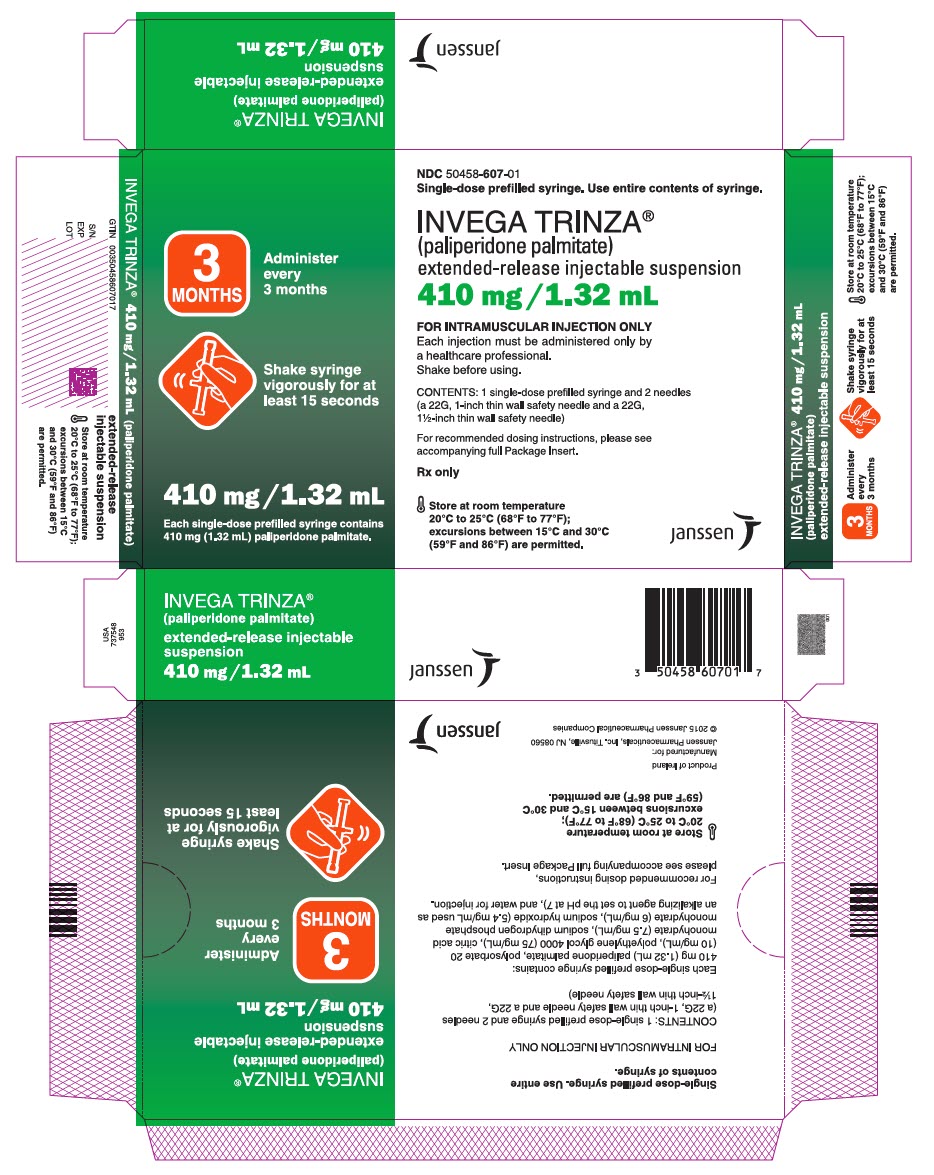
INVEGA TRINZA® (paliperidone palmitate) Extended-Release Injectable Suspension
INVEGA SUSTENNA®, RISPERDAL®, and RISPERDAL CONSTA® are trademarks of Janssen Pharmaceuticals, Inc.
Product of Ireland
Manufactured by:
Janssen Pharmaceutica N.V.
Beerse, Belgium
Manufactured for:
Janssen Pharmaceuticals, Inc.
Titusville, NJ 08560
© 2015 Janssen Pharmaceutical Companies