Kygevvi Powder, For Solution
Product Images NDC 50474-350

View Photos of Packaging, Regulatory Labels, and Product Appearance

Product Visual Gallery

This gallery contains 35 technical images submitted to the FDA as part of the official labeling for Kygevvi (NDC 50474-350). Unlike standard consumer photos, these assets often include clinical data figures, molecular chemical structures, and official manufacturer packaging layouts.

As provided by Ucb, Inc., these visuals offer a comprehensive scientific overview of the product's physical and chemical identity, aiding pharmacists and researchers in product verification and study.

FDA Label Image

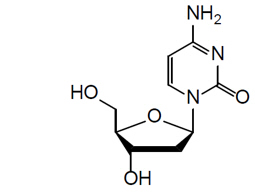
Chemical Structure (Kygevvi 01)
Chemical Structure (Kygevvi 01)
Chemical structure diagram of the active ingredient shown, depicting a nitrogenous base linked to a sugar moiety consistent with a nucleoside analogue compound.*
FDA Label Image

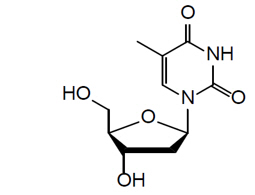
Chemical Structure (Kygevvi 02)

Chemical Structure (Kygevvi 02)
Chemical structure of the active ingredient in KYGEVVI, showing a molecular diagram with characteristic rings and functional groups consistent with doxecitine and doxribtimine.*
FDA Label Image

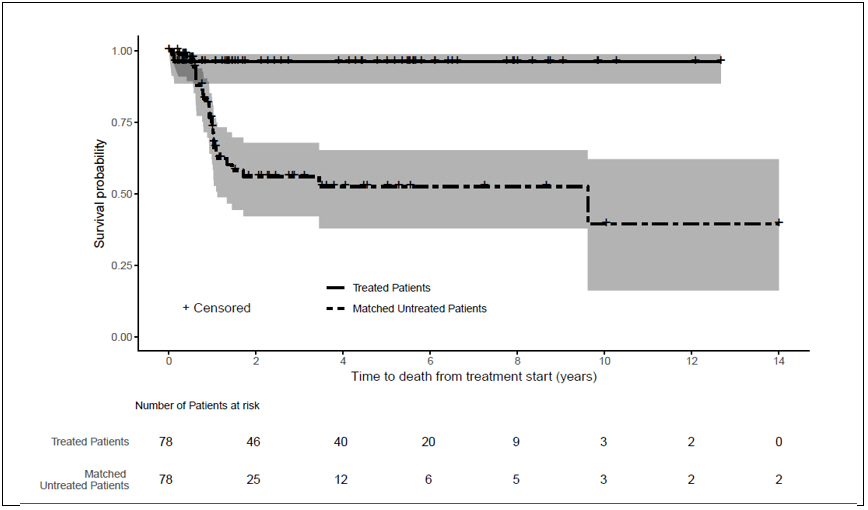
Figure 1 (Kygevvi 03)

Figure 1 (Kygevvi 03)
A survival probability Kaplan-Meier curve comparing treated patients and matched untreated patients over time to death from treatment start in years. The chart includes censored data points and a risk table showing patient counts at various time points up to 14 years. Shaded areas indicate confidence intervals for each group.*
FDA Label Image

Image (Kygevvi 04)

Image (Kygevvi 04)
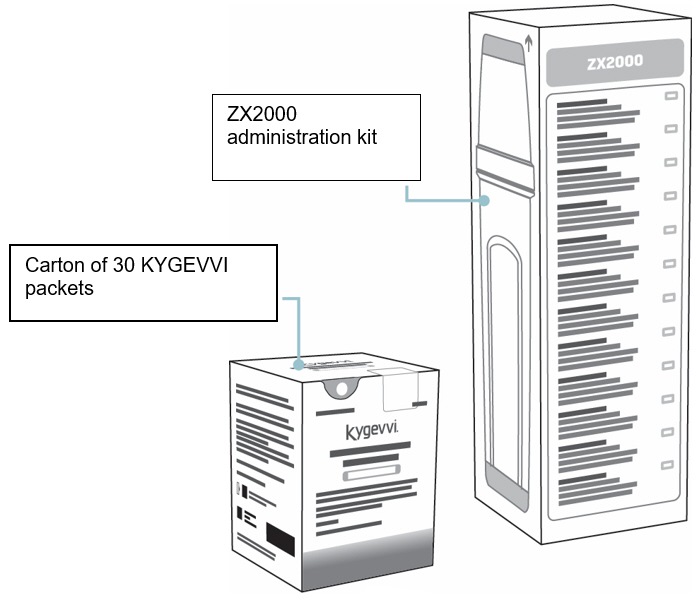
Illustration showing packaging components for KYGEVVI powder for solution oral administration by UCB, Inc. It depicts a carton containing 30 KYGEVVI packets alongside a ZX2000 administration kit, illustrating the product's packaging and delivery setup.*
FDA Label Image

Image (Kygevvi 05)

Image (Kygevvi 05)
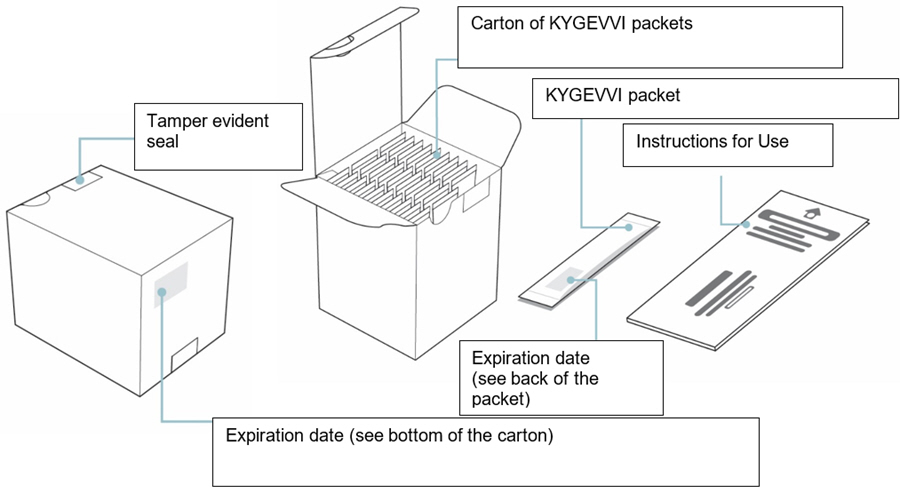
Diagram showing the packaging components of KYGEVVI powder for solution oral drug by UCB, Inc. It includes a carton with tamper-evident seal and expiration date on the bottom, an open carton filled with individual KYGEVVI packets each with expiration date on the back, and an accompanying Instructions for Use leaflet.*
FDA Label Image

Image (Kygevvi 06)

Image (Kygevvi 06)
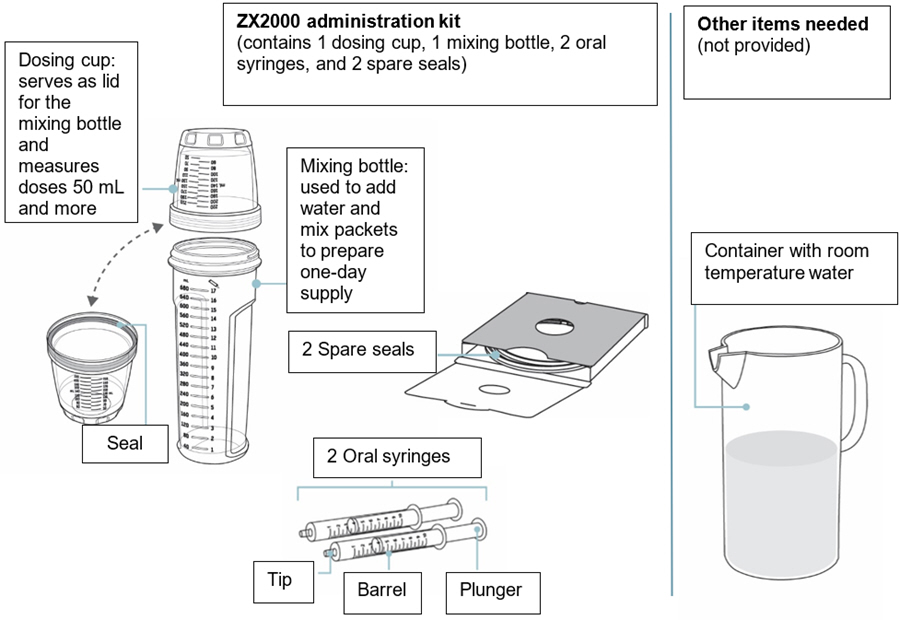
Illustration of the ZX2000 administration kit including a dosing cup that doubles as a lid and measures doses of 50 mL or more, a mixing bottle for adding water and mixing powder packets to prepare a one-day supply, two spare seals, and two oral syringes labeled with tip, barrel, and plunger parts. Also shown is a container with room temperature water, noted as an item not provided in the kit.*
FDA Label Image

Image (Kygevvi 07)

Image (Kygevvi 07)
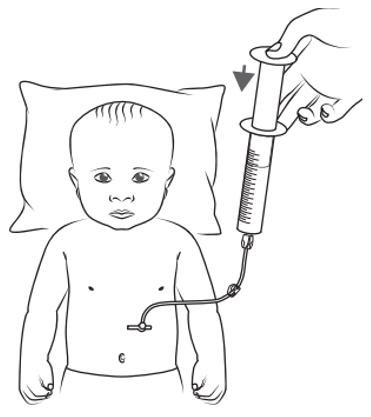
An instructional line drawing showing a pediatric patient lying on a pillow, receiving an oral solution via a syringe connected to a feeding tube inserted in the abdomen. A hand is depicted pushing the plunger of the syringe to administer the medication.*
FDA Label Image

Figure B (Kygevvi 08)

Figure B (Kygevvi 08)
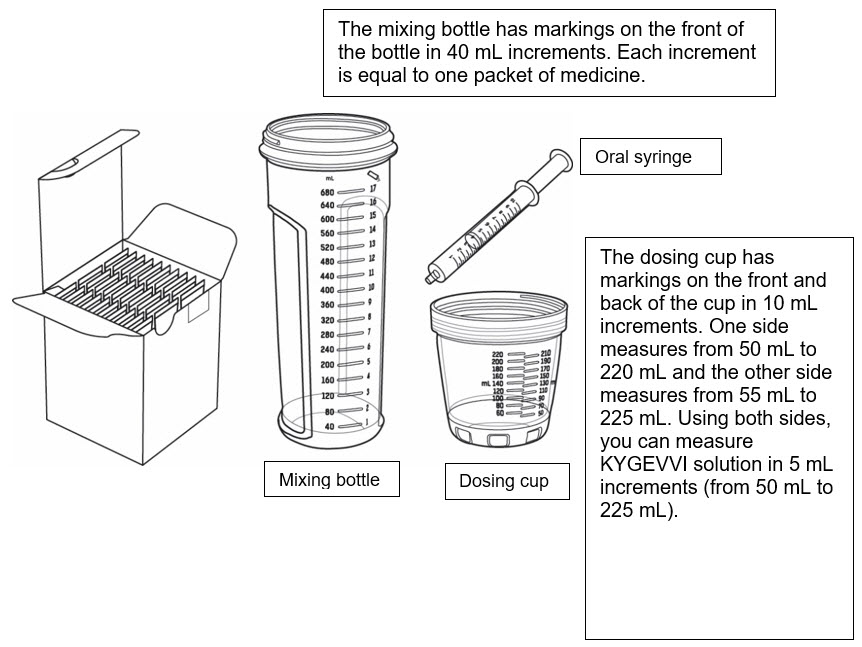
Illustration showing dosing tools for KYGEVVI powder for solution oral medication, including a mixing bottle with 40 mL increment markings, a dosing cup with 10 mL increment markings on both sides (measuring 50 to 225 mL), an oral syringe, and an open box of medicine packets.*
FDA Label Image

Figure C (Kygevvi 09)

Figure C (Kygevvi 09)
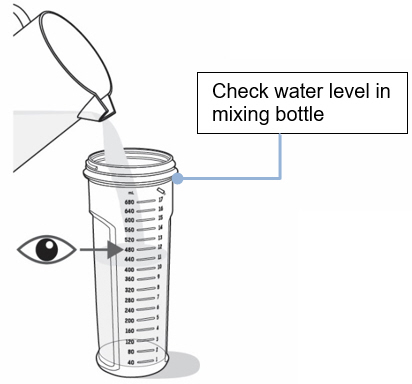
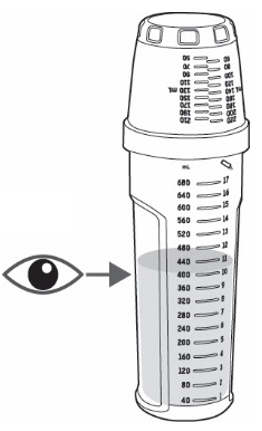
An instructional illustration showing a liquid being poured into a marked mixing bottle with volume measurements in milliliters and ounces. The image includes a callout labeled 'Check water level in mixing bottle' and an eye icon indicating the importance of visually verifying the water level during preparation.*
FDA Label Image

Figure D (Kygevvi 10)

Figure D (Kygevvi 10)
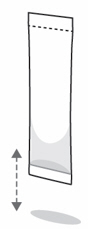
An instructional illustration showing a single sachet pouch for powder formulation. The diagram indicates the length dimension of the sachet with a two-headed vertical arrow alongside it. The pouch appears to be designed for oral solution preparation, consistent with the KYGEVVI powder dosage form.*
FDA Label Image

Figure E (Kygevvi 11)

Figure E (Kygevvi 11)
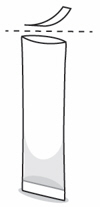
An instructional diagram depicting the opening of a powder for solution oral dosage form sachet. The image shows a sealed sachet with a curved arrow indicating the tearing or opening direction along a perforated line at the top.*
FDA Label Image

Figure F (Kygevvi 12)

Figure F (Kygevvi 12)
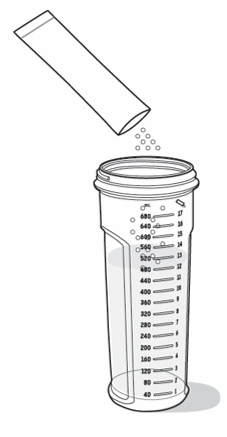
An illustration showing medication powder being poured from a stick pack into a graduated oral dosing cup. The cup has volume markings in milliliters from 40 to 680 mL on its side, indicating measurements for liquid volume.*
FDA Label Image

Figure G (Kygevvi 13)

Figure G (Kygevvi 13)
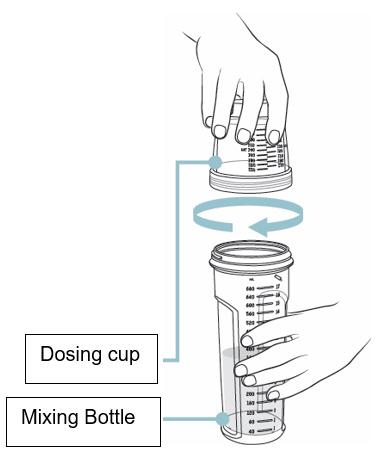
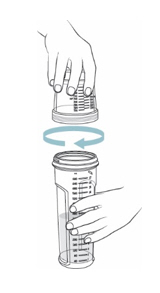
An instructional diagram illustrating hand use for dosing and mixing. The image shows one hand holding a dosing cup aligned above a mixing bottle held by the other hand. Arrows indicate the dosing cup is to be rotated or twisted onto the mixing bottle. Both containers have volume measurement markings. Labels identify the upper container as the dosing cup and the lower as the mixing bottle.*
FDA Label Image

Figure H (Kygevvi 14)

Figure H (Kygevvi 14)
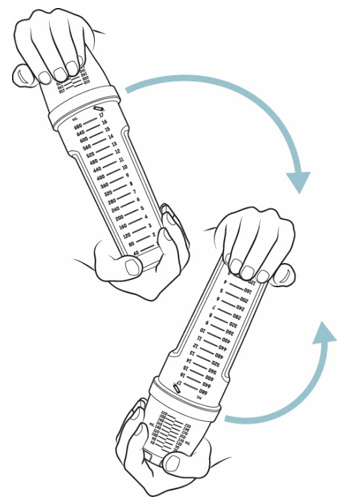
An instructional illustration showing two hands holding a graduated measuring container. The image depicts the motion of shaking or inverting the container as indicated by curved arrows, commonly used to mix the contents thoroughly before use.*
FDA Label Image

Figure I (Kygevvi 15)

Figure I (Kygevvi 15)
An instructional illustration showing a dosing cup with volume markings in milliliters and corresponding dose measurements. The image includes an eye icon with an arrow pointing to the transparent section of the cup, indicating proper reading of liquid levels for accurate oral dosing.*
FDA Label Image

Image (Kygevvi 16)

Image (Kygevvi 16)
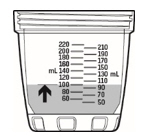
A clear plastic measuring cup with volume markings in milliliters (mL) on the side. The scale ranges from 50 mL to 220 mL on the left and 50 mL to 210 mL on the right. An upward-pointing arrow is printed below the 100 mL mark on the left side of the cup.*
FDA Label Image

Image (Kygevvi 17)

Image (Kygevvi 17)
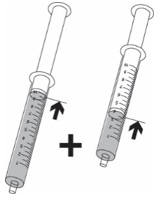
An instructional illustration showing two syringes with arrows indicating the fluid levels inside each. The image likely demonstrates combining or measuring liquid doses for the oral powder solution KYGEVVI containing doxecitine and doxribtimine, but shows no text beyond measurement markings.*
FDA Label Image

Figure J (Kygevvi 18)

Figure J (Kygevvi 18)
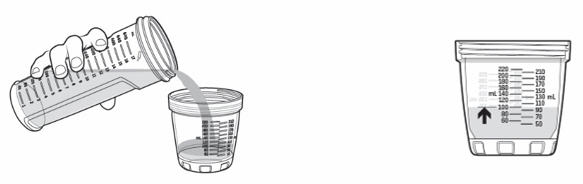
An instructional illustration showing a container being poured into a measuring cup with volume markings, followed by a close-up of the measuring cup filled to a specified level, indicated by an arrow at approximately 130 mL. This diagram likely demonstrates how to measure the oral powder-for-solution dosage for KYGEVVI by UCB, Inc.*
FDA Label Image

Figure K (Kygevvi 19)

Figure K (Kygevvi 19)
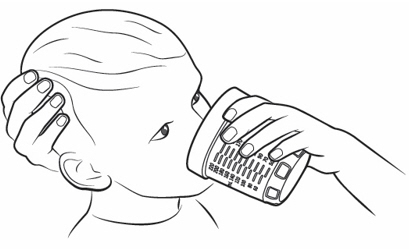
An instructional line drawing showing a person drinking from a measuring cup or container, illustrating the proper oral administration method for a powdered medication reconstituted into a solution.*
FDA Label Image

Figure L (Kygevvi 20)

Figure L (Kygevvi 20)
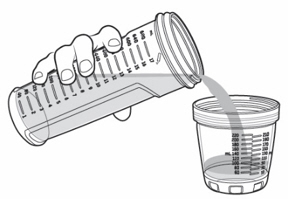
An instructional illustration showing a hand pouring liquid from a measuring bottle into a small dosage cup with measurement markings. The image demonstrates how to transfer the oral solution accurately for administration.*
FDA Label Image

Figure M (Kygevvi 21)

Figure M (Kygevvi 21)
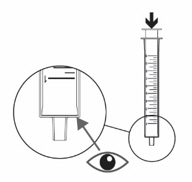
An instructional diagram showing how to properly position and view a dosing syringe. The image highlights placing the syringe vertically and aligning the eye level with the dosing mark for accurate measurement, with two circular magnified views emphasizing key steps.*
FDA Label Image

Figure N (Kygevvi 22)

Figure N (Kygevvi 22)
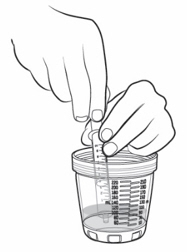
An instructional illustration showing two hands preparing a solution in a measuring cup. One hand holds the cup steady while the other hand uses a stirrer or dropper to mix or measure the contents inside the cup. The container has measurement markings visible on its side.*
FDA Label Image

Figure O (Kygevvi 23)

Figure O (Kygevvi 23)
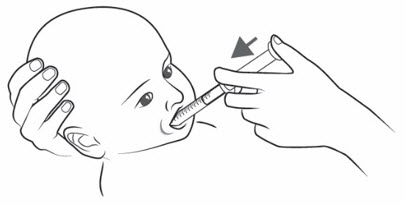
An instructional illustration showing an adult supporting the head of a baby while administering oral medication with a syringe into the baby's mouth. The image guides safe and gentle oral dosing for infants.*
FDA Label Image

Figure P (Kygevvi 24)

Figure P (Kygevvi 24)
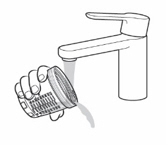
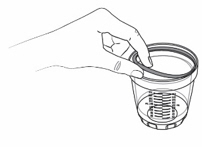
An instructional diagram showing a hand holding a measuring cup under a faucet as water is being poured into the cup. The image likely demonstrates how to prepare a powder for solution for oral administration by dissolving it in water.*
FDA Label Image

Figure Q (Kygevvi 25)

Figure Q (Kygevvi 25)
An instructional illustration showing a hand placing and twisting a measuring cup onto a graduated container. The container appears to have measurement markings and is held steady by another hand, indicating assembly or preparation steps for oral powder solution dosing.*
FDA Label Image

Figure R (Kygevvi 26)

Figure R (Kygevvi 26)
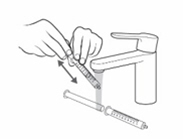
An instructional illustration showing hands rinsing and filling an oral syringe under a running faucet, demonstrating proper cleaning and preparation of the syringe before use.*
FDA Label Image

Figure S (Kygevvi 27)

Figure S (Kygevvi 27)
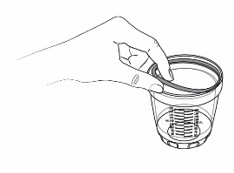
An instructional line drawing showing a hand placing an object into a container or cup with a cylindrical mesh or filter insert at the bottom. The illustration appears to depict a step in medication preparation or administration.*
FDA Label Image

Figure T (Kygevvi 28)

Figure T (Kygevvi 28)
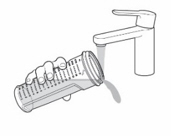
An instructional illustration showing a hand pouring powdered contents from a measuring container into a water faucet, likely demonstrating preparation of an oral powder for solution dosage form.*
FDA Label Image

Figure T (Kygevvi 29)

Figure T (Kygevvi 29)
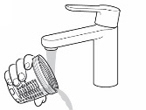
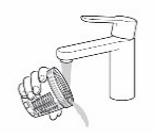
An instructional line drawing showing a hand holding an open cup or container under a running faucet. The image illustrates pouring or rinsing, possibly related to preparing or using an oral powder medication.*
FDA Label Image

Figure U (Kygevvi 30)

Figure U (Kygevvi 30)
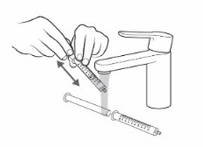
An instructional illustration showing hands holding a water droplet under a faucet, directing the droplet into a syringe. This diagram likely demonstrates how to dissolve or prepare the powder for oral solution dosage form for administration.*
FDA Label Image

Figure V (Kygevvi 31)

Figure V (Kygevvi 31)
An instructional illustration showing a hand placing a capsule or tablet into a small measuring cup containing liquid, likely demonstrating how to prepare or dissolve a dose for oral administration.*
FDA Label Image

Figure W (Kygevvi 32)

Figure W (Kygevvi 32)
An instructional black-and-white illustration showing a hand rinsing or washing a container under a faucet. The image depicts the process of cleaning or preparing the container before use.*
FDA Label Image

Figure X (Kygevvi 33)

Figure X (Kygevvi 33)
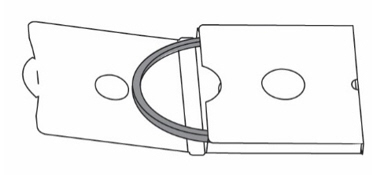
An illustration showing a partially opened rectangular paper or cardboard packet with a curved object, likely a straw or small tube, extending from inside the packet to the outside. The packet appears to be designed for a single-dose powder for solution, consistent with dosing instructions or preparation steps for oral medication.*
FDA Label Image

Figure Y (Kygevvi 34)

Figure Y (Kygevvi 34)
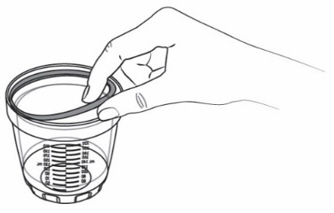
An instructional illustration showing a hand holding a clear plastic measuring cup containing powder, intended for preparing an oral solution, associated with the KYGEVVI drug product.*
FDA Label Image

Principal Display Panel (30 Packet Carton)

Principal Display Panel (30 Packet Carton)
Package label for KYGEVVI powder for oral solution containing 2 g doxecitine and 2 g doxribtimine per packet. The label shows the product name, generic names, strength, and instructions about storage and usage. It specifies 30 packets per package and indicates the labeler as UCB, Inc., with a barcode and NDC 50474-350-30. Storage instructions and disposal warnings are also displayed.*

* About these descriptions: Image descriptions on this page are generated by automated AI analysis of the product label images from the manufacturer's FDA label submission (SPL). They are provided for reference only and may contain errors or omissions. Always rely on the printed label itself and the official FDA labeling, and consult a pharmacist or healthcare professional with any questions about this product.