Injection: 16.6 mg/0.416 mL, 23 mg/0.574 mL, or 32.4 mg/0.81 mL of zilucoplan as a clear to slightly opalescent, colorless solution in single-dose prefilled syringes.
Pancreatic Events
In addition to increases in amylase and lipase observed in Study 1, pancreatic events, including pancreatitis and pancreatic cysts have been observed in patients taking ZILBRYSQ [see Warnings and Precautions (5.4)].
Adverse Laboratory Changes in Clinical Trials
Additional laboratory abnormalities included transient elevations of blood eosinophils, which were of uncertain clinical significance.
Morphea
In the open label extension studies, morphea was observed in 5% of patients; most cases had a time to onset longer than one year after start of treatment and were mild to moderate in severity. One patient discontinued ZILBRYSQ due to morphea.
Risk Summary
There are no available data on ZILBRYSQ use in pregnant women to evaluate for a drug-associated risk of major birth defects, miscarriage, or other adverse maternal or fetal outcomes. Administration of zilucoplan to pregnant monkeys resulted in increases in embryofetal death at maternal exposures similar to those in humans at therapeutic doses (see Animal Data).
All pregnancies have a background risk of birth defect, loss, or other adverse outcomes. The background rate of major birth defects and miscarriage in the indicated population is unknown. In the U.S. general population, the estimated background risk of major birth defects and miscarriage in clinically recognized pregnancies is 2% to 4% and 15% to 20%, respectively.
Data
Animal Data
Subcutaneous administration of zilucoplan (0, 1, 2, or 4 mg/kg/day) to pregnant monkeys throughout gestation resulted in an increase in embryofetal death at all doses, in the absence of maternal toxicity. A no effect dose for adverse developmental effects in monkeys was not identified. The lowest dose tested was associated with maternal exposures (AUC) similar to that in humans at the maximum recommended human dose of 32.4 mg/day.
Data from an ex vivo human placental transfer model demonstrated transfer of zilucoplan into the fetal compartment at a rate of 0.5% at a steady state plasma concentration of 10 µg/mL zilucoplan, which corresponds to a therapeutic dose of 0.3 mg/kg. The clinical significance of these data in human pregnancies is unknown.
Risk Summary
There are no data on the presence of zilucoplan in human milk, the effects on the breastfed infant, or the effects on milk production. The developmental and health benefits of breastfeeding should be considered along with the mother's clinical need for ZILBRYSQ and any potential adverse effects on the breastfed infant from ZILBRYSQ or from the underlying maternal condition.
Cardiac Electrophysiology
At a dose two times the maximum approved recommended dose, ZILBRYSQ does not cause clinically significant QTc interval prolongation.
Absorption
Following single and multiple daily subcutaneous administration of ZILBRYSQ 0.3 mg/kg in healthy subjects, zilucoplan reached peak plasma concentration generally between 3 to 6 hours post-dose. Following daily subcutaneous dosing of ZILBRYSQ 0.3 mg/kg for 14 days in healthy subjects, both the peak plasma concentration and exposure (AUCtau) increased by approximately 3-fold.
In Study 1 [see Clinical Studies (14)], after daily repeated subcutaneous administration of ZILBRYSQ 0.3 mg/kg, plasma concentrations of zilucoplan were consistent, with steady state trough concentrations being reached by four weeks of treatment with ZILBRYSQ through twelve weeks.
Distribution
The mean volume of distribution at steady state was 3.51 L in the population pharmacokinetics analysis for adult patients with gMG. Zilucoplan and its 2 major metabolites are highly bound to plasma proteins (>99%).
Elimination
The mean plasma terminal half-life of zilucoplan was approximately 172 hours (7 to 8 days).
Metabolism
As a peptide, ZILBRYSQ is expected to be degraded into small peptides and amino acids via catabolic pathways.
In plasma, two major metabolites, RA103488 and RA102758, were detected. The metabolite RA103488, formed mainly because of cytochrome CYP450 4F2, has pharmacological activity similar to zilucoplan but is present at a much lower concentration compared to zilucoplan. The metabolite RA102758, formed by protease mediated degradation, is pharmacologically inactive. The AUCs of both metabolites were approximately 10% of the parent AUC. The contribution of RA103488 to pharmacological activity is therefore expected to be low.
Excretion
Excretion of zilucoplan and its metabolite in urine and feces was negligible (<1% of the dose).
Specific Populations
Age, Sex, and Race
A population pharmacokinetics analysis assessing the effects of age, sex, and race did not suggest any clinically significant impact of these covariates on zilucoplan exposures.
Patients with Renal Impairment
A dedicated clinical study compared the pharmacokinetics of a single subcutaneous dose of ZILBRYSQ 0.3 mg/kg in subjects with severe renal impairment (as defined by a creatinine clearance <30 mL/min estimated by Cockcroft-Gault formula) to that of matched healthy subjects with normal renal function. A decrease in zilucoplan exposure (AUC0-inf) of 13% was observed. This change in zilucoplan exposures is not expected to be clinically significant. No dose adjustment is required in patients with renal impairment.
Patients with Hepatic Impairment
A dedicated clinical study compared the pharmacokinetics of a single subcutaneous dose of ZILBRYSQ 0.3 mg/kg in subjects with moderate hepatic impairment (as indicated by a Child-Pugh category of moderate [score of 7 to 9]) to that of matched healthy subjects with normal hepatic function. A decrease in zilucoplan exposure (AUC0-inf) of 24% was observed. This change in zilucoplan exposures is not expected to be clinically significant. No dose adjustment is required in patients with mild or moderate hepatic impairment. The pharmacokinetics of zilucoplan in patients with severe hepatic impairment have not been studied.
Drug Interactions
Clinical drug interaction studies have not been performed with zilucoplan.
In vitro studies have shown that zilucoplan is not a substrate of major cytochrome P450 (CYP) enzymes (1A2, 2B6, 2C8, 2C9, 2C19, 2D6, and 3A) or transporters (P-gp, BCRP, OATP1B1, and OATP1B3). Based on the results from in vitro drug interaction testing, clinically relevant interactions between zilucoplan and substrates of CYP enzymes (1A2, 2B6, 2C8, 2C9, 2C19, 2D6, 3A, and 4F), uridine diphosphoglucuronosyl transferases (UGTs; 1A1, 1A3, 1A4, 1A6, 1A9, 2B7, and 2B15), and transporters (P-gp, BCRP, OATP1B1, OATP1B3, OAT1, OAT3, MATE1, MATE2-K, OCT1, and OCT2) is unlikely.
Carcinogenesis
Studies to assess the carcinogenic potential of zilucoplan have not been conducted.
Mutagenesis
Zilucoplan was not genotoxic in in vitro (Ames and chromosomal aberration) and in vivo (rat micronucleus) assays.
Impairment of Fertility
Subcutaneous administration of zilucoplan (0, 1, 2, or 4 mg/kg/day) to male monkeys resulted in testicular germ cell depletion/degeneration at all doses at the end of the 13-week dosing period and after the 8-week recovery period, indicating lack of reversibility. A no-effect dose for testicular germ cell degeneration was not identified. At the lowest dose tested, plasma exposures (AUC) were similar to that in humans at the maximum recommended human dose of 32.4 mg/day.
Pharmacy Prior to Dispensing
Store ZILBRYSQ prefilled syringes refrigerated at 2°C to 8°C (36°F to 46°F) in the original carton until dispensing. Do not freeze.
Storage for Patients or Caregivers After Dispensing
Storage conditions after dispensing by pharmacist are summarized in Table 4:
Table 4: After Dispensing Storage Conditions| Temperature | Refrigeration
2°C to 8°C (36°F to 46°F) | Room Temperature
Up to 30°C (86°F) |
| Time Period | Until expiration date on the carton | Up to 3 months after removing from refrigerator or until expiration date on the carton, whichever occurs first |
- Do not freeze.
- Store ZILBRYSQ prefilled syringes in the original carton to protect them from light until time of use.
- ZILBRYSQ prefilled syringes may be stored at room temperature in the original carton for a single period of up to 3 months.
- When storing ZILBRYSQ prefilled syringes at room temperature, write the date removed from the refrigerator in the space provided on the carton and discard if not used within 3 months or if the expiration date has passed, whichever occurs first.
- Do not return ZILBRYSQ to the refrigerator after it has been stored at room temperature.
- ZILBRYSQ does not contain a preservative; discard any unused portion.
Meningococcal Infection
Advise patients of the risk of meningococcal infection [see Warnings and Precautions (5.1)]. Inform patients of the need to complete or update meningococcal vaccination for both MenACWY and MenB at least 2 weeks prior to receiving the first dose of ZILBRYSQ and to be revaccinated according to current ACIP recommendations for meningococcal vaccines while on ZILBRYSQ therapy. Inform patients that vaccination may not prevent meningococcal infection. Inform patients about the signs and symptoms of meningococcal infection, and strongly advise patients to seek immediate medical attention if these signs or symptoms occur. These signs and symptoms are as follows:
- headache with nausea or vomiting
- headache and a fever
- headache with a stiff neck or stiff back
- fever
- fever and a rash
- confusion
- muscle aches with flu-like symptoms
- eyes sensitive to light
Inform patients that they will be given a Patient Safety Card that they should carry with them at all times and for 2 months following treatment with ZILBRYSQ. This card describes symptoms which, if experienced, should prompt the patient to immediately seek medical evaluation.
ZILBRYSQ REMS
ZILBRYSQ is available only through a restricted program called ZILBRYSQ REMS [see Warnings and Precautions (5.2)].
Inform the patient of the following notable requirements:
- Patients must receive counseling about the risk of serious meningococcal infections.
- Patients must receive written educational materials about this risk.
- Patients must be instructed to carry the Patient Safety Card with them at all times during and for 2 months following treatment with ZILBRYSQ.
- Patients must be instructed to complete or update meningococcal vaccines (for both MenACWY and MenB) per ACIP recommendations as directed by the prescriber prior to treatment with ZILBRYSQ.
- Patients must receive antibiotics as directed by the prescriber if they are not up to date on both meningococcal vaccines and have to start ZILBRYSQ right away.
Other Infections
Counsel patients of the increased risk of infections, particularly those due to encapsulated bacteria, especially Neisseria species. Advise patients if they should receive the Streptococcus pneumoniae and Haemophilus influenzae type b vaccinations [see Warnings and Precautions (5.3)]. Counsel patients about gonorrhea prevention and advise regular testing for patients at risk. Advise patients to report any new signs and symptoms of infection.
Pancreatitis and Other Pancreatic Conditions
Inform patients that pancreatitis and pancreatic cysts have been reported in patients taking ZILBRYSQ. Inform patients that persistent abdominal pain, sometimes severe or radiating to the back, which may or may not be accompanied by vomiting, is the hallmark symptom of acute pancreatitis. Instruct patients to contact their healthcare provider if these symptoms occur to determine if they should discontinue ZILBRYSQ [see Warnings and Precautions (5.4)].
Administration
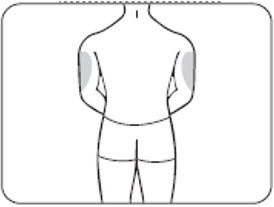
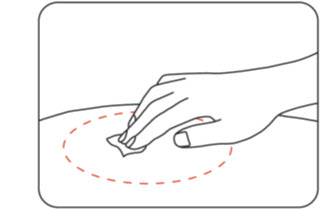
Provide training to patients and caregivers on proper subcutaneous injection technique.
Instruct patients to inject the full dose of ZILBRYSQ [see Medication Guide and Instructions for Use].
Instruct patients or caregivers in the technique of needle and syringe disposal [see Instructions for Use].
Remind patients if they forget to take their dose of ZILBRYSQ to inject their dose as soon as they remember. They should then take their next dose at the appropriate scheduled time. They should not take more than 1 dose per day.
Manufactured for:
UCB, Inc.
1950 Lake Park Drive
Smyrna, GA 30080
ZILBRYSQ® is a registered trademark of the UCB Group of Companies.
©2023 UCB, Inc., Smyrna, GA 30080. All rights reserved.