Allergy Nasal Spray, Metered
Product Images NDC 51316-181

View Photos of Packaging, Regulatory Labels, and Product Appearance

Product Visual Gallery

This gallery contains 20 technical images submitted to the FDA as part of the official labeling for Allergy Nasal (NDC 51316-181). Unlike standard consumer photos, these assets often include clinical data figures, molecular chemical structures, and official manufacturer packaging layouts.

As provided by Cvs Woonsocket Prescription Center, Incorporated, these visuals offer a comprehensive scientific overview of the product's physical and chemical identity, aiding pharmacists and researchers in product verification and study.

FDA Label Image

1g7-17-allergy-nasal-spray (1g7 17 Allergy Nasal Spray)
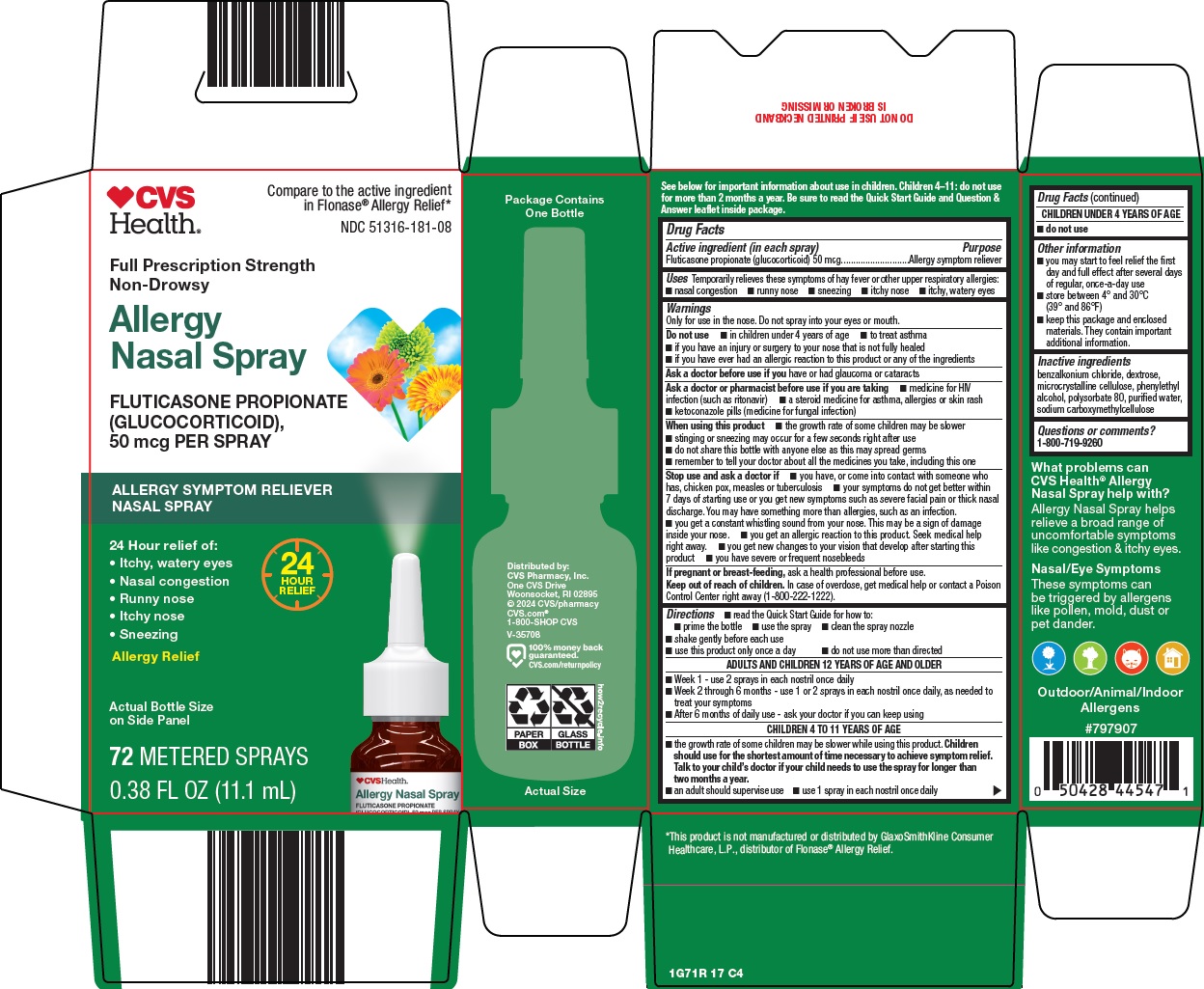
1g7-17-allergy-nasal-spray (1g7 17 Allergy Nasal Spray)
Allergy Nasal Spray, fluticasone propionate 50 mcg per spray, is an OTC nasal metered spray by CVS WoonSocket Prescription Center, Inc. The label states it provides 24-hour relief of allergy symptoms including itchy, watery eyes, nasal congestion, runny nose, and sneezing. The package contains one bottle with 72 metered sprays (0.38 fl oz, 11.1 mL).*
FDA Label Image

Image 1 (Image 01)

Image 1 (Image 01)
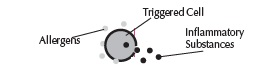
An illustration showing a triggered cell responding to allergens by releasing inflammatory substances. The diagram labels the allergens, the triggered cell, and the inflammatory substances.*
FDA Label Image

Image 2 (Image 02)

FDA Label Image

Image 3 (Image 03)

Image 3 (Image 03)
Illustrations showing common allergy symptoms and triggers. Symptoms icons include a nose, an eye, a flower, and grass. Triggers are represented by a paw print for pets and a house for indoor allergens.*
FDA Label Image

Image 9 (Image 10)

Image 9 (Image 10)
An illustration showing a frontal view of a human nose flanked by the text '1x' on both sides in purple color, possibly indicating a dosage or usage instruction related to nasal application.*
FDA Label Image

Image 10 (Image 11)

Image 10 (Image 11)
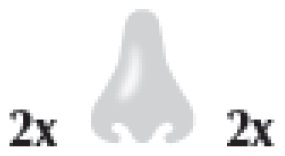
Illustration showing a human nose with the text '2x' on each side, likely indicating a dosing or usage instruction for a nasal spray product.*
FDA Label Image

Image 11 (Image 12)

Image 11 (Image 12)
An illustration showing a nasal spray bottle with an arrow indicating to not shake the bottle before use. This instructional diagram is related to the allergy nasal spray containing Fluticasone propionate.*
FDA Label Image

Image 12 (Image 13)

Image 12 (Image 13)
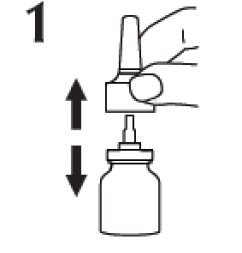
An instructional diagram showing how to remove or separate the nasal spray actuator from the medication bottle by pulling upward. The illustration includes a hand grasping the nasal spray actuator above the bottle, with arrows indicating the upward and downward motion.*
FDA Label Image

Image 13 (Image 14)

Image 13 (Image 14)
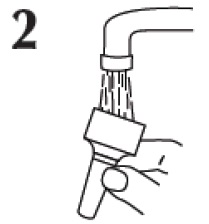
An instructional illustration showing a hand holding a nasal spray bottle under running water from a faucet, demonstrating how to clean the nasal spray nozzle by rinsing it with water.*
FDA Label Image

Image 14 (Image 15)

Image 14 (Image 15)
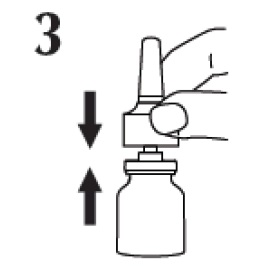
An instructional diagram showing how to attach a nasal spray metered pump to the bottle by aligning and pressing the pump downward onto the bottle. The illustration includes a hand holding the spray pump above the bottle with arrows indicating the motion for attachment.*
FDA Label Image

Image 15 (Image 16)

Image 15 (Image 16)
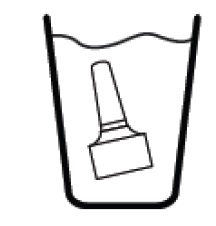
An illustration showing a metered nasal spray bottle submerged in a container of water, likely demonstrating a specific use or testing method related to the spray device.*
FDA Label Image

Image 16 (Image 17)

Image 16 (Image 17)
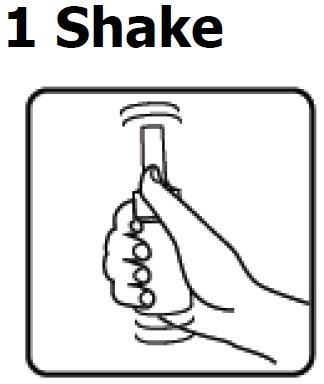
An instructional illustration showing a hand holding a nasal spray bottle being shaken, indicated by motion lines around the bottle and hand. The text above reads '1 Shake,' suggesting shaking the nasal spray once before use.*
FDA Label Image

Image 17 (Image 18)

Image 17 (Image 18)
A black and white instructional illustration showing a hand holding a nasal spray bottle and pressing down on the spray actuator with the other hand. The image depicts how to use a metered nasal spray device.*
FDA Label Image

Image 18 (Image 19)

Image 18 (Image 19)
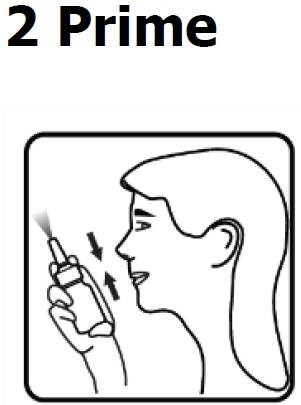
An instructional illustration depicting a person priming a nasal spray device. The image shows the user holding the spray with one hand, pressing the nozzle to release a spray mist, indicating the priming procedure for a nasal spray.*
FDA Label Image

Image 19 (Image 20)

Image 19 (Image 20)
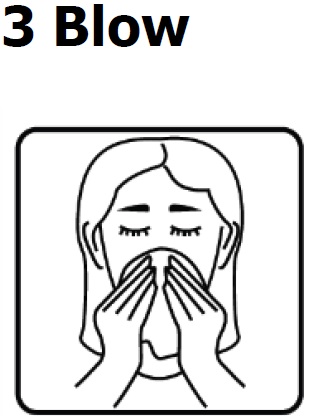
An instructional illustration shows a woman with closed eyes holding a tissue to both nostrils, indicating the step of blowing the nose. The image is part of a sequence for proper usage or application related to the allergy nasal spray product.*
FDA Label Image

Image 20 (Image 21)

Image 20 (Image 21)
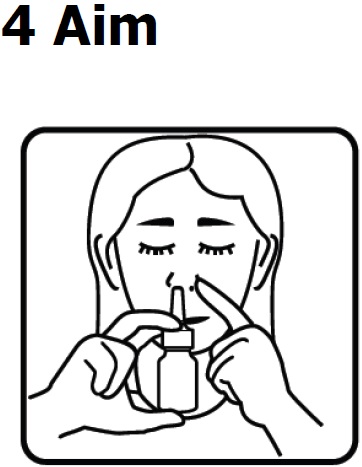
Instructional illustration showing aiming a nasal spray. The image depicts a person holding a nasal spray bottle near their nose with one hand while using the other hand to aim or guide the spray into the nostril, with eyes closed.*
FDA Label Image

Image 21 (Image 22)

Image 21 (Image 22)
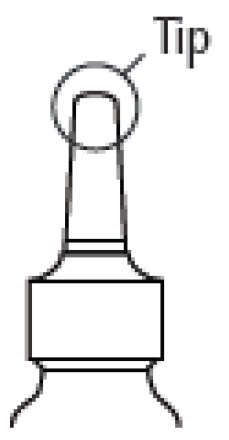
An instructional diagram showing the tip of a nasal spray bottle. The image highlights the spray tip used for administering the product.*
FDA Label Image

Image 22 (Image 23)

Image 22 (Image 23)
Illustration showing the proper insertion of a nasal spray applicator into a nostril for administering allergy nasal spray containing fluticasone propionate.*
FDA Label Image

Image 23 (Image 24)

Image 23 (Image 24)
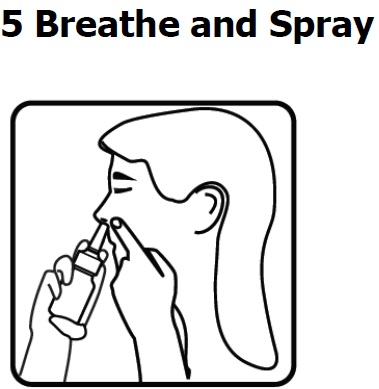
An instructional illustration depicting a person using a nasal spray. The person holds the nasal spray bottle with one hand while gently pressing one nostril closed with the other hand, preparing to breathe in the spray through the open nostril.*
FDA Label Image

Image 3 (Image 29)

Image 3 (Image 29)
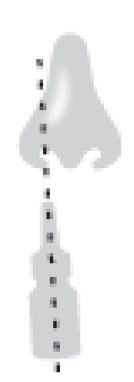
An illustration showing a nasal spray device being sprayed into a nostril. The image emphasizes the use of the spray within the nasal passage.*

* About these descriptions: Image descriptions on this page are generated by automated AI analysis of the product label images from the manufacturer's FDA label submission (SPL). They are provided for reference only and may contain errors or omissions. Always rely on the printed label itself and the official FDA labeling, and consult a pharmacist or healthcare professional with any questions about this product.