Valsartan And Hydrochlorothiazide Tablet, Film Coated
Product Images NDC 51655-389

View Photos of Packaging, Regulatory Labels, and Product Appearance

Product Visual Gallery

This gallery contains 7 technical images submitted to the FDA as part of the official labeling for Valsartan And Hydrochlorothiazide (NDC 51655-389). Unlike standard consumer photos, these assets often include clinical data figures, molecular chemical structures, and official manufacturer packaging layouts.

As provided by Northwind Health Company, Llc, these visuals offer a comprehensive scientific overview of the product's physical and chemical identity, aiding pharmacists and researchers in product verification and study.

FDA Label Image

Label (51655 389 52 Rev A 03 23)
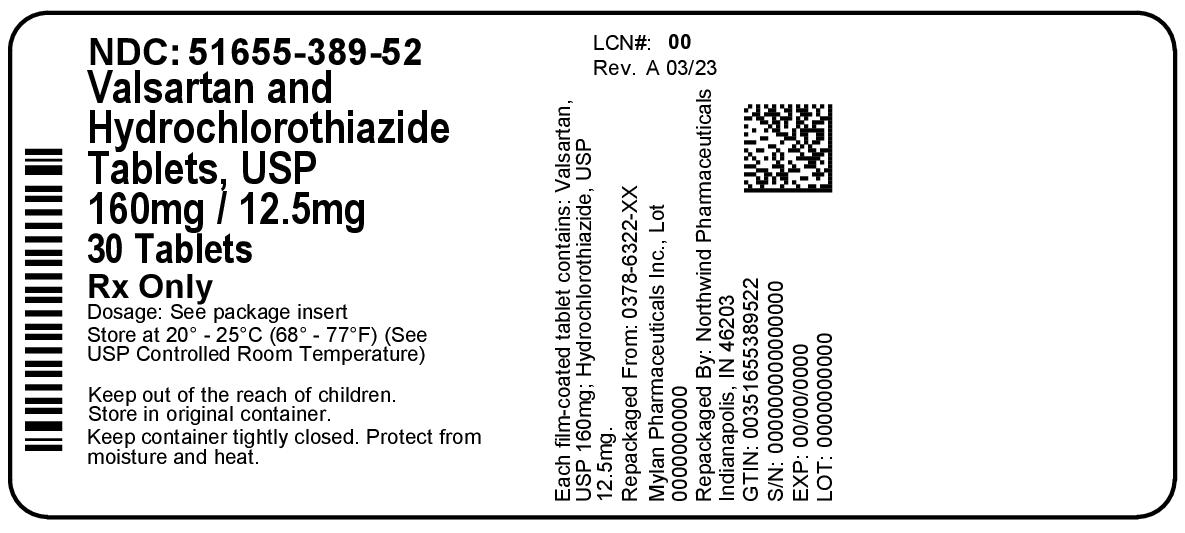
Label (51655 389 52   Rev A 03 23)
Label for Valsartan and Hydrochlorothiazide Tablets, USP 160 mg/12.5 mg, film-coated oral tablets. The container holds 30 tablets. Label indicates prescription use only and provides storage instructions at 20°-25°C (68°-77°F). The product is labeled by Northwind Pharmaceuticals Inc. with NDC 51655-389-52.*
FDA Label Image

Figure 1: Probability Of Achieving Systolic Blood Pressure Less Than 140 Mmhg At Week 8 (Image 01)

Figure 1:  Probability Of Achieving Systolic Blood Pressure Less Than 140 Mmhg At Week 8 (Image 01)
A line graph showing the percentage of subjects achieving systolic blood pressure (SBP) less than 140 mmHg plotted against baseline SBP (mmHg). The graph compares four groups: Valsartan and Hydrochlorothiazide 320/25 mg, Valsartan 320 mg, Hydrochlorothiazide 25 mg, and placebo, with distinct markers for each group.*
FDA Label Image

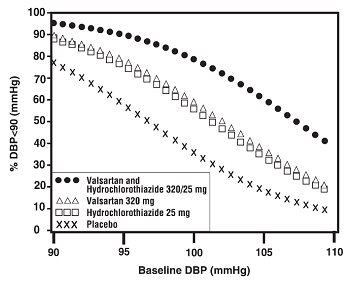
Figure 2: Probability Of Achieving Diastolic Blood Pressure Less Than 90 Mmhg At Week 8 (Image 02)

Figure 2:  Probability Of Achieving Diastolic Blood Pressure Less Than 90 Mmhg At Week 8 (Image 02)
A line graph showing the percentage of patients with diastolic blood pressure (DBP) less than 90 mmHg relative to baseline DBP in mmHg. The graph compares four groups: Valsartan and Hydrochlorothiazide 320/25 mg, Valsartan 320 mg, Hydrochlorothiazide 25 mg, and Placebo, with curves representing their DBP reduction efficacy.*
FDA Label Image

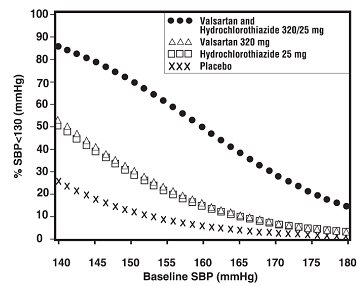
Figure 3: Probability Of Achieving Systolic Blood Pressure Less Than 130 Mmhg At Week 8 (Image 03)

Figure 3:  Probability Of Achieving Systolic Blood Pressure Less Than 130 Mmhg At Week 8 (Image 03)
A line graph depicting the percentage of patients with systolic blood pressure (SBP) under 130 mmHg versus baseline SBP in mmHg. The graph compares four groups labeled as Valsartan and Hydrochlorothiazide 320/25 mg, Valsartan 320 mg, Hydrochlorothiazide 25 mg, and Placebo, showing the relative effectiveness of each treatment over a range of baseline SBP values.*
FDA Label Image

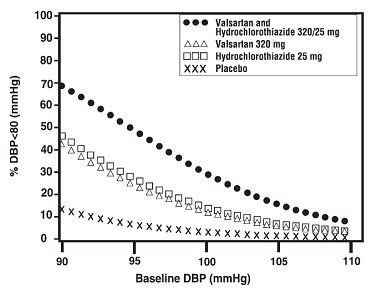
Figure 4: Probability Of Achieving Diastolic Blood Pressure Less Than 80 Mmhg At Week 8 (Image 04)

Figure 4:  Probability Of Achieving Diastolic Blood Pressure Less Than 80 Mmhg At Week 8 (Image 04)
A line graph showing the percentage of baseline diastolic blood pressure (DBP) reduction on the vertical axis against baseline DBP in mmHg on the horizontal axis. The graph compares four groups: Valsartan and Hydrochlorothiazide 320/25 mg, Valsartan 320 mg, Hydrochlorothiazide 25 mg, and Placebo, with differentiated markers for each group.*
FDA Label Image

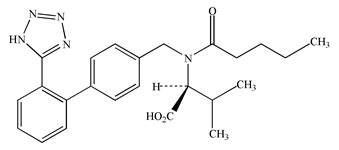
Valsartan Structural Formula (Image 05)

Valsartan Structural Formula (Image 05)
Chemical structure diagram of the active ingredient valsartan, showing its molecular configuration with various aromatic rings, chains, and functional groups.*
FDA Label Image

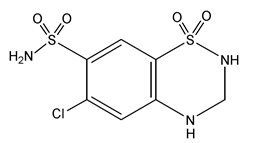
Hydrochlorothiazide Structural Formula (Image 06)

Hydrochlorothiazide Structural Formula (Image 06)
Chemical structure of valsartan, one of the active ingredients in Valsartan and Hydrochlorothiazide tablets.*

* About these descriptions: Image descriptions on this page are generated by automated AI analysis of the product label images from the manufacturer's FDA label submission (SPL). They are provided for reference only and may contain errors or omissions. Always rely on the printed label itself and the official FDA labeling, and consult a pharmacist or healthcare professional with any questions about this product.