Dopamine Hydrochloride Injection, Solution
Product Images NDC 51662-1316

10 FDA label images from Hf Acquisition Co Llc, Dba Healthfirst · Packaging, Regulatory Labels, and Product Appearance

Product Visual Gallery

This gallery contains 10 technical images submitted to the FDA as part of the official labeling for Dopamine Hydrochloride (NDC 51662-1316). Unlike standard consumer photos, these assets often include clinical data figures, molecular chemical structures, and official manufacturer packaging layouts.

As provided by Hf Acquisition Co Llc, Dba Healthfirst, these visuals offer a comprehensive scientific overview of the product's physical and chemical identity, aiding pharmacists and researchers in product verification and study.

FDA Label Image

Bag Label (Container Label)
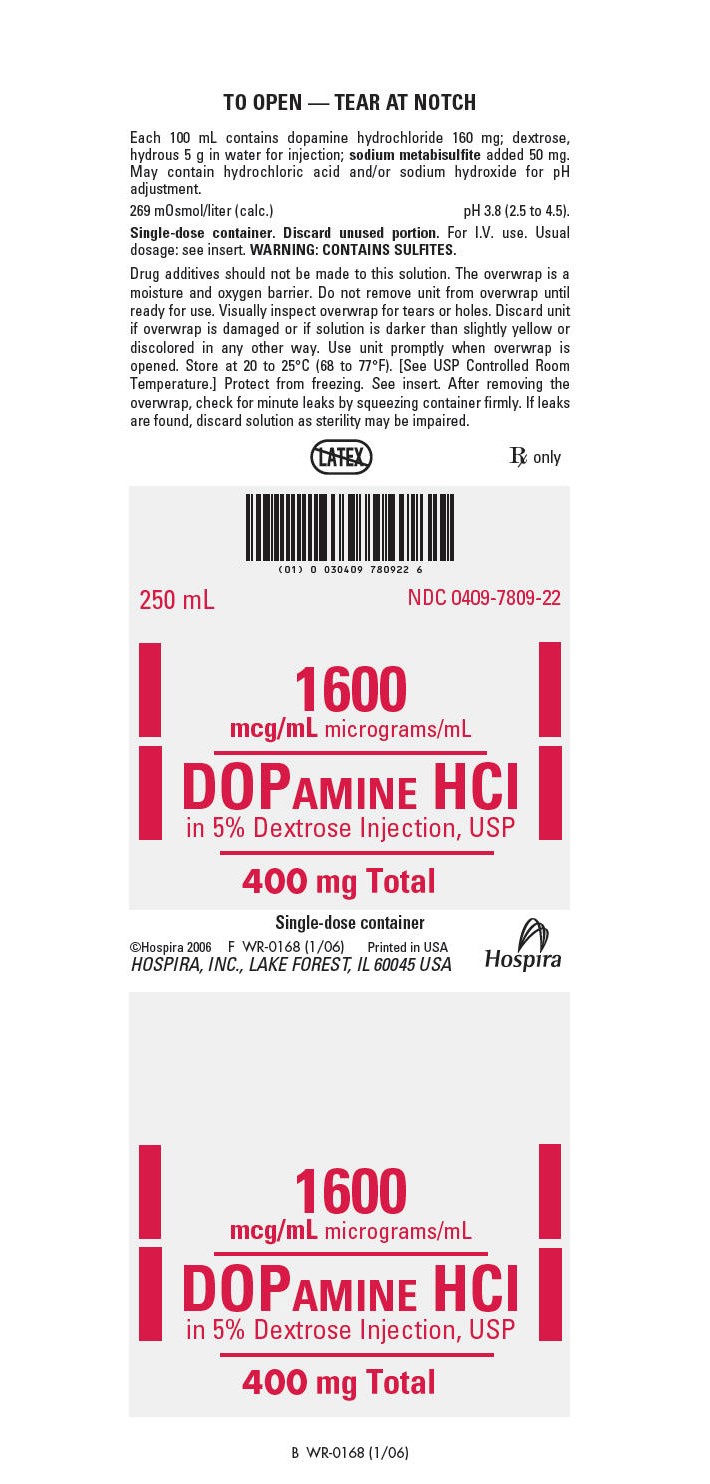
Bag Label (Container Label)
Label for Dopamine Hydrochloride injection, solution, 1600 mcg/mL (1.6 mg/mL) in 5% Dextrose Injection, USP. The single-dose container holds a total of 400 mg of active ingredient. Manufacturer indicated as Hospira, Inc. The label includes usage instructions, storage conditions, warnings, and barcodes, specifying this product is for intravenous use and contains sulfites.*
FDA Label Image

Dosage 1 (Dosage And Administration 1)

Dosage 1 (Dosage And Administration 1)
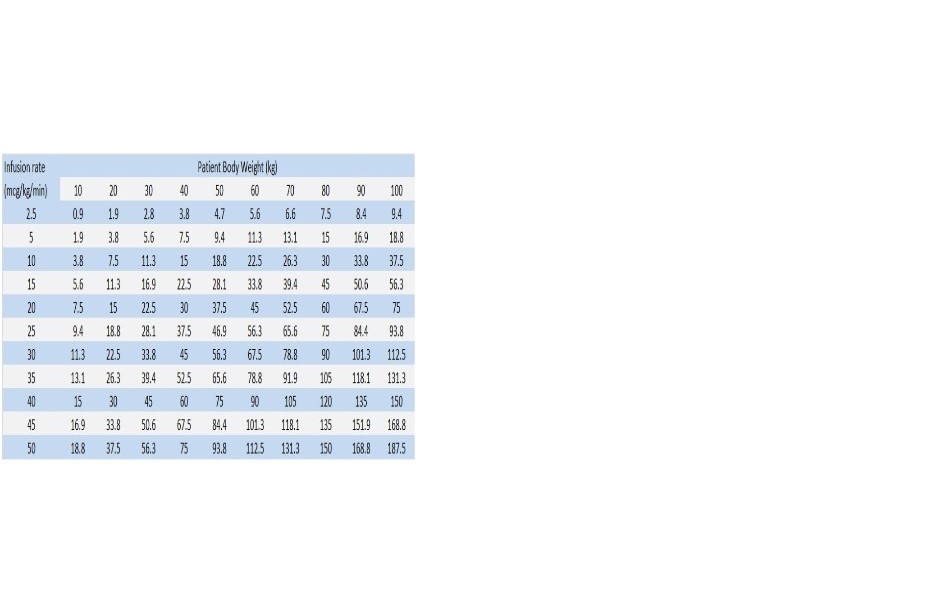
The table shows infusion rates in mcg/kg/min for dopamine hydrochloride correlated with patient body weight in kilograms. Values increase progressively across a range of infusion rates from 2.5 to 50 mcg/kg/min and patient weights from 10 to 100 kg.*
FDA Label Image

Dosage 2 (Dosage And Administration 2)

Dosage 2 (Dosage And Administration 2)
A data table showing infusion rates (mg/kg/min) ranging from 2.5 to 50 across the rows, and patient body weights in kilograms from 10 to 100 across the columns, with corresponding calculated values at each intersection. The table is used for reference of dosing adjustments based on patient weight and infusion rate.*
FDA Label Image

Dosage 3 (Dosage And Administration 3)

Dosage 3 (Dosage And Administration 3)
A data table showing infusion rates of Dopamine Hydrochloride in mcg/kg/min across different patient body weights in kg. The table presents corresponding dosage values for infusion rates ranging from 2.5 to 50 mcg/kg/min and patient weights from 10 to 100 kg, displayed in a grid format with alternating color rows for clarity.*
FDA Label Image

How Supplied (How Supplied)

How Supplied (How Supplied)
A data table listing different units of sale for a drug product, including NDC codes, package sizes (each 12 in a carton), total strength, total volume, and concentration values in micrograms per milliliter.*
FDA Label Image
FDA Label Image

Precautions (Precautions)

Precautions (Precautions)
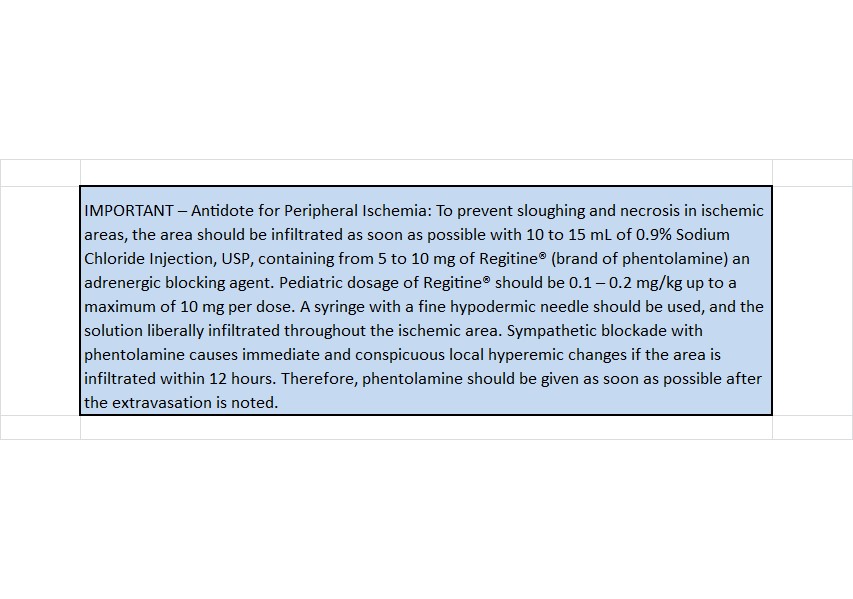
Text panel providing important information about the antidote for peripheral ischemia related to dopamine hydrochloride use. It describes the use of Regitine (phentolamine) to prevent tissue damage in ischemic areas through infiltration with sodium chloride injection, including pediatric dosing, administration instructions, and timing.*
FDA Label Image

Serialized Labeling (Serialized Label Resized)

Serialized Labeling (Serialized Label Resized)
DOPAMINE HYDROCHLORIDE 1.6 mg/mL in 5% Dextrose Injection, USP, intravenous solution. The image shows a 250 mL flexible silver-colored bag labeled with 400 mg total dose, produced by Hospira, Inc. Instructions for opening and usage warnings are partially visible on the label.*
FDA Label Image

Structure 1 (Structure 1)

Structure 1 (Structure 1)
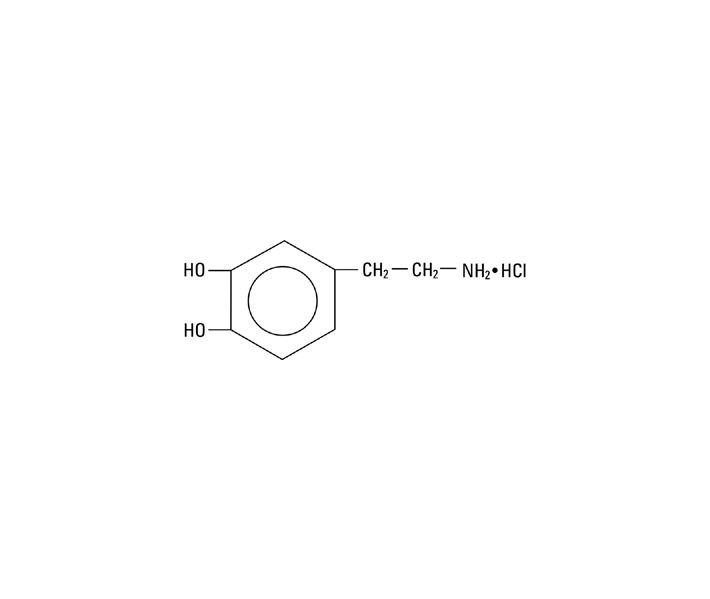
Chemical structure of dopamine hydrochloride showing a benzene ring with two hydroxyl groups and an ethylamine side chain with a hydrochloride salt.*
FDA Label Image

Structure 2 (Structure 2)

Structure 2 (Structure 2)
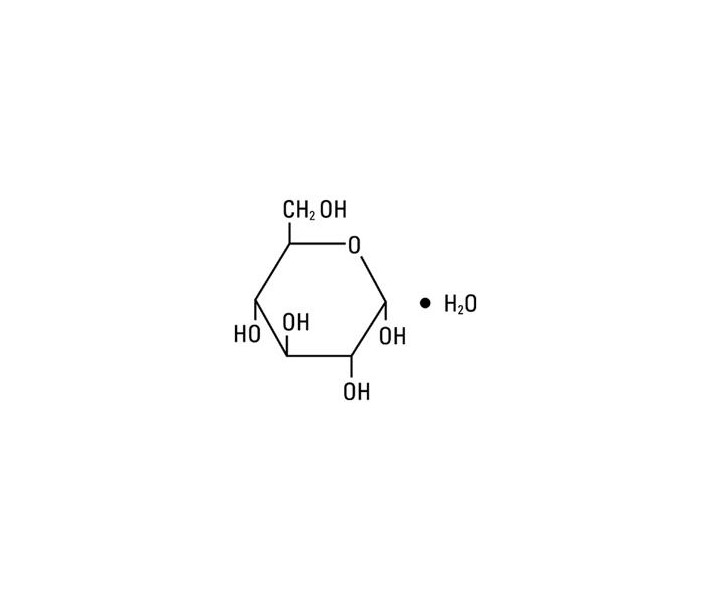
Chemical structure diagram showing a cyclic carbohydrate hydrate molecule with hydroxyl groups attached, labeled with chemical groups including CH2OH and H2O.*

* About these descriptions: Image descriptions on this page are generated by automated AI analysis of the product label images from the manufacturer's FDA label submission (SPL). They are provided for reference only and may contain errors or omissions. Always rely on the printed label itself and the official FDA labeling, and consult a pharmacist or healthcare professional with any questions about this product.