Clonidine Hci Injection, Solution
Product Images NDC 51662-1346

View Photos of Packaging, Regulatory Labels, and Product Appearance

Product Visual Gallery

This gallery contains 8 technical images submitted to the FDA as part of the official labeling for Clonidine Hci (NDC 51662-1346). Unlike standard consumer photos, these assets often include clinical data figures, molecular chemical structures, and official manufacturer packaging layouts.

As provided by Hf Acquisition Co Llc, Dba Healthfirst, these visuals offer a comprehensive scientific overview of the product's physical and chemical identity, aiding pharmacists and researchers in product verification and study.

FDA Label Image

Adverse (Adverse)

Adverse (Adverse)
This is a table comparing the adverse events experienced by patients who were given Clonidine versus those who were given a Placebo. The table shows that out of the total number of patients who experienced at least one adverse event, a higher percentage of patients who were given Clonidine experienced adverse events compared to those given Placebo. The highest adverse event experienced by patients on Clonidine was hypotension. Other adverse events experienced by patients on Clonidine include postural hypotension, dry mouth, nausea, somnolence, dizziness, confusion, vomiting, sweating, chest pain, hallucination, tinnitus, constipation, tachycardia, and hypoventilation.*
FDA Label Image

Dosage (Dosage)

Dosage (Dosage)
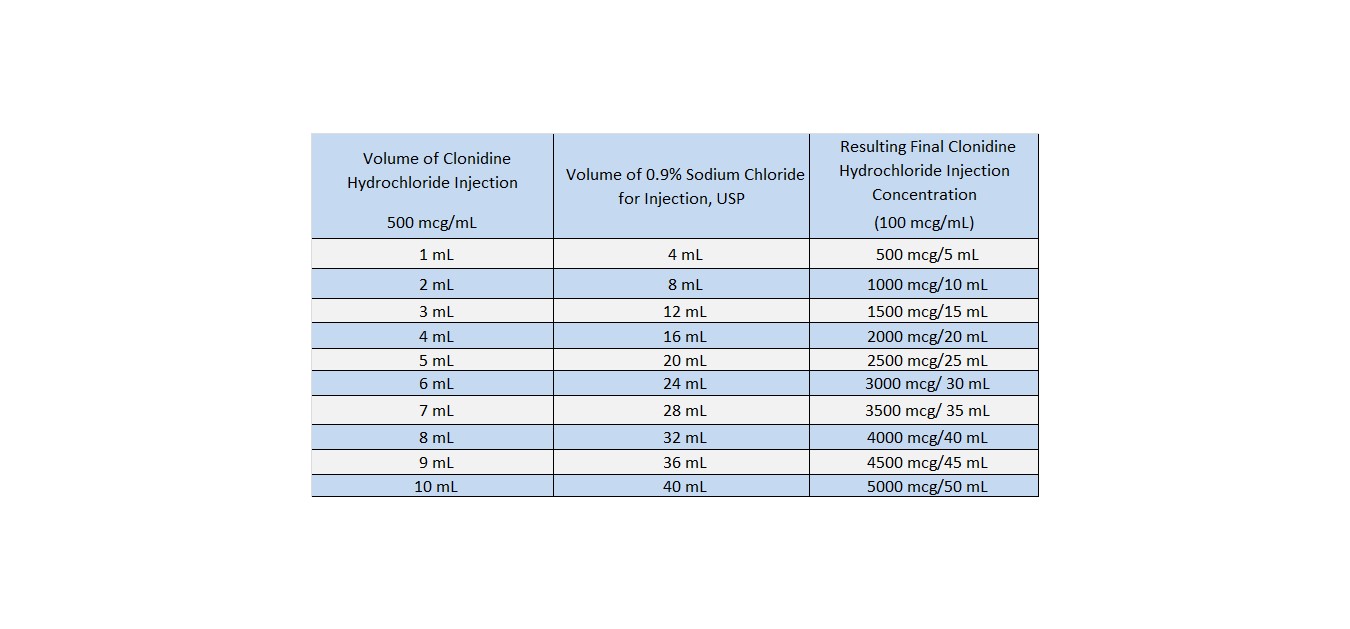
This document provides instructions for determining the final concentration of Clonidine Hydrochloride Injection by using 0.9% Sodium Chloride for Injection, resulting in different volume measurements ranging from 1mL to 50mL. The concentration of Clonidine Hydrochloride Injection varies from 500 micrograms/mL to 5000 micrograms/50 mL.*
FDA Label Image

Labeled Vial And Box (Labeled Vial And Box)

Labeled Vial And Box (Labeled Vial And Box)
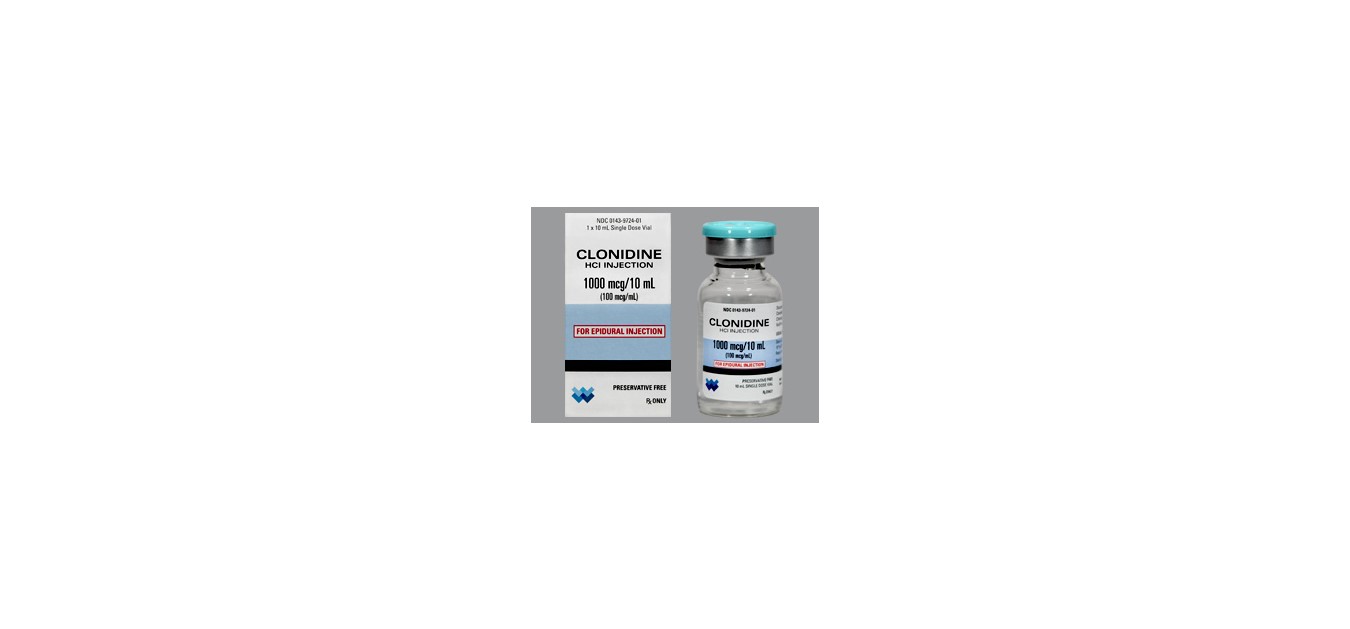
Clonidine is a medication used to treat high blood pressure. It works by decreasing the levels of certain chemicals in the blood, which results in the relaxation of the blood vessels and a decrease in heart rate. Clonidine may also be used to treat ADHD and anxiety disorders. It is usually taken orally in tablet form or applied as a patch to the skin. Common side effects of clonidine include dry mouth, dizziness, drowsiness, and constipation.*
FDA Label Image

Spl1 (Spl 1)

Spl1 (Spl 1)
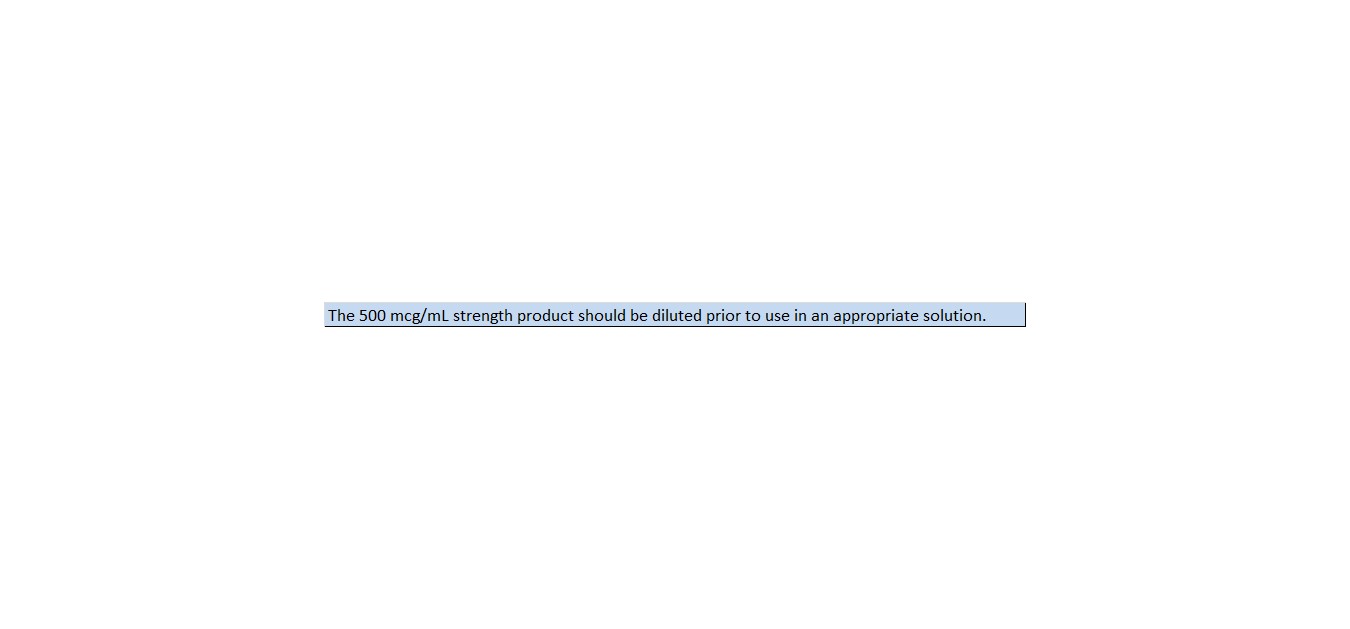
The 500 mcg/mL strength product should be diluted prior to use in an appropriate solution.*
FDA Label Image

Spl2 (Spl 2)

Spl2 (Spl 2)
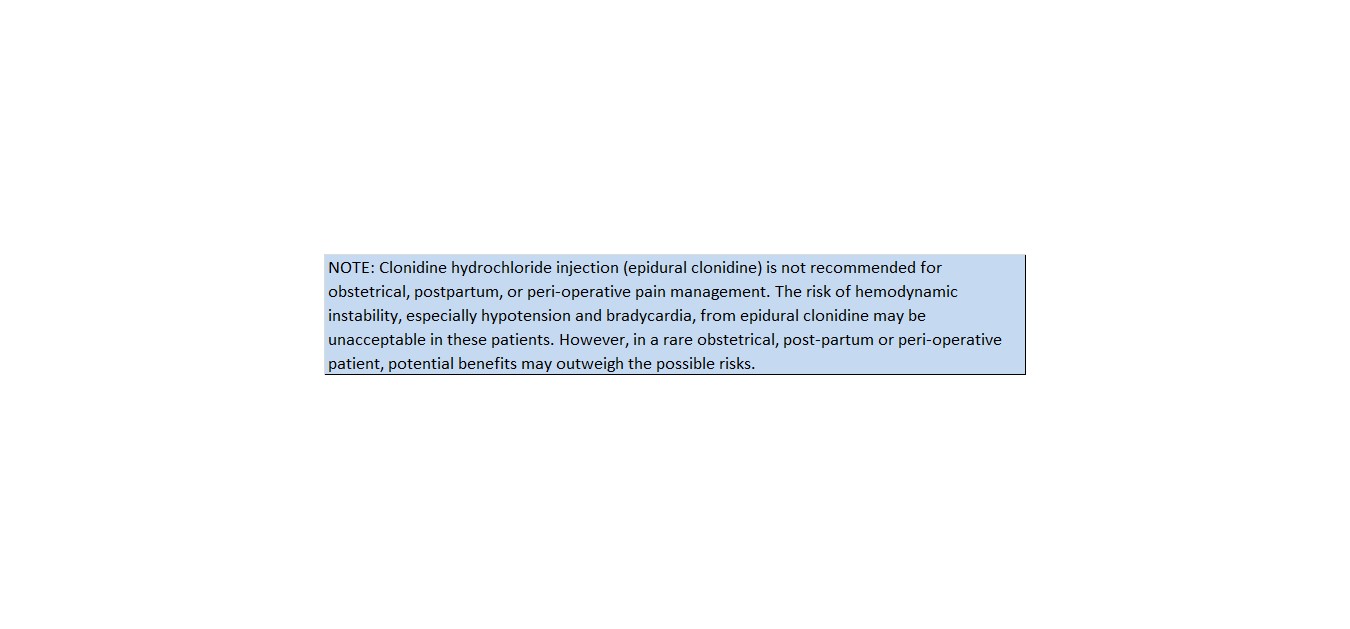
Clonidine hydrochloride injection (epidural clonidine) is not recommended for obstetrical, postpartum, or peri-operative pain management. The risk of hemodynamic instability, especially hypotension and bradycardia, from epidural clonidine may be unacceptable in these patients. However, in a rare obstetrical, post-partum or peri-operative patient, potential benefits may outweigh the possible risks.*
FDA Label Image

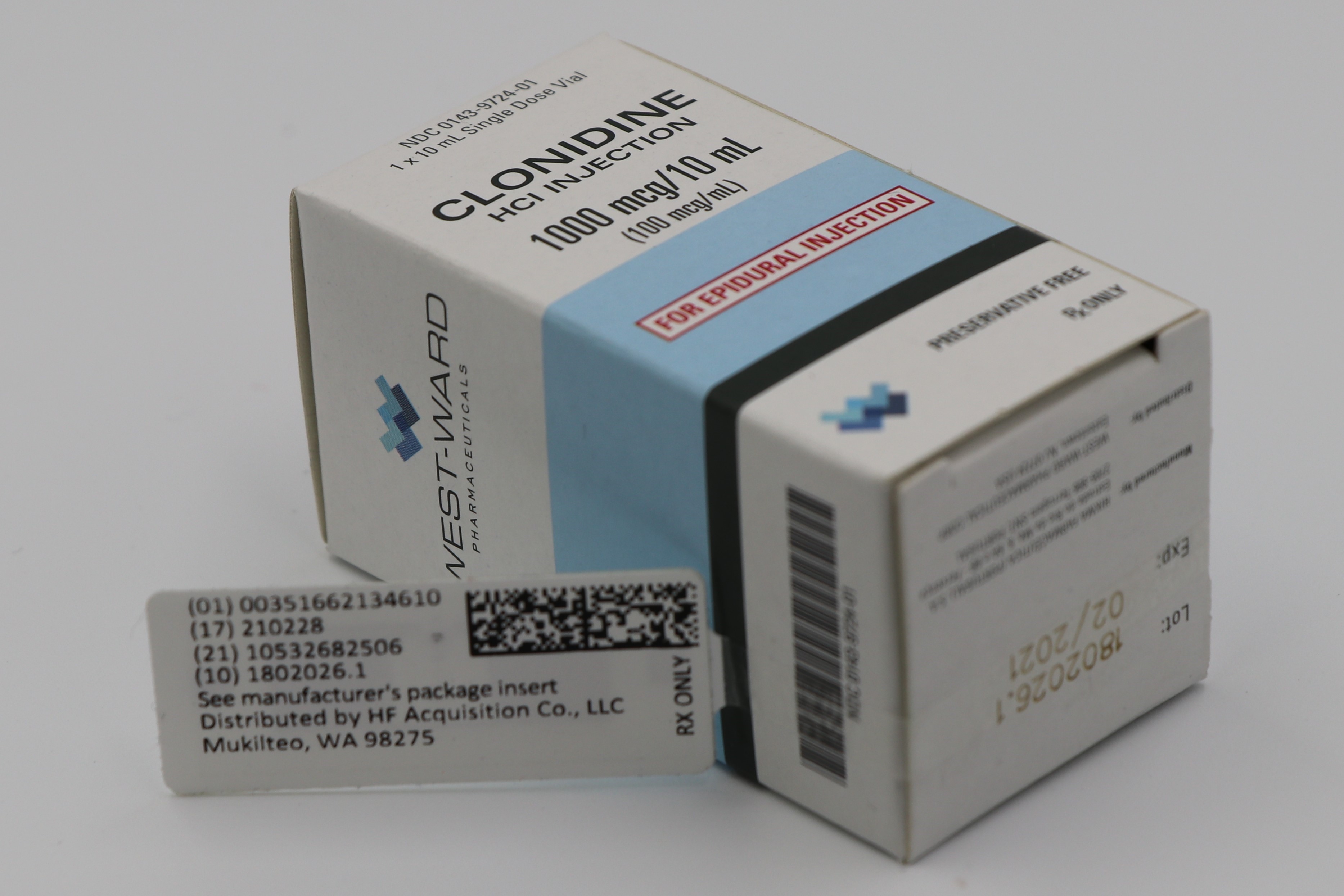
Serialized Box (Serialized Box Labeling)

FDA Label Image

Structure (Structure)

Structure (Structure)
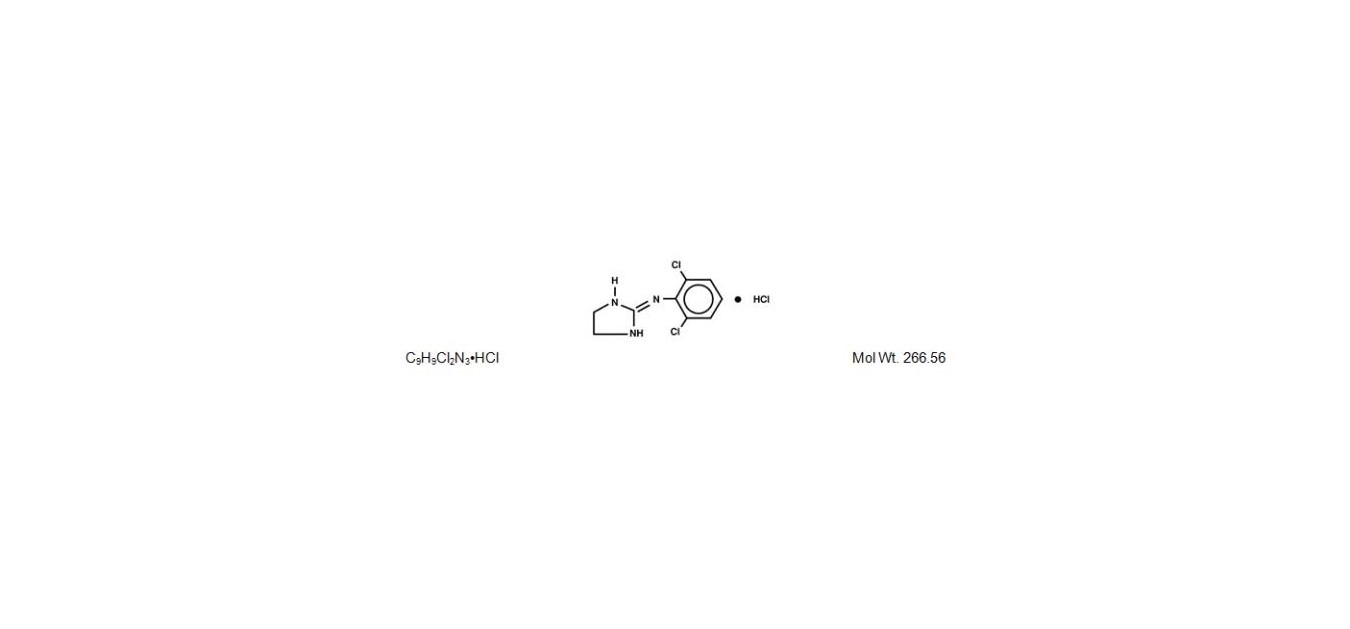
CsHsCENxHCI is a chemical compound with a molecular weight of 266.56.*
FDA Label Image

Vial Label (Vial Label)

Vial Label (Vial Label)
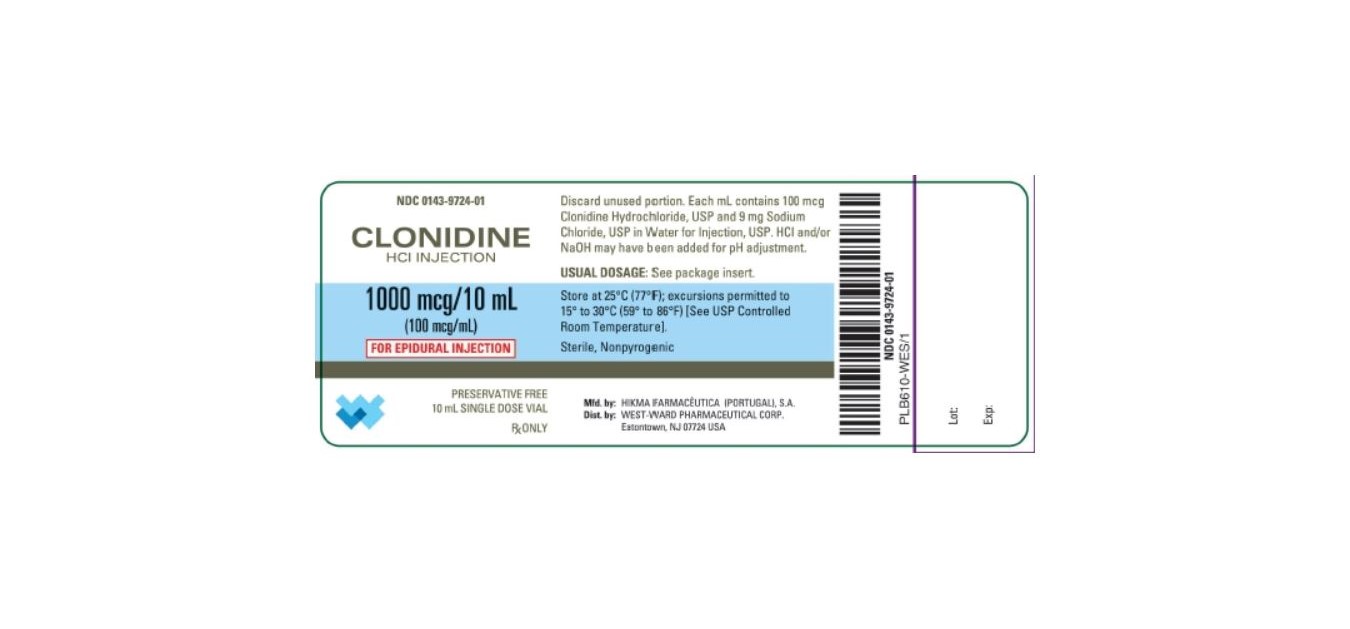
This is a description of Clonidine HCI injection which contains 100mg of Clonidine Hydrochloride, USP and 5mg of Sodium Chloride, USP in Water for Injection, USP. The solution is preservative-free and has pH adjusted with HCI and/or NaOH. The usual dosage is available in a package insert. The solution should be stored at 25°C (77°F), and the excursions are permitted to 15% to 30°C (59° to 86°F). The solution is sterile and non-pyrogenic, and the manufacturer is ROAA Farmaceutica Portugal, SA, and distributed by West Ward Pharmaceutical Corp., Extonown, 07724, USA.*

* These product label images have been analyzed using experimental machine learning. Please verify findings with the primary label text.