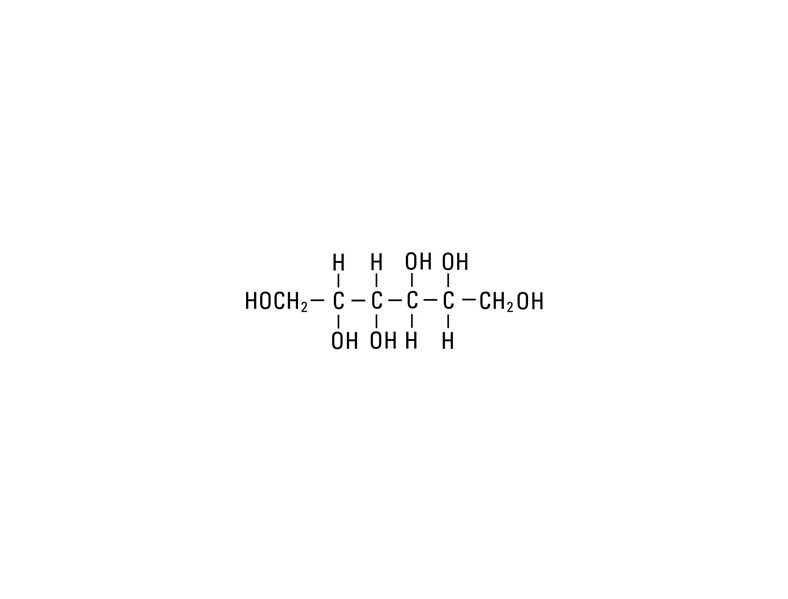
Highlights Of Prescribing Information
HIGHLIGHTS OF PRESCRIBING INFORMATION
These highlights do not include all the information needed to use MANNITOL INJECTION safely and effectively. See full prescribing information for MANNITOL INJECTION.
MANNITOL injection, for intravenous use
Initial U.S. Approval: 1964
INDICATIONS AND USAGE
Mannitol Injection is indicated for the following purposes in adults and pediatric patients.
Therapeutic Use
Reduction of intracranial pressure and brain mass. (
1)
Reduction of high intraocular pressure. (
1)
Diagnostic Use
Measurement of glomerular filtration rate. ( 1)
DOSAGE AND ADMINISTRATION
Administration Instructions ( 2-2.1):
For intravenous use only.
Do not add mannitol in whole blood for transfusion.
Recommended Dosage ( 2-2.2):
The dosage, concentration and rate of administration depend on the age, weight and condition of the patient.
Reduction of Intracranial Pressure and Brain Mass:
Adults: 0.25 to 2 g/kg body weight as a 15% to 25% solution administered over a period of 30 to 60 minutes
Pediatric patients: 1 to 2 g/kg body weight or 30 to 60 g/m2 body surface area over a period of 30 to 60 minutes.
Small or debilitated patients: 500 mg/kg
Reduction of Intraocular Pressure:
Adults: 0.25 to 2 g/kg body weight as a 15% to 25% solution administered over a period of 30 to 60 minutes
Pediatric patients: 1 to 2 g/kg body weight or 30 to 60 g/m2 body surface area over a period of 30 to 60 minutes
Small or debilitated patients: 500 mg/kg
Measurement of Glomerular Filtration Rate (GFR):
100 mL of a 20% solution (20 g) should be diluted with 180 mL of sodium chloride injection (normal saline) or 200 mL of a 10% solution (20 g) should be diluted with 80 mL of sodium chloride injection (normal saline). The resulting 280 mL of 7.2% solution is infused at a rate of 20 mL per minute.
DOSAGE FORMS AND STRENGTHS
Mannitol Injection, USP: 25% (250 mg/mL): 25 grams of mannitol, USP per 100 mL in a single-dose 50 mL fliptop vial (3)
CONTRAINDICATIONS
Well established anuria due to severe renal disease. (
4)
Severe pulmonary congestion or frank pulmonary edema. (
4)
Active intracranial bleeding except during craniotomy. (
4)
Severe dehydration. (
4)
Progressive heart failure or pulmonary congestion after institution of mannitol therapy. (
4)
Do not administer to patients with a known hypersensitivity to mannitol. ( 4)
WARNINGS AND PRECAUTIONS
Renal Complications Including Renal Failure: Risk factors include pre-existing renal disease, conditions that put patients at risk for renal failure and concomitant use of nephrotoxic drugs or other diuretics. Avoid concomitant administration of nephrotoxic drugs or other diuretics with mannitol. (
5-5.1,
8-8.6)
Fluid and Electrolyte Imbalances: Mannitol administration may obscure and intensify inadequate hydration or hypovolemia. Excessive loss of water and electrolytes may lead to serious imbalances, e.g., hypernatremia, hyponatremia. Accumulation of mannitol may intensify existing or latent congestive heart failure. Monitoring of cardiovascular status and electrolyte levels is recommended. (
5-5.2)
Central Nervous System (CNS) Toxicity: Mannitol may increase cerebral blood flow and the risk of postoperative bleeding in neurosurgical patients. It may also worsen intracranial hypertension in children who develop a generalized cerebral hyperemia during the first 24 to 48 hours post injury. (
5-5.3)
Monitoring: Discontinue mannitol if renal, cardiac or pulmonary status worsens, or CNS toxicity develops. (
5-5.4)
ADVERSE REACTIONS
Most common adverse reactions are pulmonary congestion, fluid and electrolyte imbalance, acidosis, electrolyte loss, dryness of mouth, thirst, marked diuresis, urinary retention, edema, headache, blurred vision, convulsions, nausea, vomiting, rhinitis, arm pain, skin necrosis, thrombophlebitis, chills, dizziness, urticaria, dehydration, hypotension, tachycardia, fever and angina-like chest pains. ( 6)
To report SUSPECTED ADVERSE REACTIONS, contact Hospira, Inc. at 1-800-441-4100 or FDA at 1-800-FDA-1088 or www.fda.gov/medwatch.
DRUG INTERACTIONS
Nephrotoxic Drugs and Diuretics: May increase the risk of renal failure; avoid concomitant use. ( 7-7.1, 7-7.2)
See 17 for PATIENT COUNSELING INFORMATION.
Revised: 9/2019