Heparin Sodium Injection, Solution
Product Images NDC 51662-1486
View Photos of Packaging, Regulatory Labels, and Product Appearance
Product Visual Gallery
This gallery contains 12 technical images submitted to the FDA as part of the official labeling for Heparin Sodium (NDC 51662-1486). Unlike standard consumer photos, these assets often include clinical data figures, molecular chemical structures, and official manufacturer packaging layouts.
As provided by Hf Acquisition Co Llc, Dba Healthfirst, these visuals offer a comprehensive scientific overview of the product's physical and chemical identity, aiding pharmacists and researchers in product verification and study.
Product Images & Figures Index
Description (Description Table)
This text appears to be a list of different concentrations of a solution containing Heparin Sodium, Sodium Chloride, and Benzyl Alcohol. The concentrations are measured in terms of USP (United States Pharmacopeia) units, milligrams, and milliliters. The exact purpose or application of this solution is not provided in the text.*
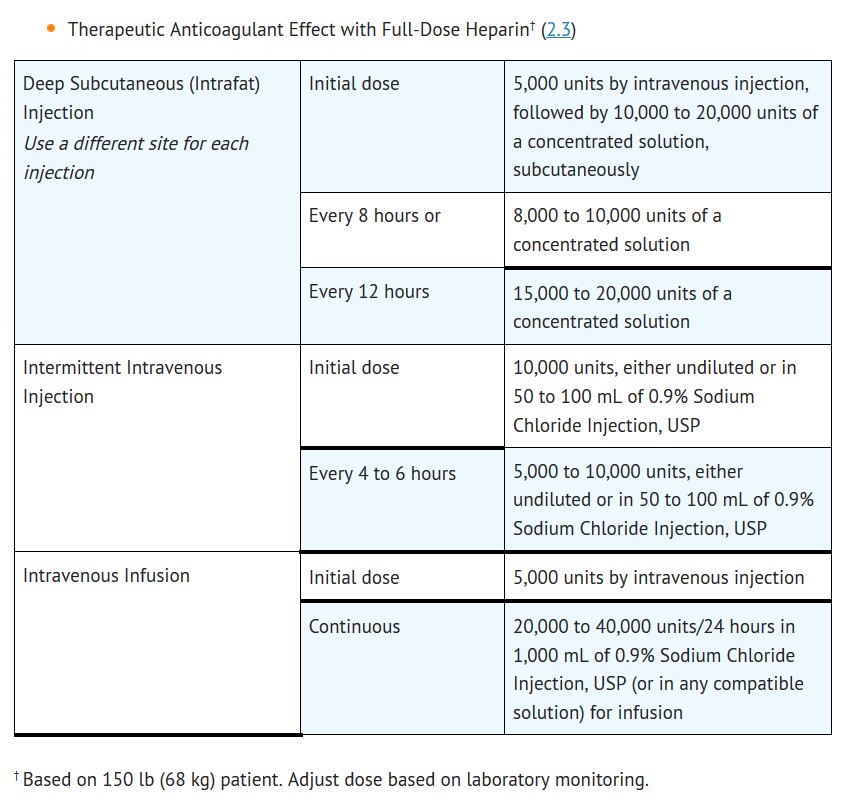
Dosage 1 (Dosage 1)
Table 1 provides recommended heparin regimens for adults for effective anticoagulation. Different methods of administration are recommended such as Deep Subcutaneous Injection, Intermittent Intravenous Injection, and Intravenous Infusion. The recommended dose varies depending on the method of administration and frequency. The initial dose is either undiluted or in a 0.9% Sodium Chloride Injection, USP, and subsequent doses vary between 5,000 to 20,000 units. For the continuous infusion method, 20,000 to 40,000 units of heparin per 24 hours is recommended in 1,000 mL of 0.9% Sodium Chloride Injection, USP, or any compatible solution. It is important to use a different site for each subcutaneous injection to prevent hematoma.*
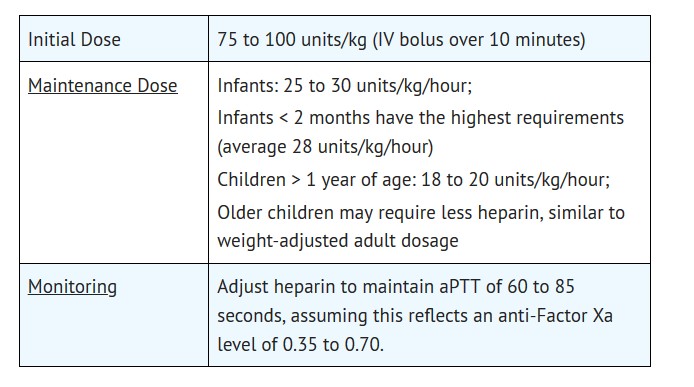
Dosage 2 (Dosage 2)
This text provides dosing and monitoring information for the anticoagulant medication heparin. The initial dose is based on weight and is administered via IV bolus over 10 minutes. The maintenance dose varies based on age group and may be adjusted for weight. Monitoring involves measuring the aPTT and adjusting the heparin dosage to maintain a target range.*
Highlight 2 (Highlight 2)
This is a description of various types of injection vials containing different amounts of USP units of the medication, preserved with Benzyl Alcohol. Some vials are single-dose while others are multiple-dose. The vials contain different amounts of medication per mL or per package, ranging from 1,000 USP units/mL to 10,000 USP units/mL.*
Highlight 1 (Highlights 1)
This is a guide for administering Heparin, an anticoagulant medication. It explains the dosage according to the route of administration, whether it is subcutaneous, intravenous injection, or infusion. The initial dose and subsequent doses of concentrated solutions are provided, along with the frequency of administration. Additionally, it is advised to use a different site for each injection and adjust the dose based on laboratory monitoring for each 68kg patient.*
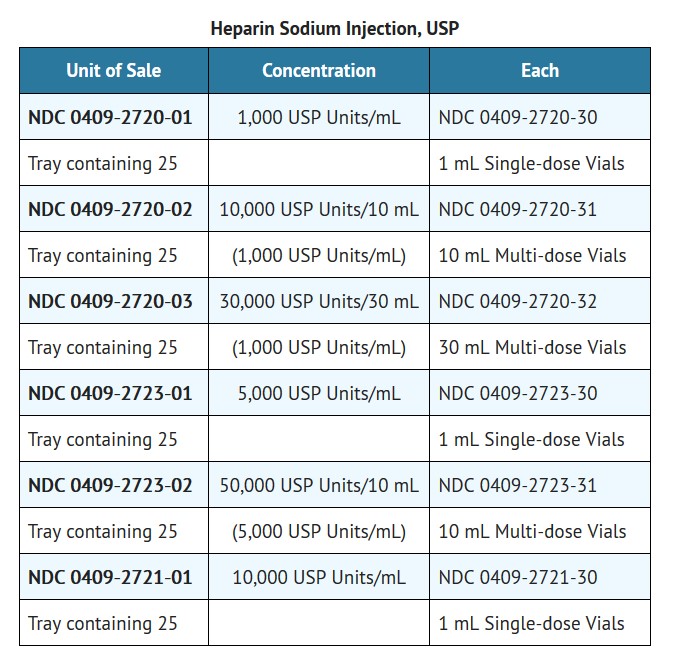
How Supplied (How Supplied)
This is a list of Unit of Sales for several products containing Heparin Sodium Injection, USP. The products are listed with their respective National Drug Codes (NDC), USP Units/mL concentration, and the contents and quantity in each tray. The products come in single-dose and multi-dose vials of various sizes.*
Logo (Logo)
Serialized Vial Labeling (Serialized Vial)
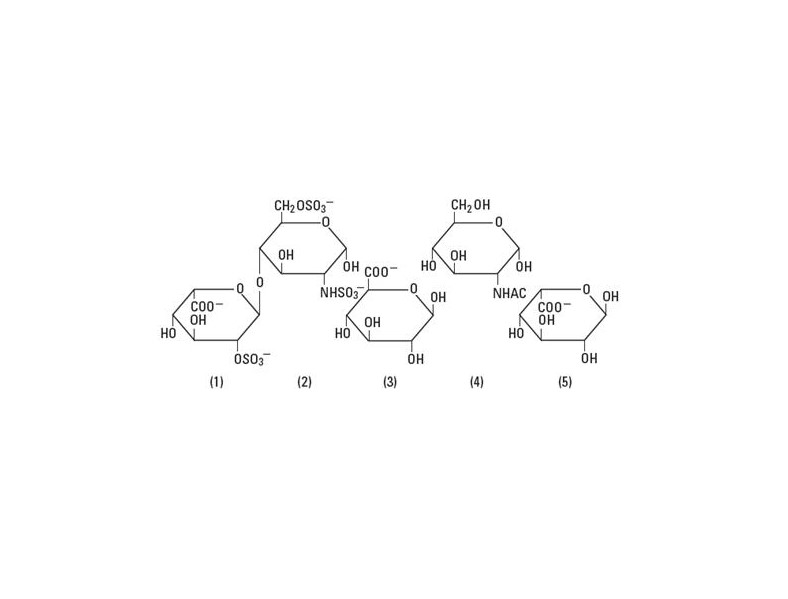
Structure (Structure)
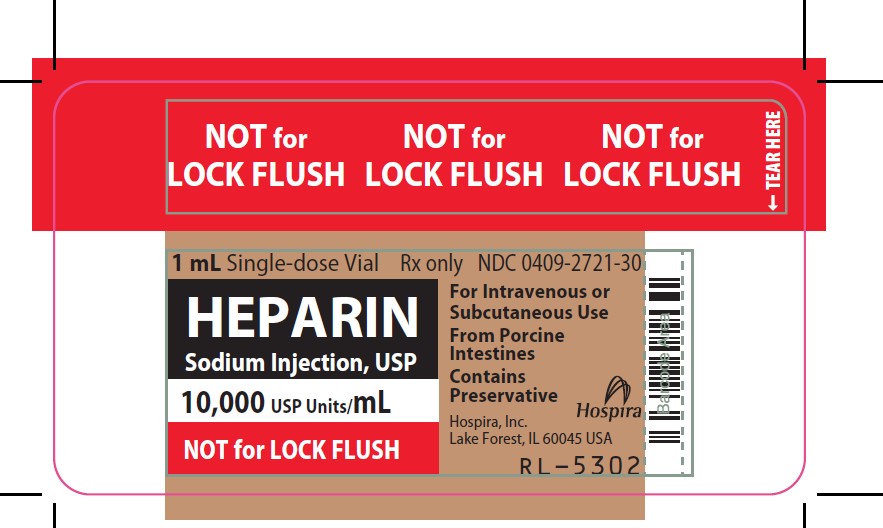
Superseeded Vial Label (Superseeded Vial Label)
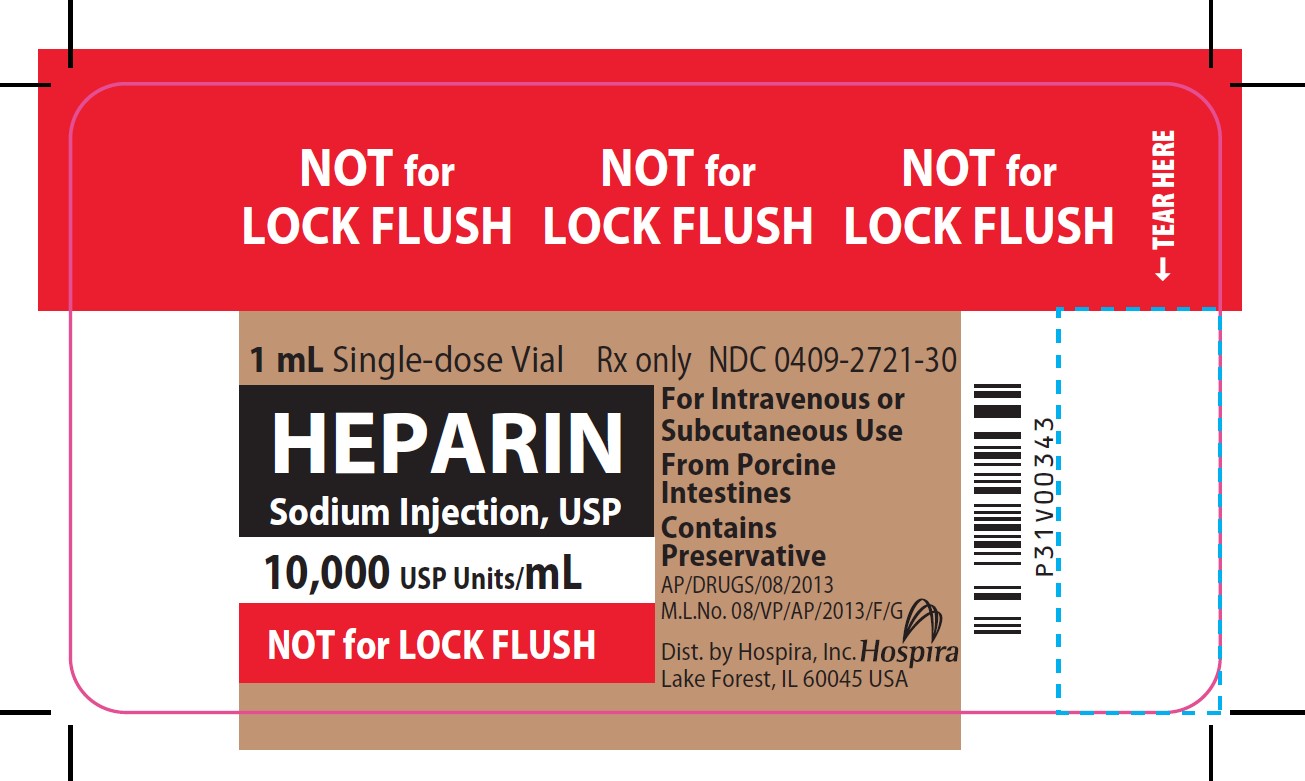
This appears to be a mixture of gibberish and product information. The product information seems to describe "Sodium Injection, USP" with a concentration of "10,000 usp unitymL" and a warning that it is "NOT for LOCK FLUSH". However, the rest of the text is unreadable and appears to be random characters.*
Vial Label (Vial Label)
* These product label images have been analyzed using experimental machine learning. Please verify findings with the primary label text.