Albuterol Sulfate (al bue׳ ter ol sul׳ fate) Inhalation Aerosol
Read this Patient Information before you start using Albuterol Sulfate Inhalation Aerosol and each time you get a refill. There may be new information.
This information does not take the place of talking to your doctor about your medical condition or your treatment.
What is Albuterol Sulfate Inhalation Aerosol?
Albuterol Sulfate Inhalation Aerosol is a prescription medicine used in people 4 years of age and older to:
• treat or prevent bronchospasm in people who have reversible obstructive airway disease
• prevent exercise induced bronchospasm
It is not known if Albuterol Sulfate Inhalation Aerosol is safe and effective in children under 4 years of age.
Who should not use Albuterol Sulfate Inhalation Aerosol?
Do not use Albuterol Sulfate Inhalation Aerosol if you are allergic to albuterol sulfate or any of the ingredients in Albuterol Sulfate Inhalation Aerosol. See the end of this leaflet for a complete list of ingredients in Albuterol Sulfate Inhalation Aerosol.
What should I tell my doctor before I use Albuterol Sulfate Inhalation Aerosol?
Before you use Albuterol Sulfate Inhalation Aerosol, tell your doctor if you:
• have heart problems
• have high blood pressure (hypertension)
• have convulsions (seizures)
• have thyroid problems
• have diabetes
• have low potassium levels in your blood
• are pregnant or plan to become pregnant. It is not known if Albuterol Sulfate Inhalation Aerosol will harm your unborn baby. Talk to your doctor if you are pregnant or plan to become pregnant.
• are breastfeeding or plan to breastfeed. It is not known if Albuterol Sulfate Inhalation Aerosol passes into your breast milk. Talk to your doctor about the best way to feed your baby if you are using Albuterol Sulfate Inhalation Aerosol.
Tell your doctor about all the medicines you take, including prescription and non-prescription medicines, vitamins, and herbal supplements.
Albuterol Sulfate Inhalation Aerosol and other medicines may affect each other and cause side effects. Albuterol Sulfate Inhalation Aerosol may affect the way other medicines work, and other medicines may affect the way Albuterol Sulfate Inhalation Aerosol works.
Especially tell your doctor if you take:
• other inhaled medicines or asthma medicines
• beta blocker medicines
• diuretics
• digoxin
• monoamine oxidase inhibitors
• tricyclic antidepressants
Ask your doctor or pharmacist for a list of these medicines if you are not sure. Know the medicines you take. Keep a list of them to show your doctor and pharmacist when you get a new medicine.
How should I use Albuterol Sulfate Inhalation Aerosol?
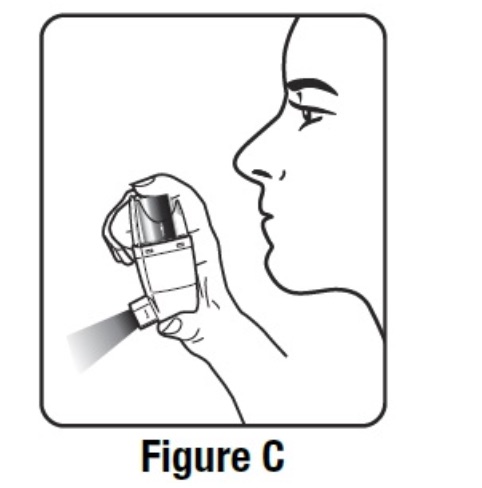
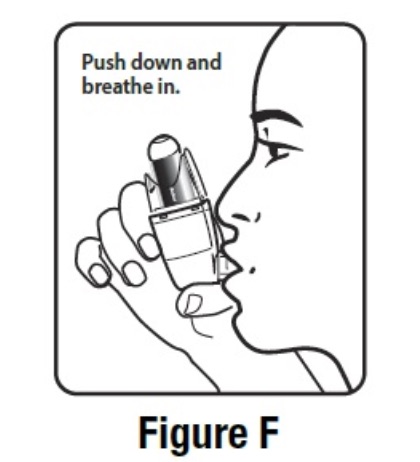
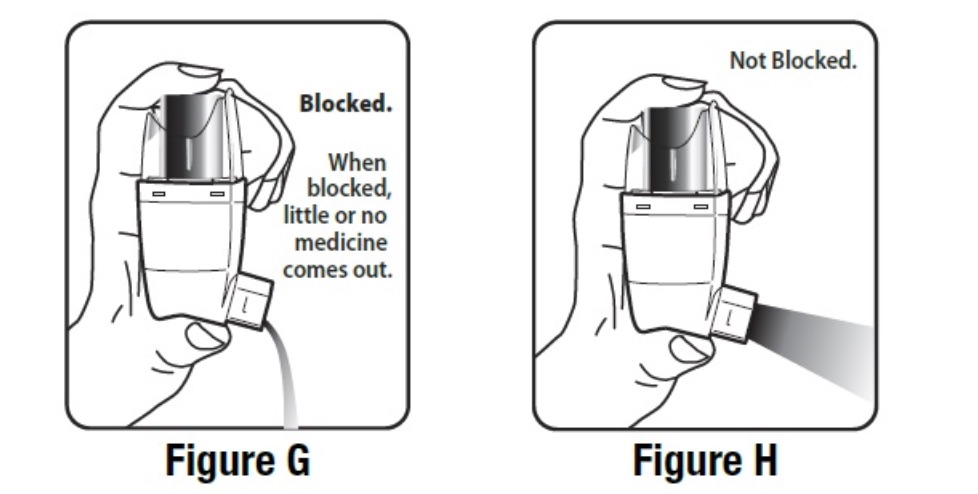
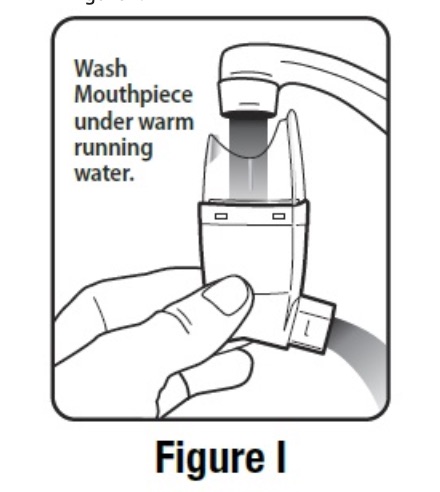
• For detailed instructions, see “Instructions for Use” at the end of this Patient Information.
• Use Albuterol Sulfate Inhalation Aerosol exactly as your doctor tells you to use it.
• If your child needs to use Albuterol Sulfate Inhalation Aerosol, watch your child closely to make sure your child uses the inhaler correctly. Your doctor will show you how your child should use Albuterol Sulfate Inhalation Aerosol.
• Each dose of Albuterol Sulfate Inhalation Aerosol should last up to 4 hours to 6 hours.
• Do not increase your dose or take extra doses of Albuterol Sulfate Inhalation Aerosol without first talking to your doctor.
• Get medical help right away if Albuterol Sulfate Inhalation Aerosol no longer helps your symptoms.
• Get medical help right away if your symptoms get worse or if you need to use your inhaler more often.
• While you are using Albuterol Sulfate Inhalation Aerosol, do not use other inhaled rescue medicines and asthma medicines unless your doctor tells you to do so.
• Call your doctor if your asthma symptoms like wheezing and trouble breathing become worse over a few hours or days. Your doctor may need to give you another medicine (for example, corticosteroids) to treat your symptoms.
What are the possible side effects of Albuterol Sulfate Inhalation Aerosol?
Albuterol Sulfate Inhalation Aerosol may cause serious side effects, including:
• worsening trouble breathing, coughing and wheezing (paradoxical bronchospasm).
If this happens stop using Albuterol Sulfate Inhalation Aerosol and call your doctor or get emergency help right away. Paradoxical bronchospasm is more likely to happen with your first use of a new canister of medicine.
• heart problems including faster heart rate and higher blood pressure
• possible death in people with asthma who use too much Albuterol Sulfate Inhalation Aerosol
• allergic reactions. Call your doctor right away if you have the following symptoms of an allergic reaction:
- itchy skin
- swelling beneath your skin or in your throat
- rash
- worsening trouble breathing
• low potassium levels in your blood
• worsening of other medical problems in people who also use Albuterol Sulfate Inhalation Aerosol including increases in blood sugar
The most common side effects of Albuterol Sulfate Inhalation Aerosol include:
• your heart feels like it is pounding or racing (palpitations)
• chest pain
• fast heart rate
• shakiness
• nervousness
• headache
• dizziness
• sore throat
• runny nose
Tell your doctor if you have any side effect that bothers you or that does not go away.
These are not all of the possible side effects of Albuterol Sulfate Inhalation Aerosol.
For more information, ask your doctor or pharmacist.
Call your doctor for medical advice about side effects. You may report side effects to FDA at 1-800-FDA-1088.
How should I store Albuterol Sulfate Inhalation Aerosol?
• Store Albuterol Sulfate Inhalation Aerosol at room temperature between 68° F and 77° F (20° C and 25° C).
• Avoid exposure to extreme heat and cold.
• Shake the Albuterol Sulfate Inhalation Aerosol canister well before use.
• Do not puncture the Albuterol Sulfate Inhalation Aerosol canister.
• Do not store the Albuterol Sulfate Inhalation Aerosol canister near heat or a flame. Temperatures above 120° F may cause the canister to burst.
• Do not throw the Albuterol Sulfate Inhalation Aerosol canister into a fire or an incinerator.
• Avoid spraying Albuterol Sulfate Inhalation Aerosol in your eyes.
Keep Albuterol Sulfate Inhalation Aerosol and all medicines out of the reach of children.
General Information about the safe and effective use of Albuterol Sulfate Inhalation Aerosol
Medicines are sometimes prescribed for purposes other than those listed in a Medication Guide. Do not use Albuterol Sulfate Inhalation Aerosol for a condition for which it was not prescribed. Do not give Albuterol Sulfate Inhalation Aerosol to other people, even if they have the same symptoms that you have. It may harm them.
This Patient Information summarizes the most important information about Albuterol Sulfate Inhalation Aerosol. If you would like more information, talk with your doctor. You can ask your pharmacist or doctor for information about Albuterol Sulfate Inhalation Aerosol that is written for health professionals.
For more information, call 1-866-634-9120.
What are the ingredients in Albuterol Sulfate Inhalation Aerosol?
Active ingredient: albuterol sulfate
Inactive ingredients: propellant HFA-134a and ethanol.