Ondansetron Tablet, Film Coated
Product Images NDC 51662-1539

View Photos of Packaging, Regulatory Labels, and Product Appearance

Product Visual Gallery

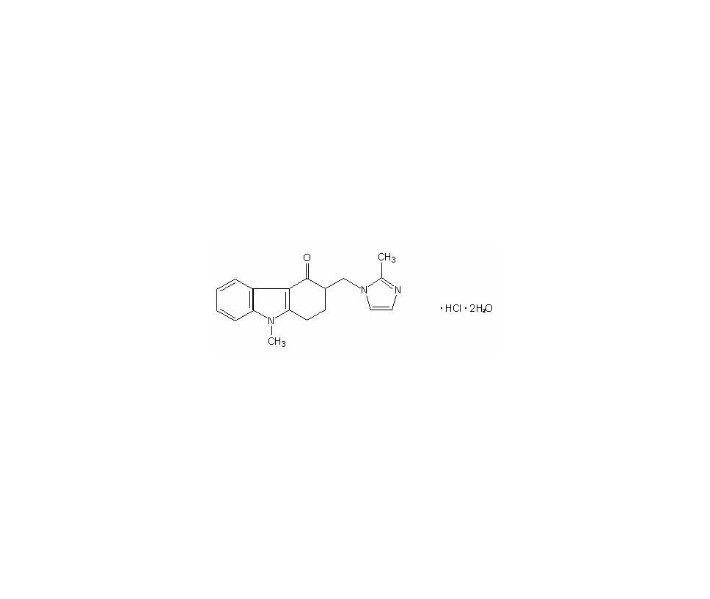
This gallery contains 10 technical images submitted to the FDA as part of the official labeling for Ondansetron (NDC 51662-1539). Unlike standard consumer photos, these assets often include clinical data figures, molecular chemical structures, and official manufacturer packaging layouts.

As provided by Hf Acquisition Co Llc, Dba Healthfirst, these visuals offer a comprehensive scientific overview of the product's physical and chemical identity, aiding pharmacists and researchers in product verification and study.

FDA Label Image

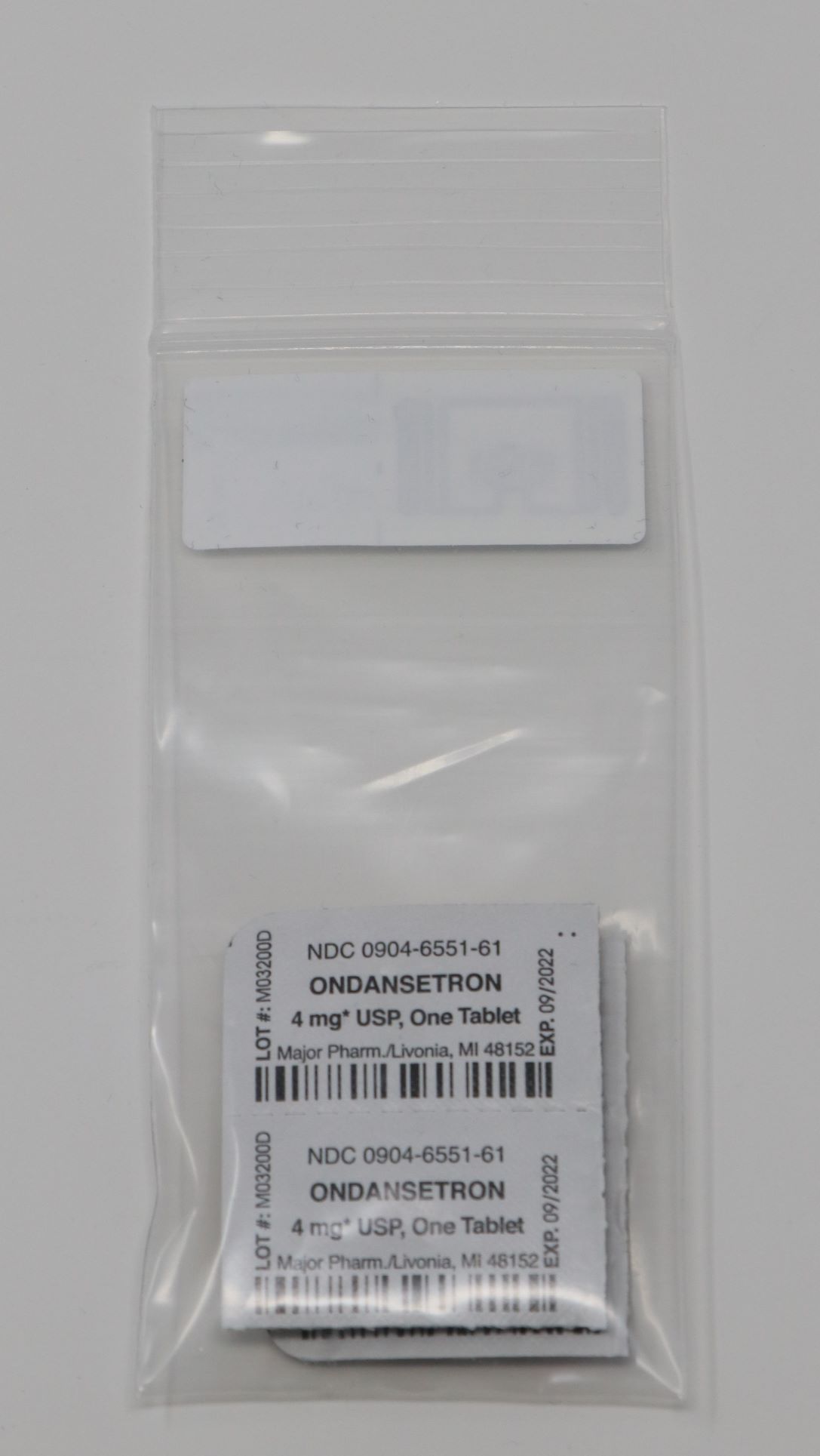
Tablet Labeling (51662 1539 1 (0904 6551 61) Ondansetron Tablets Usp 4mg Packaging Image (1) Tablet Labeling)

Tablet Labeling (51662 1539 1 (0904 6551 61) Ondansetron Tablets Usp 4mg Packaging Image (1) Tablet Labeling)
This is a description of a medication called "Ondansetron Tablets USP" manufactured by Major Pharmaceuticals. It contains 100 tablets, each with 4 mg of ondansetron hydrochloride, a medication used to prevent nausea and vomiting caused by chemotherapy, radiation therapy, or surgery. The tablets are indicated for prescription use only and must be stored in a tight, light-resistant container at a room temperature of 20°-25°C. It comes as a unit dose package not intended for child use. The information on dosage and prescription can be obtained from the product insert found online. The National Drug Code (NDC) for the product is 0904-6551-61.*
FDA Label Image

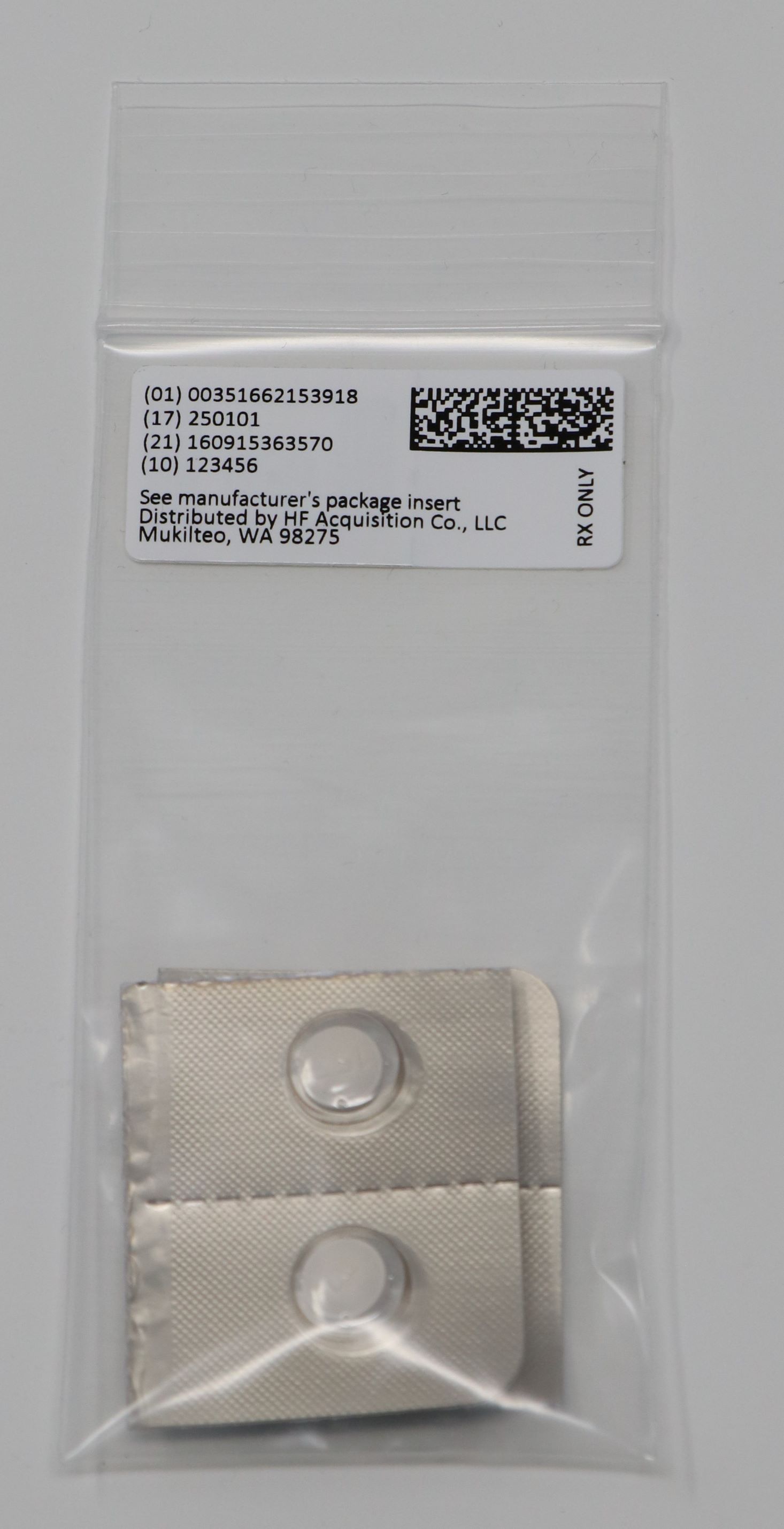
Bag Back Labeling (51662 1539 1 Ondansetron Hf Label Back)

FDA Label Image

Serialized Front Bag Labeling (51662 1539 1 Ondansetron Hf Label Front Serialized)

FDA Label Image

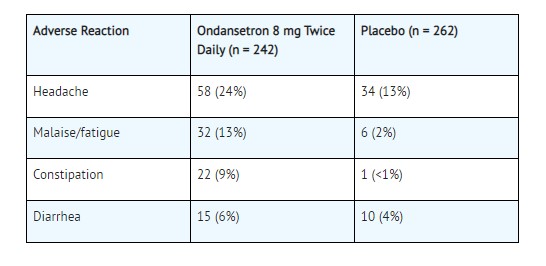
Adverse 1 (Adverse 1)

Adverse 1 (Adverse 1)
This is a comparison of adverse reactions between patients taking Ondansetron 8 mg twice daily (242 patients) and those taking a placebo (262 patients). The table shows the percentage of patients who experienced each adverse reaction. The most common adverse reaction for those taking Ondansetron was headaches (13%) while the most common reaction for those taking a placebo was not provided. However, there were fewer adverse reactions overall for those taking a placebo.*
FDA Label Image

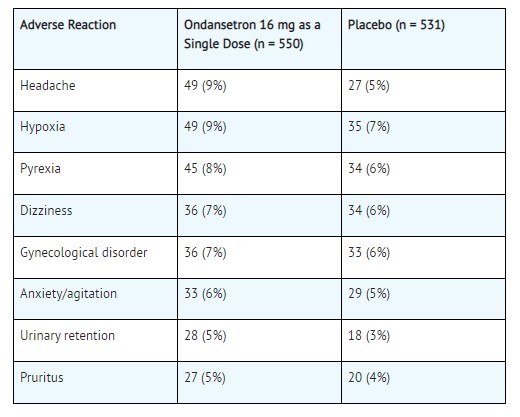
Adverse 2 (Adverse 2)

Adverse 2 (Adverse 2)
This appears to be a summary of the adverse reactions of ondansetron and placebo in a study with sample sizes of 550 and 531 respectively. The listed adverse reactions and their frequencies are: headache (5%), hypoxia (7%), pyrexia (6%), dizziness (6%), ecological disorder (6%), anxiety/agitation (6%), urinary retention (5%) and pruritus.*
FDA Label Image

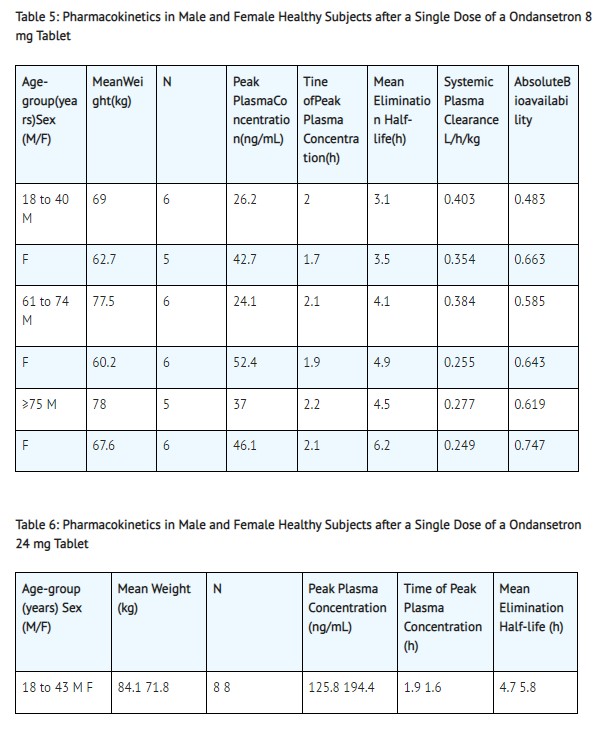
Cp (Clinical Pharmacology)

Cp (Clinical Pharmacology)
Pharmacokinetics of Ondansetron 8mg tablet were assessed in male and female healthy subjects. Data on peak plasma concentration, time of peak, elimination half-life, systemic clearance and absolute bioavailability for different age groups were obtained. Similar data were obtained for subjects who took a single dose of a 24mg formulation.*
FDA Label Image

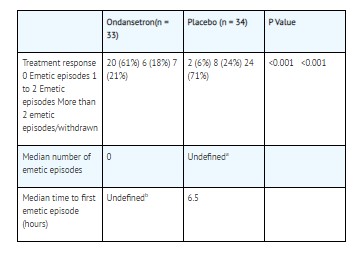
Cs1 (Clinical Studies 1)

FDA Label Image

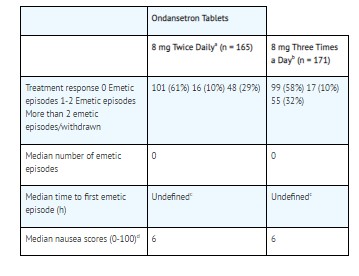
Cs2 (Clinical Studies 2)

FDA Label Image

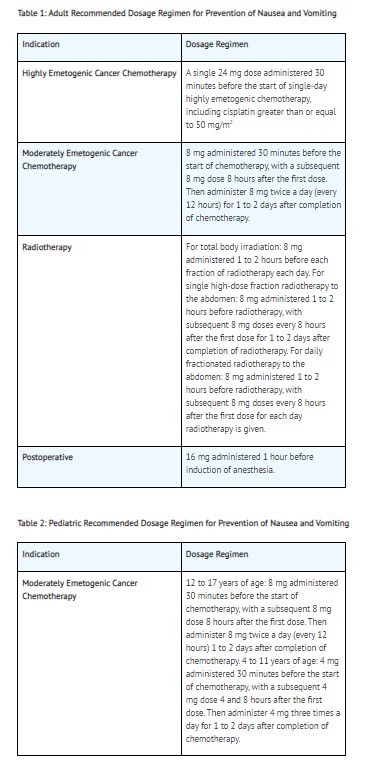
Dosage (Dosage And Administration)

Dosage (Dosage And Administration)
Recommended dosages for prevention of nausea and vomiting due to chemotherapy are outlined in the table. Dosage regimens vary depending on the type of cancer and age of the patient. Generally, a single 2 mg dose is given 30 minutes before chemotherapy for adults, with subsequent doses as needed. Higher doses and more frequent administration may be necessary for certain types of cancer or radiation therapy. Dosage regimens may also vary for pediatric patients. Please consult with a healthcare provider for appropriate dosage and administration.*
FDA Label Image

Structure (Structure)

* These product label images have been analyzed using experimental machine learning. Please verify findings with the primary label text.