Lidocaine Hcl Solution
Product Images NDC 51662-1553

View Photos of Packaging, Regulatory Labels, and Product Appearance

Product Visual Gallery

This gallery contains 8 technical images submitted to the FDA as part of the official labeling for Lidocaine Hcl (NDC 51662-1553). Unlike standard consumer photos, these assets often include clinical data figures, molecular chemical structures, and official manufacturer packaging layouts.

As provided by Hf Acquisition Co Llc, Dba Healthfirst, these visuals offer a comprehensive scientific overview of the product's physical and chemical identity, aiding pharmacists and researchers in product verification and study.

FDA Label Image

Vial P1 (51662 1553 2 Laryng O Jet Labeling)

Vial P1 (51662 1553 2 Laryng O Jet Labeling)
This is a description of a sterile topical solution of Lidocaine Hydrochloride that is not for injection. It is a single dose solution with a strength of 160mg/0mg per mL. The solution is used topically and comes in a 4% concentration. The manufacturer of the solution is not provided, but the product appears to be sold in the USA. The text also contains a barcode that is labeled as a non-varnish area.*
FDA Label Image

Pouch Labeling (51662 1553 2 Pouch Labeling)

Pouch Labeling (51662 1553 2 Pouch Labeling)
Lidocaine HCl Topical Solution is a sterile aqueous solution used for topical use only, not for injection, in a 4% USP solution. The solution comes in a 4 mL Laryng-O-Jet® Kit which contains 160mg of Lidocaine per dose. The solution is to be used as directed and should not be resterilized or reused. The product is a single-use disposable device in a single-dose vial. Any unused portion must be discarded, and the product should be stored between 20 to 25°C (68°F to 77°F). Caution must be taken while using the product to avoid breaking the canulla. This product has NDC#: 76329-6300-5 and is manufactured by HF Acquisition Co., LLC in Mukilteo, WA 98275.*
FDA Label Image

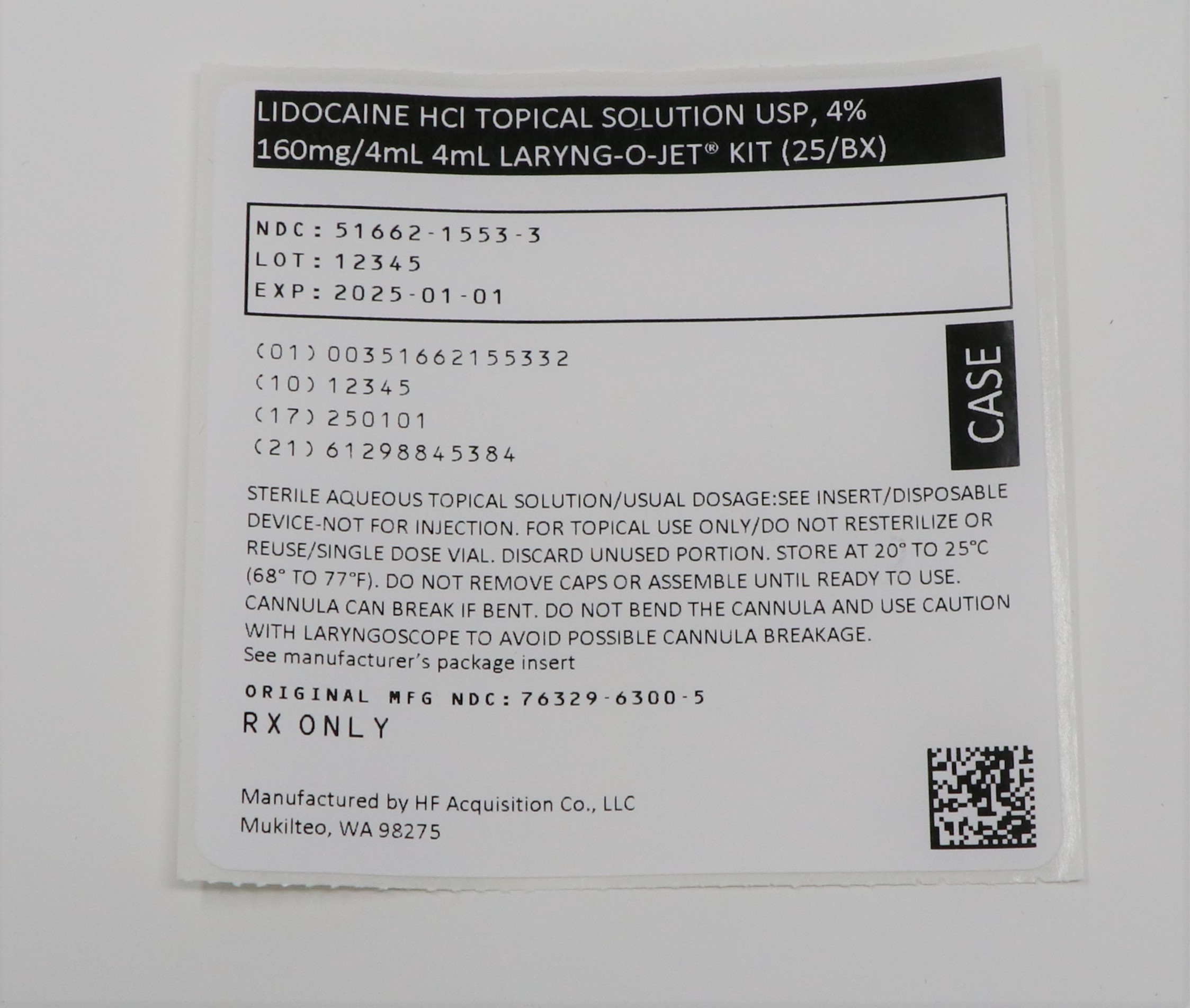
Case Labeling (51662 1553 3 Case Labeling)

Case Labeling (51662 1553 3 Case Labeling)
This is a description of a Lidocaine HCI topical solution in a Laryng-o-jet kit. The kit contains a 4mL single-dose vial with a usual dosage of 160mg/4mL. The solution is for topical use only and should not be injected. The unused portion of the solution should be discarded, and storage should be at room temperature between 68°F to 77°F. The cannula can break if bent, so it should be used with a laryngoscope to avoid possible cannula breakage. The manufacturer's package insert should be consulted before use. The original MFG NDC is 76329-6300-5, and this product is available by prescription only. The manufacturer is HF Acquisition Co., LLC located in Mukilteo, WA.*
FDA Label Image

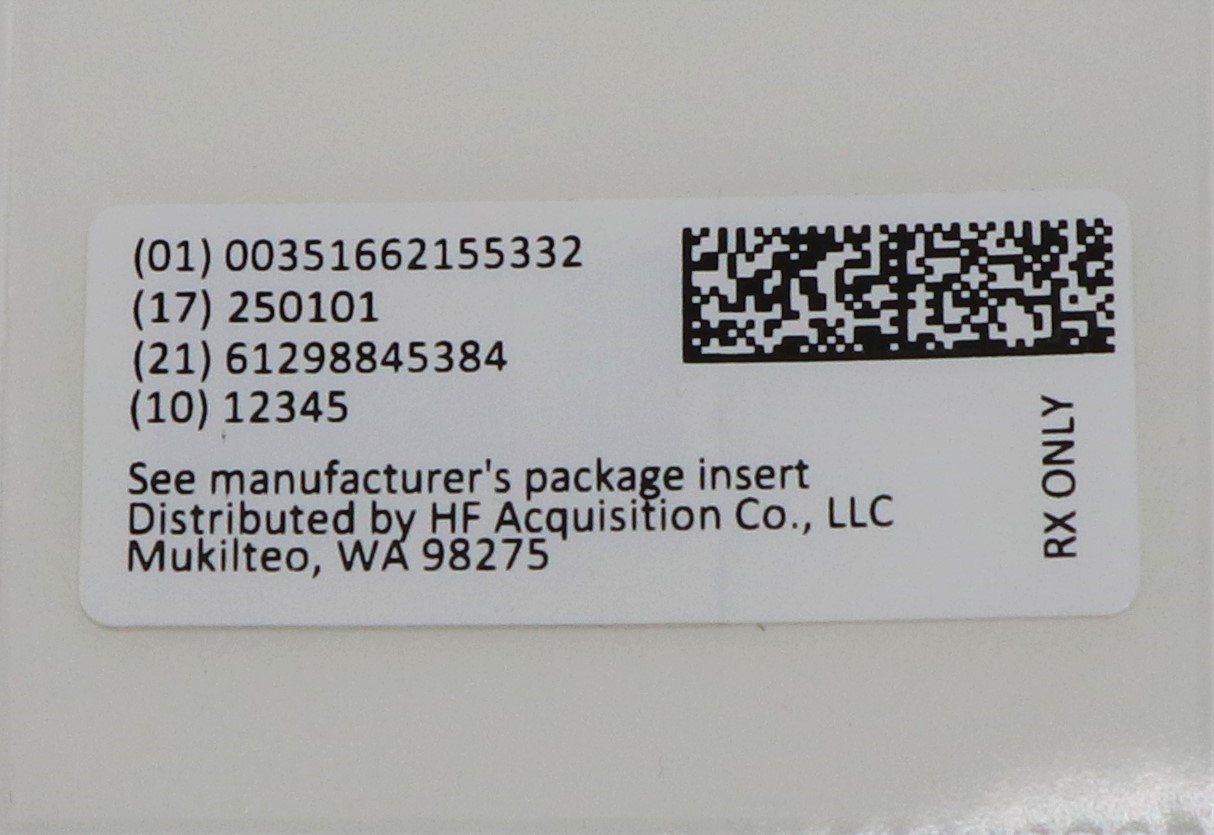
Serialized Labeling (51662 1553 3 Serialized Labeling)

FDA Label Image

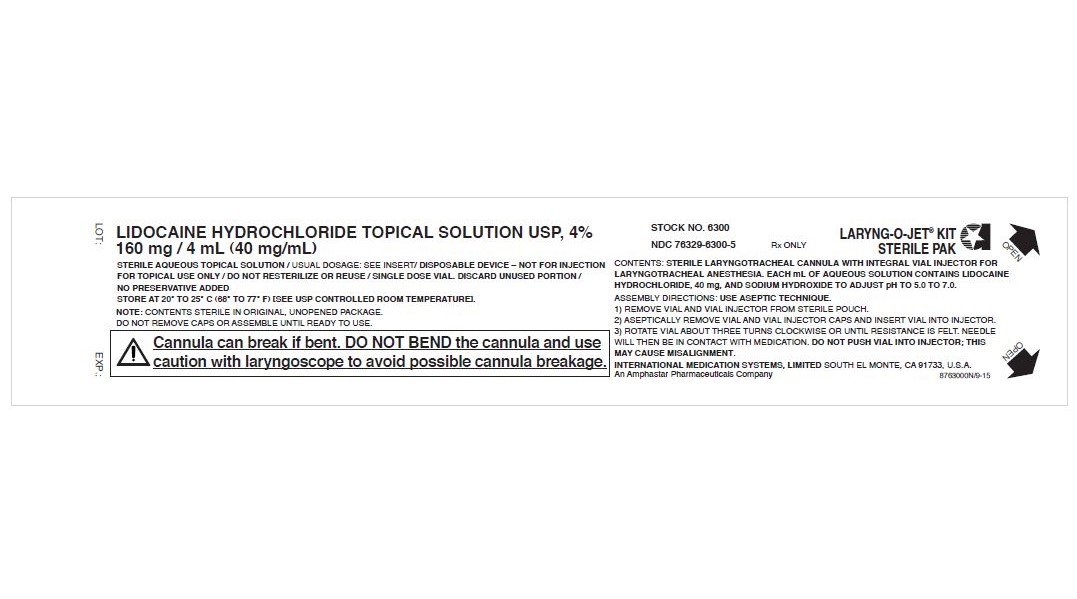
Vial P2 (51662 155302 Lyryng O Jet Labeling Part 2)

Vial P2 (51662 155302 Lyryng O Jet Labeling Part 2)
This is a description of Lidocaine Hydrochloride Topical Solution, which comes in a 4% concentration. The solution appears to be intended for use as a local anesthetic, possibly for use during medical procedures. The text includes instructions for use, which involve injecting the solution in a sterile manner using a provided vial and injector device. It also includes a caution not to bend the cannula during use and to avoid possible cannula breakage when using a laryngoscope. There is no further information about the product or its indications.*
FDA Label Image

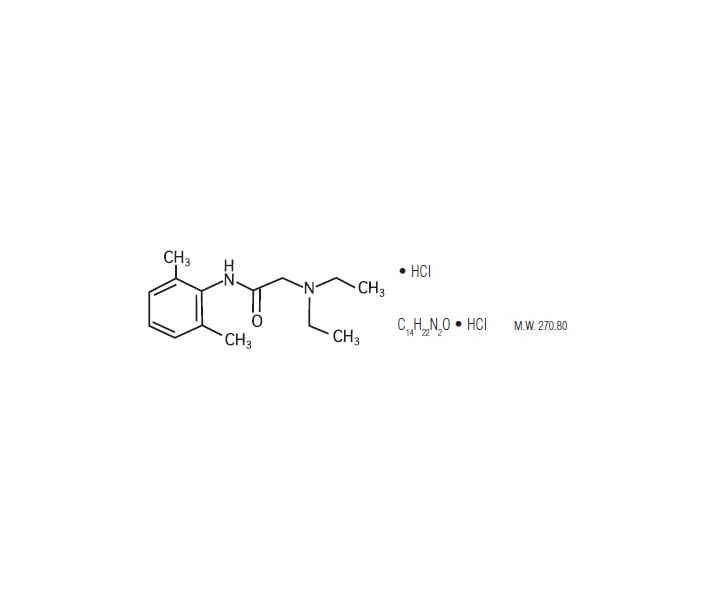
Description (Description)

FDA Label Image

D2 (Dosage And Administration 2)

FDA Label Image

D1 (Dosage And Administration)

D1 (Dosage And Administration)
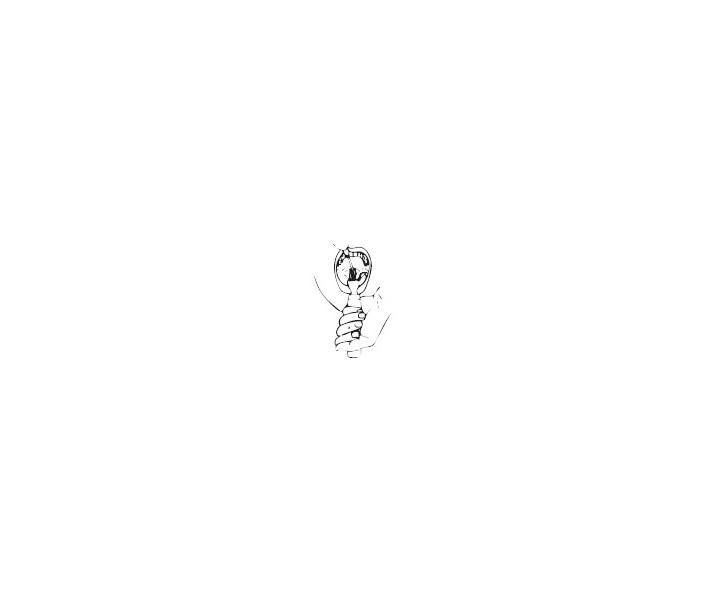
This appears to be a description of a medical device called LARYNG-O~JET®. The figure shows the location and direction of jet openings on the device. It is likely related to injecting a pre-filled solution of LOGEANE HYDROGH ORDE (assuming that the is misreading "HYDROCHLORIDE" as "HYDROGH ORDE"). However, the rest of the text is not very clear and thus, further information cannot be provided.*

* These product label images have been analyzed using experimental machine learning. Please verify findings with the primary label text.