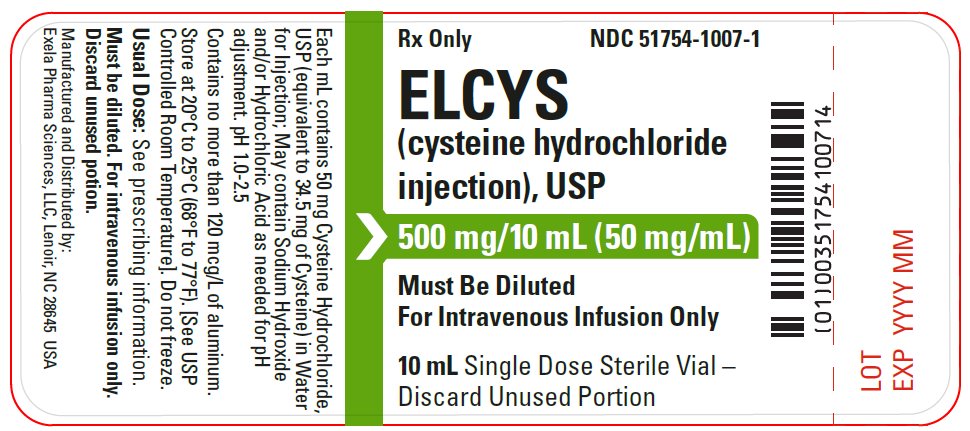
ELCYS is approved for use in pediatric patients, from birth to 17 years of age, for use as an additive to amino acid
solutions to meet the nutritional requirements of newborn infants, including preterm infants, requiring total parenteral
nutrition (TPN) and pediatric patients with severe liver disease who may have impaired enzymatic processes and require
TPN. The safety profile for ELCYS use in pediatric patients includes risks of acid-base imbalance and hyperammonemia.
Acid-base imbalance, including metabolic acidosis, may occur with ELCYS administration in preterm infants. Frequent
clinical and laboratory assessments are necessary to monitor and manage fluid balance, electrolyte concentrations, and
acid-base balance during parenteral nutrition therapy [see Warnings and Precautions (5.4)].
Hyperammonemia is of special significance in infants (birth to two years of age). This reaction appears to be related to a
deficiency of the urea cycle amino acids of genetic or product origin. It is essential that blood ammonia be measured
frequently in infants [see Warnings and Precautions (5.6)].
Because of immature renal function, preterm infants receiving prolonged PN treatment with ELCYS may be at higher risk
of aluminum toxicity [see Warnings and Precautions (5.7)].