Weltruza Kit
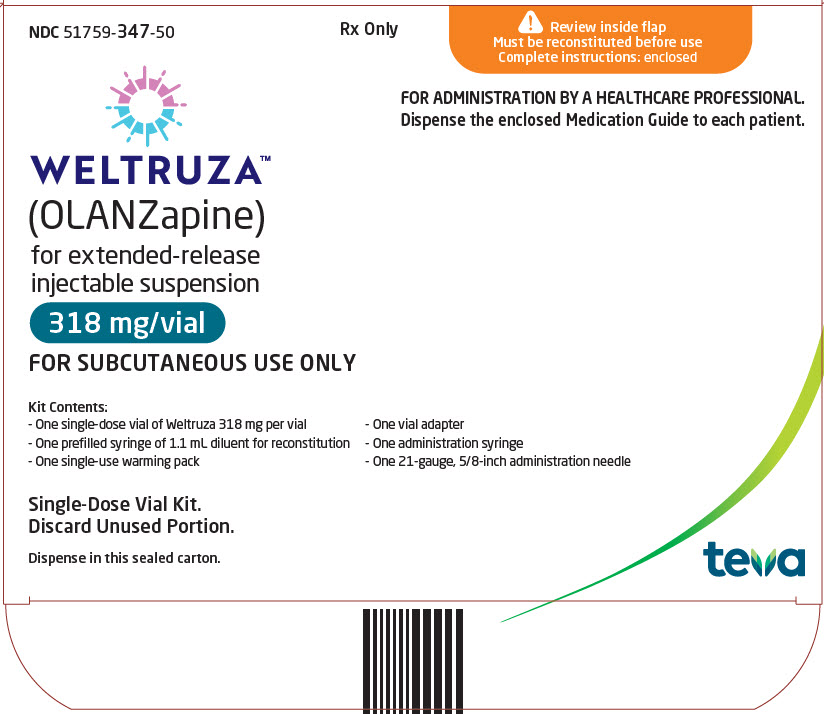
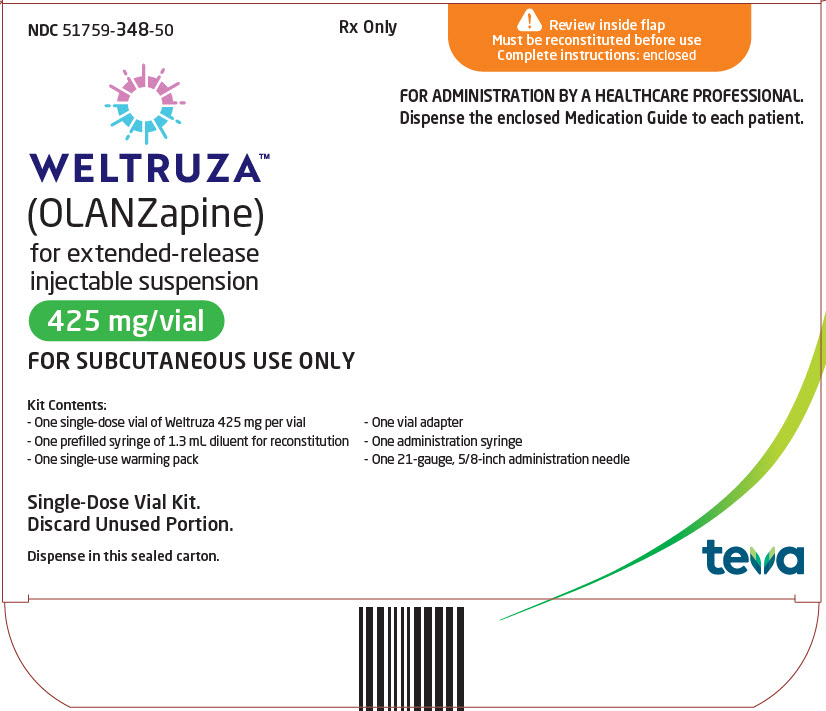
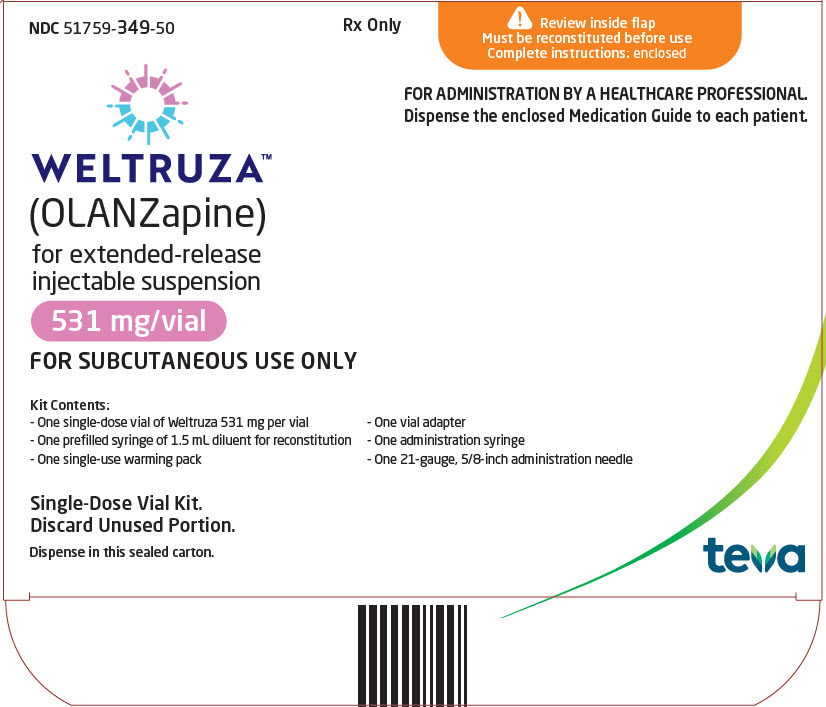
FDA Label NDC 51759-347
Structured Product Label
The following Structured Product Label (SPL) was submitted to the FDA by Teva Pharmaceuticals Usa, Inc. for the product Weltruza (NDC 51759-347). This document serves as the official prescribing information, containing essential scientific data and clinical materials required for healthcare providers and patients.
This specific version of the label includes detailed information regarding warning: increased mortality in elderly patients with dementia-related psychosis, 1 indications and usage, 2.1 important recommendations prior to weltruza treatment initiation, 2.2 recommended dosage and administration, 2.3 preparation and administration instructions, 3 dosage forms and strengths, 4 contraindications, 5.1 increased mortality in elderly patients with dementia-related psychosis, and other regulatory disclosures. Use the navigation below to review specific sections of the FDA submission.
Label Section Quick Index
1 Indications And Usage
WELTRUZA is indicated for the treatment of schizophrenia in adults.
2.1 Important Recommendations Prior To Weltruza Treatment Initiation
For patients who have not previously demonstrated tolerability to olanzapine, establish tolerability with oral olanzapine prior to initiating WELTRUZA.
WELTRUZA should be administered by a healthcare provider subcutaneously into the abdomen only. Do not administer WELTRUZA by any other route.
2.2 Recommended Dosage And Administration
Administer WELTRUZA once monthly as a subcutaneous injection into the abdomen only. For patients switching from oral olanzapine, WELTRUZA should be administered on the next consecutive day.
Conversion from established oral olanzapine dosing is shown in Table 1.
| Oral Olanzapine Daily Dose | Corresponding WELTRUZA Once Monthly Dose |
| 10 mg | 318 mg |
| 15 mg | 425 mg |
| 20 mg | 531 mg |
No loading dose nor any supplemental oral olanzapine is required when initiating WELTRUZA.
Missed Dose
WELTRUZA may be administered one week before or after the scheduled monthly dosing interval. If a dose of WELTRUZA is not administered within five weeks of the previous dose, administer the next WELTRUZA dose as soon as possible. Adjust the subsequent monthly doses, based on the date the missed dose was administered.
2.3 Preparation And Administration Instructions
Important Information
- Read the complete instructions for preparation and administration below before administering WELTRUZA.
- For subcutaneous injection into the abdomen only. Do not inject by any other route.
- To be prepared and administered by a healthcare professional only.
- Before preparation for use, allow the kit to sit in its packaging at room temperature, 20°C to 25°C (68°F to 77°F), for at least 30 minutes.
- USE the provided warming pack.
- ALTERNATIVELY, if the kit has been stored at room temperature for longer than 12 hours, proceed to Step 5.
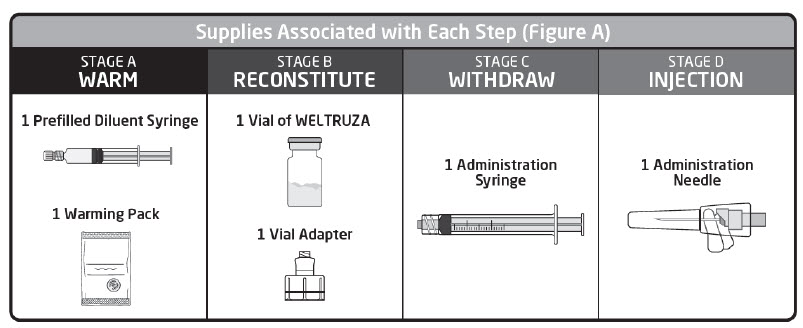
Figure A
Check that all the components are present and not damaged. Do not use kit if damaged.
STAGE A: WARM THE PREFILLED DILUENT SYRINGE
IMPORTANT
Prefilled diluent syringe is single use only. Diluent is solid at refrigerated temperature. Warm before use.
Step 1 – Allow Kit to Warm to Room Temperature
Before preparation for use, allow the kit to sit in its packaging at room temperature, 20°C to 25°C (68°F to 77°F), for at least 30 minutes.
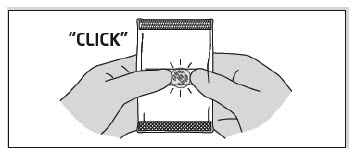
Step 2- Activating the Warming Pack
Locate and bend the metal disc in the warming pack (Figure B) until the fluid turns cloudy and the pack starts to warm.
Figure B
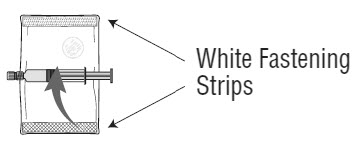
Step 3 – Enclosing the Prefilled Diluent Syringe
Fold the warming pack around the prefilled diluent syringe (Figure C) and secure by pressing the white fastening strips together.
Figure C
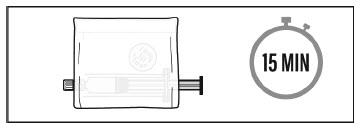
Step 4 – Warming the Prefilled Diluent Syringe
Leave the prefilled diluent syringe inside the warming pack for a minimum of 15 minutes until the diluent becomes liquid. (Figure D)
Figure D
STAGE B: RECONSTITUTE
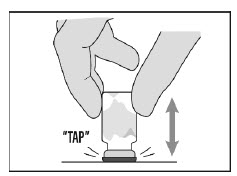
Step 5 – Tapping the Vial
Gently tap the vial cap on a solid surface to loosen powder. (Figure E)
Figure E
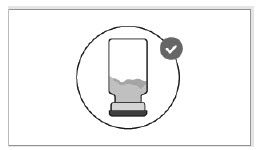
CHECK:
Check that the powder is loosened. (Figure F)
Figure F
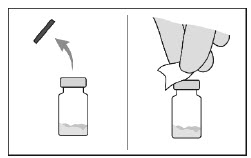
Step 6 – Preparing the Vial
Remove the cap from the vial and wipe the vial septum with an alcohol wipe. (Figure G)
Figure G
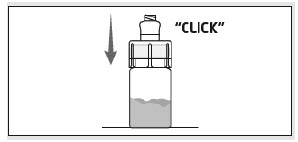
Step 7 – Attaching the Vial Adapter
Firmly push down the vial adapter onto the vial until securely in place. (Figure H)
Figure H
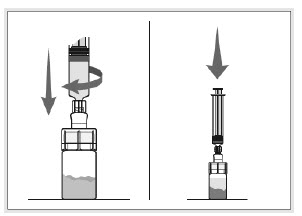
Step 8 – Adding the Diluent to the Vial
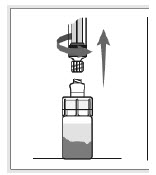
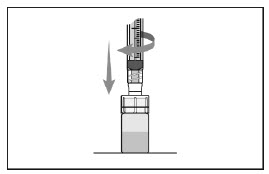
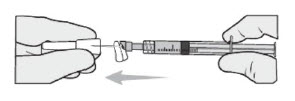
Twist and pull off the prefilled diluent syringe cap. Then, push and twist the prefilled diluent syringe onto the vial adapter. Inject all diluent into the vial. (Figure I).
Figure I
Twist and pull the empty diluent syringe off the vial adapter (Figure J).
Figure J
Step 9 – Tapping the Vial
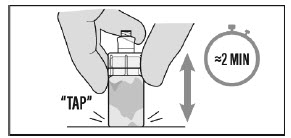
Tap the vial firmly on a soft surface for approximately 2 minutes until no dry powder remains. (Figure K)
Figure K
Step 10 – Shaking the Vial
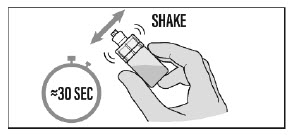
Vigorously shake the vial for approximately 30 seconds. (Figure L)
Figure L
USE dose as soon as possible after reconstitution.
OR, if needed, see storage instructions for the reconstituted product.
IMPORTANT
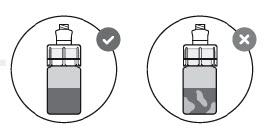
Check that the product is opaque and yellow and that no dry powder remains. (Figure M)
If dry powder remains, continue to tap and shake.
Figure M
Storage Instructions for the Reconstituted Product
If the reconstituted product is not used immediately, store the reconstituted vial refrigerated at 2°C to 8°C (36°F to 46°F) for up to 24 hours.
Discard the reconstituted product if it has been stored refrigerated for more than 24 hours.
After removal from the refrigerator, allow the reconstituted product to stand at room temperature 20°C to 25°C (68°F to 77°F) for at least 30 minutes until the product is liquid.
Shake the vial vigorously. Before use, wipe the vial adapter Luer opening with an alcohol wipe.
STAGE C: WITHDRAW
Step 11 – Attaching the Administration Syringe
Push and twist the administration syringe onto the vial adapter. (Figure N)
Figure N
Step 12 – Withdrawing Dose of WELTRUZA
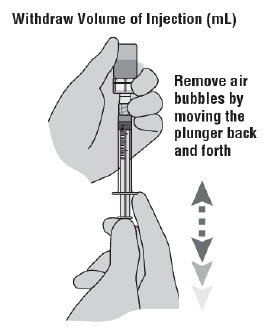
Confirm the correct dose (mg) and withdraw the volume of injection (mL) for that dose immediately before injection.
| Dose, mg olanzapine | Volume of Injection, mL |
| 318 mg | 0.9 mL |
| 425 mg | 1.2 mL |
| 531 mg | 1.5 mL |
With the syringe attached to the vial, remove air bubbles by moving the plunger back and forth. (Figure O)
Figure O
Some product may remain in the vial.
Twist and pull the administration syringe from the vial adapter.
STAGE D: INJECTION
Step 13 – Preparing for Injection
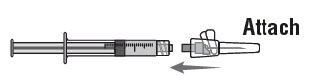
Attach the administration needle. (Figure P)
Figure P
Step 14 – Choosing Injection Site on the Abdomen
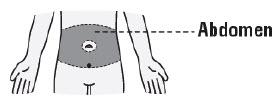
Select an injection site on the abdomen and clean using a new alcohol wipe.
DO NOT inject within 2 inches of the belly button (Figure Q) or into irritated, tattooed, hard, scarred, or stretch marked skin.
Figure Q
Step 15 – Administering Injection
IMPORTANT
For subcutaneous injection only.
Remove the needle cap by pulling the needle cap away from the hub to expose the needle. (Figure R)
Figure R
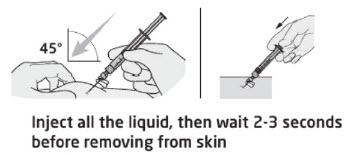
Insert the needle through pinched skin into subcutaneous tissue (the actual angle of injection will depend on the amount of subcutaneous tissue). (Figure S)
Release pinch and push plunger all the way down until all of the suspension is injected.
Figure S
Remove the needle from the skin.
Activate the needle safety shield by dragging safety shield on a flat surface until it covers the needle tip.
Dispose of all kit components according to local regulations.
3 Dosage Forms And Strengths
WELTRUZA (olanzapine) for extended-release injectable suspension: 318 mg, 425 mg, and 531 mg of olanzapine as a yellow powder for reconstitution in a single-dose vial.
Each strength of WELTRUZA is supplied as a kit which includes: one vial containing a yellow powder (olanzapine), one prefilled syringe containing a clear, colorless solution of diluent, a 20 mm vial adaptor, a 2 mL syringe, a 21-gauge administration needle, and a warming pack.
4 Contraindications
None.
5.1 Increased Mortality In Elderly Patients With Dementia-Related Psychosis
Elderly patients with dementia-related psychosis treated with antipsychotic drugs are at an increased risk of death. Analyses of 17 placebo-controlled trials (modal duration of 10 weeks), largely in patients taking atypical antipsychotic drugs for dementia-related psychosis, revealed a risk of death in drug-treated patients of between 1.6 to 1.7 times the risk of death in placebo-treated patients. Over the course of a typical 10-week controlled trial, the incidence of death in drug-treated patients was about 4.5%, compared to an incidence of about 2.6% in the placebo-treated patients. Although the causes of death were varied, most of the deaths appeared to be either cardiovascular (e.g., heart failure, sudden death) or infectious (e.g., pneumonia) in nature.
In placebo-controlled oral olanzapine clinical trials of elderly patients with dementia-related psychosis, the incidence of death in olanzapine-treated patients was significantly greater than placebo-treated patients (3.5% vs 1.5%, respectively).
WELTRUZA is not approved for the treatment of patients with dementia-related psychosis [see Indications and Usage (1)].
5.2 Post-Injection Delirium/Sedation Syndrome
Post-Injection Delirium/Sedation Syndrome (PDSS) has been reported with intramuscular use of another extended-release olanzapine product and presented with signs and symptoms consistent with olanzapine overdose [see Overdosage (10.1)]. The majority of patients were hospitalized and some required supportive care, including intubation, in several cases. These reactions occurred in <0.1% of injections and in approximately 2% of patients who received injections for up to 46 months. The majority of cases of PDSS with intramuscular use of another extended-release olanzapine product have occurred within the first 3 hours after injection; however, the reactions have also occurred after 3 hours of injection. The risk of a reaction is the same at each injection, so the risk per patient is cumulative (i.e., increases with the number of injections).
Following an intramuscular injection with another extended-release olanzapine product, a rapid and greater than expected increase in serum olanzapine concentration has been observed in some patients with PDSS reactions. However, the exact mechanism by which the drug was unintentionally introduced into the blood stream is not known. Healthcare professionals should consider PDSS in the differential diagnosis in the event a patient experiences the signs and symptoms of olanzapine overdose [see Overdosage (10.1)].
In pre-marketing trials with WELTRUZA, there were no reported cases of PDSS. However, the risk of PDSS with WELTRUZA is currently unknown.
5.3 Cerebrovascular Adverse Reactions, Including Stroke, In Elderly Patients With Dementia-Related Psychosis
In placebo-controlled trials in elderly patients with dementia-related psychosis treated with oral risperidone, aripiprazole, or olanzapine had a higher incidence of stroke and transient ischemic attack, including fatal stroke compared to those treated with placebo.
WELTRUZA is not approved for the treatment of patients with dementia-related psychosis [see Boxed Warning].
5.4 Neuroleptic Malignant Syndrome (Nms)
A potentially fatal symptom complex sometimes referred to as Neuroleptic Malignant Syndrome (NMS) has been reported in association with administration of antipsychotic drugs, including olanzapine. Clinical manifestations of NMS are hyperpyrexia, muscle rigidity, altered mental status and evidence of autonomic instability (irregular pulse or blood pressure, tachycardia, diaphoresis and cardiac dysrhythmia). Additional signs may include elevated creatinine phosphokinase, myoglobinuria (rhabdomyolysis), and acute renal failure.
If NMS is suspected, immediately discontinue WELTRUZA and provide intensive symptomatic treatment and monitoring.
5.5 Drug Reaction With Eosinophilia And Systemic Symptoms (Dress)
Drug Reaction with Eosinophilia and Systemic Symptoms (DRESS) has been reported with olanzapine exposure. DRESS may present with a cutaneous reaction (such as rash or exfoliative dermatitis), eosinophilia, fever, and/or lymphadenopathy with systemic complications such as hepatitis, nephritis, pneumonitis, myocarditis, and/or pericarditis. DRESS is sometimes fatal. Discontinue WELTRUZA if DRESS is suspected [see Patient Counseling Information (17)].
5.6 Metabolic Changes
Atypical antipsychotic drugs have been associated with metabolic changes including hyperglycemia, dyslipidemia, and weight gain. Metabolic changes may be associated with increased cardiovascular/cerebrovascular risk. Weight gain and changes in metabolic laboratory parameters were consistent with those expected with long-term olanzapine treatment. Olanzapine’s specific metabolic profile, based on data from oral olanzapine, is presented below.
Hyperglycemia and Diabetes Mellitus
Healthcare providers should consider the risks and benefits when prescribing olanzapine to patients with an established diagnosis of diabetes mellitus, or having borderline increased blood glucose level (fasting 100-126 mg/dL, nonfasting 140-200 mg/dL). Patients taking olanzapine should be monitored regularly for worsening of glucose control. Patients starting treatment with olanzapine should undergo fasting blood glucose testing at the beginning of treatment and periodically during treatment. Any patient treated with atypical antipsychotics should be monitored for symptoms of hyperglycemia including polydipsia, polyuria, polyphagia, and weakness. Patients who develop symptoms of hyperglycemia during treatment with atypical antipsychotics should undergo fasting blood glucose testing. In some cases, hyperglycemia has resolved when the atypical antipsychotic was discontinued; however, some patients required continuation of anti-diabetic treatment despite discontinuation of the suspect drug [see Patient Counseling Information (17)].
Hyperglycemia, in some cases extreme and associated with ketoacidosis or hyperosmolar coma or death, has been reported in patients treated with atypical antipsychotics including olanzapine. Assessment of the relationship between atypical antipsychotic use and glucose abnormalities is complicated by the possibility of an increased background risk of diabetes mellitus in patients with schizophrenia and the increasing incidence of diabetes mellitus in the general population. Epidemiological studies suggest an increased risk of treatment-emergent hyperglycemia-related adverse reactions in patients treated with the atypical antipsychotics. While relative risk estimates are inconsistent, the association between atypical antipsychotics and increases in glucose levels appears to fall on a continuum and olanzapine appears to have a greater association than some other atypical antipsychotics.
Mean increases in blood glucose have been observed in patients treated (median exposure of 9.2 months) with olanzapine in phase 1 of the Clinical Antipsychotic Trials of Intervention Effectiveness (CATIE). The mean increase of serum glucose (fasting and nonfasting samples) from baseline to the average of the 2 highest serum concentrations was 15.0 mg/dL.
In a study of healthy volunteers, subjects who received olanzapine (N=22) for 3 weeks had a mean increase compared to baseline in fasting blood glucose of 2.3 mg/dL. Placebo-treated subjects (N=19) had a mean increase in fasting blood glucose compared to baseline of 0.34 mg/dL.
Olanzapine Monotherapy in Adults
In an analysis of 5 placebo-controlled adult olanzapine monotherapy studies with a median treatment duration of approximately 3 weeks, olanzapine was associated with a greater mean change in fasting glucose levels compared to placebo (2.76 mg/dL versus 0.17 mg/dL). The difference in mean changes between olanzapine and placebo was greater in patients with evidence of glucose dysregulation at baseline (patients diagnosed with diabetes mellitus or related adverse reactions, patients treated with anti-diabetic agents, patients with a baseline random glucose level ≥200 mg/dL, and/or a baseline fasting glucose level ≥126 mg/dL). Olanzapine-treated patients had a greater mean HbA1c increase from baseline of 0.04% (median exposure 21 days), compared to a mean HbA1c decrease of 0.06% in placebo-treated subjects (median exposure 17 days).
In an analysis of 8 placebo-controlled studies (median treatment exposure 4-5 weeks), 6.1% of olanzapine-treated subjects (N=855) had treatment-emergent glycosuria compared to 2.8% of placebo-treated subjects (N=599). Table 2 shows short-term and long-term changes in fasting glucose levels from adult olanzapine monotherapy studies.
| Up to 12 weeks exposure | At least 48 weeks exposure | |||||
| Laboratory Analyte | Category Change (at least once) from Baseline | Treatment Arm | N | Patients | N | Patients |
| Fasting Glucose | ||||||
| Normal to High (<100 mg/dL to ≥126 mg/dL) | Olanzapine | 543 | 2.2% | 345 | 12.8% | |
| Placebo | 293 | 3.4% | NAa | NAa | ||
| Borderline to High (≥100 mg/dL and <126 mg/dL to ≥126 mg/dL) | Olanzapine | 178 | 17.4% | 127 | 26.0% | |
| Placebo | 96 | 11.5% | NAa | NAa | ||
| a Not Applicable | ||||||
The mean change in fasting glucose for patients exposed at least 48 weeks was 4.2 mg/dL (N=487). In analyses of patients who completed 9-12 months of olanzapine therapy, mean change in fasting and nonfasting glucose levels continued to increase over time.
Dyslipidemia
Undesirable alterations in lipids have been observed with olanzapine use. Clinical monitoring, including baseline and periodic follow-up lipid evaluations in patients using olanzapine, is recommended [see Patient Counseling Information (17)].
Clinically significant, and sometimes very high (>500 mg/dL), elevations in triglyceride levels have been observed with olanzapine use. Modest mean increases in total cholesterol have also been seen with olanzapine use.
Olanzapine Monotherapy in Adults
In an analysis of 5 placebo-controlled olanzapine monotherapy studies with treatment duration up to 12 weeks, olanzapine-treated patients had increases from baseline in mean fasting total cholesterol, LDL cholesterol, and triglycerides of 5.3 mg/dL, 3.0 mg/dL, and 20.8 mg/dL respectively compared to decreases from baseline in mean fasting total cholesterol, LDL cholesterol, and triglycerides of 6.1 mg/dL, 4.3 mg/dL, and 10.7 mg/dL for placebo-treated patients. For fasting HDL cholesterol, no clinically meaningful differences were observed between olanzapine-treated patients and placebo-treated patients. Mean increases in fasting lipid values (total cholesterol, LDL cholesterol, and triglycerides) were greater in patients without evidence of lipid dysregulation at baseline, where lipid dysregulation was defined as patients diagnosed with dyslipidemia or related adverse reactions, patients treated with lipid lowering agents, or patients with high baseline lipid levels.
In long-term studies (at least 48 weeks), patients had increases from baseline in mean fasting total cholesterol, LDL cholesterol, and triglycerides of 5.6 mg/dL, 2.5 mg/dL, and 18.7 mg/dL, respectively, and a mean decrease in fasting HDL cholesterol of 0.16 mg/dL. In an analysis of patients who completed 12 months of therapy, the mean nonfasting total cholesterol did not increase further after approximately 4-6 months.
The proportion of patients who had changes (at least once) in total cholesterol, LDL cholesterol or triglycerides from normal or borderline to high, or changes in HDL cholesterol from normal or borderline to low, was greater in long-term studies (at least 48 weeks) as compared with short-term studies. Table 3 shows categorical changes in fasting lipids values.
| Up to 12 weeks exposure | At least 48 weeks exposure | |||||
| Laboratory Analyte | Category Change (at least once) from Baseline | Treatment Arm | N | Patients | N | Patients |
Fasting Triglycerides | Increase by ≥50 mg/dL | Olanzapine | 745 | 39.6% | 487 | 61.4% |
| Placebo | 402 | 26.1% | NAa | NAa | ||
| Normal to High (<150 mg/dL to ≥200 mg/dL) | Olanzapine | 457 | 9.2% | 293 | 32.4% | |
| Placebo | 251 | 4.4% | NAa | NAa | ||
| Borderline to High (≥150 mg/dL and <200 mg/dL to ≥200 mg/dL) | Olanzapine | 135 | 39.3% | 75 | 70.7% | |
| Placebo | 65 | 20.0% | NAa | NAa | ||
| Fasting Total Cholesterol | Increase by ≥40 mg/dL | Olanzapine | 745 | 21.6% | 489 | 32.9% |
| Placebo | 402 | 9.5% | NAa | NAa | ||
| Normal to High (<200 mg/dL to ≥240 mg/dL) | Olanzapine | 392 | 2.8% | 283 | 14.8% | |
| Placebo | 207 | 2.4% | NAa | NAa | ||
| Borderline to High (≥200 mg/dL and <240 mg/dL to ≥240 mg/dL) | Olanzapine | 222 | 23.0% | 125 | 55.2% | |
| Placebo | 112 | 12.5% | NAa | NAa | ||
| Fasting LDL
Cholesterol | Increase by ≥30 mg/dL | Olanzapine | 536 | 23.7% | 483 | 39.8% |
| Placebo | 304 | 14.1% | NAa | NAa | ||
| Normal to High (<100 mg/dL to ≥160 mg/dL) | Olanzapine | 154 | 0% | 123 | 7.3% | |
| Placebo | 82 | 1.2% | NAa | NAa | ||
| Borderline to High (≥100 mg/dL and <160 mg/dL to ≥160 mg/dL) | Olanzapine | 302 | 10.6% | 284 | 31.0% | |
| Placebo | 173 | 8.1% | NAa | NAa | ||
| a Not Applicable | ||||||
In phase 1 of the Clinical Antipsychotic Trials of Intervention Effectiveness (CATIE), over a median exposure of 9.2 months, the mean increase in triglycerides in patients taking olanzapine was 40.5 mg/dL. In phase 1 of CATIE, the mean increase in total cholesterol was 9.4 mg/dL.
Weight Gain
Potential consequences of weight gain should be considered prior to starting olanzapine. Patients receiving olanzapine should receive regular monitoring of weight [see Patient Counseling Information (17)].
Olanzapine Monotherapy in Adults
In an analysis of 13 placebo-controlled olanzapine monotherapy studies, olanzapine-treated patients gained an average of 2.6 kg (5.7 lb) compared to an average 0.3 kg (0.6 lb) weight loss in placebo-treated patients with a median exposure of 6 weeks; 22.2% of olanzapine-treated patients gained at least 7% of their baseline weight, compared to 3% of placebo-treated patients, with a median exposure to event of 8 weeks; 4.2% of olanzapine-treated patients gained at least 15% of their baseline weight, compared to 0.3% of placebo-treated patients, with a median exposure to event of 12 weeks. Clinically significant weight gain was observed across all baseline Body Mass Index (BMI) categories. Discontinuation due to weight gain occurred in 0.2% of olanzapine-treated patients and in 0% of placebo-treated patients.
In long-term studies (at least 48 weeks), the mean weight gain was 5.6 kg (12.3 lb) (median exposure of 573 days, N=2021). The percentages of patients who gained at least 7%, 15%, or 25% of their baseline body weight with long-term exposure were 64%, 32%, and 12%, respectively. Discontinuation due to weight gain occurred in 0.4% of olanzapine-treated patients following at least 48 weeks of exposure.
Table 4 includes data on adult weight gain with olanzapine pooled from 86 clinical trials. The data in each column represent data for those patients who completed treatment periods of the durations specified.
Amount Gained | 6 Weeks | 6 Months | 12 Months | 24 Months | 36 Months |
| ≤0 | 26.2 | 24.3 | 20.8 | 23.2 | 17.0 |
| 0 to ≤5 (0-11 lb) | 57.0 | 36.0 | 26.0 | 23.4 | 25.2 |
| >5 to ≤10 (11-22 lb) | 14.9 | 24.6 | 24.2 | 24.1 | 18.4 |
| >10 to ≤15 (22-33 lb) | 1.8 | 10.9 | 14.9 | 11.4 | 17.0 |
| >15 to ≤20 (33-44 lb) | 0.1 | 3.1 | 8.6 | 9.3 | 11.6 |
| >20 to ≤25 (44-55 lb) | 0 | 0.9 | 3.3 | 5.1 | 4.1 |
| >25 to ≤30 (55-66 lb) | 0 | 0.2 | 1.4 | 2.3 | 4.8 |
| >30 (>66 lb) | 0 | 0.1 | 0.8 | 1.2 | 2 |
Dose group differences with respect to weight gain have been observed. In a single 8-week randomized, double-blind, fixed-dose study comparing 10 (N=199), 20 (N=200) and 40 (N=200) mg/day of oral olanzapine in adult patients with schizophrenia or schizoaffective disorder, mean baseline to endpoint increase in weight (10 mg/day: 1.9 kg; 20 mg/day: 2.3 kg; 40 mg/day: 3 kg) was observed with significant differences between 10 vs 40 mg/day.
5.7 Tardive Dyskinesia
Tardive dyskinesia (TD) is a syndrome of potentially irreversible, involuntary, dyskinetic movements that may develop in patients treated with antipsychotic drugs, including WELTRUZA. TD can develop after a relatively brief treatment period at low dosages and may also occur after discontinuation of treatment. If antipsychotic treatment is discontinued, TD may partially or completely remit. Antipsychotic treatment, however, may suppress or partially suppress the signs and symptoms of TD, and may mask the underlying process. The effect that symptomatic suppression has upon the long-term course of TD is unknown.
The TD risk appears to be highest among the elderly, especially elderly women, but it is not possible to predict which patients are likely to develop TD. The TD risk and the likelihood that TD will become irreversible increase with the duration of antipsychotic drug treatment and the cumulative dosage.
Periodically reassess the need for continued treatment. If signs and symptoms of TD appear in WELTRUZA-treated patients, consider drug discontinuation. However, some patients may require WELTRUZA treatment despite the presence of TD.
5.8 Orthostatic Hypotension
WELTRUZA may induce orthostatic hypotension associated with dizziness, tachycardia, bradycardia and, in some patients, syncope, probably reflecting its α1 -adrenergic antagonistic properties [see Patient Counseling Information (17)].
From an analysis of the vital sign data in an integrated database of 41 completed clinical studies in adult patients treated with oral olanzapine, orthostatic hypotension was recorded in ≥20% (1277/6030) of patients.
Olanzapine should be used with particular caution in patients with known cardiovascular disease (history of myocardial infarction or ischemia, heart failure, or conduction abnormalities), cerebrovascular disease, and conditions which would predispose patients to hypotension (elderly patients, patients with dehydration, hypovolemia, and treatment with antihypertensive medications) where the occurrence of syncope, or hypotension and/or bradycardia might put the patient at increased medical risk.
Caution is necessary in patients who receive treatment with other drugs having effects that can induce hypotension, bradycardia, respiratory or central nervous system depression [see Drug Interactions (7)].
5.9 Falls
Antipsychotics, including WELTRUZA, may cause somnolence, postural hypotension, motor and sensory instability which may lead to falls and, consequently, fractures or other injuries.
If patients have a condition or take concomitant drugs that could exacerbate these effects, complete fall risk assessments when initiating WELTRUZA treatment and recurrently for patients on long-term treatment.
5.10 Leukopenia, Neutropenia, And Agranulocytosis
Class Effect
In clinical trial and/or postmarketing experience, events of leukopenia/neutropenia have been reported temporally related to antipsychotic agents, including olanzapine. Agranulocytosis has also been reported.
Possible risk factors for leukopenia/neutropenia include pre-existing low white blood cell count (WBC) and history of drug induced leukopenia/neutropenia. Patients with a history of a clinically significant low WBC or drug induced leukopenia/neutropenia should have their complete blood count (CBC) monitored frequently during the first few months of therapy and discontinuation of WELTRUZA should be considered at the first sign of a clinically significant decline in WBC in the absence of other causative factors.
Patients with clinically significant neutropenia should be carefully monitored for fever or other symptoms or signs of infection and treated promptly if such symptoms or signs occur. Patients with severe neutropenia (absolute neutrophil count <1000/mm3) should discontinue WELTRUZA and have their WBC followed until recovery.
5.11 Dysphagia
Esophageal dysmotility and aspiration have been associated with antipsychotic drug use. Aspiration pneumonia is a common cause of morbidity and mortality in patients with advanced Alzheimer's disease. Olanzapine is not approved for the treatment of patients with Alzheimer's disease.
5.12 Seizures
Like other antipsychotic drugs, WELTRUZA may cause seizures. This risk is greatest in patients with a history of seizures or with conditions that lower the seizure threshold and WELTRUZA should be used cautiously. Conditions that lower the seizure threshold may be more prevalent in older patients.
5.13 Potential For Cognitive And Motor Impairment
WELTRUZA, like other antipsychotics, may cause somnolence and has the potential to impair judgement, thinking, or motor skills. Somnolence was a commonly reported adverse reaction associated with oral olanzapine, occurring at an incidence of 26% in olanzapine patients compared to 15% in placebo patients. This adverse reaction was also dose related. Somnolence led to discontinuation in 0.4% (9/2500) of patients in the premarketing database.
Since olanzapine has the potential to impair judgment, thinking, or motor skills, patients should be cautioned about operating hazardous machinery, including automobiles, until they are reasonably certain that olanzapine therapy does not affect them adversely [see Patient Counseling Information (17)].
5.14 Body Temperature Regulation
Disruption of the body's ability to reduce core body temperature has been attributed to antipsychotic agents. Appropriate care is advised when prescribing WELTRUZA for patients who will be experiencing conditions which may contribute to an elevation in core body temperature, e.g., exercising strenuously, exposure to extreme heat, receiving concomitant medication with anticholinergic activity, or being subject to dehydration [see Patient Counseling Information (17)].
5.15 Anticholinergic (Antimuscarinic) Effects
Olanzapine exhibits in vitro muscarinic receptor affinity [see Clinical Pharmacology (12.2)]. In premarketing clinical trials with oral olanzapine, olanzapine was associated with constipation, dry mouth, and tachycardia, all adverse reactions possibly related to cholinergic antagonism. Such adverse reactions were not often the basis for discontinuations from olanzapine, but olanzapine should be used with caution in patients with a current diagnosis or prior history of urinary retention, clinically significant prostatic hypertrophy, constipation, or a history of paralytic ileus or related conditions. In post marketing experience, the risk for severe adverse reactions (including fatalities) was increased with concomitant use of anticholinergic medications [see Drug Interactions (7.1)].
5.16 Hyperprolactinemia
As with other drugs that antagonize dopamine D2 receptors, olanzapine elevates prolactin levels, and the elevation persists during chronic administration. Hyperprolactinemia may suppress hypothalamic GnRH, resulting in reduced pituitary gonadotropin secretion. This, in turn, may inhibit reproductive function by impairing gonadal steroidogenesis in both female and male patients. Galactorrhea, amenorrhea, gynecomastia, and impotence have been reported in patients receiving prolactin-elevating compounds. Long-standing hyperprolactinemia when associated with hypogonadism may lead to decreased bone density in both female and male subjects.
Tissue culture experiments indicate that approximately one-third of human breast cancers are prolactin dependent in vitro, a factor of potential importance if the prescription of these drugs is contemplated in a patient with previously detected breast cancer. As is common with compounds which increase prolactin release, an increase in mammary gland neoplasia was observed in the olanzapine carcinogenicity studies conducted in mice and rats [see Nonclinical Toxicology (13.1)]. Published epidemiologic studies have shown inconsistent results when exploring the potential association between hyperprolactinemia and breast cancer.
In placebo-controlled olanzapine clinical studies (up to 12 weeks), changes from normal to high in prolactin concentrations were observed in 30% of adults treated with olanzapine as compared to 10.5% of adults treated with placebo. In a pooled analysis from clinical studies including 8136 adults treated with olanzapine, potentially associated clinical manifestations included menstrual-related events (2% [49/3240] of females), sexual function-related events (2% [150/8136] of females and males), and breast-related events (0.7% [23/3240] of females, 0.2% [9/4896] of males).
5.17 Laboratory Tests
6 Adverse Reactions
The following clinically significant adverse reactions are described elsewhere in the labeling:
- Increased Mortality in Elderly Patients with Dementia-Related Psychosis [see Boxed Warning and Warnings and Precautions (5.1)]
- Post-Injection Delirium/Sedation Syndrome [see Warnings and Precautions (5.2)]
- Cerebrovascular Adverse Reactions, Including Stroke, in Elderly Patients with Dementia-Related Psychosis [see Warnings and Precautions (5.3)]
- Neuroleptic Malignant Syndrome (NMS) [see Warnings and Precautions (5.4)]
- Drug Reaction with Eosinophilia and Systemic Symptoms (DRESS) [see Warnings and Precautions (5.5)]
- Metabolic Changes [see Warnings and Precautions (5.6)]
- Tardive Dyskinesia [see Warnings and Precautions (5.7)]
- Orthostatic Hypotension [see Warnings and Precautions (5.8)]
- Falls [see Warnings and Precautions (5.9)]
- Leukopenia, Neutropenia, and Agranulocytosis [see Warnings and Precautions (5.10)]
- Dysphagia [see Warnings and Precautions (5.11)]
- Seizures [see Warnings and Precautions (5.12)]
- Potential for Cognitive and Motor Impairment [see Warnings and Precautions (5.13)]
- Body Temperature Regulation [see Warnings and Precautions (5.14)]
- Anticholinergic (antimuscarinic) Effects [see Warnings and Precautions (5.15)]
- Hyperprolactinemia [see Warnings and Precautions (5.16)]
6.1 Clinical Trials Experience
Because clinical trials are conducted under widely varying conditions, adverse reaction rates observed in the clinical trials of a drug cannot be directly compared to rates in the clinical trials of another drug and may not reflect or predict the rates observed in practice.
The safety of WELTRUZA for the treatment of schizophrenia in adults is based on adequate and well controlled studies of oral olanzapine in studies of patients with schizophrenia and other indications as well as in one 8-week placebo-controlled trial of WELTRUZA in adult patients with schizophrenia [see Clinical Studies (14)].
The information below for WELTRUZA is derived primarily from a clinical trial database consisting of 849 patients receiving 3971 injections of WELTRUZA in 4 clinical trials. The majority of the safety data in this database is from a single phase 3 randomized, double-blind, placebo-controlled trial with an open-label, long-term safety phase conducted in patients with schizophrenia, with additional data from 3 open-label phase 1 trials, conducted in patients with schizophrenia or schizoaffective disorder. Additionally, data obtained from patients treated with oral olanzapine is also presented below.
The stated frequencies of adverse reactions represent the proportion of individuals who experienced, at least once, a treatment-emergent adverse reaction of the type listed. A reaction was considered treatment emergent if it occurred for the first time or worsened while receiving therapy following baseline evaluation. Reactions listed elsewhere in labeling may not be repeated below. The entire label should be read to gain a complete understanding of the safety profile of WELTRUZA.
The prescriber should be aware that the figures in the tables and tabulations cannot be used to predict the incidence of side effects during usual medical practice where patient characteristics and other factors differ from those that prevailed in the clinical trials. Similarly, the cited frequencies cannot be compared with figures obtained from other clinical investigations involving different treatments, uses, and investigators. The cited figures, however, do provide the prescribing healthcare provider with some basis for estimating the relative contribution of drug and nondrug factors to the adverse reaction incidence in the population studied.
Adverse Reactions Associated with Discontinuation of Trial in a Short-Term, Placebo-Controlled Period
Overall, there was no meaningful difference in the incidence of discontinuation due to adverse reactions between WELTRUZA (5%; 23/500 patients) and placebo (4%; 6/167 patients) in an 8-week period. None of these Adverse Reactions occurred in >1% of patients.
Commonly Observed Adverse Reactions in a Short-Term, Placebo-Controlled Trial
The systemic safety profile of WELTRUZA was consistent with that of oral olanzapine. As such, injection site reactions (ISRs) are presented separately below, since they are specific to the injectable route of administration.
In an 8-week placebo-controlled period, adverse reactions with an incidence of 5% or greater in at least one of the WELTRUZA treatment groups (318 mg, 425 mg, or 531 mg) and greater than placebo were: weight gain, injection site induration, injection site pain, injection site erythema, somnolence, headache, injection site pruritus, injection site swelling, and constipation. Adverse Reactions are presented in Table 5. Specific injection site reactions are presented in Table 6.
Adverse Reactions Occurring at an Incidence of 2% or more among WELTRUZA-Treated Patients in a Short-Term, Placebo-Controlled Period of a Clinical Trial
Table 5 enumerates the incidence, rounded to the nearest percent, of adverse reactions that occurred in 2% or more of patients treated with WELTRUZA and with incidence greater than placebo who participated in the 8-week, placebo-controlled period.
Percentage of Patients Reporting Adverse Reaction | ||||
Placebo | WELTRUZA | WELTRUZA | WELTRUZA | |
Investigations | ||||
Weight increased | 9% | 30% | 39% | 34% |
Waist circumference increased | 1% | 1% | 2% | 3% |
Nervous System Disorders | ||||
Somnolence | 2% | 10% | 6% | 8% |
Headache | 7% | 6% | 8% | 4% |
Gastrointestinal disorders | ||||
Constipation | 4% | 2% | 5% | 5% |
Dry mouth | 1% | 2% | 3% | 4% |
Dyspepsia | 1% | 4% | 2% | 1% |
Toothache | 0% | 2% | 1% | 1% |
Nausea | 2% | 2% | 1% | 1% |
Metabolism and nutrition disorders | ||||
Increased appetite | 2% | 4% | 2% | 2% |
Respiratory, thoracic and mediastinal disorders | ||||
Cough | 0% | 1% | 1% | 3% |
General disorders and administration site conditions | ||||
Injection site reaction* | 8% | 26% | 29% | 31% |
Fatigue | 1% | 2% | 2% | 1% |
Musculoskeletal and connective tissue disorders | ||||
Schizophrenia | 0% | 2% | 0% | 2% |
Anxiety | 2% | 2% | 3% | 1% |
| * Injection-site reaction is a composite term that includes injection-site abscess, bruising, discharge, discomfort, edema, erythema, hematoma, induration, infection, inflammation, injury, irritation, nodule, pain, pruritus, pustule, swelling, and ulcer. | ||||
Dose Dependency of Adverse Reactions
No dose dependency has been observed across WELTRUZA dose levels (corresponding to 10-20 mg/day oral olanzapine) for known olanzapine class effects.
A dose group difference for oral olanzapine has been observed for fatigue, dizziness, weight gain and prolactin elevation. In a single 8-week randomized, double-blind, fixed-dose study comparing 10 (N=199), 20 (N=200) and 40 (N=200) mg/day of oral olanzapine in adult patients with schizophrenia or schizoaffective disorder, incidence of fatigue (10 mg/day: 1.5%; 20 mg/day: 2.1%; 40 mg/day: 6.6%) was observed with significant differences between 10 vs 40 and 20 vs 40 mg/day. The incidence of dizziness (10 mg/day: 2.6%; 20 mg/day: 1.6%; 40 mg/day: 6.6%) was observed with significant differences between 20 vs 40 mg. Dose group differences were also noted for weight gain and prolactin elevation for oral olanzapine [see Warnings and Precautions (5.5, 5.15)].
Injection Site Reactions
During the 8-week double-blind, placebo-controlled period of the phase 3 trial, patients received two monthly injections of one of the WELTRUZA doses, or vehicle without active drug (placebo). Injection site reactions occurred in 29% of patients receiving WELTRUZA and in 8% of patients receiving placebo. Six patients (1.2%) who received WELTRUZA and none of the patients who received placebo were discontinued due to injection site reactions. The majority of injection site reactions were mild or moderate in severity and 0.7% of all injections resulted in a severe injection reaction. The most common injection site reactions (≥5% in any WELTRUZA group and higher than placebo) are presented in Table 6.
Placebo | WELTRUZA | WELTRUZA | WELTRUZA | Total | |
Patients with at least 1 injection site reaction* | 8% | 26% | 29% | 31% | 29% |
Injection site induration | 3% | 11% | 14% | 14% | 13% |
Injection site pain | 4% | 9% | 11% | 10% | 10% |
Injection site erythema | 1% | 7% | 13% | 9% | 10% |
Injection site pruritus | 1% | 6% | 5% | 7% | 6% |
Injection site swelling | 1% | 6% | 6% | 4% | 5% |
| * Injection-site reaction is a composite term that includes injection-site abscess, bruising, discharge, discomfort, edema, erythema, hematoma, induration, infection, inflammation, injury, irritation, nodule, pain, pruritus, pustule, swelling, and ulcer. | |||||
Less frequent ISRs (<5% and reported in at least 2 patients) reported throughout the phase 3 trial included: abscess, pustule, inflammation, irritation, edema, bruising, nodule, discharge, infection, and ulcer.
Extrapyramidal Symptoms
The following table enumerates the percentage of patients with treatment-emergent extrapyramidal symptoms as assessed by reported adverse reactions during the placebo controlled 8-week period of a clinical trial comparing three WELTRUZA doses with placebo in the treatment of schizophrenia.
Placebo | WELTRUZA | WELTRUZA | WELTRUZA | |
Akathisia (SMQ) | 1% | 1% | 1% | 2% |
Akathisia | 1% | 1% | 1% | 2% |
Psychomotor hyperactivity | 0% | 0% | 0% | 1% |
Restlessness | 0% | 1% | 0% | 0% |
Dyskinesia (SMQ) | 0% | 1% | 0% | 1% |
Dyskinesia | 0% | 1% | 0% | 0% |
Muscle twitching | 0% | 0% | 0% | 1% |
Dystonia (SMQ) | 1% | 1% | 0% | 1% |
Dystonia | 1% | 1% | 0% | 1% |
Muscle spasms | 0% | 0% | 0% | 1% |
| Preferred terms are sorted by descending order of incidence within sub-SMQ category for the Total WELTRUZA group. Patients are counted only once in each preferred term category, and only once in each sub-SMQ category. | ||||
| MedDRA=Medical Dictionary for Regulatory Activities; SMQ=standardized MedDRA query. | ||||
Other Adverse Reactions
Following is a list of treatment-emergent adverse reactions reported by patients treated with oral olanzapine (at multiple doses ≥1 mg/day) in clinical trials. This listing is not intended to include reactions (1) already listed in previous tables or elsewhere in labeling, (2) for which a drug cause was remote, (3) which were so general as to be uninformative, (4) which were not considered to have significant clinical implications, or (5) which occurred at a rate equal to or less than placebo. Reactions are classified by body system using the following definitions: frequent adverse reactions are those occurring in at least 1/100 patients; infrequent adverse reactions are those occurring in 1/100 to 1/1000 patients; rare reactions are those occurring in fewer than 1/1000 patients.
Body as a Whole — Infrequent: chills, face edema, photosensitivity reaction, suicide attempt; Rare: chills and fever, hangover effect, sudden death.
Cardiovascular System — Infrequent: cerebrovascular accident, vasodilatation.
Digestive System — Infrequent: abdominal distension, nausea and vomiting, tongue edema; Rare: ileus, intestinal obstruction, liver fatty deposit.
Hemic and Lymphatic System — Infrequent: thrombocytopenia.
Metabolic and Nutritional Disorders — Frequent: alkaline phosphatase increased; Infrequent: bilirubinemia, hypoproteinemia.
Musculoskeletal System — Rare: osteoporosis.
Nervous System — Infrequent: ataxia, dysarthria, libido decreased, stupor; Rare: coma. Respiratory System — Infrequent: epistaxis; Rare: lung edema.
Skin and Appendages — Infrequent: alopecia.
Special Senses — Infrequent: abnormality of accommodation, dry eyes; Rare: mydriasis.
Urogenital System — Infrequent: amenorrhea, breast pain, decreased menstruation, impotence, increased menstruation, menorrhagia, metrorrhagia, polyuria, urinary frequency, urinary retention, urinary urgency, urination impaired.
Vital Signs and Laboratory Studies
Vital Sign Changes
Oral olanzapine was associated with orthostatic hypotension and tachycardia in clinical trials. Intramuscular olanzapine for injection was associated with bradycardia, hypotension, and tachycardia in clinical trials [see Warnings and Precautions (5)].
Laboratory Changes
Olanzapine Monotherapy in Adults: An assessment of the premarketing experience for oral olanzapine revealed an association with asymptomatic increases in ALT, AST, and GGT. Within the original premarketing database of about 2400 adult patients with baseline ALT ≤90 IU/L, the incidence of ALT elevations to >200 IU/L was 2% (50/2381). None of these patients experienced jaundice or other symptoms attributable to liver impairment and most had transient changes that tended to normalize while olanzapine treatment was continued.
In placebo-controlled oral olanzapine monotherapy studies in adults, clinically significant ALT elevations (change from <3 times the upper limit of normal [ULN] at baseline to ≥3 times ULN) were observed in 5% (77/1426) of patients exposed to olanzapine compared to 1% (10/1187) of patients exposed to placebo. ALT elevations ≥5 times ULN were observed in 2% (29/1438) of olanzapine-treated patients, compared to 0.3% (4/1196) of placebo-treated patients. ALT values returned to normal, or were decreasing, at last follow-up in the majority of patients who either continued treatment with olanzapine or discontinued olanzapine. No patient with elevated ALT values experienced jaundice, liver failure, or met the criteria for Hy’s Rule.
From an analysis of the laboratory data in an integrated database of 41 completed clinical studies in adult patients treated with oral olanzapine, high GGT levels were recorded in ≥1% (88/5245) of patients.
Caution should be exercised in patients with signs and symptoms of hepatic impairment, in patients with pre-existing conditions associated with limited hepatic functional reserve, and in patients who are being treated with potentially hepatotoxic drugs.
Oral olanzapine administration was also associated with increases in serum prolactin [see Warnings and Precautions (5.16)], with an asymptomatic elevation of the eosinophil count in 0.3% of patients, and with an increase in CPK.
From an analysis of the laboratory data in an integrated database of 41 completed clinical studies in adult patients treated with oral olanzapine, elevated uric acid was recorded in ≥3% (171/4641) of patients.
ECG Changes
In pooled studies of adults as well as pooled studies of adolescents, there were no significant differences between oral olanzapine and placebo in the proportions of patients experiencing potentially important changes in ECG parameters, including QT, QTc (Fridericia corrected), and PR intervals. Oral olanzapine use was associated with a mean increase in heart rate compared to placebo in adults (+2.4 beats per minute vs no change with placebo). This increase in heart rate may be related to olanzapine’s potential for inducing orthostatic changes [see Warnings and Precautions (5.8)].
6.2 Postmarketing Experience
The following adverse reactions have been identified during post-approval use of oral olanzapine. Because these reactions are reported voluntarily from a population of uncertain size, it is difficult to reliably estimate their frequency or evaluate a causal relationship to drug exposure.
Adverse reactions reported since market introduction that were temporally (but not necessarily causally) related to oral olanzapine therapy and include the following: allergic reaction (e.g., anaphylactoid reaction, angioedema, pruritus or urticaria), cholestatic or mixed liver injury, diabetic coma, diabetic ketoacidosis, discontinuation reaction (diaphoresis, nausea or vomiting), Drug Reaction with Eosinophilia and Systemic Symptoms (DRESS), hepatitis, jaundice, neutropenia, pancreatitis, priapism, rash, restless legs syndrome, rhabdomyolysis, salivary hypersecretion, stuttering, and venous thromboembolic events (including pulmonary embolism and deep venous thrombosis). Random cholesterol levels of ≥240 mg/dL and random triglyceride levels of ≥1000 mg/dL have been reported.
7 Drug Interactions
The interactions of WELTRUZA with co-administration of other drugs have not been studied. The drug interaction data provided in this section is based on studies with oral olanzapine.
7.1 Drugs Having Clinically Important Interactions With Weltruza
Table 8 describes clinically significant drug interactions where the concomitant use of other drugs affects WELTRUZA.
Strong CYP1A2 or Glucuronyl Transferase Inducers | |
Clinical Impact: | Concomitant use of WELTRUZA and a strong CYP1A2 or glucuronyl transferase inducer may cause decreases in olanzapine exposure, which could lead to reduced efficacy of WELTRUZA [see Clinical Pharmacology (12.3)]. |
Recommendation: | Monitor patients for lack of symptom control and consider increasing the dose based on clinical assessment. |
Strong CYP1A2 Inhibitors | |
Clinical Impact: | Concomitant use of WELTRUZA with a strong CYP1A2 inhibitor increases olanzapine AUC and Cmax, which may increase the risk of WELTRUZA-associated adverse reactions [see Clinical Pharmacology (12.3)]. |
Recommendation: | Monitor patients for increased frequency and/or severity of adverse reactions related to WELTRUZA. Consider using lower doses of WELTRUZA in patients receiving concomitant treatment with strong CYP1A2 Inhibitors. Use another olanzapine product at lower dosage or other therapeutic option if the 318mg dose of WELTRUZA is not tolerated. |
Centrally-Acting Drugs and Alcohol | |
Clinical Impact: | Due to the additive pharmacological effects, the concomitant use of centrally-acting drugs or alcohol, potentiate the orthostatic hypotension observed with olanzapine. |
Recommendation: | Monitor patients for increased frequency and/or severity of adverse reactions related to WELTRUZA and reduce the dose or discontinue treatment based on clinical assessment. |
Anticholinergic Drugs | |
Clinical Impact: | Concomitant treatment with olanzapine and other drugs with anticholinergic activity can increase the risk for severe gastrointestinal adverse reactions related to hypomotility. |
Recommendation: | Monitor patients for increased frequency and/or severity of adverse reactions related to anticholinergic drugs and reduce the dose or discontinue treatment based on clinical assessment [see Warnings and Precautions (5.14)]. |
7.2 Effects Of Weltruza On Other Drugs
Table 9 describes clinically significant drug interactions where concomitant use of WELTRUZA affects other drugs.
Antihypertensive Agents | ||
Clinical Impact: | Olanzapine, because of its potential for inducing hypotension, may enhance the effects of certain antihypertensive agents. | |
Recommendation: | Monitor blood pressure of patients and consider reducing the dosage or modifying concomitant antihypertensive therapies, if needed. | |
Levodopa and Dopamine Agonists | ||
Clinical Impact: | Olanzapine may antagonize the effects of levodopa and dopamine agonists and thus may reduce their efficacy. | |
Recommendation: | Monitor patients for loss of efficacy of levodopa and dopamine agonists when administering WELTRUZA in combination with levodopa and dopamine agonists. Discontinue WELTRUZA treatment based on clinical assessment, if needed. | |
8.1 Pregnancy
Pregnancy Exposure Registry
There is a pregnancy exposure registry that monitors pregnancy outcomes in women exposed to atypical antipsychotics, including WELTRUZA, during pregnancy. Healthcare providers are encouraged to register patients by contacting the National Pregnancy Registry for Atypical Antipsychotics at 1-866-961-2388 or visit http://womensmentalhealth.org/clinical-and-research-programs/pregnancyregistry/.
Risk Summary
Neonates exposed to antipsychotic drugs, including WELTRUZA, during the third trimester are at risk for extrapyramidal and/or withdrawal symptoms following delivery (see Clinical Considerations). Overall available data from published epidemiologic studies of pregnant women exposed to olanzapine have not established a drug-associated risk of major birth defects, miscarriage, or adverse maternal or fetal outcomes (see Data). There are risks to the mother associated with untreated schizophrenia and with exposure to antipsychotics, including WELTRUZA, during pregnancy (see Clinical Considerations).
Olanzapine was not teratogenic when administered orally to pregnant rats and rabbits at doses that are 9- and 30-times the daily oral maximum recommended human dose (MRHD), based on mg/m2 body surface area; some fetal toxicities were observed at these doses (see Data).
The estimated background risk of major birth defects and miscarriage for the indicated populations is unknown. All pregnancies have a background risk of birth defects, loss, or other adverse outcomes. In the U.S. general population, the estimated background risk of major birth defects and miscarriage in clinically recognized pregnancies is 2% to 4% and 15% to 20%, respectively.
Clinical Considerations
Disease-Associated Maternal and Embryo/fetal Risk
There is a risk to the mother from untreated schizophrenia, including increased risk of relapse, hospitalization, and suicide. Schizophrenia is associated with increased adverse perinatal outcomes, including preterm birth. It is not known if this is a direct result of the illness or other comorbid factors.
Fetal/Neonatal Adverse Reactions
Extrapyramidal and/or withdrawal symptoms, including agitation, hypertonia, hypotonia, tremor, somnolence, respiratory distress, and feeding disorder have been reported in neonates who were exposed to antipsychotic drugs, including WELTRUZA, during the third trimester of pregnancy. These symptoms have varied in severity. Monitor neonates for extrapyramidal and/or withdrawal symptoms and manage symptoms appropriately. Some neonates recovered within hours or days without specific treatment; others required prolonged hospitalization.
Data
Human Data
Placental passage has been reported in published study reports; however, the placental passage ratio was highly variable ranging between 7% to 167% at birth following exposure during pregnancy. The clinical relevance of this finding is unknown.
Published data from observational studies, birth registries, and case reports that have evaluated the use of atypical antipsychotics during pregnancy do not establish an increased risk of major birth defects. A retrospective cohort study from a Medicaid database of 9258 women exposed to antipsychotics during pregnancy did not indicate an overall increased risk for major birth defects.
Animal Data
No developmental toxicity studies were conducted with subcutaneous olanzapine suspension. In oral reproduction studies in rats at doses up to 18 mg/kg/day and in rabbits at doses up to 30 mg/kg/day (9 and 30 times the daily oral MRHD based on mg/m2 body surface area, respectively), no evidence of teratogenicity was observed. In an oral rat teratology study, early resorptions and increased numbers of nonviable fetuses were observed at a dose of 18 mg/kg/day (9 times the daily oral MRHD based on mg/m2 body surface area), and gestation was prolonged at 10 mg/kg/day (5 times the daily oral MRHD based on mg/m2 body surface area). In an oral rabbit teratology study, fetal toxicity manifested as increased resorptions and decreased fetal weight, occurred at a maternally toxic dose of 30 mg/kg/day (30 times the daily oral MRHD based on mg/m2 body surface area).
8.2 Lactation
Risk Summary
Olanzapine is present in human milk. There are reports of excess sedation, irritability, poor feeding and extrapyramidal symptoms (tremors and abnormal muscle movements) in infants exposed to olanzapine through breast milk (see Clinical Considerations). There is no information on the effects of olanzapine on milk production.
The developmental and health benefits of breastfeeding should be considered along with the mother’s clinical need for WELTRUZA and any potential adverse effects on the breastfed infant from WELTRUZA or from the mother’s underlying condition.
Clinical Considerations
Infants exposed to WELTRUZA should be monitored for excess sedation, irritability, poor feeding, and extrapyramidal symptoms (tremors and abnormal muscle movements).
8.3 Females And Males Of Reproductive Potential
Infertility
Females
Based on the pharmacologic action of olanzapine (D2 receptor antagonism), treatment with WELTRUZA may result in an increase in serum prolactin levels, which may lead to a reversible reduction in fertility in females of reproductive potential [see Warnings and Precautions (5.15)].
8.4 Pediatric Use
The safety and effectiveness of WELTRUZA for schizophrenia in pediatric patients have not been established.
Compared to patients from adult clinical trials, adolescents treated with oral olanzapine were likely to gain more weight, experience increased sedation, and have greater increases in total cholesterol, triglycerides, LDL cholesterol, prolactin, and hepatic aminotransferase levels.
8.5 Geriatric Use
Controlled clinical studies of WELTRUZA for the treatment of schizophrenia did not include any patients aged 65 or older to determine whether or not they respond differently from younger adult patients.
Of the 2500 patients in premarketing clinical studies with oral olanzapine, 11% (263) were 65 years of age or over. In patients with schizophrenia, there was no indication of any different tolerability of oral olanzapine in the elderly compared to younger patients. Oral olanzapine studies in elderly patients with dementia-related psychosis have suggested that there may be a different tolerability profile in this population compared to younger patients with schizophrenia.
The presence of factors that might decrease pharmacokinetic clearance or increase the pharmacodynamic response to olanzapine should lead to consideration of a lower starting dose for any geriatric patient [see Boxed Warning, Dosage and Administration (2.1), and Warnings and Precautions (5.1)].
Antipsychotic drugs increase the risk of death in elderly patients with dementia-related psychosis. WELTRUZA is not approved for the treatment of patients with dementia-related psychosis [see Boxed Warning, Warnings and Precautions (5.1)].
Elderly patients with dementia-related psychosis treated with antipsychotics have an increased risk of cerebrovascular adverse reactions (e.g., stroke, transient ischemic attack) including fatalities, compared to those treated with placebo [see Warnings and Precautions (5.1)].
Antipsychotic drugs increase the risk of tardive dyskinesia, and this risk appears to be highest among the elderly, particularly elderly women [see Warnings and Precautions (5.6)].
9.1 Controlled Substance
WELTRUZA contains olanzapine, which is not a controlled substance.
9.2 Abuse
Olanzapine has not been systematically studied in humans for its abuse potential.
9.3 Dependence
Olanzapine has not been systematically studied in humans for physical dependence or tolerance.
10.1 Human Experience
In premarketing trials with oral olanzapine involving more than 3100 participants, accidental or intentional acute overdosage was identified in 67 participants. In the patient taking the largest identified amount, 300 mg, the only symptoms reported were drowsiness and slurred speech. In the limited number of patients who were evaluated in hospitals, including the patient taking 300 mg, there were no observations indicating an adverse change in laboratory analytes or ECG. Vital signs were usually within normal limits following overdoses. No cases of overdose were reported in premarketing studies with WELTRUZA.
In postmarketing reports of overdose of oral olanzapine alone, overdose signs and symptoms with ≥10% incidence included agitation/aggressiveness, dysarthria, tachycardia, various extrapyramidal symptoms, and reduced level of consciousness ranging from sedation to coma. Less commonly reported symptoms of olanzapine overdose included aspiration, cardiopulmonary arrest, cardiac arrhythmias (such as supraventricular tachycardia and one patient experiencing sinus pause with spontaneous resumption of normal rhythm), delirium, possible neuroleptic malignant syndrome, respiratory depression/arrest, convulsion, hypertension, and hypotension. There have been reports of fatality associated with overdose of oral olanzapine alone. In one case of death, the amount of acutely ingested oral olanzapine was reported to be possibly as low as 450 mg; however, in another case, a patient was reported to survive an acute olanzapine ingestion of approximately 2 g of oral olanzapine.
10.2 Management Of Overdose
There is no specific antidote to olanzapine overdose.
- Hypotension and circulatory collapse associated with olanzapine overdose should be treated with appropriate measures such as intravenous fluids and/or sympathomimetic agents. Do not use epinephrine, dopamine, or other sympathomimetics with beta-agonist activity because beta stimulation may worsen hypotension in the setting of olanzapine-induced alpha blockade.
- Respiratory support, including ventilation, may be required.
- In case of acute olanzapine overdose, establish and maintain an airway and ensure adequate oxygenation and ventilation, which may include intubation.
- The possibility of obtundation, seizures, or dystonic reaction of the head and neck following overdose may create a risk of aspiration with induced emesis. Cardiovascular monitoring should commence immediately and should include continuous electrocardiographic monitoring to detect possible arrhythmias.
If an overdose of olanzapine occurs, consider contacting the Poison Help Line (1-800-222-1222) or medical toxicologist for additional overdosage management recommendations.
11 Description
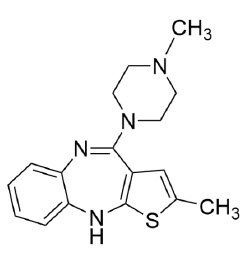
WELTRUZA (olanzapine) for extended-release injectable suspension contains olanzapine, an atypical antipsychotic that belongs to the chemical class of thienobenzodiazepines. The chemical designation is 2-methyl-4-(4-methyl-1-piperazinyl)-10H-thieno[2,3-b] [1,5]benzodiazepine. The molecular formula is C17 H20 N4 S, which corresponds to a molecular weight of 312.44. The chemical structure is:
Olanzapine is a yellow crystalline powder, which is very slightly soluble in water.
A WELTRUZA kit contains olanzapine as a yellow powder that is packaged in a single dose glass vial and diluent in a prefilled syringe (PFS). Diluent is a frozen, opaque solid when stored at 2°C to 8°C (36°F to 46°F); and a clear, colorless, viscous solution at room temperature. The diluent is composed of methoxy-poly(ethylene glycol)-co-poly(D,L-lactide) (18% w/w), poly(D,L-lactide)-co-poly(ethylene glycol)-co-poly(D,L-lactide) (5% w/w) copolymers and dimethyl sulfoxide (77% w/w). The olanzapine powder is reconstituted with the diluent to produce a suspension with a concentration of 354 mg/mL prior to subcutaneous injection.
Upon reconstitution, WELTRUZA is available as a sterile extended-release injectable suspension, for subcutaneous use, in the following strengths of olanzapine: 318 mg, 425 mg, and 531 mg.
12.1 Mechanism Of Action
The mechanism of action of olanzapine, in the listed indications, is unclear. However, the efficacy of olanzapine in schizophrenia could be mediated through a combination of dopamine and serotonin type 2 (5HT2) antagonism.
12.2 Pharmacodynamics
Olanzapine binds with high affinity to the following receptors: serotonin 5HT2A/2C, 5HT6 (Ki =4, 11, and 5 nM, respectively), dopamine D1-4 (Ki =11-31 nM), histamine H1 (Ki =7 nM), and adrenergic α1 receptors (Ki =19 nM). Olanzapine is an antagonist with moderate affinity binding for serotonin 5HT3 (Ki =57 nM) and muscarinic M1-5 receptors (Ki =73, 96, 132, 32, and 48 nM, respectively). Olanzapine binds with low affinity to GABAA, BZD, and β-adrenergic receptors (Ki >10 μM).
12.3 Pharmacokinetics
Over the clinical dose range of WELTRUZA, plasma levels of olanzapine increase in a dose-proportional manner from 318 mg to 531 mg. Accumulation ratios for key PK parameters for WELTRUZA ranged from 1.5 to 2-fold, independent of dose, and were aligned with values reported for oral olanzapine. Average plasma concentrations of olanzapine reached approximate steady state after the fourth dose of WELTRUZA.
No clinically significant differences in exposure of olanzapine were observed after administration of monthly WELTRUZA dose of 318 mg, 425 mg, and 531 mg and oral administration of 10 mg, 15 mg, and 20 mg per day of olanzapine tablet, respectively.
Absorption
Upon subcutaneous administration, the solvent diffuses out and copolymers precipitate forming a solid depot that entraps olanzapine. Thereafter, olanzapine slowly releases from the depot.
The pharmacokinetics of WELTRUZA exhibits a biphasic extended-release profile maintaining clinically relevant olanzapine plasma concentrations throughout monthly dosing interval.
Median Tmax ranged from 11 to 14 days across the dose range for WELTRUZA is substantially prolonged compared to oral olanzapine (~6 hours).
In vitro release analysis of WELTRUZA in human plasma - simulating accidental contact of the depot with human blood - demonstrated a controlled-release profile, with no quantifiable release of olanzapine observed at 1 hour and 3 hours, and 8% released after 24 hours. In the same study, an intramuscular extended-release formulation of olanzapine showed 50%, 63%, and 91% olanzapine released after 1 hour, 3 hours, and 24 hours, respectively. Non-clinical studies found that manipulation of the WELTRUZA injection site, such as heating or rubbing, resulted in a <15% increase in drug absorption without affecting overall exposure.
Distribution
Once absorbed, olanzapine is extensively distributed throughout the body, with a volume of distribution of approximately 1000 L. It is 93% bound to plasma proteins over the concentration range of 7 to 1100 ng/mL, binding primarily to albumin and α1 -acid glycoprotein.
Elimination
Olanzapine metabolism and elimination following WELTRUZA administration is expected to resemble reported metabolic and elimination pathways of oral olanzapine,
The mean for clearance of olanzapine following WELTRUZA administration is 16.4 L/h (37.1 %CV) at steady state, consistent with estimates reported for oral olanzapine. The median apparent half-life (t½) of olanzapine following WELTRUZA administration is 46.5 days compared to ~30 hours half-life following oral administration.
Metabolism
Olanzapine is primarily metabolized via direct glucuronidation and cytochrome P450 (CYP)-mediated oxidation. In vitro studies indicate involvement of CYP1A2, CYP2D6, and the flavin-containing monooxygenase system in oxidative metabolism. Metabolic clearance of olanzapine mediated by CYP1A2 activity may vary due to smoking status, gender, and concomitant medications. Whereas CYP2D6 appears to play a minor role in vivo, as olanzapine clearance is not reduced in individuals deficient in this enzyme.
Upon multiple oral dosing, the major circulating metabolites of olanzapine are 10-N-glucuronide and 4′-N-desmethyl olanzapine. Both metabolites are pharmacologically inactive at concentrations observed. Following oral administration, at steady state, the metabolite percentage was approximately 44% and 31%, respectively. Comparable percentage of metabolites were observed following WELTRUZA administration.
Excretion
Following a single oral dose of 14C labeled olanzapine, 7% of the dose of olanzapine was recovered in the urine as unchanged drug, indicating that olanzapine is highly metabolized. Approximately 57% and 30% of the dose was recovered in the urine and feces, respectively.
Specific Populations
Geriatric Patients
WELTRUZA has not been studied in geriatric patients. In an oral olanzapine study involving 24 healthy subjects, the mean elimination half-life of olanzapine was about 1.5 times greater in elderly (≥65 years) than in nonelderly subjects (<65 years). The clinical relevance of increase in half-life of olanzapine in elderly population is not known.
Male and Female Patients
Following WELTRUZA administration, the apparent clearance in female subjects was 19.6% lower than in males resulting in approximately 25% higher Cavg as compared to males, in line with oral olanzapine. No clinically meaningful differences were observed between men and women in effectiveness or adverse effects.
Racial or Ethnic Groups
For oral olanzapine, in vivo studies have shown that exposures are similar among Japanese, Chinese and Caucasians, especially after normalization for body weight differences. WELTRUZA exposure is expected to be similar to oral olanzapine.
Patients with Renal Impairment
WELTRUZA was not studied in patients with renal impairment.
Since olanzapine is highly metabolized before excretion and only 7% of the drug is excreted unchanged, renal dysfunction alone is unlikely to have a major impact on the pharmacokinetics of olanzapine. The pharmacokinetic characteristics of orally administered olanzapine were similar in patients with severe renal impairment and healthy participants. In addition, olanzapine is not removed by dialysis. The effect of renal impairment on metabolite elimination has not been studied.
Patients with Hepatic Impairment
WELTRUZA was not studied in patients with hepatic impairment. Although the presence of hepatic impairment may be expected to reduce the clearance of olanzapine, a study of the effect of impaired liver function in subjects (n=6) with clinically significant (Childs Pugh Classification A and B) cirrhosis revealed little effect on the pharmacokinetics of oral olanzapine.
Smoker Patients
Following WELTRUZA administration, the apparent clearance in smokers was 22.5% higher than in non-smokers, in line with oral olanzapine. No clinically meaningful differences were observed between smokers and non-smokers in effectiveness or adverse effects.
Drug Interaction Studies
The interaction of olanzapine after administration of WELTRUZA with concomitant drugs is based on the studies with oral olanzapine and these results are presented below:
Clinical Studies:
Strong CYP1A2 Inducers: Carbamazepine (200 mg bid), a strong inducer of CYP1A2 caused 33% decrease in olanzapine AUCinf and 23% decrease in olanzapine Cmax [See Drug Interactions (7)].
Glucuronyl Transferase (UGT) Inducers: Rifampin, an UGT inducer, may decrease the exposure of olanzapine.
CYP2D6 Inhibitors: Imipramine (75 mg, single dose), a competitive inhibitor of CYP2D6, caused a 19% increase in olanzapine exposure. Olanzapine elimination is not impaired in people deficient in CYP2D6 suggesting that CYP2D6 inhibitors should not significantly alter the pharmacokinetics of olanzapine.
Strong CYP1A2 Inhibitors: Fluvoxamine, a CYP1A2 inhibitor, decreased the clearance of olanzapine resulting in a mean increase in olanzapine Cmax and AUC of 54% and 52%, respectively, in female nonsmokers, and 77% and 108%, respectively, in male smokers. This may increase the risk of adverse reactions [see Drug Interactions (7)].
Lithium, Valproate, Imipramine, Warfarin, Alcohol, Biperiden, and Theophylline: Clinically meaningful pharmacokinetic interaction between WELTRUZA and other drugs, such as lithium, valproate, imipramine, warfarin, alcohol, biperiden, and theophylline, is not expected.
In Vitro Studies:
In vitro studies utilizing human liver microsomes suggest that olanzapine has little potential to inhibit CYP1A2, CYP2C9, CYP2C19, CYP2D6, and CYP3A4. Thus, olanzapine is unlikely to cause clinically meaningful drug interactions mediated by these enzymes.
13.1 Carcinogenesis, Mutagenesis, Impairment Of Fertility
Carcinogenesis
No carcinogenicity studies were conducted with subcutaneous olanzapine suspension. Carcinogenicity studies were conducted with oral olanzapine in mice and rats. Oral olanzapine was administered to mice in two 78-week studies at doses of 3, 10, 30/20 mg/kg/day (equivalent to 0.8-5 times the daily oral MRHD based on mg/m2 body surface area) and 0.25, 2, 8 mg/kg/day (equivalent to 0.06-2 times the daily oral MRHD based on mg/m2 body surface area). Rats were dosed for 2 years at doses of 0.25, 1, 2.5, 4 mg/kg/day (males) and 0.25, 1, 4, 8 mg/kg/day (females) (equivalent to 0.13-2 and 0.13-4 times the daily oral MRHD based on mg/m2 body surface area, respectively). The incidence of liver hemangiomas and hemangiosarcomas was significantly increased in 1 mouse study in female mice at 2 times the daily oral MRHD based on mg/m2 body surface area. These tumors were not increased in another mouse study in females dosed up to 2-5 times the daily oral MRHD based on mg/m2 body surface area; in this study, there was a high incidence of early mortalities in males of the 30/20 mg/kg/day group. The incidence of mammary gland adenomas and adenocarcinomas was significantly increased in female mice dosed at ≥2 mg/kg/day and in female rats dosed at ≥4 mg/kg/day (0.5 and 2 times the daily oral MRHD based on mg/m2 body surface area, respectively).
Antipsychotic drugs have been shown to chronically elevate prolactin levels in rodents. Serum prolactin levels were not measured during the oral olanzapine carcinogenicity studies; however, measurements during subchronic oral toxicity studies showed that oral olanzapine elevated serum prolactin levels up to 4-fold in rats at the same doses used in the carcinogenicity study. An increase in mammary gland neoplasms has been found in rodents after chronic administration of other antipsychotic drugs and is considered to be prolactin mediated. The relevance for human risk of the finding of prolactin mediated endocrine tumors in rodents is unknown [see Warnings and Precautions (5.15)].
Mutagenesis
No evidence of genotoxic potential for oral olanzapine was found in the Ames reverse mutation test, in vivo micronucleus test in mice, the chromosomal aberration test in Chinese hamster ovary cells, unscheduled DNA synthesis test in rat hepatocytes, induction of forward mutation test in mouse lymphoma cells, or in vivo sister chromatid exchange test in bone marrow of Chinese hamsters.
Impairment of Fertility
No mating and fertility studies were conducted with subcutaneous olanzapine suspension. In an oral fertility and reproductive performance study in rats, male mating performance, but not fertility, was impaired at a dose of 22.4 mg/kg/day and female fertility was decreased at a dose of 3 mg/kg/day (11 and 1.5 times the daily oral MRHD based on mg/m2 body surface area, respectively). Discontinuance of olanzapine treatment reversed the effects on male mating performance. In female rats, the precoital period was increased and the mating index reduced at 5 mg/kg/day (2.5 times the daily oral MRHD based on mg/m2 body surface area). Diestrus was prolonged and estrus delayed at 1.1 mg/kg/day (0.6 times the daily oral MRHD based on mg/m2 body surface area); therefore, olanzapine may produce a delay in ovulation.
13.2 Animal Toxicology And/Or Pharmacology
In animal studies with oral olanzapine, the principal hematologic findings were reversible peripheral cytopenias in individual dogs dosed at 10 mg/kg (17 times the daily oral MRHD based on mg/m2 body surface area), dose-related decreases in lymphocytes and neutrophils in mice, and lymphopenia in rats. A few dogs treated with 10 mg/kg developed reversible neutropenia and/or reversible hemolytic anemia between 1 and 10 months of treatment. Dose-related decreases in lymphocytes and neutrophils were seen in mice given doses of 10 mg/kg (equal to 2 times the daily oral MRHD based on mg/m2 body surface area) in studies of 3 months' duration. Nonspecific lymphopenia, consistent with decreased body weight gain, occurred in rats receiving 22.5 mg/kg (11 times the daily oral MRHD based on mg/m2 body surface area) for 3 months or 16 mg/kg (8 times the daily oral MRHD based on mg/m2 body surface area) for 6 or 12 months. No evidence of bone marrow cytotoxicity was found in any of the species examined. Bone marrows were normocellular or hypercellular, indicating that the reductions in circulating blood cells were probably due to peripheral (non-marrow) factors.
14 Clinical Studies
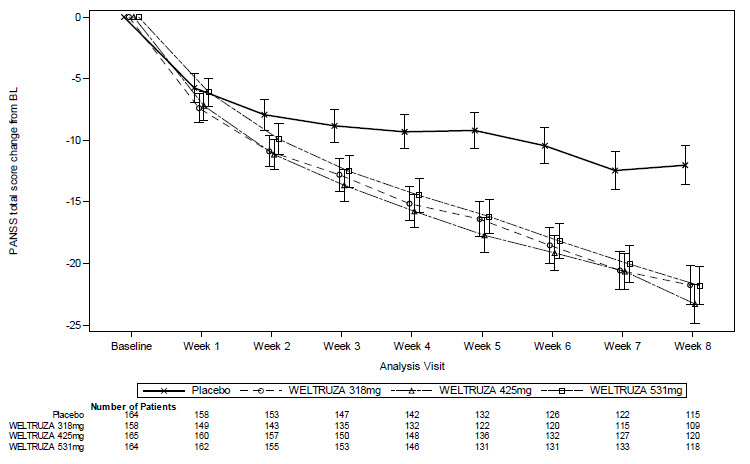
The efficacy of WELTRUZA for the treatment of schizophrenia in adults is based upon adequate and well-controlled studies in oral olanzapine as well as one 8-week, randomized, placebo-controlled trial (NCT05693935) in adults who met DSM-5 criteria for diagnosis of schizophrenia and by the established effectiveness of oral olanzapine.
This trial was an 8-week, randomized, double-blind, placebo-controlled treatment period, followed by an open-label, long-term safety period. Patients with acute exacerbation of schizophrenia received either 2 monthly subcutaneous doses of 318 mg, 425 mg, or 531 mg of WELTRUZA, or placebo. At the end of the 8-week placebo-controlled period, patients continued to the open label safety period of up to 48 weeks. Patients initially randomized to WELTRUZA continued receiving their assigned dose, while patients who received placebo were re-randomized into one of the WELTRUZA dose groups.
Eligible patients were 18 to 64 years of age and had a Positive and Negative Syndrome Scale (PANSS) total score between 80 and 120, inclusive, at screening and baseline, with a score ≥4 on at least 2 of the following 4 PANSS positive subscale items: hallucinatory behavior, delusions, conceptual disorganization, or suspiciousness/persecution. Patients were also required to have a Clinical Global Impression–Severity (CGI-S) score of ≥4.
Demographic and baseline disease characteristics were similar between the WELTRUZA and placebo groups. Five hundred and seven patients were male (75%) and 168 patients were female (25%). The median age was 44 years. Four hundred and sixty-two patients in this trial were Black or African American (68%), 187 patients were White (28%), 12 patients were Asian (2%), 4 patients were American Indian or Alaska Native, and 2 patients were Native Hawaiian or Other Pacific Islander. Five hundred and thirty-nine patients were not Hispanic/Latino (80%) and 132 patients were Hispanic/Latino (20%). The mean baseline PANSS total score was 95.8 across both the WELTRUZA groups and the placebo group.
The primary efficacy measure was the change from baseline in the Positive and Negative Syndrome Scale (PANSS) total score at Week 8. The PANSS is a 30-item scale that measures symptoms of schizophrenia. Each item is rated by a clinician on a seven-point scale. A score of 1 indicates the absence of symptoms, and a score of 7 indicates extremely severe symptoms. The PANSS total score may range from 30 to 210 with higher scores reflecting greater overall symptom severity.
Key secondary endpoints included change from baseline to Week 8 in CGI-S score and in Personal and Social Performance (PSP) score. The CGI-S is a clinician-rated scale assessing illness severity, with scores ranging from 1 (normal, not at all ill) to 7 (extremely ill). The PSP is a clinician- rated 100-point scale evaluating social and personal functioning, in the domains of socially useful activities (e.g., work and study), personal and social relationships, self-care, and disturbing and aggressive behaviors, with higher scores indicating greater improvement.
Patients treated with WELTRUZA demonstrated a statistically significant improvement in PANSS total (Table 10), CGI-S, and PSP scores at Week 8, compared with placebo.
Examination of subgroups by age, sex, and race did not suggest differences in response in the trial.
| Treatment group | N | Baseline | LS Mean | Placebo- |
| Placebo | 165 | 97.26 | -12.17 | Reference |
| WELTRUZA 318 mg | 163 | 97.12 | -21.91 | -9.75 |
| WELTRUZA 425 mg | 166 | 96.94 | -23.44 | -11.27 |
|
WELTRUZA 531 mg | 165 | 98.08 | -21.93 | -9.76 |
| N: number of patients LS: Least Squares; CI: Confidence Interval | ||||
| a Difference (drug minus placebo) | ||||
The change from baseline in PANSS total score is displayed in Figure 1.
Figure 1: LS Mean Positive and Negative Syndrome Scale Total Score Change from Baseline to Week 8 by Treatment Group
Mean = LS Mean, Bars = +/- SE, Baseline was defined as the last available assessment before the first dose of WELTRUZA or placebo. Change from baseline and number of randomized and treated patients is shown by treatment group based on intention to treat principle (treatment policy estimand).
In the open label safety period of the trial, patients treated with WELTRUZA demonstrated sustained improvements in PANSS total, CGI-S, and PSP scores through 48 weeks of treatment.
16 How Supplied/Storage And Handling
How Supplied
WELTRUZA (olanzapine) for extended-release injectable suspension is available in dosage strengths of 318 mg, 425 mg, and 531 mg of olanzapine as a yellow powder for reconstitution in a single-dose vial. When fully reconstituted, a yellow suspension is obtained.
WELTRUZA kit is supplied in single-use cartons. Each carton contains:
- One vial of olanzapine powder
- One pre-filled single use syringe (PFS) containing diluent
- One warming pack
- One 20 mm vial adaptor
- One 2 mL administration syringe
- One 21-gauge administration needle with a needle-protection device
NDC 51759-347-50 — single-dose kit (318 mg): yellow olanzapine powder provided in a vial with dark blue flip-off cap (NDC 51759-353-50) and 1.1 mL of diluent in PFS (NDC 51759-356-10)
NDC 51759-348-50 — single-dose kit (425 mg): yellow olanzapine powder provided in a vial with green flip-off cap (NDC 51759-354-50) and 1.3 mL of diluent in PFS (NDC 51759-357-10)
NDC 51759-349-50 — single-dose kit (531 mg): yellow olanzapine powder provided in a vial with light green flip-off cap (NDC 51759-355-50) and 1.5 mL of diluent in PFS (NDC 51759-358-10)
Storage and Handling
Store WELTRUZA in a refrigerator at 2°C to 8°C (36°F to 46°F) in the original carton. Unopened WELTRUZA may be stored at room temperature, 20°C to 25°C (68°F to 77°F), for a single period of up to 90 days.
17 Patient Counseling Information
Advise the patient to read the FDA-approved patient labeling (Medication Guide).
Patients should be advised of the following issues and asked to alert their prescriber if these occur while taking WELTRUZA. Patients should be advised to call their doctor if they do not think they are getting better or have concerns about their condition.
Elderly Patients with Dementia-Related Psychosis: Increased Mortality and Cerebrovascular Adverse Reactions (CVAE), Including Stroke
Patients and caregivers should be advised that elderly patients with dementia-related psychosis treated with antipsychotic drugs are at an increased risk of death. Patients and caregivers should be advised that elderly patients with dementia-related psychosis treated with olanzapine had a significantly higher incidence of cerebrovascular adverse reactions (e.g., stroke, transient ischemic attack) compared with placebo [Warnings and Precautions (5.1 & 5.3)].
Post-Injection Delirium/Sedation Syndrome
Advise patients of the risk of post-injection delirium/sedation syndrome each time they receive an injection [see Warnings and Precautions (5.2)].
Neuroleptic Malignant Syndrome (NMS)
Patients and caregivers should be counseled that a potentially fatal symptom complex sometimes referred to as NMS has been reported in association with administration of antipsychotic drugs, including olanzapine. Signs and symptoms of NMS include hyperpyrexia, muscle rigidity, altered mental status, and evidence of autonomic instability (irregular pulse or blood pressure, tachycardia, diaphoresis, and cardiac dysrhythmia) [see Warnings and Precautions (5.4)].
Drug Reaction with Eosinophilia and Systemic Symptoms (DRESS)
Patients should be advised to report to their health care provider at the earliest onset of any signs and symptoms that may be associated with Drug Reaction with Eosinophilia and Systemic Symptoms (DRESS) [see Warnings and Precautions (5.5)].
Hyperglycemia and Diabetes Mellitus
Patients should be advised of the potential risk of hyperglycemia-related adverse reactions related to WELTRUZA. Patients should be monitored regularly for worsening of glucose control. Patients who have diabetes should follow their doctor’s instructions about how often to check their blood sugar during treatment with WELTRUZA [see Warnings and Precautions (5.6)].
Dyslipidemia
Patients should be counseled that dyslipidemia has occurred during treatment with WELTRUZA. Patients should have their lipid profile monitored regularly [see Warnings and Precautions (5.6)].
Weight Gain
Patients should be counseled that weight gain has occurred during treatment with WELTRUZA. Patients should have their weight monitored regularly [see Warnings and Precautions (5.6)].
Orthostatic Hypotension
Patients should be advised of the risk of orthostatic hypotension and in association with the use of concomitant drugs that may potentiate the orthostatic effect of WELTRUZA [see Warnings and Precautions (5.8) and Drug Interactions (7)]. Patients should be advised to change positions carefully to help prevent orthostatic hypotension, and to lie down if they feel dizzy or faint, until they feel better. Patients should be advised to call their doctor if they experience any of the following signs and symptoms associated with orthostatic hypotension: dizziness, fast or slow heartbeat, or fainting.
Potential for Cognitive and Motor Impairment
Because WELTRUZA has the potential to impair judgment, thinking, or motor skills, patients should be cautioned about operating hazardous machinery, including automobiles, until they are reasonably certain that WELTRUZA therapy does not affect them adversely [see Warnings and Precautions (5.13)].
Body Temperature Regulation
Patients should be advised regarding appropriate care in avoiding overheating and dehydration. Patients should be advised to call their doctor right away if they become severely ill and have some or all of these symptoms of dehydration: sweating too much or not at all, dry mouth, feeling very hot, feeling thirsty, not able to produce urine [see Warnings and Precautions (5.14)].
Concomitant Medication
Patients should be advised to inform their healthcare providers if they are taking, or plan to take other olanzapine-containing products. Patients should also be advised to inform their healthcare providers if they are taking, plan to take, or have stopped taking any prescription or over-the-counter drugs, including herbal supplements, since there is a potential for interactions [see Drug Interactions (7)].
Alcohol
Patients should be advised to avoid alcohol while taking WELTRUZA [see Drug Interactions (7)].
Pregnancy
Advise women to notify their healthcare provider if they become pregnant or intend to become pregnant during treatment with WELTRUZA. Advise patients that WELTRUZA may cause extrapyramidal and/or withdrawal symptoms (agitation, hypertonia, hypotonia, tremor, somnolence, respiratory distress, and feeding disorder) in a neonate. Advise patients that there is a pregnancy exposure registry that monitors pregnancy outcomes in women exposed to WELTRUZA during pregnancy [see Use in Specific Populations (8.1)].
Lactation
Advise breastfeeding women using WELTRUZA to monitor infants for excess sedation, irritability, poor feeding and extrapyramidal symptoms (tremors and abnormal muscle movements) and to seek medical care if they notice these signs [see Use in Specific Populations (8.2)].
Infertility
Advise females of reproductive potential that WELTRUZA may impair fertility due to an increase in serum prolactin levels. The effects on fertility are reversible [see Use in Specific Populations (8.3)].
Pediatric Use
Safety and effectiveness of WELTRUZA in pediatric patients have not been established [see Use in Specific Populations (8.4)].
Rev. 10/2026
WEL-001
Manufactured for:
Teva Neuroscience, Inc.
Parsippany, NJ 07054
©2026 Teva Neuroscience, Inc.
Medication Guide
MEDICATION GUIDE |
What is the most important information I should know about WELTRUZA? WELTRUZA can cause serious side effects, including:
See “What are the possible side effects of WELTRUZA?” for more information about side effects. |
What is WELTRUZA? WELTRUZA is a prescription medicine given by injection by a healthcare provider for the treatment of schizophrenia in adults. It is not known if WELTRUZA is safe and effective in children. |
Before receiving WELTRUZA, tell your healthcare provider about all of your medical conditions, including if you:
Tell your healthcare provider about all the medicines you take, including prescription and over-the-counter, vitamins, and herbal supplements. WELTRUZA and some medicines may affect each other and may not work as well or may cause possible serious side effects. Your healthcare provider can tell you if it is safe to receive WELTRUZA with your other medicines. Especially tell your healthcare provider if you take: Do not start or stop any medicines during treatment with WELTRUZA without talking to your healthcare provider first. Know the medicines you take. Keep a list of them to show your healthcare provider and pharmacist when you get a new medicine. |
How should I receive WELTRUZA?
|
What should I avoid while receiving WELTRUZA?
|
What are the possible side effects of WELTRUZA? WELTRUZA can cause serious side effects, including:
The most common side effects of WELTRUZA include: These are not all of the possible side effects of WELTRUZA. |
General information about the safe and effective use of WELTRUZA. Medicines are sometimes prescribed for purposes other than those listed in a Medication Guide. If you would like more information, talk with your healthcare provider. You can ask your pharmacist or healthcare provider for information about WELTRUZA that is written for health professionals. |
What are the ingredients in WELTRUZA? Manufactured for: For more information about WELTRUZA call 1-888-483-8279. |
This Medication Guide has been approved by the U.S. Food and Drug Administration Issued: 10/2026
Package/Label Display Panel 318 Mg/Vial
NDC 51759-347-50
Rx Only
! Review inside flap
Must be reconstituted before use
Complete instructions: enclosed
FOR ADMINISTRATION BY A HEALTHCARE PROFESSIONAL.
Dispense the enclosed Medication Guide to each patient.
WELTRUZA™
(OLANZapine)
for extended-release
injectable suspension
318 mg/vial
FOR SUBCUTANEOUS USE ONLY
Kit Contents:
- One single-dose vial of Weltruza 318 mg per vial
- One prefilled syringe of 1.1 mL diluent for reconstitution
- One single-use warming pack
- One vial adapter
- One administration syringe
- One 21-gauge, 5/8-inch administration needle
Single-Dose Vial Kit.
Discard Unused Portion.
Dispense in this sealed carton.
teva
Package/Label Display Panel 425 Mg/Vial
NDC 51759-348-50
Rx Only
! Review inside flap
Must be reconstituted before use
Complete instructions: enclosed
FOR ADMINISTRATION BY A HEALTHCARE PROFESSIONAL.
Dispense the enclosed Medication Guide to each patient.
WELTRUZA™
(OLANZapine)
for extended-release
injectable suspension
425 mg/vial
FOR SUBCUTANEOUS USE ONLY
Kit Contents:
- One single-dose vial of Weltruza 425 mg per vial
- One prefilled syringe of 1.3 mL diluent for reconstitution
- One single-use warming pack
- One vial adapter
- One administration syringe
- One 21-gauge, 5/8-inch administration needle
Single-Dose Vial Kit.
Discard Unused Portion.
Dispense in this sealed carton.
teva
Package/Label Display Panel 531 Mg/Vial
NDC 51759-349-50
Rx Only
! Review inside flap
Must be reconstituted before use
Complete instructions: enclosed
FOR ADMINISTRATION BY A HEALTHCARE PROFESSIONAL.
Dispense the enclosed Medication Guide to each patient.
WELTRUZA™
(OLANZapine)
for extended-release
injectable suspension
531 mg/vial
FOR SUBCUTANEOUS USE ONLY
Kit Contents:
- One single-dose vial of Weltruza 531 mg per vial
- One prefilled syringe of 1.5 mL diluent for reconstitution
- One single-use warming pack
- One vial adapter
- One administration syringe
- One 21-gauge, 5/8-inch administration needle
Single-Dose Vial Kit.
Discard Unused Portion.
Dispense in this sealed carton.
teva
* Please review the disclaimer below.