Gabapentin
Product Images NDC 53002-1538

View Photos of Packaging, Regulatory Labels, and Product Appearance

Product Visual Gallery

This gallery contains 7 technical images submitted to the FDA as part of the official labeling for Gabapentin (NDC 53002-1538). Unlike standard consumer photos, these assets often include clinical data figures, molecular chemical structures, and official manufacturer packaging layouts.

As provided by Rpk Pharmaceuticals, Inc., these visuals offer a comprehensive scientific overview of the product's physical and chemical identity, aiding pharmacists and researchers in product verification and study.

FDA Label Image

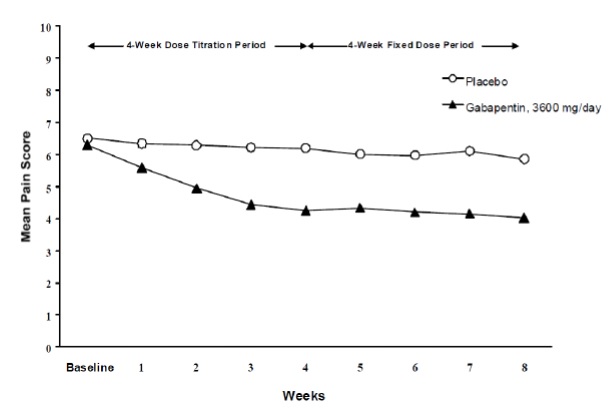
Figure 1 (Image 01)

Figure 1 (Image 01)
Line graph showing mean pain scores over an 8-week period comparing placebo and gabapentin 3600 mg/day. The x-axis represents weeks, including baseline, with a 4-week dose titration period followed by a 4-week fixed dose period. The y-axis shows mean pain scores from 0 to 10. Gabapentin scores decrease over time, while placebo scores remain relatively stable.*
FDA Label Image

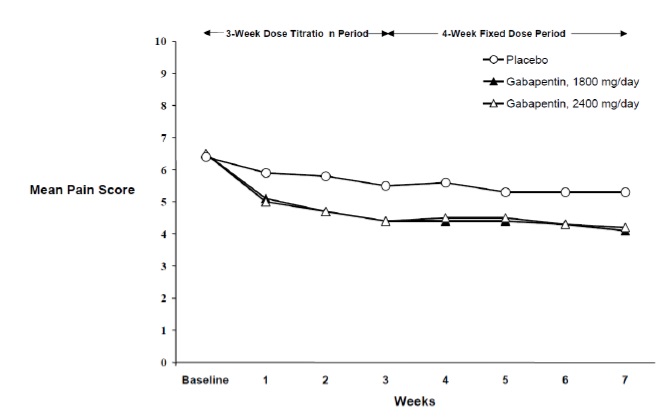
Figure 2 (Image 02)

Figure 2 (Image 02)
Line graph showing mean pain score over a 7-week period for placebo and two dosing groups of Gabapentin (1800 mg/day and 2400 mg/day). The x-axis represents weeks from baseline through dose titration and fixed dose periods, and the y-axis shows mean pain score ranging from 0 to 10. The chart compares pain score trends among the three groups over time.*
FDA Label Image

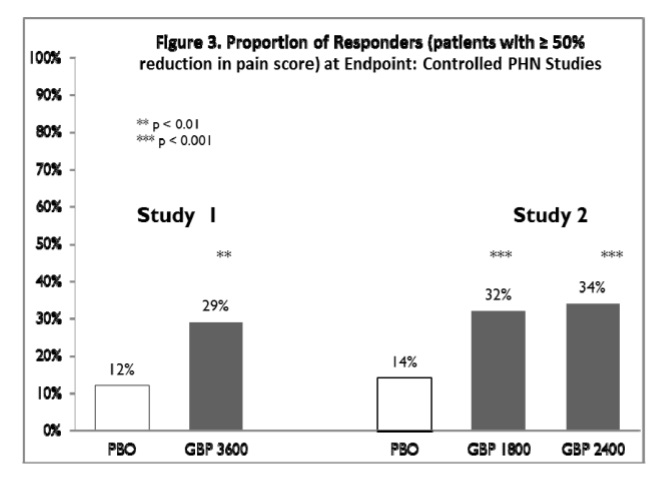
Figure 3 (Image 03)

Figure 3 (Image 03)
A bar chart titled 'Proportion of Responders (patients with ≥ 50% reduction in pain score) at Endpoint: Controlled PHN Studies' showing results from Study 1 and Study 2. The chart compares placebo (PBO) with Gabapentin (GBP) doses 1800 mg, 2400 mg, and 3600 mg, indicating higher response rates for gabapentin groups with statistical significance (p < 0.01 and p < 0.001).*
FDA Label Image

Image-04 (Image 04)

Image-04 (Image 04)
An illustration showing the formula for calculating Creatinine Clearance (CLCr). The formula incorporates age, weight, serum creatinine levels, and a correction factor for female patients. This is commonly used in clinical settings to assess kidney function.*
FDA Label Image

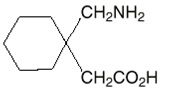
Gabapentin Structural Formula (Image 05)

Gabapentin Structural Formula (Image 05)
Chemical structure of Gabapentin illustrating its bicyclic ring with amine and carboxyl functional groups attached to a cyclohexane moiety.*
FDA Label Image

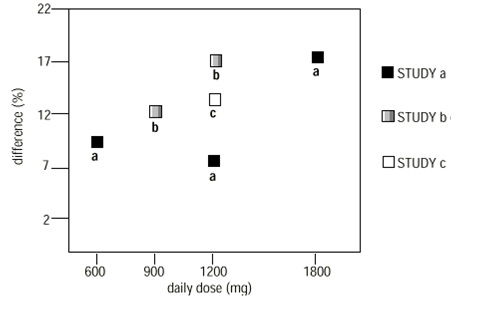
Image-09 (Image 09)

Image-09 (Image 09)
A scatter plot depicting the percentage difference versus daily dose (mg) for Gabapentin. The graph compares results from three studies (Study a, b, and c), showing data points at various doses from 600 mg to 1800 mg. Each study is represented by distinct markers as indicated in the legend.*
FDA Label Image

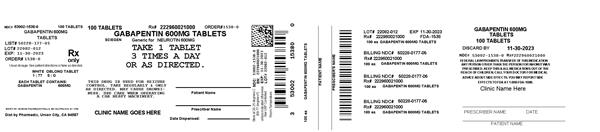
Label Image (Lbl530021538)

Label Image (Lbl530021538)
Gabapentin 600 mg tablets packaging label from RPK Pharmaceuticals, Inc. The label indicates a supply of 100 tablets with directions to take 1 tablet three times a day or as directed. It shows standard prescription labeling information, including lot number, expiration date, and NDC 53002-1538.*

* About these descriptions: Image descriptions on this page are generated by automated AI analysis of the product label images from the manufacturer's FDA label submission (SPL). They are provided for reference only and may contain errors or omissions. Always rely on the printed label itself and the official FDA labeling, and consult a pharmacist or healthcare professional with any questions about this product.