Ventolin
Product Images NDC 53002-1584

View Photos of Packaging, Regulatory Labels, and Product Appearance

Product Visual Gallery

This gallery contains 14 technical images submitted to the FDA as part of the official labeling for Ventolin (NDC 53002-1584). Unlike standard consumer photos, these assets often include clinical data figures, molecular chemical structures, and official manufacturer packaging layouts.

As provided by Rpk Pharmaceuticals, Inc., these visuals offer a comprehensive scientific overview of the product's physical and chemical identity, aiding pharmacists and researchers in product verification and study.

FDA Label Image

Label Image (Lbl530021584)
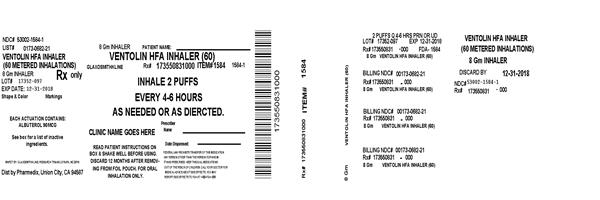
Label Image (Lbl530021584)
VENTOLIN HFA Inhaler label for 8 gm inhaler containing 60 metered inhalations. The label instructs to inhale 2 puffs every 4-6 hours as needed. Active ingredient is albuterol sulfate. Labeler is RPK Pharmaceuticals, Inc. The label includes patient information and directions, lot number, and barcode details.*
FDA Label Image

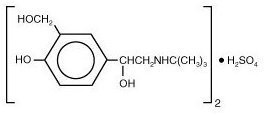
Chemical Structure (Ventolinhfa Spl Graphic 01)

Chemical Structure (Ventolinhfa Spl Graphic 01)
Chemical structure of the active ingredient in VENTOLIN HFA, showing a benzene ring with hydroxyl groups, a side chain with an amine group, and associated sulfate hydrate.*
FDA Label Image

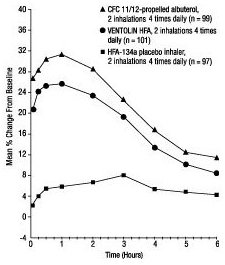
Fev1 As Percent Change From Predose In A Large, 12-week Clinical Trial (Day 1)

Fev1 As Percent Change From Predose In A Large, 12-week Clinical Trial (Day 1)
A line graph depicting the mean percent change from baseline over time in hours, comparing three treatments: CFC 11/12-propelled albuterol, VENTOLIN HFA, and HFA-134a placebo inhaler. The x-axis represents time in hours (0 to 6), and the y-axis shows percentage change from baseline (ranging approximately from -4 to 40). The graph shows the progression and relative efficacy of these treatments over the 6-hour period.*
FDA Label Image

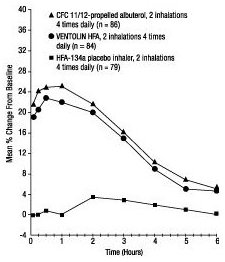
Fev1 As Percent Change From Predose In A Large, 12-week Clinical Trial (Week 12)

Fev1 As Percent Change From Predose In A Large, 12-week Clinical Trial (Week 12)
A line graph comparing the mean percentage change from baseline in a variable over time (0 to 6 hours) among four different inhaler treatments. The treatments include CFC 11/12-propelled albuterol, VENTOLIN HFA, and HFA-134a placebo inhaler, each administered in specified dosages and frequencies. The graph illustrates how the measured response varies for each treatment group over the 6-hour period.*
FDA Label Image

Figure A (Ventolinhfa Spl Graphic 04)

Figure A (Ventolinhfa Spl Graphic 04)
Illustration diagram of a VENTOLIN HFA metered-dose inhaler showing labeled parts including the metal canister, counter, strap, plastic actuator, mouthpiece, and cap. The image highlights key components of the inhaler device used to deliver medication.*
FDA Label Image

Figure B (Ventolinhfa Spl Graphic 05)

Figure B (Ventolinhfa Spl Graphic 05)
An illustration depicting the actuation mechanism of an inhaler device, showing a finger pressing down on the canister from the top of the inhaler body. A number '204' is visible on a digital or mechanical dose counter indicator on the inhaler. The background is light blue.*
FDA Label Image

Figure C (Ventolinhfa Spl Graphic 06)

Figure C (Ventolinhfa Spl Graphic 06)
An instructional illustration showing the proper use of an inhaler. A hand is pressing down on the top of the device while exhaling through the mouthpiece, demonstrating how to activate and inhale medication.*
FDA Label Image

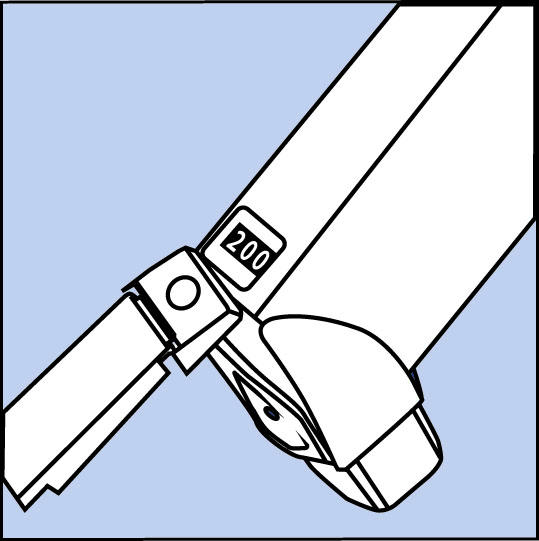
Figure D (Ventolinhfa Spl Graphic 07)

Figure D (Ventolinhfa Spl Graphic 07)
An illustration showing a close-up of a metered-dose inhaler with a dose counter reading 200. The image highlights the inhaler mouthpiece and the dose indicator, demonstrating the device's use and dose tracking.*
FDA Label Image

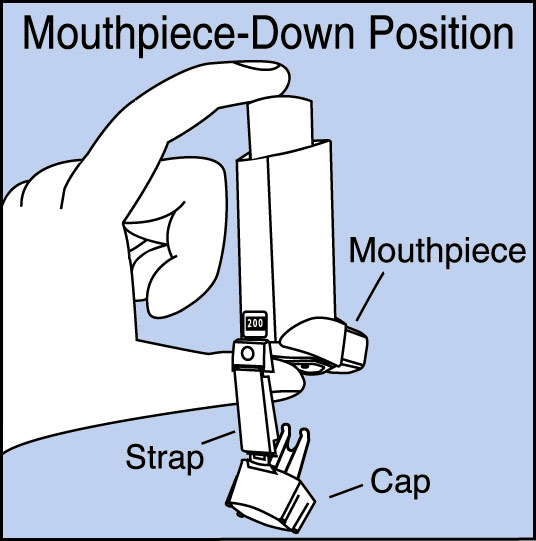
Figure E (Ventolinhfa Spl Graphic 08)

Figure E (Ventolinhfa Spl Graphic 08)
An instructional illustration showing the correct Mouthpiece-Down Position for holding a VENTOLIN HFA inhaler. The image highlights the mouthpiece, strap, and cap components of the inhaler, demonstrating proper grip and orientation with a hand holding the device.*
FDA Label Image

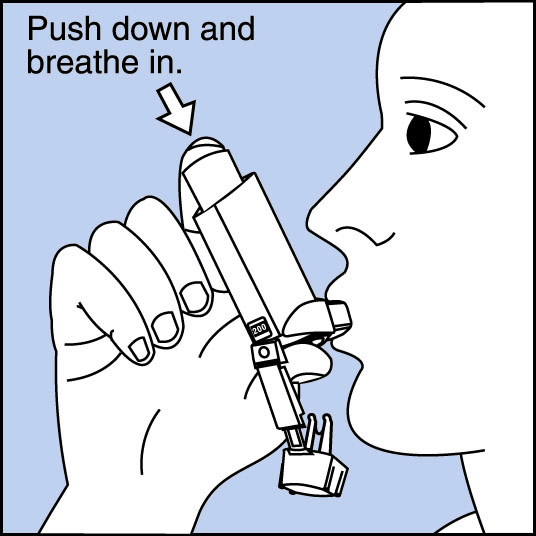
Figure F (Ventolinhfa Spl Graphic 09)

Figure F (Ventolinhfa Spl Graphic 09)
An instructional illustration showing how to use the VENTOLIN HFA inhaler by RPK Pharmaceuticals, Inc. It depicts a person holding the inhaler to their mouth with the mouthpiece cap removed. An arrow indicates where to push down on the inhaler, accompanied by the text "Push down and breathe in."*
FDA Label Image

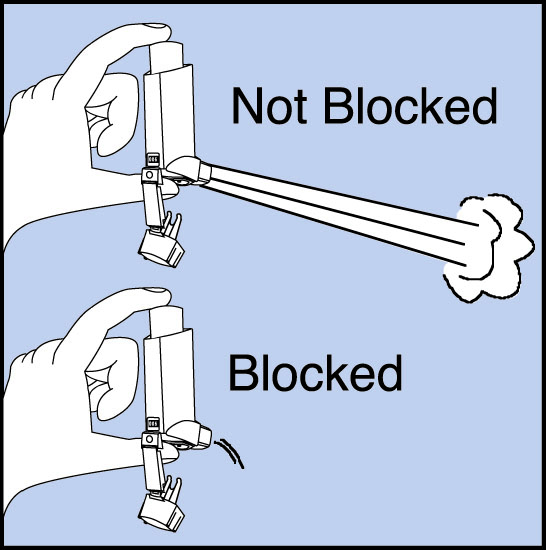
Figure G (Ventolinhfa Spl Graphic 10)

Figure G (Ventolinhfa Spl Graphic 10)
An instructional illustration showing two states of a Ventolin HFA inhaler spray: one where the spray path is "Not Blocked" and releases medication freely, and one where the spray path is "Blocked," preventing release. The diagram highlights correct and incorrect inhaler use positions.*
FDA Label Image

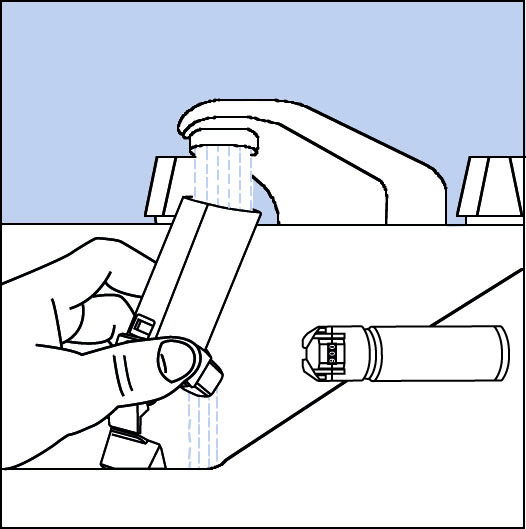
Figure H (Ventolinhfa Spl Graphic 11)

Figure H (Ventolinhfa Spl Graphic 11)
An instructional illustration showing a person rinsing a metered dose inhaler (MDI) under running water from a faucet. One inhaler is held under the water stream, while another inhaler rests on the surface nearby. This likely demonstrates how to clean the inhaler device.*
FDA Label Image

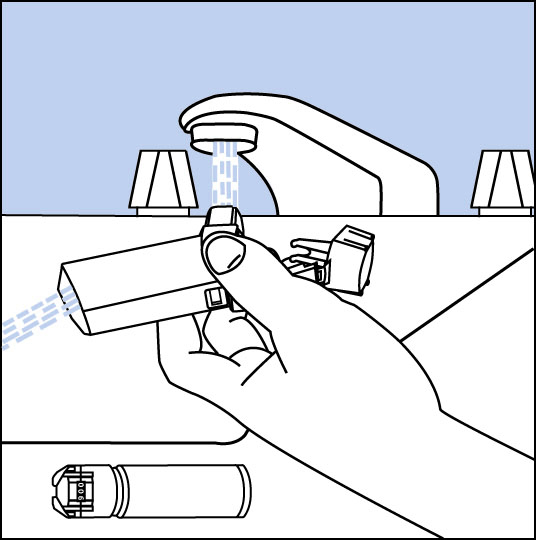
Figure I (Ventolinhfa Spl Graphic 12)

Figure I (Ventolinhfa Spl Graphic 12)
An instructional illustration showing a hand holding a disassembled VENTOLIN HFA inhaler canister under running water from a faucet, demonstrating cleaning of the inhaler parts.*
FDA Label Image

Figure J (Ventolinhfa Spl Graphic 13)

Figure J (Ventolinhfa Spl Graphic 13)
An instructional illustration showing two panels. The top panel depicts a window with curtains drawn aside, revealing a crescent moon, suggesting nighttime. The bottom panel shows two asthma inhalers, one open and one closed, demonstrating correct handling or usage.*

* About these descriptions: Image descriptions on this page are generated by automated AI analysis of the product label images from the manufacturer's FDA label submission (SPL). They are provided for reference only and may contain errors or omissions. Always rely on the printed label itself and the official FDA labeling, and consult a pharmacist or healthcare professional with any questions about this product.