Drospirenone And Ethinyl Estradiol
Product Images NDC 53002-1735
View Photos of Packaging, Regulatory Labels, and Product Appearance
Product Visual Gallery
This gallery contains 9 technical images submitted to the FDA as part of the official labeling for Drospirenone And Ethinyl Estradiol (NDC 53002-1735). Unlike standard consumer photos, these assets often include clinical data figures, molecular chemical structures, and official manufacturer packaging layouts.
As provided by Rpk Pharmaceuticals, Inc., these visuals offer a comprehensive scientific overview of the product's physical and chemical identity, aiding pharmacists and researchers in product verification and study.
Product Images & Figures Index
Figure1
This text appears to be a list of different studies that possibly relate to medical statistics and analysis. The studies include prospective cohort studies, case-control studies, and odds and rate ratio analysis from countries such as Denmark, Germany, and FDA-funded ones. The information also contains hazard ratios and odds ratios from various studies, including PharMetrics and MEGA. There is also a notation regarding LASS (Hazard Ratio® %).*
Figure2
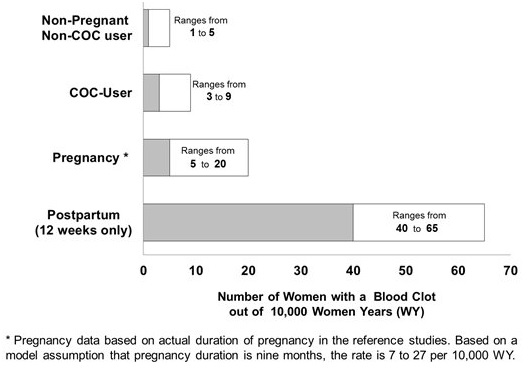
This text provides information about the occurrence of blood clots in non-pregnant and postpartum women. It presents ranges for non-COC users. The data for pregnancy is based on the actual duration of pregnancy in the reference studies and the rate given is 7 to 27 out of 10,000 women years. The postpartum rates are given for 12 weeks only. The number of women with a blood clot is presented on a graph.*
Logo (Logo)
Structure Drospirenone
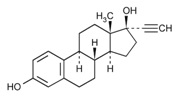
Structure Ethinyl
Chart
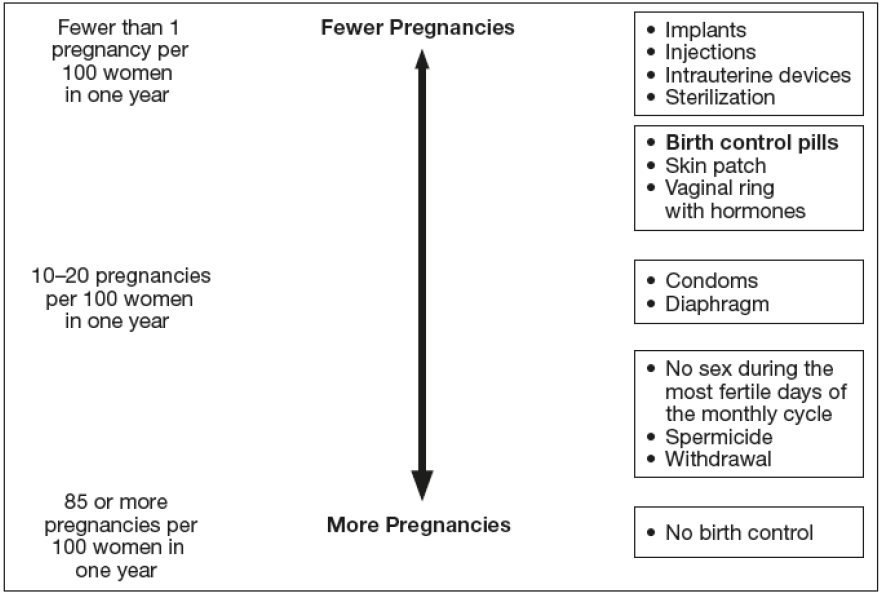
This text seems to be describing different methods of birth control and their effectiveness in preventing pregnancy. It includes information on the number of pregnancies per 100 women in one year for various methods, ranging from fewer than 1 with highly effective methods such as implants and sterilization to 85 or more with no birth control. The text lists different types of birth control methods including hormonal options like birth control pills and non-hormonal options like condoms and spermicide. Finally, it outlines some natural family planning methods such as avoiding sex during the most fertile days of the monthly cycle.*
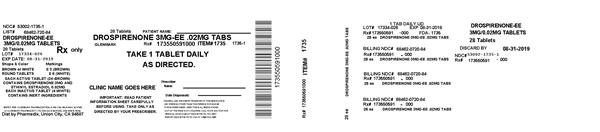
Label Image (Lbl530021735)
Serious Blood Clot
This text presents a table of ranges for blood clot occurrence in non-pregnant women who use or do not use the combined oral contraceptive pill, as well as in pregnant and postpartum women (up to 12 weeks postpartum). The table shows the number of women with a blood clot out of 10,000 women years (WY). The pregnancy data is based on the actual duration of pregnancy in the reference studies and assumes nine months of pregnancy duration, with a rate of 7 to 27 per 10,000 WY.*
* These product label images have been analyzed using experimental machine learning. Please verify findings with the primary label text.