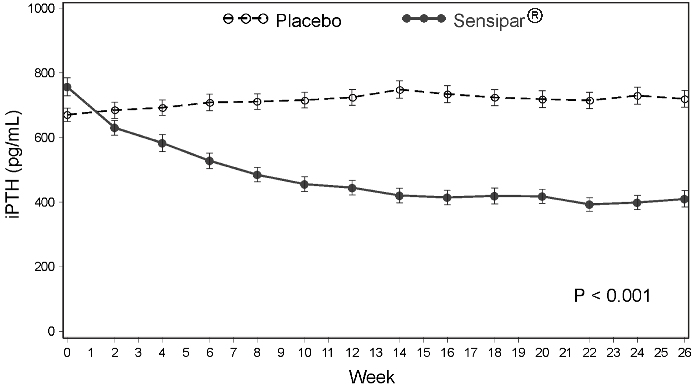
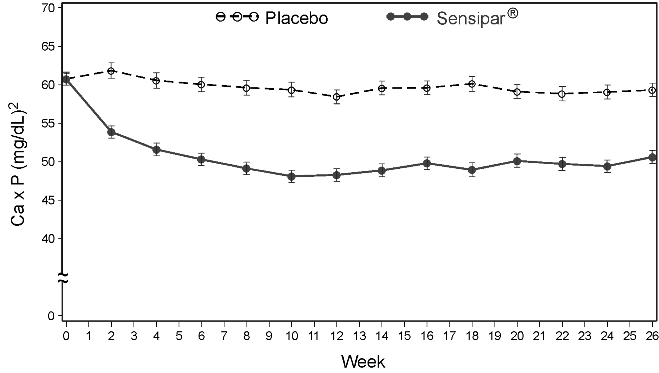
Three 6-month, multicenter, randomized, double-blind, placebo-controlled clinical studies of similar design were conducted in CKD patients on dialysis. A total of 665 patients were randomized to Sensipar® and 471 patients to placebo. The mean age of the patients was 54 years, 62% were male, and 52% Caucasian. The average baseline iPTH level by the Nichols intact immunoradiometric assay (IRMA) was 712 pg/mL, with 26% of the patients having a baseline iPTH level > 800 pg/mL. The mean baseline Ca x P ion product was 61 mg2/dL2. The average duration of dialysis prior to study enrollment was 67 months. Ninety-six percent of patients were on hemodialysis and 4% peritoneal dialysis. At study entry, 66% of the patients were receiving vitamin D sterols and 93% were receiving phosphate binders. Sensipar® (or placebo) was initiated at a dose of 30 mg once daily and titrated every 3 or 4 weeks to a maximum dose of 180 mg once daily to achieve an iPTH of ≤ 250 pg/mL. The dose was not increased if a patient had any of the following: iPTH < 200 pg/mL, serum calcium < 7.8 mg/dL, or any symptoms of hypocalcemia. If a patient experienced symptoms of hypocalcemia or had a serum calcium < 8.4 mg/dL, calcium supplements and/or calcium-based phosphate binders could be increased. If these measures were insufficient, the vitamin D dose could be increased. Approximately 70% of the Sensipar® patients and 80% of the placebo patients completed the 6-month studies. In the primary efficacy analysis, 40% of Sensipar® patients and 5% of placebo patients achieved an iPTH ≤ 250 pg/mL (p<0.001) (Table 1, Figure 1). Secondary efficacy parameters also improved in patients treated with Sensipar®. These studies showed that Sensipar® reduced PTH while lowering Ca x P, calcium and phosphorus levels (Table 1, Figure 2). The median dose of Sensipar® at the completion of the studies was 90 mg. Patients with milder disease typically required lower doses.
Similar results were observed when either the iPTH or bio-intact PTH (biPTH) assay was used to measure PTH levels in CKD patients on dialysis; treatment with cinacalcet did not alter the relationship between iPTH and biPTH.
Table 1. Effects of Sensipar® on iPTH, Ca x P, Serum Calcium, and Serum Phosphorus in 6-month Phase 3 Studies (Patients on Dialysis) | Study 1 | Study 2 | Study 3 |
Placebo
(N = 205) | Sensipar®
(N = 205) | Placebo
(N = 165) | Sensipar®
(N = 166) | Placebo
(N = 101) | Sensipar®
(N = 294) |
| iPTH |
| Baseline (pg/mL): | Median
Mean (SD) | 535
651 (398) | 537
636 (341) | 556
630 (317) | 547
652 (372) | 670
832 (486) | 703
848 (685) |
| Evaluation Phase (pg/mL) | 563 | 275 | 592 | 238 | 737 | 339 |
| Median Percent Change | +3.8 | -48.3 | +8.4 | -54.1 | +2.3 | -48.2 |
| Patients Achieving Primary Endpoint (iPTH ≤ 250 pg/mL) (%) iPTH value based on averaging over the evaluation phase (defined as weeks 13 to 26 in studies 1 and 2 and weeks 17 to 26 in study 3)
Values shown are medians unless indicated otherwise | 4% | 41% p < 0.001 compared to placebo; p-values presented for primary endpoint only | 7% | 46% | 6% | 35% |
| Patients Achieving ≥ 30% Reduction in iPTH (%) | 11% | 61% | 12% | 68% | 10% | 59% |
| Patients Achieving iPTH ≤ 250 pg/mL and Ca x P < 55 mg2/dL2 (%) | 1% | 32% | 5% | 35% | 5% | 28% |
| Ca x P |
| Baseline (mg2/dL2) | 62 | 61 | 61 | 61 | 61 | 59 |
| Evaluation Phase (mg2/dL2) | 59 | 52 | 59 | 47 | 57 | 48 |
| Median Percent Change | -2.0 | -14.9 | -3.1 | -19.7 | -4.8 | -15.7 |
| Calcium |
| Baseline (mg/dL) | 9.8 | 9.8 | 9.9 | 10.0 | 9.9 | 9.8 |
| Evaluation Phase (mg/dL) | 9.9 | 9.1 | 9.9 | 9.1 | 10.0 | 9.1 |
| Median Percent Change | +0.5 | -5.5 | +0.1 | -7.4 | +0.3 | -6.0 |
| Phosphorus |
| Baseline (mg/dL) | 6.3 | 6.1 | 6.1 | 6.0 | 6.1 | 6.0 |
| Evaluation Phase (mg/dL) | 6.0 | 5.6 | 5.9 | 5.1 | 5.6 | 5.3 |
| Median Percent Change | -1.0 | -9.0 | -2.4 | -12.4 | -5.6 | -8.6 |
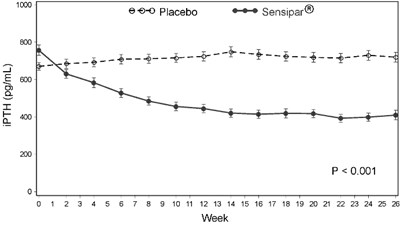
Figure 1 (77845b3d 6c00 4855 Bf1b B83ad8b797cb 02)
Data are presented for patients who completed the studies; Placebo (N = 342), Sensipar® (N = 439).
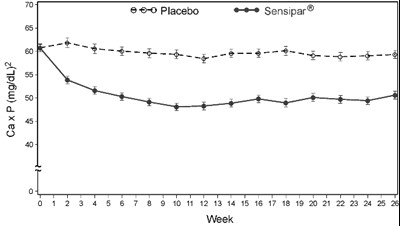
Figure 2 (77845b3d 6c00 4855 Bf1b B83ad8b797cb 03)
Data are presented for patients who completed the studies; Placebo (N = 342), Sensipar® (N = 439).
Reductions in iPTH and Ca x P were maintained for up to 12 months of treatment. Sensipar® decreased iPTH and Ca x P levels regardless of disease severity (i.e., baseline iPTH value), duration of dialysis, and whether or not vitamin D sterols were administered. Approximately 60% of patients with mild (iPTH ≥ 300 to ≤ 500 pg/mL), 41% with moderate (iPTH > 500 to 800 pg/mL), and 11% with severe (iPTH > 800 pg/mL) secondary HPT achieved a mean iPTH value of 250 pg/mL. Plasma iPTH levels were measured using the Nichols IRMA.
In 3 double-blind placebo-controlled clinical trials, 1126 CKD patients on dialysis received study drug (656 Sensipar®, 470 placebo) for up to 6 months. The most frequently reported adverse events (incidence of at least 5% in the Sensipar® group and greater than placebo) are provided in Table 2. The most frequently reported events in the Sensipar® group were nausea, vomiting, and diarrhea.
Table 2. Adverse Event Incidence (≥ 5%) in Patients on Dialysis| Event Included are events that were reported at a greater incidence in the Sensipar® group than in the placebo group. : | Placebo
(n = 470)
(%) | Sensipar®
(n = 656)
(%) |
| Nausea | 19 | 31 |
| Vomiting | 15 | 27 |
| Diarrhea | 20 | 21 |
| Myalgia | 14 | 15 |
| Dizziness | 8 | 10 |
| Hypertension | 5 | 7 |
| Asthenia | 4 | 7 |
| Anorexia | 4 | 6 |
| Pain Chest, NonCardiac | 4 | 6 |
| Access Infection | 4 | 5 |
The incidence of serious adverse events (29% vs. 31%) was similar in the Sensipar® and placebo groups, respectively.
12-Month Experience with Sensipar®: Two hundred and sixty-six patients from 2 phase 3 studies continued to receive Sensipar® or placebo treatment in a 6-month double-blind extension study (12-month total treatment duration). The incidence and nature of adverse events in this study were similar in the two treatment groups, and comparable to those observed in the phase 3 studies.
Postmarketing Experience with Sensipar®: Rash, hypersensitivity reactions (including angioedema and urticaria), diarrhea and myalgia have been identified as adverse reactions during post-approval use of Sensipar®. Isolated, idiosyncratic cases of hypotension, worsening heart failure, and/ or arrhythmia have been reported in Sensipar®-treated patients with impaired cardiac function in postmarketing safety surveillance. Because these reactions are reported voluntarily from a population of uncertain size, it is not always possible to reliably estimate their frequency or establish a causal relationship to drug exposure.
The recommended starting oral dose of Sensipar® is 30 mg once daily. Serum calcium and serum phosphorus should be measured within 1 week and PTH should be measured 1 to 4 weeks after initiation or dose adjustment of Sensipar®. Sensipar® should be titrated no more frequently than every 2 to 4 weeks through sequential doses of 60, 90, 120, and 180 mg once daily to target iPTH consistent with the NKF-K/DOQI recommendation for CKD patients on dialysis of 150-300 pg/mL. PTH levels should be assessed no earlier than 12 hours after dosing with Sensipar®.
Sensipar® can be used alone or in combination with vitamin D sterols and/or phosphate binders.
During dose titration, serum calcium levels should be monitored frequently and if levels decrease below the normal range, appropriate steps should be taken to increase serum calcium levels, such as by providing supplemental calcium, initiating or increasing the dose of calcium-based phosphate binder, initiating or increasing the dose of vitamin D sterols, or temporarily withholding treatment with Sensipar® (see PRECAUTIONS).