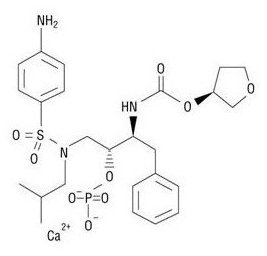
The pharmacokinetic properties of amprenavir after administration of LEXIVA, with or without ritonavir, have been evaluated in both healthy adult volunteers and in HIV-1-infected subjects; no substantial differences in steady-state amprenavir concentrations were observed between the 2 populations.
The pharmacokinetic parameters of amprenavir after administration of LEXIVA (with and without concomitant ritonavir) are shown in Table 8.
Table 8. Geometric Mean (95% CI) Steady-State Plasma Amprenavir Pharmacokinetic Parameters in Adults
Regimen | Cmax (mcg/mL) | Tmax (hours)a | AUC24 (mcg•hr/mL) | Cmin (mcg/mL) |
LEXIVA 1,400 mg b.i.d. | 4.82 (4.06-5.72) | 1.3 (0.8-4.0) | 33.0 (27.6-39.2) | 0.35 (0.27-0.46) |
LEXIVA 1,400 mg q.d. plus Ritonavir 200 mg q.d. | 7.24 (6.32-8.28) | 2.1 (0.8-5.0) | 69.4 (59.7-80.8) | 1.45 (1.16-1.81) |
LEXIVA 1,400 mg q.d. plus Ritonavir 100 mg q.d. | 7.93 (7.25-8.68) | 1.5 (0.75-5.0) | 66.4 (61.1-72.1) | 0.86 (0.74-1.01) |
LEXIVA 700 mg b.i.d. plus Ritonavir 100 mg b.i.d. | 6.08 (5.38-6.86) | 1.5 (0.75-5.0) | 79.2 (69.0-90.6) | 2.12 (1.77-2.54) |
aData shown are median (range).
The mean plasma amprenavir concentrations of the dosing regimens over the dosing intervals are displayed in Figure 1.
Figure 1. Mean (±SD) Steady-State Plasma Amprenavir Concentrations and Mean EC50 Values Against HIV from Protease Inhibitor-Naive Subjects (in the Absence of Human Serum)
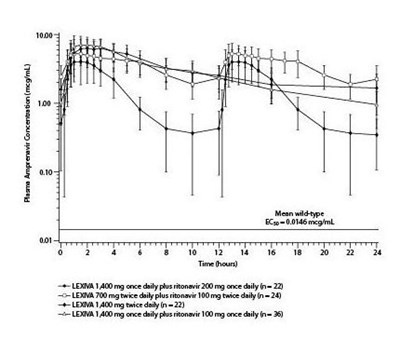
Figure 1. (0d5e1920 D3b3 430c 84be 2bceacae4c72 02)
Absorption and Bioavailability: After administration of a single dose of LEXIVA to HIV-1–infected subjects, the time to peak amprenavir concentration (Tmax) occurred between 1.5 and 4 hours (median 2.5 hours). The absolute oral bioavailability of amprenavir after administration of LEXIVA in humans has not been established.
After administration of a single 1,400-mg dose in the fasted state, LEXIVA Oral Suspension (50 mg per mL) and LEXIVA Tablets (700 mg) provided similar amprenavir exposures (AUC); however, the Cmax of amprenavir after administration of the suspension formulation was 14.5% higher compared with the tablet.
Effects of Food on Oral Absorption: Administration of a single 1,400-mg dose of LEXIVA Tablets in the fed state (standardized high-fat meal: 967 kcal, 67 grams fat, 33 grams protein, 58 grams carbohydrate) compared with the fasted state was associated with no significant changes in amprenavir Cmax, Tmax, or AUC0-∞ [see Dosage and Administration (2)].
Administration of a single 1,400-mg dose of LEXIVA Oral Suspension in the fed state (standardized high-fat meal: 967 kcal, 67 grams fat, 33 grams protein, 58 grams carbohydrate) compared with the fasted state was associated with a 46% reduction in Cmax, a 0.72-hour delay in Tmax, and a 28% reduction in amprenavir AUC0-∞.
Distribution: In vitro, amprenavir is approximately 90% bound to plasma proteins, primarily to alpha1-acid glycoprotein. In vitro, concentration-dependent binding was observed over the concentration range of 1 to 10 mcg per mL, with decreased binding at higher concentrations. The partitioning of amprenavir into erythrocytes is low, but increases as amprenavir concentrations increase, reflecting the higher amount of unbound drug at higher concentrations.
Metabolism: After oral administration, fosamprenavir is rapidly and almost completely hydrolyzed to amprenavir and inorganic phosphate prior to reaching the systemic circulation. This occurs in the gut epithelium during absorption. Amprenavir is metabolized in the liver by the CYP3A4 enzyme system. The 2 major metabolites result from oxidation of the tetrahydrofuran and aniline moieties. Glucuronide conjugates of oxidized metabolites have been identified as minor metabolites in urine and feces.
Amprenavir is both a substrate for and inducer of P-glycoprotein.
Elimination: Excretion of unchanged amprenavir in urine and feces is minimal. Unchanged amprenavir in urine accounts for approximately 1% of the dose; unchanged amprenavir was not detectable in feces. Approximately 14% and 75% of an administered single dose of 14C-amprenavir can be accounted for as metabolites in urine and feces, respectively. Two metabolites accounted for greater than 90% of the radiocarbon in fecal samples. The plasma elimination half-life of amprenavir is approximately 7.7 hours.
Special Populations:Hepatic Impairment: The pharmacokinetics of amprenavir have been studied after the administration of LEXIVA in combination with ritonavir to adult HIV-1–infected subjects with mild, moderate, and severe hepatic impairment. Following 2 weeks of dosing with LEXIVA plus ritonavir, the AUC of amprenavir was increased by approximately 22% in subjects with mild hepatic impairment, by approximately 70% in subjects with moderate hepatic impairment, and by approximately 80% in subjects with severe hepatic impairment compared with HIV-1–infected subjects with normal hepatic function. Protein binding of amprenavir was decreased in subjects with hepatic impairment. The unbound fraction at 2 hours (approximate Cmax) ranged between a decrease of -7% to an increase of 57% while the unbound fraction at the end of the dosing interval (Cmin) increased from 50% to 102% [see Dosage and Administration (2.3)].
The pharmacokinetics of amprenavir have been studied after administration of amprenavir given as AGENERASE® Capsules to adult subjects with hepatic impairment. Following administration of a single 600-mg oral dose, the AUC of amprenavir was increased by approximately 2.5-fold in subjects with moderate cirrhosis and by approximately 4.5-fold in subjects with severe cirrhosis compared with healthy volunteers [see Dosage and Administration (2.3)].
Renal Impairment: The impact of renal impairment on amprenavir elimination in adults has not been studied. The renal elimination of unchanged amprenavir represents approximately 1% of the administered dose; therefore, renal impairment is not expected to significantly impact the elimination of amprenavir.
Pediatric Patients: The pharmacokinetics of amprenavir following administration of LEXIVA Oral Suspension and LEXIVA Tablets, with or without ritonavir, have been studied in a total of 212 HIV-1–infected pediatric subjects enrolled in 3 trials. LEXIVA without ritonavir was administered as 30 or 40 mg per kg twice daily to children aged 2 to 5 years. LEXIVA with ritonavir was administered as LEXIVA 30 mg per kg plus ritonavir 6 mg per kg once daily to children aged 2 to 18 years and as LEXIVA 18 to 60 mg per kg plus ritonavir 3 to 10 mg per kg twice daily to children aged at least 4 weeks to 18 years; body weights ranged from 3 to 103 kg.
Amprenavir apparent clearance decreased with increasing weight. Weight-adjusted apparent clearance was higher in children younger than 4 years, suggesting that younger children require higher mg per kg dosing of LEXIVA.
The pharmacokinetics of LEXIVA Oral Suspension in protease inhibitor-naive infants younger than 6 months (n = 9) receiving LEXIVA 45 mg per kg plus ritonavir 10 mg per kg twice daily generally demonstrated lower AUC12 and Cmin than adults receiving twice-daily LEXIVA 700 mg plus ritonavir 100 mg, the dose recommended for protease-experienced adults. The mean steady-state amprenavir AUC12, Cmax, and Cmin were 26.6 mcg•hour per mL, 6.25 mcg per mL, and 0.86 mcg per mL, respectively. These data do not support twice-daily dosing of LEXIVA alone or in combination with ritonavir in protease inhibitor-experienced patients younger than 6 months. Because of expected low amprenavir exposure and a requirement for large volume of drug, twice-daily dosing of LEXIVA alone (without ritonavir) in pediatric subjects younger than 2 years was not studied.
Pharmacokinetic parameters for LEXIVA administered with food and with ritonavir in this patient population at the recommended weight-band–based dosage regimens are provided in Table 9.
Table 9. Geometric Mean (95% CI) Steady-State Plasma Amprenavir Pharmacokinetic Parameters by Weight in Pediatric and Adolescent Subjects Aged at Least 4 Weeks to 18 Years Receiving LEXIVA With Ritonavir
Weight | Recommended Dosage Regimen | Cmax | AUC24 | Cmin |
n | (mcg/mL) | n | (mcg•hr/mL) | n | (mcg/mL) |
<11 kg | LEXIVA 45 mg/kg plus Ritonavir 7 mg/kg b.i.d | 12 | 6.00 (3.88, 9.29) | 12 | 57.3 (34.1, 96.2) | 27 | 1.65 (1.22, 2.24) |
11 kg - <15 kg | LEXIVA 30 mg/kg plus Ritonavir 3 mg/kg b.i.d | Not studieda |
15 kg - <20 kg | LEXIVA 23 mg/kg plus Ritonavir 3 mg/kg b.i.d. | 5 | 9.54 (4.63, 19.7) | 5 | 121 (54.2, 269) | 9 | 3.56 (2.33, 5.43) |
>20 kg - <39 kg | LEXIVA 18 mg/kg plus Ritonavir 3 mg/kg b.i.d. | 13 | 6.24 (5.01, 7.77) | 12 | 97.9 (77.0, 124) | 23 | 2.54 (2.11, 3.06) |
≥39 kg | LEXIVA 700 mg plus Ritonavir 100 mg b.i.d. | 15 | 5.03 (4.04, 6.26) | 15 | 72.3 (59.6, 87.6) | 42 | 1.98 (1.72, 2.29) |
aRecommended dose for pediatric subjects weighing 11 kg to less than 15 kg is based on population pharmacokinetic analysis.
Subjects aged 2 to less than 6 years receiving LEXIVA 30 mg per kg twice daily without ritonavir achieved geometric mean (95% CI) amprenavir Cmax (n = 9), AUC12 (n = 9), and Cmin (n = 19) of 7.15 (5.05, 10.1), 22.3 (15.3, 32.6), and 0.513 (0.384, 0.686), respectively.
Geriatric Patients: The pharmacokinetics of amprenavir after administration of LEXIVA to patients older than 65 years have not been studied [see Use in Specific Populations (8.5)].
Gender: The pharmacokinetics of amprenavir after administration of LEXIVA do not differ between males and females.
Race: The pharmacokinetics of amprenavir after administration of LEXIVA do not differ between blacks and non-blacks.
Drug Interactions:[See Contraindications (4), Warnings and Precautions (5.1), Drug Interactions (7).]
Amprenavir, the active metabolite of fosamprenavir, is metabolized in the liver by the cytochrome P450 enzyme system. Amprenavir inhibits CYP3A4. Data also suggest that amprenavir induces CYP3A4. Caution should be used when coadministering medications that are substrates, inhibitors, or inducers of CYP3A4, or potentially toxic medications that are metabolized by CYP3A4. Amprenavir does not inhibit CYP2D6, CYP1A2, CYP2C9, CYP2C19, CYP2E1, or uridine glucuronosyltransferase (UDPGT).
Drug interaction trials were performed with LEXIVA and other drugs likely to be coadministered or drugs commonly used as probes for pharmacokinetic interactions. The effects of coadministration on AUC, Cmax, and Cmin values are summarized in Table 10 (effect of other drugs on amprenavir) and Table 12 (effect of LEXIVA on other drugs). In addition, since LEXIVA delivers comparable amprenavir plasma concentrations as AGENERASE, drug interaction data derived from trials with AGENERASE are provided in Tables 11 and 13. For information regarding clinical recommendations, [see Drug Interactions (7)].
Table 10. Drug Interactions: Pharmacokinetic Parameters for Amprenavir After Administration of LEXIVA in the Presence of the Coadministered Drug(s)
Coadministered Drug(s) and Dose(s) | Dose of LEXIVAa | n | % Change in Amprenavir Pharmacokinetic Parameters (90% CI) |
Cmax | AUC | Cmin |
Antacid (MAALOX TC®) 30 mL single dose | 1,400 mg single dose | 30 | ↓35 (↓24 to ↓42) | ↓18 (↓9 to ↓26) | ↑14 (↓7 to ↑39) |
Atazanavir 300 mg q.d. for 10 days | 700 mg b.i.d. plus ritonavir 100 mg b.i.d. for 10 days | 22 | ↔ | ↔ | ↔ |
Atorvastatin 10 mg q.d. for 4 days | 1,400 mg b.i.d. for 2 weeks | 16 | ↓18 (↓34 to ↑1) | ↓27 (↓41 to ↓12) | ↓12 (↓27 to ↓6) |
Atorvastatin 10 mg q.d. for 4 days | 700 mg b.i.d. plus ritonavir 100 mg b.i.d. for 2 weeks | 16 | ↔ | ↔ | ↔ |
Efavirenz 600 mg q.d. for 2 weeks | 1,400 mg q.d. plus ritonavir 200 mg q.d. for 2 weeks | 16 | ↔ | ↓13 (↓30 to ↑7) | ↓36 (↓8 to ↓56) |
Efavirenz 600 mg q.d. plus additional ritonavir 100 mg q.d. for 2 weeks | 1,400 mg q.d. plus ritonavir 200 mg q.d. for 2 weeks | 16 | ↑18 (↑1 to ↑38) | ↑11 (0 to ↑24) | ↔ |
Efavirenz 600 mg q.d. for 2 weeks | 700 mg b.i.d. plus ritonavir 100 mg b.i.d. for 2 weeks | 16 | ↔ | ↔ | ↓17 (↓4 to ↓29) |
Esomeprazole 20 mg q.d. for 2 weeks | 1,400 mg b.i.d. for 2 weeks | 25 | ↔ | ↔ | ↔ |
Esomeprazole 20 mg q.d. for 2 weeks | 700 mg b.i.d. plus ritonavir 100 mg b.i.d. for 2 weeks | 23 | ↔ | ↔ | ↔ |
Ethinyl estradiol/
norethindrone 0.035 mg/0.5 mg q.d. for 21 days | 700 mg b.i.d. plus ritonavirb 100 mg b.i.d. for 21 days | 25 | ↔c | ↔c | ↔c |
Ketoconazoled 200 mg q.d. for 4 days | 700 mg b.i.d. plus ritonavir 100 mg b.i.d. for 4 days | 15 | ↔ | ↔ | ↔ |
Lopinavir/ritonavir 533 mg/133 mg b.i.d. | 1,400 mg b.i.d. for 2 weeks | 18 | ↓13e | ↓26e | ↓42e |
Lopinavir/ritonavir 400 mg/100 mg b.i.d. for 2 weeks | 700 mg b.i.d. plus ritonavir 100 mg b.i.d. for 2 weeks | 18 | ↓58 (↓42 to ↓70) | ↓63 (↓51 to ↓72) | ↓65 (↓54 to ↓73) |
Maraviroc 300 mg b.i.d. for 10 days | 700 mg b.i.d. plus ritonavir 100 mg b.i.d. for 20 days | 14 | ↓34 (↓25 to ↓41) | ↓35 (↓29 to ↓41) | ↓36 (↓27 to ↓43) |
Maraviroc 300 mg q.d. for 10 days | 1,400 mg q.d. plus ritonavir 100 mg q.d. for 20 days | 14 | ↓29 (↓20 to ↓38) | ↓30 (↓23 to ↓36) | ↓15 (↓3 to ↓25) |
Methadone 70 to 120 mg q.d. for 2 weeks | 700 mg b.i.d. plus ritonavir 100 mg b.i.d. for 2 weeks | 19 | ↔c | ↔c | ↔c |
Nevirapine 200 mg b.i.d. for 2 weeksf | 1,400 mg b.i.d. for 2 weeks | 17 | ↓25 (↓37 to ↓10) | ↓33 (↓45 to ↓20) | ↓35 (↓50 to ↓15) |
Nevirapine 200 mg b.i.d. for 2 weeksf | 700 mg b.i.d. plus ritonavir 100 mg b.i.d. for 2 weeks | 17 | ↔ | ↓11 (↓23 to ↑3) | ↓19 (↓32 to ↓4) |
Phenytoin 300 mg q.d. for 10 days | 700 mg b.i.d. plus ritonavir 100 mg b.i.d. for 10 days | 13 | ↔ | ↑20 (↑8 to ↑34) | ↑19 (↑6 to ↑33) |
Raltegravir 400 mg b.i.d. for 14 days | 1,400 mg b.i.d. for 14 days (fasted) | 14 | ↓27 (↓46 to ↔) | ↓36 (↓53 to ↓13) | ↓43g (↓59 to ↓21) |
1,400 mg b.i.d. for 14 daysh | 14 | ↓15 (↓27 to ↓1) | ↓17 (↓27 to ↓6) | ↓32g (↓53 to ↓1) |
700 mg b.i.d. plus ritonavir 100 mg b.i.d. for
14 days (fasted) | 14 | ↓14 (↓39 to ↑20) | ↓17 (↓38 to ↑12) | ↓20g (↓45 to ↑17) |
700 mg b.i.d. plus ritonavir 100 mg b.i.d. for
14 daysh | 12 | ↓25 (↓42 to ↓2) | ↓25 (↓44 to ↔) | ↓33g (↓52 to ↓7) |
Raltegravir 400 mg b.i.d. for 14 days | 1,400 mg q.d. plus ritonavir 100 mg q.d. for
14 days (fasted) | 13 | ↓18 (↓34 to ↔) | ↓24 (↓41 to ↔) | ↓50g (↓64 to ↓31) |
1,400 mg q.d. plus ritonavir 100 mg q.d. for 14 daysh | 14 | ↑27 (↓1 to ↑62) | ↑13 (↓7 to ↑38) | 17g (↓45 to ↑26) |
Ranitidine 300 mg single dose (administered 1 hour before fosamprenavir) | 1,400 mg single dose | 30 | ↓51 (↓43 to ↓58) | ↓30 (↓22 to ↓37) | ↔ (↓19 to ↑21) |
Rifabutin 150 mg q.o.d. for 2 weeks | 700 mg b.i.d. plus ritonavir 100 mg b.i.d. for 2 weeks | 15 | ↑36c (↑18 to ↑55) | ↑35c (↑17 to ↑56) | ↑17c (↓1 to ↑39) |
Telaprevir 750 mg q. 8 hr for 10 days | 700 mg b.i.d. plus ritonavir 100 mg b.i.d. for 20 days | 18 | ↓35 (↓30 to ↓41) | ↓47 (↓42 to ↓51) | ↓56 (↓50 to ↓60) |
Telaprevir 1,125 mg q. 12 hr for 4 days | 700 mg b.i.d. plus ritonavir 100 mg b.i.d. for 24 days | 17 | ↓40i (↓33 to ↓45) | ↓49i (↓45 to ↓53) | ↓58i (↓53 to ↓63) |
Tenofovir 300 mg q.d. for 4 to 48 weeks | 700 mg b.i.d. plus ritonavir 100 mg b.i.d. for 4 to 48 weeks | 45 | NA | NA | ↔j |
Tenofovir 300 mg q.d. for 4 to 48 weeks | 1,400 mg q.d. plus ritonavir 200 mg q.d. for 4 to 48 weeks | 60 | NA | NA | ↔j |
aConcomitant medication is also shown in this column where appropriate.
bRitonavir Cmax, AUC, and Cmin increased by 63%, 45%, and 13%, respectively, compared with historical control.
cCompared with historical control.
dSubjects were receiving LEXIVA/ritonavir for 10 days prior to the 4-day treatment period with both ketoconazole and LEXIVA/ritonavir.
eCompared with LEXIVA 700 mg/ritonavir 100 mg b.i.d. for 2 weeks.
fSubjects were receiving nevirapine for at least 12 weeks prior to trial.
gClast (C12 hr or C24 hr).
hDoses of LEXIVA and raltegravir were given with food on pharmacokinetic sampling days and without regard to food all other days.
iN = 18 for Cmin.
jCompared with parallel control group.
↑ = Increase; ↓= Decrease; ↔ = No change (↑or ↓ less than or equal to 10%), NA = Not applicable.
Table 11. Drug Interactions: Pharmacokinetic Parameters for Amprenavir After Administration of AGENERASE in the Presence of the Coadministered Drug(s)
Coadministered Drug(s) and Dose(s) | Dose of AGENERASEa | n | % Change in Amprenavir Pharmacokinetic Parameters (90% CI) |
Cmax | AUC | Cmin |
Abacavir 300 mg b.i.d. for 2 to 3 weeks | 900 mg b.i.d. for 2 to 3 weeks | 4 | ↔a | ↔a | ↔a |
Clarithromycin 500 mg b.i.d. for 4 days | 1,200 mg b.i.d. for 4 days | 12 | ↑15 (↑1 to ↑31) | ↑18 (↑8 to ↑29) | ↑39 (↑31 to ↑47) |
Delavirdine 600 mg b.i.d. for 10 days | 600 mg b.i.d. for 10 days | 9 | ↑40b | ↑130b | ↑125b |
Ethinyl estradiol/norethindrone 0.035 mg/1 mg for 1 cycle | 1,200 mg b.i.d. for 28 days | 10 | ↔ | ↓22 (↓35 to ↓8) | ↓20 (↓41 to ↑8) |
Indinavir 800 mg t.i.d. for 2 weeks (fasted) | 750 or 800 mg t.i.d. for 2 weeks (fasted) | 9 | ↑18 (↑13 to ↑58) | ↑33 (↑2 to ↑73) | ↑25 (↓27 to ↑116) |
Ketoconazole 400 mg single dose | 1,200 mg single dose | 12 | ↓16 (↓25 to ↓6) | ↑31 (↑20 to ↑42) | NA |
Lamivudine 150 mg single dose | 600 mg single dose | 11 | ↔ | ↔ | NA |
Methadone 44 to 100 mg q.d. for >30 days | 1,200 mg b.i.d. for 10 days | 16 | ↓27c | ↓30c | ↓25c |
Nelfinavir 750 mg t.i.d. for 2 weeks (fed) | 750 or 800 mg t.i.d. for 2 weeks (fed) | 6 | ↓14 (↓38 to ↑20) | ↔ | ↑189 (↑52 to ↑448) |
Rifabutin 300 mg q.d. for 10 days | 1,200 mg b.i.d. for 10 days | 5 | ↔ | ↓15 (↓28 to 0) | ↓15 (↓38 to ↑17) |
Rifampin 300 mg q.d. for 4 days | 1,200 mg b.i.d. for 4 days | 11 | ↓70 (↓76 to ↓62) | ↓82 (↓84 to ↓78) | ↓92 (↓95 to ↓89) |
Saquinavir 800 mg t.i.d. for 2 weeks (fed) | 750 or 800 mg t.i.d. for 2 weeks (fed) | 7 | ↓37 (↓54 to ↓14) | ↓32 (↓49 to ↓9) | ↓14 (↓52 to ↑54) |
Zidovudine 300 mg single dose | 600 mg single dose | 12 | ↔ | ↑13 (↓2 to ↑31) | NA |
aCompared with parallel control group.
bMedian percent change; confidence interval not reported.
cCompared with historical data.
↑ = Increase; ↓ = Decrease; ↔ = No change (↑or ↓ less than 10%); NA = Cmin not calculated for single‑dose trial.
Table 12. Drug Interactions: Pharmacokinetic Parameters for Coadministered Drug in the Presence of Amprenavir After Administration of LEXIVA Coadministered Drug(s) and Dose(s) | Dose of LEXIVAa | n | % Change in Pharmacokinetic Parameters
of Coadministered Drug (90% CI) |
Cmax | AUC | Cmin |
Atazanavir 300 mg q.d. for 10 daysb | 700 mg b.i.d. plus ritonavir 100 mg b.i.d. for 10 days | 21 | ↓24 (↓39 to ↓6) | ↓22 (↓34 to ↓9) | ↔ |
Atorvastatin 10 mg q.d. for 4 days | 1,400 mg b.i.d. for 2 weeks | 16 | ↑304 (↑205 to ↑437) | ↑130 (↑100 to ↑164) | ↓10 (↓27 to ↑12) |
Atorvastatin 10 mg q.d. for 4 days | 700 mg b.i.d. plus ritonavir 100 mg b.i.d. for 2 weeks | 16 | ↑184 (↑126 to ↑257) | ↑153 (↑115 to ↑199) | ↑73 (↑45 to ↑108) |
Esomeprazole 20 mg q.d. for 2 weeks | 1,400 mg b.i.d. for 2 weeks | 25 | ↔ | ↑55 (↑39 to ↑73) | ND |
Esomeprazole 20 mg q.d. for 2 weeks | 700 mg b.i.d. plus ritonavir 100 mg b.i.d. for
2 weeks | 23 | ↔ | ↔ | ND |
Ethinyl estradiolc 0.035 mg q.d. for 21 days | 700 mg b.i.d. plus ritonavir 100 mg b.i.d. for 21 days | 25 | ↓28 (↓21 to ↓35) | ↓37 (↓30 to ↓42) | ND |
Ketoconazoled 200 mg q.d. for 4 days | 700 mg b.i.d. plus ritonavir 100 mg b.i.d. for 4 days | 15 | ↑25 (↑0 to ↑56) | ↑169 (↑108 to ↑248) | ND |
Lopinavir/ritonavire 533 mg/133 mg b.i.d. for 2 weeks | 1,400 mg b.i.d. for 2 weeks | 18 | ↔f | ↔f | ↔f |
Lopinavir/ritonavire 400 mg/100 mg b.i.d. for 2 weeks | 700 mg b.i.d. plus ritonavir 100 mg b.i.d. for 2 weeks | 18 | ↑30 (↓15 to ↑47) | ↑37 (↓20 to ↑55) | ↑52 (↓28 to ↑82) |
Maraviroc 300 mg b.i.d. for 10 days | 700 mg b.i.d. plus ritonavir 100 mg b.i.d. for 20 days | 14 | ↑52 (↑27 to ↑82) | ↑149 (↑119 to ↑182) | ↑374 (↑303 to ↑457) |
Maraviroc 300 mg q.d. for 10 days | 1,400 mg q.d. plus ritonavir 100 mg q.d. for 20 days | 14 | ↑45 (↑20 to ↑74) | ↑126 (↑99 to ↑158) | ↑80 (↑53 to ↑113) |
Methadone 70 to 120 mg q.d. for 2 weeks | 700 mg b.i.d. plus ritonavir 100 mg b.i.d. for 2 weeks | 19 | R-Methadone (active) |
| ↓21g (↓30 to ↓12) | ↓18g (↓27 to ↓8) | ↓11g (↓21 to ↑1) |
S-Methadone (inactive) |
↓43g (↓49 to ↓37) | ↓43g (↓50 to ↓36) | ↓41g (↓49 to ↓31) |
Nevirapine 200 mg b.i.d. for 2 weeksh | 1,400 mg b.i.d. for 2 weeks | 17 | ↑25 (↑14 to ↑37) | ↑29 (↑19 to ↑40) | ↑34 (↑20 to ↑49) |
Nevirapine 200 mg b.i.d. for 2 weeksh | 700 mg b.i.d. plus ritonavir 100 mg b.i.d. for 2 weeks | 17 | ↑13 (↑3 to ↑24) | ↑14 (↑5 to ↑24) | ↑22 (↑9 to ↑35) |
Norethindronec 0.5 mg q.d. for 21 days | 700 mg b.i.d. plus ritonavir 100 mg b.i.d. for 21 days | 25 | ↓38 (↓32 to ↓44) | ↓34 (↓30 to ↓37) | ↓26 (↓20 to ↓32) |
Phenytoin 300 mg q.d. for 10 days | 700 mg b.i.d. plus ritonavir 100 mg b.i.d. for 10 days | 14 | ↓20 (↓12 to ↓27) | ↓22 (↓17 to ↓27) | ↓29 (↓23 to ↓34) |
Rifabutin 150 mg every other day for 2 weeks i | 700 mg b.i.d. plus ritonavir 100 mg b.i.d. for 2 weeks | 15 | ↓14 (↓28 to ↑4) | ↔ | ↑28 (↑12 to ↑46) |
(25-O-desacetylrifabutin metabolite) | | | ↑579 (↑479 to ↑698) | ↑1,120 (↑965 to ↑1,300) | ↑2,510 (↑1,910 to ↑3,300) |
Rifabutin + 25-O- desacetylrifabutin metabolite | | | NA | ↑64 (↑46 to ↑84) | NA |
Rosuvastatin 10 mg single dose | 700 mg b.i.d. plus ritonavir 100 mg b.i.d. for 7 days | | ↑45 | ↑8 | NA |
Telaprevir 750 mg q. 8 hr for 10 days | 700 mg b.i.d. plus ritonavir 100 mg b.i.d. for 20 days | 18 | ↓33 (↓29 to ↓37) | ↓32 (↓28 to ↓37) | ↓30 (↓23 to ↓36) |
aConcomitant medication is also shown in this column where appropriate.
bComparison arm of atazanavir 300 mg q.d. plus ritonavir 100 mg q.d. for 10 days.
cAdministered as a combination oral contraceptive tablet: ethinyl estradiol 0.035 mg/norethindrone 0.5 mg.
dSubjects were receiving LEXIVA/ritonavir for 10 days prior to the 4-day treatment period with both ketoconazole and LEXIVA/ritonavir.
eData represent lopinavir concentrations.
fCompared with lopinavir 400 mg/ritonavir 100 mg b.i.d. for 2 weeks.
gDose normalized to methadone 100 mg. The unbound concentration of the active moiety, R‑methadone, was unchanged.
hSubjects were receiving nevirapine for at least 12 weeks prior to trial.
iComparison arm of rifabutin 300 mg q.d. for 2 weeks. AUC is AUC(0-48 hr).
↑ = Increase; ↓= Decrease; ↔ = No change (↑or ↓less than 10%); ND = Interaction cannot be determined as Cmin was below the lower limit of quantitation.
Table 13. Drug Interactions: Pharmacokinetic Parameters for Coadministered Drug in the Presence of Amprenavir After Administration of AGENERASECoadministered
Drug(s) and Dose(s) | Dose of AGENERASE | | % Change in Pharmacokinetic Parameters of Coadministered Drug (90% CI) |
n | Cmax | AUC | Cmin |
Abacavir 300 mg b.i.d. for 2 to 3 weeks | 900 mg b.i.d for 2 to 3 weeks | 4 | ↔a | ↔a | ↔a |
Clarithromycin 500 mg b.i.d. for 4 days | 1,200 mg b.i.d. for 4 days | 12 | ↓10 (↓24 to ↑7) | ↔ | ↔ |
Delavirdine 600 mg b.i.d. for 10 days | 600 mg b.i.d. for 10 days | 9 | ↓47b | ↓61b | ↓88b |
Ethinyl estradiol 0.035 mg for 1 cycle | 1,200 mg b.i.d. for 28 days | 10 | ↔ | ↔
| ↑32 (↓3 to ↑79) |
Indinavir 800 mg t.i.d. for 2 weeks (fasted) | 750 mg or 800 mg t.i.d. for 2 weeks (fasted) | 9 | ↓22a | ↓38a | ↓27a |
Ketoconazole 400 mg single dose | 1,200 mg single dose | 12 | ↑19 (↑8 to ↑33) | ↑44 (↑31 to ↑59) | NA |
Lamivudine 150 mg single dose | 600 mg single dose | 11 | ↔ | ↔
| NA |
Methadone 44 to 100 mg q.d. for >30 days | 1,200 mg b.i.d. for 10 days | 16 | R-Methadone (active) |
↓25 (↓32 to ↓18) | ↓13 (↓21 to ↓5) | ↓21 (↓32 to ↓9) |
S-Methadone (inactive) |
↓48 (↓55 to ↓40) | ↓40 (↓46 to ↓32) | ↓53 (↓60 to ↓43) |
Nelfinavir 750 mg t.i.d. for 2 weeks (fed) | 750 mg or 800 mg t.i.d. for 2 weeks (fed) | 6 | ↑12a | ↑15a | ↑14a |
Norethindrone 1 mg for 1 cycle | 1,200 mg b.i.d. for 28 days | 10 | ↔ | ↑18 (↑1 to ↑38) | ↑45 (↑13 to ↑88) |
Rifabutin 300 mg q.d. for 10 days | 1,200 mg b.i.d. for 10 days | 5 | ↑119 (↑82 to ↑164) | ↑193 (↑156 to ↑235) | ↑271 (↑171 to ↑409) |
Rifampin 300 mg q.d. for 4 days | 1,200 mg b.i.d. for 4 days | 11 | ↔ | ↔ | ND |
Saquinavir 800 mg t.i.d. for 2 weeks (fed) | 750 mg or 800 mg t.i.d. for 2 weeks (fed) | 7 | ↑21a | ↓19a | ↓48a |
Zidovudine 300 mg single dose | 600 mg single dose | 12 | ↑40 (↑14 to ↑71) | ↑31 (↑19 to ↑45) | NA |
aCompared with historical data.
bMedian percent change; confidence interval not reported.
↑ = Increase; ↓ = Decrease; ↔= No change (↑or ↓ less than 10%); NA = Cmin not calculated for single-dose trial; ND = Interaction cannot be determined as Cmin was below the lower limit of quantitation.