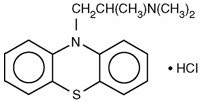
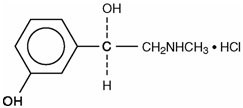
Phenylephrine is a potent postsynaptic α-receptor agonist with little effect on β-receptors of the heart. Phenylephrine has no effect on β-adrenergic receptors of the bronchi or peripheral blood vessels. A direct action at receptors accounts for the greater part of its effects, only a small part being due to its ability to release norepinephrine.
Therapeutic doses of phenylephrine mainly cause vasoconstriction. Phenylephrine increases resistance and, to a lesser extent, decreases capacitance of blood vessels. Total peripheral resistance is increased, resulting in increased systolic and diastolic blood pressure. Pulmonary arterial pressure is usually increased, and renal blood flow is usually decreased. Local vasoconstriction and hemostasis occur following topical application or infiltration of phenylephrine into tissues. The main effect of phenylephrine on the heart is bradycardia; it produces a positive inotropic effect on the myocardium in doses greater than those usually used therapeutically. Rarely, the drug may increase the irritability of the heart, causing arrhythmias. Cardiac output is decreased slightly. Phenylephrine increases the work of the heart by increasing peripheral arterial resistance.
Phenylephrine has a mild central stimulant effect.
Following oral administration or topical application of phenylephrine to the mucosa, constriction of blood vessels in the nasal mucosa relieves nasal congestion associated with allergy or head colds. Following oral administration, nasal decongestion may occur within 15 or 20 minutes and may persist for up to 4 hours.
Phenylephrine is irregularly absorbed from and readily metabolized in the gastrointestinal tract. Phenylephrine is metabolized in the liver and intestine by monoamine oxidase. The metabolites and their route and rate of excretion have not been identified. The pharmacologic action of phenylephrine is terminated at least partially by uptake of the drug into tissues.
Because phenylephrine is an adrenergic agent, it should be given with caution to patients with thyroid diseases, diabetes mellitus, and heart disease or those receiving tricyclic antidepressants.
Men with symptomatic, benign prostatic hypertrophy can experience urinary retention when given oral nasal decongestants.
Phenylephrine can cause a decrease in cardiac output, and extreme caution should be used when administering the drug parenterally or orally to patients with arteriosclerosis, to elderly individuals, and/or to patients with initially poor cerebral or coronary circulation.
Phenylephrine should be used with caution in patients taking diet preparations, such as amphetamines or phenylpropanolamine, because synergistic adrenergic effects could result in serious hypertensive response and possible stroke.
A study which followed the development of cancer in 143,574 patients over a four-year period indicated that in 11,981 patients who received phenylephrine (systemic or topical), there was no statistically significant association between the drug and cancer at any or all sites.
Long-term animal studies have not been performed to assess the carcinogenic potential of phenylephrine, nor are there other animal or human data concerning mutagenicity.
A study of the effects of adrenergic drugs on ovum transport in rabbits indicated that treatment with phenylephrine did not alter incidence of pregnancy; the number of implantations was significantly reduced when high doses of the drug were used.
A study in rabbits indicated that continued moderate overexposure to phenylephrine (3 mg/day) during the second half of pregnancy (22nd day of gestation to delivery) may contribute to perinatal wastage, prematurity, premature labor, and possibly fetal anomalies; when phenylephrine (3 mg/day) was given to rabbits during the first half of pregnancy (3rd day after mating for seven days), a significant number gave birth to litters of low birth weight. Another study showed that phenylephrine was associated with anomalies of aortic arch and with ventricular septal defect in the chick embryo.
Promethazine and phenylephrine should be used during pregnancy only if the potential benefit justifies the potential risk to the fetus.
Signs and symptoms of overdosage with phenylephrine include hypertension, headache, convulsions, cerebral hemorrhage, and vomiting. Ventricular premature beats and short paroxysms of ventricular tachycardia may also occur. Headache may be a symptom of hypertension. Bradycardia may also be seen early in phenylephrine overdosage through stimulation of baroreceptors.