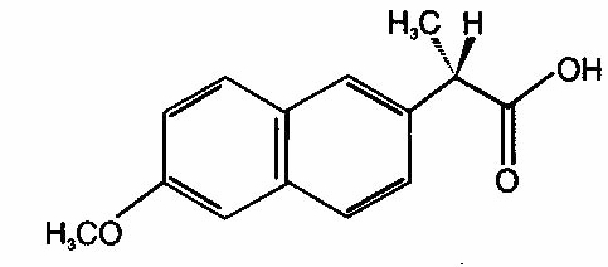
Adverse reactions reported in controlled clinical trials in 960
patients treated for rheumatoid arthritis or osteoarthritis are listed below. In
general, reactions in patients treated chronically were reported 2 to 10 times
more frequently than they were in short-term studies in the 962 patients treated
for mild to moderate pain or for dysmenorrhea. The most frequent complaints
reported related to the gastrointestinal tract.
A clinical study found gastrointestinal reactions to be more frequent and
more severe in rheumatoid arthritis patients taking daily doses of 1500 mg
naproxen compared to those taking 750 mg naproxen (see CLINICAL
PHARMACOLOGY).
In controlled clinical trials with about 80 pediatric patients and in
well-monitored, open-label studies with about 400 pediatric patients with
juvenile arthritis treated with naproxen, the incidence of rash and prolonged
bleeding times were increased, the incidence of gastrointestinal and central
nervous system reactions were about the same, and the incidence of other
reactions were lower in pediatric patients than in adults.
In patients taking naproxen in clinical trials, the most frequently reported
adverse experiences in approximately 1% to 10% of patients are:
Gastrointestinal (GI) Experiences, including:
heartburn*, abdominal pain*, nausea*,constipation*, diarrhea, dyspepsia,
stomatitis
Central Nervous System: headache*, dizziness*,
drowsiness*, lightheadedness, vertigo
Dermatologic: pruritus (itching)*, skin eruptions*,
ecchymoses*, sweating, purpura
Special Senses: tinnitus*, visual disturbances,
hearing disturbances
Cardiovascular: edema*, palpitations
General: dyspnea*, thirst
*Incidence of reported reaction between 3% and 9%. Those reactions occurring
in less than 3% of the patients are unmarked.
In patients taking NSAIDs, the following adverse experiences have also been
reported in approximately 1% to 10% of patients.
Gastrointestinal (GI) Experiences, including:
flatulence, gross bleeding/perforation, GI ulcers (gastric/duodenal),
vomiting
General: abnormal renal function, anemia, elevated
liver enzymes, increased bleeding time, rashes
The following are additional adverse experiences reported in <1% of
patients taking naproxen during clinical trials and through postmarketing
reports. Those adverse reactions observed through postmarketing reports are
italicized.
Body as a Whole: anaphylactoid
reactions, angioneurotic edema, menstrual disorders, pyrexia (chills and fever)
Cardiovascular: congestive heart
failure, vasculitis, hypertension, pulmonary edema
Gastrointestinal:
gastrointestinal bleeding and/or perforation,
hematemesis, pancreatitis, vomiting, colitis,
nonpeptic gastrointestinal ulceration, ulcerative stomatitis, esophagitis,
peptic ulceration
Hepatobiliary: jaundice, abnormal
liver function tests, hepatitis (some cases have been fatal)
Hemic and Lymphatic: eosinophilia, leucopenia, melena, thrombocytopenia,
agranulocytosis, granulocytopenia, hemolytic anemia,
aplastic anemia
Metabolic and Nutritional: hyperglycemia, hypoglycemia
Nervous System: inability to concentrate, depression, dream abnormalities, insomnia, malaise, myalgia,
muscle weakness, aseptic meningitis, cognitive dysfunction, convulsions
Respiratory: eosinophilic
pneumonitis, asthma
Dermatologic: alopecia,
urticaria, skin rashes, toxic epidermal necrolysis,
erythema multiforme, erythema nodosum, fixed drug eruption, lichen planus,
pustular reaction, systemic lupus erythematoses, Stevens-Johnson syndrome,
photosensitive dermatitis, photosensitivity reactions, including rare cases
resembling porphyria cutanea tarda (pseudoporphyria) or epidermolysis bullosa.
If skin fragility, blistering or other symptoms suggestive of pseudoporphyria
occur, treatment should be discontinued and the patient monitored.
Special Senses: hearing
impairment, corneal opacity, papillitis, retrobulbar optic neuritis, papilledema
Urogenital: glomerular nephritis,
hematuria, hyperkalemia, interstitial nephritis, nephrotic syndrome, renal
disease, renal failure, renal papillary necrosis, raised serum creatinine
Reproduction (female): infertility
In patients taking NSAIDs, the following adverse experiences have also been
reported in <1% of patients.
Body as a Whole: fever, infection, sepsis,
anaphylactic reactions, appetite changes, death
Cardiovascular: hypertension, tachycardia, syncope,
arrhythmia, hypotension, myocardial infarction
Gastrointestinal: dry mouth, esophagitis,
gastric/peptic ulcers, gastritis, glossitis, eructation
Hepatobiliary: hepatitis, liver failure
Hemic and Lymphatic: rectal bleeding,
lymphadenopathy, pancytopenia
Metabolic and Nutritional: weight changes
Nervous System: anxiety, asthenia, confusion,
nervousness, paresthesia, somnolence, tremors, convulsions, coma, hallucinations
Respiratory: asthma, respiratory depression,
pneumonia
Dermatologic: exfoliative dermatitis
Special Senses: blurred vision, conjunctivitis
Urogenital: cystitis, dysuria, oliguria/polyuria,
proteinuria