Other
Rx only
Revised SEPTEMBER 2004
11000422506
What is Cenestin?
Cenestin is a medicine that contains a mixture of synthetic estrogens made from a plant source.
What is Cenestin used for?
Cenestin is used after menopause to:
- reduce moderate or severe hot flashes.
Estrogens are hormones made by a woman’s ovaries. The ovaries normally stop making estrogens when a woman is between 45 to 55 years old. This drop in body estrogen levels causes the “change of life” or menopause (the end of monthly menstrual periods). Sometimes, both ovaries are removed during an operation before natural menopause takes place. The sudden drop in estrogen levels causes “surgical menopause.”
When estrogen levels begin dropping, some women develop very uncomfortable symptoms, such as feelings of warmth in the face, neck, and chest, or sudden strong feelings of heat and sweating (“hot flashes” or “hot flushes”). In some women, the symptoms are mild, and they will not need estrogens. In other women, symptoms can be more severe. You and your healthcare provider should talk regularly about whether you still need treatment with Cenestin. - treat moderate to severe dryness, itching, and burning in and around the vagina. You and your healthcare provider should talk regularly about whether you still need treatment with Cenestin to control these problems. If you use Cenestin only to treat your dryness, itching, and burning in and around your vagina, talk with your healthcare provider about whether a topical vaginal product would be better for you.
- have unusual vaginal bleeding.
- currently have or have had certain cancers.
Estrogens may increase the risk of certain types of cancers, including cancer of the breast or uterus. If you have or had cancer, talk with your healthcare provider about whether you should take Cenestin. - had a stroke or heart attack in the past year.
- currently have or have had blood clots.
- currently have or have had liver problems.
- are allergic to Cenestin or any of its ingredients.
See the end of this leaflet for a list of ingredients in Cenestin. - if you think you may be pregnant.
- if you are breastfeeding.
The synthetic estrogen hormones in Cenestin can pass into your milk. - about all of your medical problems.
Your healthcare provider may need to check you more carefully if you have certain conditions, such as asthma (wheezing), epilepsy (seizures), migraine, endometriosis, lupus, or problems with your heart, liver, thyroid, kidneys, or have high calcium levels in your blood. - about all the medicines you take.
This includes prescription and nonprescription medicines, vitamins, and herbal supplements. Some medicines may affect how Cenestin works. Cenestin may also affect how your other medicines work. - if you are going to have surgery or will be on bedrest.
You may need to stop taking estrogens. - Breast cancer
- Blood clots
- Cancer of the uterus
- Dementia
- Gallbladder disease
- Stroke
- Ovarian cancer
- Heart attack
- Breast lumps
- Chest pain
- Unusual vaginal bleeding
- Shortness of breath
- Dizziness and faintness
- Pains in your legs
- Changes in speech
- Changes in vision
- Severe headaches
- Vomiting
- Headache
- Stomach/abdominal cramps, bloating
- Breast pain
- Nausea and vomiting
- Irregular vaginal bleeding or spotting
- Hair loss
- High blood pressure
- Fluid retention
- Liver problems
- Enlargement of benign tumors of the uterus (“fibroids”)
- High blood sugar
- Vaginal yeast infection
- Talk with your healthcare provider regularly about whether you should continue taking Cenestin.
- If you have a uterus, talk to your healthcare provider about whether the addition of a progestin is right for you.
- See your healthcare provider right away if you get vaginal bleeding while taking Cenestin.
- Have a breast exam and mammogram (breast X-ray) every year unless your healthcare provider tells you something else. If members of your family have had breast cancer or if you have ever had breast lumps or an abnormal mammogram, you may need to have breast exams more often.
- If you have high blood pressure, high cholesterol (fat in the blood), diabetes, are overweight, or if you use tobacco, you may have higher chances for getting heart disease. Ask your healthcare provider for ways to lower your chances for getting heart disease.
Who Should Not Take Cenestin?
Do not start taking Cenestin if you:
Tell your healthcare provider:
How Should I Take Cenestin?
Take one Cenestin tablet each day at about the same time. If you miss a dose, take it as soon as possible. If it is almost time for your next dose, skip the missed dose and go back to your normal schedule. Do not take 2 doses at the same time.
Start at the lowest dose and talk to your healthcare provider about how well that dose is working for you. Estrogens should be used only as long as needed. You and your healthcare provider should talk regularly (for example every 3 to 6 months) about whether you still need treatment with Cenestin.
What are the possible side effects of estrogens?
Less common but serious side effects include:
These are some of the warning signs of serious side effects:
Call your healthcare provider right away if you get any of these warning signs, or any other unusual symptom that concerns you.
Common side effects include:
Other side effects include:
These are not all the possible side effects of Cenestin. For more information, ask your healthcare provider or pharmacist.
What can I do to lower my chances of a serious side effect with Cenestin?
General information about safe and effective use of Cenestin.
Medicines are sometimes prescribed for conditions that are not mentioned in patient information leaflets. Do not take Cenestin for conditions for which it was not prescribed. Do not give Cenestin to other people, even if they have the same symptoms you have. It may harm them.
Keep Cenestin out of the reach of children.
This leaflet provides a summary of the most important information about Cenestin. If you would like more information, talk with your healthcare provider or pharmacist. You can ask for information about Cenestin that is written for health professionals. You can get more information by calling the toll free number 877-405-0369.
What are the ingredients in Cenestin?
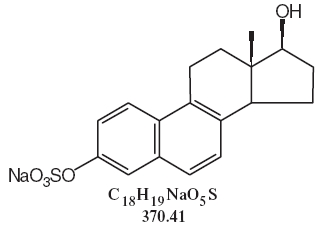
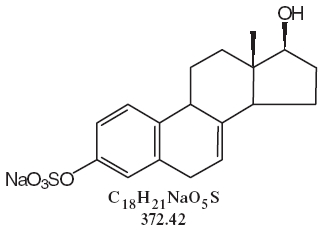
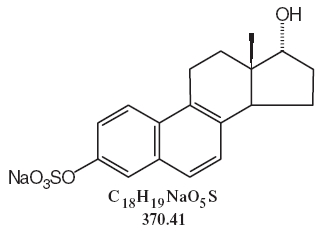
Tablets for oral administration, are available in 0.3 mg, 0.45 mg, 0.625 mg, 0.9 mg and 1.25 mg strengths of synthetic conjugated estrogens, A. Tablets also contain the following inactive ingredients: ethylcellulose, hypromellose, lactose monohydrate, magnesium stearate, polyethylene glycol, polysorbate 80, pregelatinized starch, titanium dioxide, and triethyl citrate.
-0.3 mg tablets also contain FD&C Blue No. 2 aluminum lake and D&C Yellow No. 10 aluminum lake.
-0.45 mg tablets also contain FD&C Yellow No. 6/Sunset Yellow FCF lake.
-0.625 mg tablets also contain FD&C Red No. 40 aluminum lake.
-0.9 mg tablets do not contain any additional color additives.
-1.25 mg tablets also contain FD&C Blue No. 2 aluminum lake.
Manufactured By:
Duramed Pharmaceuticals, Inc.
Subsidiary of Barr Pharmaceuticals, Inc.
Pomona, New York 10970
Revised SEPTEMBER 2004
BR - 41, 46, 42, 43, 44
Relabeling and Repackaging by:
Physicians Total Care, Inc.
Tulsa, OK 74146