- Lactic Acidosis/Severe Hepatomegaly with Steatosis [See Boxed Warning, Warnings and Precautions (5.1)].
- Severe Acute Exacerbations of Hepatitis B [See Boxed Warning, Warnings and Precautions (5.2)].
- Psychiatric Symptoms [See Warnings and Precautions (5.5)].
- Nervous System Symptoms [See Warnings and Precautions (5.6)].
- New Onset or Worsening Renal Impairment [See Warnings and Precautions (5.7)].
- Rash [See Warnings and Precautions (5.9)].
- Hepatotoxicity [See Warnings and Precautions (5.10)].
- Decreases in Bone Mineral Density [See Warnings and Precautions (5.11)].
- Immune Reconstitution Syndrome [See Warnings and Precautions (5.13)].
- Drug Interactions [See Contraindications (4.2), Warnings and Precautions (5.3) and Drug Interactions (7)].
For additional safety information about SUSTIVA (efavirenz), EMTRIVA (emtricitabine), or VIREAD (tenofovir DF) in combination with other antiretroviral agents, consult the prescribing information for these products.
Clinical Trials in Adult Subjects
Study 934
Study 934 was an open-label active-controlled trial in which 511 antiretroviral-naive subjects received either emtricitabine + tenofovir DF administered in combination with efavirenz (N=257) or zidovudine/lamivudine administered in combination with efavirenz (N=254).
The most common adverse reactions (incidence greater than or equal to 10%, any severity) occurring in Study 934 include diarrhea, nausea, fatigue, headache, dizziness, depression, insomnia, abnormal dreams, and rash. Adverse reactions observed in Study 934 were generally consistent with those seen in previous trials of the individual components (Table 2).
Table 2 Selected Treatment-Emergent Adverse ReactionsFrequencies of adverse reactions are based on all treatment-emergent adverse events, regardless of relationship to study drug.
(Grades 2–4) Reported in ≥5% in Either Treatment Group in Study 934 (0–144 Weeks) | FTC + TDF + EFV From Weeks 96 to 144 of the trial, subjects received emtricitabine/tenofovir DF administered in combination with efavirenz in place of emtricitabine + tenofovir DF with efavirenz. | AZT/3TC + EFV |
|---|
| N=257 | N=254 |
|---|
| Gastrointestinal Disorder | | |
| Diarrhea | 9% | 5% |
| Nausea | 9% | 7% |
| Vomiting | 2% | 5% |
| General Disorders and Administration Site Condition | | |
| Fatigue | 9% | 8% |
| Infections and Infestations | | |
| Sinusitis | 8% | 4% |
| Upper respiratory tract infections | 8% | 5% |
| Nasopharyngitis | 5% | 3% |
| Nervous System Disorders | | |
| Headache | 6% | 5% |
| Dizziness | 8% | 7% |
| Psychiatric Disorders | | |
| Anxiety | 5% | 4% |
| Depression | 9% | 7% |
| Insomnia | 5% | 7% |
| Skin and Subcutaneous Tissue Disorders | | |
| Rash Event Rash event includes rash, exfoliative rash, rash generalized, rash macular, rash maculo-papular, rash pruritic, and rash vesicular. | 7% | 9% |
Study 073
In Study 073, subjects with stable, virologic suppression on antiretroviral therapy and no history of virologic failure were randomized to receive ATRIPLA or to stay on their baseline regimen. The adverse reactions observed in Study 073 were generally consistent with those seen in Study 934 and those seen with the individual components of ATRIPLA when each was administered in combination with other antiretroviral agents.
Efavirenz, Emtricitabine, or Tenofovir Disoproxil Fumarate
In addition to the adverse reactions in Study 934 and Study 073 the following adverse reactions were observed in clinical trials of efavirenz, emtricitabine, or tenofovir DF in combination with other antiretroviral agents.
Efavirenz: The most significant adverse reactions observed in subjects treated with efavirenz are nervous system symptoms [See Warnings and Precautions (5.6)], psychiatric symptoms [See Warnings and Precautions (5.5)], and rash [See Warnings and Precautions (5.9)].
Selected adverse reactions of moderate-severe intensity observed in greater than or equal to 2% of efavirenz-treated subjects in two controlled clinical trials included pain, impaired concentration, abnormal dreams, somnolence, anorexia, dyspepsia, abdominal pain, nervousness, and pruritus.
Pancreatitis has also been reported, although a causal relationship with efavirenz has not been established. Asymptomatic increases in serum amylase levels were observed in a significantly higher number of subjects treated with efavirenz 600 mg than in control subjects.
Emtricitabine and Tenofovir Disoproxil Fumarate: Adverse reactions that occurred in at least 5% of treatment-experienced or treatment-naive subjects receiving emtricitabine or tenofovir DF with other antiretroviral agents in clinical trials include arthralgia, increased cough, dyspepsia, fever, myalgia, pain, abdominal pain, back pain, paresthesia, peripheral neuropathy (including peripheral neuritis and neuropathy), pneumonia, rhinitis and rash event (including rash, pruritus, maculopapular rash, urticaria, vesiculobullous rash, pustular rash and allergic reaction).
Skin discoloration has been reported with higher frequency among emtricitabine-treated subjects; it was manifested by hyperpigmentation on the palms and/or soles and was generally mild and asymptomatic. The mechanism and clinical significance are unknown.
Clinical Trials in Pediatric Subjects
Efavirenz: In a pediatric clinical trial in 57 NRTI-experienced subjects aged 3 to 16 years, the type and frequency of adverse experiences was generally similar to that of adult subjects with the exception of a higher incidence of rash, which was reported in 46% (26/57) of pediatric subjects compared to 26% of adults, and a higher frequency of Grade 3 or 4 rash reported in 5% (3/57) of pediatric subjects compared to 0.9% of adults [See Warnings and Precautions (5.9)]. For additional information, please consult the SUSTIVA prescribing information.
Emtricitabine: In addition to the adverse reactions reported in adults, anemia and hyperpigmentation were observed in 7% and 32%, respectively, of pediatric subjects (3 months to less than 18 years of age) who received treatment with emtricitabine in the larger of two open-label, uncontrolled pediatric trials (N=116). For additional information, please consult the EMTRIVA prescribing information.
Tenofovir Disoproxil Fumarate: In a pediatric clinical trial conducted in subjects 12 to less than 18 years of age, the adverse reactions observed in pediatric subjects who received treatment with tenofovir DF were consistent with those observed in clinical trials of tenofovir DF in adults [See Warnings and Precautions (5.11)].
Efavirenz, Emtricitabine and Tenofovir Disoproxil Fumarate: Laboratory abnormalities observed in Study 934 were generally consistent with those seen in previous trials (Table 3).
Table 3 Significant Laboratory Abnormalities Reported in ≥1% of Subjects in Either Treatment Group in Study 934 (0–144 Weeks) | FTC + TDF + EFV From Weeks 96 to 144 of the trial, subjects received emtricitabine/tenofovir DF administered in combination with efavirenz in place of emtricitabine + tenofovir DF with efavirenz. | AZT/3TC + EFV |
|---|
| N=257 | N=254 |
|---|
| Any ≥ Grade 3 Laboratory Abnormality | 30% | 26% |
| Fasting Cholesterol (>240 mg/dL) | 22% | 24% |
Creatine Kinase
(M: >990 U/L)
(F: >845 U/L) | 9% | 7% |
| Serum Amylase (>175 U/L) | 8% | 4% |
| Alkaline Phosphatase (>550 U/L) | 1% | 0% |
AST
(M: >180 U/L)
(F: >170 U/L) | 3% | 3% |
ALT
(M: >215 U/L)
(F: >170 U/L) | 2% | 3% |
| Hemoglobin (<8.0 mg/dL) | 0% | 4% |
| Hyperglycemia (>250 mg/dL) | 2% | 1% |
| Hematuria (>75 RBC/HPF) | 3% | 2% |
| Glycosuria (≥3+) | <1% | 1% |
| Neutrophils (<750/mm3) | 3% | 5% |
| Fasting Triglycerides (>750 mg/dL) | 4% | 2% |
Laboratory abnormalities observed in Study 073 were generally consistent with those in Study 934.
In addition to the laboratory abnormalities described for Study 934 (Table 3), Grade 3/4 laboratory abnormalities of increased bilirubin (greater than 2.5 × upper limit of normal (ULN)), increased pancreatic amylase (greater than 2.0 × ULN), increased or decreased serum glucose (less than 40 or greater than 250 mg/dL), and increased serum lipase (greater than 2.0 × ULN) occurred in up to 3% of subjects treated with emtricitabine or tenofovir DF with other antiretroviral agents in clinical trials.
Hepatic Events: In Study 934, 19 subjects treated with efavirenz, emtricitabine, and tenofovir DF and 20 subjects treated with efavirenz and fixed-dose zidovudine/lamivudine were hepatitis B surface antigen or hepatitis C antibody positive. Among these coinfected subjects, one subject (1/19) in the efavirenz, emtricitabine and tenofovir DF arm had elevations in transaminases to greater than five times ULN through 144 weeks. In the fixed-dose zidovudine/lamivudine arm, two subjects (2/20) had elevations in transaminases to greater than five times ULN through 144 weeks. No HBV and/or HCV coinfected subject discontinued from the trial due to hepatobiliary disorders [See Warnings and Precautions (5.10)].
Efavirenz:
Cardiac Disorders
Palpitations
Ear and Labyrinth Disorders
Tinnitus, vertigo
Endocrine Disorders
Gynecomastia
Eye Disorders
Abnormal vision
Gastrointestinal Disorders
Constipation, malabsorption
General Disorders and Administration Site Conditions
Asthenia
Hepatobiliary Disorders
Hepatic enzyme increase, hepatic failure, hepatitis. A few of the postmarketing reports of hepatic failure, including cases in patients with no pre-existing hepatic disease or other identifiable risk factors, were characterized by a fulminant course, progressing in some cases to transplantation or death.
Immune System Disorders
Allergic reactions
Metabolism and Nutrition Disorders
Redistribution/accumulation of body fat [See Warnings and Precautions (5.14)], hypercholesterolemia, hypertriglyceridemia
Musculoskeletal and Connective Tissue Disorders
Arthralgia, myalgia, myopathy
Nervous System Disorders
Abnormal coordination, ataxia, cerebellar coordination and balance disturbances, convulsions, hypoesthesia, paresthesia, neuropathy, tremor
Psychiatric Disorders
Aggressive reactions, agitation, delusions, emotional lability, mania, neurosis, paranoia, psychosis, suicide
Respiratory, Thoracic and Mediastinal Disorders
Dyspnea
Skin and Subcutaneous Tissue Disorders
Flushing, erythema multiforme, photoallergic dermatitis, Stevens-Johnson syndrome
Emtricitabine: No postmarketing adverse reactions have been identified for inclusion in this section.
Tenofovir Disoproxil Fumarate:
Immune System Disorders
Allergic reaction, including angioedema
Metabolism and Nutrition Disorders
Lactic acidosis, hypokalemia, hypophosphatemia
Respiratory, Thoracic, and Mediastinal Disorders
Dyspnea
Gastrointestinal Disorders
Pancreatitis, increased amylase, abdominal pain
Hepatobiliary Disorders
Hepatic steatosis, hepatitis, increased liver enzymes (most commonly AST, ALT, gamma GT)
Skin and Subcutaneous Tissue Disorders
Rash
Musculoskeletal and Connective Tissue Disorders
Rhabdomyolysis, osteomalacia (manifested as bone pain and which may contribute to fractures), muscular weakness, myopathy
Renal and Urinary Disorders
Acute renal failure, renal failure, acute tubular necrosis, Fanconi syndrome, proximal renal tubulopathy, interstitial nephritis (including acute cases), nephrogenic diabetes insipidus, renal insufficiency, increased creatinine, proteinuria, polyuria
General Disorders and Administration Site Conditions
Asthenia
The following adverse reactions, listed under the body system headings above, may occur as a consequence of proximal renal tubulopathy: rhabdomyolysis, osteomalacia, hypokalemia, muscular weakness, myopathy, hypophosphatemia.
Cannabinoid Test Interaction: Efavirenz does not bind to cannabinoid receptors. False-positive urine cannabinoid test results have been observed in non-HIV-infected volunteers receiving efavirenz when the Microgenics Cedia DAU Multi-Level THC assay was used for screening. Negative results were obtained when more specific confirmatory testing was performed with gas chromatography/mass spectrometry. For more information, please consult the SUSTIVA prescribing information.
Antiretroviral Pregnancy Registry: To monitor fetal outcomes of pregnant women, an Antiretroviral Pregnancy Registry has been established. Physicians are encouraged to register patients who become pregnant by calling (800) 258-4263.
Efavirenz: As of July 2010, the Antiretroviral Pregnancy Registry has received prospective reports of 792 pregnancies exposed to efavirenz-containing regimens, nearly all of which were first-trimester exposures (718 pregnancies). Birth defects occurred in 17 of 604 live births (first-trimester exposure) and 2 of 69 live births (second/third-trimester exposure). One of these prospectively reported defects with first-trimester exposure was a neural tube defect. A single case of anophthalmia with first-trimester exposure to efavirenz has also been prospectively reported; however, this case included severe oblique facial clefts and amniotic banding, a known association with anophthalmia. There have been six retrospective reports of findings consistent with neural tube defects, including meningomyelocele. All mothers were exposed to efavirenz-containing regimens in the first trimester. Although a causal relationship of these events to the use of efavirenz has not been established, similar defects have been observed in preclinical studies of efavirenz.
Animal Data
Effects of efavirenz on embryo-fetal development have been studied in three nonclinical species (cynomolgus monkeys, rats, and rabbits). In monkeys, efavirenz 60 mg/kg/day was administered to pregnant females throughout pregnancy (gestation days 20 through 150). The maternal systemic drug exposures (AUC) were 1.3 times the exposure in humans at the recommended clinical dose (600 mg/day), with fetal umbilical venous drug concentrations approximately 0.7 times the maternal values. Three fetuses of 20 fetuses/infants had one or more malformations; there were no malformed fetuses or infants from placebo-treated mothers. The malformations that occurred in these three monkey fetuses included anencephaly and unilateral anophthalmia in one fetus, microophthalmia in a second, and cleft palate in the third. There was no NOAEL (no observable adverse effect level) established for this study because only one dosage was evaluated. In rats, efavirenz was administered either during organogenesis (gestation days 7 to 18) or from gestation day 7 through lactation day 21 at 50, 100, or 200 mg/kg/day. Administration of 200 mg/kg/day in rats was associated with increase in the incidence of early resorptions; and doses 100 mg/kg/day and greater were associated with early neonatal mortality. The AUC at the NOAEL (50 mg/kg/day) in this rat study was 0.1 times that in humans at the recommended clinical dose. Drug concentrations in the milk on lactation day 10 were approximately 8 times higher than those in maternal plasma. In pregnant rabbits, efavirenz was neither embryo lethal nor teratogenic when administered at doses of 25, 50, and 75 mg/kg/day over the period of organogenesis (gestation days 6 through 18). The AUC at the NOAEL (75 mg/kg/day) in rabbits was 0.4 times that in humans at the recommended clinical dose.
Emtricitabine
Samples of breast milk obtained from five HIV-1 infected mothers show that emtricitabine is secreted in human milk. Breastfeeding infants whose mothers are being treated with emtricitabine may be at risk for developing viral resistance to emtricitabine. Other emtricitabine-associated risks in infants breastfed by mothers being treated with emtricitabine are unknown.
Tenofovir Disoproxil Fumarate
Samples of breast milk obtained from five HIV-1 infected mothers show that tenofovir is secreted in human milk. Tenofovir-associated risks, including the risk of viral resistance to tenofovir, in infants breastfed by mothers being treated with tenofovir disoproxil fumarate are unknown.
Efavirenz: Some patients accidentally taking 600 mg twice daily have reported increased nervous system symptoms. One patient experienced involuntary muscle contractions.
Emtricitabine: Limited clinical experience is available at doses higher than the therapeutic dose of emtricitabine. In one clinical pharmacology trial single doses of emtricitabine 1200 mg were administered to 11 subjects. No severe adverse reactions were reported.
Hemodialysis treatment removes approximately 30% of the emtricitabine dose over a 3-hour dialysis period starting within 1.5 hours of emtricitabine dosing (blood flow rate of 400 mL/min and a dialysate flow rate of 600 mL/min). It is not known whether emtricitabine can be removed by peritoneal dialysis.
Tenofovir Disoproxil Fumarate: Limited clinical experience at doses higher than the therapeutic dose of tenofovir DF 300 mg is available. In one trial, 600 mg tenofovir DF was administered to 8 subjects orally for 28 days, and no severe adverse reactions were reported. The effects of higher doses are not known.
Tenofovir is efficiently removed by hemodialysis with an extraction coefficient of approximately 54%. Following a single 300 mg dose of tenofovir DF, a 4-hour hemodialysis session removed approximately 10% of the administered tenofovir dose.
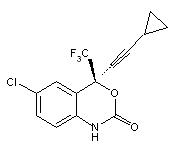
Efavirenz: Efavirenz is chemically described as (S)-6-chloro-4-(cyclopropylethynyl)-1,4-dihydro-4-(trifluoromethyl)-2H-3,1-benzoxazin-2-one. Its molecular formula is C14H9ClF3NO2 and its structural formula is:
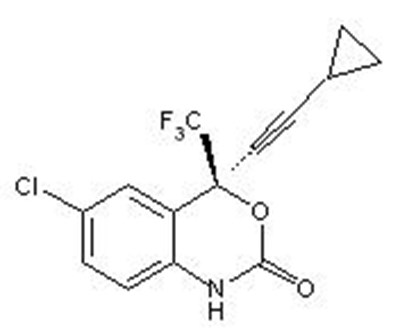
Chemical Structure 1 (Atripla 01)
Efavirenz is a white to slightly pink crystalline powder with a molecular mass of 315.68. It is practically insoluble in water (less than 10 µg/mL).
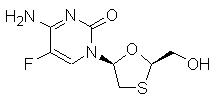
Emtricitabine: The chemical name of emtricitabine is 5-fluoro-1-(2R,5S)-[2-(hydroxymethyl)-1,3-oxathiolan-5-yl]cytosine. Emtricitabine is the (-) enantiomer of a thio analog of cytidine, which differs from other cytidine analogs in that it has a fluorine in the 5-position.
It has a molecular formula of C8H10FN3O3S and a molecular weight of 247.24. It has the following structural formula:
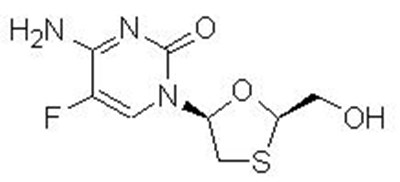
Chemical Structure 2 (Atripla 02)
Emtricitabine is a white to off-white crystalline powder with a solubility of approximately 112 mg/mL in water at 25 °C.
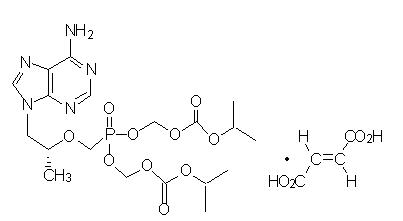
Tenofovir Disoproxil Fumarate: Tenofovir DF is a fumaric acid salt of the bis-isopropoxycarbonyloxymethyl ester derivative of tenofovir. The chemical name of tenofovir disoproxil fumarate is 9-[(R)-2[[bis[[(isopropoxycarbonyl)oxy]- methoxy]phosphinyl]methoxy]propyl]adenine fumarate (1:1). It has a molecular formula of C19H30N5O10P • C4H4O4 and a molecular weight of 635.52. It has the following structural formula:
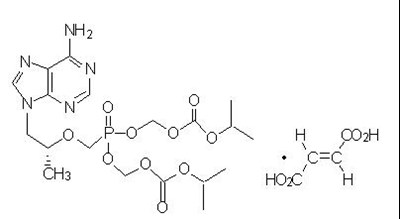
Chemical Structure 3 (Atripla 03)
Tenofovir DF is a white to off-white crystalline powder with a solubility of 13.4 mg/mL in water at 25 °C.
ATRIPLA: One ATRIPLA tablet is bioequivalent to one SUSTIVA tablet (600 mg) plus one EMTRIVA capsule (200 mg) plus one VIREAD tablet (300 mg) following single-dose administration to fasting healthy subjects (N=45).
Efavirenz: In HIV-1 infected subjects time-to-peak plasma concentrations were approximately 3–5 hours and steady-state plasma concentrations were reached in 6–10 days. In 35 HIV-1 infected subjects receiving efavirenz 600 mg once daily, steady-state Cmax was 12.9 ± 3.7 µM (mean ± SD), Cmin was 5.6 ± 3.2 µM, and AUC was 184 ± 73 µM•hr. Efavirenz is highly bound (approximately 99.5–99.75%) to human plasma proteins, predominantly albumin. Following administration of 14C-labeled efavirenz, 14–34% of the dose was recovered in the urine (mostly as metabolites) and 16–61% was recovered in feces (mostly as parent drug). In vitro studies suggest CYP3A and CYP2B6 are the major isozymes responsible for efavirenz metabolism. Efavirenz has been shown to induce CYP enzymes, resulting in induction of its own metabolism. Efavirenz has a terminal half-life of 52–76 hours after single doses and 40–55 hours after multiple doses.
Emtricitabine: Following oral administration, emtricitabine is rapidly absorbed with peak plasma concentrations occurring at 1–2 hours post-dose. Following multiple dose oral administration of emtricitabine to 20 HIV-1 infected subjects, the steady-state plasma emtricitabine Cmax was 1.8 ± 0.7 µg/mL (mean ± SD) and the AUC over a 24-hour dosing interval was 10.0 ± 3.1 µg•hr/mL. The mean steady state plasma trough concentration at 24 hours post-dose was 0.09 µg/mL. The mean absolute bioavailability of emtricitabine was 93%. Less than 4% of emtricitabine binds to human plasma proteins in vitro and the binding is independent of concentration over the range of 0.02–200 µg/mL. Following administration of radiolabelled emtricitabine, approximately 86% is recovered in the urine and 13% is recovered as metabolites. The metabolites of emtricitabine include 3'-sulfoxide diastereomers and their glucuronic acid conjugate. Emtricitabine is eliminated by a combination of glomerular filtration and active tubular secretion with a renal clearance in adults with normal renal function of 213 ± 89 mL/min (mean ± SD). Following a single oral dose, the plasma emtricitabine half-life is approximately 10 hours.
Tenofovir Disoproxil Fumarate: Following oral administration of a single 300 mg dose of tenofovir DF to HIV-1 infected subjects in the fasted state, maximum serum concentrations (Cmax) were achieved in 1.0 ± 0.4 hrs (mean ± SD) and Cmax and AUC values were 296 ± 90 ng/mL and 2287 ± 685 ng•hr/mL, respectively. The oral bioavailability of tenofovir from tenofovir DF in fasted subjects is approximately 25%. Less than 0.7% of tenofovir binds to human plasma proteins in vitro and the binding is independent of concentration over the range of 0.01–25 µg/mL. Approximately 70–80% of the intravenous dose of tenofovir is recovered as unchanged drug in the urine. Tenofovir is eliminated by a combination of glomerular filtration and active tubular secretion with a renal clearance in adults with normal renal function of 243 ± 33 mL/min (mean ± SD). Following a single oral dose, the terminal elimination half-life of tenofovir is approximately 17 hours.
Effects of Food on Oral Absorption
ATRIPLA has not been evaluated in the presence of food. Administration of efavirenz tablets with a high fat meal increased the mean AUC and Cmax of efavirenz by 28% and 79%, respectively, compared to administration in the fasted state. Compared to fasted administration, dosing of tenofovir DF and emtricitabine in combination with either a high fat meal or a light meal increased the mean AUC and Cmax of tenofovir by 35% and 15%, respectively, without affecting emtricitabine exposures [See Dosage and Administration (2) and Patient Counseling Information (17.7)].
Special Populations
Race
Efavirenz: The pharmacokinetics of efavirenz in HIV-1 infected subjects appear to be similar among the racial groups studied.
Emtricitabine: No pharmacokinetic differences due to race have been identified following the administration of emtricitabine.
Tenofovir Disoproxil Fumarate: There were insufficient numbers from racial and ethnic groups other than Caucasian to adequately determine potential pharmacokinetic differences among these populations following the administration of tenofovir DF.
Gender
Efavirenz, Emtricitabine, and Tenofovir Disoproxil Fumarate: Efavirenz, emtricitabine, and tenofovir pharmacokinetics are similar in male and female subjects.
Pediatric Patients
ATRIPLA should only be administered to pediatric patients 12 years of age and weighing greater than or equal to 40 kg (greater than or equal to 88 lb).
Efavirenz: In an open-label trial in NRTI-experienced pediatric subjects (mean age 8 years, range 3–16), the pharmacokinetics of efavirenz in pediatric subjects were similar to the pharmacokinetics in adults who received a 600 mg daily dose of efavirenz. In 48 pediatric subjects, receiving the equivalent of a 600 mg dose of efavirenz, mean (± SD) steady-state Cmax was 14.2 ± 5.8 µM, steady-state Cmin was 5.6 ± 4.1 µM, and AUC was 218 ± 104 µM•hr.
Emtricitabine: The pharmacokinetics of emtricitabine at steady state were determined in 27 HIV-1-infected pediatric subjects 13 to 17 years of age receiving a daily dose of 6 mg/kg up to a maximum dose of 240 mg oral solution or a 200 mg capsule; 26 of 27 subjects in this age group received the 200 mg EMTRIVA capsule. Mean (± SD) Cmax and AUC were 2.7 ± 0.9 µg/mL and 12.6 ± 5.4 µg•hr/mL, respectively. Exposures achieved in pediatric subjects 12 to less than 18 years of age were similar to those achieved in adults receiving a once daily dose of 200 mg.
Tenofovir Disoproxil Fumarate: Steady-state pharmacokinetics of tenofovir were evaluated in 8 HIV-1 infected pediatric subjects (12 to less than 18 years). Mean (± SD) Cmax and AUCtau are 0.38 ± 0.13 µg/mL and 3.39 ± 1.22 µg•hr/mL, respectively. Tenofovir exposure achieved in these pediatric subjects receiving oral daily doses of VIREAD 300 mg was similar to exposures achieved in adults receiving once-daily doses of VIREAD 300 mg.
Geriatric Patients
Pharmacokinetics of efavirenz, emtricitabine and tenofovir have not been fully evaluated in the elderly (65 years of age and older) [See Use in Specific Populations (8.5)].
Patients with Impaired Renal Function
Efavirenz: The pharmacokinetics of efavirenz have not been studied in subjects with renal insufficiency; however, less than 1% of efavirenz is excreted unchanged in the urine, so the impact of renal impairment on efavirenz elimination should be minimal.
Emtricitabine and Tenofovir Disoproxil Fumarate: The pharmacokinetics of emtricitabine and tenofovir DF are altered in subjects with renal impairment. In subjects with creatinine clearance below 50 mL/min, Cmax and AUC0–∞ of emtricitabine and tenofovir were increased [See Warnings and Precautions (5.7)].
Patients with Hepatic Impairment
Efavirenz: A multiple-dose trial showed no significant effect on efavirenz pharmacokinetics in subjects with mild hepatic impairment (Child-Pugh Class A) compared with controls. There were insufficient data to determine whether moderate or severe hepatic impairment (Child-Pugh Class B or C) affects efavirenz pharmacokinetics. [See Warnings and Precautions (5.10) and Use in Specific Populations (8.6)].
Emtricitabine: The pharmacokinetics of emtricitabine have not been studied in subjects with hepatic impairment; however, emtricitabine is not significantly metabolized by liver enzymes, so the impact of liver impairment should be limited.
Tenofovir Disoproxil Fumarate: The pharmacokinetics of tenofovir following a 300 mg dose of tenofovir DF have been studied in non-HIV infected subjects with moderate to severe hepatic impairment. There were no substantial alterations in tenofovir pharmacokinetics in subjects with hepatic impairment compared with unimpaired subjects.
Assessment of Drug Interactions
The drug interaction trials described were conducted with efavirenz, emtricitabine, or tenofovir DF as individual agents; no drug interaction trials have been conducted using ATRIPLA.
Efavirenz: The steady-state pharmacokinetics of efavirenz and tenofovir were unaffected when efavirenz and tenofovir DF were administered together versus each agent dosed alone. Specific drug interaction trials have not been performed with efavirenz and NRTIs other than tenofovir, lamivudine, and zidovudine. Clinically significant interactions would not be expected based on NRTIs elimination pathways.
Efavirenz has been shown in vivo to cause hepatic enzyme induction, thus increasing the biotransformation of some drugs metabolized by CYP3A and CYP2B6. In vitro studies have shown that efavirenz inhibited CYP isozymes 2C9, 2C19, and 3A4 with Ki values (8.5–17 µM) in the range of observed efavirenz plasma concentrations. In in vitro studies, efavirenz did not inhibit CYP2E1 and inhibited CYP2D6 and CYP1A2 (Ki values 82–160 µM) only at concentrations well above those achieved clinically. Coadministration of efavirenz with drugs primarily metabolized by 2C9, 2C19, and 3A4 isozymes may result in altered plasma concentrations of the coadministered drug. Drugs which induce CYP3A activity would be expected to increase the clearance of efavirenz resulting in lowered plasma concentrations.
Drug interaction trials were performed with efavirenz and other drugs likely to be coadministered or drugs commonly used as probes for pharmacokinetic interaction. There was no clinically significant interaction observed between efavirenz and zidovudine, lamivudine, azithromycin, fluconazole, lorazepam, cetirizine, or paroxetine. Single doses of famotidine or an aluminum and magnesium antacid with simethicone had no effects on efavirenz exposures. The effects of coadministration of efavirenz on Cmax, AUC, and Cmin are summarized in Table 5 (effect of other drugs on efavirenz) and Table 6 (effect of efavirenz on other drugs). For information regarding clinical recommendations see Drug Interactions (7).
Table 5 Drug Interactions: Changes in Pharmacokinetic Parameters for Efavirenz in the Presence of the Coadministered Drug | Mean % Change of Efavirenz Pharmacokinetic Parameters Increase = ↑; Decrease = ↓; No Effect = ↔ (90% CI) |
|---|
| Coadministered Drug | Dose of Coadministered Drug (mg) | Efavirenz Dose (mg) | N | Cmax | AUC | Cmin |
|---|
| NA = not available |
| Indinavir | 800 mg q8h × 14 days | 200 mg qd × 14 days | 11 | ↔ | ↔ | ↔ |
Lopinavir/
ritonavir | 400/100 mg q12h × 9 days | 600 mg qd × 9 days | 11, 12 Parallel-group design; N for efavirenz + lopinavir/ritonavir, N for efavirenz alone. | ↔ | ↓ 16
(↓ 38 to
↑ 15) | ↓ 16
(↓ 42 to
↑ 20) |
| Nelfinavir | 750 mg q8h × 7 days | 600 mg qd × 7 days | 10 | ↓ 12
(↓ 32 to ↑ 13)95% CI | ↓ 12
(↓ 35 to
↑ 18) | ↓ 21
(↓ 53 to
↑ 33) |
| Ritonavir | 500 mg q12h × 8 days | 600 mg qd × 10 days | 9 | ↑ 14
(↑ 4 to
↑ 26) | ↑ 21
(↑ 10 to
↑ 34) | ↑ 25
(↑ 7 to
↑ 46) |
| Saquinavir SGC Soft Gelatin Capsule | 1200 mg q8h × 10 days | 600 mg qd × 10 days | 13 | ↓ 13
(↓ 5 to
↓ 20) | ↓ 12
(↓ 4 to
↓ 19) | ↓ 14
(↓ 2 to
↓ 24) |
| Boceprevir | 800 mg tid × 6 days | 600 mg qd × 16 days | NA | ↑ 11
(↑ 2 to
↑ 20) | ↑ 20
(↑ 15 to
↑ 26) | NA |
| Telaprevir | 750 mg q8h × 10 days | 600 mg qd × 20 days | 21 | ↓ 16
(↓ 7 to
↓ 24) | ↓ 7
(↓ 2 to
↓ 13) | ↓ 2
(↓ 6 to
↑ 2) |
| Telaprevir, coadministered with tenofovir disoproxil fumarate (TDF) | 1125 mg q8h × 7 days | 600 mg efavirenz/300 mg TDF qd × 7 days | 15 | ↓ 24
(↓ 15 to
↓ 32) | ↓ 18
(↓ 10 to
↓ 26) | ↓ 10
(↓ 19 to
↑ 1) |
| 1500 mg q12h × 7 days | 600 mg efavirenz/300 mg TDF qd × 7 days | 16 | ↓ 20
(↓ 14 to
↓ 26) | ↓ 15
(↓ 9 to
↓ 21) | ↓ 11
(↓ 4 to
↓ 18) |
| Clarithromycin | 500 mg q12h × 7 days | 400 mg qd × 7 days | 12 | ↑ 11
(↑ 3 to
↑ 19) | ↔ | ↔ |
| Itraconazole | 200 mg q12h × 14 days | 600 mg qd × 28 days | 16 | ↔ | ↔ | ↔ |
| Rifabutin | 300 mg qd × 14 days | 600 mg qd × 14 days | 11 | ↔ | ↔ | ↓ 12
(↓ 24 to
↑ 1) |
| Rifampin | 600 mg × 7 days | 600 mg qd × 7 days | 12 | ↓ 20
(↓ 11 to ↓ 28) | ↓ 26
(↓ 15 to
↓ 36) | ↓ 32
(↓ 15 to
↓ 46) |
| Atorvastatin | 10 mg qd × 4 days | 600 mg qd × 15 days | 14 | ↔ | ↔ | ↔ |
| Pravastatin | 40 mg qd × 4 days | 600 mg qd × 15 days | 11 | ↔ | ↔ | ↔ |
| Simvastatin | 40 mg qd × 4 days | 600 mg qd × 15 days | 14 | ↓ 12
(↓ 28 to
↑ 8) | ↔ | ↓ 12
(↓ 25 to
↑ 3) |
| Carbamazepine | 200 mg qd × 3 days, 200 mg bid × 3 days, then 400 mg qd × 15 days | 600 mg qd × 35 days | 14 | ↓ 21
(↓ 15 to ↓ 26) | ↓ 36
(↓ 32 to
↓ 40) | ↓ 47
(↓ 41 to
↓ 53) |
| Diltiazem | 240 mg × 14 days | 600 mg qd × 28 days | 12 | ↑ 16
(↑ 6 to
↑ 26) | ↑ 11
(↑ 5 to
↑ 18) | ↑ 13
(↑ 1 to
↑ 26) |
| Sertraline | 50 mg qd × 14 days | 600 mg qd × 14 days | 13 | ↑ 11
(↑ 6 to
↑ 16) | ↔ | ↔ |
| 400 mg po q12h × 1 day then 200 mg po q12h × 8 days | 400 mg qd × 9 days | NA | ↑ 38 90% CI not available | ↑ 44 | NA |
| Voriconazole | 300 mg po q12h days 2–7 | 300 mg qd × 7 days | NA | ↓ 14 Relative to steady-state administration of efavirenz (600 mg once daily for 9 days).
(↓ 7 to
↓ 21) | ↔ | NA |
| 400 mg po q12h days 2–7 | 300 mg qd × 7 days | NA | ↔ | ↑ 17
(↑ 6 to
↑ 29) | NA |
Table 6 Drug Interactions: Changes in Pharmacokinetic Parameters for Coadministered Drug in the Presence of Efavirenz | Mean % Change of Coadministered Drug Pharmacokinetic Parameters Increase = ↑; Decrease = ↓; No Effect = ↔ (90% CI) |
|---|
| Coadministered Drug | Dose of Coadministered Drug (mg) | Efavirenz Dose (mg) | N | Cmax | AUC | Cmin |
|---|
| NA = not available |
| Atazanavir | 400 mg qd with a light meal d 1–20 | 600 mg qd with a light meal d 7–20 | 27 | ↓ 59
(↓ 49 to
↓ 67) | ↓ 74
(↓ 68 to
↓ 78) | ↓ 93
(↓ 90 to
↓ 95) |
| 400 mg qd d 1–6, then 300 mg qd d 7–20 with ritonavir 100 mg qd and a light meal | 600 mg qd 2 h after atazanavir and ritonavir d 7–20 | 13 | ↑ 14 Compared with atazanavir 400 mg qd alone.
(↓ 17 to
↑ 58) | ↑ 39
(↑ 2 to
↑ 88) | ↑ 48
(↑ 24 to
↑ 76) |
| 300 mg qd/ritonavir 100 mg qd d 1–10 (pm), then 400 mg qd/ritonavir 100 mg qd d 11–24 (pm) (simultaneous with efavirenz) | 600 mg qd with a light snack d 11–24 (pm) | 14 | ↑ 17
(↑ 8 to
↑ 27) | ↔ | ↓ 42
(↓ 31 to
↓ 51) |
| Indinavir | 1000 mg q8h × 10 days | 600 mg qd × 10 days | 20 | | | |
| After morning dose | | ↔ Comparator dose of indinavir was 800 mg q8h × 10 days. | ↓ 33
(↓ 26 to
↓ 39) | ↓ 39
(↓ 24 to
↓ 51) |
| After afternoon dose | | ↔ | ↓ 37
(↓ 26 to
↓ 46) | ↓ 52
(↓ 47 to
↓ 57) |
| After evening dose | | ↓ 29
(↓ 11 to
↓ 43) | ↓ 46
(↓ 37 to
↓ 54) | ↓ 57
(↓ 50 to
↓ 63) |
Lopinavir/
ritonavir | 400/100 mg q12h × 9 days | 600 mg qd × 9 days | 11, 7 Parallel-group design; N for efavirenz + lopinavir/ritonavir, N for lopinavir/ritonavir alone. | ↔ Values are for lopinavir. The pharmacokinetics of ritonavir 100 mg q12h are unaffected by concurrent efavirenz. | ↓ 19
(↓ 36 to
↑ 3) | ↓ 39
(↓ 3 to
↓ 62) |
| Nelfinavir | 750 mg q8h × 7 days | 600 mg qd × 7 days | 10 | ↑ 21
(↑ 10 to
↑ 33) | ↑ 20
(↑ 8 to
↑ 34) | ↔ |
Metabolite
AG-1402 | | | | ↓ 40
(↓ 30 to
↓ 48) | ↓ 37
(↓ 25 to
↓ 48) | ↓ 43
(↓ 21 to
↓ 59) |
| Ritonavir | 500 mg q12h × 8 days | 600 mg qd × 10 days | 11 | | | |
| After AM dose | | ↑ 24
(↑ 12 to
↑ 38) | ↑ 18
(↑ 6 to
↑ 33) | ↑ 42
(↑ 9 to
↑ 86)95% CI |
| After PM dose | | ↔ | ↔ | ↑ 24
(↑ 3 to
↑ 50) |
Saquinavir
SGCSoft Gelatin Capsule. | 1200 mg q8h × 10 days | 600 mg qd × 10 days | 12 | ↓ 50
(↓ 28 to
↓ 66) | ↓ 62
(↓ 45 to
↓ 74) | ↓ 56
(↓ 16 to
↓ 77) |
| Maraviroc | 100 mg bid | 600 mg qd | 12 | ↓ 51
(↓ 37 to
↓ 62) | ↓ 45
(↓ 38 to
↓ 51) | ↓ 45
(↓ 28 to
↓ 57) |
| Raltegravir | 400 mg single dose | 600 mg qd | 9 | ↓ 36
(↓ 2 to
↓ 59) | ↓ 36
(↓ 20 to
↓ 48) | ↓ 21
(↓ 51 to
↑ 28) |
| Boceprevir | 800 mg tid × 6 days | 600 mg qd × 16 days | NA | ↓ 8
(↓ 22 to
↑ 8) | ↓ 19
(↓ 11 to
↓ 25) | ↓ 44
(↓ 26 to
↓ 58) |
| Telaprevir | 750 mg q8h × 10 days | 600 mg qd × 20 days | 21 | ↓ 9
(↓18 to
↑ 2) | ↓ 26
(↓16 to
↓ 35) | ↓ 47
(↓ 35 to
↓ 56) |
| Clarithromycin | 500 mg q12h × 7 days | 400 mg qd × 7 days | 11 | ↓ 26
(↓ 15 to
↓ 35) | ↓ 39
(↓ 30 to
↓ 46) | ↓ 53
(↓ 42 to
↓ 63) |
| 14-OH metabolite | | | | ↑ 49
(↑ 32 to
↑ 69) | ↑ 34
(↑ 18 to
↑ 53) | ↑ 26
(↑ 9 to
↑ 45) |
| Itraconazole | 200 mg q12h × 28 days | 600 mg qd × 14 days | 18 | ↓ 37
(↓ 20 to
↓ 51) | ↓ 39
(↓ 21 to
↓ 53) | ↓ 44
(↓ 27 to
↓ 58) |
| Hydroxy-itraconazole | | | | ↓ 35
(↓ 12 to
↓ 52) | ↓ 37
(↓ 14 to
↓ 55) | ↓ 43
(↓ 18 to
↓ 60) |
| Posaconazole | 400 mg (oral suspension) bid × 10 and 20 days | 400 mg qd × 10 and 20 days | 11 | ↓ 45
(↓ 34 to
↓ 53) | ↓ 50
(↓ 40 to
↓ 57) | NA |
| Rifabutin | 300 mg qd × 14 days | 600 mg qd × 14 days | 9 | ↓ 32
(↓ 15 to
↓ 46) | ↓ 38
(↓ 28 to
↓ 47) | ↓ 45
(↓ 31 to
↓ 56) |
| Atorvastatin | 10 mg qd × 4 days | 600 mg qd × 15 days | 14 | ↓ 14
(↓ 1 to
↓ 26) | ↓ 43
(↓ 34 to
↓ 50) | ↓ 69
(↓ 49 to
↓ 81) |
| Total active (including metabolites) | | | | ↓ 15
(↓ 2 to
↓ 26) | ↓ 32
(↓ 21 to
↓ 41) | ↓ 48
(↓ 23 to
↓ 64) |
| Pravastatin | 40 mg qd × 4 days | 600 mg qd × 15 days | 13 | ↓ 32
(↓ 59 to
↑ 12) | ↓ 44
(↓ 26 to
↓ 57) | ↓ 19
(↓ 0 to
↓ 35) |
| Simvastatin | 40 mg qd × 4 days | 600 mg qd × 15 days | 14 | ↓ 72
(↓ 63 to
↓ 79) | ↓ 68
(↓ 62 to
↓ 73) | ↓ 45
(↓ 20 to
↓ 62) |
| Total active (including metabolites) | | | | ↓ 68
(↓ 55 to
↓ 78) | ↓ 60
(↓ 52 to
↓ 68) | NA Not available because of insufficient data. |
| Carbamazepine | 200 mg qd × 3 days, 200 mg bid × 3 days, then 400 mg qd × 29 days | 600 mg qd × 14 days | 12 | ↓ 20
(↓ 15 to
↓ 24) | ↓ 27
(↓ 20 to
↓ 33) | ↓ 35
(↓ 24 to
↓ 44) |
| Epoxide metabolite | | | | ↔ | ↔ | ↓ 13
(↓ 30 to
↑ 7) |
| Diltiazem | 240 mg × 21 days | 600 mg qd × 14 days | 13 | ↓ 60
(↓ 50 to
↓ 68) | ↓ 69
(↓ 55 to
↓ 79) | ↓ 63
(↓ 44 to
↓ 75) |
| Desacetyl diltiazem | | | | ↓ 64
(↓ 57 to
↓ 69) | ↓ 75
(↓ 59 to
↓ 84) | ↓ 62
(↓ 44 to
↓ 75) |
| N-monodesmethyl diltiazem | | | | ↓ 28
(↓ 7 to
↓ 44) | ↓ 37
(↓ 17 to
↓ 52) | ↓ 37
(↓ 17 to
↓ 52) |
| Ethinyl estradiol/ Norgestimate | 0.035 mg/0.25 mg × 14 days | 600 mg qd × 14 days | | | | |
| Ethinyl estradiol | | | 21 | ↔ | ↔ | ↔ |
| Norelgestromin | | | 21 | ↓ 46
(↓39 to
↓ 52) | ↓ 64
(↓ 62 to
↓ 67) | ↓ 82
(↓ 79 to
↓ 85) |
| Levonorgestrel | | | 6 | ↓ 80
(↓77 to
↓ 83) | ↓ 83
(↓79 to
↓ 87) | ↓ 86
(↓80 to
↓ 90) |
| Methadone | Stable maintenance 35–100 mg daily | 600 mg qd × 14–21 days | 11 | ↓ 45
(↓ 25 to
↓ 59) | ↓ 52
(↓ 33 to
↓ 66) | NA |
| Bupropion | 150 mg single dose
(sustained-release) | 600 mg qd × 14 days | 13 | ↓ 34
(↓21 to ↓47) | ↓ 55
(↓48 to ↓62) | NA |
| Hydroxybupropion | | | | ↑ 50
(↑ 20 to
↑ 80) | ↔ | NA |
| Sertraline | 50 mg qd × 14 days | 600 mg qd × 14 days | 13 | ↓ 29
(↓ 15 to
↓ 40) | ↓ 39
(↓ 27 to
↓ 50) | ↓ 46
(↓ 31 to
↓ 58) |
| 400 mg po q12h × 1 day then 200 mg po q12h × 8 days | 400 mg qd × 9 days | NA | ↓ 61 90% CI not available | ↓ 77 | NA |
| Voriconazole | 300 mg po q12h days 2–7 | 300 mg qd × 7 days | NA | ↓ 36 Relative to steady-state administration of voriconazole (400 mg for 1 day, then 200 mg po q12h for 2 days).
(↓ 21 to
↓ 49) | ↓ 55
(↓ 45 to
↓ 62) | NA |
| 400 mg po q12h days 2–7 | 300 mg qd × 7 days | NA | ↑ 23
(↓ 1 to
↑ 53 | ↓ 7
(↓ 23 to
↑ 13) | NA |
Emtricitabine and Tenofovir Disoproxil Fumarate: The steady-state pharmacokinetics of emtricitabine and tenofovir were unaffected when emtricitabine and tenofovir DF were administered together versus each agent dosed alone.
In vitro and clinical pharmacokinetic drug-drug interaction studies have shown that the potential for CYP mediated interactions involving emtricitabine and tenofovir with other medicinal products is low.
Emtricitabine and tenofovir are primarily excreted by the kidneys by a combination of glomerular filtration and active tubular secretion. No drug-drug interactions due to competition for renal excretion have been observed; however, coadministration of emtricitabine and tenofovir DF with drugs that are eliminated by active tubular secretion may increase concentrations of emtricitabine, tenofovir, and/or the coadministered drug.
Drugs that decrease renal function may increase concentrations of emtricitabine and/or tenofovir.
No clinically significant drug interactions have been observed between emtricitabine and famciclovir, indinavir, stavudine, tenofovir DF and zidovudine. Similarly, no clinically significant drug interactions have been observed between tenofovir DF and abacavir, efavirenz, emtricitabine, entecavir, indinavir, lamivudine, lopinavir/ritonavir, methadone, nelfinavir, oral contraceptives, ribavirin, saquinavir/ritonavir or tacrolimus in trials conducted in healthy volunteers.
Following multiple dosing to HIV-negative subjects receiving either chronic methadone maintenance therapy, oral contraceptives, or single doses of ribavirin, steady-state tenofovir pharmacokinetics were similar to those observed in previous trials, indicating a lack of clinically significant drug interactions between these agents and tenofovir DF. The effects of coadministered drugs on the Cmax, AUC, and Cmin of tenofovir are shown in Table 7. The effects of coadministration of tenofovir DF on Cmax, AUC, and Cmin of coadministered drugs are shown in Table 8 and Table 9.
Table 7 Drug Interactions: Changes in Pharmacokinetic Parameters for Tenofovir in the Presence of the Coadministered DrugAll interaction trials conducted in healthy volunteers.
,Subjects received tenofovir DF 300 mg once daily.
| Coadministered Drug | Dose of Coadministered Drug (mg) | N | Mean % Change of Tenofovir Pharmacokinetic Parameters Increase = ↑; Decrease = ↓; No Effect = ↔
(90% CI) |
|---|
| Cmax | AUC | Cmin |
|---|
| Atazanavir Reyataz Prescribing Information | 400 once daily × 14 days | 33 | ↑ 14
(↑ 8 to ↑ 20) | ↑ 24
(↑ 21 to ↑ 28) | ↑ 22
(↑ 15 to ↑ 30) |
| Didanosine Subjects received didanosine buffered tablets. | 250 or 400 once daily × 7 days | 14 | ↔ | ↔ | ↔ |
| Lopinavir/ ritonavir | 400/100 twice daily × 14 days | 24 | ↔ | ↑ 32
(↑ 25 to ↑ 38) | ↑ 51
(↑ 37 to ↑ 66) |
Table 8 Drug Interactions: Changes in Pharmacokinetic Parameters for Coadministered Drug in the Presence of Tenofovir Disoproxil FumarateAll interaction trials conducted in healthy volunteers.
,Subjects received tenofovir DF 300 mg once daily.
| Coadministered Drug | Dose of Coadministered Drug (mg) | N | Mean % Change of Coadministered Drug Pharmacokinetic Parameters Increase = ↑; Decrease = ↓; No Effect = ↔
(90% CI) |
|---|
| Cmax | AUC | Cmin |
|---|
| Atazanavir Reyataz Prescribing Information. | 400 once daily × 14 days | 34 | ↓ 21
(↓ 27 to ↓ 14) | ↓ 25
(↓ 30 to ↓ 19) | ↓ 40
(↓ 48 to ↓ 32) |
| Atazanavir/ritonavir 300/100 once daily × 42 days | 10 | ↓ 28
(↓ 50 to ↑ 5) | ↓ 25 In HIV-infected patients, addition of tenofovir DF to atazanavir 300 mg plus ritonavir 100 mg, resulted in AUC and Cmin values of atazanavir that were 2.3- and 4-fold higher than the respective values observed for atazanavir 400 mg when given alone.
(↓ 42 to ↓ 3) | ↓ 23
(↓ 46 to ↑ 10) |
| Didanosine Videx EC Prescribing Information. Subjects received didanosine enteric-coated capsules. | 250 once, simultaneously with tenofovir DF and a light meal 373 kcal, 8.2 g fat. | 33 | ↓ 20
(↓ 32 to ↓ 7)Compared with didanosine (enteric-coated) 400 mg administered alone under fasting conditions. | ↔ | NA |
| Lopinavir | Lopinavir/ritonavir 400/100 twice daily × 14 days | 24 | ↔ | ↔ | ↔ |
| Ritonavir | Lopinavir/ritonavir 400/100 twice daily × 14 days | 24 | ↔ | ↔ | ↔ |
Coadministration of tenofovir DF with didanosine results in changes in the pharmacokinetics of didanosine that may be of clinical significance. Concomitant dosing of tenofovir DF with didanosine enteric-coated capsules significantly increases the Cmax and AUC of didanosine. When didanosine 250 mg enteric-coated capsules were administered with tenofovir DF, systemic exposures of didanosine were similar to those seen with the 400 mg enteric-coated capsules alone under fasted conditions. The mechanism of this interaction is unknown [for didanosine dosing adjustment recommendations see Drug Interactions (7.3), Table 4].
Mechanism of Action
Efavirenz: Efavirenz is a non-nucleoside reverse transcriptase (RT) inhibitor of HIV-1. Efavirenz activity is mediated predominantly by noncompetitive inhibition of HIV-1 reverse transcriptase (RT). HIV-2 RT and human cellular DNA polymerases α, β, γ, and σ are not inhibited by efavirenz.
Emtricitabine: Emtricitabine, a synthetic nucleoside analog of cytidine, is phosphorylated by cellular enzymes to form emtricitabine 5'-triphosphate. Emtricitabine 5'-triphosphate inhibits the activity of the HIV-1 RT by competing with the natural substrate deoxycytidine 5'-triphosphate and by being incorporated into nascent viral DNA which results in chain termination. Emtricitabine 5'-triphosphate is a weak inhibitor of mammalian DNA polymerase α, β, ε, and mitochondrial DNA polymerase γ.
Tenofovir Disoproxil Fumarate: Tenofovir DF is an acyclic nucleoside phosphonate diester analog of adenosine monophosphate. Tenofovir DF requires initial diester hydrolysis for conversion to tenofovir and subsequent phosphorylations by cellular enzymes to form tenofovir diphosphate. Tenofovir diphosphate inhibits the activity of HIV-1 RT by competing with the natural substrate deoxyadenosine 5'-triphosphate and, after incorporation into DNA, by DNA chain termination. Tenofovir diphosphate is a weak inhibitor of mammalian DNA polymerases α, β, and mitochondrial DNA polymerase γ.
Antiviral Activity
Efavirenz, Emtricitabine, and Tenofovir Disoproxil Fumarate: In combination studies evaluating the antiviral activity in cell culture of emtricitabine and efavirenz together, efavirenz and tenofovir together, and emtricitabine and tenofovir together, additive to synergistic antiviral effects were observed.
Efavirenz: The concentration of efavirenz inhibiting replication of wild-type laboratory adapted strains and clinical isolates in cell culture by 90–95% (EC90–95) ranged from 1.7–25 nM in lymphoblastoid cell lines, peripheral blood mononuclear cells, and macrophage/monocyte cultures. Efavirenz demonstrated additive antiviral activity against HIV-1 in cell culture when combined with non-nucleoside reverse transcriptase inhibitors (NNRTIs) (delavirdine and nevirapine), nucleoside reverse transcriptase inhibitors (NRTIs) (abacavir, didanosine, lamivudine, stavudine, zalcitabine, and zidovudine), protease inhibitors (PIs) (amprenavir, indinavir, lopinavir, nelfinavir, ritonavir, and saquinavir), and the fusion inhibitor enfuvirtide. Efavirenz demonstrated additive to antagonistic antiviral activity in cell culture with atazanavir. Efavirenz demonstrated antiviral activity against clade B and most non-clade B isolates (subtypes A, AE, AG, C, D, F, G, J, and N), but had reduced antiviral activity against group O viruses. Efavirenz is not active against HIV-2.
Emtricitabine: The antiviral activity in cell culture of emtricitabine against laboratory and clinical isolates of HIV-1 was assessed in lymphoblastoid cell lines, the MAGI-CCR5 cell line, and peripheral blood mononuclear cells. The 50% effective concentration (EC50) values for emtricitabine were in the range of 0.0013–0.64 µM (0.0003–0.158 µg/mL). In drug combination studies of emtricitabine with NRTIs (abacavir, lamivudine, stavudine, zalcitabine, and zidovudine), NNRTIs (delavirdine, efavirenz, and nevirapine), and PIs (amprenavir, nelfinavir, ritonavir, and saquinavir), additive to synergistic effects were observed. Emtricitabine displayed antiviral activity in cell culture against HIV-1 clades A, B, C, D, E, F, and G (EC50 values ranged from 0.007–0.075 µM) and showed strain specific activity against HIV-2 (EC50 values ranged from 0.007–1.5 µM).
Tenofovir Disoproxil Fumarate: The antiviral activity in cell culture of tenofovir against laboratory and clinical isolates of HIV-1 was assessed in lymphoblastoid cell lines, primary monocyte/macrophage cells and peripheral blood lymphocytes. The EC50 values for tenofovir were in the range of 0.04–8.5 µM. In drug combination studies of tenofovir with NRTIs (abacavir, didanosine, lamivudine, stavudine, zalcitabine, and zidovudine), NNRTIs (delavirdine, efavirenz, and nevirapine), and PIs (amprenavir, indinavir, nelfinavir, ritonavir, and saquinavir), additive to synergistic effects were observed. Tenofovir displayed antiviral activity in cell culture against HIV-1 clades A, B, C, D, E, F, G and O (EC50 values ranged from 0.5–2.2 µM) and showed strain specific activity against HIV-2 (EC50 values ranged from 1.6 µM to 5.5 µM).
Resistance
Efavirenz, Emtricitabine, and Tenofovir Disoproxil Fumarate: HIV-1 isolates with reduced susceptibility to the combination of emtricitabine and tenofovir have been selected in cell culture and in clinical trials. Genotypic analysis of these isolates identified the M184V/I and/or K65R amino acid substitutions in the viral RT.
In a clinical trial of treatment-naive subjects [Study 934, see Clinical Studies (14)] resistance analysis was performed on HIV-1 isolates from all confirmed virologic failure subjects with greater than 400 copies/mL of HIV-1 RNA at Week 144 or early discontinuations. Genotypic resistance to efavirenz, predominantly the K103N substitution, was the most common form of resistance that developed. Resistance to efavirenz occurred in 13/19 analyzed subjects in the emtricitabine + tenofovir DF group and in 21/29 analyzed subjects in the zidovudine/lamivudine fixed-dose combination group. The M184V amino acid substitution, associated with resistance to emtricitabine and lamivudine, was observed in 2/19 analyzed subject isolates in the emtricitabine + tenofovir DF group and in 10/29 analyzed subject isolates in the zidovudine/lamivudine group. Through 144 weeks of Study 934, no subjects developed a detectable K65R substitution in their HIV-1 as analyzed through standard genotypic analysis.
In a clinical trial of treatment-naive subjects, isolates from 8/47 (17%) analyzed subjects receiving tenofovir DF developed the K65R substitution through 144 weeks of therapy; 7 of these occurred in the first 48 weeks of treatment and one at Week 96. In treatment experienced subjects, 14/304 (5%) of tenofovir DF treated subjects with virologic failure through Week 96 showed greater than 1.4 fold (median 2.7) reduced susceptibility to tenofovir. Genotypic analysis of the resistant isolates showed a substitution in the HIV-1 RT gene resulting in the K65R amino acid substitution.
Efavirenz: Clinical isolates with reduced susceptibility in cell culture to efavirenz have been obtained. The most frequently observed amino acid substitution in clinical trials with efavirenz is K103N (54%). One or more RT substitutions at amino acid positions 98, 100, 101, 103, 106, 108, 188, 190, 225, 227, and 230 were observed in subjects failing treatment with efavirenz in combination with other antiretrovirals. Other resistance substitutions observed to emerge commonly included L100I (7%), K101E/Q/R (14%), V108I (11%), G190S/T/A (7%), P225H (18%), and M230I/L (11%).
HIV-1 isolates with reduced susceptibility to efavirenz (greater than 380-fold increase in EC90 value) emerged rapidly under selection in cell culture. Genotypic characterization of these viruses identified substitutions resulting in single amino acid substitutions L100I or V179D, double substitutions L100I/V108I, and triple substitutions L100I/V179D/Y181C in RT.
Emtricitabine: Emtricitabine-resistant isolates of HIV-1 have been selected in cell culture and in clinical trials. Genotypic analysis of these isolates showed that the reduced susceptibility to emtricitabine was associated with a substitution in the HIV-1 RT gene at codon 184 which resulted in an amino acid substitution of methionine by valine or isoleucine (M184V/I).
Tenofovir Disoproxil Fumarate: HIV-1 isolates with reduced susceptibility to tenofovir have been selected in cell culture. These viruses expressed a K65R substitution in RT and showed a 2–4 fold reduction in susceptibility to tenofovir.
Cross Resistance
Efavirenz, Emtricitabine, and Tenofovir Disoproxil Fumarate: Cross-resistance has been recognized among NNRTIs. Cross resistance has also been recognized among certain NRTIs. The M184V/I and/or K65R substitutions selected in cell culture by the combination of emtricitabine and tenofovir are also observed in some HIV-1 isolates from subjects failing treatment with tenofovir in combination with either lamivudine or emtricitabine, and either abacavir or didanosine. Therefore, cross-resistance among these drugs may occur in patients whose virus harbors either or both of these amino acid substitutions.
Efavirenz: Clinical isolates previously characterized as efavirenz-resistant were also phenotypically resistant in cell culture to delavirdine and nevirapine compared to baseline. Delavirdine- and/or nevirapine-resistant clinical viral isolates with NNRTI resistance-associated substitutions (A98G, L100I, K101E/P, K103N/S, V106A, Y181X, Y188X, G190X, P225H, F227L, or M230L) showed reduced susceptibility to efavirenz in cell culture. Greater than 90% of NRTI-resistant isolates tested in cell culture retained susceptibility to efavirenz.
Emtricitabine: Emtricitabine-resistant isolates (M184V/I) were cross-resistant to lamivudine and zalcitabine but retained susceptibility in cell culture to didanosine, stavudine, tenofovir, zidovudine, and NNRTIs (delavirdine, efavirenz, and nevirapine). HIV-1 isolates containing the K65R substitution, selected in vivo by abacavir, didanosine, tenofovir, and zalcitabine, demonstrated reduced susceptibility to inhibition by emtricitabine. Viruses harboring substitutions conferring reduced susceptibility to stavudine and zidovudine (M41L, D67N, K70R, L210W, T215Y/F, and K219Q/E) or didanosine (L74V) remained sensitive to emtricitabine.
Tenofovir Disoproxil Fumarate: The K65R substitution selected by tenofovir is also selected in some HIV-1 infected patients treated with abacavir, didanosine, or zalcitabine. HIV-1 isolates with the K65R substitution also showed reduced susceptibility to emtricitabine and lamivudine. Therefore, cross-resistance among these drugs may occur in patients whose virus harbors the K65R substitution. HIV-1 isolates from subjects (N=20) whose HIV-1 expressed a mean of 3 zidovudine-associated RT amino acid substitutions (M41L, D67N, K70R, L210W, T215Y/F, or K219Q/E/N) showed a 3.1-fold decrease in the susceptibility to tenofovir. Subjects whose virus expressed an L74V substitution without zidovudine resistance associated substitutions (N=8) had reduced response to VIREAD. Limited data are available for patients whose virus expressed a Y115F substitution (N=3), Q151M substitution (N=2), or T69 insertion (N=4), all of whom had a reduced response.
Efavirenz: Long-term carcinogenicity studies in mice and rats were carried out with efavirenz. Mice were dosed with 0, 25, 75, 150, or 300 mg/kg/day for 2 years. Incidences of hepatocellular adenomas and carcinomas and pulmonary alveolar/bronchiolar adenomas were increased above background in females. No increases in tumor incidence above background were seen in males. In studies in which rats were administered efavirenz at doses of 0, 25, 50, or 100 mg/kg/day for 2 years, no increases in tumor incidence above background were observed. The systemic exposure (based on AUCs) in mice was approximately 1.7-fold that in humans receiving the 600-mg/day dose. The exposure in rats was lower than that in humans. The mechanism of the carcinogenic potential is unknown. However, in genetic toxicology assays, efavirenz showed no evidence of mutagenic or clastogenic activity in a battery of in vitro and in vivo studies. These included bacterial mutation assays in S. typhimurium and E. coli, mammalian mutation assays in Chinese hamster ovary cells, chromosome aberration assays in human peripheral blood lymphocytes or Chinese hamster ovary cells, and an in vivo mouse bone marrow micronucleus assay. Given the lack of genotoxic activity of efavirenz, the relevance to humans of neoplasms in efavirenz-treated mice is not known.
Efavirenz did not impair mating or fertility of male or female rats, and did not affect sperm of treated male rats. The reproductive performance of offspring born to female rats given efavirenz was not affected. As a result of the rapid clearance of efavirenz in rats, systemic drug exposures achieved in these studies were equivalent to or below those achieved in humans given therapeutic doses of efavirenz.
Emtricitabine: In long-term carcinogenicity studies of emtricitabine, no drug-related increases in tumor incidence were found in mice at doses up to 750 mg/kg/day (26 times the human systemic exposure at the therapeutic dose of 200 mg/day) or in rats at doses up to 600 mg/day (31 times the human systemic exposure at the therapeutic dose).
Emtricitabine was not genotoxic in the reverse mutation bacterial test (Ames test), mouse lymphoma or mouse micronucleus assays.
Emtricitabine did not affect fertility in male rats at approximately 140-fold or in male and female mice at approximately 60-fold higher exposures (AUC) than in humans given the recommended 200 mg daily dose. Fertility was normal in the offspring of mice exposed daily from before birth (in utero) through sexual maturity at daily exposures (AUC) of approximately 60-fold higher than human exposures at the recommended 200 mg daily dose.
Tenofovir Disoproxil Fumarate: Long-term oral carcinogenicity studies of tenofovir DF in mice and rats were carried out at exposures up to approximately 16 times (mice) and 5 times (rats) those observed in humans at the therapeutic dose for HIV-1 infection. At the high dose in female mice, liver adenomas were increased at exposures 16 times that in humans. In rats, the study was negative for carcinogenic findings at exposures up to 5 times that observed in humans at the therapeutic dose.
Tenofovir DF was mutagenic in the in vitro mouse lymphoma assay and negative in an in vitro bacterial mutagenicity test (Ames test). In an in vivo mouse micronucleus assay, tenofovir DF was negative when administered to male mice.
There were no effects on fertility, mating performance or early embryonic development when tenofovir DF was administered to male rats at a dose equivalent to 10 times the human dose based on body surface area comparisons for 28 days prior to mating and to female rats for 15 days prior to mating through day seven of gestation. There was, however, an alteration of the estrous cycle in female rats.
Efavirenz: Nonsustained convulsions were observed in 6 of 20 monkeys receiving efavirenz at doses yielding plasma AUC values 4- to 13-fold greater than those in humans given the recommended dose.
Tenofovir Disoproxil Fumarate: Tenofovir and tenofovir DF administered in toxicology studies to rats, dogs and monkeys at exposures (based on AUCs) greater than or equal to 6-fold those observed in humans caused bone toxicity. In monkeys the bone toxicity was diagnosed as osteomalacia. Osteomalacia observed in monkeys appeared to be reversible upon dose reduction or discontinuation of tenofovir. In rats and dogs, the bone toxicity manifested as reduced bone mineral density. The mechanism(s) underlying bone toxicity is unknown.
Evidence of renal toxicity was noted in 4 animal species administered tenofovir and tenofovir DF. Increases in serum creatinine, BUN, glycosuria, proteinuria, phosphaturia and/or calciuria and decreases in serum phosphate were observed to varying degrees in these animals. These toxicities were noted at exposures (based on AUCs) 2–20 times higher than those observed in humans. The relationship of the renal abnormalities, particularly the phosphaturia, to the bone toxicity is not known.
Study 934: Data through 144 weeks are reported for Study 934, a randomized, open-label, active-controlled multicenter trial comparing emtricitabine + tenofovir DF administered in combination with efavirenz versus zidovudine/lamivudine fixed-dose combination administered in combination with efavirenz in 511 antiretroviral-naive subjects. From weeks 96 to 144 of the trial, subjects received emtricitabine/tenofovir DF fixed-dose combination with efavirenz in place of emtricitabine + tenofovir DF with efavirenz. Subjects had a mean age of 38 years (range 18–80), 86% were male, 59% were Caucasian and 23% were Black. The mean baseline CD4+ cell count was 245 cells/mm3 (range 2–1191) and median baseline plasma HIV-1 RNA was 5.01 log10 copies/mL (range 3.56–6.54). Subjects were stratified by baseline CD4+ cell count (< or ≥200 cells/mm3) and 41% had CD4+ cell counts <200 cells/mm3. Fifty-one percent (51%) of subjects had baseline viral loads >100,000 copies/mL. Treatment outcomes through 48 and 144 weeks for those subjects who did not have efavirenz resistance at baseline (N=487) are presented in Table 10.
Table 10 Outcomes of Randomized Treatment at Weeks 48 and 144 (Study 934) | At Week 48 | At Week 144 |
|---|
| Outcomes | FTC + TDF
+EFV
(N=244) | AZT/3TC
+EFV
(N=243) | FTC + TDF
+EFV
(N=227)Subjects who were responders at Week 48 or Week 96 (HIV-1 RNA <400 copies/mL) but did not consent to continue trial after Week 48 or Week 96 were excluded from analysis. | AZT/3TC
+EFV
(N=229) |
|---|
| Responder Subjects achieved and maintained confirmed HIV-1 RNA <400 copies/mL through Weeks 48 and 144. | 84% | 73% | 71% | 58% |
| Virologic failure Includes confirmed viral rebound and failure to achieve confirmed HIV-1 RNA <400 copies/mL through Weeks 48 and 144. | 2% | 4% | 3% | 6% |
| Rebound | 1% | 3% | 2% | 5% |
| Never suppressed | 0% | 0% | 0% | 0% |
| Change in antiretroviral regimen | 1% | 1% | 1% | 1% |
| Death | <1% | 1% | 1% | 1% |
| Discontinued due to adverse event | 4% | 9% | 5% | 12% |
| Discontinued for other reasons Includes lost to follow-up, patient withdrawal, noncompliance, protocol violation and other reasons. | 10% | 14% | 20% | 22% |
Through Week 48, 84% and 73% of subjects in the emtricitabine + tenofovir DF group and the zidovudine/lamivudine group, respectively, achieved and maintained HIV-1 RNA <400 copies/mL (71% and 58% through Week 144). The difference in the proportion of subjects who achieved and maintained HIV-1 RNA <400 copies/mL through 48 weeks largely results from the higher number of discontinuations due to adverse events and other reasons in the zidovudine/lamivudine group in this open-label trial. In addition, 80% and 70% of subjects in the emtricitabine + tenofovir DF group and the zidovudine/lamivudine group, respectively, achieved and maintained HIV-1 RNA <50 copies/mL through Week 48 (64% and 56% through Week 144). The mean increase from baseline in CD4+ cell count was 190 cells/mm3 in the emtricitabine + tenofovir DF group and 158 cells/mm3 in the zidovudine/lamivudine group at Week 48 (312 and 271 cells/mm3 at Week 144).
Through 48 weeks, 7 subjects in the emtricitabine + tenofovir DF group and 5 subjects in the zidovudine/lamivudine group experienced a new CDC Class C event (10 and 6 subjects through 144 weeks).
Study 073: Study 073 was a 48-week open-label, randomized clinical trial in subjects with stable, virologic suppression on combination antiretroviral therapy consisting of at least two nucleoside reverse transcriptase inhibitors (NRTIs) administered in combination with a protease inhibitor (with or without ritonavir) or a non-nucleoside reverse transcriptase inhibitor (NNRTI).
To be enrolled, subjects were to have HIV-1 RNA <200 copies/mL for at least 12 weeks on their current regimen prior to trial entry with no known HIV-1 substitutions conferring resistance to the components of ATRIPLA and no history of virologic failure.
The trial compared the efficacy of switching to ATRIPLA or staying on the baseline antiretroviral regimen (SBR). Subjects were randomized in a 2:1 ratio to switch to ATRIPLA (N=203) or stay on SBR (N=97). Subjects had a mean age of 43 years (range 22 to 73 years), 88% were male, 68% were white, 29% were black or African-American, and 3% were of other races. At baseline, median CD4+ cell count was 516 cells/mm3 and 96% had HIV-1 RNA <50 copies/mL. The median time since onset of antiretroviral therapy was 3 years and 88% of subjects were receiving their first antiretroviral regimen at trial enrollment.
At Week 48, 89% and 87% of subjects who switched to ATRIPLA maintained HIV RNA <200 copies/mL and <50 copies/mL, respectively, compared to 88% and 85% who remained on SBR; this difference was not statistically significant. No changes in CD4+ cell counts from baseline to Week 48 were observed in either treatment arm.
April 2013
ATRIPLA is a trademark of Bristol-Myers Squibb & Gilead Sciences, LLC. COMPLERA, EMTRIVA, HEPSERA, STRIBILD, TRUVADA, and VIREAD are trademarks of Gilead Sciences, Inc., or its related companies. SUSTIVA is a trademark of Bristol-Myers Squibb Pharma Company. Reyataz and Videx are trademarks of Bristol-Myers Squibb Company. Pravachol is a trademark of ER Squibb & Sons, LLC. Other brands listed are the trademarks of their respective owners.
21-937-GS-011
Distributed by:
Physicians Total Care, Inc.
Tulsa, OK 74146