EpiPen®
(epinephrine) Auto-Injector 0.3 mg
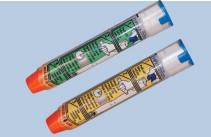
EpiPen® = one dose of 0.30 mg epinephrine (USP, 1:1000, 0.3 mL)
EpiPen® JR
(epinephrine) Auto-Injector 0.15 mg
EpiPen® Jr = one dose of 0.15 mg epinephrine (USP, 1:2000, 0.3 mL)
Pharmacist - Please Dispense this Leaflet with Product
IMPORTANT INFORMATION
The patient and caregiver should read this information carefully before using EpiPen®or EpiPen®
Jr Auto-Injector. Please be prepared! Read the entire insert before an emergency occurs! EpiPen®
and EpiPen®
Jr Auto-Injectors are disposable, prefilled automatic injection devices for use during allergic emergencies. They contain a single dose of epinephrine which you inject into your outer thigh. EpiPen® and EpiPen® Jr Auto-Injector contain no latex. The EpiPen® and EpiPen®Jr Auto-Injectors are intended for people who have been prescribed this medication by their physician.
It's important that you have this emergency medicine with you at all times. If you need additional units to keep at work, school, etc, please talk to your doctor. This information does not take the place of talking with your doctor about your medical condition or your treatment.
What is the most important information I should know about EpiPen®
and EpiPen®
Jr Auto-Injector?
When you have allergic reaction (anaphylaxis) use the EpiPen®
or EpiPen®
Jr Auto-Injector right away and immediately go to your doctor or emergency room for more medical treatment.
- It is important not to be afraid to use the EpiPen® or EpiPen® Jr Auto-Injector for emergency treatment of allergic reactions (anaphylaxis). For most people, injection of the EpiPen® or EpiPen® Jr Auto-Injector in the thigh does not hurt, and use of the EpiPen® or EpiPen® Jr Auto-Injector early at the start of such allergic reactions is important to help prevent the allergic reaction from becoming worse.
- Inject EpiPen® or EpiPen® Jr Auto-Injector into the middle of the outer side of the thigh (upper leg).
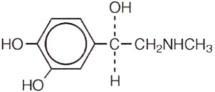
- Epinephrine, the active ingredient in EpiPen® and EpiPen® Jr Auto-Injectors is used to treat life-threatening allergic reactions (anaphylaxis). You should use this medication only if your doctor has prescribed it for allergic emergencies. Such emergencies may occur from insect stings or bites, foods, drugs, latex, other allergens, exercise induced anaphylaxis, or unknown causes.
- Make sure to tell your doctor about all your medical conditions and allergies.
- Always get medical treatment immediately after using EpiPen® or EpiPen® Jr Auto-Injector.
Since you cannot predict when a life-threatening allergic reaction may occur, carry the EpiPen®
or EpiPen®
Jr Auto-Injector with you at all times.
What is EpiPen®/EpiPen®
Jr Auto-Injector?
The EpiPen® and EpiPen® Jr Auto-Injectors are products used for the emergency injection of epinephrine. Epinephrine is a medicine used for life-threatening allergic reactions such as severe swelling, breathing problems, or loss of blood pressure. Allergic reactions can be caused by stinging and biting insects, allergy injections, food, medicines, exercise, or unknown causes.
Life-threatening allergic reactions may show up as closing of your breathing airways, wheezing, sneezing, hoarseness, hives, itching, swelling, skin redness, fast heartbeat, weak pulse, feeling very anxious, confusion, stomach pain, losing control of urine or bowel movements (incontinence), faintness, or "passing out" (unconsciousness).
The EpiPen® Auto-Injector (0.3 mg) is generally intended for patients who weigh 66 pounds or more (30 kilograms or more).
The EpiPen® Jr Auto-Injector (0.15 mg) is generally intended for patients who weigh approximately 33 to 66 pounds (15 to 30 kilograms).
Who should not use EpiPen®/EpiPen®
Jr Auto-Injector?
There are no absolute contraindications to the use of EpiPen® and EpiPen® Jr Auto-Injector in a life-threatening allergic reaction. People with certain medical conditions have a higher chance of having serious side effects from EpiPen® or EpiPen® Jr Auto-Injector.
Tell your doctor and pharmacist about all your medical conditions, but especially if you:
- Have heart disease or high blood pressure
- Have diabetes
- Have thyroid conditions
- Are pregnant
Tell your doctor about all the medicines you take, including prescription and non-prescription medicines, vitamins and herbal supplements. Inform your doctor of all known allergies. Some medicines may cause serious side effects if taken while you use EpiPen®/EpiPen® Jr Auto-Injector. Some medicines may affect how EpiPen®/EpiPen® Jr Auto-Injector works.
EpiPen® or EpiPen" Jr Auto-Injector may affect how your other medicines work.
What should I avoid while using EpiPen®/EpiPen®
Jr Auto-Injector?
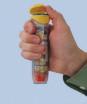
- NEVER PUT THUMB, FINGERS OR HAND OVER ORANGE TIP. NEVER PRESS OR PUSH ORANGE TIP WITH THUMB, FINGERS OR HAND. The needle comes out of orange tip. Accidental injection into finger, hands or feet may result in loss of blood flow to these areas. If this happens, go immediately to the nearest emergency room.
- Do not inject EpiPen® or EpiPen® Jr Auto-Injector into the buttock or any other part of the body, other than the middle of the outer side of your thigh (upper leg).
- Do not inject EpiPen® or EpiPen® Jr Auto-Injector into a vein.
- Do not drop carrier tube or auto-injector. If carrier tube or auto-injector is dropped, inspect for damage and leakage. Discard auto-injector and carrier tube, and replace if damage or leakage is noticed or suspected.
What are the possible side effects of EpiPen®/ EpiPen®
Jr Auto-Injector?
Too much epinephrine can cause dangerous high blood pressure or stroke.
If you take certain medicines, you may develop serious life-threatening side effects from the epinephrine in EpiPen®/ EpiPen®
Jr Auto-Injector. Be sure to tell your doctor all the medicines you take, especially medicines for asthma.
Patients with certain medical conditions, or who take certain medicines, may get more side effects from EpiPen®/ EpiPen® Jr Auto-Injector or the side effects may last longer. This includes patients who take certain types of medicines for asthma, allergies, depression, low thyroid, high blood pressure, and heart disease. Patients with heart disease may feel chest pain (angina).
EpiPen®/EpiPen® Jr Auto-Injector (epinephrine) can cause the following reactions. Some reactions can be serious. They usually go away with rest. Please notify your doctor if you experience any of these.
Common side effects of EpiPen®/EpiPen® Jr Auto-Injector include:
- Faster, irregular (wrong) or "pounding" heartbeat
- Sweating
- Nausea and vomiting
- Breathing problems
- Paleness
- Dizziness
- Weakness or shakiness
- Headache
- Feelings of over excitement, nervousness or anxiety
These are not all the possible side effects of
EpiPen®/EpiPen® Jr Auto-Injector.
For more information, ask your doctor or pharmacist.
Call your doctor for medical advice about side effects.
You may report side effects to FDA at 1-800-FDA-1088.
How should I store EpiPen®
/EpiPen®
Jr Auto-Injector?
- Keep the EpiPen® and EpiPen® Jr Auto-Injector nearby and ready for use at all times.
- Store at 25°C (77°F); excursions permitted to 15°C-30°C (59°F-86°F) (See USP Controlled Room Temperature). Contains no latex. Protect from light.
- Do NOT store in refrigerator.
- Do NOT expose to extreme cold or heat. For example, do NOT store in your vehicle's glove box.
- Examine contents in clear window of auto-injector periodically. If the solution is discolored or contains solid particles (precipitate), replace the unit. Solution should be clear.
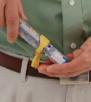
- Always keep your EpiPen
®
or EpiPen
®Jr Auto- Injector in the carrier tube with the blue safety release on until you need to use it.
Your auto-injector has an expiration date - Example:"DEC 08" = December 31, 2008
- Replace it before the expiration date.
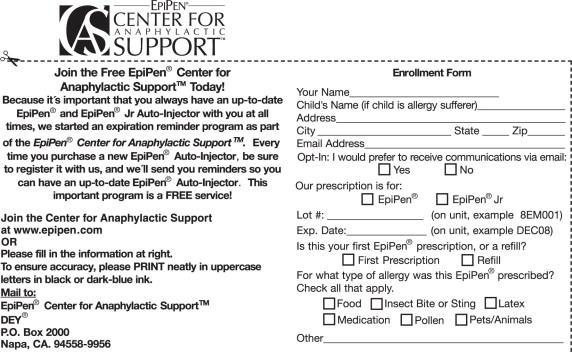
SEE OTHER SIDE FOR "DIRECTIONS FOR USE" AND FOR EPIPEN® CENTER FOR ANAPHYLACTIC SUPPORT™
FREE ENROLLMENT FORM.
DIRECTIONS FOR USE