Paricalcitol has been evaluated for safety in clinical studies in 609 CKD Stage 5 patients. In four, placebo-controlled, double-blind, multicenter studies, discontinuation of therapy due to any adverse event occurred in 6.5% of 62 patients treated with paricalcitol (dosage titrated as tolerated, see CLINICAL PHARMACOLOGY - Clinical Studies) and 2% of 51 patients treated with placebo for 1 to 3 months. Adverse events occurring in the paricalcitol group at a frequency of 2% or greater and with an incidence greater than that in the placebo group, regardless of causality, are presented in the following table:
Adverse Event Incidence Rates for All Treated Patients In All Placebo-Controlled Studies
Adverse Event
| Paricalcitol (n = 62)
%
| Placebo (n = 51)
%
|
Overall
| 71
| 78
|
Cardiac Disorders
|
Palpitations
| 3.2
| 0
|
Gastrointestinal Disorders
|
Dry Mouth
| 3.2
| 2
|
Gastrointestinal Hemorrhage
| 4.8
| 2
|
Nausea
| 12.9
| 7.8
|
Vomiting
| 8.1
| 5.9
|
General Disorders and Administration Site Conditions
|
Chills
| 4.8
| 2
|
Edema
| 6.5
| 0
|
Malaise
| 3.2
| 0
|
Pyrexia
| 4.8
| 2
|
Infections and Infestations
|
Influenza
| 4.8
| 3.9
|
Pneumonia
| 4.8
| 0
|
Sepsis
| 4.8
| 2
|
Musculoskeletal and Connective Tissue Disorders
|
Arthralgia
| 4.8
| 3.9
|
A patient who reported the same medical term more than once was counted only once for that medical term.
Safety parameters (changes in mean Ca, P, Ca × P) in an open-label safety study up to 13 months in duration support the long-term safety of paricalcitol in this patient population (see CLINICAL STUDIES).
Other Adverse Reactions Observed During Clinical Evaluation of Paricalcitol Injection
The following adverse reactions, with a causal relationship to paricalcitol, occurred in <2% of the paricalcitol treated patients in the above double-blind, placebo-controlled clinical trial data set. In addition, the following also includes adverse reactions reported in paricalcitol-treated patients who participated in other studies (non placebo-controlled), including double-blind, active-controlled and open-label studies:
Blood and Lymphatic System Disorders:
Anemia, lymphadenopathy
Cardiac Disorders:
Arrhythmia, atrial flutter, cardiac arrest
Ear and Labyrinth Disorders:
Ear discomfort
Endocrine Disorders:
Hyperparathyroidism, hypoparathyroidism
Eye Disorders:
Conjunctivitis, glaucoma, ocular hyperemia
Gastrointestinal Disorders:
Abdominal discomfort, constipation, diarrhea, dysphagia, gastritis, intestinal ischemia, rectal hemorrhage
General Disorders and Administration Site Conditions:
Asthenia, chest discomfort, chest pain, condition aggravated, edema peripheral, fatigue, feeling abnormal, gait disturbance, injection site extravasation, injection site pain, pain, swelling, thirst
Infections and Infestations:
Nasopharyngitis, upper respiratory tract infection, vaginal infection
Investigations:
Aspartate aminotransferase increased, bleeding time prolonged, heart rate irregular, laboratory test abnormal, weight decreased
Metabolism and Nutrition Disorders:
Decreased appetite, hypercalcemia, hyperkalemia, hyperphosphatemia, hypocalcemia
Musculoskeletal and Connective Tissue Disorders:
Joint stiffness, muscle twitching, myalgia
Neoplasms Benign, Malignant and Unspecified:
Breast cancer
Nervous System Disorders:
Cerebrovascular accident, dizziness, dysgeusia, headache, hypoesthesia, myoclonus, paresthesia, syncope, unresponsive to stimuli
Psychiatric Disorders:
Agitation, confusional state, delirium, insomnia, nervousness, restlessness
Reproductive System and Breast Disorders:
Breast pain, erectile dysfunction
Respiratory, Thoracic and Mediastinal Disorders:
Cough, dyspnea, orthopnea, pulmonary edema, wheezing
Skin and Subcutaneous Tissue Disorders:
Alopecia, blister, hirsutism, night sweats, rash pruritic, pruritus, skin burning sensation
Vascular Disorders:
Hypertension, hypotension
Additional Adverse Events Reported During Post-marketing Experience
Allergic reactions, such as rash, urticaria, and angioedema (including laryngeal edema) have been reported.

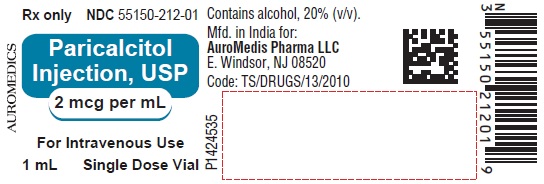


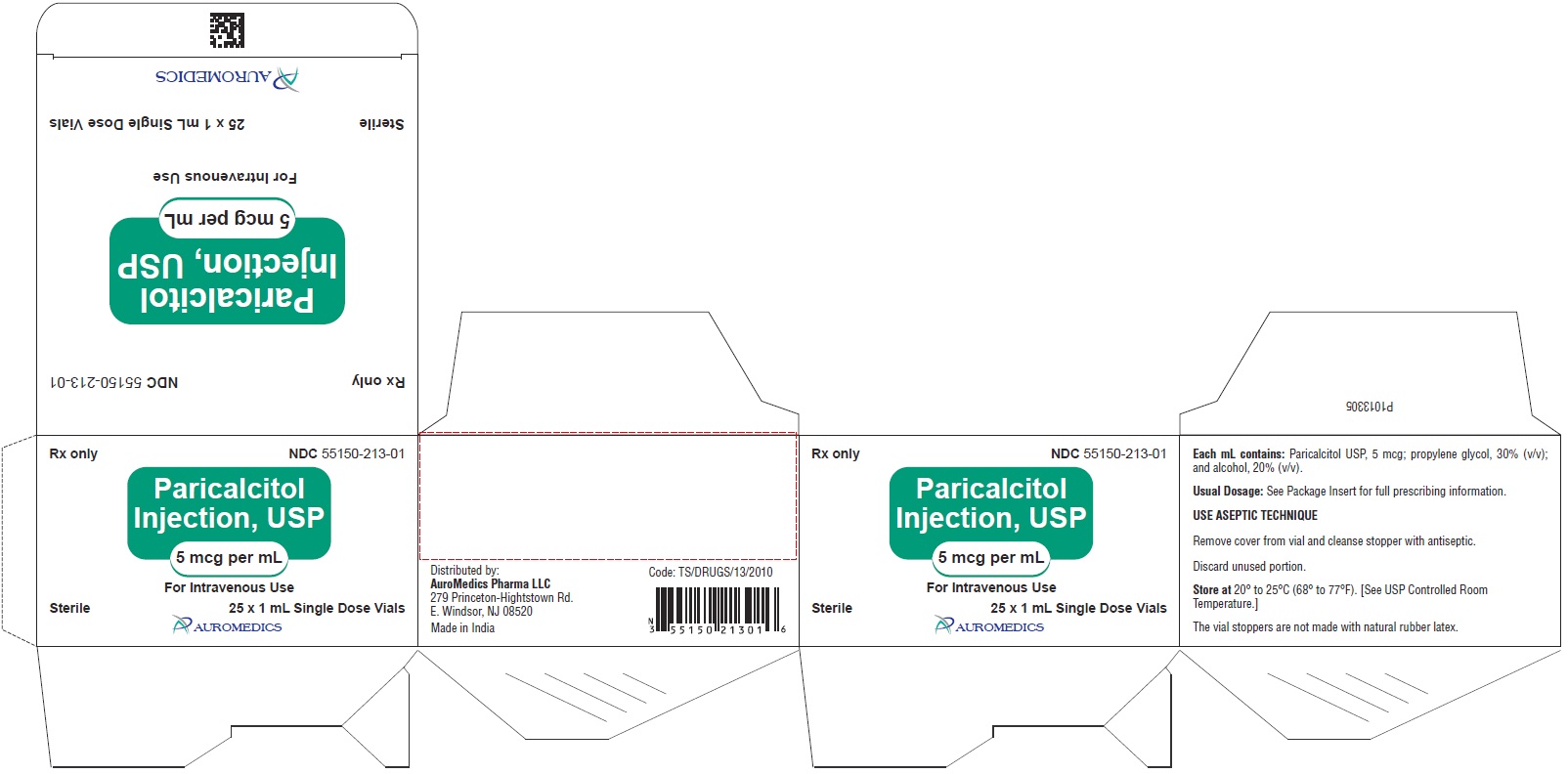
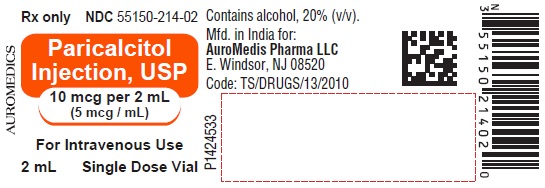
![Package Label-principal Display Panel – 10 Mcg/2 mL (5 Mcg/ml) [single Dose Vial] (Container Label)](https://ndclist.com/assets/spl/images/6937c596-9ca4-480e-9090-b9d8a3c271c8/paricalcitol-fig6.jpg "paricalcitol-fig6.jpg")
![Package Label-principal Display Panel (10 mcg/2 mL (5 mcg/mL) [Single Dose Vial])](https://ndclist.com/assets/spl/images/6937c596-9ca4-480e-9090-b9d8a3c271c8/paricalcitol-fig7.jpg "paricalcitol-fig7.jpg")
![Package Label-principal Display Panel – 10 Mcg/2 mL (5 Mcg/ml) [multi Dose Vial] (Container Label)](https://ndclist.com/assets/spl/images/6937c596-9ca4-480e-9090-b9d8a3c271c8/paricalcitol-fig8.jpg "paricalcitol-fig8.jpg")
