Clopidogrel Tablet, Film Coated
Product Images NDC 55154-2149

View Photos of Packaging, Regulatory Labels, and Product Appearance

Product Visual Gallery

This gallery contains 11 technical images submitted to the FDA as part of the official labeling for Clopidogrel (NDC 55154-2149). Unlike standard consumer photos, these assets often include clinical data figures, molecular chemical structures, and official manufacturer packaging layouts.

As provided by Cardinal Health 107, Llc, these visuals offer a comprehensive scientific overview of the product's physical and chemical identity, aiding pharmacists and researchers in product verification and study.

FDA Label Image

75mg Bag Label (C03a895c 2d74 4d7f 891f B752ce409b68 00)

75mg Bag Label (C03a895c 2d74 4d7f 891f B752ce409b68 00)
This text provides information about Clopidogrel Tablets, USP 75 mg. Each film-coated tablet contains 97.875 mg of clopidogrel bisulfate equivalent to 75 mg of clopidogrel base. It includes directions for storage, dosage information, and warns that the package is not child-resistant. The product is distributed by American Health Packaging and Cardinal Health. Pharmacists are advised to dispense it with a medication guide. The NDC number is 55154-2149-0, and it is intended for institutional use only.*
FDA Label Image

Figure 1: Exposure To Clopidogrel Active Metabolite Following Multiple Doses Of Clopidogrel 75 mg Alone Or With Proton Pump Inhibitors (ppis) (Figure1)

FDA Label Image

Figure 2: Cardiovascular Death, Myocardial Infarction, And Stroke In The Cure Study (Figure2)

Figure 2: Cardiovascular Death, Myocardial Infarction, And Stroke In The Cure Study (Figure2)
This information presents the results of a study comparing the occurrence of cardiovascular death, myocardial infarction, and stroke in patients treated with placebo with aspirin, and those treated with clopidogrel with aspirin. The data shows a statistically significant difference in the cumulative event rate between the two groups. The study conducted over 12 months with the inclusion of other standard therapies as needed.*
FDA Label Image

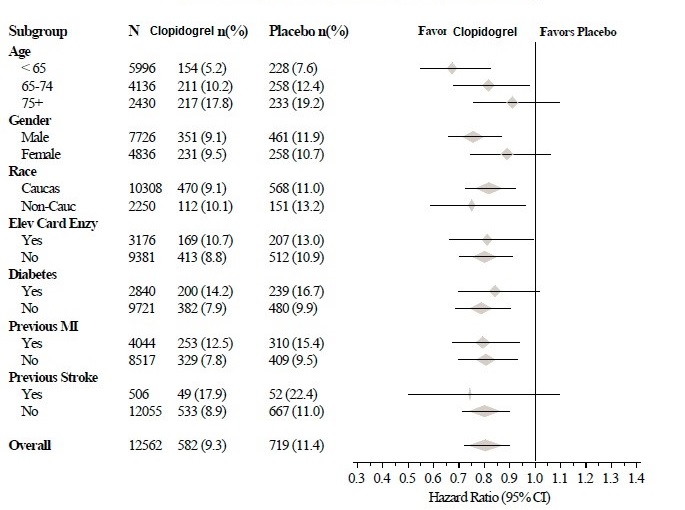
Figure 3: Hazard Ratio For Patient Baseline Charecteristics And On-study Concomitant Medications/interventions For The Cure Study (Figure3a)

FDA Label Image

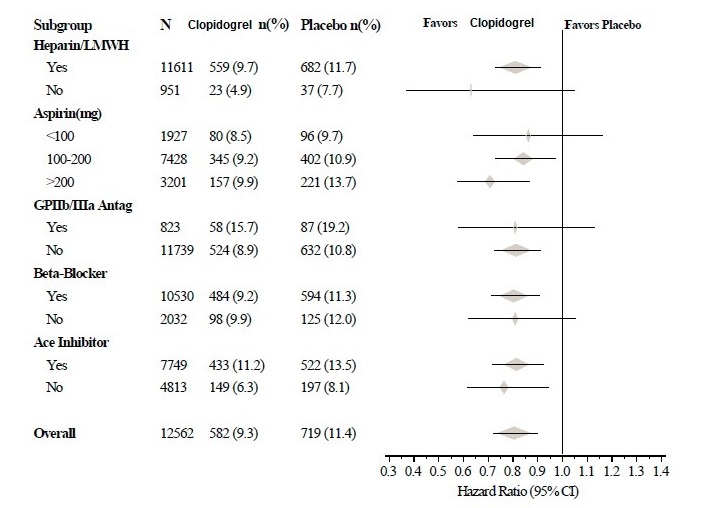
Figure 3: Hazard Ratio For Patient Baseline Characteristics And On-study Concomitant Medications/interventions For The Cure Study (continued) (Figure3b)

FDA Label Image

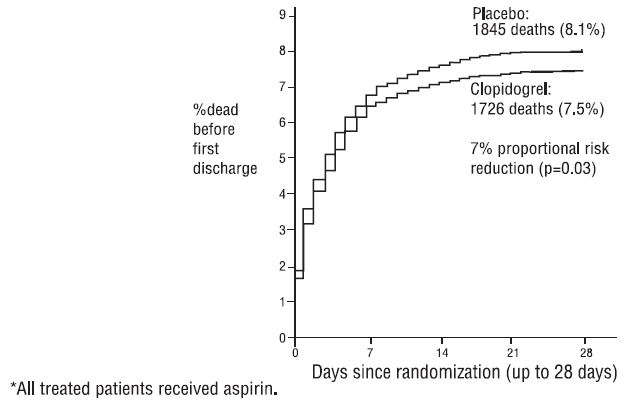
Figure 4: Cumulative Event Rates For Death In The Commit Study* (Figure4)

Figure 4: Cumulative Event Rates For Death In The Commit Study* (Figure4)
This text provides data on the impact of clopidogrel compared to a placebo on patient outcomes. The study shows that among treated patients, there were 1845 deaths (8.1%) in the placebo group and 1726 deaths (7.5%) in the clopidogrel group. There was a 7% proportional risk reduction in the clopidogrel group compared to the placebo group, with a statistically significant p-value of 0.03. All treated patients received aspirin, and the evaluation period was up to 28 days from randomization.*
FDA Label Image

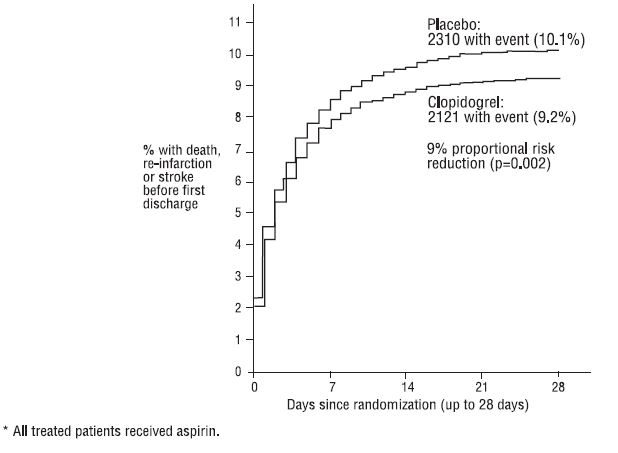
Figure 5: Cumulative Event Rates For The Combined Endpoint Re-infarction, Stroke Or Death In The Commit Study* (Figure5)

Figure 5: Cumulative Event Rates For The Combined Endpoint Re-infarction, Stroke Or Death In The Commit Study* (Figure5)
This text mentions the use of aspirin in the treatment of patients at risk of death, re-infarction, or stroke. The comparison between two groups, one receiving placebo and the other receiving clopidogrel, shows a 9% risk reduction in the clopidogrel group. The data is presented in relation to the number of events experienced by each group over a period of up to 28 days post-randomization.*
FDA Label Image

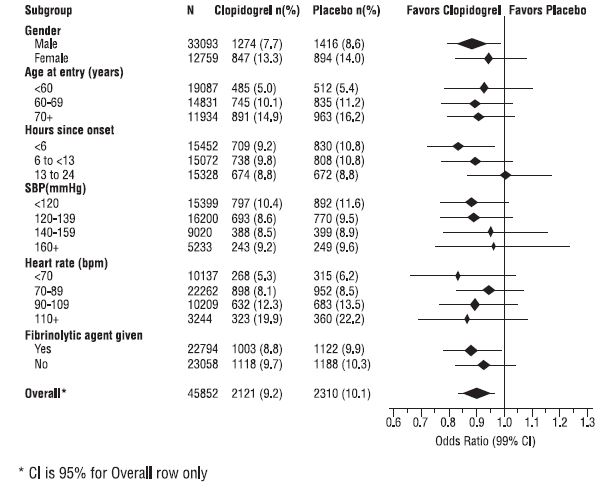
Figure 6: Effects Of Adding Clopidogrel To Aspirin On The Combined Primary Endpoint Across Baseline And Concomitant Medication Subgroups For The Commit Study (Figure6)

Figure 6: Effects Of Adding Clopidogrel To Aspirin On The Combined Primary Endpoint Across Baseline And Concomitant Medication Subgroups For The Commit Study (Figure6)
This seems to be a table showing the distribution and percentages of participants for different subgroups based on various factors like gender, age, hours since onset, systolic blood pressure, heart rate, and whether a fibrinolytic agent was given. It also includes the Odds Ratios with 99% Confidence Intervals for the Overall row. The data might be related to a study or clinical trial evaluating the effects of Clopidogrel compared to a placebo on different subgroups based on these factors.*
FDA Label Image

Figure 7: Fatal Or Nonfatal Vascular Events In The Caprie Study (Figure7)

Figure 7: Fatal Or Nonfatal Vascular Events In The Caprie Study (Figure7)
This text presents a comparison of cumulative event rates for fatal or non-fatal vascular events between Aspirin and Clopidogrel at different time points (12, 18, 24, 30 months) of follow-up, with the final data point shown at 36 months.*
FDA Label Image

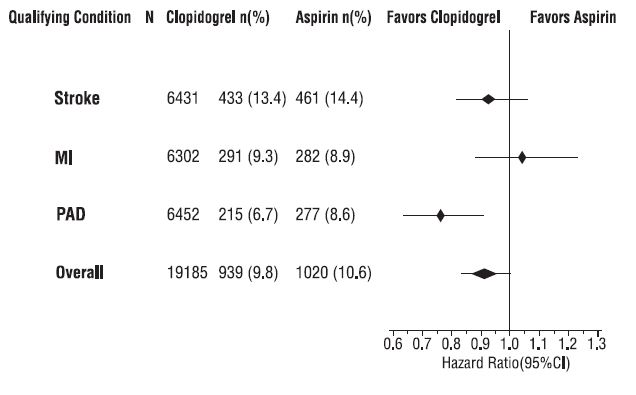
Figure 8: Hazard Ratio And 95% Ci By Baseline Subgroups In The Caprie Study (Figure8)

Figure 8: Hazard Ratio And 95% Ci By Baseline Subgroups In The Caprie Study (Figure8)
This data table shows the number and percentage of participants experiencing different events (Stroke, MI, PAD) when taking Clopidogrel versus Aspirin. It also presents the overall results and Hazard Ratios for comparison. The table is structured to indicate which treatment (Clopidogrel or Aspirin) had better outcomes for each condition, making it a valuable resource for analyzing the effectiveness of the two medications.*
FDA Label Image

Structural Formula (Structure)

* These product label images have been analyzed using experimental machine learning. Please verify findings with the primary label text.