Memantine Hydrochloride Tablet
Product Images NDC 55154-2667

View Photos of Packaging, Regulatory Labels, and Product Appearance

Product Visual Gallery

This gallery contains 11 technical images submitted to the FDA as part of the official labeling for Memantine Hydrochloride (NDC 55154-2667). Unlike standard consumer photos, these assets often include clinical data figures, molecular chemical structures, and official manufacturer packaging layouts.

As provided by Cardinal Health 107, Llc, these visuals offer a comprehensive scientific overview of the product's physical and chemical identity, aiding pharmacists and researchers in product verification and study.

FDA Label Image

5ddb38cb D523 4441 8359 9cbb2ad39a26 00
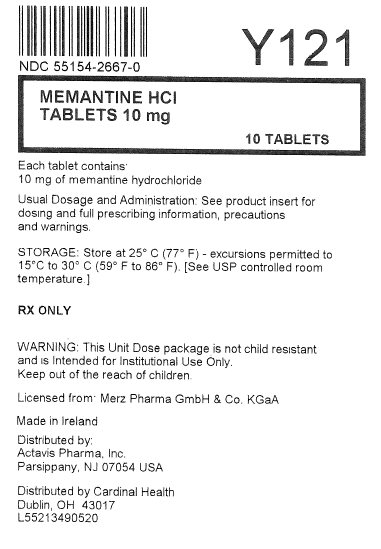
5ddb38cb D523 4441 8359 9cbb2ad39a26 00
Label for memantine hydrochloride tablets 10 mg, available in a 10-tablet unit dose package. The label includes storage instructions, usage warnings, manufacturer and distributor information, and notes that it is an institutional use package not child resistant.*
FDA Label Image

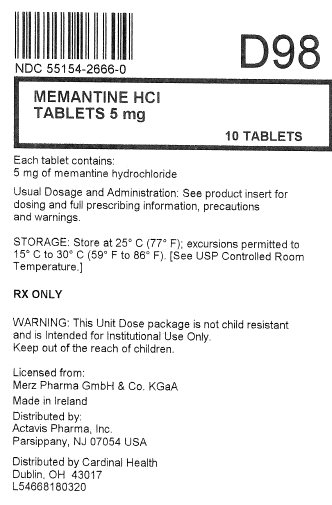
5ddb38cb D523 4441 8359 9cbb2ad39a26 01

5ddb38cb D523 4441 8359 9cbb2ad39a26 01
Drug facts panel for memantine hydrochloride tablets 5 mg, 10 count. It includes dosage strength, storage instructions, prescription status, warnings about child safety, and licensing and distribution information from Merz Pharma GmbH & Co. KGaA, Actavis Pharma, Inc., and Cardinal Health.*
FDA Label Image

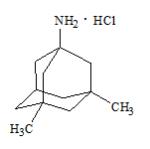
The Following Structural Formula For Memantine Hydrochloride Tablets Are An Orally Active Nmda Receptor Antagonist. The Chemical Name For Memantine Hydrochloride Is 1-amino-3,5-dimethyladamantane Hydrochloride. (Memantine Hydrochloride Tablets 01)

The Following Structural Formula For Memantine Hydrochloride Tablets Are An Orally Active Nmda Receptor Antagonist.  The Chemical Name For Memantine Hydrochloride Is 1-amino-3,5-dimethyladamantane Hydrochloride. (Memantine Hydrochloride Tablets 01)
Chemical structure of memantine hydrochloride showing a cage-like tricyclic amine with chlorine as part of the hydrochloride salt.*
FDA Label Image

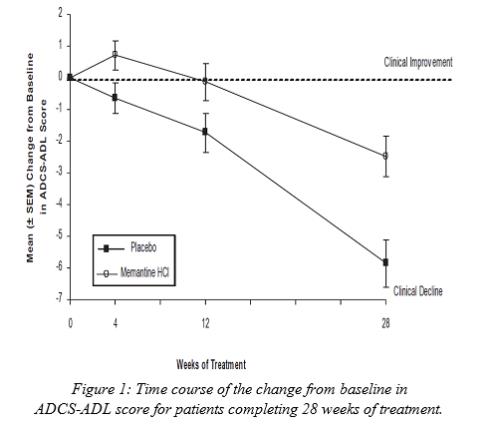
Figure 1 (Memantine Hydrochloride Tablets 02)

Figure 1 (Memantine Hydrochloride Tablets 02)
A line graph showing the mean change from baseline in ADCS-ADL scores over 28 weeks of treatment, comparing memantine hydrochloride (Memantine HCl) with placebo. The y-axis represents mean ± SEM change in score, with clinical improvement and decline marked. The graph shows less decline in scores over time for the memantine group compared to placebo.*
FDA Label Image

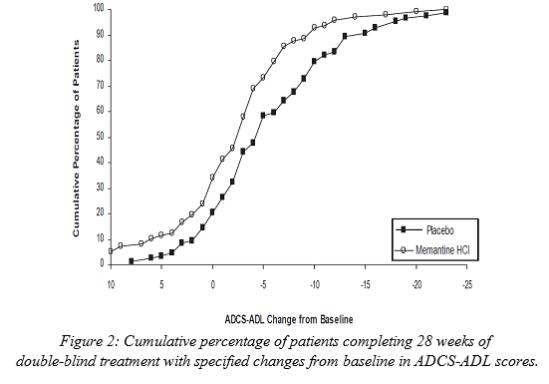
Figure 2 (Memantine Hydrochloride Tablets 03)

Figure 2 (Memantine Hydrochloride Tablets 03)
A cumulative percentage plot showing patients completing 28 weeks of double-blind treatment. The graph compares placebo and memantine hydrochloride groups, plotting cumulative percentage of patients against ADCS-ADL score changes from baseline.*
FDA Label Image

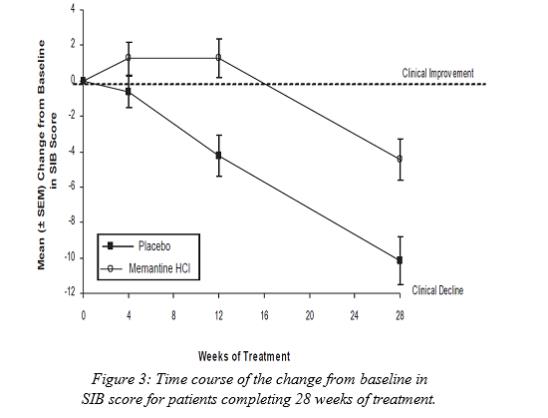
Figure 3 (Memantine Hydrochloride Tablets 04)

Figure 3 (Memantine Hydrochloride Tablets 04)
A line graph showing the mean change from baseline in SIB score over 28 weeks of treatment, comparing Placebo and Memantine Hydrochloride (HCl). The graph includes error bars and labels for clinical improvement and decline, illustrating the time course of treatment effects on patients' scores.*
FDA Label Image

Figure 4 (Memantine Hydrochloride Tablets 05)

Figure 4 (Memantine Hydrochloride Tablets 05)
A line graph depicting the cumulative percentage of patients completing 28 weeks of double-blind treatment with memantine hydrochloride versus placebo, showing specified changes from baseline in SIB (Severe Impairment Battery) scores. The x-axis represents SIB change from baseline, with negative values improving performance, and the y-axis indicates cumulative percentage of patients, ranging from 0 to 100%. Memantine-treated patients show a higher cumulative percentage across greater negative SIB score changes compared to placebo.*
FDA Label Image

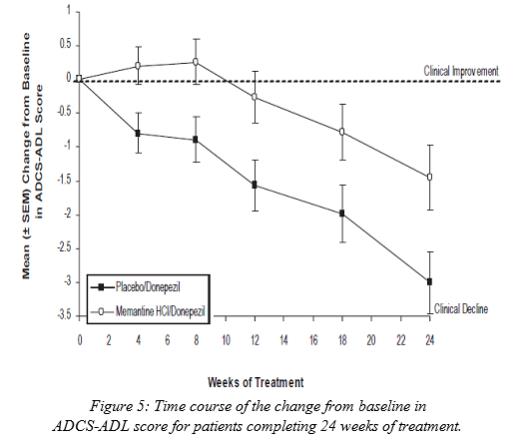
Figure 5 (Memantine Hydrochloride Tablets 06)

Figure 5 (Memantine Hydrochloride Tablets 06)
A line graph showing the mean change from baseline in ADCS-ADL scores over 24 weeks of treatment. The graph compares two treatments: Placebo/Donepezil (solid squares) showing clinical decline, and Memantine HCl/Donepezil (open circles) with lesser decline. The y-axis represents mean change, and the x-axis indicates weeks of treatment. Error bars represent SEM.*
FDA Label Image

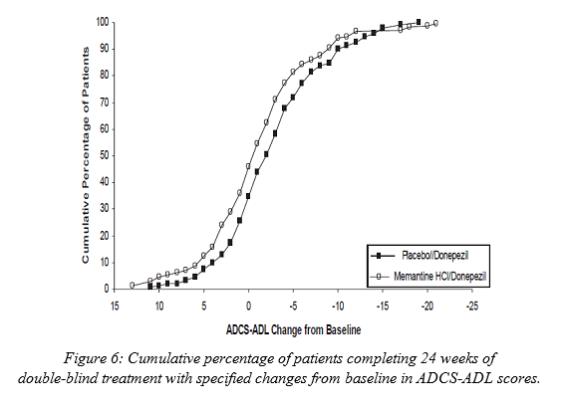
Figure 6 (Memantine Hydrochloride Tablets 07)

Figure 6 (Memantine Hydrochloride Tablets 07)
A cumulative percentage line chart comparing patient responses over 24 weeks for Placebo/Donepezil versus Memantine HCl/Donepezil treatments. The x-axis shows ADCS-ADL change from baseline, and the y-axis shows the cumulative percentage of patients. Two distinct curves represent the treatment groups.*
FDA Label Image

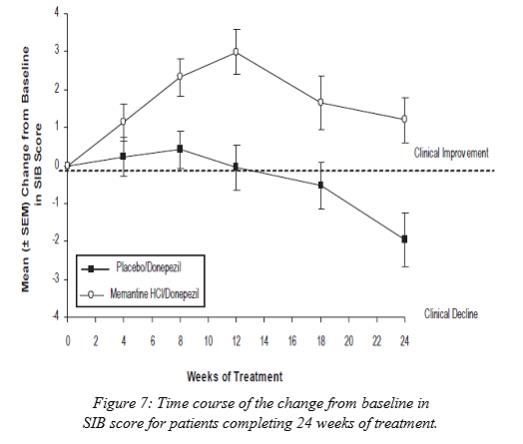
Figure 7 (Memantine Hydrochloride Tablets 08)

Figure 7 (Memantine Hydrochloride Tablets 08)
Line graph showing the mean change from baseline in SIB score over 24 weeks of treatment. Two treatments compared: Placebo/Donepezil (squares) and Memantine HCl/Donepezil (circles). The Memantine HCl/Donepezil group shows a peak clinical improvement around 12 weeks, then gradual decline but remains above baseline, whereas Placebo/Donepezil shows minimal change and eventual clinical decline. Error bars indicate SEM variability at each time point.*
FDA Label Image

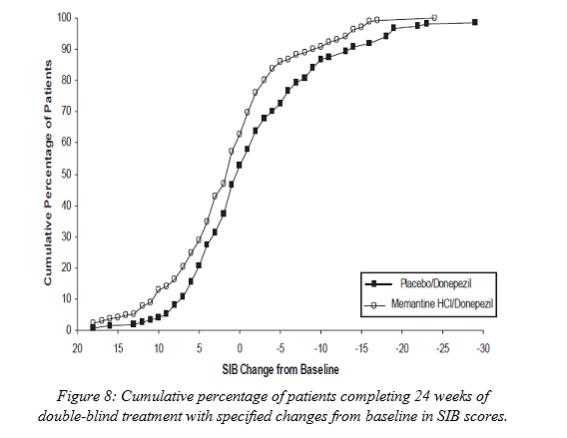
Figure 8 (Memantine Hydrochloride Tablets 09)

Figure 8 (Memantine Hydrochloride Tablets 09)
A cumulative percentage line graph comparing patients completing 24 weeks of treatment on Placebo/Donepezil and Memantine HCl/Donepezil. The x-axis represents SIB (Severe Impairment Battery) change from baseline, ranging from approximately +20 to -30. The y-axis shows cumulative percentage of patients from 0% to 100%. Two lines plot patient responses: one with squares for Placebo/Donepezil and one with circles for Memantine HCl/Donepezil.*

* About these descriptions: Image descriptions on this page are generated by automated AI analysis of the product label images from the manufacturer's FDA label submission (SPL). They are provided for reference only and may contain errors or omissions. Always rely on the printed label itself and the official FDA labeling, and consult a pharmacist or healthcare professional with any questions about this product.