Limitations of Use
Neulasta is not indicated for the mobilization of peripheral blood progenitor cells for hematopoietic stem cell transplantation.
Pediatric Patients weighing less than 45 kg
The Neulasta prefilled syringe is not designed to allow for direct administration of doses less than 0.6 mL (6 mg). The syringe does not bear graduation marks, which are necessary to accurately measure doses of Neulasta less than 0.6 mL (6 mg) for direct administration to patients. Thus, the direct administration to patients requiring dosing of less than 0.6 mL (6 mg) is not recommended due to the potential for dosing errors. Refer to Table 1.
Table 1. Dosing of Neulasta for pediatric patients weighing less than 45 kg| Body Weight | Neulasta Dose | Volume to Administer |
|---|
| Less than 10 kg For pediatric patients weighing less than 10 kg, administer 0.1 mg/kg (0.01 mL/kg) of Neulasta. | See below | See below |
| 10 - 20 kg | 1.5 mg | 0.15 mL |
| 21 - 30 kg | 2.5 mg | 0.25 mL |
| 31 - 44 kg | 4 mg | 0.4 mL |
Leukocytosis
In clinical studies, leukocytosis (WBC counts > 100 × 109/L) was observed in less than 1% of 932 patients with non-myeloid malignancies receiving Neulasta. No complications attributable to leukocytosis were reported in clinical studies.
Risk Summary
Although available data with Neulasta use in pregnant women are insufficient to establish whether there is a drug associated risk of major birth defects, miscarriage, or adverse maternal or fetal outcomes, there are available data from published studies in pregnant women exposed to filgrastim products. These studies have not established an association of filgrastim product use during pregnancy with major birth defects, miscarriage, or adverse maternal or fetal outcomes.
In animal studies, no evidence of reproductive/developmental toxicity occurred in the offspring of pregnant rats that received cumulative doses of pegfilgrastim approximately 10 times the recommended human dose (based on body surface area). In pregnant rabbits, increased embryolethality and spontaneous abortions occurred at 4 times the maximum recommended human dose simultaneously with signs of maternal toxicity (see Data).
The estimated background risk of major birth defects and miscarriage for the indicated population is unknown. All pregnancies have a background risk of birth defect, loss, or other adverse outcomes. In the U.S. general population, the estimated background risks of major birth defects and miscarriage in clinically recognized pregnancies is 2-4% and 15-20%, respectively.
Data
Animal Data
Pregnant rabbits were dosed with pegfilgrastim subcutaneously every other day during the period of organogenesis. At cumulative doses ranging from the approximate human dose to approximately 4 times the recommended human dose (based on body surface area), the treated rabbits exhibited decreased maternal food consumption, maternal weight loss, as well as reduced fetal body weights and delayed ossification of the fetal skull; however, no structural anomalies were observed in the offspring from either study. Increased incidences of post-implantation losses and spontaneous abortions (more than half the pregnancies) were observed at cumulative doses approximately 4 times the recommended human dose, which were not seen when pregnant rabbits were exposed to the recommended human dose.
Three studies were conducted in pregnant rats dosed with pegfilgrastim at cumulative doses up to approximately 10 times the recommended human dose at the following stages of gestation: during the period of organogenesis, from mating through the first half of pregnancy, and from the first trimester through delivery and lactation. No evidence of fetal loss or structural malformations was observed in any study. Cumulative doses equivalent to approximately 3 and 10 times the recommended human dose resulted in transient evidence of wavy ribs in fetuses of treated mothers (detected at the end of gestation but no longer present in pups evaluated at the end of lactation).
Risk Summary
There are no data on the presence of pegfilgrastim in human milk, the effects on the breastfed child, or the effects on milk production. Other filgrastim products are secreted poorly into breast milk, and filgrastim products are not absorbed orally by neonates. The developmental and health benefits of breastfeeding should be considered along with the mother's clinical need for Neulasta and any potential adverse effects on the breastfed child from Neulasta or from the underlying maternal condition.
Specific Populations
No gender-related differences were observed in the pharmacokinetics of pegfilgrastim, and no differences were observed in the pharmacokinetics of geriatric patients (≥ 65 years of age) compared with younger patients (< 65 years of age) [see Use in Specific Populations (8.5)].
Renal Impairment
In a study of 30 subjects with varying degrees of renal dysfunction, including end stage renal disease, renal dysfunction had no effect on the pharmacokinetics of pegfilgrastim.
Pediatric Patients with Cancer Receiving Myelosuppressive Chemotherapy
The pharmacokinetics and safety of pegfilgrastim were studied in 37 pediatric patients with sarcoma in Study 4 [see Clinical Studies (14.1)]. The mean (± standard deviation [SD]) systemic exposure (AUC0-inf) of Neulasta after subcutaneous administration at 100 mcg/kg was 47.9 (± 22.5) mcg∙hr/mL in the youngest age group (0 to 5 years, n = 11), 22.0 (± 13.1) mcg∙hr/mL in the 6 to 11 years age group (n = 10), and 29.3 (± 23.2) mcg∙hr/mL in the 12 to 21 years age group (n = 13). The terminal elimination half-lives of the corresponding age groups were 30.1 (± 38.2) hours, 20.2 (± 11.3) hours, and 21.2 (± 16.0) hours, respectively.
Patients Acutely Exposed to Myelosuppressive Doses of Radiation
The pharmacokinetics of pegfilgrastim is not available in patients acutely exposed to myelosuppressive doses of radiation. Based on limited pharmacokinetic data in irradiated non-human primates, the area under the concentration-time curve (AUC), reflecting the exposure to pegfilgrastim in non-human primates following a 300 mcg/kg dose of Neulasta, appears to be greater than in humans receiving a 6 mg dose. Results from population modeling and simulation indicate that two 6 mg doses of Neulasta administered one week apart in adults result in clinically relevant effects on duration of grade 3 and 4 neutropenia. In addition, weight based dosing in pediatric patients weighing less than 45 kg [see Dosage and Administration, Section 2.3, Table 1] provides exposures comparable to those in adults receiving two 6 mg doses one week apart.
Neulasta single-dose prefilled syringe for manual use
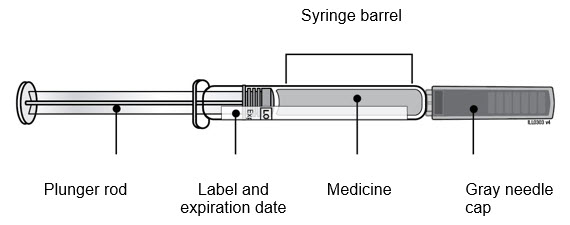
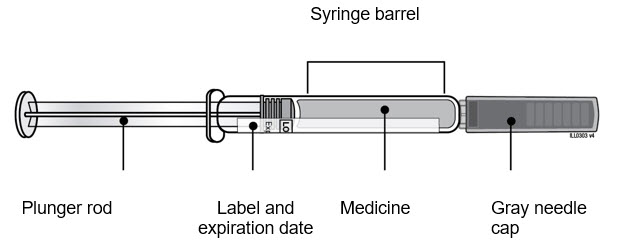
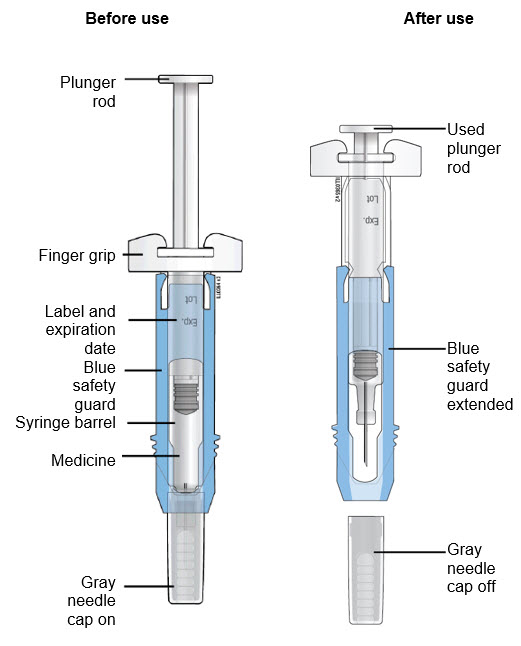
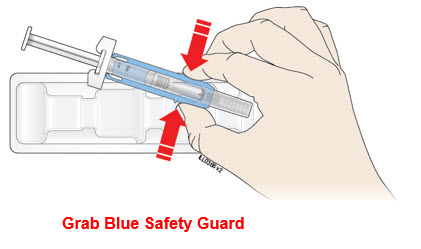
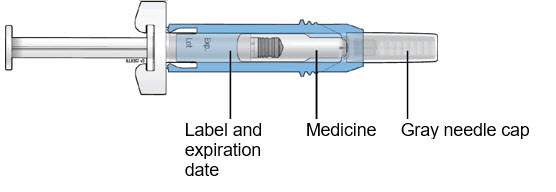
Neulasta injection is a clear, colorless solution supplied in a prefilled single-dose syringe for manual use containing 6 mg pegfilgrastim, supplied with a 27-gauge, 1/2-inch needle with an UltraSafe® Needle Guard.
The needle cap of the prefilled syringe contains dry natural rubber (a derivative of latex).
Neulasta is provided in a dispensing pack containing one sterile 6 mg/0.6 mL prefilled syringe (NDC 55513-190-01).
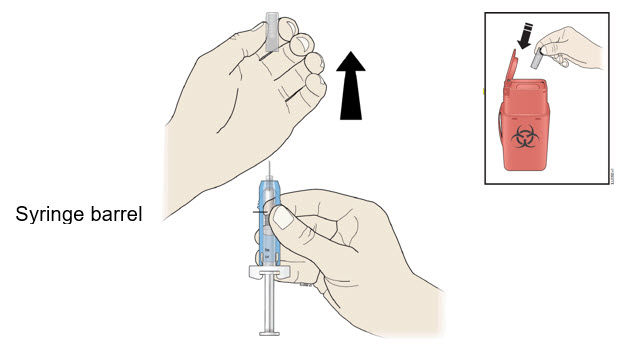
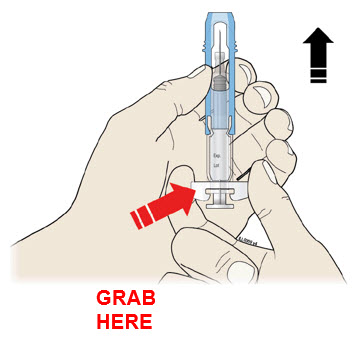
Neulasta prefilled syringe does not bear graduation marks and is intended only to deliver the entire contents of the syringe (6 mg/0.6 mL) for direct administration. Use of the prefilled syringe is not recommended for direct administration for pediatric patients weighing less than 45 kg who require doses that are less than the full contents of the syringe.
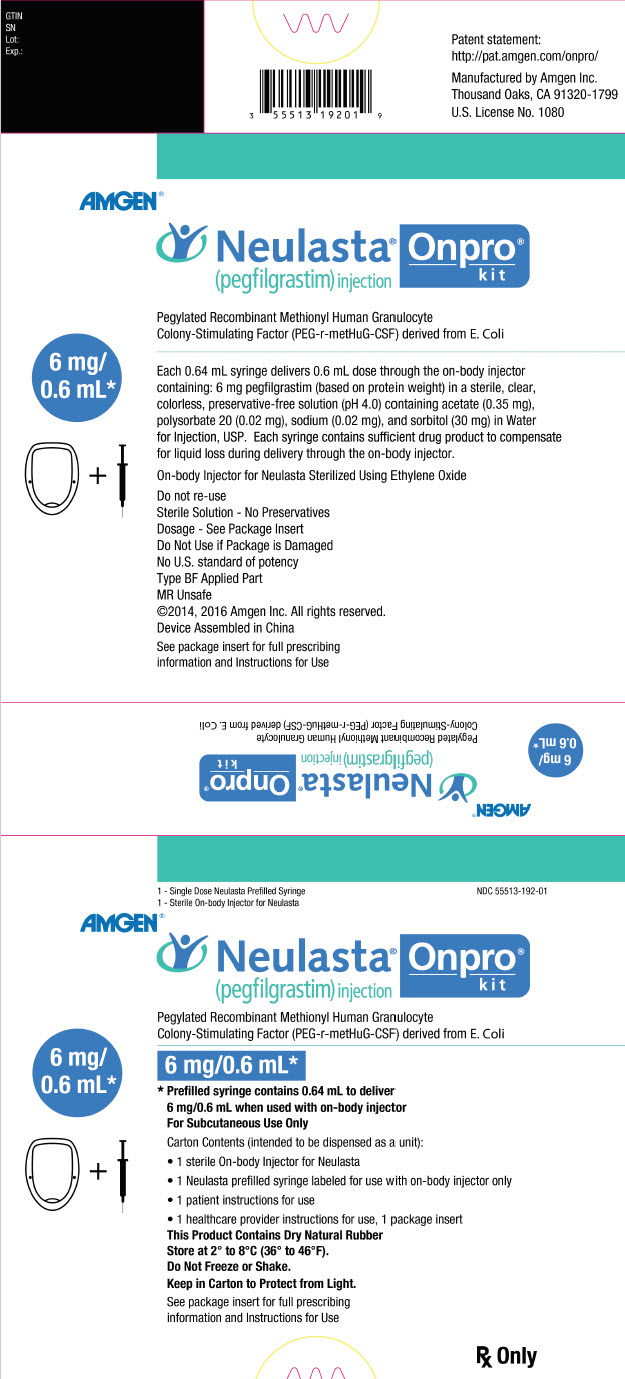
Neulasta Onpro® kit
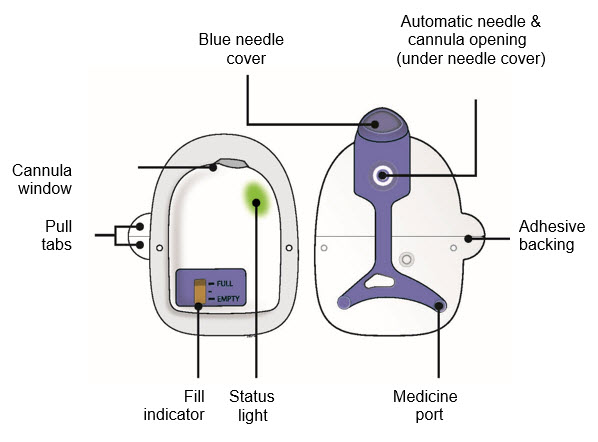
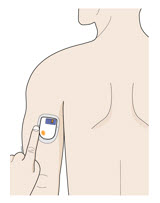
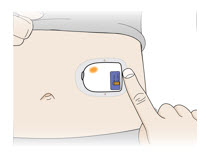
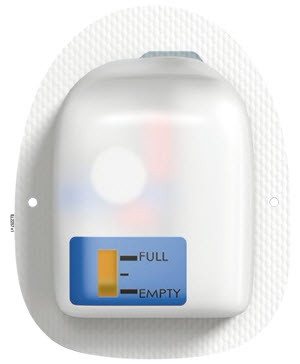
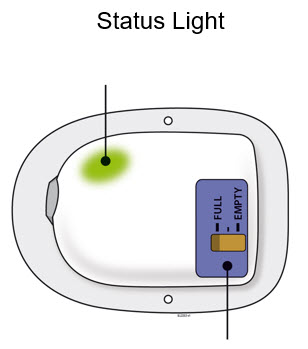
Neulasta Onpro kit is provided in a carton containing one sterile prefilled syringe and one sterile on-body injector (OBI) for Neulasta (NDC 55513-192-01).
The Neulasta injection single-dose prefilled syringe contains 0.64 mL of a clear, colorless solution that delivers 6 mg/0.6 mL of pegfilgrastim when used with the OBI for Neulasta. The prefilled syringe is supplied with a 27-gauge, 1/2-inch needle. The syringe does not bear graduation marks and is only to be used with the OBI for Neulasta.
The needle cap of the prefilled syringe contains dry natural rubber (a derivative of latex).
Neulasta® (pegfilgrastim)
Manufactured by:
Amgen Inc.
One Amgen Center Drive
Thousand Oaks, California 91320-1799
U.S. License No. 1080
Patent: http://pat.amgen.com/onpro/
© 2002-2021 Amgen Inc. All rights reserved.
www.neulasta.com
1-800-77-AMGEN (1-800-772-6436)
v27