Other
Zolpidem tartrate tablets are indicated for the short-term treatment of insomnia characterized by difficulties with sleep initiation. Zolpidem tartrate tablets have been shown to decrease sleep latency for up to 35 days in controlled clinical studies [see Clinical Studies (14)].
The clinical trials performed in support of efficacy were 4-5 weeks in duration with the final formal assessments of sleep latency performed at the end of treatment.
The dose of zolpidem tartrate tablets should be individualized.
Zolpidem tartrate tablets are available in 5 mg and 10 mg strength tablets for oral administration. Tablets are not scored.
Zolpidem tartrate tablets 5 mg are pink, film coated, capsule shaped tablets, debossed with "W714" on one side and plain on the other side. Zolpidem tartrate tablets 10 mg are white, film coated, capsule shaped tablets, debossed with "W715" on one side and plain on the other side.
Zolpidem tartrate tablet is contraindicated in patients with known hypersensitivity to zolpidem tartrate or to any of the inactive ingredients in the formulation. Observed reactions include anaphylaxis and angioedema [see Warnings and Precautions (5.2)].
The following serious adverse reactions are discussed in greater detail in other sections of the labeling:
- Serious anaphylactic and anaphylactoid reactions [see Warnings and Precautions (5.2)]
- Abnormal thinking, behavior changes, and complex behaviors [see Warnings and Precautions (5.3)]
- Withdrawal effects [see Warnings and Precautions (5.4)]
- CNS-depressant effects [see Warnings and Precautions (5.5)]
- have a history of depression, mental illness, or suicidal thoughts
- have a history of drug or alcohol abuse or addiction
- have kidney or liver disease
- have a lung disease or breathing problems
- are pregnant, planning to become pregnant, or breast feeding
- Take zolpidem tartrate tablets exactly as prescribed. Do not take more zolpidem tartrate tablets than prescribed for you.
- Take zolpidem tartrate tablets right before you get into bed.
- Do not take zolpidem tartrate tablets unless you are able to stay in bed a full night (7-8 hours) before you must be active again.
- For faster sleep onset, zolpidem tartrate tablets should NOT be taken with or immediately after a meal.
- Call your doctor if your insomnia worsens or is not better within 7 to 10 days. This may mean that there is another condition causing your sleep problem.
- If you take too much zolpidem tartrate tablets or overdose, call your doctor or poison control center right away, or get emergency treatment.
- getting out of bed while not being fully awake and do an activity that you do not know you are doing. (See "What is the most important information I should know about zolpidem tartrate tablets"?)
- abnormal thoughts and behavior. Symptoms include more outgoing or aggressive behavior than normal, confusion, agitation, hallucinations, worsening of depression, and suicidal thoughts or actions.
- memory loss
- anxiety
- severe allergic reactions. Symptoms include swelling of the tongue or throat, trouble breathing, and nausea and vomiting. Get emergency medical help if you get these symptoms after taking zolpidem tartrate tablets.
- drowsiness
- dizziness
- diarrhea
- "drugged feelings"
- You may still feel drowsy the next day after taking zolpidem tartrate tablets. Do not drive or do other dangerous activities after taking zolpidem tartrate tablets until you feel fully awake.
- Store at controlled room temperature 20°-25°C (68°-77°F) [see USP].
- Keep zolpidem tartrate tablets and all medicines out of reach of children.
- Medicines are sometimes prescribed for purposes other than those listed in a Medication Guide.
- Do not use zolpidem tartrate tablets for a condition for which it was not prescribed.
- Do not share zolpidem tartrate tablets with other people, even if you think they have the same symptoms that you have. It may harm them and it is against the law.
Dose relationship for adverse reactions: There is evidence from dose comparison trials suggesting a dose relationship for many of the adverse reactions associated with zolpidem use, particularly for certain CNS and gastrointestinal adverse events.
Adverse event incidence across the entire preapproval database: zolpidem tartrate tablets were administered to 3,660 subjects in clinical trials throughout the U.S., Canada, and Europe. Treatment-emergent adverse events associated with clinical trial participation were recorded by clinical investigators using terminology of their own choosing. To provide a meaningful estimate of the proportion of individuals experiencing treatment-emergent adverse events, similar types of untoward events were grouped into a smaller number of standardized event categories and classified utilizing a modified World Health Organization (WHO) dictionary of preferred terms.
The frequencies presented, therefore, represent the proportions of the 3,660 individuals exposed to zolpidem, at all doses, who experienced an event of the type cited on at least one occasion while receiving zolpidem. All reported treatment-emergent adverse events are included, except those already listed in the table above of adverse events in placebo-controlled studies, those coding terms that are so general as to be uninformative, and those events where a drug cause was remote. It is important to emphasize that, although the events reported did occur during treatment with zolpidem tartrate tablets, they were not necessarily caused by it.
Adverse events are further classified within body system categories and enumerated in order of decreasing frequency using the following definitions: frequent adverse events are defined as those occurring in greater than 1/100 subjects; infrequent adverse events are those occurring in 1/100 to 1/1,000 patients; rare events are those occurring in less than 1/1,000 patients.
Autonomic nervous system: Infrequent: increased sweating, pallor, postural hypotension, syncope. Rare: abnormal accommodation, altered saliva, flushing, glaucoma, hypotension, impotence, increased saliva, tenesmus.
Body as a whole: Frequent: asthenia. Infrequent: edema, falling, fatigue, fever, malaise, trauma. Rare: allergic reaction, allergy aggravated, anaphylactic shock, face edema, hot flashes, increased ESR, pain, restless legs, rigors, tolerance increased, weight decrease.
Cardiovascular system: Infrequent: cerebrovascular disorder, hypertension, tachycardia. Rare: angina pectoris, arrhythmia, arteritis, circulatory failure, extrasystoles, hypertension aggravated, myocardial infarction, phlebitis, pulmonary embolism, pulmonary edema, varicose veins, ventricular tachycardia.
Central and peripheral nervous system: Frequent: ataxia, confusion, euphoria, headache, insomnia, vertigo. Infrequent: agitation, anxiety, decreased cognition, detached, difficulty concentrating, dysarthria, emotional lability, hallucination, hypoesthesia, illusion, leg cramps, migraine, nervousness, paresthesia, sleeping (after daytime dosing), speech disorder, stupor, tremor. Rare: abnormal gait, abnormal thinking, aggressive reaction, apathy, appetite increased, decreased libido, delusion, dementia, depersonalization, dysphasia, feeling strange, hypokinesia, hypotonia, hysteria, intoxicated feeling, manic reaction, neuralgia, neuritis, neuropathy, neurosis, panic attacks, paresis, personality disorder, somnambulism, suicide attempts, tetany, yawning.
Gastrointestinal system: Frequent: dyspepsia, hiccup, nausea. Infrequent: anorexia, constipation, dysphagia, flatulence, gastroenteritis, vomiting. Rare: enteritis, eructation, esophagospasm, gastritis, hemorrhoids, intestinal obstruction, rectal hemorrhage, tooth caries.
Hematologic and lymphatic system: Rare: anemia, hyperhemoglobinemia, leukopenia, lymphadenopathy, macrocytic anemia, purpura, thrombosis.
Immunologic system: Infrequent: infection. Rare: abscess herpes simplex herpes zoster, otitis externa, otitis media.
Liver and biliary system: Infrequent: abnormal hepatic function, increased SGPT. Rare: bilirubinemia, increased SGOT.
Metabolic and nutritional: Infrequent: hyperglycemia, thirst. Rare: gout, hypercholesteremia, hyperlipidemia, increased alkaline phosphatase, increased BUN, periorbital edema.
Musculoskeletal system: Frequent: arthralgia, myalgia. Infrequent: arthritis. Rare: arthrosis, muscle weakness, sciatica, tendinitis.
Reproductive system: Infrequent: menstrual disorder, vaginitis. Rare: breast fibroadenosis, breast neoplasm, breast pain.
Respiratory system: Frequent: upper respiratory infection. Infrequent: bronchitis, coughing, dyspnea, rhinitis.
Rare: bronchospasm, epistaxis, hypoxia, laryngitis, pneumonia.
Skin and appendages: Infrequent: pruritus. Rare: acne, bullous eruption, dermatitis, furunculosis, injection-site inflammation, photosensitivity reaction, urticaria.
Special senses: Frequent: diplopia, vision abnormal. Infrequent: eye irritation, eye pain, scleritis, taste perversion, tinnitus. Rare: conjunctivitis, corneal ulceration, lacrimation abnormal, parosmia, photopsia.
Urogenital system: Frequent: urinary tract infection. Infrequent: cystitis, urinary incontinence. Rare: acute renal failure, dysuria, micturition frequency, nocturia, polyuria, pyelonephritis, renal pain, urinary retention.
Manufactured By:
Wockhardt Limited,
Mumbai, India.
Distributed by:
Wockhardt USA LLC.
20 Waterview Blvd.
Parsippany, NJ 07054
USA.
Rev.230512
Who should not take zolpidem tartrate tablet?
Do not take zolpidem tartrate tablet if you are allergic to anything in it. See the end of this Medication Guide for a complete list of ingredients in zolpidem tartrate tablet.
Zolpidem tartrate tablets may not be right for you. Before starting zolpidem tartrate tablets, tell your doctor about all of your health conditions, including if you:
Tell your doctor about all of the medicines you take including prescription and nonprescription medicines, vitamins and herbal supplements. Medicines can interact with each other, sometimes causing serious side effects. Do not take zolpidem tartrate tablets with other medicines that can make you sleepy.
Know the medicines you take. Keep a list of your medicines with you to show your doctor and pharmacist each time you get a new medicine.
How should I take zolpidem tartrate tablets?
What are the possible side effects of zolpidem tartrate tablets? Serious side effects of zolpidem tartrate tablets include:
Call your doctor right away if you have any of the above side effects or any other side effects that worry you while using zolpidem tartrate tablets.
The most common side effects of zolpidem tartrate tablets are:
After you stop taking a sleep medicine, you may have symptoms for 1 to 2 days such as: trouble sleeping, nausea, flushing, lightheadedness, uncontrolled crying, vomiting, stomach cramps, panic attack, nervousness, and stomach area pain.
These are not all the side effects of zolpidem tartrate tablets. Ask your doctor or pharmacist for more information.
Call your doctor for medical advice about side effects. You may report side effects to FDA at 1-800-FDA-1088.
How should I store zolpidem tartrate tablets?
General Information about zolpidem tartrate tablets
This Medication Guide summarizes the most important information about zolpidem tartrate tablets. If you would like more information, talk with your doctor. You can ask your doctor or pharmacist for information about zolpidem tartrate tablets that is written for healthcare professionals. For more information about zolpidem tartrate tablets, call 1-800-346-6854.
What are the ingredients in zolpidem tartrate tablets?
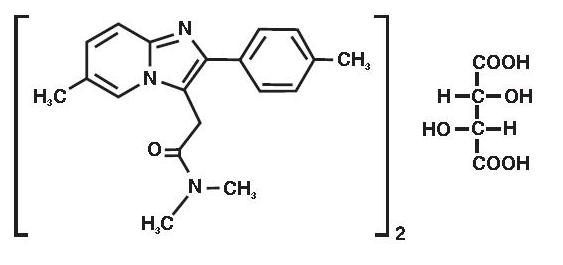
Active Ingredient: Zolpidem Tartrate
Inactive Ingredients: anhydrous lactose, microcrystalline cellulose, sodium starch glycolate, colloidal silicon dioxide, talc, magnesium stearate, hypromellose, polyethylene glycol, and titanium dioxide; the 5 mg tablet also contains iron oxide red.
Rx Only
This Medication Guide has been approved by the U.S. Food and Drug Administration.
Manufactured By:
Wockhardt Limited,
Mumbai, India.
Distributed by:
Wockhardt USA LLC.
20 Waterview Blvd.
Parsippany, NJ 07054
USA.
Rev.230512