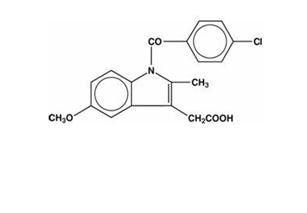
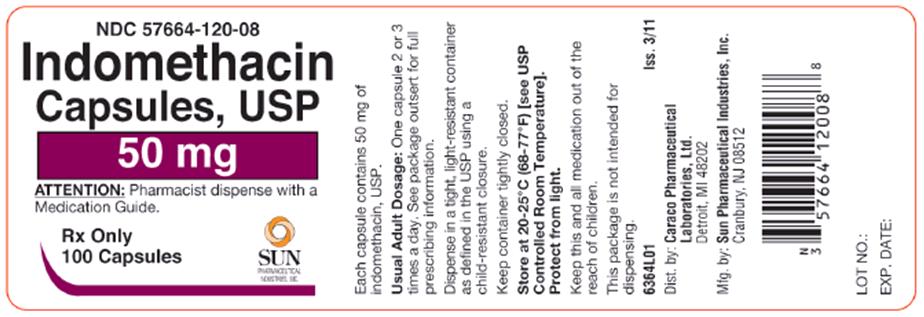
The adverse reactions for indomethacin capsules listed in the following table have been arranged into two groups: (1) incidence greater than 1%; and (2) incidence less than 1%. The incidence for group (1) was obtained from 33 double-blind controlled clinical trials reported in the literature (1,092 patients). The incidence for group (2) was based on reports in clinical trials, in the literature, and on voluntary reports since marketing. The probability of a causal relationship exists between indomethacin and these adverse reactions, some of which have been reported only rarely.
| Incidence greater than 1% |
GASTROINTESTINAL
nausea1 with or without vomiting
dyspepsia1 (including indigestion, heartburn and epigastric pain)
diarrhea
abdominal distress or pain
constipation
CENTRAL NERVOUS SYSTEM
headache (11.7%)
dizziness1
vertigo
somnolence
depression and fatigue (including malaise and listlessness)
SPECIAL SENSES
tinnitus
CARDIOVASCULAR
none
METABOLIC
none
INTEGUMENTARY
none
HEMATOLOGIC
none
HYPERSENSITIVITY
none
GENITOURINARY
none
MISCELLANEOUS
none
| 1Reactions occurring in 3% to 9% of patients treated with indomethacin. (Those reactions occurring in less than 3% of the patients are unmarked.) |
GASTROINTESTINAL
anorexia
bloating (includes distention)
flatulence
peptic ulcer
gastroenteritis
rectal bleeding
proctitis
single or multiple ulcerations, including perforation and hemorrhage of the esophagus, stomach, duodenum or small and large intestines
intestinal ulceration associated with stenosis and obstruction
gastrointestinal bleeding without obvious ulcer formation and perforation of preexisting sigmoid lesions (diverticulum, carcinoma, etc.) development of ulcerative colitis and regional ileitis
ulcerative stomatitis
toxic hepatitis and jaundice (some fatal cases have been reported) intestinal strictures (diaphragms)
CENTRAL NERVOUS SYSTEM
anxiety (includes nervousness)
muscle weakness
involuntary muscle movements
insomnia
muzziness
psychic disturbances including psychotic episodes
mental confusion
drowsiness
light-headedness
syncope
paresthesia
aggravation of epilepsy and parkinsonism
depersonalization
coma
peripheral neuropathy
convulsions
dysarthria
SPECIAL SENSES
ocular-corneal deposits and retinal disturbances, including those of the macula, have been reported in some patients on prolonged therapy with indomethacin
blurred vision
diplopia
hearing disturbances, deafness
CARDIOVASCULAR
congestive heart failure
hypertension
hypotension
tachycardia
chest pain
arrhythmia; palpitations
METABOLIC
edema
weight gain
fluid retention
flushing or sweating
hyperglycemia
glycosuria
hyperkalemia
INTEGUMENTARY
pruritus
rash; urticaria
petechiae or ecchymosis
exfoliative dermatitis
erythema nodosum
loss of hair
Stevens-Johnson Syndrome
erythema multiforme
toxic epidermal necrolysis
HEMATOLOGIC
leukopenia
bone marrow depression
anemia secondary to obvious or occult gastrointestinal bleeding
aplastic anemia
hemolytic anemia
agranulocytosis
thrombocytopenic purpura
disseminated intravascular coagulation
HYPERSENSITIVITY
acute anaphylaxis
acute respiratory distress
rapid fall in blood pressure resembling a shock-like state
angioedema
dyspnea
asthma
purpura
angiitis
pulmonary edema
fever
GENITOURINARY
hematuria
vaginal bleeding
proteinuria, nephrotic syndrome, interstitial nephritis
BUN elevation
renal insufficiency, including renal failure
MISCELLANEOUS
epistaxis
breast changes, including enlargement and tenderness, or gynecomastia