Ototoxicity: In the case of grade 3 toxicity, discontinue treatment.
Nephrotoxicity: In the event of a rise in serum creatinine ≥grade 2 (>1.5 x normal value) despite adequate rehydration, CrCl should be determined before each subsequent cycle and the following dose reductions should be considered (see
Table 2).
For other cisplatin dosage adjustments, also refer to the manufacturers' prescribing information.
In the event of grade 2 or greater plantar-palmar toxicity, fluorouracil should be stopped until recovery. The fluorouracil dosage should be reduced by 20%.
For other greater than grade 3 toxicities, except alopecia and anemia, chemotherapy should be delayed (for a maximum of 2 weeks from the planned date of infusion) until resolution to grade ≤1 and then recommenced, if medically appropriate.
For other fluorouracil dosage adjustments, also refer to the manufacturers' prescribing information.
Avoid using concomitant strong CYP3A4 inhibitors (e.g., ketoconazole, itraconazole, clarithromycin, atazanavir, indinavir, nefazodone, nelfinavir, ritonavir, saquinavir, telithromycin and voriconazole). There are no clinical data with a dose adjustment in patients receiving strong CYP3A4 inhibitors. Based on extrapolation from a pharmacokinetic study with ketoconazole in 7 patients, consider a 50% docetaxel dose reduction if patients require coadministration of a strong CYP3A4 inhibitor
[see Drug Interactions (
7), Clinical Pharmacology (
12.3)].
Docetaxel injection requires NO prior dilution with a diluent and is ready to add to the infusion solution.
Please follow the preparation instructions provided below.
- Docetaxel injection vials should be stored between 2°C and 25°C (36°F and 77°F). If the vials are stored under refrigeration, allow the appropriate number of vials of docetaxel injection vials to stand at room temperature for approximately 5 minutes before use.
- Using
only a 21 gauge needle, aseptically withdraw the required amount of docetaxel injection (20 mg docetaxel/mL) with a calibrated syringe and inject via a single injection (one shot) into a 250 mL infusion bag or bottle of either 0.9% Sodium Chloride solution or 5% Dextrose solution to produce a final concentration of 0.3 mg/mL to 0.74 mg/mL.
If a dose greater than 200 mg of docetaxel injection is required, use a larger volume of the infusion vehicle so that a concentration of 0.74 mg/mL docetaxel injection is not exceeded.
- Thoroughly mix the infusion by gentle manual rotation.
- As with all parenteral products, docetaxel injection should be inspected visually for particulate matter or discoloration prior to administration whenever the solution and container permit. If the docetaxel injection dilution for intravenous infusion is not clear or appears to have precipitation, it should be discarded.
- Docetaxel injection infusion solution is supersaturated, therefore may crystallize over time. If crystals appear, the solution must no longer be used and shall be discarded.
The docetaxel injection dilution for infusion should be administered intravenously as a 1-hour infusion under ambient room temperature (below 25°C) and lighting conditions.
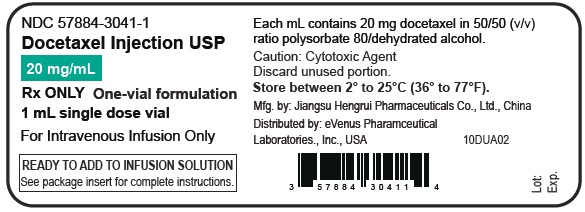
One-vial Docetaxel Injection USP
Docetaxel InjectionUSP 20 mg per mL
Docetaxel Injection USP 20 mg/1 mL: 20 mg docetaxel in 1 mL in 50/50 (v/v) ratio polysorbate 80/dehydrated alcohol.
Docetaxel Injection USP 80 mg/4 mL
Docetaxel Injection USP 80 mg/4 mL: 80 mg docetaxel in 4 mL 50/50 (v/v) ratio polysorbate 80/dehydrated alcohol.
Docetaxel Injection USP 160 mg/8 mL
Docetaxel Injection USP 160 mg/8 mL: 160 mg docetaxel in 8 mL 50/50 (v/v) ratio polysorbate 80/dehydrated alcohol.
Breast Cancer
Docetaxel administered at 100 mg/m
2 was associated with deaths considered possibly or probably related to treatment in 2.0% (19/965) of metastatic breast cancer patients, both previously treated and untreated, with normal baseline liver function and in 11.5% (7/61) of patients with various tumor types who had abnormal baseline liver function (AST and/or ALT >1.5 times ULN together with AP >2.5 times ULN). Among patients dosed at 60 mg/m
2, mortality related to treatment occurred in 0.6% (3/481) of patients with normal liver function, and in 3 of 7 patients with abnormal liver function. Approximately half of these deaths occurred during the first cycle. Sepsis accounted for the majority of the deaths.
Non-Small Cell Lung Cancer
Docetaxel administered at a dose of 100 mg/m
2 in patients with locally advanced or metastatic non-small cell lung cancer who had a history of prior platinum-based chemotherapy was associated with increased treatment-related mortality (14% and 5% in two randomized, controlled studies). There were 2.8% treatment-related deaths among the 176 patients treated at the 75 mg/m
2 dose in the randomized trials. Among patients who experienced treatment-related mortality at the 75 mg/m
2 dose level, 3 of 5 patients had an ECOG PS of 2 at study entry
[see Dosage and Administration (
2.2), Clinical Studies (
14)].
Breast Cancer
Monotherapy with docetaxel for locally advanced or metastatic breast cancer after failure of prior chemotherapy
Docetaxel 100 mg/m
2: Adverse drug reactions occurring in at least 5% of patients are compared for three populations who received docetaxel administered at 100 mg/m
2 as a 1-hour infusion every 3 weeks: 2045 patients with various tumor types and normal baseline liver function tests; the subset of 965 patients with locally advanced or metastatic breast cancer, both previously treated and untreated with chemotherapy, who had normal baseline liver function tests; and an additional 61 patients with various tumor types who had abnormal liver function tests at baseline. These reactions were described using COSTART terms and were considered possibly or probably related to docetaxel. At least 95% of these patients did not receive hematopoietic support. The safety profile is generally similar in patients receiving docetaxel for the treatment of breast cancer and in patients with other tumor types. (See
Table 3).
Table 3: Summary of Adverse Reactions in Patients Receiving Docetaxel at 100 mg/m
2| Adverse Reaction | All Tumor Types Normal LFTs* n=2045
% | All Tumor Types Elevated LFTs**
n=61
% | Breast Cancer Normal LFTs* n=965
% |
|---|
*Normal Baseline LFTs: Transaminases ≤1.5 times ULN or alkaline phosphatase ≤2.5 times ULN or isolated elevations of transaminases or alkaline phosphatase up to 5 times ULN |
**Elevated Baseline LFTs: AST and/or ALT >1.5 times ULN concurrent with alkaline phosphatase >2.5 times ULN |
***Febrile Neutropenia: ANC grade 4 with fever >38°C with intravenous antibiotics and/or hospitalization |
Hematologic
Neutropenia
| | | |
| <2000 cells/mm
3 | 96 | 96 | 99 |
<500 cells/mm
3
Leukopenia
| 75 | 88 | 86 |
| <4000 cells/mm
3 | 96 | 98 | 99 |
| <1000 cells/mm
3 | 32 | 47 | 44 |
| Thrombocytopenia |
| <100,000 cells/mm
3 | 8 | 25 | 9 |
| Anemia | | | |
| <11 g/dL | 90 | 92 | 94 |
| <8 g/dL | 9 | 31 | 8 |
| Febrile Neutropenia*** | 11 | 26 | 12 |
Septic Death
Non-Septic Death | 2
1
| 5
7
| 1
1
|
Infections
Any
Severe
|
22
6
|
33
16
|
22
6
|
| Fever in Absence of Infection | | | |
| Any | 31 | 41 | 35 |
| Severe | 2 | 8 | 2 |
Hypersensitivity Reactions
Regardless of Premedication
| | | |
| Any | 21 | 20 | 18 |
| Severe | 4 | 10 | 3 |
| With 3-day Premedication | n=92 | n=3 | n=92 |
| Any | 15 | 33 | 15 |
| Severe | 2 | 0 | 2 |
Fluid Retention
Regardless of Premedication
Any
Severe
With 3-day Premedication
Any
Severe
|
47
7
n=92
64
7
|
39
8
n=3
67
33
|
60
9
n=92
64
7
|
Neurosensory
Any
Severe
|
49
4
|
34
0
|
58
6
|
Cutaneous
Any
Severe
|
48
5
|
54
10
|
47
5
|
Nail Changes
Any
Severe
|
31
3
|
23
5
|
41
4
|
Gastrointestinal
Nausea
Vomiting
Diarrhea
Severe
|
39
22
39
5
|
38
23
33
5
|
42
23
43
6
|
Stomatitis
Any
Severe
|
42
6
|
49
13
|
52
7
|
| Alopecia | 76 | 62 | 74 |
Asthenia
Any
Severe
|
62
13
|
53
25
|
66
15
|
Myalgia
Any
Severe
|
19
2
|
16
2
|
21
2
|
| Arthralgia | 9 | 7 | 8 |
| Infusion Site Reactions | 4 | 3 | 4 |
Hematologic reactions
Reversible marrow suppression was the major dose-limiting toxicity of docetaxel
[see Warnings and Precautions (
5.3)].
The median time to nadir was 7 days, while the median duration of severe neutropenia (<500 cells/mm
3) was 7 days. Among 2045 patients with solid tumors and normal baseline LFTs, severe neutropenia occurred in 75.4% and lasted for more than 7 days in 2.9% of cycles.
Febrile neutropenia (<500 cells/mm
3 with fever >38°C with intravenous antibiotics and/or hospitalization) occurred in 11% of patients with solid tumors, in 12.3% of patients with metastatic breast cancer, and in 9.8% of 92 breast cancer patients premedicated with 3-day corticosteroids.
Severe infectious episodes occurred in 6.1% of patients with solid tumors, in 6.4% of patients with metastatic breast cancer, and in 5.4% of 92 breast cancer patients premedicated with 3-day corticosteroids.
Thrombocytopenia (<100,000 cells/mm
3) associated with fatal gastrointestinal hemorrhage has been reported.
Hypersensitivity reactions
Severe hypersensitivity reactions have been reported
[see
Boxed Warning, Warnings and Precautions (
5.5)]. Minor events, including flushing, rash with or without pruritus, chest tightness, back pain, dyspnea, drug fever, or chills, have been reported and resolved after discontinuing the infusion and instituting appropriate therapy.
Fluid retention
Fluid retention can occur with the use of docetaxel
[see
Boxed Warning, Dosage and Administration (
2.6), Warnings and Precautions (
5.6)].
Cutaneous reactions
Severe skin toxicity is discussed elsewhere in the label
[see Warnings and Precautions ( 5.8)]. Reversible cutaneous reactions characterized by a rash including localized eruptions, mainly on the feet and/or hands, but also on the arms, face, or thorax, usually associated with pruritus, have been observed. Eruptions generally occurred within 1 week after docetaxel infusion, recovered before the next infusion, and were not disabling.
Severe nail disorders were characterized by hypo- or hyperpigmentation, and occasionally by onycholysis (in 0.8% of patients with solid tumors) and pain.
Neurologic reactions
Neurologic reactions are discussed elsewhere in the label
[see Warnings and Precautions ( 5.9)].
Gastrointestinal reactions
Nausea, vomiting, and diarrhea were generally mild to moderate. Severe reactions occurred in 3%-5% of patients with solid tumors and to a similar extent among metastatic breast cancer patients. The incidence of severe reactions was 1% or less for the 92 breast cancer patients premedicated with 3-day corticosteroids.
Severe stomatitis occurred in 5.5% of patients with solid tumors, in 7.4% of patients with metastatic breast cancer, and in 1.1% of the 92 breast cancer patients premedicated with 3-day corticosteroids.
Cardiovascular reactions
Hypotension occurred in 2.8% of patients with solid tumors; 1.2% required treatment. Clinically meaningful events such as heart failure, sinus tachycardia, atrial flutter, dysrhythmia, unstable angina, pulmonary edema, and hypertension occurred rarely. Seven of 86 (8.1%) of metastatic breast cancer patients receiving docetaxel 100 mg/m
2 in a randomized trial and who had serial left ventricular ejection fractions assessed developed deterioration of LVEF by ≥10% associated with a drop below the institutional lower limit of normal.
Infusion site reactions
Infusion site reactions were generally mild and consisted of hyperpigmentation, inflammation, redness or dryness of the skin, phlebitis, extravasation, or swelling of the vein.
Hepatic reactions
In patients with normal LFTs at baseline, bilirubin values greater than the ULN occurred in 8.9% of patients. Increases in AST or ALT >1.5 times the ULN, or alkaline phosphatase >2.5 times ULN, were observed in 18.9% and 7.3% of patients, respectively. While on docetaxel, increases in AST and/or ALT >1.5 times ULN concomitant with alkaline phosphatase >2.5 times ULN occurred in 4.3% of patients with normal LFTs at baseline. Whether these changes were related to the drug or underlying disease has not been established.
Hematologic and other toxicity: Relation to dose and baseline liver chemistry abnormalities
Hematologic and other toxicity is increased at higher doses and in patients with elevated baseline liver function tests (LFTs). In the following tables, adverse drug reactions are compared for three populations: 730 patients with normal LFTs given docetaxel at 100 mg/m
2 in the randomized and single arm studies of metastatic breast cancer after failure of previous chemotherapy; 18 patients in these studies who had abnormal baseline LFTs (defined as AST and/or ALT >1.5 times ULN concurrent with alkaline phosphatase >2.5 times ULN); and 174 patients in Japanese studies given docetaxel at 60 mg/m
2 who had normal LFTs (see
Table 4 and Table
5).
Table 4: Hematologic Adverse Reactions in Breast Cancer Patients Previously Treated with Chemotherapy Treated at Docetaxel 100 mg/m
2 with Normal or Elevated Liver Function Tests or 60 mg/m
2 with Normal Liver Function Tests
| Adverse Reaction | Docetaxel
100 mg/m2 | Docetaxel
60 mg/m2 |
|---|
Normal
LFTs*
n=730
% | Elevated LFTs**
n=18
% | Normal
LFTs*
n=174
% |
|---|
*Normal Baseline LFTs: Transaminases ≤1.5 times ULN or alkaline phosphatase ≤2.5 times ULN or isolated elevations of transaminases or alkaline phosphatase up to 5 times ULN |
**Elevated Baseline LFTs: AST and/or ALT >1.5 times ULN concurrent with alkaline phosphatase >2.5 times ULN |
***Incidence of infection requiring hospitalization and/or intravenous antibiotics was 8.5% (n=62) among the 730 patients with normal LFTs at baseline; 7 patients had concurrent grade 3 neutropenia, and 46 patients had grade 4 neutropenia. |
****Febrile Neutropenia: For 100 mg/m
2, ANC grade 4 and fever >38°C with intravenous antibiotics and/or hospitalization; for 60 mg/m
2, ANC grade 3/4 and fever >38.1°C
|
Neutropenia
Any <2000 cells/mm
3
Grade 4 <500 cells/mm
3 |
98
84
|
100
94
|
95
75
|
Thrombocytopenia
Any <100,000 cells/mm
3
Grade 4 <20,000 cells/mm
3 |
11
1
|
44
17
|
14
1
|
| Anemia <11 g/dL
| 95 | 94 | 65 |
Infection***
Any
Grade 3 and 4
|
23
7
|
39
33
|
1
0
|
Febrile Neutropenia****
By Patient
By Course
|
12
2
|
33
9
|
0
0
|
| Septic Death | 2 | 6 | 1 |
| Non-Septic Death | 1 | 11 | 0 |
Table 5: Non-Hematologic Adverse Reactions in Breast Cancer Patients Previously Treated with Chemotherapy Treated at Docetaxel 100 mg/m
2 with Normal or Elevated Liver Function Tests or 60 mg/m
2 with Normal Liver Function Tests
| Adverse Reaction | Docetaxel
100 mg/m2 | Docetaxel
60 mg/m2 |
|---|
Normal
LFTs*
n=730
% | Elevated
LFTs**
n=18
% | Normal
LFTs*
n=174
% |
|---|
*Normal Baseline LFTs: Transaminases ≤1.5 times ULN or alkaline phosphatase ≤2.5 times ULN or isolated elevations of transaminases or alkaline phosphatase up to 5 times ULN |
** Elevated Baseline Liver Function: AST and/or ALT >1.5 times ULN concurrent with alkaline phosphatase >2.5 times ULN |
***Fluid Retention includes (by COSTART): edema (peripheral, localized, generalized, lymphedema, pulmonary edema, and edema otherwise not specified) and effusion (pleural, pericardial, and ascites); no premedication given with the 60 mg/m
2 dose
|
NA = not available |
Acute Hypersensitivity Reaction Regardless of Premedication
Any
Severe
|
13
1
|
6
0
|
1
0
|
Fluid Retention***
Regardless of Premedication
Any
Severe
|
56
8
|
61
17
|
13
0
|
Neurosensory
Any
Severe
|
57
6
|
50
0
|
20
0
|
| Myalgia | 23 | 33 | 3 |
Cutaneous
Any
Severe
|
45
5
|
61
17
|
31
0
|
Asthenia
Any
Severe
|
65
17
|
44
22
|
66
0
|
Diarrhea
Any
Severe
|
42
6
|
28
11
| NA |
Stomatitis
Any
Severe
|
53
8
|
67
39
|
19
1
|
In the three-arm monotherapy trial, TAX313, which compared docetaxel 60 mg/m
2, 75 mg/m
2 and 100 mg/m
2 in advanced breast cancer, grade 3/4 or severe adverse reactions occurred in 49.0% of patients treated with docetaxel 60 mg/m
2 compared to 55.3% and 65.9% treated with 75 mg/m
2 and 100 mg/m
2 respectively. Discontinuation due to adverse reactions was reported in 5.3% of patients treated with 60 mg/m
2 versus 6.9% and 16.5% for patients treated at 75 and 100 mg/m
2 respectively. Deaths within 30 days of last treatment occurred in 4.0% of patients treated with 60 mg/m
2 compared to 5.3% and 1.6% for patients treated at 75 mg/m
2 and 100 mg/m
2 respectively.
The following adverse reactions were associated with increasing docetaxel doses: fluid retention (26%, 38%, and 46% at 60 mg/m
2, 75 mg/m
2, and 100 mg/m
2 respectively), thrombocytopenia (7%, 11% and 12% respectively), neutropenia (92%, 94%, and 97% respectively), febrile neutropenia (5%, 7%, and 14% respectively), treatment-related grade 3/4 infection (2%, 3%, and 7% respectively) and anemia (87%, 94%, and 97% respectively).
Combination therapy with docetaxel in the adjuvant treatment of breast cancer
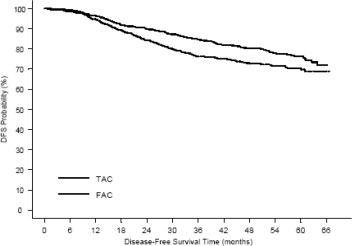
The following table presents treatment emergent adverse reactions observed in 744 patients, who were treated with docetaxel 75 mg/m
2 every 3 weeks in combination with doxorubicin and cyclophosphamide (see
Table 6).
Table 6: Clinically Important Treatment Emergent Adverse Reactions Regardless of Causal Relationship in Patients Receiving Docetaxel in Combination with Doxorubicin and Cyclophosphamide (TAX316). | Docetaxel 75 mg/m2+
Doxorubicin 50 mg/m2+
Cyclophosphamide 500 mg/m
2 (TAC)
n=744
% | Fluorouracil 500 mg/m2+
Doxorubicin 50 mg/m
2+
Cyclophosphamide 500 mg/m
2 (FAC)
n=736
% |
|---|
| Adverse Reaction | Any | Grade 3/4 | Any | Grade 3/4 |
|---|
* COSTART term and grading system for events related to treatment. |
| Anemia | 92 | 4 | 72 | 2 |
| Neutropenia | 71 | 66 | 82 | 49 |
| Fever in absence of infection | 47 | 1 | 17 | 0 |
| Infection | 39 | 4 | 36 | 2 |
| Thrombocytopenia | 39 | 2 | 28 | 1 |
| Febrile neutropenia | 25 | N/A | 3 | N/A |
| Neutropenic infection | 12 | N/A | 6 | N/A |
| Hypersensitivity reactions | 13 | 1 | 4 | 0 |
| Lymphedema | 4 | 0 | 1 | 0 |
Fluid Retention*
Peripheral edema
Weight gain
| 35
27
13
| 1
0
0
| 15
7
9
| 0
0
0
|
| Neuropathy sensory | 26 | 0 | 10 | 0 |
| Neuro-cortical | 5 | 1 | 6 | 1 |
| Neuropathy motor | 4 | 0 | 2 | 0 |
| Neuro-cerebellar | 2 | 0 | 2 | 0 |
| Syncope | 2 | 1 | 1 | 0 |
| Alopecia | 98 | N/A | 97 | N/A |
| Skin toxicity | 27 | 1 | 18 | 0 |
| Nail disorders | 19 | 0 | 14 | 0 |
| Nausea | 81 | 5 | 88 | 10 |
| Stomatitis | 69 | 7 | 53 | 2 |
| Vomiting | 45 | 4 | 59 | 7 |
| Diarrhea | 35 | 4 | 28 | 2 |
| Constipation | 34 | 1 | 32 | 1 |
| Taste perversion | 28 | 1 | 15 | 0 |
| Anorexia | 22 | 2 | 18 | 1 |
| Abdominal Pain | 11 | 1 | 5 | 0 |
| Amenorrhea | 62 | N/A | 52 | N/A |
| Cough | 14 | 0 | 10 | 0 |
| Cardiac dysrhythmias | 8 | 0 | 6 | 0 |
| Vasodilatation | 27 | 1 | 21 | 1 |
| Hypotension | 2 | 0 | 1 | 0 |
| Phlebitis | 1 | 0 | 1 | 0 |
| Asthenia | 81 | 11 | 71 | 6 |
| Myalgia | 27 | 1 | 10 | 0 |
| Arthralgia | 19 | 1 | 9 | 0 |
| Lacrimation disorder | 11 | 0 | 7 | 0 |
| Conjunctivitis | 5 | 0 | 7 | 0 |
Of the 744 patients treated with TAC, 36.3% experienced severe treatment emergent adverse reactions compared to 26.6% of the 736 patients treated with FAC. Dose reductions due to hematologic toxicity occurred in 1% of cycles in the TAC arm versus 0.1% of cycles in the FAC arm. Six percent of patients treated with TAC discontinued treatment due to adverse reactions, compared to 1.1% treated with FAC; fever in the absence of infection and allergy being the most common reasons for withdrawal among TAC-treated patients. Two patients died in each arm within 30 days of their last study treatment; 1 death per arm was attributed to study drugs.
Fever and infection
During the treatment period, fever in the absence of infection was seen in 46.5% of TAC-treated patients and in 17.1% of FAC-treated patients. Grade 3/4 fever in the absence of infection was seen in 1.3% and 0% of TAC- and FAC-treated patients respectively. Infection was seen in 39.4% of TAC-treated patients compared to 36.3% of FAC-treated patients. Grade 3/4 infection was seen in 3.9% and 2.2% of TAC-treated and FAC-treated patients respectively. There were no septic deaths in either treatment arm during the treatment period.
Gastrointestinal reactions
In addition to gastrointestinal reactions reflected in the table above, 7 patients in the TAC arm were reported to have colitis/enteritis/large intestine perforation versus one patient in the FAC arm. Five of the 7 TAC-treated patients required treatment discontinuation; no deaths due to these events occurred during the treatment period.
Cardiovascular reactions
More cardiovascular reactions were reported in the TAC arm versus the FAC arm during the treatment period: arrhythmias, all grades (6.2% vs 4.9%), and hypotension, all grades (1.9% vs 0.8%). Twenty-six (26) patients (3.5%) in the TAC arm and 17 patients (2.3%) in the FAC arm developed CHF during the study period. All except one patient in each arm were diagnosed with CHF during the follow-up period. Two (2) patients in TAC arm and 4 patients in FAC arm died due to CHF. The risk of CHF was higher in the TAC arm in the first year, and then was similar in both treatment arms.
Adverse reactions during the follow-up period (median follow-up time of 8 years)
In study TAX316, the most common adverse reactions that started during the treatment period and persisted into the follow-up period in TAC and FAC patients are described below (median follow-up time of 8 years).
Nervous system disorders
In study TAX316, peripheral sensory neuropathy started during the treatment period and persisted into the follow-up period in 84 patients (11.3%) in TAC arm and 15 patients (2%) in FAC arm. At the end of the follow-up period (median follow-up time of 8 years), peripheral sensory neuropathy was observed to be ongoing in 10 patients (1.3%) in TAC arm, and in 2 patients (0.3%) in FAC arm.
Skin and subcutaneous tissue disorders
In study TAX316, alopecia persisting into the follow-up period after the end of chemotherapy was reported in 687 of 744 TAC patients (92.3%) and 645 of 736 FAC patients (87.6%).At the end of the follow-up period (actual median follow-up time of 8 years), alopecia was observed to be ongoing in 29 TAC patients (3.9%) and 16 FAC patients (2.2%).
Reproductive system and breast disorders
In study TAX316, amenorrhea that started during the treatment period and persisted into the follow-up period after the end of chemotherapy was reported in 202 of 744 TAC patients (27.2%) and 125 of 736 FAC patients (17.0%). Amenorrhea was observed to be ongoing at the end of the follow-up period (median follow-up time of 8 years) in 121 of 744 TAC patients (16.3%) and 86 FAC patients (11.7%).
General disorders and administration site conditions
In study TAX316, peripheral edema that started during the treatment period and persisted into the follow-up period after the end of chemotherapy was observed in 119 of 744 TAC patients (16.0%) and 23 of 736 FAC patients (3.1%). At the end of the follow-up period (actual median follow-up time of 8 years), peripheral edema was ongoing in 19 TAC patients (2.6%) and 4 FAC patients (0.5%).
In study TAX316, lymphedema that started during the treatment period and persisted into the follow-up period after the end of chemotherapy was reported in 11 of 744 TAC patients (1.5%) and 1 of 736 FAC patients (0.1%). At the end of the follow-up period (actual median follow-up time of 8 years), lymphedema was observed to be ongoing in 6 TAC patients (0.8%) and 1 FAC patient (0.1%).
In study TAX316, asthenia that started during the treatment period and persisted into the follow-up period after the end of chemotherapy was reported in 236 of 744 TAC patients (31.7%) and 180 of 736 FAC patients (24.5%). At the end of the follow-up period (actual median follow-up time of 8 years), asthenia was observed to be ongoing in 29 TAC patients (3.9%) and 16 FAC patients (2.2%).
Acute myeloid leukemia (AML)/myelodysplastic syndrome
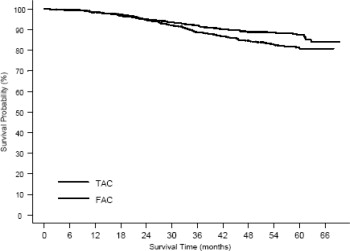
AML occurred in the adjuvant breast cancer trial (TAX316). The cumulative risk of developing treatment-related AML at median follow-up time of 8 years in TAX316 was 0.4% for TAC-treated patients and 0.1% for FAC-treated patients. One TAC patient (0.1%) and 1 FAC patient (0.1%) died due to AML during the follow-up period (median follow-up time of 8 years). Myelodysplastic syndrome occurred in 2 of 744 (0.3%) patients who received TAC and in 1 of 736 (0.1%) patients who received FAC. AML occurs at a higher frequency when these agents are given in combination with radiation therapy.
Lung Cancer
Monotherapy with docetaxel for unresectable, locally advanced or metastatic NSCLC previously treated with platinum-based chemotherapy
Docetaxel 75 mg/m
2: Treatment emergent adverse drug reactions are shown in
Table 7. Included in this table are safety data for a total of 176 patients with non-small cell lung carcinoma and a history of prior treatment with platinum-based chemotherapy who were treated in two randomized, controlled trials. These reactions were described using NCI Common Toxicity Criteria regardless of relationship to study treatment, except for the hematologic toxicities or where otherwise noted.
Table 7: Treatment Emergent Adverse Reactions Regardless of Relationship to Treatment in Patients Receiving Docetaxel as Monotherapy for Non-Small Cell Lung Cancer Previously Treated with Platinum-Based Chemotherapy*| Adverse Reaction | Docetaxel
75 mg/m2
n=176
% | Best Supportive
Care
n=49
% | Vinorelbine/ Ifosfamide
n=119
% |
|---|
*Normal Baseline LFTs: Transaminases ≤1.5 times ULN or alkaline phosphatase ≤2.5 times ULN or isolated elevations of transaminases or alkaline phosphatase up to 5 times ULN |
**Febrile Neutropenia: ANC grade 4 with fever >38°C with intravenous antibiotics and/or hospitalization |
***COSTART term and grading system |
†Not Applicable
|
†† Not Done
|
Neutropenia
Any
Grade 3/4
|
84
65
|
14
12
|
83
57
|
Leukopenia
Any
Grade 3/4
|
84
49
|
6
0
|
89
43
|
Thrombocytopenia
Any
Grade 3/4
|
8
3
|
0
0
|
8
2
|
Anemia
Any
Grade 3/4
|
91
9
|
55
12
|
91
14
|
| Febrile Neutropenia** | 6 | NA
† | 1 |
Infection
Any
Grade 3/4
|
34
10
|
29
6
|
30
9
|
| Treatment Related Mortality | 3 | NA
† | 3 |
Hypersensitivity Reactions
Any
Grade 3/4
|
6
3
|
0
0
|
1
0
|
Fluid Retention
Any
Severe
|
34
3
| ND
†† |
23
3
|
Neurosensory
Any
Grade 3/4
|
23
2
|
14
6
|
29
5
|
Neuromotor
Any
Grade 3/4
|
16
5
|
8
6
|
10
3
|
Skin
Any
Grade 3/4
|
20
1
|
6
2
|
17
1
|
Gastrointestinal
Nausea
Any
Grade 3/4
Vomiting
Any
Grade 3/4
Diarrhea
Any
Grade 3/4
|
34
5
22
3
23
3
|
31
4
27
2
6
0
|
31
8
22
6
12
4
|
| Alopecia | 56 | 35 | 50 |
Asthenia
Any
Severe***
| 53
18
| 57
39
| 54
23
|
Stomatitis
Any
Grade 3/4
| 26
2
| 6
0
| 8
1
|
Pulmonary
Any
Grade 3/4
|
41
21
|
49
29
|
45
19
|
Nail Disorder
Any
Severe***
|
11
1
|
0
0
|
2
0
|
Myalgia
Any
Severe***
|
6
0
|
0
0
|
3
0
|
Arthralgia
Any
Severe***
|
3
0
|
2
0
|
2
1
|
Taste Perversion
Any
Severe***
|
6
1
|
0
0
|
0
0
|
Combination therapy with docetaxel in chemotherapy-naive advanced unresectable or metastatic NSCLC
Table 8 presents safety data from two arms of an open label, randomized controlled trial (TAX326) that enrolled patients with unresectable stage IIIB or IV non-small cell lung cancer and no history of prior chemotherapy. Adverse reactions were described using the NCI Common Toxicity Criteria except where otherwise noted.
Table 8: Adverse Reactions Regardless of Relationship to Treatment in Chemotherapy-Naive Advanced Non-Small Cell Lung Cancer Patients Receiving Docetaxel in Combination with Cisplatin| Adverse Reaction | Docetaxel 75 mg/m2 +
Cisplatin 75 mg/m
2
n=406
% | Vinorelbine 25 mg/m2 +
Cisplatin 100 mg/m
2
n=396
% |
|---|
* Replaces NCI term “Allergy” |
** COSTART term and grading system |
Neutropenia
Any
Grade 3/4
|
91
74
|
90
78
|
| Febrile Neutropenia | 5 | 5 |
Thrombocytopenia
Any
Grade 3/4
|
15
3
|
15
4
|
Anemia
Any
Grade 3/4
|
89
7
|
94
25
|
Infection
Any
Grade 3/4
|
35
8
|
37
8
|
Fever in absence of infection
Any
Grade 3/4
|
33
< 1
|
29
1
|
Hypersensitivity Reaction*
Any
Grade 3/4
|
12
3
|
4
< 1
|
Fluid Retention**
Any
All severe or life-threatening events
Pleural effusion
Any
All severe or life-threatening events
Peripheral edema
Any
All severe or life-threatening events
Weight gain
Any
All severe or life-threatening events
|
54
2
23
2
34
<1
15
<1
|
42
2
22
2
18
<1
9
<1
|
Neurosensory
Any
Grade 3/4
|
47
4
|
42
4
|
Neuromotor
Any
Grade 3/4
|
19
3
|
17
6
|
Skin
Any
Grade 3/4
|
16
<1
|
14
1
|
Nausea
Any
Grade 3/4
|
72
10
|
76
17
|
Vomiting
Any
Grade 3/4
|
55
8
|
61
16
|
Diarrhea
Any
Grade 3/4
|
47
7
|
25
3
|
Anorexia**
Any
All severe or life-threatening events
|
42
5
|
40
5
|
Stomatitis
Any
Grade 3/4
|
24
2
|
21
1
|
Alopecia
Any
Grade 3
|
75
<1
|
42
0
|
Asthenia**
Any
All severe or life-threatening events
|
74
12
|
75
14
|
Nail Disorder**
Any
All severe events
|
14
<1
|
<1
0
|
Myalgia**
Any
All severe events
|
18
<1
|
12
<1
|
Deaths within 30 days of last study treatment occurred in 31 patients (7.6%) in the docetaxel+cisplatin arm and 37 patients (9.3%) in the vinorelbine+cisplatin arm. Deaths within 30 days of last study treatment attributed to study drug occurred in 9 patients (2.2%) in the docetaxel+cisplatin arm and 8 patients (2.0%) in the vinorelbine+cisplatin arm.
The second comparison in the study, vinorelbine+cisplatin versus docetaxel+carboplatin (which did not demonstrate a superior survival associated with docetaxel
[see Clinical Studies (
14.3)]
) demonstrated a higher incidence of thrombocytopenia, diarrhea, fluid retention, hypersensitivity reactions, skin toxicity, alopecia and nail changes on the docetaxel+carboplatin arm, while a higher incidence of anemia, neurosensory toxicity, nausea, vomiting, anorexia and asthenia was observed on the vinorelbine+cisplatin arm.
Prostate Cancer
Combination therapy with docetaxel in patients with prostate cancer
The following data are based on the experience of 332 patients, who were treated with docetaxel 75 mg/m
2 every 3 weeks in combination with prednisone 5 mg orally twice daily (see
Table 9).
Table 9: Clinically Important Treatment Emergent Adverse Reactions (Regardless of Relationship) in Patients with Prostate Cancer who Received Docetaxel in Combination with Prednisone (TAX327) | Docetaxel 75 mg/m2
every 3 weeks +
prednisone 5 mg twice daily
n=332
% | Mitoxantrone 12 mg/m2
every 3 weeks +
prednisone 5 mg twice daily
n=335
% |
|---|
| Adverse Reaction | Any | Grade 3/4 | Any | Grade 3/4 |
|---|
*Related to treatment |
| Anemia | 67 | 5 | 58 | 2 |
| Neutropenia | 41 | 32 | 48 | 22 |
| Thrombocytopenia | 3 | 1 | 8 | 1 |
| Febrile neutropenia | 3 | N/A | 2 | N/A |
| Infection | 32 | 6 | 20 | 4 |
| Epistaxis | 6 | 0 | 2 | 0 |
| Allergic Reactions | 8 | 1 | 1 | 0 |
Fluid Retention*
Weight Gain
*
Peripheral Edema
* | 24
8
18
| 1
0
0
| 5
3
2
| 0
0
0
|
| Neuropathy Sensory | 30 | 2 | 7 | 0 |
| Neuropathy Motor | 7 | 2 | 3 | 1 |
| Rash/Desquamation | 6 | 0 | 3 | 1 |
| Alopecia | 65 | N/A | 13 | N/A |
| Nail Changes | 30 | 0 | 8 | 0 |
| Nausea | 41 | 3 | 36 | 2 |
| Diarrhea | 32 | 2 | 10 | 1 |
| Stomatitis/Pharyngitis | 20 | 1 | 8 | 0 |
| Taste Disturbance | 18 | 0 | 7 | 0 |
| Vomiting | 17 | 2 | 14 | 2 |
| Anorexia | 17 | 1 | 14 | 0 |
| Cough | 12 | 0 | 8 | 0 |
| Dyspnea | 15 | 3 | 9 | 1 |
| Cardiac left ventricular function | 10 | 0 | 22 | 1 |
| Fatigue | 53 | 5 | 35 | 5 |
| Myalgia | 15 | 0 | 13 | 1 |
| Tearing | 10 | 1 | 2 | 0 |
| Arthralgia | 8 | 1 | 5 | 1 |
Gastric Cancer
Combination therapy with docetaxel in gastric adenocarcinoma
Data in the following table are based on the experience of 221 patients with advanced gastric adenocarcinoma and no history of prior chemotherapy for advanced disease, who were treated with docetaxel 75 mg/m
2 in combination with cisplatin and fluorouracil (see
Table 10).
Table 10: Clinically Important Treatment Emergent Adverse Reactions Regardless of Relationship to Treatment in the Gastric Cancer Study | Docetaxel 75 mg/m2 + cisplatin 75 mg/m2 +
fluorouracil 750 mg/m
2
n=221 | Cisplatin 100 mg/m2 + fluorouracil 1000 mg/m2
n=224 |
|---|
| Adverse Reaction | Any
% | Grade 3/4
% | Any
% | Grade 3/4
% |
|---|
Clinically important treatment emergent adverse reactions were determined based upon frequency, severity, and clinical impact of the adverse reaction. |
*Related to treatment |
| Anemia | 97 | 18 | 93 | 26 |
| Neutropenia | 96 | 82 | 83 | 57 |
| Fever in the absence of infection | 36 | 2 | 23 | 1 |
| Thrombocytopenia | 26 | 8 | 39 | 14 |
| Infection | 29 | 16 | 23 | 10 |
| Febrile neutropenia | 16 | N/A | 5 | N/A |
| Neutropenic infection | 16 | N/A | 10 | N/A |
| Allergic reactions | 10 | 2 | 6 | 0 |
| Fluid retention* | 15 | 0 | 4 | 0 |
| Edema* | 13 | 0 | 3 | 0 |
| Lethargy | 63 | 21 | 58 | 18 |
| Neurosensory | 38 | 8 | 25 | 3 |
| Neuromotor | 9 | 3 | 8 | 3 |
| Dizziness | 16 | 5 | 8 | 2 |
| Alopecia | 67 | 5 | 41 | 1 |
| Rash/itch | 12 | 1 | 9 | 0 |
| Nail changes | 8 | 0 | 0 | 0 |
| Skin desquamation | 2 | 0 | 0 | 0 |
| Nausea | 73 | 16 | 76 | 19 |
| Vomiting | 67 | 15 | 73 | 19 |
| Anorexia | 51 | 13 | 54 | 12 |
| Stomatitis | 59 | 21 | 61 | 27 |
| Diarrhea | 78 | 20 | 50 | 8 |
| Constipation | 25 | 2 | 34 | 3 |
Esophagitis/
dysphagia/odynophagia | 16 | 2 | 14 | 5 |
| Gastrointestinal pain/cramping | 11 | 2 | 7 | 3 |
| Cardiac dysrhythmias | 5 | 2 | 2 | 1 |
| Myocardial ischemia | 1 | 0 | 3 | 2 |
| Tearing | 8 | 0 | 2 | 0 |
| Altered hearing | 6 | 0 | 13 | 2 |
Head and Neck Cancer
Combination therapy with docetaxel in head and neck cancer
Table 11 summarizes the safety data obtained from patients that received induction chemotherapy with docetaxel 75 mg/m
2 in combination with cisplatin and fluorouracil followed by radiotherapy (TAX323; 174 patients) or chemoradiotherapy (TAX324; 251 patients). The treatment regimens are described in Section 14.6.
Table 11: Clinically Important Treatment Emergent Adverse Reactions (Regardless of Relationship) in Patients with SCCHN Receiving Induction Chemotherapy with Docetaxel in Combination with Cisplatin and Fluorouracil Followed by Radiotherapy (TAX323) or Chemoradiotherapy (TAX324)
| TAX323
(n=355)
| TAX324
(n=494)
|
Docetaxel arm
(n=174)
| Comparator arm
(n=181)
| Docetaxel arm
(n=251)
| Comparator arm
(n=243)
|
Adverse Reaction
(by Body System)
| Any
%
| Grade 3/4 % | Any
%
| Grade 3/4 % | Any
%
| Grade 3/ % | Any
%
| Grade 3/4 % |
| Neutropenia | 93 | 76 | 87 | 53 | 95 | 84 | 84 | 56 |
| Anemia | 89 | 9 | 88 | 14 | 90 | 12 | 86 | 10 |
| Thrombocytopenia | 24 | 5 | 47 | 18 | 28 | 4 | 31 | 11 |
| Infection | 27 | 9 | 26 | 8 | 23 | 6 | 28 | 5 |
| Febrile neutropenia* | 5 | N/A | 2 | N/A | 12 | N/A | 7 | N/A |
| Neutropenic infection | 14 | N/A | 8 | N/A | 12 | N/A | 8 | N/A |
| Cancer pain | 21 | 5 | 16 | 3 | 17 | 9 | 20 | 11 |
| Lethargy | 41 | 3 | 38 | 3 | 61 | 5 | 56 | 10 |
| Fever in the absence of infection | 32 | 1 | 37 | 0 | 30 | 4 | 28 | 3 |
| Myalgia | 10 | 1 | 7 | 0 | 7 | 0 | 7 | 2 |
| Weight loss | 21 | 1 | 27 | 1 | 14 | 2 | 14 | 2 |
| Allergy | 6 | 0 | 3 | 0 | 2 | 0 | 0 | 0 |
Fluid retention** | 20 | 0 | 14 | 1 | 13 | 1 | 7 | 2 |
| Edema only | 13 | 0 | 7 | 0 | 12 | 1 | 6 | 1 |
| Weight gain only | 6 | 0 | 6 | 0 | 0 | 0 | 1 | 0 |
| Dizziness | 2 | 0 | 5 | 1 | 16 | 4 | 15 | 2 |
| Neurosensory | 18 | 1 | 11 | 1 | 14 | 1 | 14 | 0 |
| Altered hearing | 6 | 0 | 10 | 3 | 13 | 1 | 19 | 3 |
| Neuromotor | 2 | 1 | 4 | 1 | 9 | 0 | 10 | 2 |
| Alopecia | 81 | 11 | 43 | 0 | 68 | 4 | 44 | 1 |
| Rash/itch | 12 | 0 | 6 | 0 | 20 | 0 | 16 | 1 |
| Dry skin | 6 | 0 | 2 | 0 | 5 | 0 | 3 | 0 |
| Desquamation | 4 | 1 | 6 | 0 | 2 | 0 | 5 | 0 |
| Nausea | 47 | 1 | 51 | 7 | 77 | 14 | 80 | 14 |
| Stomatitis | 43 | 4 | 47 | 11 | 66 | 21 | 68 | 27 |
| Vomiting | 26 | 1 | 39 | 5 | 56 | 8 | 63 | 10 |
| Diarrhea | 33 | 3 | 24 | 4 | 48 | 7 | 40 | 3 |
| Constipation | 17 | 1 | 16 | 1 | 27 | 1 | 38 | 1 |
| Anorexia | 16 | 1 | 25 | 3 | 40 | 12 | 34 | 12 |
Esophagitis/dysphagia/Odynophagia | 13 | 1 | 18 | 3 | 25 | 13 | 26 | 10 |
| Taste, sense of smell altered | 10 | 0 | 5 | 0 | 20 | 0 | 17 | 1 |
| Gastrointestinal pain/cramping | 8 | 1 | 9 | 1 | 15 | 5 | 10 | 2 |
| Heartburn | 6 | 0 | 6 | 0 | 13 | 2 | 13 | 1 |
| Gastrointestinal bleeding | 4 | 2 | 0 | 0 | 5 | 1 | 2 | 1 |
| Cardiac dysrhythmia | 2 | 2 | 2 | 1 | 6 | 3 | 5 | 3 |
| Venous*** | 3 | 2 | 6 | 2 | 4 | 2 | 5 | 4 |
| Ischemia myocardial | 2 | 2 | 1 | 0 | 2 | 1 | 1 | 1 |
| Tearing | 2 | 0 | 1 | 0 | 2 | 0 | 2 | 0 |
| Conjunctivitis | 1 | 0 | 1 | 0 | 1 | 0 | 0.4 | 0 |
Clinically important treatment emergent adverse reactions based upon frequency, severity, and clinical impact.
*Febrile neutropenia: grade ≥2 fever concomitant with grade 4 neutropenia requiring intravenous antibiotics and/or hospitalization.
**Related to treatment.
*** Includes superficial and deep vein thrombosis and pulmonary embolism
Docetaxel Monotherapy
Docetaxel monotherapy was evaluated in a dose-finding phase 1 trial in 61 pediatric patients (median age 12.5 years, range 1-22 years) with a variety of refractory solid tumors. The recommended dose was 125 mg/m
2 as a 1-hour intravenous infusion every 21 days. The primary dose limiting toxicity was neutropenia.
The recommended dose for docetaxel monotherapy was evaluated in a phase 2 single-arm trial in 178 pediatric patients (median age 12 years, range 1-26 years) with a variety of recurrent/refractory solid tumors. Efficacy was not established with tumor response rates ranging from one complete response (CR) (0.6%) in a patient with undifferentiated sarcoma to four partial responses (2.2%) seen in one patient each with Ewing Sarcoma, neuroblastoma, osteosarcoma, and squamous cell carcinoma.
Docetaxel in Combination
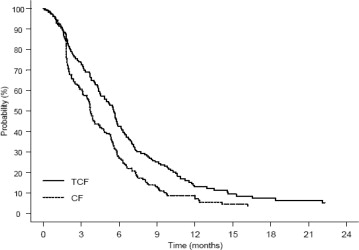
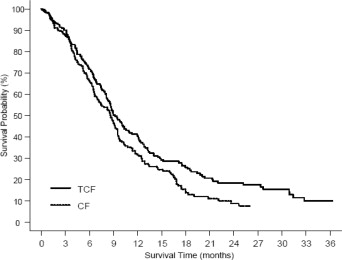
Docetaxel was studied in combination with cisplatin and 5-fluorouracil (TCF) versus cisplatin and 5-fluorouracil (CF) for the induction treatment of nasopharyngeal carcinoma (NPC) in pediatric patients prior to chemoradiation consolidation. Seventy-five patients (median age 16 years, range 9 to 21 years) were randomized (2:1) to docetaxel (75 mg/m
2) in combination with cisplatin (75 mg/m
2) and 5-fluorouracil (750 mg/m
2) (TCF) or to cisplatin (80 mg/m
2) and 5-fluorouracil (1000 mg/m
2/day) (CF). The primary endpoint was the CR rate following induction treatment of NPC. One patient out of 50 in the TCF group (2%) had a complete response while none of the 25 patients in the CF group had a complete response.
Pharmacokinetics
Pharmacokinetic parameters for docetaxel were determined in 2 pediatric solid tumor trials. Following docetaxel administration at 55 mg/m
2 to 235 mg/m
2 in a 1-hour intravenous infusion every 3 weeks in 25 patients aged 1 to 20 years (median 11 years), docetaxel clearance was 17.3±10.9 L/h/m
2.
Docetaxel was administered in combination with cisplatin and 5-fluorouracil (TCF), at dose levels of 75 mg/m
2 in a 1-hour intravenous infusion day 1 in 28 patients aged 10 to 21 years (median 16 years, 17 patients were older than 16). Docetaxel clearance was 17.9±8.75 L/h/m
2, corresponding to an AUC of 4.20±2.57 µg•h/mL.
In summary, the body surface area adjusted clearance of docetaxel monotherapy and TCF combination in children were comparable to those in adults
[see Clinical Pharmacology (
12.3)]
.
Non-Small Cell Lung Cancer
In a study conducted in chemotherapy-naive patients with NSCLC (TAX326), 148 patients (36%) in the docetaxel+cisplatin group were 65 years of age or greater. There were 128 patients (32%) in the vinorelbine+cisplatin group 65 years of age or greater. In the docetaxel+cisplatin group, patients less than 65 years of age had a median survival of 10.3 months (95% CI: 9.1 months, 11.8 months) and patients 65 years or older had a median survival of 12.1 months (95% CI: 9.3 months, 14 months). In patients 65 years of age or greater treated with docetaxel+cisplatin, diarrhea (55%), peripheral edema (39%) and stomatitis (28%) were observed more frequently than in the vinorelbine+cisplatin group (diarrhea 24%, peripheral edema 20%, stomatitis 20%). Patients treated with docetaxel+cisplatin who were 65 years of age or greater were more likely to experience diarrhea (55%), infections (42%), peripheral edema (39%) and stomatitis (28%) compared to patients less than the age of 65 administered the same treatment (43%, 31%, 31% and 21%, respectively).
When docetaxel was combined with carboplatin for the treatment of chemotherapy-naive, advanced non-small cell lung carcinoma, patients 65 years of age or greater (28%) experienced higher frequency of infection compared to similar patients treated with docetaxel+cisplatin, and a higher frequency of diarrhea, infection and peripheral edema than elderly patients treated with vinorelbine+cisplatin.
Prostate Cancer
Of the 333 patients treated with docetaxel every three weeks plus prednisone in the prostate cancer study (TAX327), 209 patients were 65 years of age or greater and 68 patients were older than 75 years. In patients treated with docetaxel every three weeks, the following treatment emergent adverse reactions occurred at rates ≥10% higher in patients 65 years of age or greater compared to younger patients: anemia (71% vs 59%), infection (37% vs 24%), nail changes (34% vs 23%), anorexia (21% vs 10%), weight loss (15% vs 5%) respectively.
Breast Cancer
In the adjuvant breast cancer trial (TAX316), docetaxel in combination with doxorubicin and cyclophosphamide was administered to 744 patients of whom 48 (6%) were 65 years of age or greater. The number of elderly patients who received this regimen was not sufficient to determine whether there were differences in safety and efficacy between elderly and younger patients.
Gastric Cancer
Among the 221 patients treated with docetaxel in combination with cisplatin and fluorouracil in the gastric cancer study, 54 were 65 years of age or older and 2 patients were older than 75 years. In this study, the number of patients who were 65 years of age or older was insufficient to determine whether they respond differently from younger patients. However, the incidence of serious adverse reactions was higher in the elderly patients compared to younger patients. The incidence of the following adverse reactions (all grades, regardless of relationship): lethargy, stomatitis, diarrhea, dizziness, edema, febrile neutropenia/neutropenic infection occurred at rates ≥10% higher in patients who were 65 years of age or older compared to younger patients. Elderly patients treated with TCF should be closely monitored.
Head and Neck Cancer
Among the 174 and 251 patients who received the induction treatment with docetaxel in combination with cisplatin and fluorouracil (TPF) for SCCHN in the TAX323 and TAX324 studies, 18 (10%) and 32 (13%) of the patients were 65 years of age or older, respectively.
These clinical studies of docetaxel in combination with cisplatin and fluorouracil in patients with SCCHN did not include sufficient numbers of patients aged 65 and over to determine whether they respond differently from younger patients. Other reported clinical experience with this treatment regimen has not identified differences in responses between elderly and younger patients.
One-vial Docetaxel Injection USP (Injection)
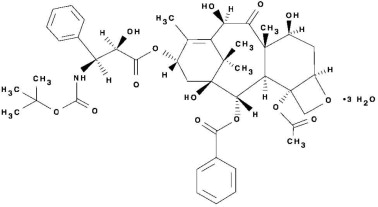
Docetaxel Injection USP is a sterile, non-pyrogenic, pale-yellow to brownish-yellow solution at 20 m/mL concentration.
Each mL contains 20 mg docetaxel (anhydrous) in 0.54 grams polysorbate 80 and 0.395 grams dehydrated alcohol solution. Also contains anhydrous citric acid as pH adjuster.
Docetaxel Injection USP is available in single-dose vials containing 20 mg (1 mL), 80 mg (4 mL) or 160 mg (8 mL) docetaxel (anhydrous).
Docetaxel Injection USP requires NO prior dilution with a diluent and is ready to add to the infusion solution.
Randomized Trials
In one randomized trial, patients with a history of prior treatment with an anthracycline-containing regimen were assigned to treatment with docetaxel (100 mg/m
2 every 3 weeks) or the combination of mitomycin (12 mg/m
2 every 6 weeks) and vinblastine (6 mg/m
2 every 3 weeks). Two hundred three patients were randomized to docetaxel and 189 to the comparator arm. Most patients had received prior chemotherapy for metastatic disease; only 27 patients on the docetaxel arm and 33 patients on the comparator arm entered the study following relapse after adjuvant therapy. Three-quarters of patients had measurable, visceral metastases. The primary endpoint was time to progression. The following table summarizes the study results. (See
Table 12)
Table 12: Efficacy of Docetaxel in the Treatment of Breast Cancer Patients Previously Treated with an Anthracycline-Containing Regimen (Intent-to-Treat Analysis)| Efficacy Parameter | Docetaxel
(n=203) | Mitomycin/Vinblastine
(n=189) | p-value |
|---|
| Median Survival | 11.4 months | 8.7 months | p=0.01
Log Rank
|
| Risk Ratio
, Mortality (Docetaxel: Control)
| 0.73 |
| 95% CI (Risk Ratio) | 0.58-0.93 |
| Median Time to Progression | 4.3 months | 2.5 months | p=0.01
Log Rank
|
| Risk Ratio
, Progression (Docetaxel: Control)
| 0.75 |
| 95% CI (Risk Ratio) | 0.61-0.94 |
Overall Response Rate
Complete Response Rate
| 28.1%
3.4%
| 9.5%
1.6%
| p<0.0001
Chi Square
|
*For the risk ratio, a value less than 1.00 favors docetaxel.
In a second randomized trial, patients previously treated with an alkylating-containing regimen were assigned to treatment with docetaxel (100 mg/m
2) or doxorubicin (75 mg/m
2) every 3 weeks. One hundred sixty-one patients were randomized to docetaxel and 165 patients to doxorubicin. Approximately one-half of patients had received prior chemotherapy for metastatic disease, and one-half entered the study following relapse after adjuvant therapy. Three-quarters of patients had measurable, visceral metastases. The primary endpoint was time to progression. The study results are summarized below. (See
Table 13)
Table 13: Efficacy of Docetaxel in the Treatment of Breast Cancer Patients Previously Treated with an Alkylating-Containing Regimen (Intent-to-Treat Analysis)| Efficacy Parameter | Docetaxel
(n=161) | Doxorubicin
(n=165) | p-value |
|---|
| Median Survival | 14.7 months | 14.3 months | p=0.39
Log Rank
|
| Risk Ratio
, Mortality (Docetaxel: Control)
| 0.89 |
| 95% CI (Risk Ratio) | 0.68-1.16 |
| Median Time to Progression | 6.5 months | 5.3 months | p=0.45
Log Rank
|
| Risk Ratio
, Progression (Docetaxel: Control)
| 0.93 |
| 95% CI (Risk Ratio) | 0.71-1.16 |
Overall Response Rate
Complete Response Rate
| 45.3%
6.8%
| 29.7%
4.2%
| p=0.004
Chi Square
|
*For the risk ratio, a value less than 1.00 favors docetaxel.
In another multicenter open-label, randomized trial (TAX313), in the treatment of patients with advanced breast cancer who progressed or relapsed after one prior chemotherapy regimen, 527 patients were randomized to receive docetaxel monotherapy 60 mg/m
2 (n=151), 75 mg/m
2 (n=188) or 100 mg/m
2 (n=188). In this trial, 94% of patients had metastatic disease and 79% had received prior anthracycline therapy. Response rate was the primary endpoint.
Response rates increased with docetaxel dose: 19.9% for the 60 mg/m
2 group compared to 22.3% for the 75 mg/m
2 and 29.8% for the 100 mg/m
2 group; pair-wise comparison between the 60 mg/m
2 and 100 mg/m
2 groups was statistically significant (p=0.037).
Single Arm Studies
Docetaxel at a dose of 100 mg/m
2 was studied in six single arm studies involving a total of 309 patients with metastatic breast cancer in whom previous chemotherapy had failed. Among these, 190 patients had anthracycline-resistant breast cancer, defined as progression during an anthracycline-containing chemotherapy regimen for metastatic disease, or relapse during an anthracycline-containing adjuvant regimen. In anthracycline-resistant patients, the overall response rate was 37.9% (72/190; 95% CI: 31.0-44.8) and the complete response rate was 2.1%.
Docetaxel was also studied in three single arm Japanese studies at a dose of 60 mg/m
2, in 174 patients who had received prior chemotherapy for locally advanced or metastatic breast cancer. Among 26 patients whose best response to an anthracycline had been progression, the response rate was 34.6% (95% CI: 17.2-55.7), similar to the response rate in single arm studies of 100 mg/m
2.
Monotherapy with Docetaxel for NSCLC Previously Treated with Platinum-Based Chemotherapy
Two randomized, controlled trials established that a docetaxel dose of 75 mg/m
2 was tolerable and yielded a favorable outcome in patients previously treated with platinum-based chemotherapy (see below). Docetaxel at a dose of 100 mg/m
2, however, was associated with unacceptable hematologic toxicity, infections, and treatment-related mortality and this dose should not be used
[see
Boxed Warning, Dosage and Administration (
2.7), Warnings and Precautions (
5.3)].
One trial (TAX317), randomized patients with locally advanced or metastatic non-small cell lung cancer, a history of prior platinum-based chemotherapy, no history of taxane exposure, and an ECOG performance status ≤2 to docetaxel or best supportive care. The primary endpoint of the study was survival. Patients were initially randomized to docetaxel 100 mg/m
2 or best supportive care, but early toxic deaths at this dose led to a dose reduction to docetaxel 75 mg/m
2. A total of 104 patients were randomized in this amended study to either docetaxel 75 mg/m
2 or best supportive care.
In a second randomized trial (TAX320), 373 patients with locally advanced or metastatic non-small cell lung cancer, a history of prior platinum-based chemotherapy, and an ECOG performance status ≤2 were randomized to docetaxel 75 mg/m
2, docetaxel 100 mg/m
2 and a treatment in which the investigator chose either vinorelbine 30 mg/m
2 days 1, 8, and 15 repeated every 3 weeks or ifosfamide 2 g/m
2 days 1-3 repeated every 3 weeks. Forty percent of the patients in this study had a history of prior paclitaxel exposure. The primary endpoint was survival in both trials. The efficacy data for the docetaxel 75 mg/m
2 arm and the comparator arms are summarized in
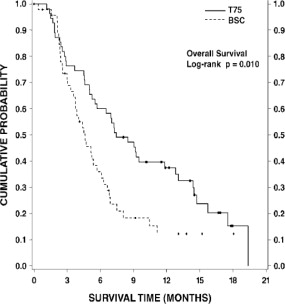
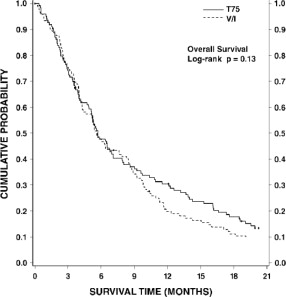
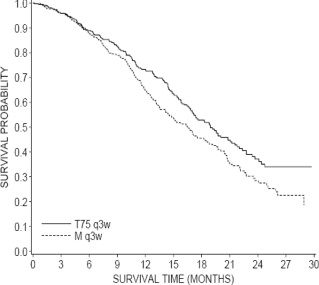
Table 15 and Figure 3 and Figure 4 showing the survival curves for the two studies.
Table 15: Efficacy of Docetaxel in the Treatment of Non-Small Cell Lung Cancer Patients Previously Treated with a Platinum-Based Chemotherapy Regimen (Intent-to-Treat Analysis) | TAX317 | TAX320 |
|---|
Docetaxel
75 mg/m2
n=55 | Best
Supportive
Care
n=49 | Docetaxel
75 mg/m2
n=125 | Control
(V/I*)
n=123 |
|---|
* Vinorelbine/Ifosfamide |
** p≤0.05 |
† uncorrected for multiple comparisons
|
†† a value less than 1.00 favors docetaxel
|
| Overall Survival Log-rank Test | p=0.01 | p=0.13 |
Risk Ratio
††, Mortality
(Docetaxel: Control)
95% CI (Risk Ratio)
|
0.56
(0.35, 0.88)
|
0.82
(0.63, 1.06)
|
Median Survival
95% CI
| 7.5 months**
(5.5, 12.8)
| 4.6 months
(3.7, 6.1)
| 5.7 months
(5.1, 7.1)
| 5.6 months
(4.4, 7.9)
|
% 1-year Survival
95% CI
| 37%**
†
(24, 50)
| 12%
(2, 23)
| 30%**
†
(22, 39)
| 20%
(13, 27)
|
Time to Progression
95% CI
| 12.3 weeks**
(9.0, 18.3)
| 7.0 weeks
(6.0, 9.3)
| 8.3 weeks
(7.0, 11.7)
| 7.6 weeks
(6.7, 10.1)
|
Response Rate
95% CI
| 5.5%
(1.1, 15.1)
| Not Applicable | 5.7%
(2.3, 11.3)
| 0.8%
(0.0, 4.5)
|
Only one of the two trials (TAX317) showed a clear effect on survival, the primary endpoint; that trial also showed an increased rate of survival to one year. In the second study (TAX320) the rate of survival at one year favored docetaxel 75 mg/m
2.
Figure 3: TAX317 Survival K-M Curves - Docetaxel 75 mg/m2 Versus Best Supportive Care
Figure 4: TAX320 Survival K-M Curves - Docetaxel 75 mg/m2 Versus Vinorelbine or Ifosfamide Control
Patients treated with docetaxel at a dose of 75 mg/m
2 experienced no deterioration in performance status and body weight relative to the comparator arms used in these trials.
Combination Therapy with Docetaxel for Chemotherapy-Naive NSCLC
In a randomized controlled trial (TAX326), 1218 patients with unresectable stage IIIB or IV NSCLC and no prior chemotherapy were randomized to receive one of three treatments: docetaxel 75 mg/m
2 as a 1 hour infusion immediately followed by cisplatin 75 mg/m
2 over 30 to 60 minutes every 3 weeks; vinorelbine 25 mg/m
2 administered over 6-10 minutes on days 1, 8, 15, 22 followed by cisplatin 100 mg/m
2 administered on day 1 of cycles repeated every 4 weeks; or a combination of docetaxel and carboplatin.
The primary efficacy endpoint was overall survival. Treatment with docetaxel+cisplatin did not result in a statistically significantly superior survival compared to vinorelbine+cisplatin (see table below). The 95% confidence interval of the hazard ratio (adjusted for interim analysis and multiple comparisons) shows that the addition of docetaxel to cisplatin results in an outcome ranging from a 6% inferior to a 26% superior survival compared to the addition of vinorelbine to cisplatin. The results of a further statistical analysis showed that at least (the lower bound of the 95% confidence interval) 62% of the known survival effect of vinorelbine when added to cisplatin (about a 2-month increase in median survival; Wozniak et al. JCO, 1998) was maintained. The efficacy data for the docetaxel+cisplatin arm and the comparator arm are summarized in
Table 16.
Table 16: Survival Analysis of Docetaxel in Combination Therapy for Chemotherapy-Naive NSCLC| Comparison | Docetaxel+Cisplatin
n=408 | Vinorelbine+Cisplatin n=405 |
|---|
aFrom the superiority test (stratified log rank) comparing docetaxel+cisplatin to vinorelbine+cisplatin
|
bHazard ratio of docetaxel+cisplatin versus vinorelbine+cisplatin. A hazard ratio of less than 1 indicates that docetaxel+cisplatin is associated with a longer survival.
|
cAdjusted for interim analysis and multiple comparisons.
|
| Kaplan-Meier Estimate of Median Survival | 10.9 months | 10.0 months |
| p-value
a | 0.122 |
| Estimated Hazard Ratio
b | 0.88 |
| Adjusted 95% CI
c | (0.74, 1.06) |
The second comparison in the same three-arm study, vinorelbine+cisplatin versus docetaxel+carboplatin, did not demonstrate superior survival associated with the docetaxel arm (Kaplan-Meier estimate of median survival was 9.1 months for docetaxel+carboplatin compared to 10.0 months on the vinorelbine+cisplatin arm) and the docetaxel+carboplatin arm did not demonstrate preservation of at least 50% of the survival effect of vinorelbine added to cisplatin. Secondary endpoints evaluated in the trial included objective response and time to progression. There was no statistically significant difference between docetaxel+cisplatin and vinorelbine+cisplatin with respect to objective response and time to progression (see
Table 17).
Table 17: Response and TTP Analysis of Docetaxel in Combination Therapy for Chemotherapy-Naive NSCLC| Endpoint | Docetaxel+Cisplatin | Vinorelbine+Cisplatin | p-value |
|---|
aAdjusted for multiple comparisons.
|
bKaplan-Meier estimates.
|
Objective Response Rate
(95% CI)
a | 31.6%
(26.5%, 36.8%)
| 24.4%
(19.8%, 29.2%)
| Not Significant |
| Median Time to Progression
b (95% CI)
a | 21.4 weeks
(19.3, 24.6)
| 22.1 weeks
(18.1, 25.6)
| Not Significant |
Induction Chemotherapy Followed by Radiotherapy (TAX323)
The safety and efficacy of docetaxel in the induction treatment of patients with squamous cell carcinoma of the head and neck (SCCHN) was evaluated in a multicenter, open-label, randomized trial (TAX323). In this study, 358 patients with inoperable locally advanced SCCHN, and WHO performance status 0 or 1, were randomized to one of two treatment arms. Patients on the docetaxel arm received docetaxel (T) 75 mg/m
2 followed by cisplatin (P) 75 mg/m
2 on Day 1, followed by fluorouracil (F) 750 mg/m
2 per day as a continuous infusion on Days 1-5. The cycles were repeated every three weeks for 4 cycles. Patients whose disease did not progress received radiotherapy (RT) according to institutional guidelines (TPF/RT). Patients on the comparator arm received cisplatin (P) 100 mg/m
2 on Day 1, followed by fluorouracil (F) 1000 mg/m
2/day as a continuous infusion on Days 1-5. The cycles were repeated every three weeks for 4 cycles. Patients whose disease did not progress received RT according to institutional guidelines (PF/RT). At the end of chemotherapy, with a minimal interval of 4 weeks and a maximal interval of 7 weeks, patients whose disease did not progress received radiotherapy (RT) according to institutional guidelines. Locoregional therapy with radiation was delivered either with a conventional fraction regimen (1.8 Gy-2.0 Gy once a day, 5 days per week for a total dose of 66 to 70 Gy) or with an accelerated/hyperfractionated regimen (twice a day, with a minimum interfraction interval of 6 hours, 5 days per week, for a total dose of 70 to 74 Gy, respectively). Surgical resection was allowed following chemotherapy, before or after radiotherapy.
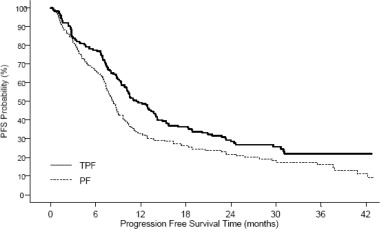
The primary endpoint in this study, progression-free survival (PFS), was significantly longer in the TPF arm compared to the PF arm, p=0.0077 (median PFS: 11.4 vs 8.3 months respectively) with an overall median follow-up time of 33.7 months. Median overall survival with a median follow-up of 51.2 months was also significantly longer in favor of the TPF arm compared to the PF arm (median OS: 18.6 vs 14.2 months respectively). Efficacy results are presented in
Table 20 and Figure 8 and Figure 9.
Table 20: Efficacy of Docetaxel in the Induction Treatment of Patients with Inoperable Locally Advanced SCCHN (Intent-to-Treat Analysis)| ENDPOINT | Docetaxel+
Cisplatin+Fluorouracil
n=177 |
Cisplatin+Fluorouracil
n=181 |
|---|
A Hazard ratio of less than 1 favors docetaxel+cisplatin+fluorouracil |
* Stratified log-rank test based on primary tumor site |
** Stratified log-rank test, not adjusted for multiple comparisons |
*** Chi square test, not adjusted for multiple comparisons |
Median progression free survival (months)
(95% CI)
| 11.4
(10.1-14.0)
| 8.3
(7.4-9.1)
|
Adjusted Hazard ratio
(95% CI)
*p-value
| 0.71
(0.56-0.91)
0.0077
|
Median survival (months)
(95% CI)
| 18.6
(15.7-24.0)
| 14.2
(11.5-18.7)
|
Hazard ratio
(95% CI)
**p-value
| 0.71
(0.56-0.90)
0.0055
|
Best overall response (CR + PR) to chemotherapy (%)
(95% CI)
|
67.8
(60.4-74.6)
|
53.6
(46.0-61.0)
|
| ***p-value | 0.006 |
Best overall response (CR + PR) to study treatment [chemotherapy +/- radiotherapy] (%)
(95% CI)
|
72.3
(65.1-78.8)
|
58.6
(51.0-65.8)
|
| ***p-value | 0.006 |
Figure 8: TAX323 Progression-Free Survival K-M Curve
Figure 9:TAX323 Overall Survival K-M Curve
Induction Chemotherapy Followed by Chemoradiotherapy (TAX324)
The safety and efficacy of docetaxel in the induction treatment of patients with locally advanced (unresectable, low surgical cure, or organ preservation) SCCHN was evaluated in a randomized, multicenter open-label trial (TAX324). In this study, 501 patients, with locally advanced SCCHN, and a WHO performance status of 0 or 1, were randomized to one of two treatment arms. Patients on the docetaxel arm received docetaxel (T) 75 mg/m
2 by intravenous infusion on day 1 followed by cisplatin (P) 100 mg/m
2 administered as a 30-minute to three-hour intravenous infusion, followed by the continuous intravenous infusion of fluorouracil (F) 1000 mg/m
2/day from day 1 to day 4. The cycles were repeated every 3 weeks for 3 cycles. Patients on the comparator arm received cisplatin (P) 100 mg/m
2 as a 30-minute to three-hour intravenous infusion on day 1 followed by the continuous intravenous infusion of fluorouracil (F) 1000 mg/m
2/day from day 1 to day 5. The cycles were repeated every 3 weeks for 3 cycles.
All patients in both treatment arms who did not have progressive disease were to receive 7 weeks of chemoradiotherapy (CRT) following induction chemotherapy 3 to 8 weeks after the start of the last cycle. During radiotherapy, carboplatin (AUC 1.5) was given weekly as a one-hour intravenous infusion for a maximum of 7 doses. Radiation was delivered with megavoltage equipment using once daily fractionation (2 Gy per day, 5 days per week for 7 weeks for a total dose of 70-72 Gy). Surgery on the primary site of disease and/or neck could be considered at anytime following completion of CRT.
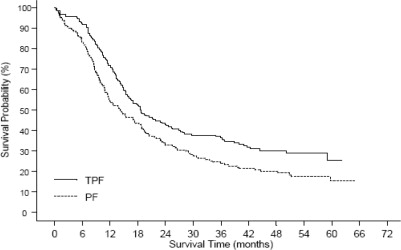
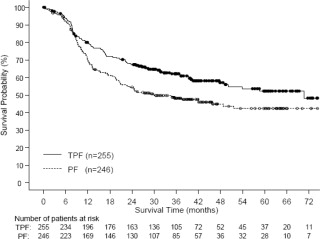
The primary efficacy endpoint, overall survival (OS), was significantly longer (log-rank test, p=0.0058) with the docetaxel-containing regimen compared to PF (median OS: 70.6 vs 30.1 months respectively, hazard ratio [HR]=0.70, 95% confidence interval [CI]= 0.54 – 0.90). Overall survival results are presented in
Table 21 and
Figure 10.
Table 21: Efficacy of Docetaxel in the Induction Treatment of Patients with Locally Advanced SCCHN (Intent-to-Treat Analysis)| ENDPOINT | Docetaxel+
Cisplatin+Fluorouracil n=255 | Cisplatin+
Fluorouracil
n=246 |
|---|
A Hazard ratio of less than 1 favors docetaxel+cisplatin+fluorouracil |
* un-adjusted log-rank test |
NE - not estimable |
Median overall survival (months)
(95% CI)
| 70.6
(49.0- NE)
| 30.1
(20.9-51.5)
|
Hazard ratio:
(95% CI)
*p-value
| 0.70
(0.54-0.90)
0.0058
|
Figure 10: TAX324 Overall Survival K-M Curve
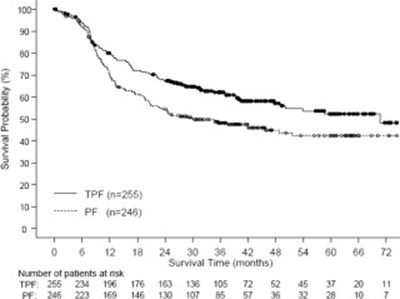
Figure 10 (Doc07 0000 11)