Because clinical trials are conducted under widely variable conditions, adverse event rates observed in clinical trials of a drug cannot be directly compared with rates of clinical trials of another drug and may not reflect the rates observed in practice.
The data in the WARNINGS AND PRECAUTIONS reflect exposure to IMBRUVICA in 6 trials as a single agent at 420 mg orally once daily in 475 patients and at 560 mg orally once daily in 174 patients and in 4 trials administered in combination with other drugs at 420 mg orally once daily in 827 patients. Among these 1,476 patients with B-cell malignancies who received IMBRUVICA, 87% were exposed for 6 months or longer and 68% were exposed for greater than one year. In this pooled safety population of 1,476 patients with B-cell malignancies, the most common adverse reactions (≥30%) were thrombocytopenia, diarrhea, fatigue, musculoskeletal pain, neutropenia, rash, anemia, and bruising.
Mantle Cell Lymphoma
The data described below reflect exposure to IMBRUVICA in a clinical trial (Study 1104) that included 111 patients with previously treated MCL treated with 560 mg daily with a median treatment duration of 8.3 months.
The most common adverse reactions (≥ 20%) were thrombocytopenia, diarrhea, neutropenia, anemia, fatigue, musculoskeletal pain, peripheral edema, upper respiratory tract infection, nausea, bruising, dyspnea, constipation, rash, abdominal pain, vomiting and decreased appetite (see Tables 1 and 2).
The most common Grade 3 or 4 non-hematological adverse reactions (≥ 5%) were pneumonia, abdominal pain, atrial fibrillation, diarrhea, fatigue, and skin infections.
Fatal and serious cases of renal failure have occurred with IMBRUVICA therapy. Increases in creatinine 1.5 to 3 times the upper limit of normal (ULN) occurred in 9% of patients.
Adverse reactions from the MCL trial (N=111) using single agent IMBRUVICA 560 mg daily occurring at a rate of ≥ 10% are presented in Table 1.
Table 1: Non-Hematologic Adverse Reactions in ≥ 10% of Patients with MCL (N=111)
| Body System | Adverse Reaction | All Grades
(%) | Grade 3 or Higher (%) |
| Gastrointestinal disorders | Diarrhea
Nausea
Constipation
Abdominal pain
Vomiting
Stomatitis
Dyspepsia | 51
31
25
24
23
17
11 | 5
0
0
5
0
1
0 |
| General disorders and administration site conditions | Fatigue | 41 | 5 |
| Peripheral edema | 35 | 3 |
| Pyrexia | 18 | 1 |
| Asthenia | 14 | 3 |
| Musculoskeletal and connective tissue disorders | Musculoskeletal pain
Muscle spasms
Arthralgia | 37
14
11 | 1
0
0 |
| Infections and infestations | Upper respiratory tract infection
Urinary tract infection
Pneumonia
Skin infections
Sinusitis | 34
14
14
14
13 | 0
3
8†
5
1 |
| Skin and subcutaneous tissue disorders | Bruising
Rash
Petechiae | 30
25
11 | 0
3
0 |
| Respiratory, thoracic and mediastinal disorders | Dyspnea | 27 | 5† |
| Cough | 19 | 0 |
| Epistaxis | 11 | 0 |
| Metabolism and nutrition disorders | Decreased appetite
Dehydration | 21
12 | 2
4 |
| Nervous system disorders | Dizziness
Headache | 14
13 | 0
0 |
†
Includes one event with a fatal outcome.
Table 2: Treatment-Emergent* Hematologic Laboratory Abnormalities
in Patients with MCL (N=111)
| Percent of Patients (N=111) |
| All Grades (%) | Grade 3 or 4 (%) |
| Platelets decreased | 57 | 17 |
| Neutrophils decreased | 47 | 29 |
| Hemoglobin decreased | 41 | 9 |
*
Based on laboratory measurements and adverse reactions
Treatment-emergent Grade 4 thrombocytopenia (6%) and neutropenia (13%) occurred in patients.
Ten patients (9%) discontinued treatment due to adverse reactions in the trial (N=111). The most frequent adverse reaction leading to treatment discontinuation was subdural hematoma (1.8%). Adverse reactions leading to dose reduction occurred in 14% of patients.
Patients with MCL who develop lymphocytosis greater than 400,000/mcL have developed intracranial hemorrhage, lethargy, gait instability, and headache. However, some of these cases were in the setting of disease progression.
Forty percent of patients had elevated uric acid levels on study including 13% with values above 10 mg/dL. Adverse reaction of hyperuricemia was reported for 15% of patients.
Chronic Lymphocytic Leukemia/Small Lymphocytic Lymphoma
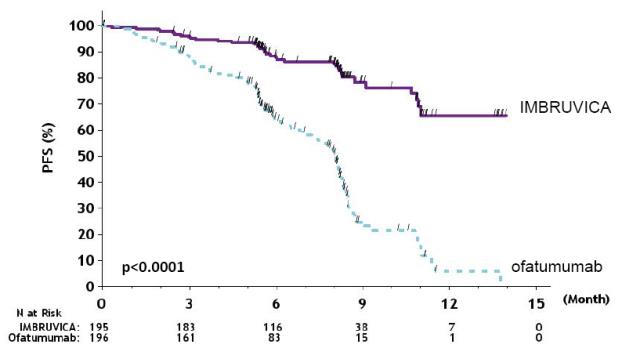
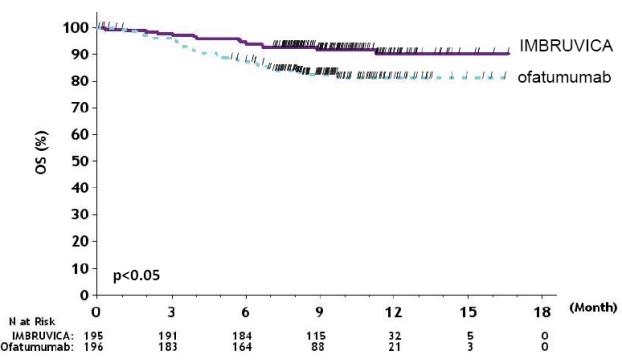
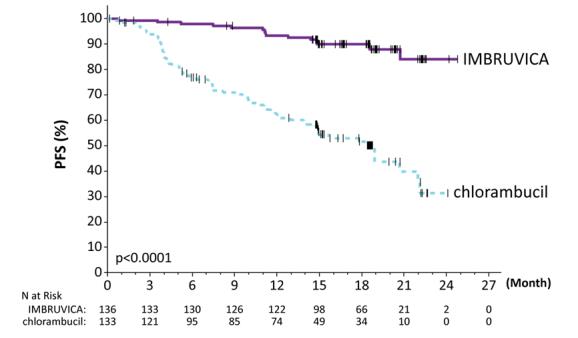
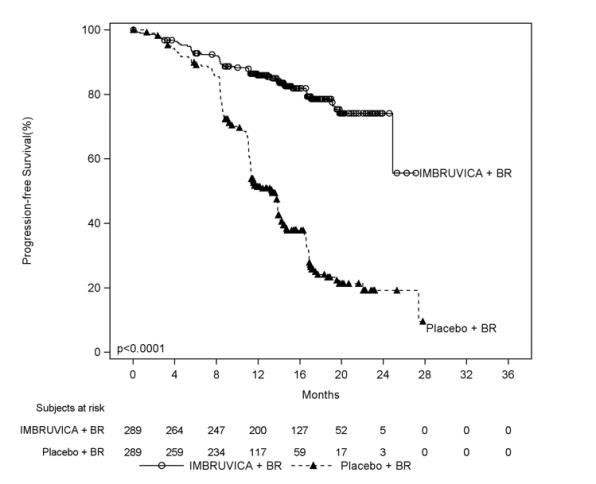
The data described below reflect exposure to IMBRUVICA in one single-arm, open-label clinical trial (Study 1102) and five randomized controlled clinical trials (RESONATE, RESONATE-2, HELIOS, iLLUMINATE, and E1912) in patients with CLL/SLL (n=2,016 total, including n=1,133 patients exposed to IMBRUVICA). In general, patients with creatinine clearance (CLcr) ≤ 30 mL/min, AST or ALT ≥ 2.5 x ULN, or total bilirubin ≥ 1.5x ULN (unless of non-hepatic origin) were excluded from these trials. In Study E1912, patients with AST or ALT > 3 x ULN or total bilirubin > 2.5 x ULN were excluded. Study 1102 included 51 patients with previously treated CLL/SLL. RESONATE included 386 randomized patients with previously treated CLL or SLL who received single agent IMBRUVICA or ofatumumab. RESONATE-2 included 267 randomized patients with treatment naïve CLL or SLL who were 65 years or older and received single agent IMBRUVICA or chlorambucil. HELIOS included 574 randomized patients with previously treated CLL or SLL who received IMBRUVICA in combination with BR or placebo in combination with BR. iLLUMINATE included 228 randomized patients with treatment naïve CLL/SLL who were 65 years or older or with coexisting medical conditions and received IMBRUVICA in combination with obinutuzumab or chlorambucil in combination with obinutuzumab. E1912 included 510 patients with previously untreated CLL/SLL who were 70 years or younger and received IMBRUVICA in combination with rituximab or received fludarabine, cyclophosphamide, and rituximab (FCR).
The most common adverse reactions in patients with CLL/SLL receiving IMBRUVICA (≥ 30%) were thrombocytopenia, diarrhea, fatigue, musculoskeletal pain, neutropenia, rash, anemia, bruising, and nausea.
Four to 10 percent of patients with CLL/SLL receiving IMBRUVICA discontinued treatment due to adverse reactions. These included pneumonia, hemorrhage, atrial fibrillation, neutropenia, arthralgia, rash, and thrombocytopenia. Adverse reactions leading to dose reduction occurred in approximately 9% of patients.
Study 1102
Adverse reactions and laboratory abnormalities from Study 1102 (N=51) using single agent IMBRUVICA 420 mg daily in patients with previously treated CLL/SLL occurring at a rate of ≥ 10% with a median duration of treatment of 15.6 months are presented in Tables 3 and 4.
Table 3: Non-Hematologic Adverse Reactions in ≥ 10% of Patients with
CLL/SLL (N=51) in Study 1102
| Body System | Adverse Reaction | All Grades (%) | Grade 3 or Higher (%) |
| Gastrointestinal disorders | Diarrhea
Constipation
Nausea
Stomatitis
Vomiting
Abdominal pain
Dyspepsia | 59
22
20
20
18
14
12 | 4
2
2
0
2
0
0 |
| Skin and subcutaneous tissue disorders | Bruising
Rash
Petechiae | 51
25
16 | 2
0
0 |
| Infections and infestations | Upper respiratory tract infection
Sinusitis
Skin infection
Pneumonia
Urinary tract infection | 47
22
16
12
12 | 2
6
6
10
2 |
| General disorders and administration site conditions | Fatigue
Pyrexia
Peripheral edema
Asthenia
Chills | 33
24
22
14
12 | 6
2
0
6
0 |
| Musculoskeletal and connective tissue disorders | Musculoskeletal pain
Arthralgia
Muscle spasms | 25
24
18 | 6
0
2 |
| Respiratory, thoracic and mediastinal disorders | Cough
Oropharyngeal pain
Dyspnea | 22
14
12 | 0
0
0 |
| Nervous system disorders | Dizziness
Headache | 20
18 | 0
2 |
| Vascular disorders | Hypertension | 16 | 8 |
| Metabolism and nutrition disorders | Decreased appetite | 16 | 2 |
| Neoplasms benign, malignant, unspecified | Second malignancies | 10 | 2† |
†One patient death due to histiocytic sarcoma.
Table 4: Treatment-Emergent* Hematologic Laboratory Abnormalities
in Patients with CLL/SLL (N=51) in Study 1102
| Percent of Patients (N=51) |
| All Grades (%) | Grade 3 or 4 (%) |
| Platelets decreased | 69 | 12 |
| Neutrophils decreased | 53 | 26 |
| Hemoglobin decreased | 43 | 0 |
* Based on laboratory measurements per IWCLL criteria and adverse reactions.
Treatment-emergent Grade 4 thrombocytopenia (8%) and neutropenia (12%) occurred in patients.
RESONATE
Adverse reactions and laboratory abnormalities described below in Tables 5 and 6 reflect exposure to IMBRUVICA with a median duration of 8.6 months and exposure to ofatumumab with a median of 5.3 months in RESONATE in patients with previously treated CLL/SLL.
Table 5: Adverse Reactions Reported in ≥ 10% of Patients in the IMBRUVICA Treated Arm in Patients with CLL/SLL in RESONATE
Body System
Adverse Reaction | IMBRUVICA
(N=195) | Ofatumumab
(N=191) |
| All Grades
(%) | Grade 3 or
Higher (%) | All Grades
(%) | Grade 3 or
Higher (%) |
| Gastrointestinal disorders | | | | |
| Diarrhea | 48 | 4 | 18 | 2 |
| Nausea | 26 | 2 | 18 | 0 |
| Stomatitis* | 17 | 1 | 6 | 1 |
| Constipation | 15 | 0 | 9 | 0 |
| Vomiting | 14 | 0 | 6 | 1 |
| Musculoskeletal and connective tissue disorders | | | | |
| Musculoskeletal pain* | 28 | 2 | 18 | 1 |
| Arthralgia | 17 | 1 | 7 | 0 |
| Muscle spasms | 13 | 0 | 8 | 0 |
| Skin and subcutaneous tissue disorders | | | | |
| Rash* | 24 | 3 | 13 | 0 |
| Petechiae | 14 | 0 | 1 | 0 |
| Bruising* | 12 | 0 | 1 | 0 |
| General disorders and administration site conditions | | | | |
| Pyrexia | 24 | 2 | 15 | 2† |
| Respiratory, thoracic and mediastinal disorders | | | | |
| Cough | 19 | 0 | 23 | 1 |
| Dyspnea | 12 | 2 | 10 | 1 |
| Infections and infestations | | | | |
| Upper respiratory tract infection | 16 | 1 | 11 | 2† |
| Pneumonia* | 15 | 12† | 13 | 10† |
| Sinusitis* | 11 | 1 | 6 | 0 |
| Urinary tract infection | 10 | 4 | 5 | 1 |
| Nervous system disorders | | | | |
| Headache | 14 | 1 | 6 | 0 |
| Dizziness | 11 | 0 | 5 | 0 |
| Injury, poisoning and procedural complications | | | | |
| Contusion | 11 | 0 | 3 | 0 |
| Eye disorders | | | | |
| Vision blurred | 10 | 0 | 3 | 0 |
The body system and individual ADR terms are sorted in descending frequency order in the IMBRUVICA arm.
* Includes multiple ADR terms
† Includes 3 events of pneumonia with fatal outcome in each arm, and 1 event of pyrexia and upper respiratory tract infection with a fatal outcome in the ofatumumab arm. |
Table 6: Treatment-Emergent Hematologic Laboratory Abnormalities in Patients with CLL/SLL in RESONATE
| IMBRUVICA
(N=195) | Ofatumumab
(N=191) |
| All Grades
(%) | Grade 3 or 4
(%) | All Grades
(%) | Grade 3 or 4
(%) |
| Neutrophils decreased | 51 | 23 | 57 | 26 |
| Platelets decreased | 52 | 5 | 45 | 10 |
| Hemoglobin decreased | 36 | 0 | 21 | 0 |
Treatment-emergent Grade 4 thrombocytopenia (2% in the IMBRUVICA arm vs 3% in the ofatumumab arm) and neutropenia (8% in the IMBRUVICA arm vs 8% in the ofatumumab arm) occurred in patients.
RESONATE-2
Adverse reactions and laboratory abnormalities described below in Tables 7 and 8 reflect exposure to IMBRUVICA with a median duration of 17.4 months. The median exposure to chlorambucil was 7.1 months in RESONATE-2.
Table 7: Adverse Reactions Reported in ≥ 10% of Patients in the IMBRUVICA Treated Arm in Patients with CLL/SLL in RESONATE-2
Body System
Adverse Reaction | IMBRUVICA
(N=135) | Chlorambucil
(N=132) |
| All Grades
(%) | Grade 3 or Higher (%) | All Grades
(%) | Grade 3 or Higher (%) |
| Gastrointestinal disorders | | | | |
| Diarrhea | 42 | 4 | 17 | 0 |
| Nausea | 22 | 1 | 39 | 1 |
| Constipation | 16 | 1 | 16 | 0 |
| Stomatitis* | 14 | 1 | 4 | 1 |
| Vomiting | 13 | 0 | 20 | 1 |
| Abdominal pain | 13 | 3 | 11 | 1 |
| Dyspepsia | 11 | 0 | 2 | 0 |
| Musculoskeletal and connective tissue disorders | | | | |
| Musculoskeletal pain* | 36 | 4 | 20 | 0 |
| Arthralgia | 16 | 1 | 7 | 1 |
| Muscle spasms | 11 | 0 | 5 | 0 |
| General disorders and administration site conditions | | | | |
| Fatigue | 30 | 1 | 38 | 5 |
| Peripheral edema | 19 | 1 | 9 | 0 |
| Pyrexia | 17 | 0 | 14 | 2 |
| Respiratory, thoracic and mediastinal disorders | | | | |
| Cough | 22 | 0 | 15 | 0 |
| Dyspnea | 10 | 1 | 10 | 0 |
| Skin and subcutaneous tissue disorders | | | | |
| Rash* | 21 | 4 | 12 | 2 |
| Bruising* | 19 | 0 | 7 | 0 |
| Eye disorders | | | | |
| Dry eye | 17 | 0 | 5 | 0 |
| Lacrimation increased | 13 | 0 | 6 | 0 |
| Vision blurred | 13 | 0 | 8 | 0 |
| Visual acuity reduced | 11 | 0 | 2 | 0 |
| Infections and infestations | | | | |
| Upper respiratory tract infection | 17 | 2 | 17 | 2 |
| Skin infection* | 15 | 2 | 3 | 1 |
| Pneumonia* | 14 | 8 | 7 | 4 |
| Urinary tract infections | 10 | 1 | 8 | 1 |
| Vascular disorders | | | | |
| Hypertension* | 14 | 4 | 1 | 0 |
| Nervous system disorders | | | | |
| Headache | 12 | 1 | 10 | 2 |
| Dizziness | 11 | 0 | 12 | 1 |
| Investigations | | | | |
| Weight decreased | 10 | 0 | 12 | 0 |
Subjects with multiple events for a given ADR term are counted once only for each ADR term.
The body system and individual ADR terms are sorted in descending frequency order in the IMBRUVICA arm.
* Includes multiple ADR terms
Table 8: Treatment-Emergent Hematologic Laboratory Abnormalities in Patients with CLL/SLL in RESONATE-2
| IMBRUVICA
(N=135) | Chlorambucil
(N=132) |
| All Grades
(%) | Grade 3 or 4
(%) | All Grades
(%) | Grade 3 or 4
(%) |
| Neutrophils Decreased | 55 | 28 | 67 | 31 |
| Platelets Decreased | 47 | 7 | 58 | 14 |
| Hemoglobin Decreased | 36 | 0 | 39 | 2 |
Treatment-emergent Grade 4 thrombocytopenia (1% in the IMBRUVICA arm vs 3% in the chlorambucil arm) and neutropenia (11% in the IMBRUVICA arm vs 12% in the chlorambucil arm) occurred in patients.
HELIOS
Adverse reactions described below in Table 9 reflect exposure to IMBRUVICA + BR with a median duration of 14.7 months and exposure to placebo + BR with a median of 12.8 months in HELIOS in patients with previously treated CLL/SLL.
Table 9: Adverse Reactions Reported in at Least 10% of Patients and at Least 2% Greater in the IMBRUVICA Arm in Patients with CLL/SLL in HELIOS
Body System
Adverse Reaction | IMBRUVICA + BR
(N=287) | Placebo + BR
(N=287) |
| All Grades
(%) | Grade 3 or Higher (%) | All Grades
(%) | Grade 3 or Higher (%) |
| Blood and lymphatic system disorders | | | | |
| Neutropenia* | 66 | 61 | 60 | 56† |
| Thrombocytopenia* | 34 | 16 | 26 | 16 |
| Gastrointestinal disorders | | | | |
| Diarrhea | 36 | 2 | 23 | 1 |
| Abdominal pain | 12 | 1 | 8 | <1 |
| Skin and subcutaneous tissue disorders | | | | |
| Rash * | 32 | 4 | 25 | 1 |
| Bruising * | 20 | <1 | 8 | <1 |
| Musculoskeletal and connective tissue disorders | | | | |
| Musculoskeletal pain* | 29 | 2 | 20 | 0 |
| Muscle spasms | 12 | <1 | 5 | 0 |
| General disorders and administration site conditions | | | | |
| Pyrexia | 25 | 4 | 22 | 2 |
| Vascular disorders | | | | |
| Hemorrhage* | 19 | 2† | 9 | 1 |
| Hypertension * | 11 | 5 | 5 | 2 |
| Infections and infestations | | | | |
| Bronchitis | 13 | 2 | 10 | 3 |
| Skin infection* | 10 | 3 | 6 | 2 |
| Metabolism and nutrition disorders | | | | |
| Hyperuricemia | 10 | 2 | 6 | 0 |
The body system and individual ADR terms are sorted in descending frequency order in the IMBRUVICA arm.
* Includes multiple ADR terms
<1 used for frequency above 0 and below 0.5%
† Includes 2 events of hemorrhage with fatal outcome in the IMBRUVICA arm and 1 event of neutropenia with a fatal outcome in the placebo + BR arm.
Atrial fibrillation of any grade occurred in 7% of patients treated with IMBRUVICA + BR and 2% of patients treated with placebo + BR. The frequency of Grade 3 and 4 atrial fibrillation was 3% in patients treated with IMBRUVICA + BR and 1% in patients treated with placebo + BR.
iLLUMINATE
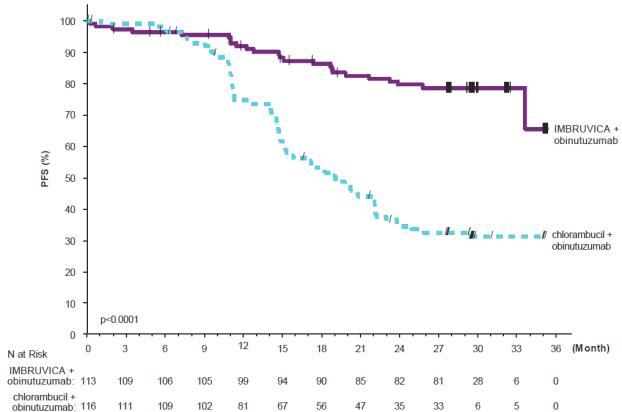
Adverse reactions described below in Table 10 reflect exposure to IMBRUVICA + obinutuzumab with a median duration of 29.3 months and exposure to chlorambucil + obinutuzumab with a median of 5.1 months in iLLUMINATE in patients with previously untreated CLL/SLL.
Table 10: Adverse Reactions Reported in at Least 10% of Patients
in the IMBRUVICA Arm in Patients with CLL/SLL in iLLUMINATE
Body System
Adverse Reaction | IMBRUVICA +
Obinutuzumab
(N=113) | Chlorambucil +
Obinutuzumab
(N=115) |
| All Grades
(%) | Grade 3 or Higher (%) | All Grades
(%) | Grade 3 or Higher (%) |
| Blood and lymphatic system disorders | | | | |
| Neutropenia* | 48 | 39 | 64 | 48 |
| Thrombocytopenia* | 36 | 19 | 28 | 11 |
| Anemia | 17 | 4 | 25 | 8 |
| Skin and subcutaneous tissue disorders | | | | |
| Rash* | 36 | 3 | 11 | 0 |
| Bruising* | 32 | 3 | 3 | 0 |
| Gastrointestinal disorders | | | | |
| Diarrhea | 34 | 3 | 10 | 0 |
| Constipation | 16 | 0 | 12 | 1 |
| Nausea | 12 | 0 | 30 | 0 |
| Musculoskeletal and connective tissue disorders | | | | |
| Musculoskeletal pain* | 33 | 1 | 23 | 3 |
| Arthralgia | 22 | 1 | 10 | 0 |
| Muscle spasms | 13 | 0 | 6 | 0 |
| Respiratory, thoracic and mediastinal disorders | | | | |
| Cough | 27 | 1 | 12 | 0 |
| Injury, poisoning and procedural complications | | | | |
| Infusion related reaction | 25 | 2 | 58 | 8 |
| Vascular disorders | | | | |
| Hemorrhage* | 25 | 1 | 9 | 0 |
| Hypertension* | 17 | 4 | 4 | 3 |
| General disorders and administration site conditions | | | | |
| Pyrexia | 19 | 2 | 26 | 1 |
| Fatigue | 18 | 0 | 17 | 2 |
| Peripheral edema | 12 | 0 | 7 | 0 |
| Infections and infestations | | | | |
| Pneumonia* | 16 | 9 | 9 | 4† |
| Upper respiratory tract infection | 14 | 1 | 6 | 0 |
| Skin infection* | 13 | 1 | 3 | 0 |
| Urinary tract infection | 12 | 3 | 7 | 1 |
| Nasopharyngitis | 12 | 0 | 3 | 0 |
| Conjunctivitis | 11 | 0 | 2 | 0 |
| Metabolism and nutrition disorders | | | | |
| Hyperuricemia | 13 | 1 | 0 | 0 |
| Cardiac disorders | | | | |
| Atrial fibrillation | 12 | 5 | 0 | 0 |
| Psychiatric disorders | | | | |
| Insomnia | 12 | 0 | 4 | 0 |
The body system and individual ADR terms are sorted in descending frequency order in the IMBRUVICA arm.
* Includes multiple ADR terms
† Includes one event with a fatal outcome.
E1912
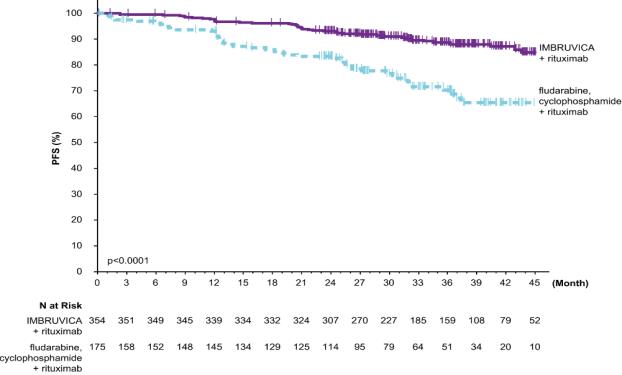
Adverse reactions described below in Table 11 reflect exposure to IMBRUVICA + rituximab with a median duration of 34.3 months and exposure to FCR with a median of 4.7 months in E1912 in patients with previously untreated CLL/SLL who were 70 years or younger.
Table 11: Adverse Reactions Reported in at Least 15% of Patients
in the IMBRUVICA Arm in Patients with CLL/SLL in E1912
Body System
Adverse Reaction | IMBRUVICA + Rituximab
(N=352) | Fludarabine +
Cyclophosphamide +
Rituximab
(N=158) |
| All Grades
(%) | Grade 3 or
Higher (%) | All Grades
(%) | Grade 3 or
Higher (%) |
| General disorders and administration site conditions | | | | |
| Fatigue | 80 | 2 | 78 | 3 |
| Peripheral edema | 28 | 1 | 17 | 0 |
| Pyrexia | 27 | 1 | 27 | 1 |
| Pain | 23 | 2 | 8 | 0 |
| Musculoskeletal and connective tissue disorders | | | | |
| Musculoskeletal pain* | 61 | 5 | 35 | 2 |
| Arthralgia | 41 | 5 | 10 | 1 |
| Gastrointestinal disorders | | | | |
| Diarrhea | 53 | 4 | 27 | 1 |
| Nausea | 40 | 1 | 64 | 1 |
| Stomatitis* | 22 | 1 | 8 | 1 |
| Abdominal pain* | 19 | 2 | 10 | 1 |
| Vomiting | 18 | 2 | 28 | 0 |
| Constipation | 17 | 0 | 32 | 0 |
| Skin and subcutaneous tissue disorders | | | | |
| Rash* | 49 | 4 | 29 | 5 |
| Bruising* | 36 | 1 | 4 | 1 |
| Vascular disorders | | | | |
| Hypertension* | 42 | 19 | 22 | 6 |
| Hemorrhage* | 31 | 2 | 8 | 1 |
| Nervous system disorders | | | | |
| Headache | 40 | 1 | 27 | 1 |
| Dizziness | 21 | 1 | 13 | 1 |
| Peripheral neuropathy* | 19 | 1 | 13 | 1 |
| Respiratory, thoracic and mediastinal disorders | | | | |
| Cough | 32 | 0 | 25 | 0 |
| Dyspnea | 22 | 2 | 21 | 1 |
| Infections and infestations | | | | |
| Upper respiratory tract infection | 29 | 1 | 19 | 2 |
| Skin infection* | 16 | 1 | 3 | 1 |
| Metabolism and nutrition disorders | | | | |
| Hyperuricemia | 19 | 1 | 4 | 0 |
| Decreased appetite | 15 | 0 | 20 | 1 |
| Psychiatric disorders | | | | |
| Insomnia | 16 | 1 | 19 | 1 |
The body system and individual ADR terms are sorted in descending frequency order in the IMBRUVICA arm.
* Includes multiple ADR terms
Table 12: Select Laboratory Abnormalities (≥ 15% Any Grade), New or Worsening from Baseline in Patients Receiving IMBRUVICA (E1912)
| IMBRUVICA + Rituximab
(N=352) | Fludarabine + Cyclophosphamide + Rituximab
(N=158) |
| All Grades
(%) | Grade 3 or 4
(%) | All Grades
(%) | Grade 3 or 4
(%) |
Hematology abnormalities
Neutrophils decreased
Platelets decreased
Hemoglobin decreased | 53
43
26 | 30
7
0 | 70
69
51 | 44
25
2 |
Chemistry abnormalities
Creatinine increased
Bilirubin increased
AST increased | 38
30
25 | 1
2
3 | 17
15
23 | 1
0
<1 |
Based on laboratory measurements per IWCLL criteria
Waldenström’s Macroglobulinemia and Marginal Zone Lymphoma
The data described below reflect exposure to IMBRUVICA in three single-arm open-label clinical trials (Study 1118, Study 1121, and INNOVATE monotherapy arm) and one randomized controlled trial (INNOVATE) in patients with WM or MZL, including a total n=307 patients overall and n=232 patients exposed to IMBRUVICA. Study 1118 included 63 patients with previously treated WM who received single agent IMBRUVICA. Study 1121 included 63 patients with previously treated MZL who received single agent IMBRUVICA. INNOVATE included 150 patients with treatment naïve or previously treated WM who received IMBRUVICA or placebo in combination with rituximab. The INNOVATE monotherapy arm included 31 patients with previously treated WM who failed prior rituximab-containing therapy and received IMBRUVICA.
The most common adverse reactions in Studies 1118, 1121, and INNOVATE (≥ 20%) were thrombocytopenia, diarrhea, bruising, neutropenia, musculoskeletal pain, hemorrhage, anemia, rash, fatigue, and nausea.
Seven percent of patients receiving IMBRUVICA across Studies 1118, 1121, and INNOVATE discontinued treatment due to adverse reactions. The most common adverse reactions leading to discontinuation were atrial fibrillation, interstitial lung disease, diarrhea and rash. Adverse reactions leading to dose reduction occurred in 13% of patients.
Study 1118 and INNOVATE Monotherapy Arm
Adverse reactions and laboratory abnormalities described below in Tables 13 and 14 reflect exposure to IMBRUVICA with a median duration of 11.7 months in Study 1118 and 33 months in the INNOVATE Monotherapy Arm.
Table 13: Non-Hematologic Adverse Reactions in ≥ 10% in Patients with WM
in Study 1118 and the INNOVATE Monotherapy Arm (N=94)
| Body System | Adverse Reaction | All Grades (%) | Grade 3 or Higher (%) |
| Gastrointestinal disorders | Diarrhea
Nausea
Stomatitis*
Constipation
Gastroesophageal reflux disease | 38
21
15
12
12 | 2
0
0
1
0 |
| Skin and subcutaneous tissue disorders | Bruising*
Rash* | 28
21 | 1
1 |
| Vascular disorders | Hemorrhage*
Hypertension* | 28
14 | 0
4 |
| General disorders and administrative site conditions | Fatigue
Pyrexia | 18
12 | 2
2 |
| Musculoskeletal and connective tissue disorders | Musculoskeletal pain*
Muscle spasms | 21
19 | 0
0 |
| Infections and infestations | Upper respiratory tract infection
Skin infection*
Sinusitis*
Pneumonia* | 19
18
16
13 | 0
3
0
5 |
| Nervous system disorders | Headache
Dizziness | 14
13 | 0
0 |
| Respiratory, thoracic and mediastinal disorders | Cough | 13 | 0 |
The body system and individual ADR preferred terms are sorted in descending frequency order.
* Includes multiple ADR terms.
Table 14: Treatment-Emergent Hematologic Laboratory Abnormalities
in Patients with WM in Study 1118 and the INNOVATE Monotherapy Arm (N=94)
| Percent of Patients (N=94) |
| All Grades (%) | Grade 3 or 4 (%) |
| Platelets Decreased | 38 | 11 |
| Neutrophils Decreased | 43 | 16 |
| Hemoglobin Decreased | 21 | 6 |
Treatment-emergent Grade 4 thrombocytopenia (4%) and neutropenia (7%) occurred in patients.
INNOVATE
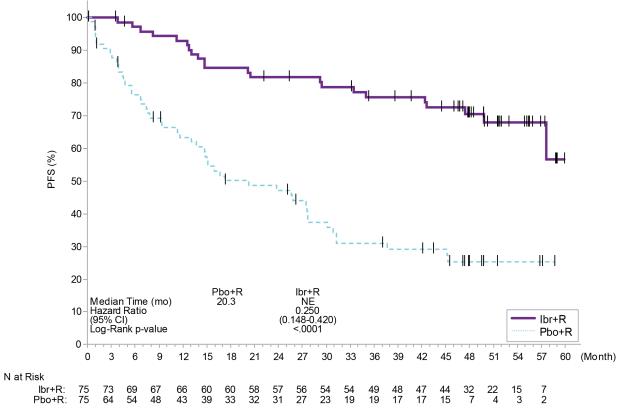
Adverse reactions described below in Table 15 reflect exposure to IMBRUVICA + R with a median duration of 25.8 months and exposure to placebo + R with a median duration of 15.5 months in patients with treatment naïve or previously treated WM in INNOVATE.
Table 15: Adverse Reactions Reported in at Least 10% of Patients and at Least 2% Greater in the IMBRUVICA Arm in Patients with WM in INNOVATE
Body System
Adverse Reaction | IMBRUVICA + R
(N=75) | Placebo + R
(N=75) |
| All Grades
(%) | Grade 3 or Higher
(%) | All Grades
(%) | Grade 3 or Higher
(%) |
| Skin and subcutaneous tissue disorders | | | | |
| Bruising* | 37 | 1 | 5 | 0 |
| Rash* | 24 | 1 | 11 | 0 |
| Musculoskeletal and connective tissue disorders | | | | |
| Musculoskeletal pain* | 35 | 4 | 21 | 3 |
| Arthralgia | 24 | 3 | 11 | 1 |
| Muscle spasms | 17 | 0 | 12 | 1 |
| Vascular disorders | | | | |
| Hemorrhage* | 32 | 3 | 17 | 4† |
| Hypertension* | 20 | 13 | 5 | 4 |
| Gastrointestinal disorders | | | | |
| Diarrhea | 28 | 0 | 15 | 1 |
| Nausea | 21 | 0 | 12 | 0 |
| Dyspepsia | 16 | 0 | 1 | 0 |
| Constipation | 13 | 1 | 11 | 1 |
| Infections and infestations | | | | |
| Pneumonia* | 19 | 13 | 5 | 3 |
| Skin infection* | 17 | 3 | 3 | 0 |
| Urinary tract infection | 13 | 0 | 0 | 0 |
| Bronchitis | 12 | 3 | 7 | 0 |
| Influenza | 12 | 0 | 7 | 1 |
| Viral upper respiratory tract infection | 11 | 0 | 7 | 0 |
| General disorders and administration site conditions | | | | |
| Peripheral edema | 17 | 0 | 12 | 1 |
| Respiratory, thoracic, and mediastinal disorders | | | | |
| Cough | 17 | 0 | 11 | 0 |
| Blood and lymphatic system disorders | | | | |
| Neutropenia* | 16 | 12 | 11 | 4 |
| Cardiac disorders | | | | |
| Atrial fibrillation | 15 | 12 | 3 | 1 |
| Nervous system disorders | | | | |
| Dizziness | 11 | 0 | 7 | 0 |
| Psychiatric disorders | | | | |
| Insomnia | 11 | 0 | 4 | 0 |
| Metabolism and nutrition disorders | | | | |
| Hypokalemia | 11 | 0 | 1 | 1 |
The body system and individual ADR preferred terms are sorted in descending frequency order.
* Includes multiple ADR terms.
† Includes one event with a fatal outcome.
Grade 3 or 4 infusion related reactions were observed in 1% of patients treated with IR.
Study 1121
Adverse reactions and laboratory abnormalities described below in Tables 16 and 17 reflect exposure to IMBRUVICA with a median duration of 11.6 months in Study 1121.
Table 16: Non-Hematologic Adverse Reactions in ≥ 10% in Patients with MZL
in Study 1121 (N=63)
| Body System | Adverse Reaction | All Grades (%) | Grade 3 or Higher (%) |
| General disorders and administrative site conditions | Fatigue
Peripheral edema
Pyrexia | 44
24
17 | 6
2
2 |
| Gastrointestinal disorders | Diarrhea
Nausea
Dyspepsia
Stomatitis*
Abdominal pain
Constipation
Abdominal pain upper
Vomiting | 43
25
19
17
16
14
13
11 | 5
0
0
2
2
0
0
2 |
| Skin and subcutaneous tissue disorders | Bruising *
Rash*
Pruritus | 41
29
14 | 0
5
0 |
| Musculoskeletal and connective tissue disorders | Musculoskeletal pain*
Arthralgia
Muscle spasms | 40
24
19 | 3
2
3 |
| Infections and infestations | Upper respiratory tract infection
Sinusitis*
Bronchitis
Pneumonia* | 21
19
11
11 | 0
0
0
10 |
| Metabolism and nutrition disorders | Decreased appetite
Hyperuricemia
Hypoalbuminemia
Hypokalemia | 16
16
14
13 | 2
0
0
0 |
| Vascular disorders | Hemorrhage*
Hypertension* | 30
14 | 2†
5 |
| Respiratory, thoracic and mediastinal disorders | Cough
Dyspnea | 22
21 | 2
2 |
| Nervous system disorders | Dizziness
Headache | 19
13 | 0
0 |
| Psychiatric disorders | Anxiety | 16 | 2 |
The body system and individual ADR preferred terms are sorted in descending frequency order.
* Includes multiple ADR terms.
† Includes one event with a fatal outcome.
Table 17: Treatment-Emergent Hematologic Laboratory Abnormalities
in Patients with MZL in Study 1121 (N=63)
| Percent of Patients (N=63) |
| All Grades (%) | Grade 3 or 4 (%) |
| Platelets decreased | 49 | 6 |
| Hemoglobin decreased | 43 | 13 |
| Neutrophils decreased | 22 | 13 |
Treatment-emergent Grade 4 thrombocytopenia (3%) and neutropenia (6%) occurred in patients.
Chronic Graft versus Host Disease
The data described below reflect exposure to IMBRUVICA in an open-label clinical trial (Study 1129) that included 42 patients with cGVHD after failure of first line corticosteroid therapy and required additional therapy.
The most common adverse reactions in the cGVHD trial (≥ 20%) were fatigue, bruising, diarrhea, thrombocytopenia, stomatitis, muscle spasms, nausea, hemorrhage, anemia, and pneumonia. Atrial fibrillation occurred in one patient (2%) which was Grade 3.
Twenty-four percent of patients receiving IMBRUVICA in the cGVHD trial discontinued treatment due to adverse reactions. The most common adverse reactions leading to discontinuation were fatigue and pneumonia. Adverse reactions leading to dose reduction occurred in 26% of patients.
Adverse reactions and laboratory abnormalities described below in Tables 18 and 19 reflect exposure to IMBRUVICA with a median duration of 4.4 months in the cGVHD trial.
Table 18: Non-Hematologic Adverse Reactions in ≥ 10% of Patients with cGVHD (N=42)
| Body System | Adverse Reaction | All Grades (%) | Grade 3 or Higher (%) |
| General disorders and administration site conditions | Fatigue
Pyrexia
Edema peripheral | 57
17
12 | 12
5
0 |
| Skin and subcutaneous tissue disorders | Bruising*
Rash* | 40
12 | 0
0 |
| Gastrointestinal disorders | Diarrhea
Stomatitis*
Nausea
Constipation | 36
29
26
12 | 10
2
0
0 |
| Musculoskeletal and connective tissue disorders | Muscle spasms
Musculoskeletal pain* | 29
14 | 2
5 |
| Vascular disorders | Hemorrhage* | 26 | 0 |
| Infections and infestations | Pneumonia*
Upper respiratory tract infection
Sepsis* | 21
19
10 | 14†
0
10 |
| Nervous system disorders | Headache | 17 | 5 |
| Injury, poisoning and procedural complications | Fall | 17 | 0 |
| Respiratory, thoracic and mediastinal disorders | Cough
Dyspnea | 14
12 | 0
2 |
| Metabolism and nutrition disorders | Hypokalemia
| 12
| 7
|
The system organ class and individual ADR preferred terms are sorted in descending frequency order.
* Includes multiple ADR terms.
† Includes 2 events with a fatal outcome.
Table 19: Treatment-Emergent Hematologic Laboratory Abnormalities
in Patients with cGVHD (N=42)
| Percent of Patients (N=42) |
| All Grades (%) | Grade 3 or 4 (%) |
| Platelets decreased | 33 | 0 |
| Neutrophils decreased | 10 | 10 |
| Hemoglobin decreased | 24 | 2 |
Treatment-emergent Grade 4 neutropenia occurred in 2% of patients.
Additional Important Adverse Reactions
Cardiovascular Events
Data on cardiovascular events are based on randomized controlled trials with IMBRUVICA (n=2,115; median treatment duration of 19.1 months for 1,157 patients treated with IMBRUVICA and 5.3 months for 958 patients in the control arm). The incidence of ventricular tachyarrhythmias (ventricular extrasystoles, ventricular arrhythmias, ventricular fibrillation, ventricular flutter, and ventricular tachycardia) of any grade was 1.0% versus 0.4% and of Grade 3 or greater was 0.3% versus 0% in patients treated with IMBRUVICA compared to patients in the control arm. The incidence of atrial fibrillation and atrial flutter of any grade was 8.4% versus 1.6% and for Grade 3 or greater was 4.0% versus 0.5% in patients treated with IMBRUVICA compared to patients in the control arm. In addition, the incidence of cardiac failure of any grade was 1.7% versus 0.5% and for Grade 3 or greater was 1.2% versus 0.3% in patients treated with IMBRUVICA compared to patients in the control arm.
The incidence of ischemic cerebrovascular events (cerebrovascular accidents, ischemic stroke, cerebral ischemia, and transient ischemic attack) of any grade was 1% versus 0.4% and Grade 3 or greater was 0.5% versus 0.2% in patients treated with IMBRUVICA compared to patients in the control arm, respectively.
Diarrhea
In randomized controlled trials (n=2,115; median treatment duration of 19.1 months for 1,157 patients treated with IMBRUVICA and 5.3 months for 958 patients in the control arm), diarrhea of any grade occurred at a rate of 43% of patients treated with IMBRUVICA compared to 19% of patients in the control arm. Grade 3 diarrhea occurred in 3% versus 1% of IMBRUVICA-treated patients compared to the control arm, respectively. Less than 1% (0.3%) of subjects discontinued IMBRUVICA due to diarrhea compared with 0% in the control arm.
Based on data from 1,605 of these patients, the median time to first onset was 21 days (range, 0 to 708) versus 46 days (range, 0 to 492) for any grade diarrhea and 117 days (range, 3 to 414) versus 194 days (range, 11 to 325) for Grade 3 diarrhea in IMBRUVICA-treated patients compared to the control arm, respectively. Of the patients who reported diarrhea, 85% versus 89% had complete resolution, and 15% versus 11% had not reported resolution at time of analysis in IMBRUVICA-treated patients compared to the control arm, respectively. The median time from onset to resolution in IMBRUVICA-treated subjects was 7 days (range, 1 to 655) versus 4 days (range, 1 to 367) for any grade diarrhea and 7 days (range, 1 to 78) versus 19 days (range, 1 to 56) for Grade 3 diarrhea in IMBRUVICA-treated subjects compared to the control arm, respectively.
Visual Disturbance
In randomized controlled trials (n=2,115; median treatment duration of 19.1 months for 1,157 patients treated with IMBRUVICA and 5.3 months for 958 patients in the control arm), blurred vision and decreased visual acuity of any grade occurred in 11% of patients treated with IMBRUVICA (9% Grade 1, 2% Grade 2, no Grade 3 or higher) compared to 6% in the control arm (5% Grade 1 and <1% Grade 2 and 3).
Based on data from 1,605 of these patients, the median time to first onset was 91 days (range, 0 to 617) versus 100 days (range, 2 to 477) in IMBRUVICA-treated patients compared to the control arm, respectively. Of the patients who reported visual disturbances, 60% versus 71% had complete resolution and 40% versus 29% had not reported resolution at the time of analysis in IMBRUVICA-treated patients compared to the control arm, respectively. The median time from onset to resolution was 37 days (range, 1 to 457) versus 26 days (range, 1 to 721) in IMBRUVICA-treated subjects compared to the control arm, respectively.
Long-Term Safety
The safety data from long-term treatment with IMBRUVICA over 5 years of 1,284 patients (treatment-naïve CLL/SLL n=162, relapsed/refractory CLL/SLL n=646, relapsed/refractory MCL n=370, and WM n=106) were analyzed. The median treatment duration was 51 months (range, 0.2 to 98 months) for CLL/SLL, 11 months (range, 0 to 87 months) for MCL, and 47 months (range, 0.3 to 61 months) for WM. The cumulative rate of hypertension increased over time. The prevalence for Grade 3 or greater hypertension was 4% (year 0-1), 7% (year 1-2), 9% (year 2-3), 9% (year 3-4), and 9% (year 4-5); the overall incidence for the 5-year period was 11%.
![Ibrutinib Is An Inhibitor Of Bruton’s Tyrosine Kinase (btk). It Is A White To Off-white Solid With The Empirical Formula C25h24n6o2 And A Molecular Weight 440.50. Ibrutinib Is Freely Soluble In Dimethyl Sulfoxide, Soluble In Methanol And Practically Insoluble In Water. The Chemical Name For Ibrutinib Is 1-[(3r)-3-[4-amino-3-(4-phenoxyphenyl)-1h-pyrazolo[3,4 D]pyrimidin-1-yl]-1-piperidinyl]-2-propen-1-one And Has The Following Structure: (Imbruvica 01)](https://ndclist.com/assets/spl/images/0dfd0279-ff17-4ea9-89be-9803c71bab44/imbruvica-01.jpg "imbruvica-01.jpg")