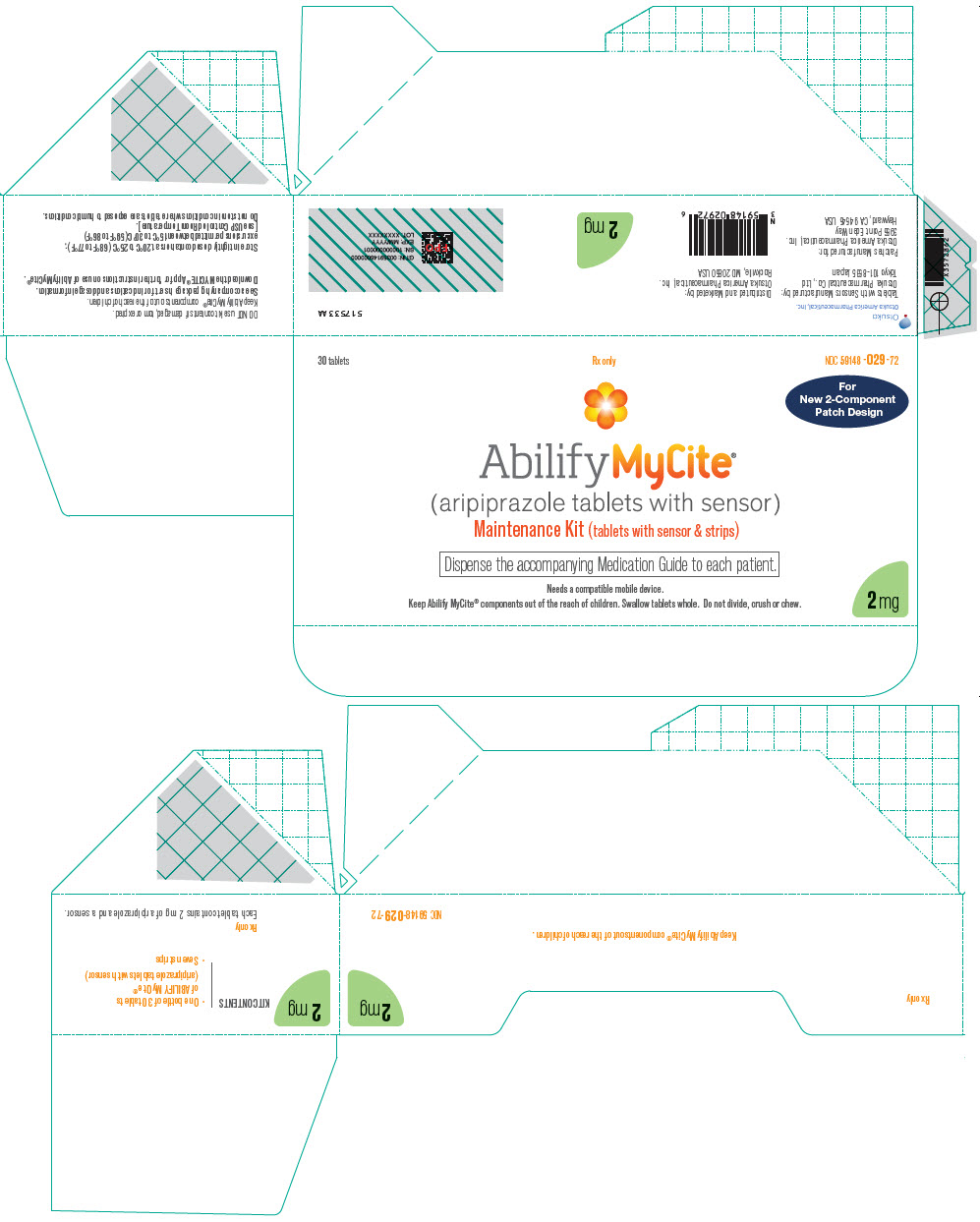
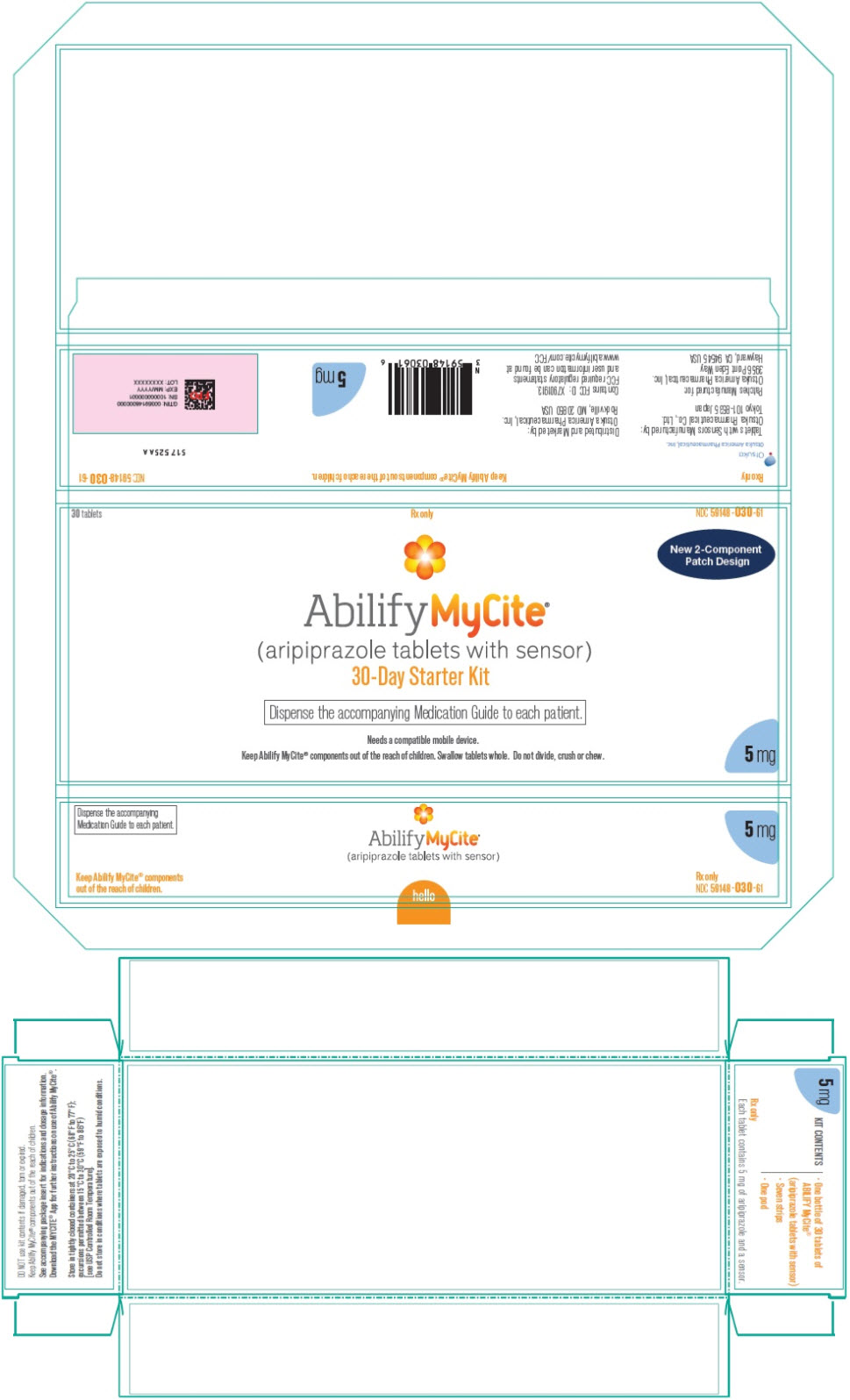
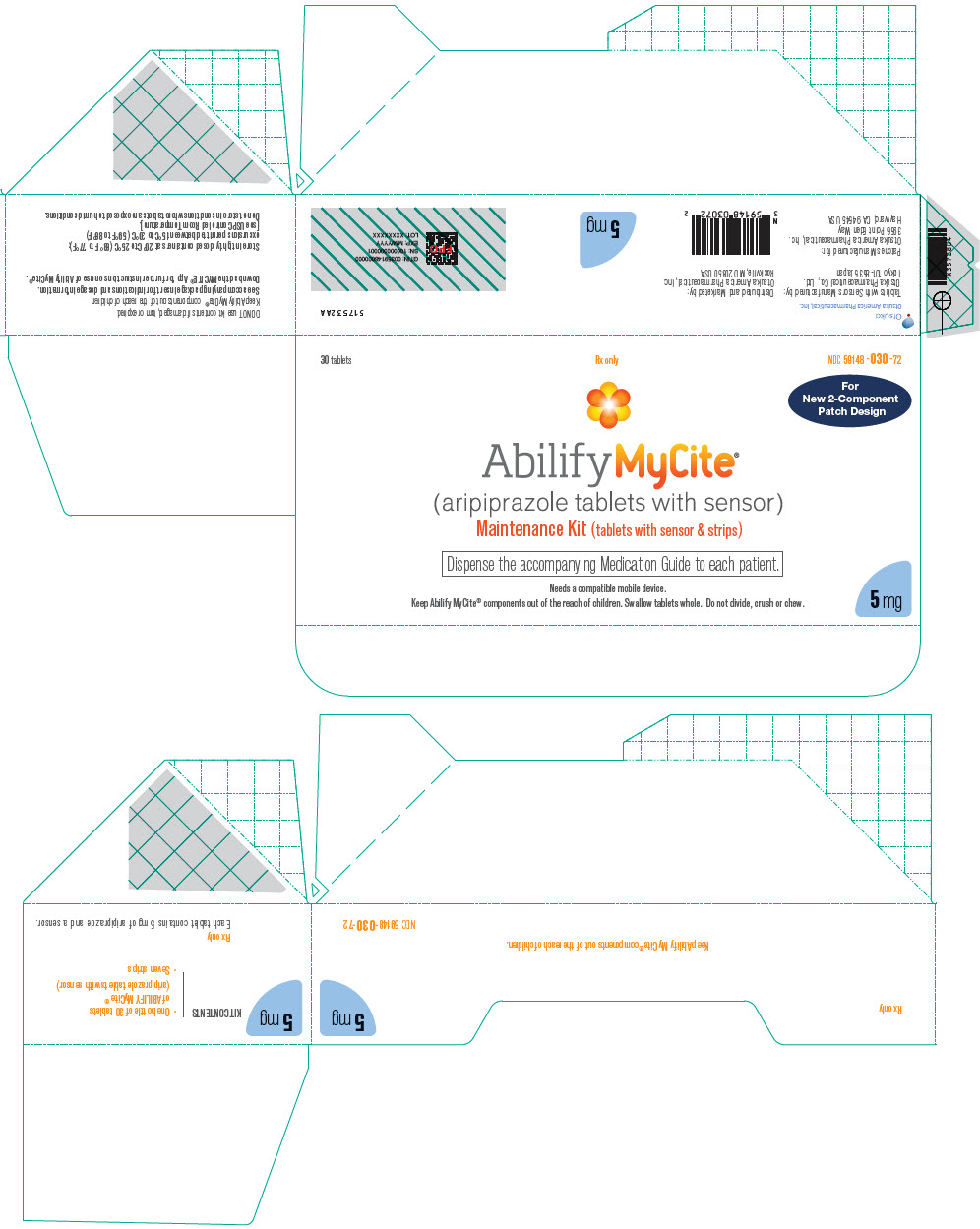
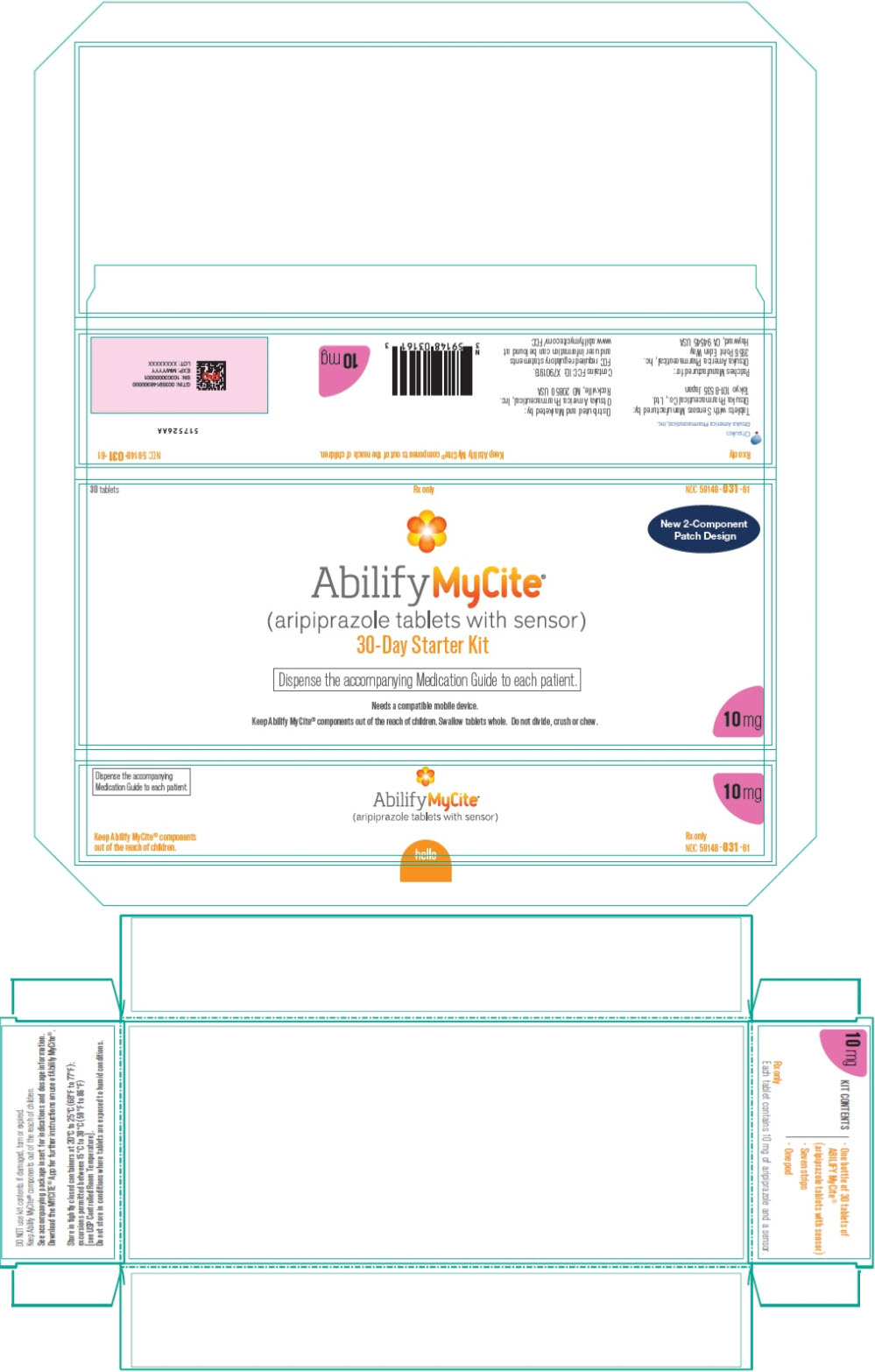
Other
Increased Mortality in Elderly Patients with Dementia-Related Psychosis
Elderly patients with dementia-related psychosis treated with antipsychotic drugs are at an increased risk of death. ABILIFY MYCITE is not approved for the treatment of patients with dementia-related psychosis [see Warnings and Precautions (5.1)].
Suicidal Thoughts and Behaviors
Antidepressants increased the risk of suicidal thoughts and behaviors in pediatric and young adult patients in short-term studies. Closely monitor all antidepressant-treated patients for clinical worsening, and for emergence of suicidal thoughts and behaviors [see Warnings and Precautions (5.2)]. The safety and efficacy of ABILIFY MYCITE have not been established in pediatric patients [see Use in Specific Populations (8.4)].
Limitations of Use:
- The ability of the ABILIFY MYCITE to improve patient compliance or modify aripiprazole dosage has not been established [see Dosage and Administration (2.1)].
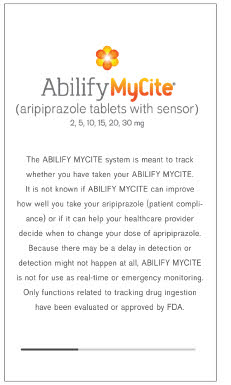
- The use of ABILIFY MYCITE to track drug ingestion in "real-time" or during an emergency is not recommended because detection may be delayed or not occur [see Dosage and Administration (2.1)].
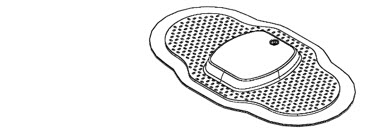
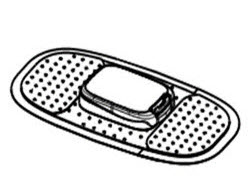
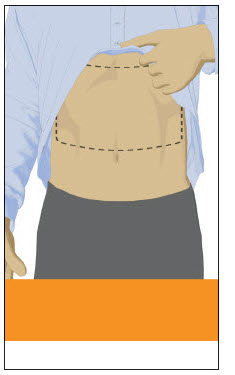
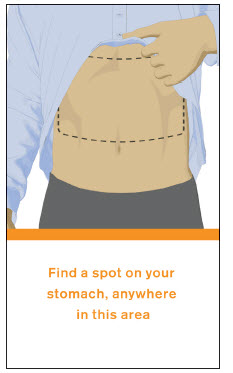
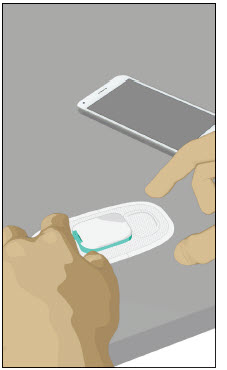
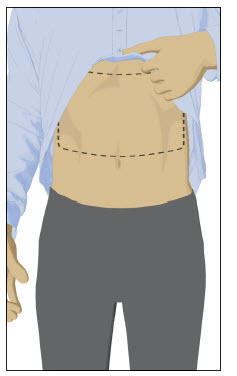
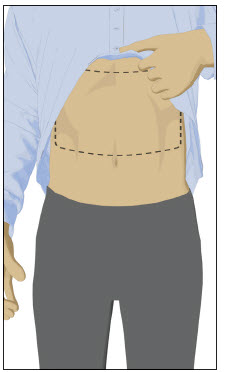
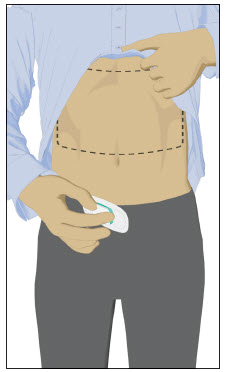
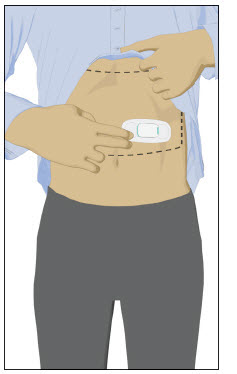
- For the 1-component patch, apply only when instructed by the app to the left side of the body just above the lower edge of the rib cage.
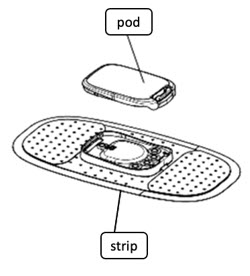
- For the 2-component patch, apply only when instructed by the app to the right or left side of the body just above the lower edge of the rib cage.
- Do not place the patch in areas where the skin is scraped, cracked, inflamed, or irritated, or in a location that overlaps the area of the most recently removed patch (if there is skin irritation, instruct patients to remove the patch).
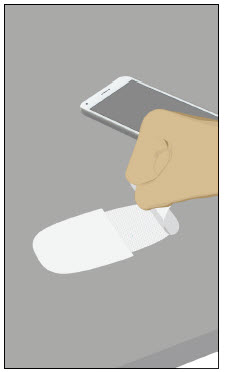
- The app will prompt the patient to change the patch (at least weekly or sooner), and to apply and remove the patch correctly.
- Keep the patch on when showering, swimming, or exercising.
- For those undergoing an MRI, remove the patch and replace with a new patch as soon as possible.
- Blood and Lymphatic System Disorders: rare - thrombocytopenia
- Cardiac Disorders: infrequent – bradycardia, palpitations, rare – atrial flutter, cardio-respiratory arrest, atrioventricular block, atrial fibrillation, angina pectoris, myocardial ischemia, myocardial infarction, cardiopulmonary failure
- Eye Disorders: infrequent – photophobia; rare - diplopia
- Gastrointestinal Disorders: infrequent - gastroesophageal reflux disease
- General Disorders and Administration Site Conditions: frequent - asthenia; infrequent – peripheral edema, chest pain; rare – face edema
- Hepatobiliary Disorders: rare - hepatitis, jaundice
- Immune System Disorders: rare- hypersensitivity
- Injury, Poisoning, and Procedural Complications: infrequent – fall; rare – heatstroke
- Investigations: frequent - weight decreased; infrequent - hepatic enzyme increased, blood glucose increased, blood lactate dehydrogenase increased, gamma glutamyl transferase increased; rare – blood prolactin increased, blood urea increased, blood creatinine increased, blood bilirubin increased, electrocardiogram QT prolonged, glycosylated hemoglobin increased
- Metabolism and Nutrition Disorders: frequent – anorexia; rare - hypokalemia, hyponatremia, hypoglycemia
- Musculoskeletal and Connective Tissue Disorders: infrequent - muscular weakness, muscle tightness; rare – rhabdomyolysis, mobility decreased
- Nervous System Disorders: infrequent - parkinsonism, memory impairment, cogwheel rigidity, hypokinesia, bradykinesia; rare – akinesia, myoclonus, coordination abnormal, speech disorder, grand mal convulsion; <1/10,000 patients - choreoathetosis
- Psychiatric Disorders: infrequent – aggression, loss of libido, delirium; rare – libido increased, anorgasmia, tic, homicidal ideation, catatonia, sleep walking
- Renal and Urinary Disorders: rare - urinary retention, nocturia
- Reproductive System and Breast Disorders: infrequent - erectile dysfunction; rare – gynaecomastia, menstruation irregular, amenorrhea, breast pain, priapism
- Respiratory, Thoracic, and Mediastinal Disorders: infrequent - nasal congestion, dyspnea
- Skin and Subcutaneous Tissue Disorders: infrequent - rash, hyperhidrosis, pruritus, photosensitivity reaction, alopecia; rare - urticaria
- Vascular Disorders: infrequent – hypotension, hypertension
- Refer to the app store to ensure compatibility with their specific smartphone.
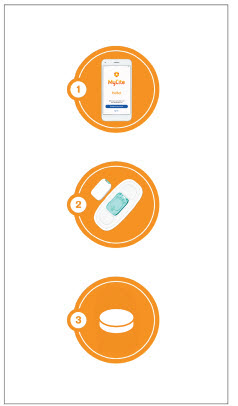
- First download the MYCITE App and follow instructions provided by the app.
- The initial use should be facilitated by the healthcare provider [see Dosage and Administration (2.1)].
- They need a functioning pod before using the Maintenance Kit [see How Supplied/Storage and Handling (16.1)].
ABILIFY MYCITE
Administer ABILIFY MYCITE orally with or without food [see Clinical Pharmacology (12.3)]. Swallow tablets with sensor whole; do not divide, crush, or chew.
MYCITE Patch
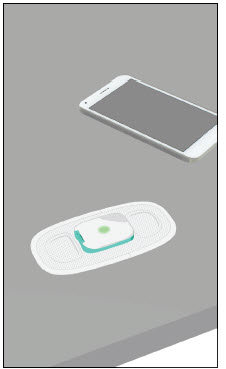
There are two types of MYCITE Patch (referred to as patch). Each type has a corresponding Instructions for Use (IFU) within the app [see How Supplied/Storage and Handling (16.1)]:
Additional patch instructions:
Hyperglycemia/Diabetes Mellitus
Hyperglycemia, in some cases extreme and associated with ketoacidosis or hyperosmolar coma or death, has been reported in patients treated with atypical antipsychotics. There have been reports of hyperglycemia in patients treated with aripiprazole [see Adverse Reactions (6.1, 6.2)]. Assessment of the relationship between atypical antipsychotic use and glucose abnormalities is complicated by the possibility of an increased background risk of diabetes mellitus in patients with schizophrenia and the increasing incidence of diabetes mellitus in the general population. Given these confounders, the relationship between atypical antipsychotic use and hyperglycemia-related adverse events is not completely understood. However, epidemiological studies suggest an increased risk of hyperglycemia-related adverse reactions in patients treated with the atypical antipsychotics.
Patients with an established diagnosis of diabetes mellitus who are started on atypical antipsychotics should be monitored regularly for worsening of glucose control. Patients with risk factors for diabetes mellitus (e.g., obesity, family history of diabetes) who are starting treatment with atypical antipsychotics should undergo fasting blood glucose testing at the beginning of treatment and periodically during treatment. Any patient treated with atypical antipsychotics should be monitored for symptoms of hyperglycemia including polydipsia, polyuria, polyphagia, and weakness. Patients who develop symptoms of hyperglycemia during treatment with atypical antipsychotics should undergo fasting blood glucose testing. In some cases, hyperglycemia has resolved when the atypical antipsychotic was discontinued; however, some patients required continuation of anti-diabetic treatment despite discontinuation of the atypical antipsychotic drug.
In an analysis of 13 placebo-controlled monotherapy trials in adults, primarily with schizophrenia or bipolar disorder, the mean change in fasting glucose in aripiprazole -treated patients (+4.4 mg/dL; median exposure 25 days; N=1057) was not significantly different than in placebo-treated patients (+2.5 mg/dL; median exposure 22 days; N=799). Table 4 shows the proportion of aripiprazole-treated patients with normal and borderline fasting glucose at baseline (median exposure 25 days) that had treatment-emergent high fasting glucose measurements compared to placebo-treated patients (median exposure 22 days).
| Category Change (at least once) from Baseline | Treatment Arm | n/N | % | |
|---|---|---|---|---|
| Fasting Glucose | Normal to High (<100 mg/dL to ≥126 mg/dL) | Aripiprazole | 31/822 | 3.8 |
| Placebo | 22/605 | 3.6 | ||
| Borderline to High (≥100 mg/dL and <126 mg/dL to ≥126 mg/dL) | Aripiprazole | 31/176 | 17.6 | |
| Placebo | 13/142 | 9.2 |
At 24 weeks, the mean change in fasting glucose in aripiprazole-treated patients was not significantly different than in placebo-treated patients [+2.2 mg/dL (n=42) and +9.6 mg/dL (n=28), respectively].
The mean change in fasting glucose in adjunctive aripiprazole-treated patients with major depressive disorder (+0.7 mg/dL; median exposure 42 days; N=241) was not significantly different than in placebo-treated patients (+0.8 mg/dL; median exposure 42 days; N=246). Table 5 shows the proportion of adult patients with changes in fasting glucose levels from two placebo-controlled, adjunctive trials (median exposure 42 days) in patients with major depressive disorder.
| Category Change (at least once) from Baseline | Treatment Arm | n/N | % | |
|---|---|---|---|---|
| Fasting Glucose | Normal to High (<100 mg/dL to ≥126 mg/dL) | Aripiprazole | 2/201 | 1.0 |
| Placebo | 2/204 | 1.0 | ||
| Borderline to High (≥100 mg/dL and <126 mg/dL to ≥126 mg/dL) | Aripiprazole | 4/34 | 11.8 | |
| Placebo | 3/37 | 8.1 |
Dyslipidemia
Undesirable alterations in lipids have been observed in patients treated with atypical antipsychotics.
Analyses of patients with at least 12 or 24 weeks of exposure were limited by small numbers of patients. Table 6 shows the proportion of adult patients, primarily from pooled schizophrenia and bipolar disorder monotherapy placebo-controlled trials, with changes in total cholesterol (pooled from 17 trials; median exposure 21 to 25 days), fasting triglycerides (pooled from eight trials; median exposure 42 days), fasting LDL cholesterol (pooled from eight trials; median exposure 39 to 45 days, except for placebo-treated patients with baseline normal fasting LDL measurements, who had median treatment exposure of 24 days) and HDL cholesterol (pooled from nine trials; median exposure 40 to 42 days).
| Treatment Arm | n/N | % | |
|---|---|---|---|
| Total Cholesterol Normal to High (<200 mg/dL to ≥240 mg/dL) | Aripiprazole | 34/1357 | 2.5 |
| Placebo | 27/973 | 2.8 | |
| Fasting Triglycerides Normal to High (<150 mg/dL to ≥200 mg/dL) | Aripiprazole | 40/539 | 7.4 |
| Placebo | 30/431 | 7.0 | |
| Fasting LDL Cholesterol Normal to High (<100 mg/dL to ≥160 mg/dL) | Aripiprazole | 2/332 | 0.6 |
| Placebo | 2/268 | 0.7 | |
| HDL Cholesterol Normal to Low (≥40 mg/dL to <40 mg/dL) | Aripiprazole | 121/1066 | 11.4 |
| Placebo | 99/794 | 12.5 |
In monotherapy trials in adults, the proportion of patients at 12 weeks and 24 weeks with changes from normal to high in total cholesterol (fasting/nonfasting), fasting triglycerides, and fasting LDL cholesterol were similar between aripiprazole- and placebo-treated patients: at 12 weeks, total cholesterol (fasting/nonfasting), 1/71 (1.4%) vs. 3/74 (4.1%); fasting triglycerides, 8/62 (12.9%) vs. 5/37 (13.5%); fasting LDL cholesterol, 0/34 (0%) vs. 1/25 (4.0%), respectively; and at 24 weeks, total cholesterol (fasting/nonfasting), 1/42 (2.4%) vs. 3/37 (8.1%); fasting triglycerides, 5/34 (14.7%) vs. 5/20 (25%); fasting LDL cholesterol, 0/22 (0%) vs. 1/18 (5.6%), respectively.
Table 7 shows the proportion of patients with changes in total cholesterol (fasting/nonfasting), fasting triglycerides, fasting LDL cholesterol, and HDL cholesterol from two placebo-controlled adjunctive trials in adult patients with major depressive disorder (median exposure 42 days).
| Treatment Arm | n/N | % | |
|---|---|---|---|
| Total Cholesterol Normal to High (<200 mg/dL to ≥240 mg/dL) | Aripiprazole | 3/139 | 2.2 |
| Placebo | 7/135 | 5.2 | |
| Fasting Triglycerides Normal to High (<150 mg/dL to ≥200 mg/dL) | Aripiprazole | 14/145 | 9.7 |
| Placebo | 6/147 | 4.1 | |
| Fasting LDL Cholesterol Normal to High (<100 mg/dL to ≥160 mg/dL) | Aripiprazole | 0/54 | 0 |
| Placebo | 0/73 | 0 | |
| HDL Cholesterol Normal to Low (≥40 mg/dL to <40 mg/dL) | Aripiprazole | 17/318 | 5.3 |
| Placebo | 10/286 | 3.5 |
Weight Gain
Weight gain has been observed with atypical antipsychotic use. Clinical monitoring of weight is recommended.
In an analysis of 13 placebo-controlled monotherapy trials, primarily from pooled schizophrenia and bipolar disorder, with a median exposure of 21 to 25 days, the mean change in body weight in aripiprazole-treated patients was +0.3 kg (N=1673) compared to –0.1 kg (N=1100) in placebo-controlled patients. At 24 weeks, the mean change from baseline in body weight in aripiprazole-treated patients was –1.5 kg (n=73) compared to –0.2 kg (n=46) in placebo-treated patients.
In the trials adding aripiprazole to antidepressants, patients first received 8 weeks of antidepressant treatment followed by 6 weeks of adjunctive aripiprazole or placebo in addition to their ongoing antidepressant treatment. The mean change in body weight in patients receiving adjunctive aripiprazole was +1.7 kg (N=347) compared to +0.4 kg (N=330) in patients receiving adjunctive placebo.
Table 8 shows the percentage of adult patients with weight gain ≥7% of body weight by indication.
| Weight gain ≥7% of body weight | Indication | Treatment Arm | N | Patients n (%) |
|---|---|---|---|---|
| Schizophrenia 4 to 6 weeks duration. | Aripiprazole | 852 | 69 (8.1) | |
| Placebo | 379 | 12 (3.2) | ||
| Bipolar Mania 3 weeks duration. | Aripiprazole | 719 | 16 (2.2) | |
| Placebo | 598 | 16 (2.7) | ||
| Major Depressive Disorder (Adjunctive Therapy) 6 weeks duration. | Aripiprazole | 347 | 18 (5.2) | |
| Placebo | 330 | 2 (0.6) |
Adverse Reactions in Adult Patients with Schizophrenia
The following findings are based on a pool of five placebo-controlled trials (four 4-week and one 6-week) in which oral aripiprazole was administered in doses ranging from 2 to 30 mg/day.
The commonly observed adverse reaction associated with the use of aripiprazole tablets in patients with schizophrenia (incidence of 5% or greater and aripiprazole tablets incidence at least twice that for placebo) was akathisia (aripiprazole tablets 8%; placebo 4%).
Adverse Reactions in Adult Patients with Bipolar Mania
Adult Patients Who Received Monotherapy
The following findings are based on a pool of 3-week, placebo-controlled bipolar mania trials in which oral aripiprazole was administered at doses of 15 or 30 mg/day.
Commonly observed adverse reactions associated with the use of aripiprazole tablets in patients with bipolar mania (incidence of 5% or greater and aripiprazole tablets incidence at least twice that for placebo) are shown in Table 9.
| Percentage of Patients Reporting Reaction | ||
|---|---|---|
| Preferred Term | Aripiprazole tablets (n=917) | Placebo (n=753) |
| Akathisia | 13 | 4 |
| Sedation | 8 | 3 |
| Restlessness | 6 | 3 |
| Tremor | 6 | 3 |
| Extrapyramidal Disorder | 5 | 2 |
Table 10 enumerates the pooled incidence, rounded to the nearest percent, of adverse reactions that occurred during acute therapy (up to 6 weeks in schizophrenia and up to 3 weeks in bipolar mania), including only those reactions that occurred in 2% or more of patients treated with aripiprazole tablets (doses ≥2 mg/day) and for which the incidence in patients treated with aripiprazole tablets was greater than the incidence in patients treated with placebo in the combined dataset.
| Percentage of Patients Reporting Reaction Adverse reactions reported by at least 2% of patients treated with oral aripiprazole, except adverse reactions which had an incidence equal to or less than placebo | ||
|---|---|---|
| System Organ Class Preferred Term | Aripiprazole tablets (n=1843) | Placebo (n=1166) |
| Eye Disorders | ||
| Blurred Vision | 3 | 1 |
| Gastrointestinal Disorders | ||
| Nausea | 15 | 11 |
| Constipation | 11 | 7 |
| Vomiting | 11 | 6 |
| Dyspepsia | 9 | 7 |
| Dry Mouth | 5 | 4 |
| Toothache | 4 | 3 |
| Abdominal Discomfort | 3 | 2 |
| Stomach Discomfort | 3 | 2 |
| General Disorders and Administration Site Conditions | ||
| Fatigue | 6 | 4 |
| Pain | 3 | 2 |
| Musculoskeletal and Connective Tissue Disorders | ||
| Musculoskeletal Stiffness | 4 | 3 |
| Pain in Extremity | 4 | 2 |
| Myalgia | 2 | 1 |
| Muscle Spasms | 2 | 1 |
| Nervous System Disorders | ||
| Headache | 27 | 23 |
| Dizziness | 10 | 7 |
| Akathisia | 10 | 4 |
| Sedation | 7 | 4 |
| Extrapyramidal Disorder | 5 | 3 |
| Tremor | 5 | 3 |
| Somnolence | 5 | 3 |
| Psychiatric Disorders | ||
| Agitation | 19 | 17 |
| Insomnia | 18 | 13 |
| Anxiety | 17 | 13 |
| Restlessness | 5 | 3 |
| Respiratory, Thoracic, and Mediastinal Disorders | ||
| Pharyngolaryngeal Pain | 3 | 2 |
| Cough | 3 | 2 |
An examination of population subgroups did not reveal any clear evidence of differential adverse reaction incidence on the basis of age, gender, or race.
Adult Patients with Adjunctive Therapy with Bipolar Mania
The following findings are based on a placebo-controlled trial of adult patients with bipolar disorder in which aripiprazole tablets was administered at doses of 15 or 30 mg/day as adjunctive therapy with lithium or valproate.
In a study of patients who were already tolerating either lithium or valproate as monotherapy, discontinuation rates due to adverse reactions were 12% for patients treated with adjunctive aripiprazole tablets compared to 6% for patients treated with adjunctive placebo. The most common adverse drug reactions associated with discontinuation in the adjunctive aripiprazole-treated compared to placebo-treated patients were akathisia (5% and 1%, respectively) and tremor (2% and 1%, respectively).
The commonly observed adverse reactions associated with adjunctive aripiprazole tablets and lithium or valproate in patients with bipolar mania (incidence of 5% or greater and incidence at least twice that for adjunctive placebo) were: akathisia, insomnia, and extrapyramidal disorder.
Table 11 enumerates the incidence, rounded to the nearest percent, of adverse reactions that occurred during acute treatment (up to 6 weeks), including only those reactions that occurred in 2% or more of patients treated with adjunctive aripiprazole tablets (doses of 15 or 30 mg/day) and lithium or valproate and for which the incidence in patients treated with this combination was greater than the incidence in patients treated with placebo plus lithium or valproate.
| Percentage of Patients Reporting Reaction Adverse reactions reported by at least 2% of patients treated with oral aripiprazole, except adverse reactions which had an incidence equal to or less than placebo | ||
|---|---|---|
| System Organ Class Preferred Term | Aripiprazole tablets + Li or Val Lithium or Valproate (n=253) | Placebo + Li or Val (n=130) |
| Gastrointestinal Disorders | ||
| Nausea | 8 | 5 |
| Vomiting | 4 | 0 |
| Salivary Hypersecretion | 4 | 2 |
| Dry Mouth | 2 | 1 |
| Infections and Infestations | ||
| Nasopharyngitis | 3 | 2 |
| Investigations | ||
| Weight Increased | 2 | 1 |
| Nervous System Disorders | ||
| Akathisia | 19 | 5 |
| Tremor | 9 | 6 |
| Extrapyramidal Disorder | 5 | 1 |
| Dizziness | 4 | 1 |
| Sedation | 4 | 2 |
| Psychiatric Disorders | ||
| Insomnia | 8 | 4 |
| Anxiety | 4 | 1 |
| Restlessness | 2 | 1 |
Adult Patients Receiving Aripiprazole Tablets as Adjunctive Treatment of Major Depressive Disorder
The following findings are based on a pool of two placebo-controlled trials of patients with major depressive disorder in which aripiprazole tablets were administered at doses of 2 mg to 20 mg as adjunctive treatment to continued antidepressant therapy.
The incidence of discontinuation due to adverse reactions was 6% for adjunctive aripiprazole-treated patients and 2% for adjunctive placebo-treated patients.
The commonly observed adverse reactions associated with the use of adjunctive aripiprazole tablets in patients with major depressive disorder (incidence of 5% or greater and aripiprazole tablets incidence at least twice that for placebo) were: akathisia, restlessness, insomnia, constipation, fatigue, and blurred vision.
Table 12 enumerates the pooled incidence, rounded to the nearest percent, of adverse reactions that occurred during acute therapy (up to 6 weeks), including only those adverse reactions that occurred in 2% or more of patients treated with adjunctive aripiprazole tablets (doses ≥2 mg/day) and for which the incidence in patients treated with adjunctive aripiprazole tablets was greater than the incidence in patients treated with adjunctive placebo in the combined dataset.
| Percentage of Patients Reporting Reaction Adverse reactions reported by at least 2% of patients treated with adjunctive aripiprazole tablets, except adverse reactions which had an incidence equal to or less than placebo | ||
|---|---|---|
| System Organ Class Preferred Term | Aripiprazole tablets + ADT Antidepressant Therapy (n=371) | Placebo + ADT (n=366) |
| Eye Disorders | ||
| Blurred Vision | 6 | 1 |
| Gastrointestinal Disorders | ||
| Constipation | 5 | 2 |
| General Disorders and Administration Site Conditions | ||
| Fatigue | 8 | 4 |
| Feeling Jittery | 3 | 1 |
| Infections and Infestations | ||
| Upper Respiratory Tract Infection | 6 | 4 |
| Investigations | ||
| Weight Increased | 3 | 2 |
| Metabolism and Nutrition Disorders | ||
| Increased Appetite | 3 | 2 |
| Musculoskeletal and Connective Tissue Disorders | ||
| Arthralgia | 4 | 3 |
| Myalgia | 3 | 1 |
| Nervous System Disorders | ||
| Akathisia | 25 | 4 |
| Somnolence | 6 | 4 |
| Tremor | 5 | 4 |
| Sedation | 4 | 2 |
| Dizziness | 4 | 2 |
| Disturbance in Attention | 3 | 1 |
| Extrapyramidal Disorder | 2 | 0 |
| Psychiatric Disorders | ||
| Restlessness | 12 | 2 |
| Insomnia | 8 | 2 |
Dose-Related Adverse Reactions in Patients with Schizophrenia
Dose response relationships for the incidence of treatment-emergent adverse events were evaluated from four trials in adult patients with schizophrenia comparing various fixed doses (2, 5, 10, 15, 20, and 30 mg/day) of oral aripiprazole to placebo. This analysis, stratified by study, indicated that the only adverse reaction to have a possible dose response relationship, and then most prominent only with 30 mg, was somnolence [including sedation]; (incidences were placebo, 7.1%; 10 mg, 8.5%; 15 mg, 8.7%; 20 mg, 7.5%; 30 mg, 12.6%).
Extrapyramidal Symptoms
Schizophrenia
In short-term, placebo-controlled trials in schizophrenia in adults, the incidence of reported EPS-related events, excluding events related to akathisia, for aripiprazole-treated patients was 13% vs. 12% for placebo; and the incidence of akathisia-related events for aripiprazole-treated patients was 8% vs. 4% for placebo.
Objectively collected data from those trials was collected on the Simpson Angus Rating Scale (for EPS), the Barnes Akathisia Scale (for akathisia), and the Assessments of Involuntary Movement Scales (for dyskinesias). In the adult schizophrenia trials, the objectively collected data did not show a difference between aripiprazole tablets and placebo, with the exception of the Barnes Akathisia Scale (aripiprazole tablets, 0.08; placebo, –0.05).
Similarly, in a long-term (26-week), placebo-controlled trial of schizophrenia in adults, objectively collected data on the Simpson Angus Rating Scale (for EPS), the Barnes Akathisia Scale (for akathisia), and the Assessments of Involuntary Movement Scales (for dyskinesias) did not show a difference between aripiprazole tablets and placebo.
Bipolar Mania
In the short-term, placebo-controlled trials in bipolar mania in adults, the incidence of reported EPS-related events, excluding events related to akathisia, for monotherapy aripiprazole-treated patients was 16% vs. 8% for placebo and the incidence of akathisia-related events for monotherapy aripiprazole-treated patients was 13% vs. 4% for placebo. In the 6-week placebo-controlled trial in bipolar mania for adjunctive therapy with lithium or valproate, the incidence of reported EPS-related events, excluding events related to akathisia for adjunctive aripiprazole-treated patients was 15% vs. 8% for adjunctive placebo and the incidence of akathisia-related events for adjunctive aripiprazole-treated patients was 19% vs. 5% for adjunctive placebo.
In the adult bipolar mania trials with monotherapy aripiprazole tablets, the Simpson Angus Rating Scale and the Barnes Akathisia Scale showed a significant difference between aripiprazole tablets and placebo (aripiprazole tablets, 0.50; placebo, –0.01 and aripiprazole tablets, 0.21; placebo, –0.05). Changes in the Assessments of Involuntary Movement Scales were similar for the aripiprazole tablets and placebo groups. In the bipolar mania trials with aripiprazole tablets as adjunctive therapy with either lithium or valproate, the Simpson Angus Rating Scale and the Barnes Akathisia Scale showed a significant difference between adjunctive aripiprazole tablets and adjunctive placebo (aripiprazole tablets, 0.73; placebo, 0.07 and aripiprazole tablets, 0.30; placebo, 0.11). Changes in the Assessments of Involuntary Movement Scales were similar for adjunctive aripiprazole tablets and adjunctive placebo.
Major Depressive Disorder
In the short-term, placebo-controlled trials in major depressive disorder, the incidence of reported EPS-related events, excluding events related to akathisia, for adjunctive aripiprazole-treated patients was 8% vs. 5% for adjunctive placebo-treated patients; and the incidence of akathisia-related events for adjunctive aripiprazole-treated patients was 25% vs. 4% for adjunctive placebo-treated patients.
In the major depressive disorder trials, the Simpson Angus Rating Scale and the Barnes Akathisia Scale showed a significant difference between adjunctive aripiprazole tablets and adjunctive placebo (aripiprazole tablets, 0.31; placebo, 0.03 and aripiprazole tablets, 0.22; placebo, 0.02). Changes in the Assessments of Involuntary Movement Scales were similar for the adjunctive aripiprazole tablets and adjunctive placebo groups.
Dystonia
Symptoms of dystonia, prolonged abnormal contractions of muscle groups, may occur in susceptible individuals during the first few days of treatment. Dystonic symptoms include: spasm of the neck muscles, sometimes progressing to tightness of the throat, swallowing difficulty, difficulty breathing, and/or protrusion of the tongue. While these symptoms can occur at low doses, they occur more frequently and with greater severity with high potency and at higher doses of first generation antipsychotic drugs. An elevated risk of acute dystonia is observed in males and younger age groups.
Skin Irritation for MYCITE Patch
Symptoms of skin irritation localized at the site of the MYCITE Patch may occur in some patients. In clinical studies with the 1-component patch, sixty-one patients (12.4%) experienced skin rashes localized at the site of patch placement.
Adverse Reactions in Long-Term, Double-Blind, Placebo-Controlled Trials
The adverse reactions reported in a 26-week, double-blind trial comparing oral aripiprazole and placebo in patients with schizophrenia were generally consistent with those reported in the short-term, placebo-controlled trials, except for a higher incidence of tremor [8% (12/153) for aripiprazole tablets vs. 2% (3/153) for placebo]. In this study, the majority of the cases of tremor were of mild intensity (8/12 mild and 4/12 moderate), occurred early in therapy (9/12 ≤49 days), and were of limited duration (7/12 ≤10 days). Tremor led to discontinuation (<1%) of aripiprazole tablets. In addition, in a long-term (52 weeks), active-controlled study, the incidence of tremor was 5% (40/859) for aripiprazole tablets. A similar profile was observed in a long-term monotherapy study and a long-term adjunctive study with lithium and valproate in bipolar disorder.
Other Adverse Reactions Observed during the Premarketing Evaluation of Aripiprazole
Other adverse reactions associated with aripiprazole are presented below. The listing does not include reactions: 1) already listed in previous tables or elsewhere in labeling, 2) for which a drug cause was remote, 3) which were so general as to be uninformative, 4) which were not considered to have significant clinical implications, or 5) which occurred at a rate equal to or less than placebo.
Reactions are categorized by body system according to the following definitions: frequent adverse reactions are those occurring in at least 1/100 patients; infrequent adverse reactions are those occurring in 1/100 to 1/1000 patients; rare reactions are those occurring in fewer than 1/1000 patients:
Pregnancy Exposure Registry
There is a pregnancy exposure registry that monitors pregnancy outcomes in women exposed to ABILIFY MYCITE during pregnancy. For more information contact the National Pregnancy Registry for Atypical Antipsychotics at 1-866-961-2388 or visit http://womensmentalhealth.org/clinical-and-research-programs/pregnancyregistry/.
Risk Summary
Neonates exposed to antipsychotic drugs, including ABILIFY MYCITE, during the third trimester of pregnancy are at risk for extrapyramidal and/or withdrawal symptoms [see Clinical Considerations]. There are no available data on aripiprazole use in pregnant women to inform a drug-associated risk of major birth defects and miscarriage. Animal reproduction studies were conducted with aripiprazole in rats and rabbits during organogenesis, and in rats during the pre-and post-natal period. Oral and intravenous aripiprazole administration during organogenesis in rats and/or rabbits at doses higher than the maximum recommended human dose (MRHD) produced fetal death, decreased fetal weight, undescended testicles, delayed skeletal ossification, skeletal abnormalities, and diaphragmatic hernia. Oral and intravenous aripiprazole administration during the pre- and post-natal period in rats at doses higher than the MRHD produced prolonged gestation, stillbirths, decreased pup weight, and decreased pup survival. Consider the benefits and risks of ABILIFY MYCITE and possible risks to the fetus when prescribing ABILIFY MYCITE to a pregnant woman. Advise pregnant women of potential fetal risk.
The background risk of major birth defects and miscarriage for the indicated population are unknown. In the U.S. general population, the estimated background risk of major birth defects and miscarriage in clinically recognized pregnancies is 2 to 4% and 15 to 20%, respectively.
Clinical Considerations
Fetal/Neonatal Adverse Reactions
Extrapyramidal and/or withdrawal symptoms, including agitation, hypertonia, hypotonia, tremor, somnolence, respiratory distress and feeding disorder have been reported in neonates who were exposed to antipsychotic drugs (including aripiprazole) during the third trimester of pregnancy. These symptoms have varied in severity. Some neonates recovered within hours or days without specific treatment; others required prolonged hospitalization. Monitor neonates for extrapyramidal and/or withdrawal symptoms.
Data
Animal Data
In animal studies, aripiprazole demonstrated developmental toxicity, including possible teratogenic effects in rats and rabbits.
Pregnant rats were treated with oral doses of 3, 10, and 30 mg/kg/day (1, 3, and 10 times the MRHD on mg/m2 basis) of aripiprazole during the period of organogenesis. Gestation was slightly prolonged at 30 mg/kg/day. Treatment at the high dose of 30 mg/kg/day caused a slight delay in fetal development (decreased fetal weight), undescended testes, and delayed skeletal ossification (also seen at 10 mg/kg/day). There were no adverse effects on embryofetal or pup survival. Delivered offspring had decreased body weights (10 and 30 mg/kg/day) and increased incidences of hepatodiaphragmatic nodules and diaphragmatic hernia at 30 mg/kg (the other dose groups were not examined for these findings). Postnatally, delayed vaginal opening was seen at 10 and 30 mg/kg/day and impaired reproductive performance (decreased fertility rate, corpora lutea, implants, live fetuses, and increased post-implantation loss, likely mediated through effects on female offspring) was seen at 30 mg/kg/day. Some maternal toxicity was seen at 30 mg/kg/day however, there was no evidence to suggest that these developmental effects were secondary to maternal toxicity.
In pregnant rats receiving aripiprazole injection intravenously (3, 9, and 27 mg/kg/day) during the period of organogenesis, decreased fetal weight and delayed skeletal ossification were seen at the highest dose where it also caused maternal toxicity.
Pregnant rabbits were treated with oral doses of 10, 30, and 100 mg/kg/day (2 , 3, and 11 times human exposure at MRHD based on AUC and 6, 19, and 65 times the MRHD based on mg/m2) of aripiprazole during the period of organogenesis. At the high dose of 100 mg/kg/day decreased maternal food consumption, and increased abortions were seen as well as increased fetal mortality, decreased fetal weight (also seen at 30 mg/kg/day), increased incidence of a skeletal abnormality (fused sternebrae) (also seen at 30 mg/kg/day).
In pregnant rabbits receiving aripiprazole injection intravenously (3, 10, and 30 mg/kg/day) during the period of organogenesis, the highest dose, which caused pronounced maternal toxicity, resulted in decreased fetal weight, increased fetal abnormalities (primarily skeletal), and decreased fetal skeletal ossification. The fetal no-effect dose was 10 mg/kg/day, which is 5 times the human exposure at the MRHD based on AUC and is 6 times the MRHD based on mg/m2.
In a study in which rats were treated peri- and post-natally with oral doses of 3, 10, and 30 mg/kg/day (1, 3, and 10 times the MRHD on mg/m2 basis) of aripiprazole from gestation Day 17 through Day 21 postpartum, slight maternal toxicity, slightly prolonged gestation an increase in stillbirths and decreases in pup weight (persisting into adulthood) and survival were seen at 30 mg/kg/day.
In rats receiving aripiprazole injection intravenously (3, 8, and 20 mg/kg/day) from gestation Day 6 through Day 20 postpartum, an increase in stillbirths was seen at 8 and 20 mg/kg/day, and decreases in early postnatal pup weights and survival were seen at 20 mg/kg/day; these effects were seen in presence of maternal toxicity. There were no effects on postnatal behavioral and reproductive development.
The effect of ABILIFY MYCITE on labor and delivery in humans is unknown.
Risk Summary
Aripiprazole is present in human breast milk; however, there are insufficient data to assess the amount in human milk, the effects on the breastfed infant, or the effects on milk production.
The development and health benefits of breastfeeding should be considered along with the mother's clinical need for ABILIFY MYCITE and any potential adverse effects on the breastfed infant from ABILIFY MYCITE or from the underlying maternal condition.
Charcoal: In the event of an overdose of ABILIFY MYCITE, an early charcoal administration may be useful in partially preventing the absorption of aripiprazole. Administration of 50 g of activated charcoal, one hour after a single 15 mg oral dose of aripiprazole, decreased the mean AUC and Cmax of aripiprazole by 50%.
Hemodialysis: Although there is no information on the effect of hemodialysis in treating an overdose with aripiprazole, hemodialysis is unlikely to be useful in overdose management since aripiprazole is highly bound to plasma proteins.
Absorption
Aripiprazole is well absorbed after administration of the tablet, with peak plasma concentrations occurring within 3 hours to 5 hours; the absolute oral bioavailability of the tablet formulation is 87%. ABILIFY MYCITE can be administered with or without food. Administration of a 15 mg aripiprazole tablet with a standard high-fat meal did not significantly affect the Cmax or AUC of aripiprazole or its active metabolite, dehydro-aripiprazole, but delayed Tmax by 3 hours for aripiprazole and 12 hours for dehydro-aripiprazole.
Distribution
The steady-state volume of distribution of aripiprazole following intravenous administration is high (404 L or 4.9 L/kg), indicating extensive extravascular distribution. At therapeutic concentrations, aripiprazole and its major metabolite are greater than 99% bound to serum proteins, primarily to albumin. In healthy human volunteers administered 0.5 to 30 mg/day aripiprazole for 14 days, there was dose-dependent D2 receptor occupancy indicating brain penetration of aripiprazole in humans.
Elimination
Metabolism
Aripiprazole is metabolized primarily by three biotransformation pathways: dehydrogenation, hydroxylation, and N-dealkylation. Based on in vitro studies, CYP3A4 and CYP2D6 enzymes are responsible for dehydrogenation and hydroxylation of aripiprazole, and N-dealkylation is catalyzed by CYP3A4. Aripiprazole is the predominant drug moiety in the systemic circulation. At steady-state, dehydro-aripiprazole, the active metabolite, represents about 40% of aripiprazole AUC in plasma.
Excretion
Following a single oral dose of [14C]-labeled aripiprazole, approximately 25% and 55% of the administered radioactivity was recovered in the urine and feces, respectively. Less than 1% of unchanged aripiprazole was excreted in the urine and approximately 18% of the oral dose was recovered unchanged in the feces.
Drug Interaction Studies
Effects of other drugs on the exposures of aripiprazole and dehydro-aripiprazole are summarized in Figure 1 and Figure 2, respectively. Based on simulation, a 4.5-fold increase in mean Cmax and AUC values at steady-state is expected when extensive metabolizers of CYP2D6 are administered with both strong CYP2D6 and CYP3A4 inhibitors. A 3-fold increase in mean Cmax and AUC values at steady-state is expected in poor metabolizers of CYP2D6 administered with strong CYP3A4 inhibitors.
Figure 1: The Effects of Other Drugs on Aripiprazole Pharmacokinetics
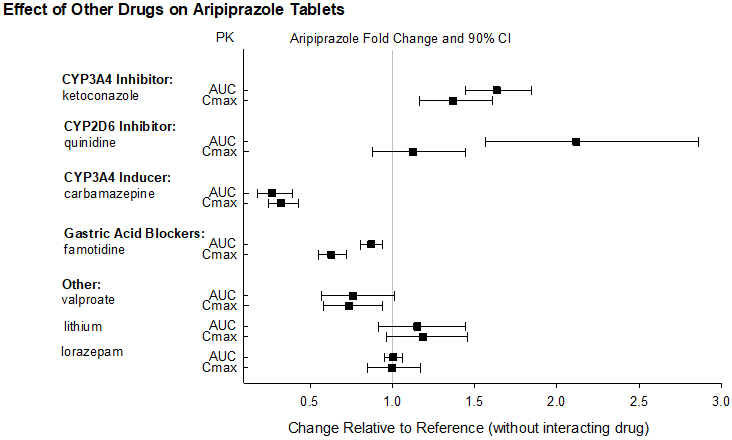
Figure 1 (Mycite Figure 01)
Figure 2: The Effects of Other Drugs on Dehydro-aripiprazole Pharmacokinetics
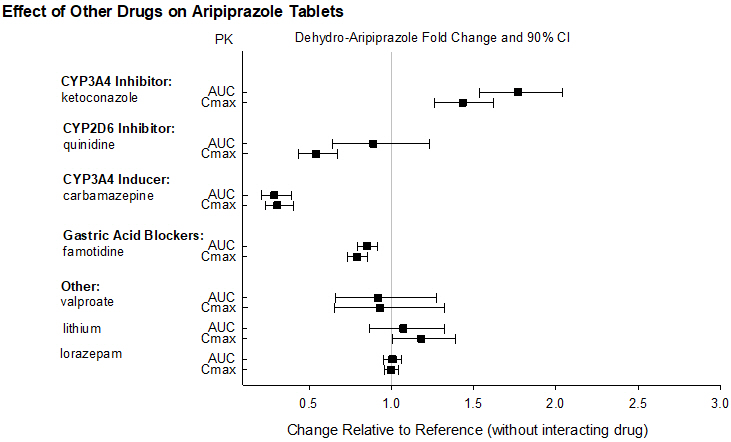
Figure 2 (Mycite Figure 02)
The effects of aripiprazole on the exposures of other drugs are summarized in Figure 3. A population PK analysis in patients with major depressive disorder showed no substantial change in plasma concentrations of fluoxetine (20 or 40 mg/day), paroxetine CR (37.5 or 50 mg/day), or sertraline (100 or 150 mg/day) dosed to steady-state. The steady-state plasma concentrations of fluoxetine and norfluoxetine increased by about 18% and 36%, respectively, and concentrations of paroxetine decreased by about 27%. The steady-state plasma concentrations of sertraline and desmethylsertraline were not substantially changed when these antidepressant therapies were coadministered with aripiprazole.
Figure 3: The Effects of Aripiprazole on Pharmacokinetics of Other Drugs
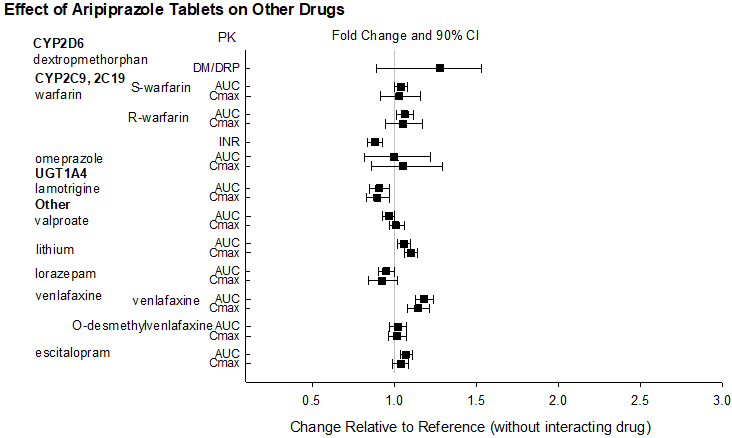
Figure 3 (Mycite Figure 03)
Specific Populations
Exposures of aripiprazole and dehydro-aripiprazole in specific populations are summarized in Figure 4 and Figure 5, respectively.
Figure 4: Effects of Intrinsic Factors on Aripiprazole Pharmacokinetics
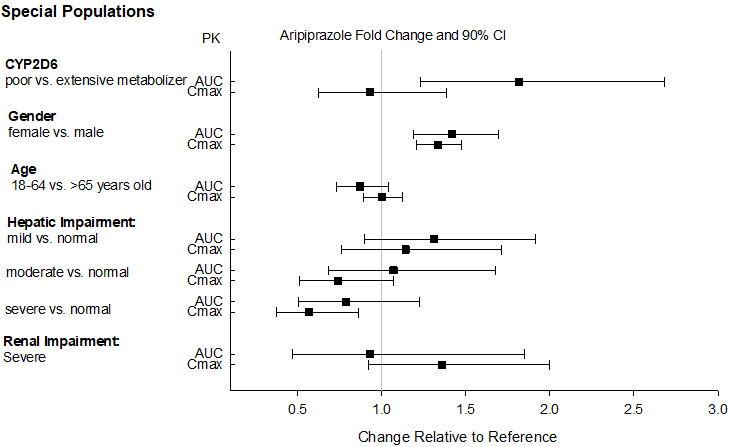
Figure 4 (Mycite Figure 04)
Figure 5: Effects of Intrinsic Factors on Dehydro-aripiprazole Pharmacokinetics
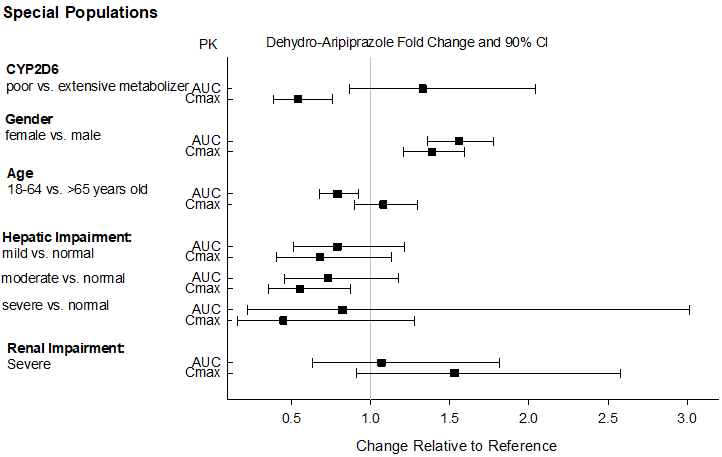
Figure 5 (Mycite Figure 05)
Carcinogenesis
Lifetime carcinogenicity studies were conducted in ICR mice, Sprague-Dawley (SD) rats, and F344 rats. Aripiprazole was administered for 2 years in the diet at doses of 1, 3, 10, and 30 mg/kg/day to ICR mice and 1, 3, and 10 mg/kg/day to F344 rats (0.2 to 5 times and 0.3 to 3 times the maximum recommended human dose [MRHD] based on mg/m2, respectively). In addition, SD rats were dosed orally for 2 years at 10, 20, 40, and 60 mg/kg/day (3 to 19 times the MRHD based on mg/m2). Aripiprazole did not induce tumors in male mice or male rats. In female mice, the incidences of pituitary gland adenomas and mammary gland adenocarcinomas and adenoacanthomas were increased at dietary doses of 3 to 30 mg/kg/day (0.1 to 0.9 times human exposure at MRHD based on AUC and 0.5 to 5 times the MRHD based on mg/m2). In female rats, the incidence of mammary gland fibroadenomas was increased at a dietary dose of 10 mg/kg/day (0.1 times human exposure at MRHD based on AUC and 3 times the MRHD based on mg/m2); and the incidences of adrenocortical carcinomas and combined adrenocortical adenomas/carcinomas were increased at an oral dose of 60 mg/kg/day (14 times human exposure at MRHD based on AUC and 19 times the MRHD based on mg/m2).
Proliferative changes in the pituitary and mammary gland of rodents have been observed following chronic administration of other antipsychotic agents and are considered prolactin-mediated. Serum prolactin was not measured in the aripiprazole carcinogenicity studies. However, increases in serum prolactin levels were observed in female mice in a 13-week dietary study at the doses associated with mammary gland and pituitary tumors. Serum prolactin was not increased in female rats in 4-week and 13-week dietary studies at the dose associated with mammary gland tumors. The relevance for human risk of the findings of prolactin-mediated endocrine tumors in rodents is unknown.
Mutagenesis
The mutagenic potential of aripiprazole was tested in the in vitro bacterial reverse-mutation assay, the in vitro bacterial DNA repair assay, the in vitro forward gene mutation assay in mouse lymphoma cells, the in vitro chromosomal aberration assay in Chinese hamster lung (CHL) cells, the in vivo micronucleus assay in mice, and the unscheduled DNA synthesis assay in rats. Aripiprazole and a metabolite (2,3-DCPP) were clastogenic in the in vitro chromosomal aberration assay in CHL cells with and without metabolic activation. The metabolite, 2,3-DCPP, produced increases in numerical aberrations in the in vitro assay in CHL cells in the absence of metabolic activation. A positive response was obtained in the in vivo micronucleus assay in mice; however, the response was due to a mechanism not considered relevant to humans.
Impairment of Fertility
Female rats were treated with oral doses of 2, 6, and 20 mg/kg/day (0.6, 2, and 6 times the MRHD on a mg/m2 basis) of aripiprazole from 2 weeks prior to mating through Day 7 of gestation. Estrus cycle irregularities and increased corpora lutea were seen at all doses, but no impairment of fertility was seen. Increased pre-implantation loss was seen at 6 and 20 mg/kg/day and decreased fetal weight was seen at 20 mg/kg/day.
Male rats were treated with oral doses of 20, 40, and 60 mg/kg/day (6, 13, and 19 times the MRHD on a mg/m2 basis) of aripiprazole from 9 weeks prior to mating through mating. Disturbances in spermatogenesis were seen at 60 mg/kg and prostate atrophy was seen at 40 and 60 mg/kg, but no impairment of fertility was seen.
Acute Treatment of Manic and Mixed Episodes
Monotherapy
The efficacy of aripiprazole tablets as monotherapy in the acute treatment of manic and mixed episodes associated with bipolar I disorder was established in four 3-week placebo-controlled trials in hospitalized patients who met the DSM-IV criteria for bipolar I disorder with manic or mixed episodes. These studies included patients with or without psychotic features and two of the studies also included patients with or without a rapid-cycling course.
The primary instrument used for assessing manic symptoms was the Young Mania Rating Scale (Y-MRS), an 11-item clinician-rated scale traditionally used to assess the degree of manic symptomatology in a range from 0 (no manic features) to 60 (maximum score). A key secondary instrument included the Clinical Global Impression-Bipolar (CGI-BP) Scale.
In the four positive, 3-week placebo-controlled trials (n=268; n=248; n=480; n=485) which evaluated aripiprazole tablets in a range of 15 mg to 30 mg, once daily (with a starting dose of 30 mg/day in two studies and 15 mg/day in two studies), aripiprazole tablets were superior to placebo in the reduction of Y-MRS total score (Studies 1 to 4 in Table 15) and CGI-BP Severity of Illness score (mania). In the two studies with a starting dose of 15 mg/day, 48% and 44% of patients were on 15 mg/day at endpoint. In the two studies with a starting dose of 30 mg/day, 86% and 85% of patients were on 30 mg/day at endpoint.
Adjunctive Therapy
The efficacy of adjunctive aripiprazole tablets with concomitant lithium or valproate in the treatment of manic or mixed episodes associated with Bipolar I Disorder was established in a 6-week placebo-controlled study (n=384) with a 2-week lead-in mood stabilizer monotherapy phase in adult patients who met DSM-IV criteria for bipolar I disorder. This study included patients with manic or mixed episodes and with or without psychotic features.
Patients were initiated on open-label lithium (0.6 to 1.0 mEq/L) or valproate (50 to 125 μg/mL) at therapeutic serum levels and remained on stable doses for 2 weeks. At the end of 2 weeks, patients demonstrating inadequate response (Y-MRS total score ≥16 and ≤25% improvement on the Y-MRS total score) to lithium or valproate were randomized to receive either aripiprazole tablets (15 mg/day or an increase to 30 mg/day as early as Day 7) or placebo as adjunctive therapy with open-label lithium or valproate. In the 6-week placebo-controlled phase, adjunctive aripiprazole tablets starting at 15 mg/day with concomitant lithium or valproate (in a therapeutic range of 0.6 to 1.0 mEq/L or 50 to 125 μg/mL, respectively) was superior to lithium or valproate with adjunctive placebo in the reduction of the Y-MRS total score (Study 5 in Table 15) and CGI-BP Severity of Illness score (mania). Seventy-one percent of the patients coadministered valproate and 62% of the patients coadministered lithium were on 15 mg/day at 6-week endpoint.
| Study Number | Treatment Group | Primary Efficacy Measure: Y-MRS | ||
|---|---|---|---|---|
| Mean Baseline Score (SD) | LS Mean Change from Baseline (SE) | Placebo-subtracted Difference Difference (drug minus placebo) in least-squares mean change from baseline. (95% CI) | ||
| SD: standard deviation; SE: standard error; LS Mean: least-squares mean; CI: unadjusted confidence interval. | ||||
| Study 1 | Aripiprazole tablets (30/15 mg/day) Doses statistically significantly superior to placebo. | 29.0 (5.9) | -12.52 (1.05) | -5.33 (-7.90, -2.76) |
| Placebo | 28.5 (4.6) | -7.19 (1.07) | -- | |
| Study 2 | Aripiprazole tablets (30/15 mg/day) | 27.8 (5.7) | -8.15 (1.23) | -4.80 (-7.80, -1.80) |
| Placebo | 29.1 (6.9) | -3.35(1.22) | -- | |
| Study 3 | Aripiprazole tablets (15 to 30 mg/day) | 28.5 (5.6) | -12.64 (0.84) | -3.63 (-5.75 , -1.51) |
| Placebo | 28.9 (5.9) | 9.01 (0.81) | -- | |
| Study 4 | Aripiprazole tablets (15 to 30 mg/day) | 28.0 (5.8) | -11.98 (0.80) | -2.28 (-4.44 , -0.11) |
| Placebo | 28.3 (5.8) | -9.70 (0.83) | -- | |
| Study 5 | Aripiprazole tablets (15 or 30 mg/day) | 23.2 (5.7) | -13.31 (0.50) | -2.62 (-4.29 , -0.95) |
| Placebo + Lithium/Valproate | 23.0 (4.9) | -10.70 (0.69) | -- | |
Maintenance Treatment of Bipolar I Disorder
Monotherapy Maintenance Therapy
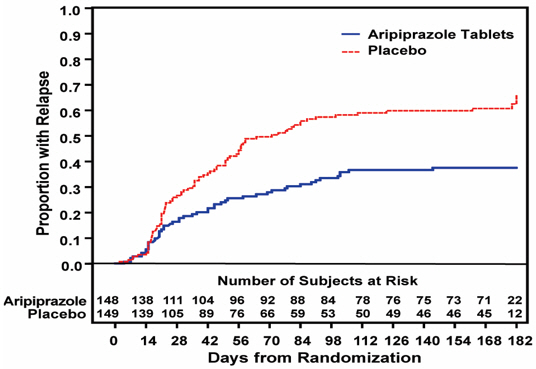
A maintenance trial was conducted in adult patients meeting DSM-IV criteria for bipolar I disorder with a recent manic or mixed episode who had been stabilized on open-label aripiprazole tablets and who had maintained a clinical response for at least 6 weeks. The first phase of this trial was an open-label stabilization period in which inpatients and outpatients were clinically stabilized and then maintained on open-label aripiprazole tablets (15 or 30 mg/day, with a starting dose of 30 mg/day) for at least 6 consecutive weeks. One hundred sixty-one outpatients were then randomized in a double-blind fashion to either the same dose of aripiprazole tablets they were on at the end of the stabilization and maintenance period or placebo and were then monitored for manic or depressive relapse. During the randomization phase, aripiprazole tablets were superior to placebo on time to the number of combined affective relapses (manic plus depressive), the primary outcome measure for this study (Study 7 in Figure 7). A total of 55 mood events were observed during the double-blind treatment phase. Nineteen were from the aripiprazole tablets group and 36 were from the placebo group. The number of observed manic episodes in the aripiprazole tablets group (6) were fewer than that in the placebo group (19), while the number of depressive episodes in the aripiprazole tablets group (9) was similar to that in the placebo group (11).
An examination of population subgroups did not reveal any clear evidence of differential responsiveness on the basis of age and gender; however, there were insufficient numbers of patients in each of the ethnic groups to adequately assess inter-group differences.
Figure 7: Kaplan-Meier Estimation of Cumulative Proportion of Patients with Relapse (Bipolar Study 7)
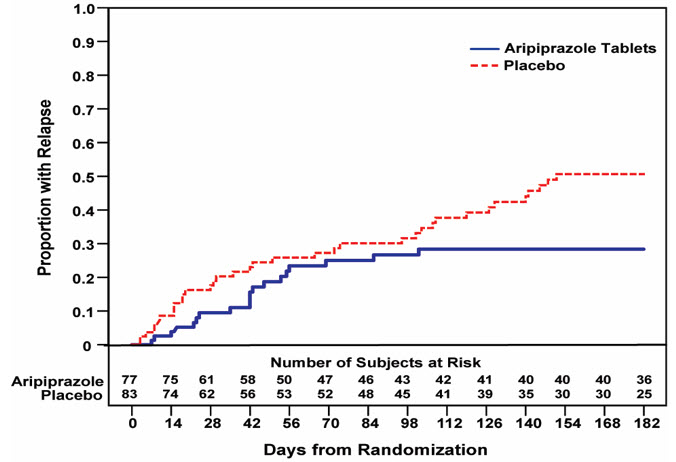
Figure 7 (Mycite Figure 07)
Adjunctive Maintenance Therapy
An adjunctive maintenance trial was conducted in adult patients meeting DSM-IV criteria for bipolar I disorder with a recent manic or mixed episode. Patients were initiated on open-label lithium (0.6 to 1.0 mEq/L) or valproate (50 to 125 μg/mL) at therapeutic serum levels, and remained on stable doses for 2 weeks. At the end of 2 weeks, patients demonstrating inadequate response (Y-MRS total score ≥16 and ≤35% improvement on the Y-MRS total score) to lithium or valproate received aripiprazole tablets with a starting dose of 15 mg/day with the option to increase to 30 mg or reduce to 10 mg as early as Day 4, as adjunctive therapy with open-label lithium or valproate. Prior to randomization, patients on the combination of single-blind aripiprazole tablets and lithium or valproate were required to maintain stability (Y-MRS and MADRS total scores ≤12) for 12 consecutive weeks. Three hundred thirty-seven patients were then randomized in a double-blind fashion, to either the same dose of aripiprazole tablets they were on at the end of the stabilization period or placebo plus lithium or valproate and were then monitored for manic, mixed, or depressive relapse for a maximum of 52 weeks. Aripiprazole tablets were superior to placebo on the primary endpoint, time from randomization to relapse to any mood event (Study 8 in Figure 8). A mood event was defined as hospitalization for a manic, mixed, or depressive episode, study discontinuation due to lack of efficacy accompanied by Y-MRS score >16 and/or a MADRS >16, or an SAE of worsening disease accompanied by Y-MRS score >16 and/or a MADRS >16. A total of 68 mood events were observed during the double-blind treatment phase. Twenty-five were from the aripiprazole group and 43 were from the placebo group. The number of observed manic episodes in the aripiprazole group (7) were fewer than that in the placebo group (19), while the number of depressive episodes in the aripiprazole group (14) was similar to that in the placebo group (18). The Kaplan-Meier curves of the time from randomization to relapse to any mood event during the 52-week double-blind treatment phase for aripiprazole tablets and placebo groups are shown in Figure 8.
An examination of population subgroups did not reveal any clear evidence of differential responsiveness on the basis of age and gender; however, there were insufficient numbers of patients in each of the ethnic groups to adequately assess inter-group differences.
Figure 8: Kaplan-Meier Estimation of Cumulative Proportion of Patients with Relapse to Any Mood Event (Bipolar Study 8)
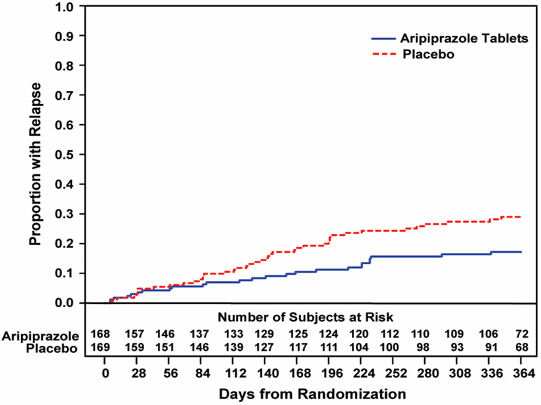
Figure 8 (Mycite Figure 08)
Tablet bottle:
Store 20°C to 25°C (68°F to 77°F); excursions permitted between 15°C to 30°C (59°F to 86°F) [see USP Controlled Room Temperature].
Do not store in conditions where tablets are exposed to humid conditions.
MYCITE Patch (Wearable Sensor):
Store between 5°C and 27°C (41°F to 81°F), 15% to 93% relative humidity.
General Instructions for Use
Instruct patients to:
Advise patients that:
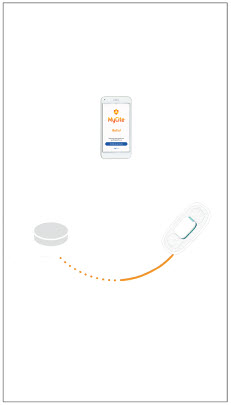
Advise patients that most ingestions will be detected within 30 minutes; however, in some cases it can take over two hours for the smartphone app and web portal to detect the ingestion of ABILIFY MYCITE. In some cases, the ingestion of the tablet may not be detected. If the tablet is not detected after ingestion, the dose should not be repeated.
Managing Lost or Disabled Smartphone
Advise patients that if their smartphone is lost, impaired or otherwise rendered unusable, some information collected by the system (synced) may be lost. Advise patients to change their MYCITE Patch immediately and connect to a new smartphone using their current account information. Information previously synced to the patients account will be available.
Using the MYCITE Patch in Different Environments
The MYCITE Patch will communicate with a paired device when it is within 9-foot proximity. The MYCITE Patch should remain on an individual whether they are showering, swimming, or exercising as it is intended to tolerate water or perspiration. Patients undergoing an MRI, however, need to remove their patch and replace with a new one as soon as possible. In order for the MYCITE Patch to communicate with a smartphone, the device must be powered on and Bluetooth®-enabled.
Suicidal Thoughts and Behaviors
Advise patients and caregivers to look for the emergence of suicidality, especially early during treatment and when the dosage is adjusted up or down and instruct them to report such symptoms to the healthcare provider [see Boxed Warning, Warnings and Precautions (5.2)].
Neuroleptic Malignant Syndrome (NMS)
Counsel patients about a potentially fatal adverse reaction referred to as Neuroleptic Malignant Syndrome (NMS) that has been reported in association with administration of antipsychotic drugs. Advise patients to contact a healthcare provider or report to the emergency room if they experience signs or symptoms of NMS [see Warnings and Precautions (5.4)].
Tardive Dyskinesia
Advise patients that abnormal involuntary movements have been associated with the administration of antipsychotic drugs. Counsel patients on the signs and symptoms of tardive dyskinesia and to contact their healthcare provider if these abnormal movements occur [see Warnings and Precautions (5.5)].
Metabolic Changes
Educate patients about the risk of metabolic changes, how to recognize symptoms of hyperglycemia and diabetes mellitus, and the need for specific monitoring, including blood glucose, lipids, and weight [see Warnings and Precautions (5.6)].
Pathological Gambling and Other Compulsive Behaviors
Advise patients and their caregivers of the possibility that they may experience compulsive urges to shop, increased urges to gamble, compulsive sexual urges, binge eating and/or other compulsive urges and the inability to control these urges while taking aripiprazole. In some cases, but not all, the urges were reported to have stopped when the dose was reduced or stopped [see Warnings and Precautions (5.7)].
Orthostatic Hypotension and Syncope
Educate patients about the risk of orthostatic hypotension and syncope especially early in treatment, when re-initiating treatment, or when increasing the dosage [see Warnings and Precautions (5.8)].
Leukopenia, Neutropenia and Agranulocytosis
Advise patients with a pre-existing low WBC or a history of drug induced leukopenia/neutropenia that they should have their CBC monitored while taking ABILIFY MYCITE [see Warnings and Precautions (5.10)].
Interference with Cognitive and Motor Performance
Because ABILIFY MYCITE may have the potential to impair judgment, thinking, or motor skills, patients should be cautioned about operating hazardous machinery, including automobiles, until they are reasonably certain that ABILIFY MYCITE therapy does not affect them adversely [see Warnings and Precautions (5.12)].
Heat Exposure and Dehydration
Counsel patients regarding appropriate care in avoiding overheating and dehydration [see Warnings and Precautions (5.13)].
Concomitant Medication
Patients should be advised to inform their physicians if they are taking, or plan to take, any prescription or over-the-counter drugs, since there is a potential for interactions [see Drug Interactions (7)].
Pregnancy
Advise patients that ABILIFY MYCITE may cause extrapyramidal and/or withdrawal symptoms in a neonate and to notify their healthcare provider with a known or suspected pregnancy. Advise patients that there is a pregnancy exposure registry that monitors pregnancy outcomes in women exposed to ABILIFY MYCITE during pregnancy [see Use In Specific Populations (8.1)].
Tablets with embedded IEM sensors Manufactured by Otsuka Pharmaceutical Co., Ltd., Tokyo, 101-8535 Japan
MYCITE Patches Manufactured for Otsuka America Pharmaceutical, Inc. 3956 Point Eden Way, Hayward, CA 94545 USA
Distributed and marketed by Otsuka America Pharmaceutical, Inc., Rockville, MD 20850 USA
ABILIFY MYCITE® and MYCITE® are registered trademarks of Otsuka Pharmaceutical Co., Ltd.
©2020, Otsuka Pharmaceutical Co., Ltd., Tokyo, 101-8535 Japan