CYP 3A Inhibitors
Concomitant use of strong CYP 3A inhibitors is contraindicated [see Contraindications (4) and Warnings and Precautions (5.4)].
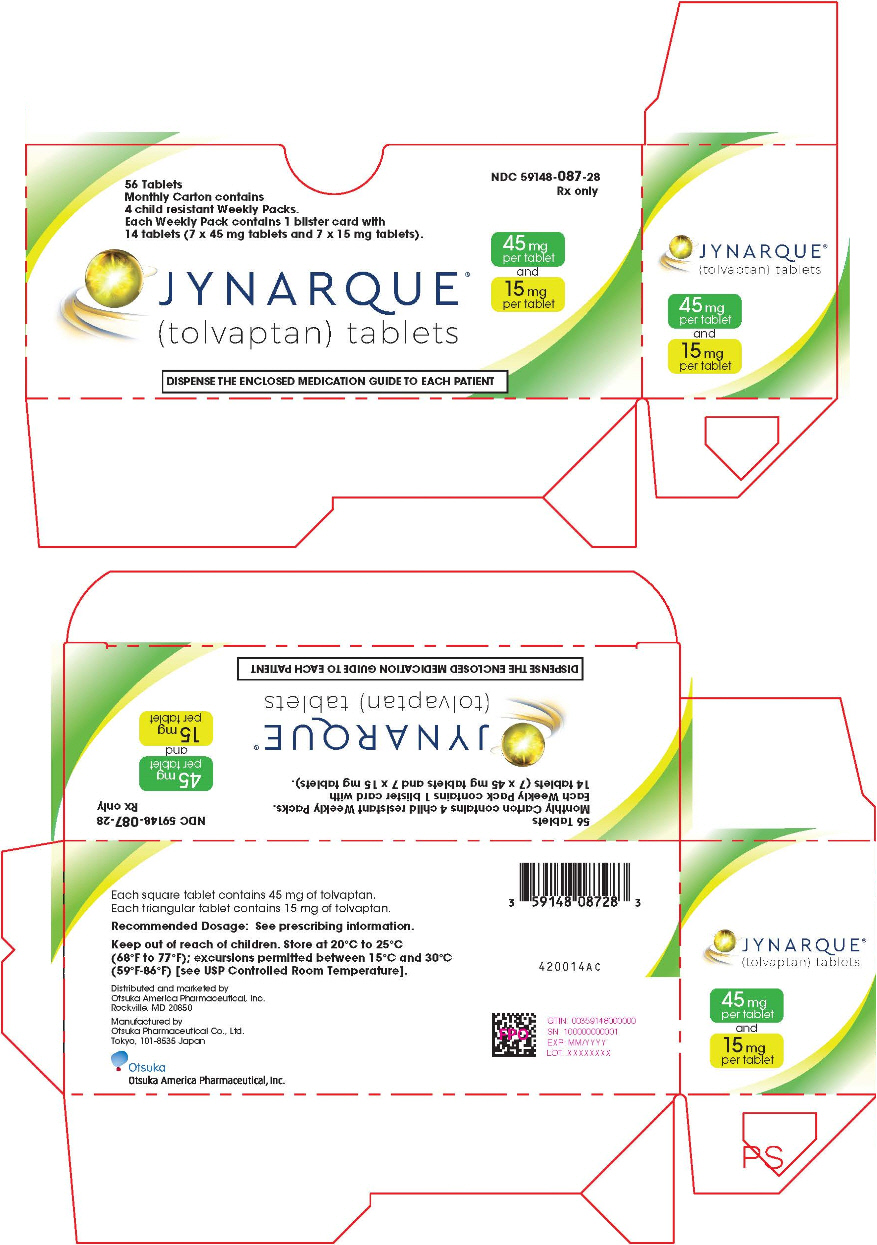
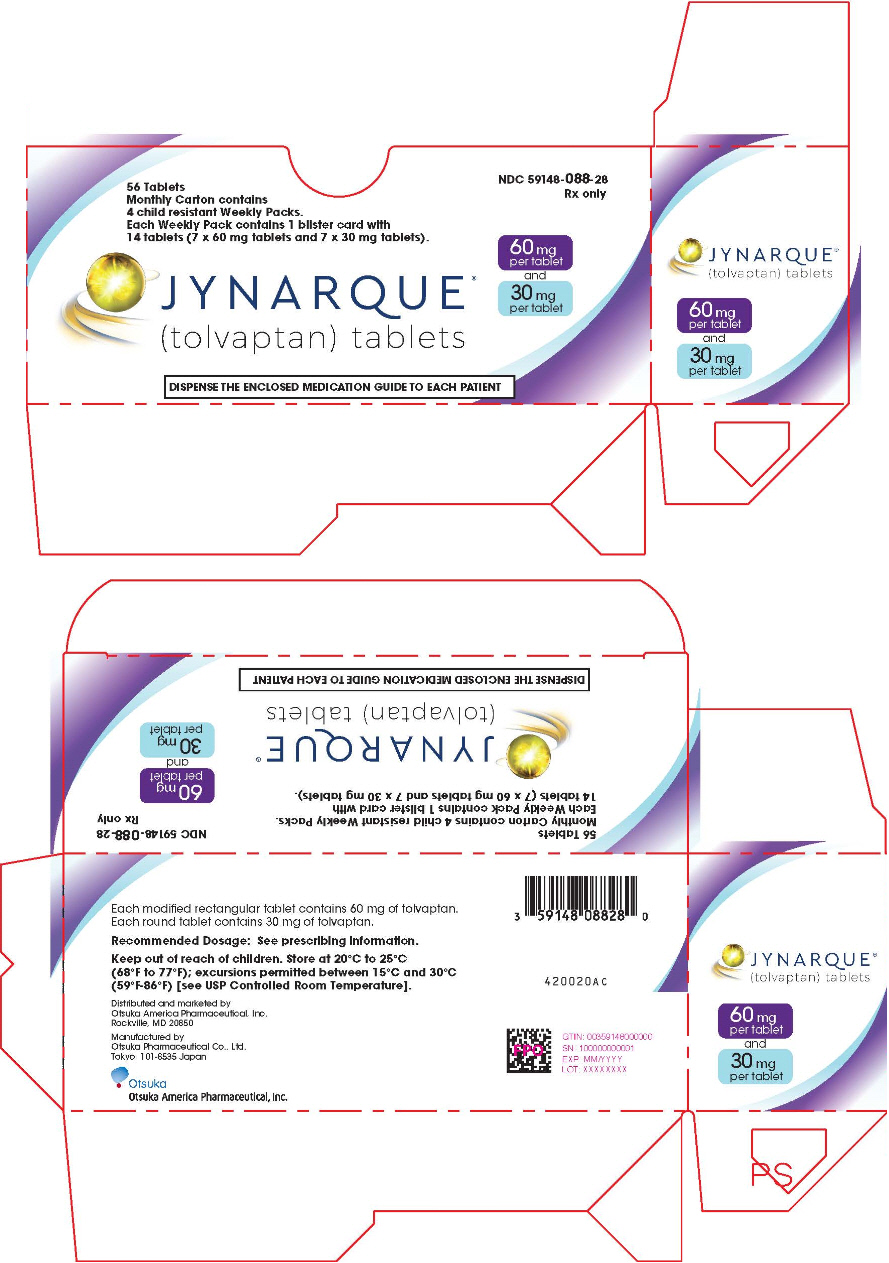
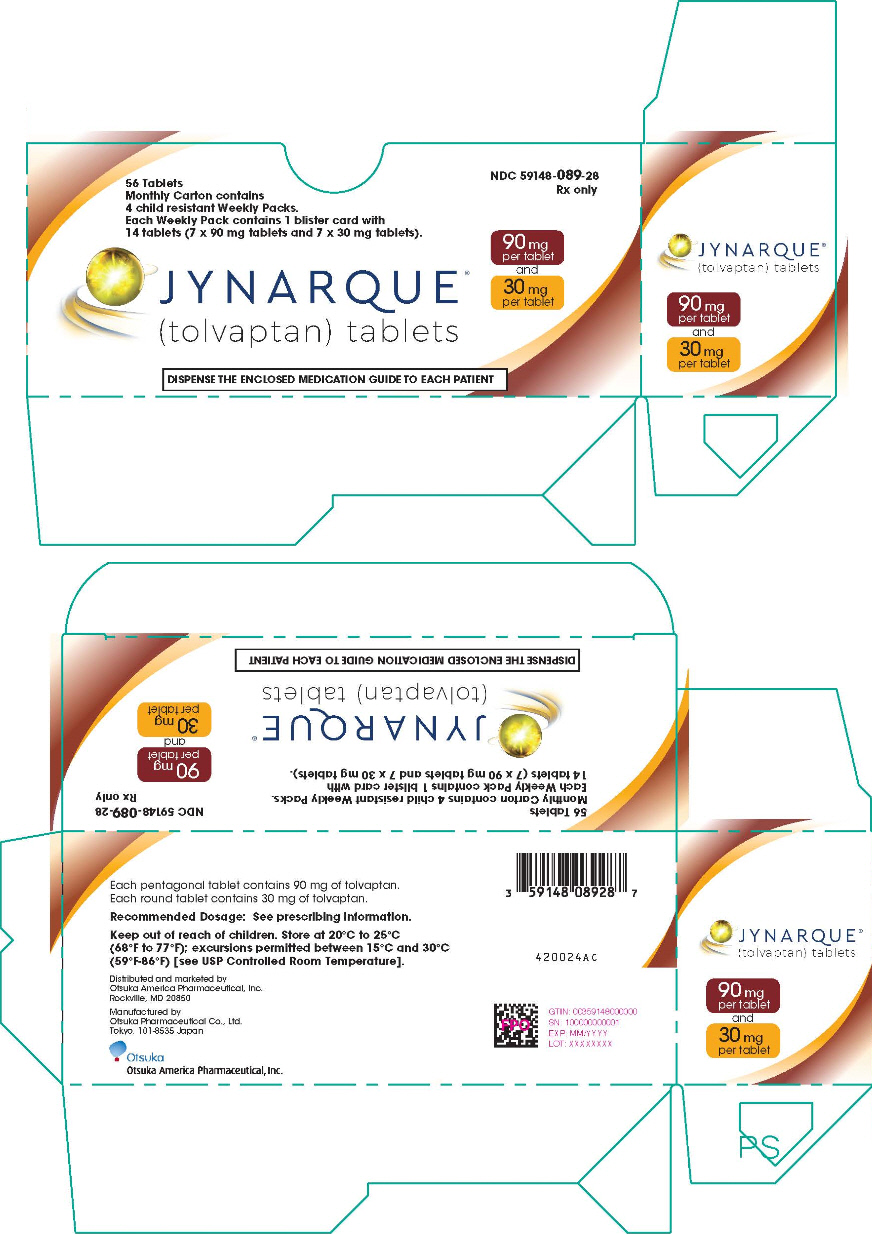
In patients taking concomitant moderate CYP 3A inhibitors, reduce the dose of JYNARQUE per Table 1. Consider further reductions if patients cannot tolerate the reduced dose [see Warnings and Precautions (5.4) and Drug Interactions (7.1)]. Interrupt JYNARQUE temporarily for short term therapy with moderate CYP 3A inhibitors if the recommended reduced doses are not available.
Table 1: Dose adjustment for patients taking moderate CYP 3A inhibitors| Standard Morning and Afternoon Dose (mg) | Dose (mg) with Moderate CYP 3A Inhibitors |
|---|
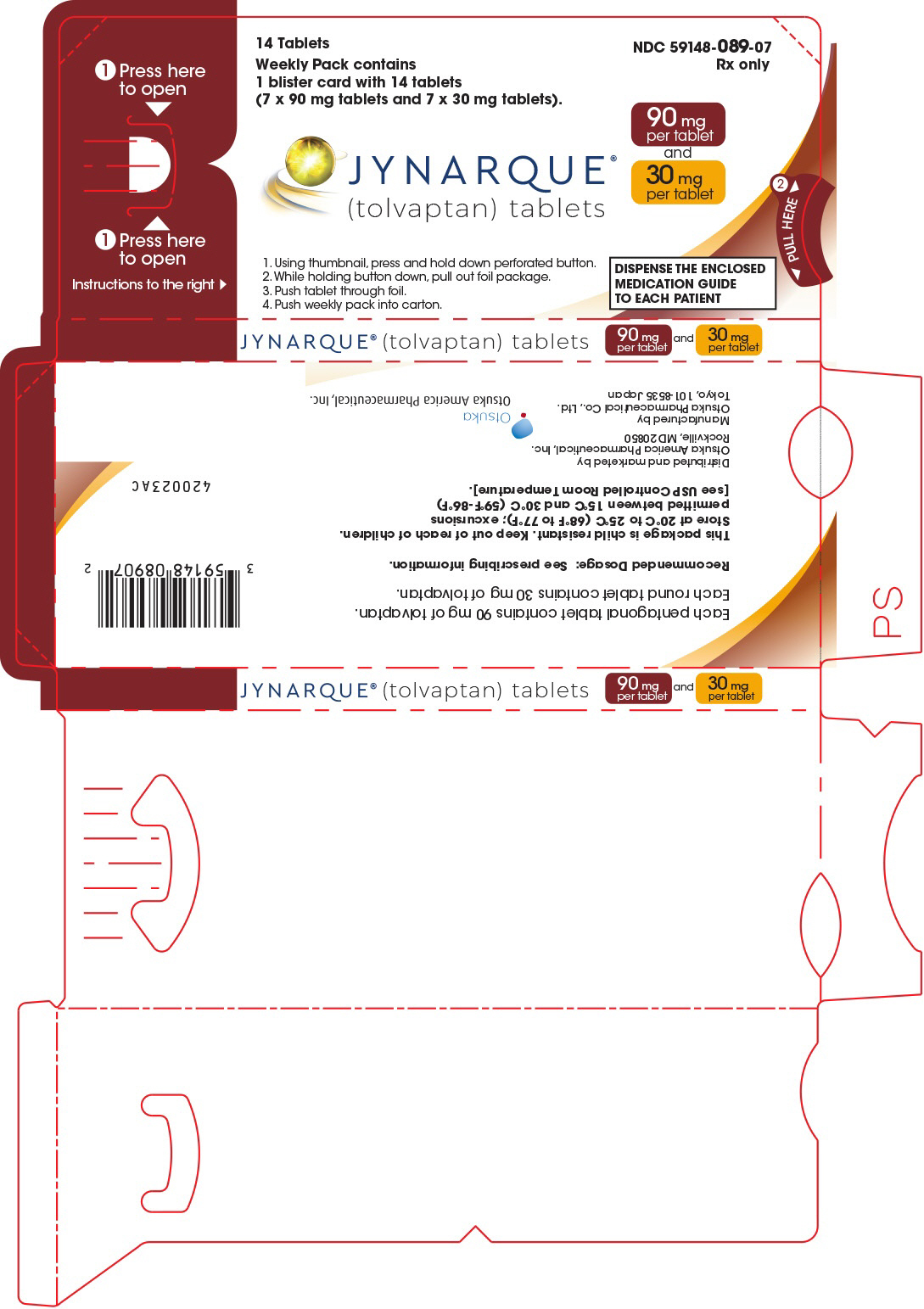
| 90 mg and 30 mg | 45 mg and 15 mg |
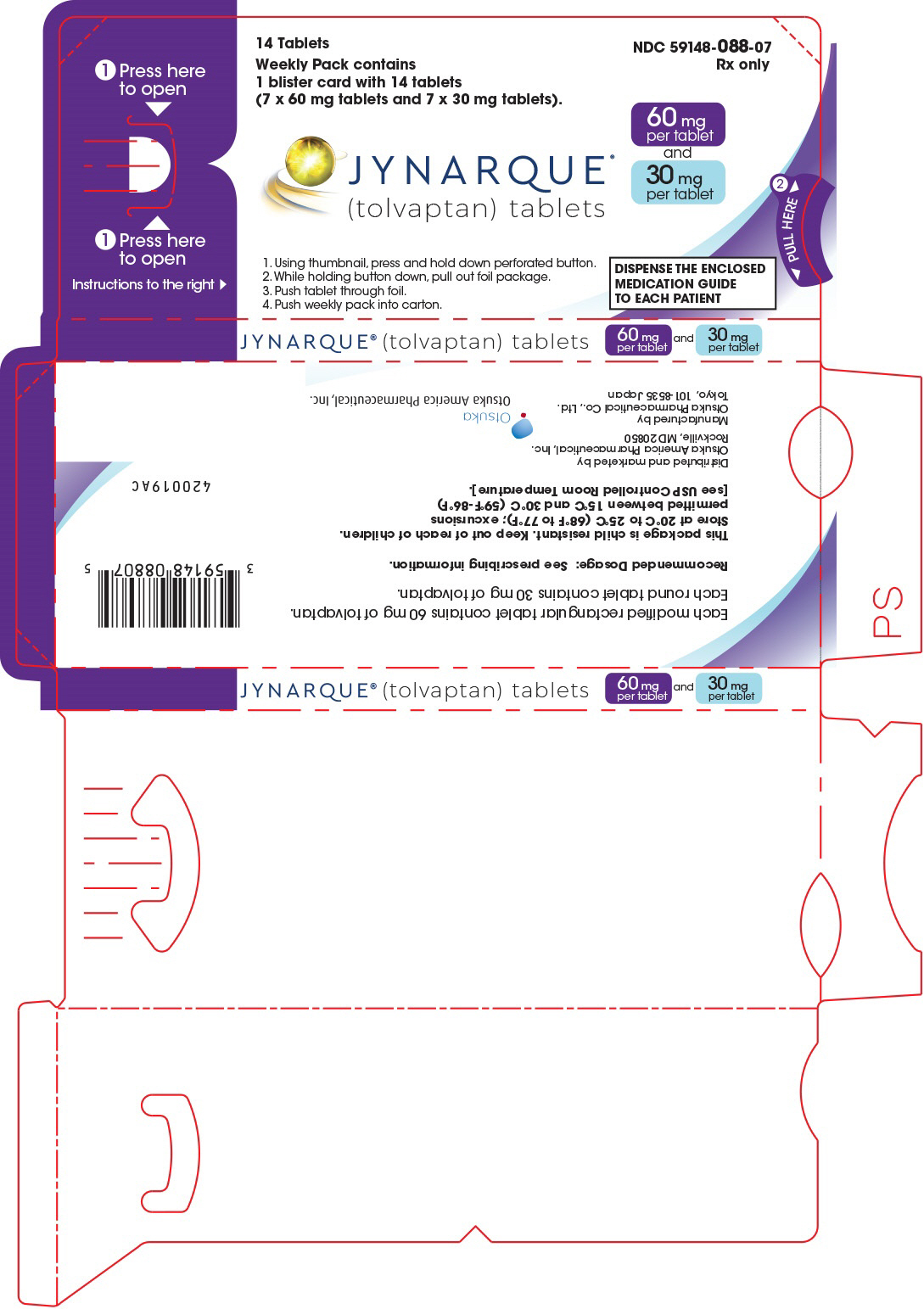
| 60 mg and 30 mg | 30 mg and 15 mg |
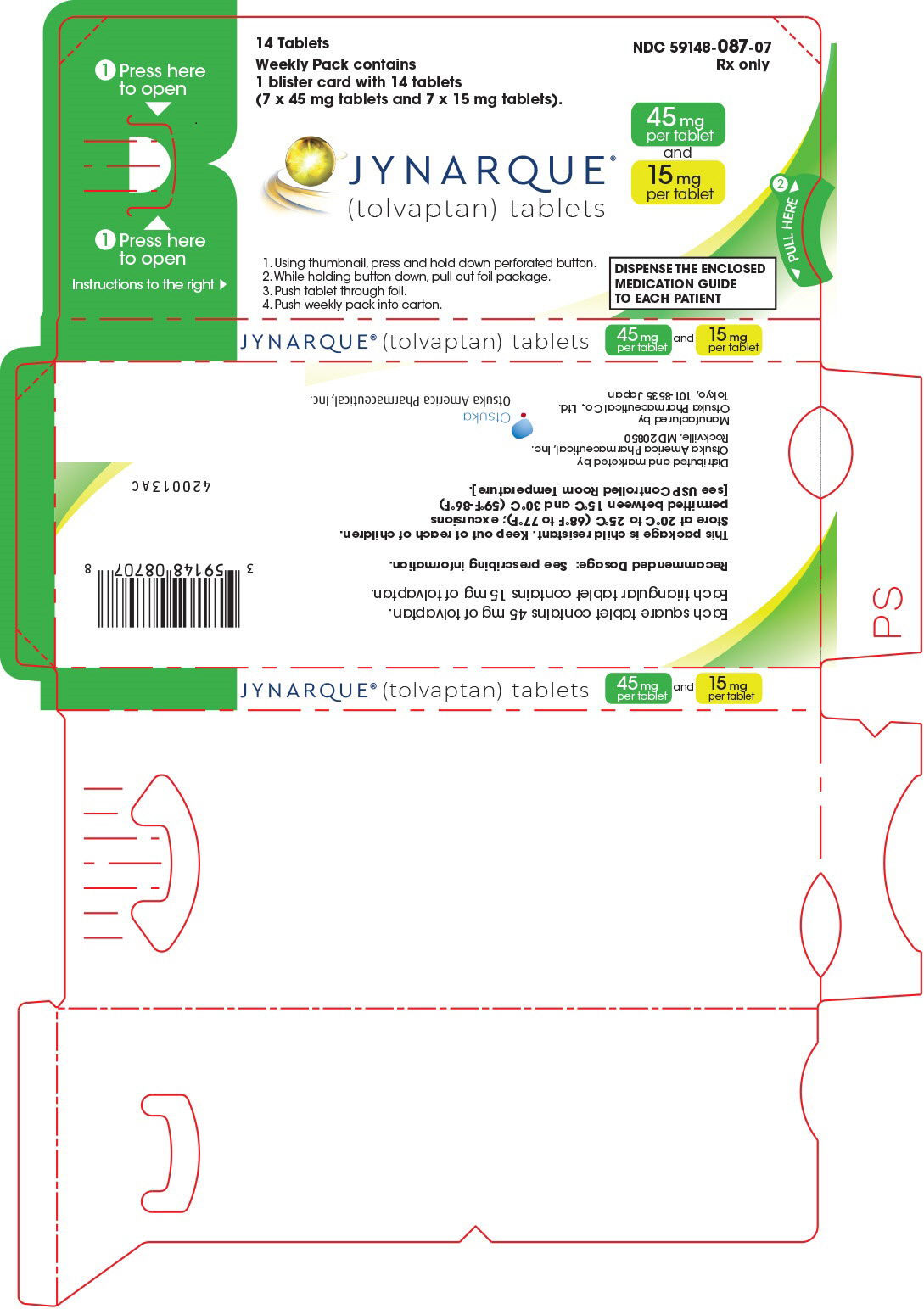
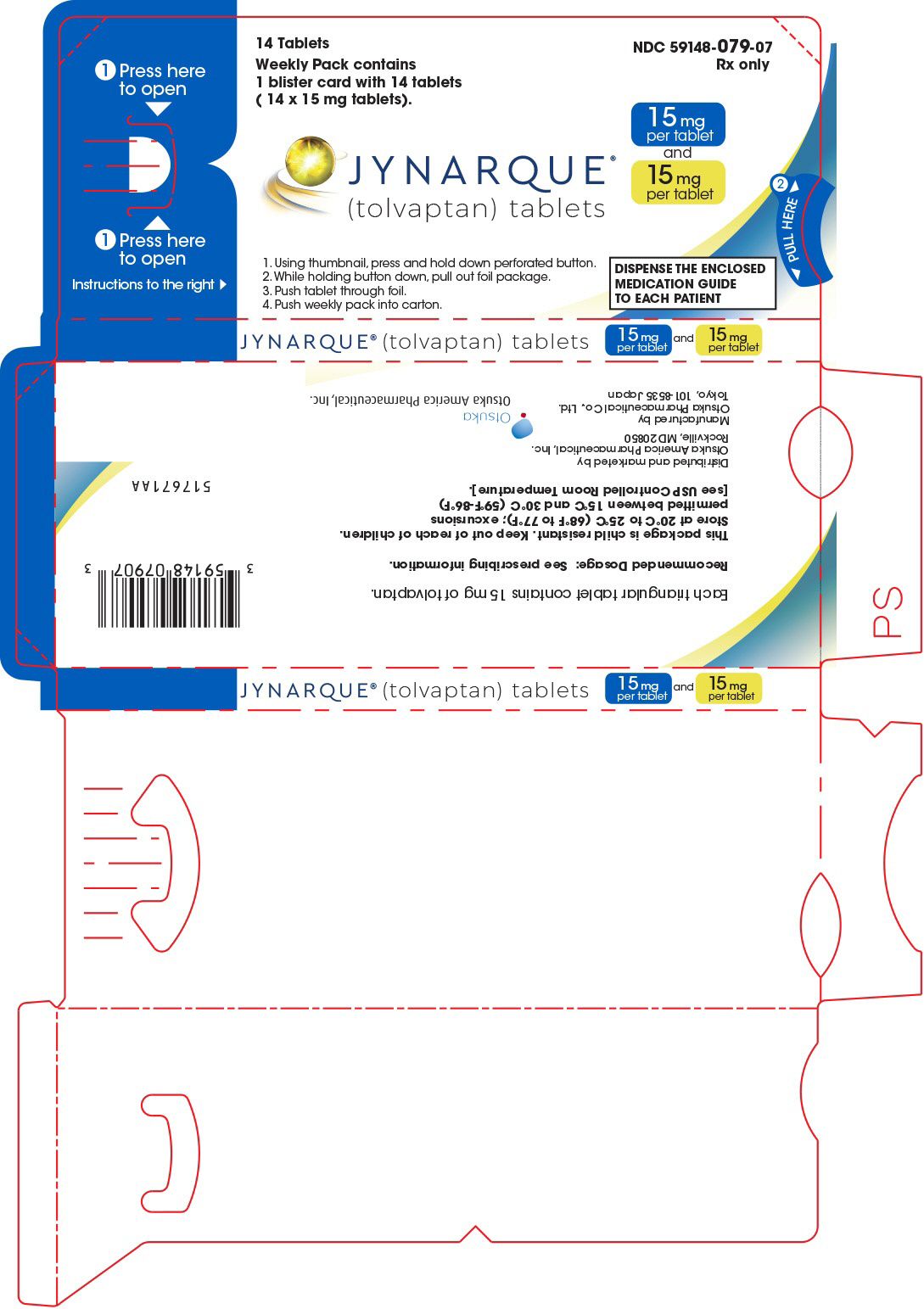
| 45 mg and 15 mg | 15 mg and 15 mg |
TEMPO 3:4 -NCT00428948: A Phase 3, Double-Blind, Placebo-Controlled, Randomized Trial in Early, Rapidly-Progressing ADPKD
The TEMPO3:4 trial employed a two-arm, 2:1 randomization to tolvaptan or placebo, titrated to a maximally-tolerated total daily dose of 60 to 120 mg. A total of 961 subjects with rapidly progressing ADPKD were randomized to JYNARQUE. Of these, 742 (77%) subjects who were treated with JYNARQUE remained on treatment for at least 3 years. The average daily dose in these subjects was 96 mg daily.
Adverse events that led to discontinuation were reported for 15.4% (148/961) of subjects in the JYNARQUE group and 5.0% (24/483) of subjects in the placebo group. Aquaretic effects were the most common reasons for discontinuation of JYNARQUE. These included pollakiuria, polyuria, or nocturia in 63 (6.6%) subjects treated with JYNARQUE compared to 1 subject (0.2%) treated with placebo.
Table 2 lists the adverse reactions that occurred in at least 3% of ADPKD subjects treated with JYNARQUE and at least 1.5% more than on placebo.
Table 2: TEMPO 3:4, Treatment Emergent Adverse Reactions in ≥3% of JYNARQUE Treated Subjects with Risk Difference ≥1.5%, Randomized Period| Adverse Reaction | Tolvaptan
(N=961) | Placebo
(N=483) |
|---|
| Number of Subjects | Proportion
(%)100× (Number of subjects with an adverse event/N) | Annualized Rate 100× (Number of subjects with an adverse event/Total subject years of drug exposure) | Number of Subjects | Proportion
(%) | Annualized Rate |
|---|
| Increased urination Increased urination includes micturition urgency, nocturia, pollakiuria, polyuria | 668 | 69.5 | 28.6 | 135 | 28.0 | 10.3 |
| Thirst Thirst includes polydipsia and thirst | 612 | 63.7 | 26.2 | 113 | 23.4 | 8.7 |
| Dry mouth | 154 | 16.0 | 6.6 | 60 | 12.4 | 4.6 |
| Fatigue | 131 | 13.6 | 5.6 | 47 | 9.7 | 3.6 |
| Diarrhea | 128 | 13.3 | 5.5 | 53 | 11.0 | 4.1 |
| Dizziness | 109 | 11.3 | 4.7 | 42 | 8.7 | 3.2 |
| Dyspepsia | 76 | 7.9 | 3.3 | 16 | 3.3 | 1.2 |
| Decreased appetite | 69 | 7.2 | 3.0 | 5 | 1.0 | 0.4 |
| Abdominal distension | 47 | 4.9 | 2.0 | 16 | 3.3 | 1.2 |
| Dry skin | 47 | 4.9 | 2.0 | 8 | 1.7 | 0.6 |
| Rash | 40 | 4.2 | 1.7 | 9 | 1.9 | 0.7 |
| Hyperuricemia | 37 | 3.9 | 1.6 | 9 | 1.9 | 0.7 |
| Palpitations | 34 | 3.5 | 1.5 | 6 | 1.2 | 0.5 |
REPRISE-NCT02160145: A Phase 3, Randomized-Withdrawal, Placebo-Controlled, Double-Blind, Trial in Late Stage 2 to Early Stage 4 ADPKD
The REPRISE trial employed a 5-week single-blind titration and run-in period for JYNARQUE prior to the randomized double-blind period. During the JYNARQUE titration and run-in period, 126 (8.4%) of the 1496 subjects discontinued the study, 52 (3.5%) were due to aquaretic effects and 10 (0.7%) were due to liver test findings. Because of this run-in design, the adverse reaction rates observed during the randomized period are not described.
Liver Injury:
In the two double-blind, placebo-controlled trials, ALT elevations >3 times ULN were observed at an increased frequency with JYNARQUE compared with placebo (4.9% [80/1637] versus 1.1% [13/1166], respectively) within the first 18 months after initiating treatment and increases usually resolved within 1 to 4 months after discontinuing the drug.
CYP 3A Inhibitors
Tolvaptan's AUC was 5.4 times as large and Cmax was 3.5 times as large after co-administration of tolvaptan and 200 mg ketoconazole [see Warnings and Precautions (5.4) and Clinical Pharmacology (12.3)]. Larger doses of the strong CYP 3A inhibitor would be expected to produce larger increases in tolvaptan exposure. Concomitant use of tolvaptan with strong CYP 3A inhibitors is contraindicated [see Contraindications (4)].
Dose reduction of JYNARQUE is recommended for patients while taking moderate CYP 3A inhibitors [see Dosage and Administration (2.4)]. Patients should avoid grapefruit juice beverages while taking JYNARQUE.
Strong CYP 3A Inducers
Co-administration of JYNARQUE with strong CYP 3A inducers reduces exposure to JYNARQUE [see Clinical Pharmacology (12.3)]. Avoid concomitant use of JYNARQUE with strong CYP 3A inducers [see Dosage and Administration (2.4)].
Risk Summary
Available data with JYNARQUE use in pregnant women are insufficient to determine if there is a drug associated risk of adverse developmental outcomes. In embryo-fetal development studies, pregnant rats and rabbits received oral tolvaptan during organogenesis. At maternally non-toxic doses, tolvaptan did not cause any developmental toxicity in rats or in rabbits at exposures approximately 4- and 1-times, respectively, the human exposure at the maximum recommended human dose (MRHD) of 90/30 mg. However, effects on embryo-fetal development occurred in both species at maternally toxic doses. In rats, reduced fetal weights and delayed fetal ossification occurred at 17-times the human exposure. In rabbits, increased abortions, embryo-fetal death, fetal microphthalmia, open eyelids, cleft palate, brachymelia and skeletal malformations occurred at approximately 3-times the human exposure (see Data). Advise pregnant women of the potential risk to the fetus.
The estimated background risk of major birth defects and miscarriage for the indicated population is unknown.
All pregnancies have a background risk of birth defect, loss, or other adverse outcomes. The estimated background risk of major birth defects and miscarriage in the U.S. general population is 2 to 4% and 15 to 20% of clinically recognized pregnancies, respectively.
Data
Animal Data
Oral administration of tolvaptan during the period of organogenesis in Sprague-Dawley rats produced no evidence of teratogenesis at doses up to 100 mg/kg/day. Lower body weights and delayed ossification were seen at 1000 mg/kg, which is approximately 17-times the exposure in humans at the 90/30 mg dose (AUC24h 6570 h∙ng/mL). The fetal effects are likely secondary to maternal toxicity (decreased food intake and low body weights). In a prenatal and postnatal study in rats, tolvaptan had no effect on physical development, reflex function, learning ability or reproductive performance at doses up to 1000 mg/kg/day.
In New Zealand White rabbits, placental transfer was demonstrated with Cmax values in the yolk sac fluid approximating 22.7% of the value in maternal rabbit serum. In embryo-fetal studies, teratogenicity (microphthalmia, embryo-fetal mortality, cleft palate, brachymelia and fused phalanx) was evident in rabbits at 1000 mg/kg (approximately 3 times the exposure at the 90/30 mg dose). Body weights and food consumption were lower in dams at all doses, equivalent to 0.6 to 3- times the human exposure at the 90/30 mg dose.
Risk Summary
There are no data on the presence of tolvaptan in human milk, the effects on the breastfed infant, or the effects on milk production. Tolvaptan is present in rat milk. When a drug is present in animal milk, it is possible that the drug will be present in human milk, but relative levels may vary (see Data). Because of the potential for serious adverse reactions, including liver toxicity, electrolyte abnormalities (e.g., hypernatremia), hypotension, and volume depletion in breastfed infants, advise women not to breastfeed during treatment with JYNARQUE.
Data
In lactating rats administration of radiolabeled tolvaptan, lacteal radioactivity concentrations reached the highest level at 8 hours after administration and then decreased gradually with time with a half-life of 27.3 hours. The level of activity in milk ranged from 1.5- to 15.8-fold those in blood over the period of 72 hours post-dose. In a prenatal and postnatal study in rats, maternal toxicity was noted at 100 mg/kg/day or higher (≥4.4 times the human exposure at the 90/30 mg dose). Increased perinatal death and decreased body weight of the offspring were observed during the lactation period and after weaning at approximately 17.3 times the human exposure at the 90/30 mg dose.
Cardiac Electrophysiology
No prolongation of the QT interval was observed with tolvaptan following multiple doses of 300 mg/day for 5 days.
Absorption:
In healthy subjects, peak concentrations of tolvaptan are observed between 2 and 4 hours post-dose. Peak concentrations increase less than dose proportionally with doses greater than 240 mg.
The absolute bioavailability of tolvaptan decreases with increasing doses. The absolute bioavailability of tolvaptan following an oral dose of 30 mg is 56% (range 42 to 80%).
Co-administration of 90 mg JYNARQUE with a high-fat meal (~1000 calories, of which 50% are from fat) doubles peak concentrations but has no effect on the AUC of tolvaptan; tolvaptan may be administered with or without food.
Distribution:
Tolvaptan binds to both albumin and α1-acid glycoprotein and the overall protein binding is >98%; binding is not affected by disease state. The volume of distribution of tolvaptan is about 3 L/kg. The pharmacokinetic properties of tolvaptan are stereospecific, with a steady-state ratio of the S-(-) to the R-(+) enantiomer of about 3. When administered as multiple once-daily 300 mg doses to healthy subjects or as split-dose regimens to patients with ADPKD, tolvaptan's accumulation factor is <1.2. There is marked inter-subject variation in peak and average exposure to tolvaptan with a percent coefficient of variation ranging between 30 and 60%.
Metabolism and Elimination:
Tolvaptan is metabolized almost exclusively by CYP 3A. Fourteen metabolites have been identified in plasma, urine and feces; all but one were also metabolized by CYP 3A and none are pharmacodynamically active. After oral administration of radiolabeled tolvaptan, tolvaptan was a minor component in plasma representing 3% of total plasma radioactivity; the oxobutyric acid metabolite was present at 52.5% of total plasma radioactivity with all other metabolites present at lower concentrations than tolvaptan. The oxobutyric acid metabolite shows a plasma half-life of ~180 h. About 40% of radioactivity was recovered in urine (<1% as unchanged tolvaptan) and 59% in feces (19% as unchanged tolvaptan). Following intravenous infusion, tolvaptan half-life is approximately 3 hours. Following single oral doses to healthy subjects, the estimated half-life of tolvaptan increases from 3 hours for a 15 mg dose to approximately 12 hours for 120 mg and higher doses due to more prolonged absorption of tolvaptan at higher doses; apparent clearance is approximately 4 mL/min/kg and does not appear to change with increasing dose.
Specific Populations
Age, Gender and Race
Age, gender and race have no effect on tolvaptan pharmacokinetics.
Hepatic Impairment
In studies involving patients with hepatic impairment (Child-Pugh class A-C), but without ADPKD; moderate (class A, B) or severe (class C) hepatic impairment decreases the clearance and increases the volume of distribution of tolvaptan.
Renal Impairment
In subjects with creatinine clearances ranging from 10 to 124 mL/min administered a single dose of 60 mg tolvaptan, the AUC and Cmax of plasma tolvaptan was increased 90% and 10%, respectively, for subjects with clearances of <30 mL/min compared to subjects with clearances >60 mL/min [see Use in Special Populations (8.7)].
In ADPKD patients with estimated creatinine clearance >60 mL/min, pharmacokinetics were similar to healthy subjects.
Drug Interaction Studies:
Impact of Other Drugs on Tolvaptan
Strong CYP 3A Inhibitors
Tolvaptan's Cmax and AUC were, respectively, 3.5 times and 5.4 times as high following ketoconazole 200 mg given one day prior to and concomitantly with 30 mg tolvaptan.
Moderate CYP 3A4 Inhibitors
Fluconazole: Fluconazole 400 mg given one day prior and 200 mg given concomitantly produced an 80% and 200% increase in tolvaptan Cmax and AUC, respectively.
Grapefruit Juice: When 60 mg tolvaptan was taken with 240 mL regular strength grapefruit juice, tolvaptan Cmax and AUC increased 90% and 60%, respectively.
CYP 3A Inducers
Rifampin: Rifampin 600 mg once daily for 7 days followed by a single 240 mg dose of tolvaptan decreased both tolvaptan Cmax and AUC about 85%.
Other Drugs
Co-administration of lovastatin, digoxin, furosemide, and hydrochlorothiazide with tolvaptan has no clinically relevant impact on the exposure to tolvaptan.
Impact of Tolvaptan on Other Drugs
CYP 3A Substrates
Co-administration of lovastatin and tolvaptan increases the AUC of lovastatin and its active metabolite lovastatin-β hydroxy acid by 40% and 30%, respectively. These are non-clinically significant increases in exposure.
P-gp Substrates
Digoxin: Digoxin 0.25 mg was administered once daily for 12 days. Tolvaptan 60 mg, was co-administered once daily on Days 8 to 12. Digoxin Cmax and AUC were increased 30% and 20%, respectively.
Transporter Substrates
Tolvaptan is a substrate of P-gp and an inhibitor of P-gp and BCRP. The oxobutyric acid metabolite of tolvaptan is an inhibitor of OATP1B1 and OAT3. Co-administration of tolvaptan with rosuvastatin (BCRP substrate) did not have a clinically significant effect on rosuvastatin exposure. Rosuvastatin Cmax and AUCt increased 54% and 69%, respectively.
Administration of rosuvastatin (OATP1B1 substrate) or furosemide (OAT3 substrate) to healthy subjects with elevated oxobutyric acid metabolite plasma concentrations did not meaningfully alter the pharmacokinetics of rosuvastatin or furosemide.
Other Drugs
Co-administration of tolvaptan did not meaningfully alter the pharmacokinetics of warfarin, furosemide, hydrochlorothiazide, or amiodarone (or its active metabolite, desethylamiodarone).
Carcinogenesis
The carcinogenic potential of JYNARQUE was assessed in 2-year carcinogenicity studies in mice and rats. Tolvaptan was not tumorigenic in male or female rats at doses up to 1000 mg/kg/day (1.9 to 5.1 times the human exposure at the 90/30 mg dose), in male mice at doses up to 60 mg/kg/day (0.4 times the human exposure at the 90/30 mg dose) and to female mice at doses up to 100 mg/kg/day (0.7 times the human exposure at the 90/30 mg dose).
Mutagenesis
Tolvaptan was not clastogenic in the in vitro chromosomal aberration test in Chinese hamster lung fibroblast cells or the in vivo rat micronucleus assay and was not mutagenic in the in vitro bacterial reverse mutation assay.
Impairment of fertility
In a fertility study in which male and female rats were administered tolvaptan orally at 100, 300 or 1000 mg/kg/day, altered estrous cycles due to prolongation of diestrus were observed in dams given 300 and 1000 mg/kg/day (9.7- and 17.3 times the human exposure at the 90/30 mg dose). Tolvaptan had no effect on copulation or fertility indices. There were also no effects on the incidences of early or late resorption, dead fetuses, pre- or post-implantation loss, external anomalies, or fetal body weights.
TEMPO 3:4-NCT00428948: A Phase 3, Double-Blind, Placebo-Controlled, Randomized Trial in Early, Rapidly-Progressing ADPKD
In TEMPO 3:4, 1445 adult patients (age >18 years) with early (estimated creatinine clearance [eCrCl] ≥60 mL/min), rapidly-progressing (total kidney volume [TKV] ≥750 mL and age <51 years) ADPKD (diagnosed by modified Ravine criteria) were randomized 2:1 to treatment with tolvaptan or placebo. Patients were treated for up to 3 years; patients who discontinued medication prematurely were only required to attend clinic visits to assess renal function for up to 42 days after treatment withdrawal and to attend telephone visits at all scheduled visits for up to 36 months. Patients who completed treatment at the 3-year visit had treatment interrupted for 2 to 6 weeks to assess renal function post treatment. Patients received treatment twice a day (first dose on waking, second dose approximately 9 hours later). Patients were initiated on 45 mg/15 mg, and up-titrated weekly to 60 mg/30 mg and then to 90 mg/30 mg as tolerated. Patients were to maintain the highest tolerated dose for 3 years, but could interrupt, decrease and/or increase as clinical circumstances warranted within the range of titrated doses. All patients were encouraged to drink adequate water to avoid thirst or dehydration and before bedtime.
The primary endpoint was the intergroup difference for rate of change of TKV normalized as a percentage. The key secondary composite endpoint (ADPKD progression) was time to multiple clinical progression events of: 1) worsening kidney function (defined as a persistent 25% reduction in reciprocal serum creatinine during treatment from end of titration to last on-drug visit); 2) medically significant kidney pain (defined as requiring prescribed leave, last-resort analgesics, narcotic and anti-nociceptive, radiologic or surgical interventions); 3) worsening hypertension (defined as a persistent increase in blood pressure category or an increased anti-hypertensive prescription); 4) worsening albuminuria (defined as a persistent increase in albumin/creatinine ratio category).
At baseline, average estimated glomerular filtration rate (eGFR) was 82 mL/min/1.73 m2 (CKD-Epidemiology formula) and mean TKV was 1692 mL (height adjusted 972 mL/m). Approximately 35% had an eGFR of 90 mL/min/1.73 m2 or greater, 48% had an eGFR between 60 to 89 mL/min/1.73 m2, 14% had an eGFR of 45 to 60 mL/min/1.73 m2, and 3% had an eGFR of <45 mL/min/1.73 m2. The subjects' mean age was 39 years, 48% were female, 84% were Caucasian, 13% were Asian, and 1.7% were Black or African-American. Approximately 80% had hypertension and approximately 71% were taking an agent that acts on the renin-angiotensin system. Of the 770 subjects who submitted to genetic analysis in TEMPO 3:4's open-label extension, 749 (97%) had an identifiable mutation in the PKD1 (656 or 88%), or PKD2 (93 or 12%) gene.
The trial met its prespecified primary endpoint of 3-year change in TKV (p<0.0001). The difference in TKV between treatment groups mostly developed within the first year, the earliest assessment, with little further difference in years two and three. In years 4 and 5 during the TEMPO 3:4 extension trial, both groups received JYNARQUE and the difference between the groups in TKV was not maintained. Tolvaptan has little effect on kidney size beyond what accrues during the first year of treatment.
The relative rate of ADPKD-related events was decreased by 13.5% in tolvaptan-treated patients, (44 vs. 50 events per 100 person-years; hazard ratio, 0.87; 95% CI, 0.78 to 0.97; p=0.0095). As shown in the table below, the result of the key secondary composite endpoint was driven by effects on worsening kidney function and kidney pain events. In contrast, there was no effect of tolvaptan on either progression of hypertension or albuminuria. Few subjects in either arm required a radiologic or surgical intervention for kidney pain. Most kidney pain events reflected use of a medication to treat pain such as use of paracetamol, tricyclic antidepressants, narcotics and other non-narcotic agents.
| Event | Tolvaptan | Placebo | Hazard Ratio, 95% CI |
|---|
| Total Number of Events (Events per 100 person-years) | Number of Subjects with an Event (percentage) | Total Number of Events (Events per 100 person-years) | Number of Subjects with an Event (percentage) |
|---|
| Composite | 1049 (43.9) | 572 (59.5) | 665 (50.0) | 341 (70.6) | 0.87
(0.78,0.97) |
| Worsening Kidney Function | 44 (1.9) | 42 (4.6) | 64 (4.8) | 61 (12.8) | 0.39
(0.26,0.57) |
| Kidney Pain | 113 (4.7) | 95 (9.9) | 97 (7.3) | 78 (16.2) | 0.64
(0.47,0.89) |
| Onset or progression of hypertension | 734 (30.7) | 426 (44.3) | 426 (32.1) | 244 (50.5) | 0.94
(0.81,1.09) |
| Worsening Albuminuria | 195 (8.2) | 195 (20.3) | 103 (7.8) | 101 (20.9) | 1.04
(0.84,1.28) |
The third endpoint (kidney function slope) was assessed as slope of eGFR during treatment (from end of titration to last on-drug visit). The estimated difference in the annual rate of change in those who contributed to the analysis was 1.0 mL/min/1.73m2/year with a 95% confidence interval of (0.6, 1.4). Of the subjects enrolled in the trial, 5% of subjects in the tolvaptan arm and 2% in the placebo arm either had missing baseline data or discontinued from treatment prior to the end of the titration visit and hence were excluded from the analysis. In the extension trial, eGFR differences produced by the third year of the TEMPO 3:4 trial were maintained over the next 2 years of JYNARQUE treatment.
The efficacy profile was generally consistent across subgroups of interest for this indication; few Black or African-American patients were enrolled in the trial.
REPRISE-NCT02160145: A Phase 3, Double-Blind, Placebo-Controlled, Randomized Withdrawal Trial in Later-Stage ADPKD
REPRISE was a double-blind, placebo-controlled randomized withdrawal trial in adult patients (age 18 to 65 years) with chronic kidney disease (CKD) with an eGFR between 25 and 65 mL/min/1.73m2 if younger than age 56 years; or eGFR between 25 and 44 mL/min/1.73m2, plus eGFR decline >2.0 mL/min/1.73m2/year if between age 56 to 65 years. Subjects were to be treated for 12 months; after completion of treatment, patients entered a 3-week follow-up period to assess renal function. The primary endpoint was the treatment difference in the change of eGFR from pre-treatment baseline to post-treatment follow-up, annualized by dividing by each subject's treatment duration.
Prior to randomization, patients were required to complete sequential single-blind run-in periods during which they received placebo for 1 week, followed by tolvaptan titration for 2 weeks, and then treatment with tolvaptan at the highest tolerated dose achieved during titration for 3 weeks. During the titration period, tolvaptan was up-titrated every 3 to 4 days from a daily oral dose of 30 mg/15 mg to 45 mg/15 mg, 60 mg/30 mg and up to a maximum dose of 90 mg/30 mg. Only patients who could tolerate the two highest doses of tolvaptan (60 mg/30 mg or 90 mg/30 mg) for the subsequent 3 weeks were randomized 1:1 to treatment with tolvaptan or placebo.
Patients were maintained on their highest tolerated dose for a period of 12 months but could interrupt, decrease and/or increase as clinical circumstances warranted within the range of titrated doses. All patients were encouraged to start drinking an adequate amount of water at screening and continuing through the end of the trial to avoid thirst or dehydration.
A total of 1519 subjects were enrolled in the study. Of these, 1370 subjects successfully completed the pre-randomization period and were randomized and treated during the 12-month double-blind period. Because 57 subjects did not complete the off-treatment follow-up period, 1313 subjects were included in the primary efficacy analysis.
For subjects randomized, the baseline, average estimated glomerular filtration rate (eGFR) was 41 mL/min/1.73 m2 (CKD-Epidemiology formula) and historical TKV, available in 318 (23%) of subjects, averaged 2026 mL. Approximately 5%, 75% and 20% had an eGFR 60 mL/min/1.73 m2 or greater, between 30 to 59 mL/min/1.73 m2, and between 25 and 29 mL/min/1.73 m2, respectively. The subjects' mean age was 47 years, 50% were female, 92% were Caucasian, 4% Black or African-American and 3% were Asian, 93% had hypertension, and 87% of subjects were taking antihypertensive agents affecting the angiotensin converting enzyme or receptor. Of the 115 (8%) of subjects who had prior genetic tests, only 54 (47%) knew their results with 48 (89%) of these having PKD1 and 6 (11%) having PKD2 mutations.
In the randomized period, the change of eGFR from pretreatment baseline to post-treatment follow-up was −2.3 mL/min/1.73 m2/year with tolvaptan as compared with −3.6 mL/min/1.73 m2/year with placebo, corresponding to a treatment effect of 1.3 mL/min/1.73 m2/year (p <0.0001). The key secondary endpoint (eGFR slope in ml/min/1.73 m2/year assessed using a linear mixed effect model of annualized eGFR (CKD-EPI)) showed a difference between treatment groups of 1.0 ml/min/ m2/year that was also statistically significant (p <0.0001).
The efficacy profile was generally consistent across subgroups of interest for this indication; few Black or African-American patients were enrolled in the trial.
Serious Liver Injury
Advise patients that blood testing is required before starting JYNARQUE, at 2 weeks and 4 weeks after initiation, then monthly during the first 18 months of therapy and every 3 months thereafter as a requirement to reduce the risk of serious liver injury [see Boxed Warning and Warnings and Precautions (5.1)].
Advise patients to immediately stop taking JYNARQUE and notify their healthcare provider if they have symptoms or signs (e.g., abnormal transaminase elevations) of hepatic injury (such as fatigue, anorexia, nausea, right upper abdominal discomfort or tenderness, vomiting, fever, rash, pruritus, icterus, dark urine or jaundice) [see Warnings and Precautions (5.1)].
JYNARQUE REMS Program
Advise patients that JYNARQUE is only available through a restricted program called the JYNARQUE REMS Program [see Warnings and Precautions (5.2)]. Inform the patient of the following notable requirement:
- Patients must enroll in the program and comply with ongoing monitoring requirements [see Warnings and Precautions (5.1)]
Advise patients that JYNARQUE is only available only through restricted distribution from certified specialty pharmacies participating in the JYNARQUE REMS program. Therefore, provide patients with the telephone number and web site for information on how to obtain the product [see Warnings and Precautions (5.2)].
Hypernatremia, Dehydration and Hypovolemia
Advise patients to drink water to avoid thirst, throughout the day and night. Patients should stop taking JYNARQUE and notify their healthcare provider if they have symptoms or signs of sodium imbalance or dehydration (e.g., dizziness, fainting, weight loss, palpitations, confusion, weakness, gait instability) [see Warnings and Precautions (5.3)]. Advise the patient that if they cannot drink enough water for any reason (no access to water, cannot sense thirst, unable to maintain hydration due to vomiting, diarrhea) they should stop taking JYNARQUE and inform their health care provider right away [see Warnings and Precautions (5.3)].
Pregnancy
Advise pregnant women of the potential risk to a fetus. Advise females of reproductive potential to inform their prescriber of a known or suspected pregnancy [see Use in Specific Populations (8.1)].
Lactation
Advise women not to breastfeed during treatment with JYNARQUE [see Use in Specific Populations (8.2)].
Manufactured by Otsuka Pharmaceutical Co., Ltd., Tokyo, 101-8535 Japan
Distributed and marketed by Otsuka America Pharmaceutical, Inc., Rockville, MD 20850 USA
JYNARQUE is a registered trademark of Otsuka Pharmaceutical Co., Ltd., Tokyo, 101-8535 Japan
©2020, Otsuka Pharmaceutical Co., Ltd., Tokyo, 101-8535 Japan