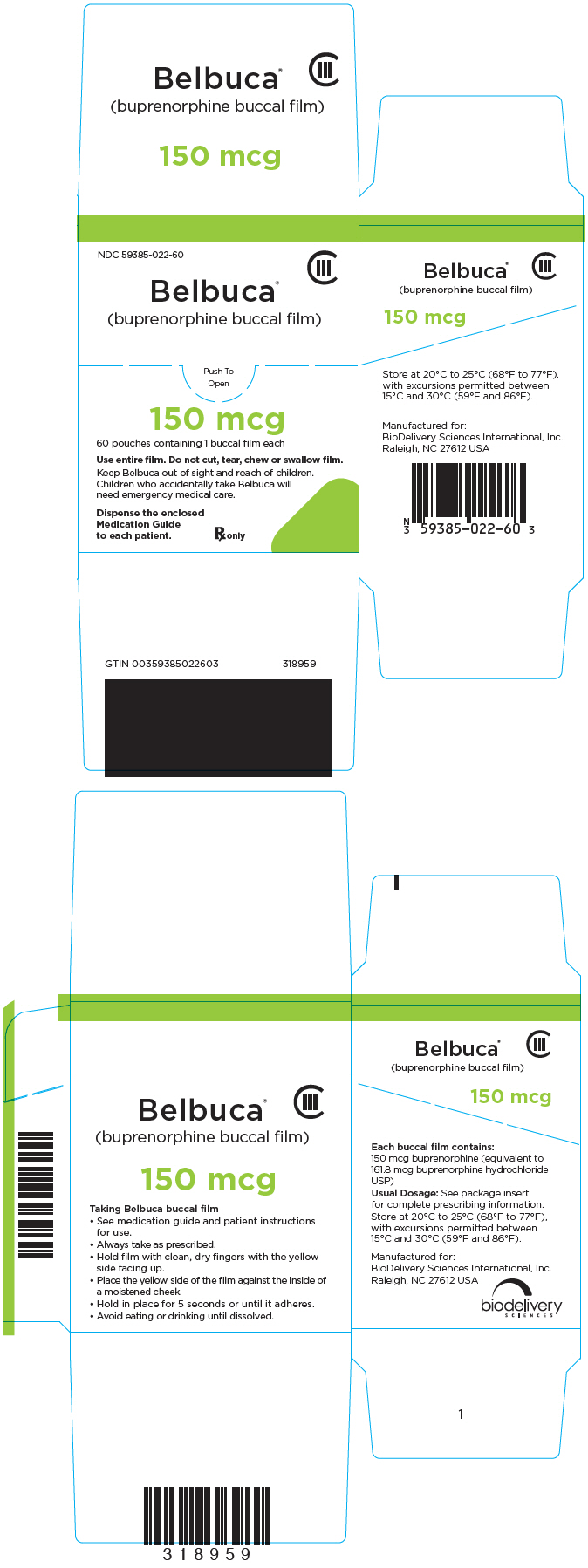
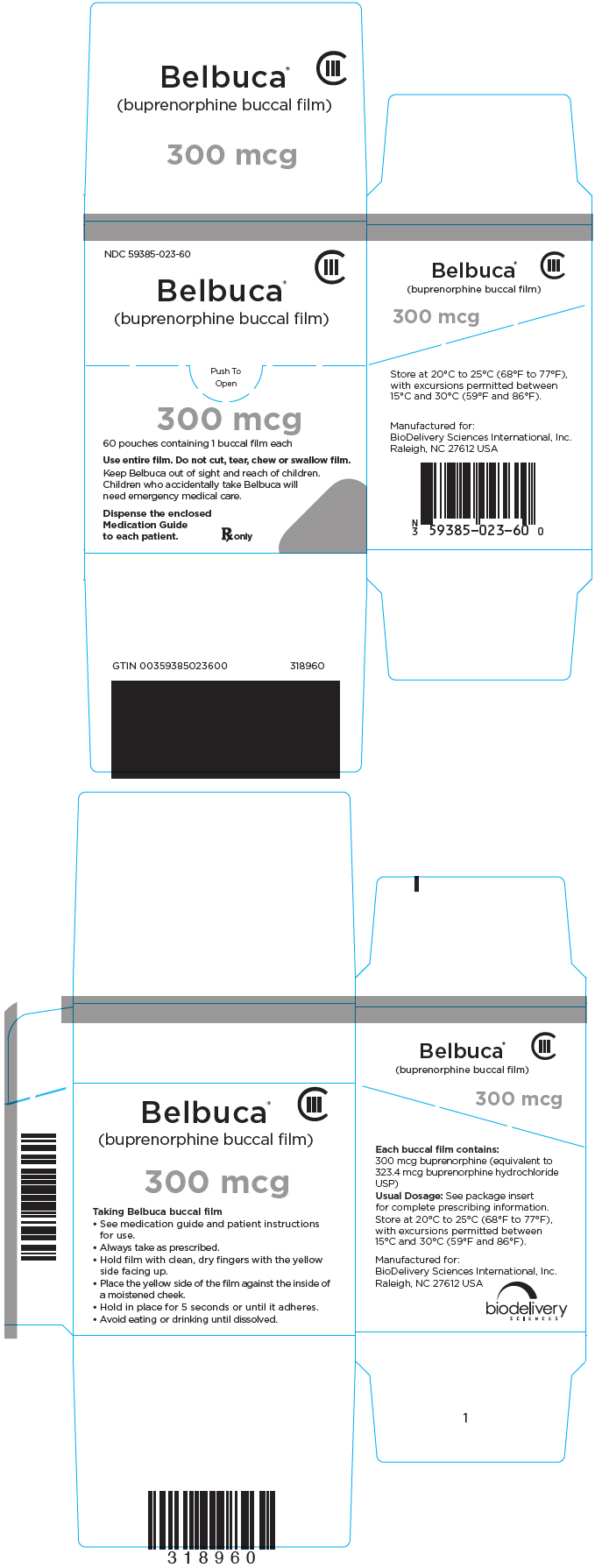
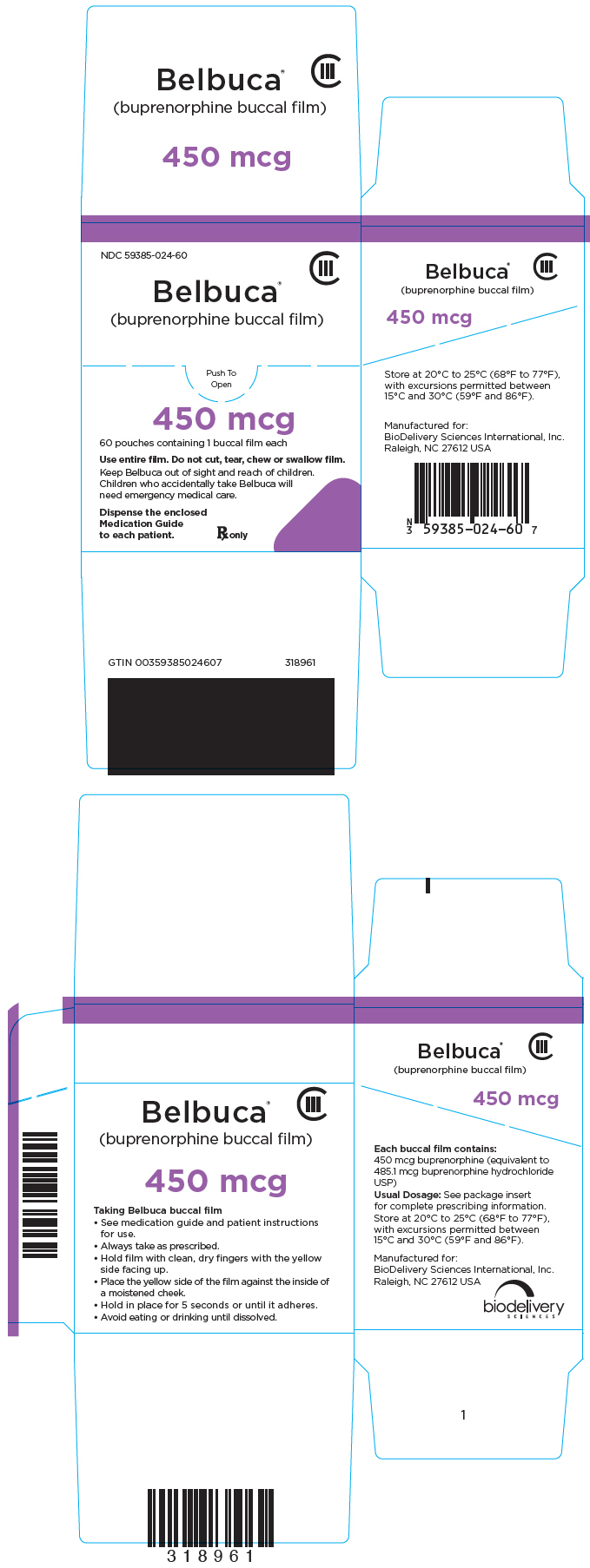
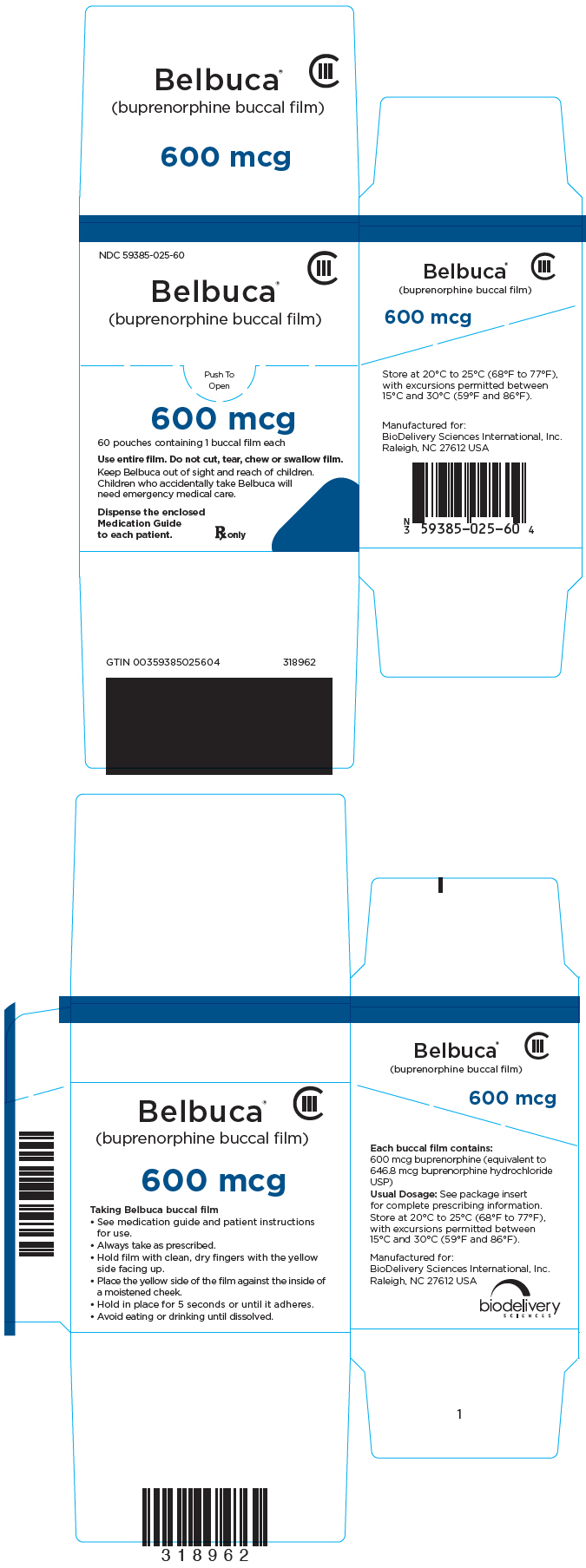
Other
Addiction, Abuse, and Misuse
BELBUCA exposes patients and other users to the risks of opioid addiction, abuse, and misuse, which can lead to overdose and death. Assess each patient's risk prior to prescribing BELBUCA, and monitor all patients regularly for the development of these behaviors and conditions [see Warnings and Precautions (5.1) and Overdosage (10)].
Opioid Analgesic Risk Evaluation and Mitigation Strategy (REMS)
To ensure that the benefits of opioid analgesics outweigh the risks of addiction, abuse, and misuse, the Food and Drug Administration (FDA) has required a REMS for these products [see Warnings and Precautions (5.2)]. Under the requirements of the REMS, drug companies with approved opioid analgesic products must make REMS-compliant education programs available to healthcare providers. Healthcare providers are strongly encouraged to
- complete a REMS-compliant education program,
- counsel patients and/or their caregivers, with every prescription, on safe use, serious risks, storage, and disposal of these products,
- emphasize to patients and their caregivers the importance of reading the Medication Guide every time it is provided by their pharmacist, and
- consider other tools to improve patient, household, and community safety.
- Reserve concomitant prescribing of BELBUCA and benzodiazepines or other CNS depressants for use in patients for whom alternative treatment options are inadequate.
- Limit dosages and durations to the minimum required.
- Follow patients for signs and symptoms of respiratory depression and sedation.
- Because of the risks of addiction, abuse, and misuse with opioids, even at recommended doses, and because of the greater risks of overdose and death with long-acting opioid formulations [see Warnings and Precautions (5.1)], reserve BELBUCA for use in patients for whom alternative treatment options (e.g., non-opioid analgesics or immediate-release opioids) are ineffective, not tolerated, or would be otherwise inadequate to provide sufficient management of pain.
- BELBUCA is not indicated as an as-needed (prn) analgesic.
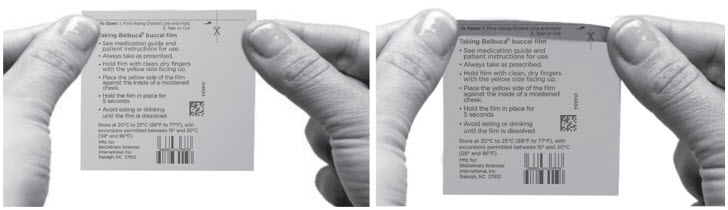
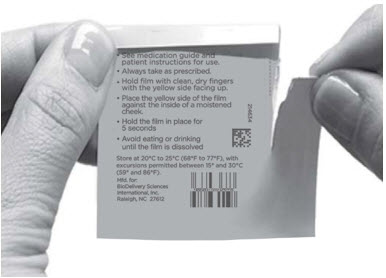
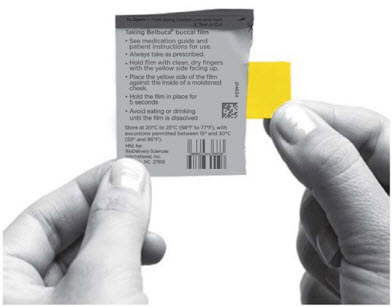
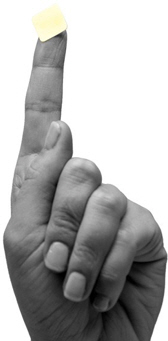
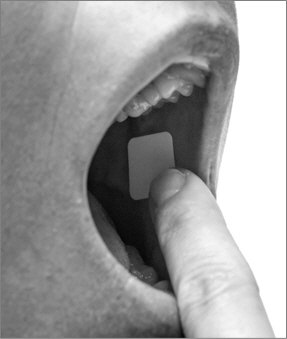
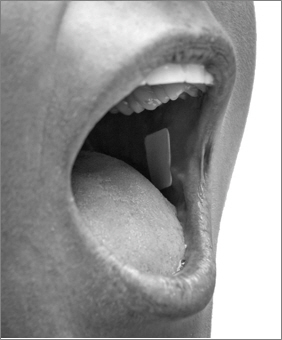
- To carefully follow instructions for the application of BELBUCA and to avoid eating or drinking until it dissolves.
- To apply BELBUCA once daily, or every twelve (12) hours at the same time or times each day.
- To avoid applying BELBUCA to areas of the mouth with any open sores or lesions.
- To not use BELBUCA if the pouch seal is broken or the buccal film is cut, damaged, or changed in any way.
Life-Threatening Respiratory Depression
Serious, life-threatening, or fatal respiratory depression may occur with use of BELBUCA. Monitor for respiratory depression, especially during initiation of BELBUCA or following a dose increase. Misuse or abuse of BELBUCA by chewing, swallowing, snorting or injecting buprenorphine extracted from the buccal film will result in the uncontrolled delivery of buprenorphine and pose a significant risk of overdose and death [see Warnings and Precautions (5.3)].
Accidental Exposure
Accidental exposure to even one dose of BELBUCA, especially in children, can result in a fatal overdose of buprenorphine [see Warnings and Precautions (5.3)].
Neonatal Opioid Withdrawal Syndrome
Prolonged use of BELBUCA during pregnancy can result in neonatal opioid withdrawal syndrome, which may be life-threatening if not recognized and treated, and requires management according to protocols developed by neonatology experts. If opioid use is required for a prolonged period in a pregnant woman, advise the patient of the risk of neonatal opioid withdrawal syndrome and ensure that appropriate treatment will be available [see Warnings and Precautions (5.4)].
Risks From Concomitant Use With Benzodiazepines Or Other CNS Depressants
Concomitant use of opioids with benzodiazepines or other central nervous system (CNS) depressants, including alcohol, may result in profound sedation, respiratory depression, coma, and death [see Warnings and Precautions (5.5), Drug Interactions (7)].
Limitations of Use
Use of BELBUCA as the Initial Opioid Analgesic (opioid-naïve patients) or in Patients who are not Opioid Tolerant (opioid-non-tolerant patients)
Initiate treatment in opioid-naïve and opioid-non-tolerant patients with a 75 mcg film once daily or, if tolerated, every 12 hours (see Table 1) for at least 4 days, then increase dose to 150 mcg every 12 hours. Individual titration to a dose that provides adequate analgesia and minimizes adverse reactions should proceed in increments of 150 mcg every 12 hours, no more frequently than every 4 days. Doses up to 450 mcg every 12 hours were studied in opioid-naïve patients in the clinical trials [see Clinical Studies (14)].
Use of higher starting doses in patients who are not opioid tolerant may cause fatal respiratory depression [see Warnings and Precautions (5.3)].
Conversion from Other Opioids to BELBUCA
Discontinue all other around-the-clock opioid drugs when BELBUCA therapy is initiated.
There is a potential for buprenorphine to precipitate withdrawal in patients who are already on opioids. To reduce the risk of opioid withdrawal, taper patients to no more than 30 mg oral morphine sulfate equivalents (MSE) daily before beginning BELBUCA. Following analgesic taper, base the starting dose on the patient's daily opioid dose prior to taper, as described in Table 1. Patients may require additional short-acting analgesics during the taper period and during titration.
BELBUCA may not provide adequate analgesia for patients requiring greater than 160 mg oral MSE per day. Consider the use of an alternate analgesic.
There is inter-patient variability in the relative potency of opioid drugs and opioid formulations. Therefore, a conservative approach is advised when determining the total daily dosage of BELBUCA. It is safer to underestimate a patient's 24-hour oral buprenorphine dosage and provide rescue medication (e.g., immediate-release opioid) than to overestimate the 24-hour buprenorphine dosage and manage an adverse reaction due to overdose.
In a BELBUCA clinical trial with an open-label titration period, patients were converted from their prior opioid to BELBUCA using Table 1 as a guide for the initial BELBUCA dose.
| Prior Daily Dose of Opioid Analgesic Before Taper to 30 mg Oral MSE | Initial BELBUCA Dose |
|---|---|
| Less than 30 mg oral MSE | BELBUCA 75 mcg once daily or every 12 hours |
| 30 mg to 89 mg oral MSE | BELBUCA 150 mcg every 12 hours |
| 90 mg to 160 mg oral MSE | BELBUCA 300 mcg every 12 hours |
| Greater than 160 mg oral MSE | Consider alternate analgesic |
BELBUCA doses of 600 mcg, 750 mcg, and 900 mcg are only for use following titration from lower doses of BELBUCA. Individual titration should proceed in increments of 150 mcg every 12 hours, no more frequently than every 4 days.
Conversion from Methadone to BELBUCA
Close monitoring is of particular importance when converting from methadone to other opioid agonists, including BELBUCA. The ratio between methadone and other opioid agonists may vary widely as a function of previous dose exposure. Methadone has a long half-life and can accumulate in the plasma.
Patients with Chronic Pulmonary Disease: BELBUCA-treated patients with significant chronic obstructive pulmonary disease or cor pulmonale, and those with substantially decreased respiratory reserve, hypoxia, hypercapnia, or pre-existing respiratory depression are at increased risk of decreased respiratory drive, including apnea, even at recommended dosages of BELBUCA [see Warnings and Precautions (5.3)].
Elderly, Cachectic, or Debilitated Patients: Life-threatening respiratory depression is more likely to occur in elderly, cachectic, or debilitated patients as they may have altered pharmacokinetics or altered clearance compared to younger, healthier patients.
Monitor such patients closely, particularly when initiating and titrating BELBUCA and when BELBUCA is given concomitantly with other drugs that depress respiration [see Warnings and Precautions (5.3, 5.5)]. Alternatively, consider the use of non-opioid analgesics in these patients.
Serotonin syndrome: Cases of serotonin syndrome, a potentially life-threatening condition, have been reported during concomitant use of opioids with serotonergic drugs.
Adrenal insufficiency: Cases of adrenal insufficiency have been reported with opioid use, more often following greater than one month of use.
Anaphylaxis: Anaphylaxis has been reported with ingredients contained in BELBUCA.
Androgen deficiency: Cases of androgen deficiency have occurred with chronic use of opioids [see Clinical Pharmacology (12.2)].
Risk Summary
Prolonged use of opioid analgesics during pregnancy may cause neonatal opioid withdrawal syndrome [see Warnings and Precautions (5.4)]. There are no adequate and well-controlled studies of BELBUCA or buprenorphine in pregnant women. Limited published data on use of buprenorphine, the active ingredient in BELBUCA, in pregnancy, have not shown an increased risk of major malformations. Reproductive and developmental studies in rats and rabbits identified adverse events at approximately 2 times the maximum recommended human dose (MRHD) of 1.8 mg/day of BELBUCA. Embryofetal death was observed in both rats and rabbits administered buprenorphine during the period of organogenesis at doses approximately 54 and 2.2 times, respectively, the MRHD of 1.8 mg/day of buprenorphine. Pre-and postnatal development studies in rats demonstrated increased neonatal deaths at 2.7 times and above and dystocia at approximately 27 times the MRHD of 1.8 mg/day of buprenorphine. No clear teratogenic effects were seen when buprenorphine was administered during organogenesis with a range of doses 5 times or greater than the MRHD of 1.8 mg/day of buprenorphine. However, increases in skeletal abnormalities were noted in rats and rabbits administered buprenorphine daily during organogenesis at doses approximately 5.4 and 10.8 times the MRHD of 1.8 mg/day of buprenorphine, respectively. In a few studies, some events such as acephalus and omphalocele were also observed but these findings were not clearly treatment-related [see Data].
The estimated background risk of major birth defects and miscarriage for the indicated population is unknown. Adverse outcomes in pregnancy can occur regardless of the health of the mother or the use of medications. In the U.S. general population, the estimated background risk of major birth defects and miscarriage in clinically recognized pregnancies is 2-4% and 15-20%, respectively.
Clinical Considerations
Fetal/Neonatal Adverse Reactions
Prolonged use of opioid analgesics during pregnancy for medical or nonmedical purposes can result in physical dependence in the neonate and neonatal opioid withdrawal syndrome shortly after birth. Neonatal opioid withdrawal syndrome presents as irritability, hyperactivity and abnormal sleep pattern, high pitched cry, tremor, vomiting, diarrhea, and failure to gain weight. The onset, duration, and severity of neonatal opioid withdrawal syndrome vary based on the specific opioid used, duration of use, timing and amount of last maternal use, and rate of elimination of the drug by the newborn. Observe newborns for symptoms of neonatal opioid withdrawal syndrome and manage accordingly [see Warnings and Precautions (5.4)].
Labor or Delivery
Opioids cross the placenta and may produce respiratory depression and psycho-physiologic effects in neonates. An opioid antagonist such as naloxone must be available for reversal of opioid-induced respiratory depression in the neonate. BELBUCA is not recommended for use in women immediately prior to labor, when shorter-acting analgesics or other analgesic techniques are more appropriate. Opioid analgesics, including BELBUCA, can prolong labor through actions which temporarily reduce the strength, duration, and frequency of uterine contractions. However, this effect is not consistent and may be offset by an increased rate of cervical dilation, which tends to shorten labor.
Data
Animal Data
The exposure margins listed below are based on body surface area comparisons (mg/m2) to MRHD of 1.8 mg buprenorphine via BELBUCA.
Following oral administration to rats no teratogenic effects were observed at buprenorphine doses up to 250 mg/kg/day (estimated exposure approximately 1351 times the MRHD of 1.8 mg). Following oral administration to rabbits, no teratogenic effects were observed at buprenorphine doses up to 40 mg/kg/day (estimated exposure approximately 432 times the MRHD of 1.8 mg). No definitive drug-related teratogenic effects were observed in rats and rabbits at IM doses up to 30 mg/kg/day (estimated exposure approximately 161 times and 324 times, respectively, the MRHD of 1.8 mg). Acephalus was observed in one rabbit fetus from the low-dose group and omphalocele was observed in two rabbit fetuses from the same litter in the mid-dose group; no findings were observed in fetuses from the high-dose group. Following oral administration of buprenorphine to rats, dose-related post-implantation losses, evidenced by increases in the numbers of early resorptions with consequent reductions in the numbers of fetuses, were observed at doses of 10 mg/kg/day or greater (estimated exposure approximately 54 times the MRHD of 1.8 mg).
In the rabbit, increased post-implantation losses occurred at an oral dose of 40 mg/kg/day. Following IM administration in the rat and the rabbit, post-implantation losses, as evidenced by decreases in live fetuses and increases in resorptions, occurred at 30 mg/kg/day.
Buprenorphine was not teratogenic in rats or rabbits after IM or subcutaneous (SC) doses up to 5 mg/kg/day (estimated exposure was approximately 27 and 54 times, respectively, the MRHD of 1.8 mg), after IV doses up to 0.8 mg/kg/day (estimated exposure was approximately 4.3 and 8.7 times, respectively, the MRHD of 1.8 mg), or after oral doses up to 160 mg/kg/day in rats (estimated exposure was approximately 865 times the MRHD of 1.8 mg) and 25 mg/kg/day in rabbits (estimated exposure was approximately 270 times the MRHD of 1.8 mg). Significant increases in skeletal abnormalities (e.g., extra thoracic vertebra or thoraco-lumbar ribs) were noted in rats after SC administration of 1 mg/kg/day and up (estimated exposure was approximately 5.4 times the MRHD of 1.8 mg), but were not observed at oral doses up to 160 mg/kg/day.
Increases in skeletal abnormalities in rabbits after IM administration of 5 mg/kg/day (estimated exposure was approximately 54 times the MRHD of 1.8 mg) or oral administration of 1 mg/kg/day or greater (estimated exposure was approximately 10.8 times the MRHD of 1.8 mg) were not statistically significant.
In rabbits, buprenorphine produced statistically significant pre-implantation losses at oral doses of 1 mg/kg/day or greater and post-implantation losses that were statistically significant at IV doses of 0.2 mg/kg/day or greater (estimated exposure approximately 2.2 times the MRHD of 1.8 mg).
Dystocia was noted in pregnant rats treated intramuscularly with buprenorphine during gestation and lactation at 5 mg/kg/day (approximately 27 times the MRHD of 1.8 mg). Fertility, pre-, and post-natal development studies with buprenorphine in rats indicated increases in neonatal mortality after oral doses of 0.8 mg/kg/day and up (approximately 4.3 times the MRHD of 1.8 mg), after IM doses of 0.5 mg/kg/day and up (approximately 2.7 times the MRHD of 1.8 mg), and after SC doses of 0.1 mg/kg/day and up (approximately 0.5 times the MRHD of 1.8 mg). An apparent lack of milk production during these studies likely contributed to the decreased pup viability and lactation indices. Delays in the occurrence of righting reflex and startle response were noted in rat pups at an oral dose of 80 mg/kg/day (approximately 432 times the MRHD of 1.8 mg).
Risk Summary
Based on two studies in 13 lactating women being treated for opioid dependence and their breastfed infants, buprenorphine and its metabolite norbuprenorphine are present in low levels in human milk and infant urine, and available data have not shown adverse reactions in breastfed infants [see Data]. There are no data on the effects of BELBUCA on milk production. Because of the potential for serious adverse reactions, including excess sedation and respiratory depression in a breastfed infant, advise patients that breastfeeding is not recommended during treatment with BELBUCA.
Clinical Considerations
Monitor infants exposed to BELBUCA through breast milk for excess sedation and respiratory depression. Withdrawal symptoms can occur in breastfed infants when maternal administration of buprenorphine is stopped or when breastfeeding is stopped.
Data
Based on limited data from a study of six lactating women being treated for opioid dependence who were taking a median oral dose of buprenorphine of 0.29 mg/kg/day 5-8 days after delivery, breast milk contained a median infant dose of 0.42 mcg/kg/day of buprenorphine and 0.33 mcg/kg/day of norbuprenorphine, which are equal to 0.2% and 0.12% of the maternal weight-adjusted dose. The median concentrations of buprenorphine and norbuprenorphine in infant urine were 1.0 nmol/L and 2.3 nmol/L, respectively.
Based on limited data from a study of seven lactating women being treated for opioid dependence who were taking a median oral dose of buprenorphine of 7 mg/day an average of 1.12 months after delivery, the mean milk concentrations of buprenorphine and norbuprenorphine were 3.65 mcg/L and 1.94 mcg/L, respectively. Based on the limited data from this study, and assuming milk consumption of 150 mL/kg/day, an exclusively breastfed infant would receive an estimated mean of 0.55 mcg/kg/day of buprenorphine and 0.29 mcg/kg/day of norbuprenorphine, which are 0.38% and 0.18% of the maternal weight-adjusted dose.
No adverse reactions were observed in the infants in these two studies.
Infertility
Chronic use of opioids may cause reduced fertility in females and males of reproductive potential. It is not known whether these effects on fertility are reversible [see Clinical Pharmacology (12.2), Nonclinical Toxicology (13.1)].
Risks Specific to Abuse of BELBUCA
BELBUCA is intended for buccal use only. Abuse of BELBUCA poses a risk of overdose and death. This risk is increased with concurrent abuse of BELBUCA with alcohol and other substances, including other opioids and benzodiazepines [see Warnings and Precautions (5.5), Drug Interactions (7)]. Intentional compromise of the buccal film might result in the uncontrolled delivery of buprenorphine and pose a significant risk to the abuser that could result in overdose and death [see Warnings and Precautions (5.1)]. Abuse may occur by applying the buccal film in the absence of legitimate purpose, or by swallowing, snorting, or injecting buprenorphine extracted from the buccal film. Parenteral drug abuse is commonly associated with transmission of infectious diseases such as hepatitis and HIV.
Clinical Presentation
Acute overdosage with BELBUCA is manifested by respiratory depression, somnolence progressing to stupor or coma, skeletal muscle flaccidity, cold and clammy skin, constricted pupils, and, in some cases, pulmonary edema, bradycardia, hypotension, partial or complete airway obstruction, atypical snoring, and death. Marked mydriasis rather than miosis may be seen due to severe hypoxia in overdose situations [see Clinical Pharmacology (12.2)].
Treatment of Overdose
In case of overdose, priorities are the re-establishment of a patent and protected airway and institution of assisted or controlled ventilation, if needed. Employ other supportive measures (including oxygen, vasopressors) in the management of circulatory shock and pulmonary edema, as indicated. Cardiac arrest or arrhythmias will require advanced life support techniques.
Naloxone may not be effective in reversing any respiratory depression produced by buprenorphine. High doses of naloxone, 10-35 mg/70 kg, may be of limited value in the management of buprenorphine overdose. The onset of naloxone effect may be delayed by 30 minutes or more. Doxapram hydrochloride (a respiratory stimulant) has also been used.
Because the duration of reversal would be expected to be less than the duration of action of buprenorphine from BELBUCA, carefully monitor the patient until spontaneous respiration is reliably re-established. Even in the face of improvement, continued medical monitoring is required for at least 24 hours because of the possibility of extended effects of buprenorphine.
In an individual physically dependent on opioids, administration of an opioid receptor antagonist may precipitate an acute withdrawal. The severity of the withdrawal symptoms experienced will depend on the degree of physical dependence and the dose of the antagonist administered. If a decision is made to treat serious respiratory depression in the physically dependent patient, administration of the antagonist should be begun with care and by titration with smaller than usual doses of the antagonist.
Effects on the Central Nervous System
The principal action of therapeutic value of buprenorphine is analgesia and is thought to be due to buprenorphine binding with high affinity to opioid receptors on neurons in the brain and spinal cord.
Buprenorphine produces respiratory depression by direct action on brain stem respiratory centers. The respiratory depression involves a reduction in the responsiveness of the brain stem respiratory centers to both increases in carbon dioxide tension and electrical stimulation.
Buprenorphine causes miosis, even in total darkness. Pinpoint pupils are a sign of opioid overdose but are not pathognomonic (e.g., pontine lesions of hemorrhagic or ischemic origins may produce similar findings). Marked mydriasis rather than miosis may be seen with worsening hypoxia in the setting of buprenorphine overdose.
Unlike other opioids, buprenorphine appears to exhibit a dose-ceiling effect.
Effects on the Gastrointestinal Tract and Other Smooth Muscle
Buprenorphine causes a reduction in motility associated with an increase in tone in the stomach and duodenum. Digestion of food in the small intestine is delayed and propulsive contractions are decreased. Propulsive peristaltic waves in the colon are decreased, while tone is increased to the point of spasm, resulting in constipation. Buprenorphine may cause an increase in biliary tract pressure as a result of spasm of the sphincter of Oddi. Other opioid-induced effects may include a reduction in biliary and pancreatic secretions, spasm of sphincter of Oddi, and transient elevations in serum amylase.
Effects on the Cardiovascular System
Buprenorphine produces peripheral vasodilation, which may result in orthostatic hypotension or syncope. Manifestations of histamine release and/or peripheral vasodilation may include pruritus, flushing, red eyes, sweating, and/or orthostatic hypotension.
Effects on Cardiac Electrophysiology
QTc prolongation with BELBUCA has been observed. Of the 1590 patients that were treated with BELBUCA in controlled and open-label chronic pain trials at doses up to 900 mcg every 12 hours, 2% demonstrated a prolongation of QTcF to a post-baseline value between 450 - 480 msec during therapy.
Effects on the Endocrine System
Opioids inhibit the secretion of adrenocorticotropic hormone (ACTH), cortisol, and luteinizing hormone (LH) in humans [see Adverse Reactions (6.2)]. They also stimulate prolactin, growth hormone (GH) secretion, and pancreatic secretion of insulin and glucagon.
Chronic use of opioids may influence the hypothalamic-pituitary-gonadal axis, leading to androgen deficiency that may manifest as low libido, impotence, erectile dysfunction, amenorrhea, or infertility. The causal role of opioids in the clinical syndrome of hypogonadism is unknown because the various medical, physical, lifestyle, and psychological stressors that may influence gonadal hormone levels have not been adequately controlled for in studies conducted to date [see Adverse Reactions (6.2)].
Effects on the Immune System
Opioids have been shown to have a variety of effects on components of the immune system in in vitro and animal models. The clinical significance of these findings is unknown. Overall, the effects of opioids appear to be modestly immunosuppressive.
Concentration–Efficacy Relationships
The minimum effective analgesic concentration varies widely among patients, especially among patients who have been previously treated with potent agonist opioids. The minimum effective analgesic concentration of buprenorphine for any individual patient may increase over time due to an increase in pain, the development of a new pain syndrome, and/or the development of analgesic tolerance [see Dosage and Administration (2.1, 2.3)].
Concentration–Adverse Reaction Relationships
There is a relationship between increasing buprenorphine plasma concentration and increasing frequency of dose-related opioid adverse reactions such as nausea, vomiting, CNS effects, and respiratory depression. In opioid-tolerant patients, the situation may be altered by the development of tolerance to opioid-related adverse reactions [see Dosage and Administration (2.1, 2.2, 2.3)].
Absorption
Systemic plasma levels of buprenorphine increased in a linear manner (Cmax and AUC) over the single dose range of 75 to 1200 mcg as shown in Table 7. The absolute bioavailability of BELBUCA ranged from 46 to 65%.
| Regimen | Dosage (mcg) | Cmax (ng/mL) | AUC0-t (h∙ng/mL) | AUC0-∞ (h∙ng/mL) | Tmax Tmax values reported as median and range (hr) |
|---|---|---|---|---|---|
| Single Dose | 75 | 0.17±0.30 | 0.46±0.22 | 0.63±0.24 | 3.00 (1.50-4.00) |
| 300 | 0.47±0.47 | 2.00±0.68 | 2.3±0.68 | 2.50 (0.50-4.00) | |
| 1200 | 1.43±0.45 | 9.6±2.9 | 10.5±3.32 | 3.00 (1.00-4.00) |
Following the multiple dose administration (60 to 240 mcg every 12 hours) of BELBUCA, apparent steady-state buprenorphine plasma concentrations were achieved prior to the 6th dose. Buprenorphine steady-state Cmax and AUC increased proportional to dose.
Systemic exposure to buprenorphine from BELBUCA film was reduced by 23-27% by the ingestion of liquids (cold, hot and room temperature water) during film administration; additionally, coadministration with low pH liquid, such as decaffeinated cola, decreased buprenorphine exposure from BELBUCA by approximately 37%. The consumption of liquids should be avoided until the buccal film has completely dissolved [see Dosage and Administration (2.7)].
Distribution
Buprenorphine is approximately 96% protein bound, primarily to alpha and beta globulin.
Elimination
Metabolism
Buprenorphine undergoes both N-dealkylation to norbuprenorphine and glucuronidation. The N-dealkylation pathway is mediated primarily by CYP3A4. Norbuprenorphine, the major metabolite, can further undergo glucuronidation. Norbuprenorphine has been found to bind to opioid receptors in vitro; however, it has not been studied clinically for opioid-like activity.
Excretion
A mass balance study of buprenorphine showed complete recovery of radiolabel in urine (30%) and feces (69%) collected up to 11 days after dosing. Almost all of the dose was accounted for in terms of buprenorphine, norbuprenorphine, and two unidentified buprenorphine metabolites. In urine, most of buprenorphine and norbuprenorphine was conjugated (buprenorphine, 1% free and 9.4% conjugated; norbuprenorphine, 2.7% free and 11% conjugated). In feces, almost all of the buprenorphine and norbuprenorphine was free (buprenorphine, 33% free and 5% conjugated; norbuprenorphine, 21% free and 2% conjugated).
Based on multiple-dose studies performed with BELBUCA, the mean plasma elimination half-life of buprenorphine was 27.6±11.2 hours.
Drug Interaction Studies
CYP3A4 Inhibitors and Inducers
Buprenorphine undergoes N-dealkylation mediated primarily by CYP3A4, so its metabolism can be inhibited by CYP3A4 inhibitors. The interaction of buprenorphine with all CYP3A4 inducers has not been studied [see Drug Interactions (7)].
Buprenorphine has been found to be a CYP2D6 and CYP3A4 inhibitor and its major metabolite, norbuprenorphine, has been found to be a moderate CYP2D6 inhibitor in in vitro studies employing human liver microsomes. However, the relatively low plasma concentrations of buprenorphine and norbuprenorphine resulting from therapeutic doses are not expected to raise significant drug-drug interaction concerns.
Specific Populations
Age: Geriatric Patients
No notable differences in pharmacokinetics were observed from population PK analysis in subjects aged 65 and older compared to younger subjects. Other reported clinical experience with buprenorphine has not identified differences in responses between the elderly and younger patients.
Sex
No notable sex differences in pharmacokinetics were observed from population PK analysis.
Renal Impairment
No studies in patients with renal impairment have been performed with BELBUCA. In an independent study, the effect of impaired renal function on buprenorphine pharmacokinetics after IV bolus and after continuous IV infusion administration was evaluated and no notable differences in plasma buprenorphine concentrations were identified in patients with normal renal function compared to impaired renal function or renal failure.
Hepatic Impairment
BELBUCA has not been evaluated in patients with severe hepatic impairment. The pharmacokinetics of buprenorphine following an IV infusion of 0.3 mg of buprenorphine were compared in 8 patients with mild hepatic impairment (Child-Pugh A), 4 patients with moderate impairment (Child-Pugh B), and 12 subjects with normal hepatic function. Buprenorphine and norbuprenorphine plasma levels did not increase in mild or moderately impaired patient cohorts.
In another pharmacokinetic study, the disposition of buprenorphine was determined after administering a 2.0/0.5 mg buprenorphine/naloxone sublingual tablet in subjects with varied degrees of hepatic impairment as indicated by Child-Pugh criteria. The disposition of buprenorphine in patients with hepatic impairment was compared to disposition in subjects with normal hepatic function. In subjects with mild hepatic impairment, the changes in mean Cmax, AUC0-last, and half-life values of buprenorphine were not clinically significant. No dose adjustment is needed in patients with mild hepatic impairment.
For subjects with moderate and severe hepatic impairment, mean Cmax, AUC0-last, and half-life values of buprenorphine were increased (Table 8) [see Dosage and Administration (2.5), Warnings and Precautions (5.11), Use in Specific Populations (8.6)].
| Hepatic Impairment | PK Parameters | Increase in buprenorphine compared to healthy subjects |
|---|---|---|
| Moderate | Cmax | 8% |
| AUC0-last | 64% | |
| Half-life | 35% | |
| Severe | Cmax | 72% |
| AUC0-last | 181% | |
| Half-life | 57% |
Oral Mucositis
In an open-label pharmacokinetic study in 6 cancer patients with Grade 3 mucositis, buprenorphine was absorbed more rapidly from BELBUCA resulting in a higher Cmax (~79%) and AUC (~56%) compared to age- and gender-matched healthy control subjects [see Dosage and Administration (2.6), Warnings and Precautions (5.17)].
Carcinogenesis
Carcinogenicity studies of buprenorphine were conducted in Sprague-Dawley rats and CD-1 mice. Buprenorphine was administered in the diet to rats at doses of 0.6, 5.5, and 56 mg/kg/day for 27 months (estimated exposure was approximately 3, 29, and 299 times the maximum recommended human dose (MRHD) of buccal BELBUCA of 1.8 mg on a mg/m2 basis, respectively). Statistically significant dose-related increases in testicular interstitial (Leydig's) cell tumors occurred. In an 86-week study in CD-1 mice, buprenorphine was not carcinogenic at dietary doses up to 100 mg/kg/day (estimated exposure was approximately 267 times the MRHD).
Mutagenesis
Buprenorphine was studied in a series of tests utilizing gene, chromosome, and DNA interactions in both prokaryotic and eukaryotic systems. Results were negative in yeast (S. cerevisiae) for recombinant, gene convertant, or forward mutations; negative in Bacillus subtilis "rec" assay, negative for clastogenicity in CHO cells, Chinese hamster bone marrow and spermatogonia cells, and negative in the mouse lymphoma L5178Y assay.
Results were equivocal in the Ames test: negative in studies in two laboratories, but positive for frame shift mutation at a high dose (5 mg/plate) in a third study. Results were positive in the Green-Tweets (E. coli) survival test, positive in a DNA synthesis inhibition (DSI) test with testicular tissue from mice, for both in vivo and in vitro incorporation of [3H]thymidine, and positive in an unscheduled DNA synthesis (UDS) test using testicular cells from mice.
Impairment of Fertility
Reproduction studies of buprenorphine in rats demonstrated no evidence of impaired fertility at daily oral doses up to 80 mg/kg/day (estimated exposure approximately 427 times the MRHD) or up to 5 mg/kg/day IM or SC (estimated exposure was approximately 27 times the MRHD).
12-Week Study in Opioid-Naïve Patients with Chronic Low Back Pain
A total of 749 patients with chronic low back pain entered an open-label, dose-titration period for up to eight weeks. Potential subjects were excluded from participation for QTcF interval of 450 ms or more, hypokalemia, clinically unstable cardiac disease, a history of Long QT Syndrome or an immediate family member with this condition, or taking Class IA or Class III antiarrhythmic medications. Patients initiated therapy with a single 75 mcg dose of BELBUCA on Day 1 and continued taking BELBUCA 75 mcg either once daily or every 12 hours for 4-8 days as tolerated. The dose was then increased to 150 mcg every 12 hours, and patients could continue to dose escalate in 150 mcg dose increments every 4-8 days for up to 6 weeks if the adverse effects were tolerable and the analgesic effects were not adequate. Patients who achieved adequate analgesia and tolerable adverse effects on BELBUCA for at least 2 weeks were then randomized to continue their titrated dose of BELBUCA or matching placebo buccal film. Sixty-one percent (61%) of the patients who entered the open-label dose titration period were able to titrate to a tolerable and effective dose and were randomized into a 12-week, double-blind treatment period. Fifteen percent of patients discontinued due to an adverse event and 4% discontinued due to lack of a therapeutic effect. The remaining 20% of patients discontinued due to various non-drug related administrative reasons.
During the first 2 weeks of double-blind treatment, patients were allowed up to 2 tablets per day of hydrocodone/acetaminophen 5/325 mg as supplemental analgesia to minimize opioid withdrawal symptoms in patients randomized to placebo. Thereafter, the supplemental analgesia was limited to 1 to 2 tablets of acetaminophen 500 mg per day. Seventy-six percent of the patients treated with BELBUCA completed the 12-week treatment compared to 73% of the patients treated with placebo. Of the 209 patients randomized to BELBUCA, 4% discontinued due to lack of efficacy and 8% due to adverse events. Of the 211 patients randomized to placebo, 11% discontinued due to lack of efficacy and 4% due to adverse events.
Of the patients who were randomized, the mean pain (SD) scores on a 0 to 10 numeric rating scale (NRS) were 7.1 (1.06) and 7.2 (1.05) prior to open-label titration and 2.8 (1.01) and 2.8 (1.12) at the beginning of the double-blind period for BELBUCA and placebo, respectively. The change from double-blind baseline to week 12 in mean pain (SD) NRS score was statistically significant favoring patients treated with BELBUCA compared with patients treated with placebo.
A higher proportion of BELBUCA patients (62%) had at least a 30% reduction in pain score from prior to open-label titration to study endpoint when compared to patients who received placebo buccal film (47%). A higher proportion of BELBUCA patients (41%) also had at least a 50% reduction in pain score from prior to open-label titration to study endpoint compared to patients who received placebo (33%).
The proportion of patients with various degrees of improvement, from prior to open-label titration (Titration-Baseline) to study endpoint, is shown in Figure 1.
Figure 1: Percentage Improvement in Pain Intensity from Titration-Baseline to Week 12
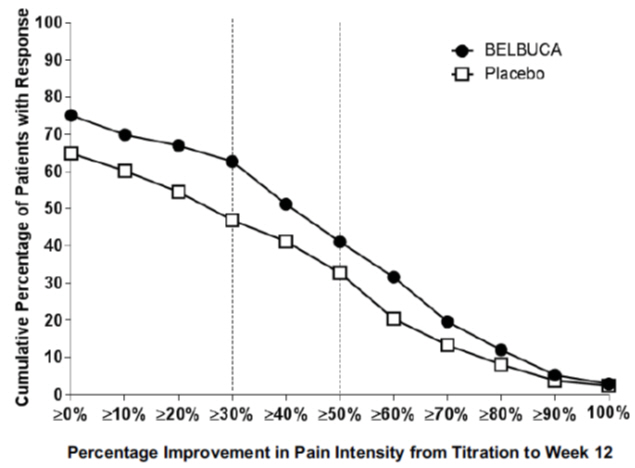
Figure 1 (Belbuca 02)
12-Week Study in Opioid-Experienced Patients with Chronic Low Back Pain
Eight hundred and ten (810) patients on chronic opioid therapy (total daily dose 30-160 mg in oral morphine sulfate equivalents (MSE) for at least 4 weeks) entered an open-label, dose-titration period with BELBUCA for up to 8 weeks, following taper of their prior opioids to 30 mg oral MSE daily. Potential subjects were excluded from participation for QTcF interval of 450 ms or more, hypokalemia, clinically unstable cardiac disease, a history of Long QT Syndrome or an immediate family member with this condition, or taking Class IA or Class III antiarrhythmic medications. Patients were initiated with BELBUCA 150 mcg every 12 hours if they were on 30 to 89 mg oral MSE daily and 300 mcg every 12 hours if they were on 90 to 160 mg oral MSE daily prior to taper. If a patient tolerated the adverse events and the analgesic effects were not adequate, the dose was increased in increments of 150 mcg every 12 hours after 4 to 8 days for up to 6 weeks. Patients were permitted to take hydrocodone/acetaminophen 5/325 mg as analgesic rescue as needed up to a maximum of 4 doses per day during the open-label dose titration period. After a dose was reached with adequate analgesia and tolerable adverse effects for a period of 2 weeks, patients were randomized to continue their titrated dose of BELBUCA or matching placebo. Sixty-three percent (63%) of the patients who entered the open-label titration period were able to titrate to a tolerable and effective dose and were randomized into a 12-week double-blind treatment phase. Ten percent (10%) of patients discontinued due to an adverse event, 8% discontinued due to lack of a therapeutic effect, and 0.1% discontinued due to opioid withdrawal during the open-label titration period. The remaining 20% of patients discontinued due to various non-drug related administrative reasons.
During the double-blind period, patients were permitted to take up to 2 doses of 5/325 mg or 10/650 mg of hydrocodone/acetaminophen per day for the first 2 weeks to minimize opioid withdrawal symptoms in patients randomized to placebo. After the first 2 weeks, patients were permitted to take 1 dose of 5/325 mg or 10/650 mg per day. Eighty-three percent of patients treated with BELBUCA and 57% of patients treated with placebo buccal film completed the 12-week treatment period. Of the 243 patients randomized to BELBUCA, 8% discontinued due to lack of efficacy and 2% due to adverse events. Of the 248 patients randomized to placebo buccal film, 25% discontinued due to lack of efficacy and 5% due to adverse events.
Of the patients who were randomized into the double-blind period, the mean pain (SD) NRS scores were 6.8 (1.28) and 6.6 (1.32) prior to open-label titration and 2.9 (0.985) and 2.8 (1.05) at the beginning of the double-blind period for BELBUCA and placebo, respectively. The change from baseline to week 12 in mean pain (SD) NRS score was statistically significant in favor of patients treated with BELBUCA compared with patients treated with placebo.
A higher proportion of BELBUCA patients (64%) had at least a 30% reduction in pain score from prior to open-label titration to study endpoint when compared to patients who received placebo buccal film (31%). A higher proportion of BELBUCA patients (39%) also had at least a 50% reduction in pain score from prior to open-label titration to study endpoint compared to patients who received placebo (17%).
The proportion of patients with various degrees of improvement from prior to open-label titration (Titration-Baseline) to study endpoint is shown in Figure 2.
Figure 2: Percentage Improvement in Pain Intensity from Titration-Baseline to Week 12
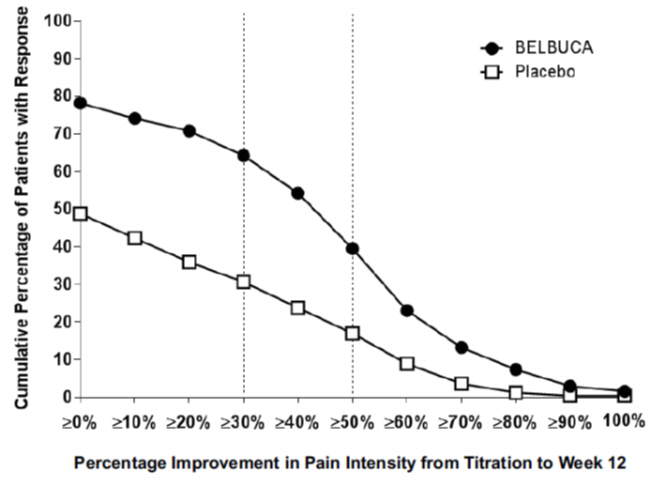
Figure 2 (Belbuca 03)
Storage and Disposal
Because of the risks associated with accidental ingestion, misuse, and abuse, advise patients to store BELBUCA securely, out of sight and reach of children, and in a location not accessible by others, including visitors to the home [see Warnings and Precautions (5.1, 5.3), Drug Abuse and Dependence (9.2)]. Inform patients that leaving BELBUCA unsecured can pose a deadly risk to others in the home.
Advise patients and caregivers that when medicines are no longer needed, they should be disposed of promptly. Expired, unwanted, or unused BELBUCA should be disposed of by removing the BELBUCA film from the foil packaging and flushing the unused medication down the toilet (if a drug take-back option is not readily available). Inform patients that they can visit www.fda.gov/drugdisposal for a complete list of medicines recommended for disposal by flushing, as well as additional information on disposal of unused medicines.
Addiction, Abuse, and Misuse
Inform patients that the use of BELBUCA, even when taken as recommended, can result in addiction, abuse, and misuse, which could lead to overdose and death [see Warnings and Precautions (5.1)]. Instruct patients not to share BELBUCA with others and to take steps to protect BELBUCA from theft or misuse.
Life-Threatening Respiratory Depression
Inform patients of the risk of life-threatening respiratory depression, including information that the risk is greatest when starting BELBUCA or when the dosage is increased, and that it can occur even at recommended doses [see Warnings and Precautions (5.3)]. Advise patients how to recognize respiratory depression and to seek medical attention if breathing difficulties develop.
Accidental Exposure
Inform patients that accidental exposure, especially in children, may result in respiratory depression or death [see Warnings and Precautions (5.3)].
Interactions with Benzodiazepines and Other CNS Depressants
Inform patients and caregivers that potentially fatal additive effects may occur if BELBUCA is used with benzodiazepines or other CNS depressants, including alcohol, and not to use these concomitantly unless supervised by a healthcare provider [see Warnings and Precautions (5.5), Drug Interactions (7)].
Serotonin Syndrome
Inform patients that BELBUCA could cause a rare but potentially life-threatening condition resulting from concomitant administration of serotonergic drugs. Warn patients of the symptoms of serotonin syndrome and to seek medical attention right away if symptoms develop. Instruct patients to inform their physicians if they are taking, or plan to take, serotonergic medications [see Drug Interactions (7)].
Adrenal Insufficiency
Inform patients that BELBUCA could cause adrenal insufficiency, a potentially life-threatening condition. Adrenal insufficiency may present with non-specific symptoms and signs such as nausea, vomiting, anorexia, fatigue, weakness, dizziness, and low blood pressure. Advise patients to seek medical attention if they experience a constellation of these symptoms [see Warnings and Precautions (5.7)].
Interaction with Benzodiazepines
Warn patients that it is extremely dangerous to self-administer benzodiazepines while taking BELBUCA, and warn patients to use benzodiazepines concurrently with BELBUCA only as directed by their physician [see Drug Interactions (7)].
Important Administration Instructions
Instruct patients how to properly use BELBUCA, including the following:
Important Discontinuation Instructions
In order to avoid developing withdrawal symptoms, instruct patients not to discontinue BELBUCA without first discussing a tapering plan with the prescriber [see Dosage and Administration (2.4)].
Hypotension
Inform patients that BELBUCA may cause orthostatic hypotension and syncope. Instruct patients how to recognize symptoms of low blood pressure and how to reduce the risk of serious consequences should hypotension occur (e.g., sit or lie down, carefully rise from a sitting or lying position) [see Warnings and Precautions (5.9)].
Anaphylaxis
Inform patients that anaphylaxis has been reported with ingredients contained in BELBUCA. Advise patients how to recognize such a reaction and when to seek medical attention [see Warnings and Precautions (5.13)].
Pregnancy
Neonatal Opioid Withdrawal Syndrome
Inform female patients of reproductive potential that prolonged use of BELBUCA during pregnancy can result in neonatal opioid withdrawal syndrome, which may be life-threatening if not recognized and treated [see Warnings and Precautions (5.4), Use in Specific Populations (8.1)].
Embryofetal Toxicity
Advise female patients that BELBUCA can cause fetal harm and to inform their healthcare provider of a known or suspected pregnancy [see Use in Specific Populations (8.1)].
Lactation
Advise patients that breastfeeding is not recommended during treatment with BELBUCA [see Use in Specific Populations (8.2)].
Constipation
Advise patients of the potential for severe constipation, including management instructions and when to seek medical attention [see Adverse Reactions (6), Clinical Pharmacology (12.2)].
Driving or Operating Heavy Machinery
Inform patients that BELBUCA may impair the ability to perform potentially hazardous activities such as driving a car or operating heavy machinery. Advise patients not to perform such tasks until they know how they will react to the medication [see Warnings and Precautions (5.18)].
Healthcare professionals can telephone BioDelivery Sciences International, Inc. at 1-800-469-0261 or access www.BELBUCA.com for information on this product.
Distributed by:
BioDelivery Sciences International, Inc.
Raleigh, NC 27612 USA
BELBUCA is a trademark of BioDelivery Sciences International, Inc.
©2020 BioDelivery Sciences International, Inc. All rights reserved.
BEL-001-PI-JUL2020