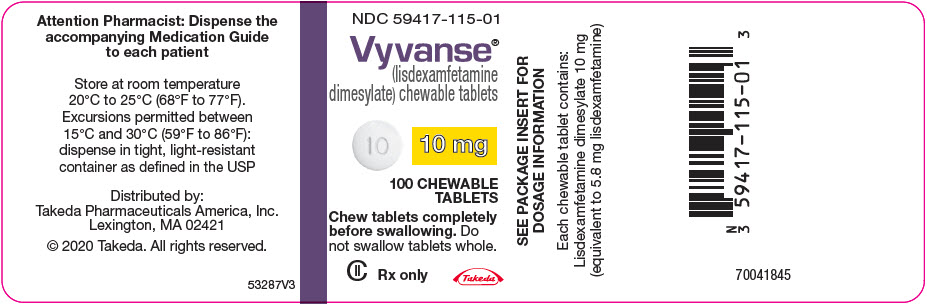
- Chewable tablets 10 mg: White to off-white round shaped tablet debossed with '10' on one side and 'S489' on the other
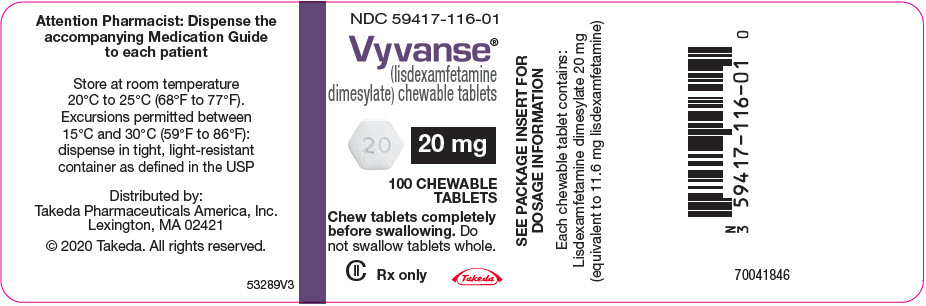
- Chewable tablets 20 mg: White to off-white hexagonal shaped tablet debossed with '20' on one side and 'S489' on the other
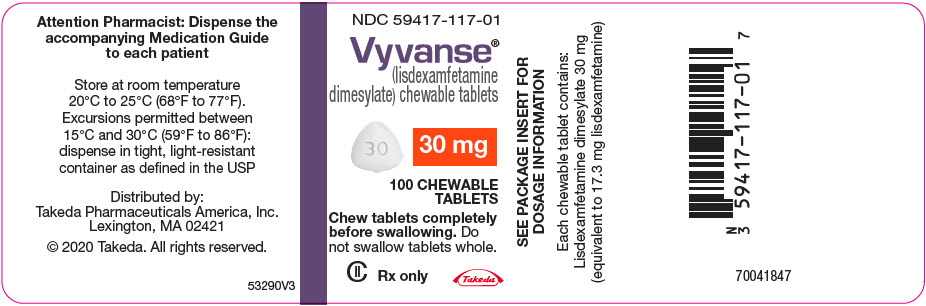
- Chewable tablets 30 mg: White to off-white arc triangular shaped tablet debossed with '30' on one side and 'S489' on the other
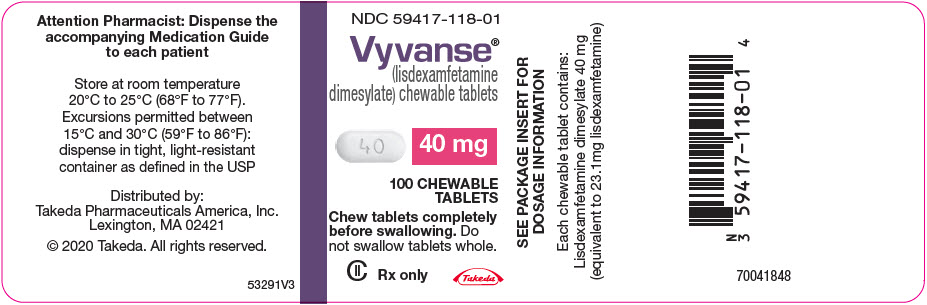
- Chewable tablets 40 mg: White to off-white capsule shaped tablet debossed with '40' on one side and 'S489' on the other
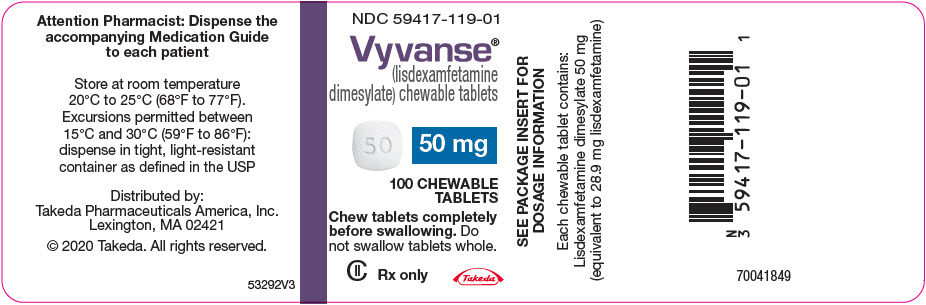
- Chewable tablets 50 mg: White to off-white arc square shaped tablet debossed with '50' on one side and 'S489' on the other
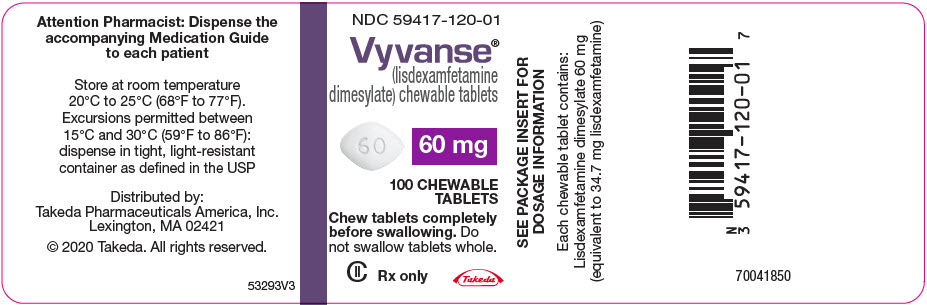
- Chewable tablets 60 mg: White to off-white arc diamond shaped tablet debossed with '60' on one side and 'S489' on the other
Exacerbation of Pre-existing Psychosis
CNS stimulants may exacerbate symptoms of behavior disturbance and thought disorder in patients with a pre-existing psychotic disorder.
Induction of a Manic Episode in Patients with Bipolar Disorder
CNS stimulants may induce a mixed/manic episode in patients with bipolar disorder. Prior to initiating treatment, screen patients for risk factors for developing a manic episode (e.g., comorbid or history of depressive symptoms or a family history of suicide, bipolar disorder, and depression).
New Psychotic or Manic Symptoms
CNS stimulants, at recommended doses, may cause psychotic or manic symptoms, e.g. hallucinations, delusional thinking, or mania in children and adolescents without a prior history of psychotic illness or mania. If such symptoms occur, consider discontinuing VYVANSE. In a pooled analysis of multiple short-term, placebo-controlled studies of CNS stimulants, psychotic or manic symptoms occurred in 0.1% of CNS stimulant-treated patients compared to 0% in placebo-treated patients.
Attention Deficit Hyperactivity Disorder
The safety data in this section is based on data from the 4-week parallel-group controlled clinical studies of VYVANSE in pediatric and adult patients with ADHD [see Clinical Studies (14.1)].
Adverse Reactions Associated with Discontinuation of Treatment in ADHD Clinical Trials
In the controlled trial in patients ages 6 to 12 years (Study 1), 8% (18/218) of VYVANSE-treated patients discontinued due to adverse reactions compared to 0% (0/72) of placebo-treated patients. The most frequently reported adverse reactions (1% or more and twice rate of placebo) were ECG voltage criteria for ventricular hypertrophy, tic, vomiting, psychomotor hyperactivity, insomnia, decreased appetite and rash [2 instances for each adverse reaction, i.e., 2/218 (1%)]. Less frequently reported adverse reactions (less than 1% or less than twice rate of placebo) included abdominal pain upper, dry mouth, weight decreased, dizziness, somnolence, logorrhea, chest pain, anger and hypertension.
In the controlled trial in patients ages 13 to 17 years (Study 4), 3% (7/233) of VYVANSE-treated patients discontinued due to adverse reactions compared to 1% (1/77) of placebo-treated patients. The most frequently reported adverse reactions (1% or more and twice rate of placebo) were decreased appetite (2/233; 1%) and insomnia (2/233; 1%). Less frequently reported adverse reactions (less than 1% or less than twice rate of placebo) included irritability, dermatillomania, mood swings, and dyspnea.
In the controlled adult trial (Study 7), 6% (21/358) of VYVANSE-treated patients discontinued due to adverse reactions compared to 2% (1/62) of placebo-treated patients. The most frequently reported adverse reactions (1% or more and twice rate of placebo) were insomnia (8/358; 2%), tachycardia (3/358; 1%), irritability (2/358; 1%), hypertension (4/358; 1%), headache (2/358; 1%), anxiety (2/358; 1%), and dyspnea (3/358; 1%). Less frequently reported adverse reactions (less than 1% or less than twice rate of placebo) included palpitations, diarrhea, nausea, decreased appetite, dizziness, agitation, depression, paranoia and restlessness.
Adverse Reactions Occurring at an Incidence of ≥5% or More Among VYVANSE Treated Patients with ADHD in Clinical Trials
The most common adverse reactions (incidence ≥5% and at a rate at least twice placebo) reported in children, adolescents, and/or adults were anorexia, anxiety, decreased appetite, decreased weight, diarrhea, dizziness, dry mouth, irritability, insomnia, nausea, upper abdominal pain, and vomiting.
Adverse Reactions Occurring at an Incidence of 2% or More Among VYVANSE Treated Patients with ADHD in Clinical Trials
Adverse reactions reported in the controlled trials in pediatric patients ages 6 to 12 years (Study 1), adolescent patients ages 13 to 17 years (Study 4), and adult patients (Study 7) treated with VYVANSE or placebo are presented in Tables 1, 2, and 3 below.
Table 1 Adverse Reactions Reported by 2% or More of Children (Ages 6 to 12 Years) with ADHD Taking VYVANSE and at least Twice the Incidence in Patients Taking Placebo in a 4-Week Clinical Trial (Study 1) | VYVANSE
(n=218) | Placebo
(n=72) |
|---|
| Decreased Appetite | 39% | 4% |
| Insomnia | 22% | 3% |
| Abdominal Pain Upper | 12% | 6% |
| Irritability | 10% | 0% |
| Vomiting | 9% | 4% |
| Weight Decreased | 9% | 1% |
| Nausea | 6% | 3% |
| Dry Mouth | 5% | 0% |
| Dizziness | 5% | 0% |
| Affect lability | 3% | 0% |
| Rash | 3% | 0% |
| Pyrexia | 2% | 1% |
| Somnolence | 2% | 1% |
| Tic | 2% | 0% |
| Anorexia | 2% | 0% |
Table 2 Adverse Reactions Reported by 2% or More of Adolescent (Ages 13 to 17 Years) Patients with ADHD Taking VYVANSE and at least Twice the Incidence in Patients Taking Placebo in a 4-Week Clinical Trial (Study 4) | VYVANSE
(n=233) | Placebo
(n=77) |
|---|
| Decreased Appetite | 34% | 3% |
| Insomnia | 13% | 4% |
| Weight Decreased | 9% | 0% |
| Dry Mouth | 4% | 1% |
| Palpitations | 2% | 1% |
| Anorexia | 2% | 0% |
| Tremor | 2% | 0% |
Table 3 Adverse Reactions Reported by 2% or More of Adult Patients with ADHD Taking VYVANSE and at least Twice the Incidence in Patients Taking Placebo in a 4-Week Clinical Trial (Study 7) | VYVANSE
(n=358) | Placebo
(n=62) |
|---|
| Decreased Appetite | 27% | 2% |
| Insomnia | 27% | 8% |
| Dry Mouth | 26% | 3% |
| Diarrhea | 7% | 0% |
| Nausea | 7% | 0% |
| Anxiety | 6% | 0% |
| Anorexia | 5% | 0% |
| Feeling Jittery | 4% | 0% |
| Agitation | 3% | 0% |
| Increased Blood Pressure | 3% | 0% |
| Hyperhidrosis | 3% | 0% |
| Restlessness | 3% | 0% |
| Decreased Weight | 3% | 0% |
| Dyspnea | 2% | 0% |
| Increased Heart Rate | 2% | 0% |
| Tremor | 2% | 0% |
| Palpitations | 2% | 0% |
In addition, in the adult population erectile dysfunction was observed in 2.6% of males on VYVANSE and 0% on placebo; decreased libido was observed in 1.4% of subjects on VYVANSE and 0% on placebo.
Weight Loss and Slowing Growth Rate in Pediatric Patients with ADHD
In a controlled trial of VYVANSE in children ages 6 to 12 years (Study 1), mean weight loss from baseline after 4 weeks of therapy was -0.9, -1.9, and -2.5 pounds, respectively, for patients receiving 30 mg, 50 mg, and 70 mg of VYVANSE, compared to a 1 pound weight gain for patients receiving placebo. Higher doses were associated with greater weight loss with 4 weeks of treatment. Careful follow-up for weight in children ages 6 to 12 years who received VYVANSE over 12 months suggests that consistently medicated children (i.e. treatment for 7 days per week throughout the year) have a slowing in growth rate, measured by body weight as demonstrated by an age- and sex-normalized mean change from baseline in percentile, of -13.4 over 1 year (average percentiles at baseline and 12 months were 60.9 and 47.2, respectively). In a 4-week controlled trial of VYVANSE in adolescents ages 13 to 17 years, mean weight loss from baseline to endpoint was -2.7, -4.3, and -4.8 lbs., respectively, for patients receiving 30 mg, 50 mg, and 70 mg of VYVANSE, compared to a 2.0 pound weight gain for patients receiving placebo.
Careful follow-up of weight and height in children ages 7 to 10 years who were randomized to either methylphenidate or non-medication treatment groups over 14 months, as well as in naturalistic subgroups of newly methylphenidate-treated and non-medication treated children over 36 months (to the ages of 10 to 13 years), suggests that consistently medicated children (i.e. treatment for 7 days per week throughout the year) have a temporary slowing in growth rate (on average, a total of about 2 cm less growth in height and 2.7 kg less growth in weight over 3 years), without evidence of growth rebound during this period of development. In a controlled trial of amphetamine (d- to l-enantiomer ratio of 3:1) in adolescents, mean weight change from baseline within the initial 4 weeks of therapy was -1.1 pounds and -2.8 pounds, respectively, for patients receiving 10 mg and 20 mg of amphetamine. Higher doses were associated with greater weight loss within the initial 4 weeks of treatment [see Warnings and Precautions (5.5)].
Weight Loss in Adults with ADHD
In the controlled adult trial (Study 7), mean weight loss after 4 weeks of therapy was 2.8 pounds, 3.1 pounds, and 4.3 pounds, for patients receiving final doses of 30 mg, 50 mg, and 70 mg of VYVANSE, respectively, compared to a mean weight gain of 0.5 pounds for patients receiving placebo.
Binge Eating Disorder
The safety data in this section is based on data from two 12 week parallel group, flexible-dose, placebo-controlled studies in adults with BED [see Clinical Studies 14.2]. Patients with cardiovascular risk factors other than obesity and smoking were excluded.
Adverse Reactions Associated with Discontinuation of Treatment in BED Clinical Trials
In controlled trials of patients ages 18 to 55 years, 5.1% (19/373) of VYVANSE-treated patients discontinued due to adverse reactions compared to 2.4% (9/372) of placebo-treated patients. No single adverse reaction led to discontinuation in 1% or more of VYVANSE-treated patients. Less commonly reported adverse reactions (less than 1% or less than twice rate of placebo) included increased heart rate, headache, abdominal pain upper, dyspnea, rash, insomnia, irritability, feeling jittery and anxiety.
Adverse Reactions Occurring at an Incidence of ≥5% or More Among VYVANSE Treated Patients with BED in Clinical Trials
The most common adverse reactions (incidence ≥5% and at a rate at least twice placebo) reported in adults were dry mouth, insomnia, decreased appetite, increased heart rate, constipation, feeling jittery, and anxiety.
Adverse Reactions Occurring at an Incidence of 2% or More Among VYVANSE Treated Patients with BED in Clinical Trials
Adverse reactions reported in the pooled controlled trials in adult patients (Study 11 and 12) treated with VYVANSE or placebo are presented in Table 4 below.
Table 4 Adverse Reactions Reported by 2% or More of Adult Patients with BED Taking VYVANSE and at least Twice the Incidence in Patients Taking Placebo in 12-Week Clinical Trials (Study 11 and 12) | VYVANSE
(N=373) | Placebo
(N=372) |
|---|
| Dry Mouth | 36% | 7% |
| Insomnia Includes all preferred terms containing the word "insomnia." | 20% | 8% |
| Decreased Appetite | 8% | 2% |
| Increased Heart Rate Includes the preferred terms "heart rate increased" and "tachycardia." | 7% | 1% |
| Feeling Jittery | 6% | 1% |
| Constipation | 6% | 1% |
| Anxiety | 5% | 1% |
| Diarrhea | 4% | 2% |
| Decreased Weight | 4% | 0% |
| Hyperhidrosis | 4% | 0% |
| Vomiting | 2% | 1% |
| Gastroenteritis | 2% | 1% |
| Paresthesia | 2% | 1% |
| Pruritus | 2% | 1% |
| Upper Abdominal Pain | 2% | 0% |
| Energy Increased | 2% | 0% |
| Urinary Tract Infection | 2% | 0% |
| Nightmare | 2% | 0% |
| Restlessness | 2% | 0% |
| Oropharyngeal Pain | 2% | 0% |
Risk Summary
The limited available data from published literature and postmarketing reports on use of VYVANSE in pregnant women are not sufficient to inform a drug-associated risk for major birth defects and miscarriage. Adverse pregnancy outcomes, including premature delivery and low birth weight, have been seen in infants born to mothers dependent on amphetamines [see Clinical Considerations]. In animal reproduction studies, lisdexamfetamine dimesylate (a prodrug of d-amphetamine) had no effects on embryo-fetal morphological development or survival when administered orally to pregnant rats and rabbits throughout the period of organogenesis. Pre- and postnatal studies were not conducted with lisdexamfetamine dimesylate. However, amphetamine (d- to l- ratio of 3:1) administration to pregnant rats during gestation and lactation caused a decrease in pup survival and a decrease in pup body weight that correlated with a delay in developmental landmarks at clinically relevant doses of amphetamine. In addition, adverse effects on reproductive performance were observed in pups whose mothers were treated with amphetamine. Long-term neurochemical and behavioral effects have also been reported in animal developmental studies using clinically relevant doses of amphetamine [see Data].
The estimated background risk of major birth defects and miscarriage for the indicated population is unknown. All pregnancies have a background risk of birth defect, loss or other adverse outcomes. In the U.S. general population, the estimated background risk of major birth defects and miscarriage in clinically recognized pregnancies is 2-4% and 15-20%, respectively.
Clinical Considerations
Fetal/Neonatal Adverse Reactions
Amphetamines, such as VYVANSE, cause vasoconstriction and thereby may decrease placental perfusion. In addition, amphetamines can stimulate uterine contractions increasing the risk of premature delivery. Infants born to amphetamine-dependent mothers have an increased risk of premature delivery and low birth weight.
Monitor infants born to mothers taking amphetamines for symptoms of withdrawal such as feeding difficulties, irritability, agitation, and excessive drowsiness.
Data
Animal Data
Lisdexamfetamine dimesylate had no apparent effects on embryo-fetal morphological development or survival when administered orally to pregnant rats and rabbits throughout the period of organogenesis at doses of up to 40 and 120 mg/kg/day, respectively. These doses are approximately 4 and 27 times, respectively, the maximum recommended human dose (MRHD) of 70 mg/day given to adolescents, on a mg/m2 body surface area basis.
A study was conducted with amphetamine (d- to l- enantiomer ratio of 3:1) in which pregnant rats received daily oral doses of 2, 6, and 10 mg/kg from gestation day 6 to lactation day 20. These doses are approximately 0.8, 2, and 4 times the MRHD of amphetamine (d- to l- ratio of 3:1) for adolescents of 20 mg/day, on a mg/m2 basis. All doses caused hyperactivity and decreased weight gain in the dams. A decrease in pup survival was seen at all doses. A decrease in pup body weight was seen at 6 and 10 mg/kg which correlated with delays in developmental landmarks, such as preputial separation and vaginal opening. Increased pup locomotor activity was seen at 10 mg/kg on day 22 postpartum but not at 5 weeks postweaning. When pups were tested for reproductive performance at maturation, gestational weight gain, number of implantations, and number of delivered pups were decreased in the group whose mothers had been given 10 mg/kg.
A number of studies from the literature in rodents indicate that prenatal or early postnatal exposure to amphetamine (d- or d,l-) at doses similar to those used clinically can result in long-term neurochemical and behavioral alterations. Reported behavioral effects include learning and memory deficits, altered locomotor activity, and changes in sexual function.
Risk Summary
Lisdexamfetamine is a pro-drug of dextroamphetamine. Based on limited case reports in published literature, amphetamine (d-or d, l-) is present in human milk, at relative infant doses of 2% to 13.8% of the maternal weight-adjusted dosage and a milk/plasma ratio ranging between 1.9 and 7.5. There are no reports of adverse effects on the breastfed infant. Long-term neurodevelopmental effects on infants from amphetamine exposure are unknown. It is possible that large dosages of dextroamphetamine might interfere with milk production, especially in women whose lactation is not well established. Because of the potential for serious adverse reactions in nursing infants, including serious cardiovascular reactions, blood pressure and heart rate increase, suppression of growth, and peripheral vasculopathy, advise patients that breastfeeding is not recommended during treatment with VYVANSE.
ADHD
Safety and effectiveness have been established in pediatric patients with ADHD ages 6 to 17 years [see Adverse Reactions (6.1), Clinical Pharmacology (12.3), and Clinical Studies (14.1)]. Safety and efficacy in pediatric patients below the age of 6 years have not been established.
BED
Safety and effectiveness in patients less than 18 years of age have not been established.
Growth Suppression
Growth should be monitored during treatment with stimulants, including VYVANSE, and children who are not growing or gaining weight as expected may need to have their treatment interrupted [see Warnings and Precautions (5.5), Adverse Reactions (6.1)].
Juvenile Animal Data
Studies conducted in juvenile rats and dogs at clinically relevant doses showed growth suppression that partially or fully reversed in dogs and female rats but not in male rats after a four-week drug-free recovery period.
A study was conducted in which juvenile rats received oral doses of 4, 10, or 40 mg/kg/day of lisdexamfetamine dimesylate from day 7 to day 63 of age. These doses are approximately 0.3, 0.7, and 3 times the maximum recommended human daily dose of 70 mg on a mg/m2 basis for a child. Dose-related decreases in food consumption, bodyweight gain, and crown-rump length were seen; after a four-week drug-free recovery period, bodyweights and crown-rump lengths had significantly recovered in females but were still substantially reduced in males. Time to vaginal opening was delayed in females at the highest dose, but there were no drug effects on fertility when the animals were mated beginning on day 85 of age.
In a study in which juvenile dogs received lisdexamfetamine dimesylate for 6 months beginning at 10 weeks of age, decreased bodyweight gain was seen at all doses tested (2, 5, and 12 mg/kg/day, which are approximately 0.5, 1, and 3 times the maximum recommended human daily dose on a mg/m2 basis for a child). This effect partially or fully reversed during a four-week drug-free recovery period.
Studies of VYVANSE in Drug Abusers
A randomized, double-blind, placebo-control, cross-over, abuse liability study in 38 patients with a history of drug abuse was conducted with single-doses of 50, 100, or 150 mg of VYVANSE, 40 mg of immediate-release d-amphetamine sulphate (a controlled II substance), and 200 mg of diethylpropion hydrochloride (a controlled IV substance). VYVANSE 100 mg produced significantly less "Drug Liking Effects" as measured by the Drug Rating Questionnaire-Subject score, compared to d-amphetamine 40 mg; and 150 mg of VYVANSE demonstrated similar "Drug-Liking Effects" compared to 40 mg of d-amphetamine and 200 mg of diethylpropion.
Intravenous administration of 50 mg lisdexamfetamine dimesylate to individuals with a history of drug abuse produced positive subjective responses on scales measuring "Drug Liking", "Euphoria", "Amphetamine Effects", and "Benzedrine Effects" that were greater than placebo but less than those produced by an equivalent dose (20 mg) of intravenous d-amphetamine.
Tolerance
Tolerance (a state of adaptation in which exposure to a drug results in a reduction of the drug's desired and/or undesired effects over time) may occur during the chronic therapy of CNS stimulants including VYVANSE.
Dependence
Physical dependence (a state of adaptation manifested by a withdrawal syndrome produced by abrupt cessation, rapid dose reduction, or administration of an antagonist) may occur in patients treated with CNS stimulants including VYVANSE. Withdrawal symptoms after abrupt cessation following prolonged high-dosage administration of CNS stimulants include extreme fatigue and depression.
Information for VYVANSE capsules:
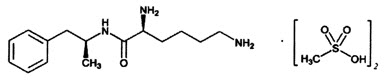
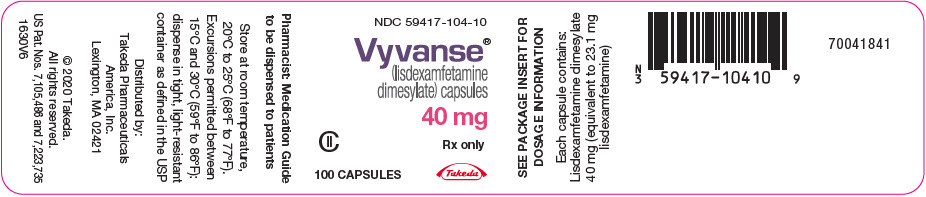
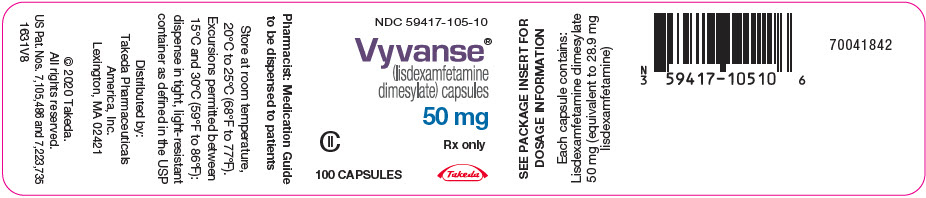
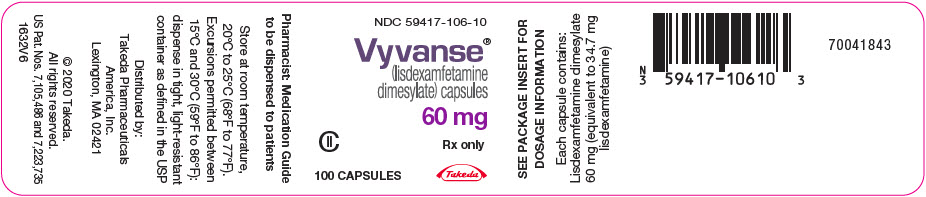
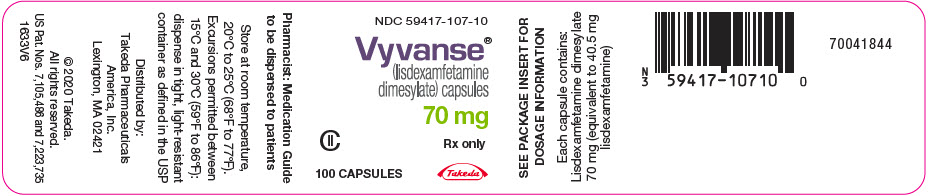
VYVANSE capsules contain 10 mg, 20 mg, 30 mg, 40 mg, 50 mg, 60 mg, and 70 mg of lisdexamfetamine dimesylate (equivalent to 5.8 mg, 11.6 mg, 17.3 mg, 23.1 mg, 28.9 mg, 34.7 mg, and 40.5 mg of lisdexamfetamine).
Inactive ingredients: microcrystalline cellulose, croscarmellose sodium, and magnesium stearate. The capsule shells contain gelatin, titanium dioxide, and one or more of the following: FD&C Red #3, FD&C Yellow #6, FD&C Blue #1, Black Iron Oxide, and Yellow Iron Oxide.
Information for VYVANSE chewable tablets:
VYVANSE chewable tablets contain 10 mg, 20 mg, 30 mg, 40 mg, 50 mg, and 60 mg of lisdexamfetamine dimesylate (equivalent to 5.8 mg, 11.6 mg, 17.3 mg, 23.1 mg, 28.9 mg, and 34.7 mg of lisdexamfetamine).
Inactive ingredients: colloidal silicon dioxide, croscarmellose sodium, guar gum, magnesium stearate, mannitol, microcrystalline cellulose, sucralose, artificial strawberry flavor.
Absorption
Capsule formulation
Following single-dose oral administration of VYVANSE capsule (30 mg, 50 mg, or 70 mg) in patients ages 6 to 12 years with ADHD under fasted conditions, Tmax of lisdexamfetamine and dextroamphetamine was reached at approximately 1 hour and 3.5 hour post dose, respectively. Weight/Dose normalized AUC and Cmax values were the same in pediatric patients ages 6 to 12 years as the adults following single doses of 30 mg to 70 mg VYVANSE capsule.
Food effect on capsule formulation
Neither food (a high fat meal or yogurt) nor orange juice affects the observed AUC and Cmax of dextroamphetamine in healthy adults after single-dose oral administration of 70 mg of VYVANSE capsules. Food prolongs Tmax by approximately 1 hour (from 3.8 hour at fasted state to 4.7 hour after a high fat meal or to 4.2 hour with yogurt). After an 8-hour fast, the AUC for dextroamphetamine following oral administration of lisdexamfetamine dimesylate in solution and as intact capsules were equivalent.
Chewable Tablet formulation
After a single dose administration of 60 mg VYVANSE chewable tablet in healthy subjects under fasted conditions, Tmax of lisdexamfetamine and dextroamphetamine was reached at approximately 1 hour and 4.4 hour post dose, respectively. Compared to 60 mg VYVANSE capsule, exposure (Cmax and AUC) to lisdexamfetamine was about 15% lower. The exposure (Cmax and AUCinf) of dextroamphetamine is similar between VYVANSE chewable tablet and VYVANSE capsule.
Food effect on tablet formulation
Administration of 60 mg VYVANSE chewable tablet with food (a high-fat meal) decreases the exposure (Cmax and AUCinf) of dextroamphetamine by about 5% to 7%, and prolongs mean Tmax by approximately 1 hour (from 3.9 hrs at fasted state to 4.9 hours).
Elimination
Plasma concentrations of unconverted lisdexamfetamine are low and transient, generally becoming non-quantifiable by 8 hours after administration. The plasma elimination half-life of lisdexamfetamine typically averaged less than one hour in studies of lisdexamfetamine dimesylate in volunteers. The mean plasma elimination half- life of dextroamphetamine was about 12 hours after oral administration of lisdexamfetamine dimesylate.
Metabolism
Lisdexamfetamine is converted to dextroamphetamine and l-lysine primarily in blood due to the hydrolytic activity of red blood cells after oral administration of lisdexamfetamine dimesylate. In vitro data demonstrated that red blood cells have a high capacity for metabolism of lisdexamfetamine; substantial hydrolysis occurred even at low hematocrit levels (33% of normal). Lisdexamfetamine is not metabolized by cytochrome P450 enzymes.
Excretion
Following oral administration of a 70 mg dose of radiolabeled lisdexamfetamine dimesylate to 6 healthy subjects, approximately 96% of the oral dose radioactivity was recovered in the urine and only 0.3% recovered in the feces over a period of 120 hours. Of the radioactivity recovered in the urine, 42% of the dose was related to amphetamine, 25% to hippuric acid, and 2% to intact lisdexamfetamine.
Specific Populations
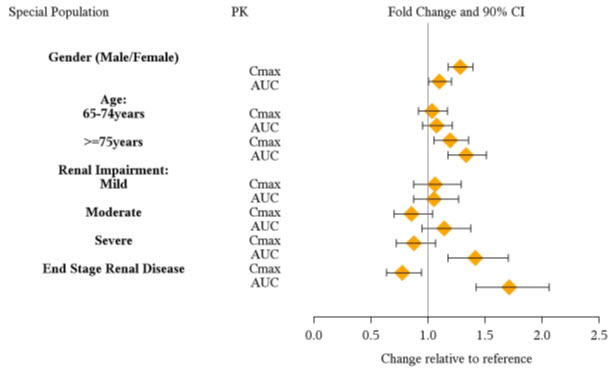
Exposures of dextroamphetamine in specific populations are summarized in Figure 1.
| Figure 1: Specific Populations Figure 1 shows the geometric mean ratios and the 90% confidence limits for Cmax and AUC of d-amphetamine. Comparison for gender uses males as the reference. Comparison for age uses 55-64 years as the reference. : |
|
Drug Interaction Studies
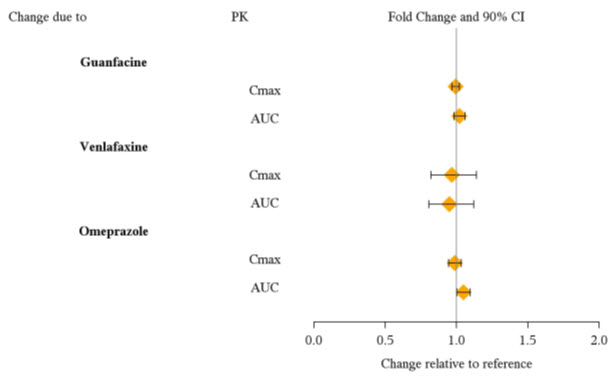
Effects of other drugs on the exposures of dextroamphetamine are summarized in Figure 2.
| Figure 2: Effect of Other Drugs on VYVANSE: |
|
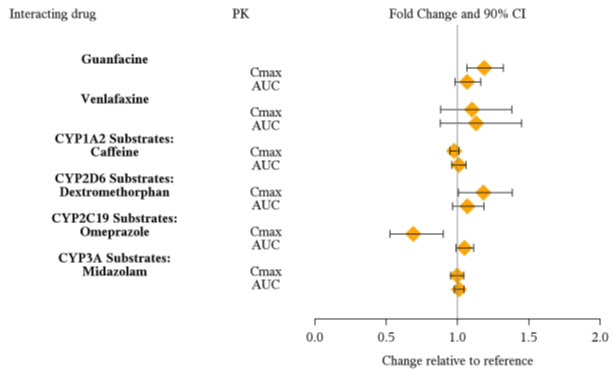
The effects of VYVANSE on the exposures of other drugs are summarized in Figure 3.
| Figure 3: Effect of VYVANSE on Other Drugs: |
|
Carcinogenesis
Carcinogenicity studies of lisdexamfetamine dimesylate have not been performed. No evidence of carcinogenicity was found in studies in which d-, l-amphetamine (enantiomer ratio of 1:1) was administered to mice and rats in the diet for 2 years at doses of up to 30 mg/kg/day in male mice, 19 mg/kg/day in female mice, and 5 mg/kg/day in male and female rats.
Mutagenesis
Lisdexamfetamine dimesylate was not clastogenic in the mouse bone marrow micronucleus test in vivo and was negative when tested in the E. coli and S. typhimurium components of the Ames test and in the L5178Y/TK+- mouse lymphoma assay in vitro.
Impairment of Fertility
Amphetamine (d- to l-enantiomer ratio of 3:1) did not adversely affect fertility or early embryonic development in the rat at doses of up to 20 mg/kg/day.
Patients Ages 6 to 12 Years Old with ADHD
A double-blind, randomized, placebo-controlled, parallel-group study (Study 1) was conducted in children ages 6 to 12 years (N=290) who met DSM-IV criteria for ADHD (either the combined type or the hyperactive-impulsive type). Patients were randomized to receive final doses of 30 mg, 50 mg, or 70 mg of VYVANSE or placebo once daily in the morning for a total of four weeks of treatment. All patients receiving VYVANSE were initiated on 30 mg for the first week of treatment. Patients assigned to the 50 mg and 70 mg dose groups were titrated by 20 mg per week until they achieved their assigned dose. The primary efficacy outcome was change in Total Score from baseline to endpoint in investigator ratings on the ADHD Rating Scale (ADHD-RS), an 18-item questionnaire with a score range of 0-54 points that measures the core symptoms of ADHD which includes both hyperactive/impulsive and inattentive subscales. Endpoint was defined as the last post-randomization treatment week (i.e. Weeks 1 through 4) for which a valid score was obtained. All VYVANSE dose groups were superior to placebo in the primary efficacy outcome. Mean effects at all doses were similar; however, the highest dose (70 mg/day) was numerically superior to both lower doses (Study 1 in Table 7). The effects were maintained throughout the day based on parent ratings (Conners' Parent Rating Scale) in the morning (approximately 10 am), afternoon (approximately 2 pm), and early evening (approximately 6 pm).
A double-blind, placebo-controlled, randomized, crossover design, analog classroom study (Study 2) was conducted in children ages 6 to 12 years (N=52) who met DSM-IV criteria for ADHD (either the combined type or the hyperactive-impulsive type). Following a 3-week open-label dose optimization with Adderall XR®, patients were randomly assigned to continue their optimized dose of Adderall XR (10 mg, 20 mg, or 30 mg), VYVANSE (30 mg, 50 mg, or 70 mg), or placebo once daily in the morning for 1 week each treatment. Efficacy assessments were conducted at 1, 2, 3, 4.5, 6, 8, 10, and 12 hours post-dose using the Swanson, Kotkin, Agler, M.Flynn, and Pelham Deportment scores (SKAMP-DS), a 4-item subscale of the SKAMP with scores ranging from 0 to 24 points that measures deportment problems leading to classroom disruptions. A significant difference in patient behavior, based upon the average of investigator ratings on the SKAMP-DS across the 8 assessments were observed between patients when they received VYVANSE compared to patients when they received placebo (Study 2 in Table 7). The drug effect reached statistical significance from hours 2 to 12 post-dose, but was not significant at 1 hour.
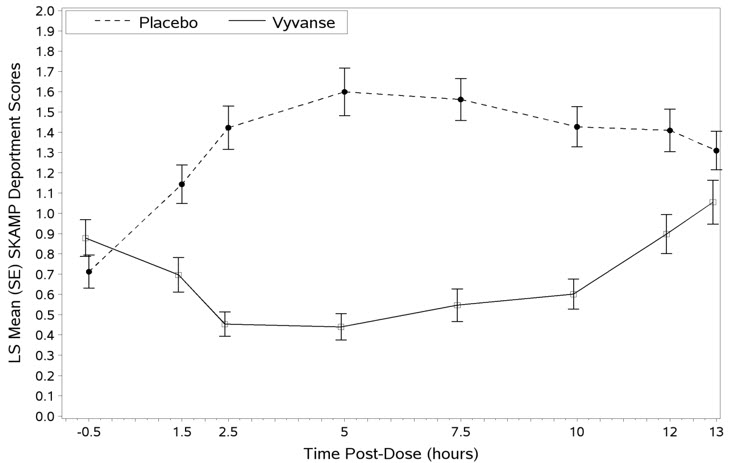
A second double-blind, placebo-controlled, randomized, crossover design, analog classroom study (Study 3) was conducted in children ages 6 to 12 years (N=129) who met DSM-IV criteria for ADHD (either the combined type or the hyperactive-impulsive type). Following a 4-week open-label dose optimization with VYVANSE (30 mg, 50 mg, 70 mg), patients were randomly assigned to continue their optimized dose of VYVANSE or placebo once daily in the morning for 1 week each treatment. A significant difference in patient behavior, based upon the average of investigator ratings on the SKAMP-Deportment scores across all 7 assessments conducted at 1.5, 2.5, 5.0, 7.5, 10.0, 12.0, and 13.0 hours post-dose, were observed between patients when they received VYVANSE compared to patients when they received placebo (Study 3 in Table 7, Figure 4).
Patients Ages 13 to 17 Years Old with ADHD
A double-blind, randomized, placebo-controlled, parallel-group study (Study 4) was conducted in adolescents ages 13 to 17 years (N=314) who met DSM-IV criteria for ADHD. In this study, patients were randomized in a 1:1:1:1 ratio to a daily morning dose of VYVANSE (30 mg/day, 50 mg/day or 70 mg/day) or placebo for a total of four weeks of treatment. All patients receiving VYVANSE were initiated on 30 mg for the first week of treatment. Patients assigned to the 50 mg and 70 mg dose groups were titrated by 20 mg per week until they achieved their assigned dose. The primary efficacy outcome was change in Total Score from baseline to endpoint in investigator ratings on the ADHD Rating Scale (ADHD-RS). Endpoint was defined as the last post-randomization treatment week (i.e. Weeks 1 through 4) for which a valid score was obtained. All VYVANSE dose groups were superior to placebo in the primary efficacy outcome (Study 4 in Table 7).
Patients Ages 6 to 17 Years Old: Short-Term Treatment in ADHD
A double-blind, randomized, placebo- and active-controlled parallel-group, dose-optimization study (Study 5) was conducted in children and adolescents ages 6 to 17 years (n=336) who met DSM-IV criteria for ADHD. In this eight-week study, patients were randomized to a daily morning dose of VYVANSE (30, 50 or 70mg/day), an active control, or placebo (1:1:1). The study consisted of a Screening and Washout Period (up to 42 days), a 7-week Double-blind Evaluation Period (consisting of a 4-week Dose-Optimization Period followed by a 3-week Dose-Maintenance Period), and a 1-week Washout and Follow-up Period. During the Dose Optimization Period, subjects were titrated until an optimal dose, based on tolerability and investigator's judgment, was reached. VYVANSE showed significantly greater efficacy than placebo. The placebo-adjusted mean reduction from baseline in the ADHD-RS-IV total score was 18.6. Subjects on VYVANSE also showed greater improvement on the Clinical Global Impression-Improvement (CGI-I) rating scale compared to subjects on placebo (Study 5 in Table 7).
Patients Ages 6 to 17 Years Old: Maintenance Treatment in ADHD
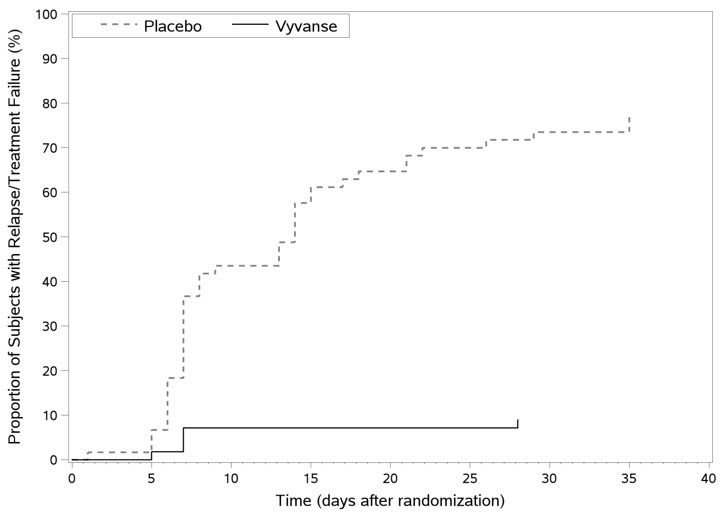
Maintenance of Efficacy Study (Study 6) - A double-blind, placebo-controlled, randomized withdrawal study was conducted in children and adolescents ages 6 to 17 (N=276) who met the diagnosis of ADHD (DSM-IV criteria). A total of 276 patients were enrolled into the study, 236 patients participated in Study 5 and 40 subjects directly enrolled. Subjects were treated with open-label VYVANSE for at least 26 weeks prior to being assessed for entry into the randomized withdrawal period. Eligible patients had to demonstrate treatment response as defined by CGI-S <3 and Total Score on the ADHD-RS ≤22. Patients that maintained treatment response for 2 weeks at the end of the open label treatment period were eligible to be randomized to ongoing treatment with the same dose of VYVANSE (N=78) or switched to placebo (N=79) during the double-blind phase. Patients were observed for relapse (treatment failure) during the 6 week double blind phase. A significantly lower proportion of treatment failures occurred among VYVANSE subjects (15.8%) compared to placebo (67.5%) at endpoint of the randomized withdrawal period. The endpoint measurement was defined as the last post-randomization treatment week at which a valid ADHD-RS Total Score and CGI-S were observed. Treatment failure was defined as a ≥50% increase (worsening) in the ADHD-RS Total Score and a ≥2-point increase in the CGI-S score compared to scores at entry into the double-blind randomized withdrawal phase. Subjects who withdrew from the randomized withdrawal period and who did not provide efficacy data at their last on-treatment visit were classified as treatment failures (Study 6, Figure 5).
Adults: Short-Term Treatment in ADHD
A double-blind, randomized, placebo-controlled, parallel-group study (Study 7) was conducted in adults ages 18 to 55 (N=420) who met DSM-IV criteria for ADHD. In this study, patients were randomized to receive final doses of 30 mg, 50 mg, or 70 mg of VYVANSE or placebo for a total of four weeks of treatment. All patients receiving VYVANSE were initiated on 30 mg for the first week of treatment. Patients assigned to the 50 mg and 70 mg dose groups were titrated by 20 mg per week until they achieved their assigned dose. The primary efficacy outcome was change in Total Score from baseline to endpoint in investigator ratings on the ADHD Rating Scale (ADHD-RS). Endpoint was defined as the last post-randomization treatment week (i.e. Weeks 1 through 4) for which a valid score was obtained. All VYVANSE dose groups were superior to placebo in the primary efficacy outcome (Study 7 in Table 7).
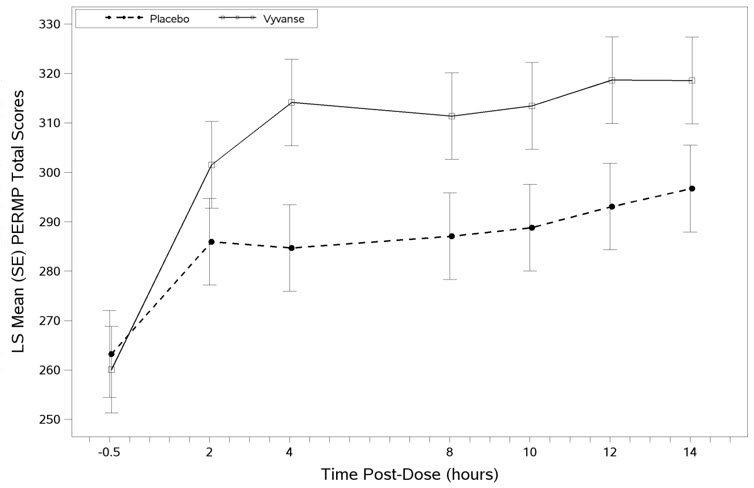
The second study was a multi-center, randomized, double-blind, placebo-controlled, cross-over, modified analog classroom study (Study 8) of VYVANSE to simulate a workplace environment in 142 adults ages 18 to 55 who met DSM-IV-TR criteria for ADHD. There was a 4-week open-label, dose optimization phase with VYVANSE (30 mg/day, 50 mg/day, or 70 mg/day in the morning). Patients were then randomized to one of two treatment sequences: 1) VYVANSE (optimized dose) followed by placebo, each for one week, or 2) placebo followed by VYVANSE, each for one week. Efficacy assessments occurred at the end of each week, using the Permanent Product Measure of Performance (PERMP), a skill-adjusted math test that measures attention in ADHD. PERMP total score results from the sum of the number of math problems attempted plus the number of math problems answered correctly. VYVANSE treatment, compared to placebo, resulted in a statistically significant improvement in attention across all post-dose time points, as measured by average PERMP total scores over the course of one assessment day, as well as at each time point measured. The PERMP assessments were administered at pre-dose (-0.5 hours) and at 2, 4, 8, 10, 12, and 14 hours post-dose (Study 8 in Table 7, Figure 6).
Adults: Maintenance Treatment in ADHD
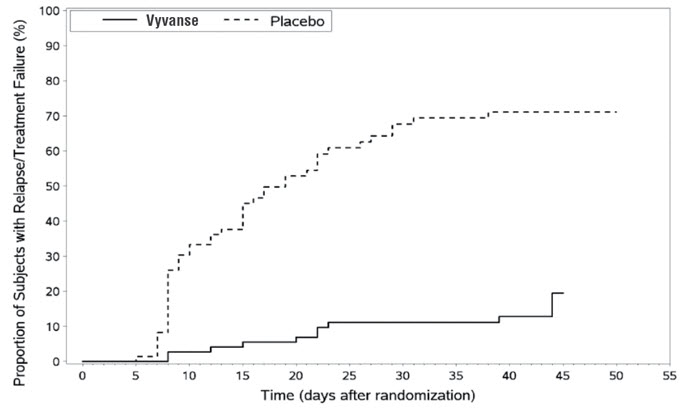
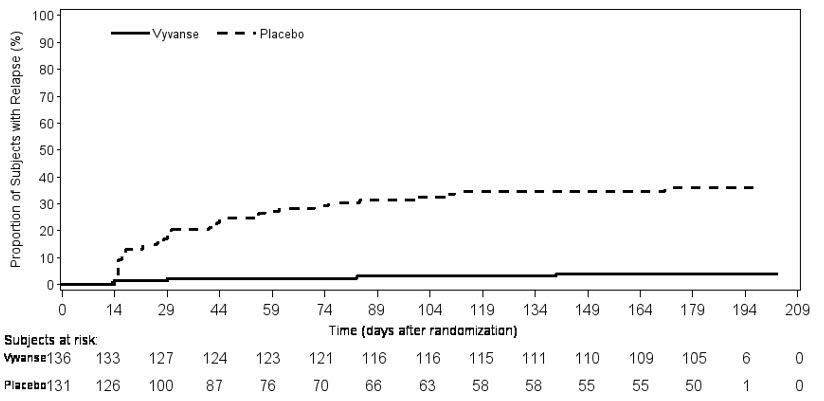
A double-blind, placebo-controlled, randomized withdrawal design study (Study 9) was conducted in adults ages 18 to 55 (N=123) who had a documented diagnosis of ADHD or met DSM-IV criteria for ADHD. At study entry, patients must have had documentation of treatment with VYVANSE for a minimum of 6 months and had to demonstrate treatment response as defined by Clinical Global Impression Severity (CGI-S) ≤3 and Total Score on the ADHD-RS <22. ADHD-RS Total Score is a measure of core symptoms of ADHD. The CGI-S score assesses the clinician's impression of the patient's current illness state and ranges from 1 (not at all ill) to 7 (extremely ill). Patients that maintained treatment response at week 3 of the open label treatment phase (N=116) were eligible to be randomized to ongoing treatment with the same dose of VYVANSE (N=56) or switched to placebo (N=60) during the double-blind phase. Patients were observed for relapse (treatment failure) during the 6-week double-blind phase. The efficacy endpoint was the proportion of patients with treatment failure during the double-blind phase. Treatment failure was defined as a ≥50% increase (worsening) in the ADHD-RS Total Score and ≥2-point increase in the CGI-S score compared to scores at entry into the double-blind phase. Maintenance of efficacy for patients treated with VYVANSE was demonstrated by the significantly lower proportion of patients with treatment failure (9%) compared to patients receiving placebo (75%) at endpoint during the double-blind phase (Study 9, Figure 7).
Table 7: Summary of Primary Efficacy Results from Short-term Studies of VYVANSE in Children, Adolescents, and Adults with ADHD| Study Number (Age range) | Primary Endpoint | Treatment Group | Mean Baseline Score (SD) | LS Mean Change from Baseline (SE) | Placebo-subtracted Difference Difference (drug minus placebo) in least-squares mean change from baseline. (95% CI) |
|---|
| SD: standard deviation; SE: standard error; LS Mean: least-squares mean; CI: confidence interval. |
Study 1
(6 - 12 years) | ADHD-RS-IV | VYVANSE (30 mg/day) Doses statistically significantly superior to placebo. | 43.2 (6.7) | -21.8 (1.6) | -15.6 (-19.9, -11.2) |
| VYVANSE (50 mg/day) | 43.3 (6.7) | -23.4 (1.6) | -17.2 (-21.5, -12.9) |
| VYVANSE (70 mg/day) | 45.1(6.8) | -26.7 (1.5) | -20.5 (-24.8, -16.2) |
| Placebo | 42.4 (7.1) | -6.2 (1.6) | -- |
Study 2
(6 - 12 years) | Average SKAMP-DS | VYVANSE (30, 50 or 70 mg/day) | -- Pre-dose SKAMP-DS was not collected. | 0.8 (0.1) LS Mean for SKAMP-DS (Study 2 and 3) or PERMP (Study 8) is post-dose average score over all sessions of the treatment day, rather than change from baseline. | -0.9 (-1.1, -0.7) |
| Placebo | -- | 1.7 (0.1) | -- |
Study 3
(6 - 12 years) | Average SKAMP-DS | VYVANSE (30, 50 or 70 mg/day) | 0.9 (1.0) Pre-dose SKAMP-DS (Study 3) or PERMP (Study 8) total score, averaged over both periods. | 0.7 (0.1) | -0.7 (-0.9, -0.6) |
| Placebo | 0.7 (0.9) | 1.4 (0.1) | -- |
Study 4
(13 - 17 years) | ADHD-RS-IV | VYVANSE (30 mg/day) | 38.3 (6.7) | -18.3 (1.2) | -5.5 (-9.0, -2.0) |
| VYVANSE (50 mg/day) | 37.3 (6.3) | -21.1 (1.3) | -8.3 (-11.8, -4.8) |
| VYVANSE (70 mg/day) | 37.0 (7.3) | -20.7 (1.3) | -7.9 (-11.4, -4.5) |
| Placebo | 38.5 (7.1) | -12.8 (1.2) | -- |
Study 5
(6 - 17 years) | ADHD-RS-IV | VYVANSE (30, 50 or 70 mg/day) | 40.7 (7.3) | -24.3 (1.2) | -18.6 (-21.5, -15.7) |
| Placebo | 41.0 (7.1) | -5.7 (1.1) | -- |
Study 7
(18 - 55 years) | ADHD-RS-IV | VYVANSE (30 mg/day) | 40.5 (6.2) | -16.2 (1.1) | -8.0 (-11.5, -4.6) |
| VYVANSE (50 mg/day) | 40.8 (7.3) | -17.4 (1.0) | -9.2 (-12.6, -5.7) |
| VYVANSE (70 mg/day) | 41.0 (6.0) | -18.6 (1.0) | -10.4 (-13.9, -6.9) |
| Placebo | 39.4 (6.4) | -8.2 (1.4) | -- |
Study 8
(18 - 55 years) | Average PERMP | VYVANSE (30, 50 or 70 mg/day) | 260.1 (86.2) | 312.9 (8.6) | 23.4 (15.6, 31.2) |
| Placebo | 261.4 (75.0) | 289.5 (8.6) | -- |
Figure 4 LS Mean SKAMP Deportment Subscale Score by Treatment and Time-point for Children Ages 6 to 12 with ADHD after 1 Week of Double Blind Treatment (Study 3)
Higher score on the SKAMP-Deportment scale indicates more severe symptoms
Figure 5 Kaplan-Meier Estimated Proportion of Patients with Treatment Failure for Children and Adolescent Ages 6-17 (Study 6)
Figure 6 LS Mean (SE) PERMP Total Score by Treatment and Time-point for Adults Ages 18 to 55 with ADHD after 1 Week of Double Blind Treatment (Study 8)
Higher score on the PERMP scale indicates less severe symptoms.
Figure 7 Kaplan-Meier Estimated Proportion of Subjects with Relapse in Adults with ADHD (Study 9)
Information for VYVANSE capsules:
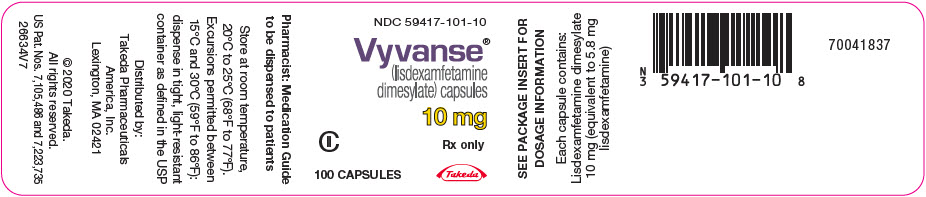
- VYVANSE capsules 10 mg: pink body/pink cap (imprinted with S489 and 10 mg), bottles of 100, NDC 59417-101-10
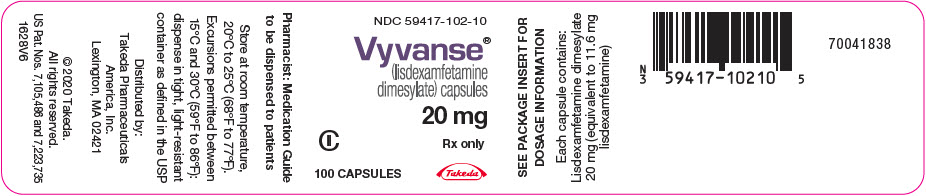
- VYVANSE capsules 20 mg: ivory body/ivory cap (imprinted with S489 and 20 mg), bottles of 100, NDC 59417-102-10
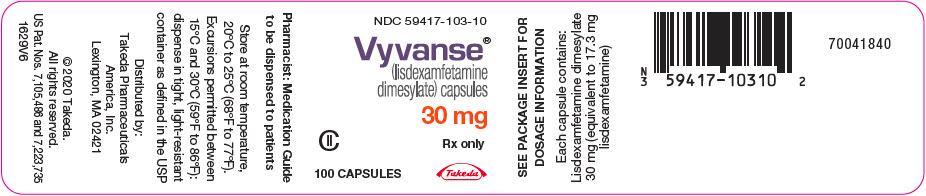
- VYVANSE capsules 30 mg: white body/orange cap (imprinted with S489 and 30 mg), bottles of 100, NDC 59417-103-10
- VYVANSE capsules 40 mg: white body/blue green cap (imprinted with S489 and 40 mg), bottles of 100, NDC 59417-104-10
- VYVANSE capsules 50 mg: white body/blue cap (imprinted with S489 and 50 mg), bottles of 100, NDC 59417-105-10
- VYVANSE capsules 60 mg: aqua blue body/aqua blue cap (imprinted with S489 and 60 mg), bottles of 100, NDC 59417-106-10
- VYVANSE capsules 70 mg: blue body/orange cap (imprinted with S489 and 70 mg), bottles of 100, NDC 59417-107-10
Information for VYVANSE chewable tablets:
- VYVANSE chewable tablets 10 mg: White to off-white round shaped tablet debossed with '10' on one side and 'S489' on the other, bottles of 100, NDC 59417-115-01
- VYVANSE chewable tablets 20 mg: White to off-white hexagonal shaped tablet debossed with '20' on one side and 'S489' on the other, bottles of 100, NDC 59417-116-01
- VYVANSE chewable tablets 30 mg: White to off-white arc triangular shaped tablet debossed with '30' on one side and 'S489' on the other, bottles of 100, NDC 59417-117-01
- VYVANSE chewable tablets 40 mg: White to off-white capsule shaped tablet debossed with '40' on one side and 'S489' on the other, bottles of 100, NDC 59417-118-01
- VYVANSE chewable tablets 50 mg: White to off-white arc square shaped tablet debossed with '50' on one side and 'S489' on the other, bottles of 100, NDC 59417-119-01
- VYVANSE chewable tablets 60 mg: White to off-white arc diamond shaped tablet debossed with '60' on one side and 'S489' on the other, bottles of 100, NDC 59417-120-01
Disposal
Comply with local laws and regulations on drug disposal of CNS stimulants. Dispose of remaining, unused, or expired VYVANSE by a medicine take-back program.
Controlled Substance Status/High Potential for Abuse and Dependence
Advise patients that VYVANSE is a controlled substance and it can be abused and lead to dependence and not to give VYVANSE to anyone else [see Drug Abuse and Dependence (9.1, 9.2, and 9.3)]. Advise patients to store VYVANSE in a safe place, preferably locked, to prevent abuse. Advise patients to dispose of remaining, unused, or expired VYVANSE by a medicine take-back program.
Serious Cardiovascular Risks
Advise patients that there is a potential serious cardiovascular risk including sudden death, myocardial infarction, stroke, and hypertension with VYVANSE use. Instruct patients to contact a healthcare provider immediately if they develop symptoms such as exertional chest pain, unexplained syncope, or other symptoms suggestive of cardiac disease [see Warnings and Precautions (5.2)].
Hypertension and Tachycardia
Instruct patients that VYVANSE can cause elevations of their blood pressure and pulse rate and they should be monitored for such effects.
Psychiatric Risks
Advise patients that VYVANSE at recommended doses may cause psychotic or manic symptoms even in patients without prior history of psychotic symptoms or mania [see Warnings and Precautions (5.4)].
Suppression of Growth
Advise patients that VYVANSE may cause slowing of growth including weight loss [see Warnings and Precautions (5.5)].
Impairment in Ability to Operate Machinery or Vehicles
Advise patients that VYVANSE may impair their ability to engage in potentially dangerous activities such as operating machinery or vehicles. Instruct patients to find out how VYVANSE will affect them before engaging in potentially dangerous activities [see Adverse Reactions (6.1, 6.2)].
Circulation problems in fingers and toes [Peripheral vasculopathy, including Raynaud's phenomenon]
Instruct patients beginning treatment with VYVANSE about the risk of peripheral vasculopathy, including Raynaud's phenomenon, and associated signs and symptoms: fingers or toes may feel numb, cool, painful, and/or may change from pale, to blue, to red. Instruct patients to report to their physician any new numbness, pain, skin color change, or sensitivity to temperature in fingers or toes. Instruct patients to call their physician immediately with any signs of unexplained wounds appearing on fingers or toes while taking VYVANSE. Further clinical evaluation (e.g. rheumatology referral) may be appropriate for certain patients [see Warnings and Precautions (5.6)].
Serotonin Syndrome
Caution patients about the risk of serotonin syndrome with concomitant use of VYVANSE and other serotonergic drugs including SSRIs, SNRIs, triptans, tricyclic antidepressants, fentanyl, lithium, tramadol, tryptophan, buspirone, St. John's Wort, and with drugs that impair metabolism of serotonin (in particular MAOIs, both those intended to treat psychiatric disorders and also others such as linezolid [see Contraindications (4), Warnings and Precautions (5.7) and Drug Interactions (7.1)]. Advise patients to contact their healthcare provider or report to the emergency room if they experience signs or symptoms of serotonin syndrome.
Concomitant Medications
Advise patients to notify their physicians if they are taking, or plan to take, any prescription or over-the-counter drugs because there is a potential for interactions [see Drug Interactions (7.1)].
Manufactured for: Shire US Inc., 300 Shire Way, Lexington, MA 02421
Made in USA
For more information call 1-800-828-2088
VYVANSE® is a registered trademark of Shire LLC
©2018 Shire US Inc.
US Pat No. 7,105,486, 7,223,735, 7,655,630, 7,659,253, 7,659,254, 7,662,787, 7,662,788, 7,671,030, 7,671,031, 7,674,774, 7,678,770, 7,678,771, 7,687,466, 7,687,467, 7,713,936, 7,718,619, 7,723,305