Other
EMBRYO-FETAL TOXICITY
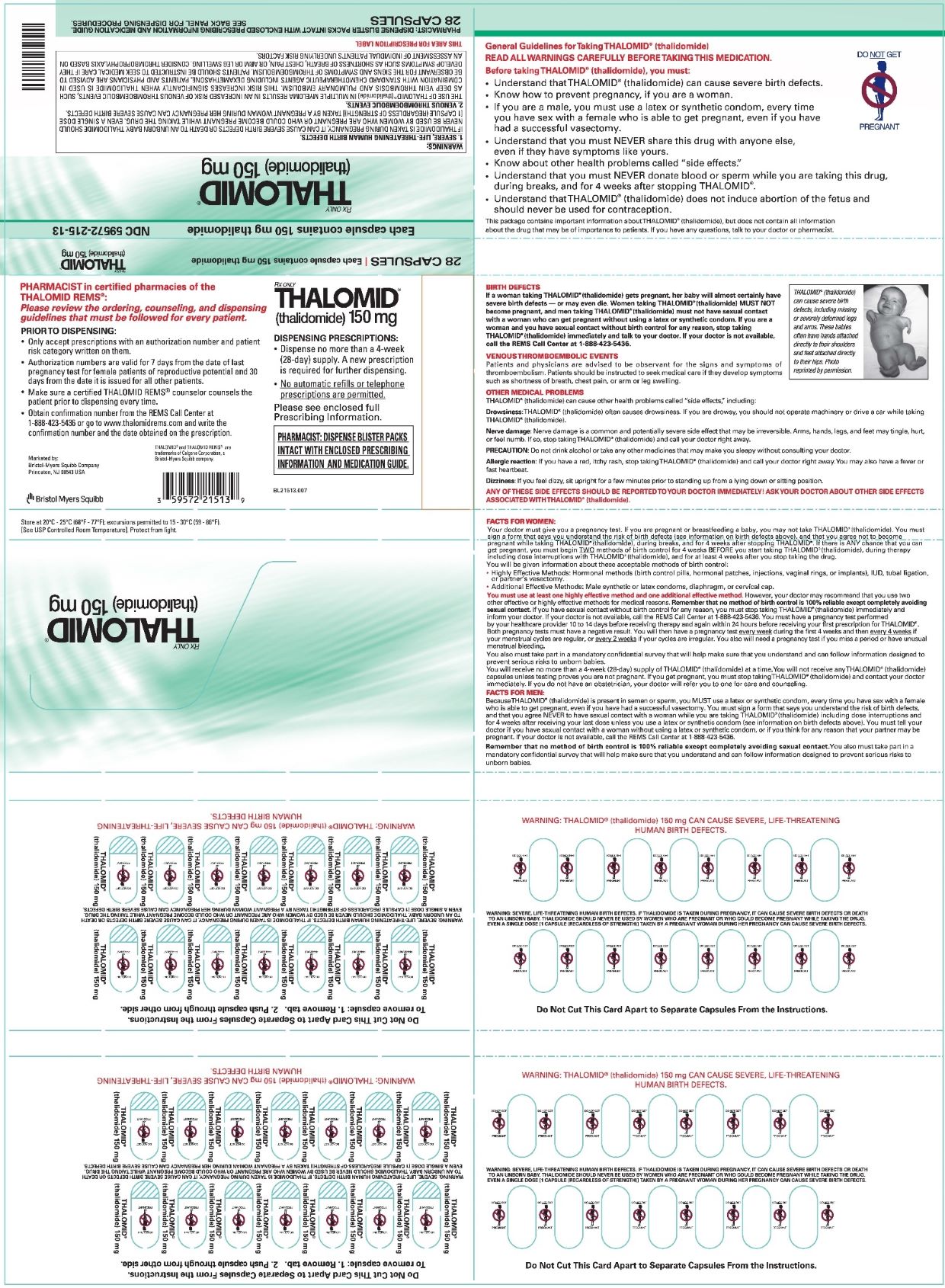
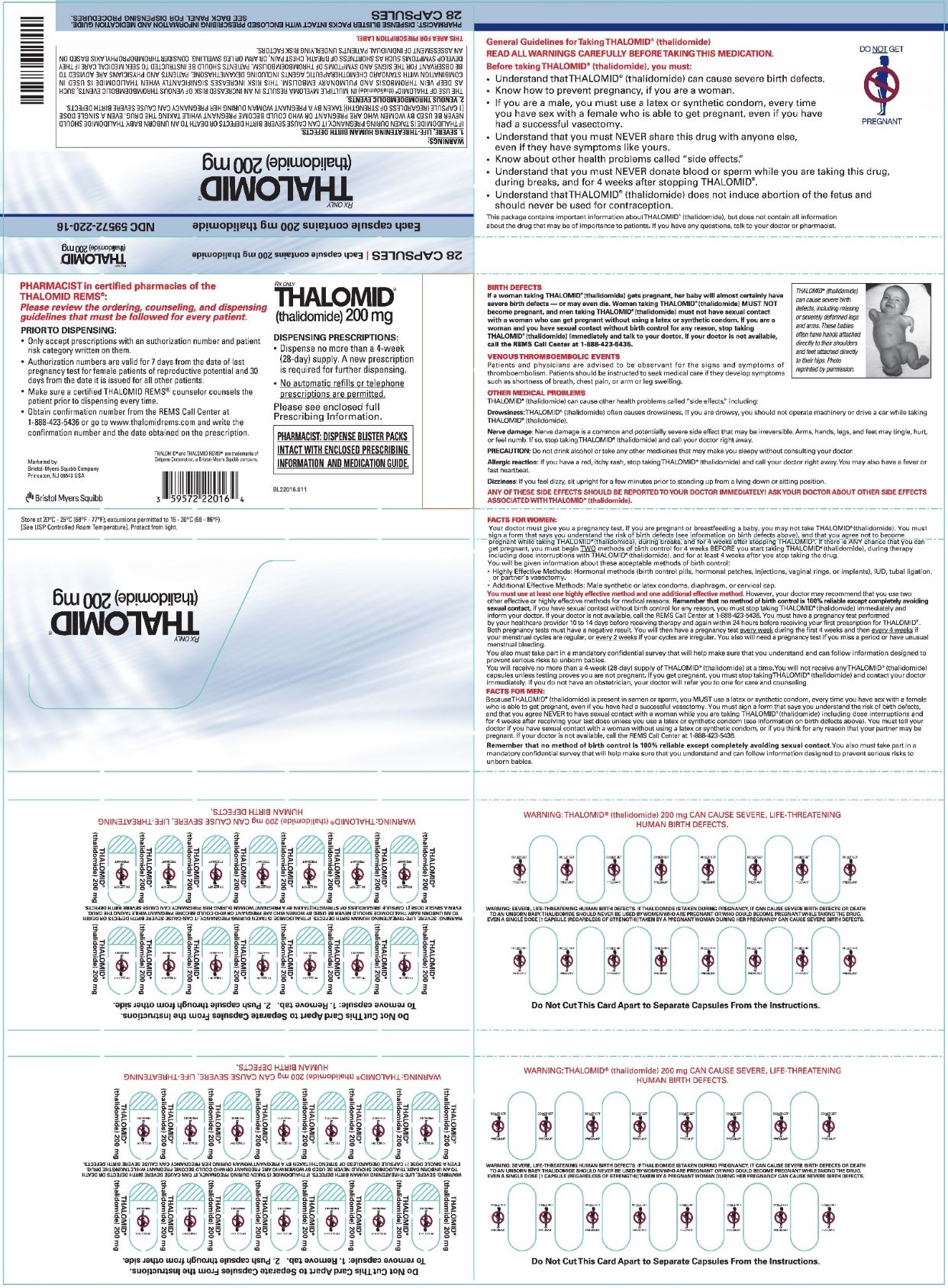
If THALOMID is taken during pregnancy, it can cause severe birth defects or embryo-fetal death. THALOMID should never be used by females who are pregnant or who could become pregnant while taking the drug. Even a single dose [1 capsule (regardless of strength)] taken by a pregnant woman during her pregnancy can cause severe birth defects.
Because of this toxicity and in an effort to make the chance of embryo-fetal exposure to THALOMID as negligible as possible, THALOMID is approved for marketing only through a special restricted distribution program: Thalidomide REMS program, approved by the Food and Drug Administration.
Information about THALOMID and the Thalidomide REMS program is available at www.thalidomideremsprogram.com or by calling the REMS Call Center at 1-888-423-5436.
VENOUS THROMBOEMBOLISM
The use of THALOMID in multiple myeloma results in an increased risk of venous thromboembolism, such as deep venous thrombosis and pulmonary embolism. This risk increases significantly when THALOMID is used in combination with standard chemotherapeutic agents including dexamethasone. In one controlled trial, the rate of venous thromboembolism was 22.5% in patients receiving THALOMID in combination with dexamethasone compared to 4.9% in patients receiving dexamethasone alone (p = 0.002). Patients and physicians are advised to be observant for the signs and symptoms of thromboembolism. Instruct patients to seek medical care if they develop symptoms such as shortness of breath, chest pain, or arm or leg swelling. Consider thromboprophylaxis based on an assessment of individual patients' underlying risk factors.
Females of Reproductive Potential
Females of reproductive potential must avoid pregnancy for at least 4 weeks before beginning THALOMID therapy, during therapy, during dose interruptions and for at least 4 weeks after completing therapy.
Females must commit either to abstain continuously from heterosexual sexual intercourse or to use two methods of reliable birth control, beginning 4 weeks prior to initiating treatment with THALOMID, during therapy, during dose interruptions and continuing for 4 weeks following discontinuation of THALOMID therapy.
Two negative pregnancy tests must be obtained prior to initiating therapy. The first test should be performed within 10-14 days and the second test within 24 hours prior to prescribing THALOMID therapy and then weekly during the first month, then monthly thereafter in females with regular menstrual cycles or every 2 weeks in females with irregular menstrual cycles [see Use in Specific Populations (8.3)].
Males
Thalidomide is present in the semen of patients receiving THALOMID. Therefore, males must always use a latex or synthetic condom during any sexual contact with females of reproductive potential while taking THALOMID and for up to 4 weeks after discontinuing THALOMID, even if they have undergone a successful vasectomy. Male patients taking THALOMID must not donate sperm [see Use in Specific Populations (8.3)].
Blood Donation
Patients must not donate blood during treatment with THALOMID and for 4 weeks following discontinuation of the drug because the blood might be given to a pregnant female patient whose fetus must not be exposed to THALOMID.
Adverse Reactions in Multiple Myeloma Controlled Clinical Trials
The safety analyses were conducted in two controlled clinical studies (Study 1 and Study 2). The safety analysis in Study 1 was conducted on 204 patients who received treatment. Table 1 lists the most common adverse reactions (≥10%). The most frequently reported adverse reactions were fatigue, hypocalcemia, edema, constipation, sensory neuropathy, dyspnea, muscle weakness, leukopenia, neutropenia, rash/desquamation, confusion, anorexia, nausea, anxiety/agitation, tremor, fever, weight loss, thrombosis/embolism, neuropathy-motor, weight gain, dizziness, and dry skin.
Twenty-three percent of patients (47/204) discontinued due to adverse reactions; 30% (31/102) from the THALOMID/dexamethasone arm and 16% (16/102) from the dexamethasone alone arm.
| Body System Adverse Reaction | Thal + Dex* (N=102) | Dex Alone* (N=102) | ||
|---|---|---|---|---|
| All Grades n (%) | Grade 3/4 n (%) | All Grades n (%) | Grade 3/4 n (%) | |
| * Treatment-emergent adverse reactions reported in ≥10% of patients in THALOMID/dexamethasone arm and with a ≥1% difference in the THALOMID/dexamethasone arm compared to the dexamethasone alone arm. | ||||
Metabolic/Laboratory | 97 (95) | 33 (32) | 96 (94) | 30 (29) |
Hypocalcemia | 73 (72) | 11 (11) | 60 (59) | 5 (5) |
Neurology | 92 (90) | 30 (29) | 76 (74) | 18 (18) |
Neuropathy-sensory | 55 (54) | 4 (4) | 28 (28) | 1 (1) |
Confusion | 29 (28) | 9 (9) | 12 (12) | 3 (3) |
Anxiety/agitation | 26 (26) | 1 (1) | 14 (14) | 3 (3) |
Tremor | 26 (26) | 1 (1) | 6 (6) | 0 (0) |
Neuropathy-motor | 22 (22) | 8 (8) | 16 (16) | 5 (5) |
Dizziness/ lightheadedness | 20 (20) | 1 (1) | 14 (14) | 0 (0) |
Depressed level of consciousness | 16 (16) | 3 (3) | 3 (3) | 3 (3) |
Constitutional Symptoms | 91 (89) | 19 (19) | 84 (82) | 16 (16) |
Fatigue | 81 (79) | 17 (17) | 72 (71) | 13 (13) |
Fever | 24 (24) | 1 (1) | 20 (20) | 3 (3) |
Weight loss | 23 (23) | 1 (1) | 21 (21) | 2 (2) |
Weight gain | 22 (22) | 1 (1) | 13 (13) | 0 (0) |
Blood/Bone Marrow | 88 (86) | 29 (29) | 96 (94) | 19 (19) |
Leukocytes (decreased) | 36 (35) | 6 (6) | 30 (29) | 3 (3) |
Neutrophils (decreased) | 32 (31) | 10 (10) | 24 (24) | 10 (10) |
Gastrointestinal | 83 (81) | 22 (22) | 70 (69) | 8 (8) |
Constipation | 56 (55) | 8 (8) | 29 (28) | 1 (1) |
Anorexia | 29 (28) | 4 (4) | 25 (24) | 2 (2) |
Nausea | 29 (28) | 5 (5) | 23 (22) | 1 (1) |
Mouth dryness | 12 (12) | 1 (1) | 6 (6) | 0 (0) |
Cardiovascular | 70 (69) | 37 (36) | 60 (59) | 21 (21) |
Edema | 58 (56) | 6 (6) | 47 (46) | 4 (4) |
Thrombosis/embolism | 23 (22) | 21 (21) | 5 (5) | 5 (5) |
Pain | 64 (63) | 10 (10) | 66 (65) | 15 (15) |
Myalgia | 17 (17) | 0 (0) | 14 (14) | 1 (1) |
Arthralgia | 13 (13) | 0 (0) | 10 (10) | 2 (2) |
Pulmonary | 52 (51) | 19 (19) | 51 (50) | 20 (20) |
Dyspnea | 43 (42) | 13 (13) | 32 (31) | 15 (15) |
Dermatology/Skin | 48 (47) | 5 (5) | 35 (34) | 2 (2) |
Rash/desquamation | 31 (30) | 4 (4) | 18 (18) | 2 (2) |
Dry skin | 21 (21) | 0 (0) | 11 (11) | 0 (0) |
Hepatic | 47 (46) | 7 (7) | 45 (44) | 4 (4) |
Bilirubin | 14 (14) | 2 (2) | 10 (10) | 2 (2) |
Musculoskeletal | 42 (41) | 9 (9) | 41 (40) | 14 (14) |
Muscle weakness | 41 (40) | 6 (6) | 38 (37) | 13 (13) |
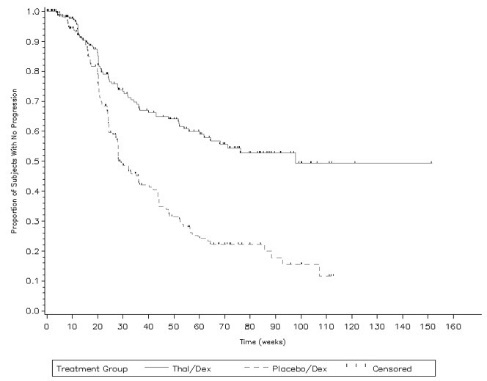
The safety analysis in Study 2 was conducted on 466 patients who received treatment. Table 2 lists the most common adverse reactions (≥10%) that were observed. Table 3 lists the most common Grade 3/4 adverse reactions (occurring at >2%) that were observed. The adverse reactions most often reported by patients treated with THALOMID/dexamethasone were constipation, peripheral edema, tremor, asthenia, dizziness and fatigue. Adverse reactions with a frequency at least 2-fold higher in the THALOMID/dexamethasone group than in the placebo/dexamethasone group include constipation, tremor, deep vein thrombosis and peripheral sensory neuropathy.
Twenty-six percent of patients (121/466) discontinued due to adverse reactions; 37% (86/234) from the THALOMID/dexamethasone arm and 15% (35/232) from the placebo/dexamethasone arm.
| Body System Adverse Reaction | Thal/Dex (N=234)* n (%) | Placebo/Dex (N=232)* n (%) |
|---|---|---|
| *All adverse reactions reported in ≥10% of patients in THALOMID/dexamethasone arm and with a ≥1% difference in proportion of patients between the THALOMID/dexamethasone arm compared to the placebo/dexamethasone arm. NOS = not otherwise specified. | ||
Patients with at least 1 Adverse Reaction | 233 (99) | 230 (99) |
General Disorders and Administration Site Conditions | 176 (75) | 149 (64) |
Edema peripheral | 80 (34) | 57 (25) |
Asthenia | 56 (24) | 47 (20) |
Fatigue | 50 (21) | 36 (16) |
Edema NOS | 31 (13) | 19 (8) |
Gastrointestinal Disorders | 162 (69) | 149 (64) |
Constipation | 116 (50) | 49 (21) |
Nausea | 30 (13) | 27 (12) |
Dyspepsia | 27 (11) | 21 (9) |
Nervous System Disorders | 161 (69) | 138 (60) |
Tremor | 62 (26) | 29 (12) |
Dizziness | 51 (23) | 32 (14) |
Paresthesia | 27 (12) | 15 (6) |
Peripheral sensory neuropathy | 24 (10) | 12 (5) |
Infections and Infestations | 139 (59) | 138 (60) |
Pneumonia NOS | 35 (15) | 28 (12) |
Psychiatric Disorders | 90 (38) | 97 (42) |
Anxiety | 27 (12) | 22 (10) |
Depression | 24 (10) | 19 (8) |
Metabolism and Nutrition Disorders | 96 (41) | 89 (38) |
Hyperglycemia NOS | 36 (15) | 32 (14) |
Vascular Disorders | 92 (39) | 53 (23) |
Deep vein thrombosis | 30 (13) | 4 (2) |
| Body System Adverse Reaction | THALOMID/Dex (N=234)* n (%) | Placebo/Dex (N=232)* n (%) |
|---|---|---|
| * All Grade 3/4 adverse reactions with >2% of patients in THALOMID/dexamethasone arm and with a higher frequency in the THALOMID/dexamethasone arm compared to the placebo/dexamethasone arm. NOS = not otherwise specified. | ||
Infections and Infestations | 50 (21) | 36 (16) |
Pneumonia NOS | 17 (7) | 14 (6) |
Bronchopneumonia NOS | 7 (3) | 3 (1) |
General Disorders and | 44 (19) | 26 (11) |
Asthenia | 11 (5) | 4 (2) |
Metabolism and Nutrition | 33 (14) | 34 (15) |
Hypokalemia | 7 (3) | 3 (1) |
Nervous System Disorders | 47 (20) | 20 (9) |
Syncope | 8 (3) | 1 (<1) |
Peripheral neuropathy NOS | 8 (3) | 0 (0) |
Cerebrovascular accident | 6 (3) | 1 (<1) |
Cardiac Disorders | 35 (15) | 27 (11) |
Atrial fibrillation | 11 (5) | 8 (3) |
Myocardial ischemia | 6 (3) | 2 (1) |
Vascular Disorders | 42 (18) | 14 (6) |
Deep vein thrombosis | 27 (12) | 4 (2) |
Gastrointestinal Disorders | 26 (11) | 22 (10) |
Constipation | 7 (3) | 2 (1) |
Investigations | 21 (9) | 21 (9) |
Weight increased | 8 (3) | 4 (2) |
Blood and Lymphatic System | 24 (10) | 17 (7) |
Neutropenia | 8 (3) | 6 (3) |
Respiratory, Thoracic, and | 27 (12) | 13 (6) |
Pulmonary embolism | 16 (7) | 4 (2) |
Psychiatric Disorders | 19 (8) | 8 (3) |
Anxiety | 5 (2) | 3 (1) |
Confusional state | 5 (2) | 2 (1) |
Ear and Labyrinth Disorders | 6 (3) | 0 (0) |
Vertigo | 5 (2) | 0 (0) |
Less Common Adverse Reactions in Multiple Myeloma Controlled Clinical Trials
In Study 2, THALOMID in combination with dexamethasone in patients with multiple myeloma, the following adverse reactions not described above were reported*:
Gastrointestinal disorders: Vomiting NOS, dry mouth, peritonitis, diverticular perforation
Nervous system disorders: Somnolence, hypoesthesia, polyneuropathy NOS, transient ischemic attack
Respiratory, thoracic, and mediastinal disorders: Bronchitis NOS
Psychiatric disorders: Mood alteration NOS
Vascular disorders: Hypotension NOS, orthostatic hypotension
Cardiac disorders: Bradycardia NOS
Eye disorders: Blurred vision
* All adverse reactions with ≥3% of patients in THALOMID/dexamethasone arm and with a ≥1% difference in proportion of patients between the THALOMID/dexamethasone arm compared to the placebo/dexamethasone arm. All grade 3/4 and serious adverse reactions reported >2 patients in THALOMID/dexamethasone arm and with a percentage higher in the THALOMID/dexamethasone arm compared to the placebo/dexamethasone arm have been considered for possible inclusion. In any cases medical judgment has been applied for consideration of causality assessment.
Adverse Reactions in Erythema Nodosum Leprosum (ENL) Clinical Trials
Table 4 lists treatment-emergent signs and symptoms that occurred in THALOMID-treated patients in clinical trials in ENL. The most common adverse reactions (≥10%) reported in patients with ENL were somnolence, rash, headache. Doses ranged from 50 to 300 mg/day. All adverse reactions were mild to moderate in severity, and none resulted in discontinuation.
| All ARs Reported in Patients with ENL | ARs Reported in ≥3 HIV-seropositive Patients | |||
|---|---|---|---|---|
| Body System/ Adverse Reaction | THALOMID 50 to 300 mg/day (N=24) n (%) | THALOMID 100 mg/day (N=36) n (%) | THALOMID 200 mg/day (N=32) n (%) | Placebo (N=35) n (%) |
Blood and Lymphatic | 0 | 8 (22) | 13 (41) | 10 (29) |
Anemia | 0 | 2 (6) | 4 (13) | 3 (9) |
Leukopenia | 0 | 6 (17) | 8 (25) | 3 (9) |
Lymphadenopathy | 0 | 2 (6) | 4 (13) | 3 (9) |
Body as a Whole | 16 (67) | 18 (50) | 19 (59) | 13 (37) |
Abdominal pain | 1 (4) | 1 (3) | 1 (3) | 4 (11) |
Accidental injury | 1 (4) | 2 (6) | 0 | 1 (3) |
Asthenia | 2 (8) | 2 (6) | 7 (22) | 1 (3) |
Back pain | 1 (4) | 2 (6) | 0 | 0 |
Chills | 1 (4) | 0 | 3 (9) | 4 (11) |
Facial edema | 1 (4) | 0 | 0 | 0 |
Fever | 0 | 7 (19) | 7 (22) | 6 (17) |
Headache | 3 (13) | 6 (17) | 6 (19) | 4 (11) |
Infection | 0 | 3 (8) | 2 (6) | 1 (3) |
Malaise | 2 (8) | 0 | 0 | 0 |
Neck pain | 1 (4) | 0 | 0 | 0 |
Neck rigidity | 1 (4) | 0 | 0 | 0 |
Pain | 2 (8) | 0 | 1 (3) | 2 (6) |
Digestive System | 5 (21) | 16 (44) | 16 (50) | 15 (43) |
Anorexia | 0 | 1 (3) | 3 (9) | 2 (6) |
Constipation | 1 (4) | 1 (3) | 3 (9) | 0 |
Diarrhea | 1 (4) | 4 (11) | 6 (19) | 6 (17) |
Dry mouth | 0 | 3 (8) | 3 (9) | 2 (6) |
Flatulence | 0 | 3 (8) | 0 | 2 (6) |
Liver function tests multiple abnormalities | 0 | 0 | 3 (9) | 0 |
Nausea | 1 (4) | 0 | 4 (13) | 1 (3) |
Oral moniliasis | 1 (4) | 4 (11) | 2 (6) | 0 |
Tooth pain | 1 (4) | 0 | 0 | 0 |
Metabolic and Endocrine Disorders | 1 (4) | 8 (22) | 12 (38) | 8 (23) |
Edema peripheral | 1 (4) | 3 (8) | 1 (3) | 0 |
Hyperlipidemia | 0 | 2 (6) | 3 (9) | 1 (3) |
SGOT increased | 0 | 1 (3) | 4 (13) | 2 (6) |
Nervous System | 13 (54) | 19 (53) | 18 (56) | 12 (34) |
Agitation | 0 | 0 | 3 (9) | 0 |
Dizziness | 1 (4) | 7 (19) | 6 (19) | 0 |
Insomnia | 0 | 0 | 3 (9) | 2 (6) |
Nervousness | 0 | 1 (3) | 3 (9) | 0 |
Neuropathy | 0 | 3 (8) | 0 | 0 |
Paresthesia | 0 | 2 (6) | 5 (16) | 4 (11) |
Somnolence | 9 (38) | 13 (36) | 12 (38) | 4 (11) |
Tremor | 1 (4) | 0 | 0 | 0 |
Vertigo | 2 (8) | 0 | 0 | 0 |
Respiratory System | 3 (13) | 9 (25) | 6 (19) | 9 (26) |
Pharyngitis | 1 (4) | 3 (8) | 2 (6) | 2 (6) |
Rhinitis | 1 (4) | 0 | 0 | 4 (11) |
Sinusitis | 1 (4) | 3 (8) | 1 (3) | 2 (6) |
Skin and Appendages | 10 (42) | 17 (47) | 18 (56) | 19 (54) |
Acne | 0 | 4 (11) | 1 (3) | 0 |
Dermatitis fungal | 1 (4) | 2 (6) | 3 (9) | 0 |
Nail disorder | 1 (4) | 0 | 1 (3) | 0 |
Pruritus | 2 (8) | 1 (3) | 2 (6) | 2 (6) |
Rash | 5 (21) | 9 (25) | 8 (25) | 11 (31) |
Rash maculopapular | 1 (4) | 6 (17) | 6 (19) | 2 (6) |
Sweating | 0 | 0 | 4 (13) | 4 (11) |
Urogenital System | 2 (8) | 6 (17) | 2 (6) | 4 (11) |
Albuminuria | 0 | 3 (8) | 1 (3) | 2 (6) |
Hematuria | 0 | 4 (11) | 0 | 1 (3) |
Impotence | 2 (8) | 1 (3) | 0 | 0 |
Other Adverse Reactions Observed in ENL Patients
THALOMID in doses up to 400 mg/day has been administered investigationally in the United States over a 19-year period in 1465 patients with ENL. The published literature describes the treatment of an additional 1678 patients. To provide a meaningful estimate of the proportion of the individuals having adverse reactions, similar types of events were grouped into a smaller number of standardized categories using a modified COSTART dictionary/terminology. These categories are used in the listing below. All reported events are included except those already listed in the previous table. Due to the fact that these data were collected from uncontrolled studies, the incidence rate cannot be determined. No causal relationship between THALOMID and these events can be conclusively determined at this time. These are reports of all adverse events noted by investigators in patients to whom they had administered THALOMID.
Blood and Lymphatic: ESR decrease, eosinophilia, granulocytopenia, hypochromic anemia, leukemia, leukocytosis, leukopenia, MCV elevated, RBC abnormal, spleen palpable, thrombocytopenia.
Body as a Whole: Abdomen enlarged, fever, photosensitivity, upper extremity pain.
Cardiovascular System: Bradycardia, hypertension, hypotension, peripheral vascular disorder, tachycardia, vasodilation.
Digestive System: Anorexia, appetite increase/weight gain, dry mouth, dyspepsia, enlarged liver, eructation, flatulence, increased liver function tests, intestinal obstruction, vomiting.
Metabolic and Endocrine: ADH inappropriate, amyloidosis, bilirubinemia, BUN increased, creatinine increased, cyanosis, diabetes, edema, electrolyte abnormalities, hyperglycemia, hyperkalemia, hyperuricemia, hypocalcemia, hypoproteinemia, LDH increased, phosphorus decreased, SGPT increased.
Muscular Skeletal: Arthritis, bone tenderness, hypertonia, joint disorder, leg cramps, myalgia, myasthenia, periosteal disorder.
Nervous System: Abnormal thinking, agitation, amnesia, anxiety, causalgia, circumoral paresthesia, confusion, depression, euphoria, hyperesthesia, insomnia, nervousness, neuralgia, neuritis, neuropathy, paresthesia, peripheral neuritis, psychosis.
Respiratory System: Cough, emphysema, epistaxis, pulmonary embolus, rales, upper respiratory infection, voice alteration.
Skin and Appendages: Acne, alopecia, dry skin, eczematous rash, exfoliative dermatitis, ichthyosis, perifollicular thickening, skin necrosis, seborrhea, sweating, urticaria, vesiculobullous rash.
Special Senses: Amblyopia, deafness, dry eye, eye pain, tinnitus.
Urogenital: Decreased creatinine clearance, hematuria, orchitis, proteinuria, pyuria, urinary frequency.
Other Adverse Reactions Observed in HIV-seropositive Patients
In addition to controlled clinical trials, THALOMID has been used in uncontrolled studies in 145 patients. Less frequent adverse reactions that have been reported in these HIV-seropositive patients treated with THALOMID were grouped into a smaller number of standardized categories using modified COSTART dictionary/terminology and these categories are used in the listing below. Adverse reactions that have already been included in the tables and narrative above, or that are too general to be informative are not listed.
Blood and Lymphatic: Aplastic anemia, macrocytic anemia, megaloblastic anemia, microcytic anemia.
Body as a Whole: Ascites, AIDS, allergic reaction, cellulitis, chest pain, chills and fever, cyst, decreased CD4 count, facial edema, flu syndrome, hernia, thyroid hormone level altered, moniliasis, photosensitivity reaction, sarcoma, sepsis, viral infection.
Cardiovascular System: Angina pectoris, arrhythmia, atrial fibrillation, bradycardia, cerebral ischemia, cerebrovascular accident, congestive heart failure, deep thrombophlebitis, heart arrest, heart failure, hypertension, hypotension, murmur, myocardial infarct, palpitation, pericarditis, peripheral vascular disorder, postural hypotension, syncope, tachycardia, thrombophlebitis, thrombosis.
Digestive System: Cholangitis, cholestatic jaundice, colitis, dyspepsia, dysphagia, esophagitis, gastroenteritis, gastrointestinal disorder, gastrointestinal hemorrhage, gum disorder, hepatitis, pancreatitis, parotid gland enlargement, periodontitis, stomatitis, tongue discoloration, tooth disorder.
Metabolic and Endocrine: Avitaminosis, bilirubinemia, dehydration, hypercholesterolemia, hypoglycemia, increased alkaline phosphatase, increased lipase, increased serum creatinine, peripheral edema.
Muscular Skeletal: Myalgia, myasthenia.
Nervous System: Abnormal gait, ataxia, decreased libido, decreased reflexes, dementia, dysesthesia, dyskinesia, emotional lability, hostility, hypalgesia, hyperkinesia, incoordination, meningitis, neurologic disorder, tremor, vertigo.
Respiratory System: Apnea, bronchitis, lung disorder, lung edema, pneumonia (including Pneumocystis carinii pneumonia), rhinitis.
Skin and Appendages: Angioedema, benign skin neoplasm, eczema, herpes simplex, incomplete Stevens-Johnson syndrome, nail disorder, pruritus, psoriasis, skin discoloration, skin disorder.
Special Senses: Conjunctivitis, eye disorder, lacrimation disorder, retinitis, taste perversion.
Pregnancy Exposure Registry
There is a pregnancy exposure registry that monitors pregnancy outcomes in females exposed to THALOMID during pregnancy as well as female partners of male patients who are exposed to THALOMID. This registry is also used to understand the root cause for the pregnancy. Report any suspected fetal exposure to THALOMID to the FDA via the MedWatch program at 1-800-FDA-1088 and to the REMS Call Center at 1-888-423-5436.
Risk Summary
Based on the mechanism of action [see Clinical Pharmacology (12.1)], human and animal data (see Data), THALOMID can cause embryo-fetal harm when administered to a pregnant female and is contraindicated during pregnancy [see Boxed Warning, Contraindications (4.1), and Warnings and Precautions (5.1)].
THALOMID is a human teratogen, inducing a high frequency of severe and life-threatening birth defects such as amelia (absence of limbs), phocomelia (short limbs), hypoplasticity of the bones, absence of bones, external ear abnormalities (including anotia, micropinna, small or absent external auditory canals), facial palsy, eye abnormalities (anophthalmos, microphthalmos), and congenital heart defects. Alimentary tract, urinary tract, and genital malformations have also been documented and mortality at or shortly after birth has been reported in about 40% of infants. Even a single dose taken by a pregnant woman can cause birth defects. If this drug is used during pregnancy, or if the patient becomes pregnant while taking this drug, the patient should be apprised of the potential risk to a fetus.
If pregnancy does occur during treatment, immediately discontinue the drug. Under these conditions, refer the patient to an obstetrician/gynecologist experienced in reproductive toxicity for further evaluation and counseling. Report any suspected fetal exposure to THALOMID to the FDA via the MedWatch program at 1-800-FDA-1088 and also the REMS Call Center at 1-888-423-5436.
Thalidomide crossed the placenta after administration to pregnant hamsters (see Data).
The estimated background risk of major birth defects and miscarriage for the indicated population is unknown. All pregnancies have a background risk of birth defect, loss, or other adverse outcomes. The estimated background risk in the U.S. general population of major birth defects is 2%-4% and of miscarriage is 15%-20% of clinically recognized pregnancies.
Data
Animal Data
A pre- and postnatal reproductive toxicity study was conducted in pregnant female rabbits. Compound-related increased abortion incidences and elevated fetotoxicity were observed at the lowest oral dose level of 30 mg/kg/day (approximately 1.5-fold the maximum human dose based upon BSA) and all higher dose levels. Neonatal mortality was elevated at oral dose levels to the lactating female rabbits ≥150 mg/kg/day (approximately 7.5-fold the maximum human dose based upon BSA). No delay in postnatal development, including learning and memory functions, were noted at the oral dose level to the lactating female rabbits of 150 mg/kg/day (average thalidomide concentrations in milk ranged from 22 to 36 mcg per mL).
In a study conducted in pregnant rabbits, thalidomide levels in fetal plasma were approximately 11% to 73% of the maternal Cmax. In a study conducted with 14C-thalidomide (150 mg/kg orally) in pregnant hamsters, radioactivity was detected in the embryo, and the relative concentrations of radioactivity in the embryo and maternal plasma were about the same at 4, 12 and 24 hours after dosing. Based on the radioactivity data, thalidomide crossed the placental barrier, and the fetal levels of drug-related material were approximately similar to those of maternal levels.
Risk Summary
There is no information regarding the presence of thalidomide in human milk, the effects of THALOMID on the breastfed child, or the effects of THALOMID on milk production. Thalidomide is excreted in the milk of lactating rabbits (see Data). Because many drugs are excreted in human milk and because of the potential for adverse reactions in a breastfed child from THALOMID, advise women not to breastfeed during treatment with THALOMID.
Data
Animal Data
In lactating female rabbits at an oral dose of 150 mg/kg/day, the average thalidomide concentrations in milk ranged from 22 to 36 mcg per mL. In the study of lactating female rabbits, high concentrations of thalidomide (7741 – 71425 ng per mL) were noted in milk during four weeks of pre-weaning period. Milk concentrations were 1.16 - 2.11, 1.05 – 2.43, and 0.64 – 3.63 times that of plasma at 30, 150 and 500 mg/kg thalidomide doses, respectively; thalidomide, as a lipophilic compound, distributed into milk, with concentrations attained similar to or slightly higher than those of systemic concentrations.
Pregnancy Testing
THALOMID can cause fetal harm when administered during pregnancy [see Use in Specific Populations (8.1)]. Verify the pregnancy status of females of reproductive potential prior to initiating THALOMID therapy and during therapy. Advise females of reproductive potential that they must avoid pregnancy 4 weeks before therapy, while taking THALOMID, during dose interruptions and for at least 4 weeks after completing therapy.
Females of reproductive potential must have 2 negative pregnancy tests before initiating THALOMID. The first test should be performed within 10-14 days, and the second test within 24 hours prior to prescribing THALOMID. Once treatment has started and during dose interruptions, pregnancy testing for females of reproductive potential should occur weekly during the first 4 weeks of use, then pregnancy testing should be repeated every 4 weeks in females with regular menstrual cycles. If menstrual cycles are irregular, the pregnancy testing should occur every 2 weeks. Pregnancy testing and counseling should be performed if a patient misses her period or if there is any abnormality in her menstrual bleeding. THALOMID treatment must be discontinued during this evaluation.
Contraception
Females
Females of reproductive potential must commit either to abstain continuously from heterosexual sexual intercourse or to use 2 methods of reliable birth control simultaneously: one highly effective form of contraception – tubal ligation, IUD, hormonal (birth control pills, injections, hormonal patches, vaginal rings, or implants), or partner's vasectomy, and 1 additional effective contraceptive method – male latex or synthetic condom, diaphragm, or cervical cap. Contraception must begin 4 weeks prior to initiating treatment with THALOMID, during therapy, during dose interruptions, and continuing for 4 weeks following discontinuation of THALOMID therapy. Reliable contraception is indicated even where there has been a history of infertility, unless due to hysterectomy. Females of reproductive potential should be referred to a qualified provider of contraceptive methods, if needed.
Males
Thalidomide is present in the semen of males who take THALOMID. Therefore, males must always use a latex or synthetic condom during any sexual contact with females of reproductive potential while taking THALOMID, during dose interruptions and for up to 28 days after discontinuing THALOMID, even if they have undergone a successful vasectomy. Male patients taking THALOMID must not donate sperm.
Infertility
Based on findings in animals, male fertility may be compromised by treatment with THALOMID [see Nonclinical Toxicology (13.1)].
Absorption
Absorption of THALOMID is slow after oral administration. The maximum plasma concentrations are reached approximately 2-5 hours after administration. The absolute bioavailability of thalidomide from thalidomide capsules has not yet been characterized in human subjects due to its poor aqueous solubility. Based on the 14C-radiolabel thalidomide study in human, greater than 90% of the total radioactivity is recovered in urine suggesting good oral absorption. While the extent of absorption (as measured by area under the curve [AUC]) is proportional to dose in healthy subjects, the observed peak concentration (Cmax) increased in a less than proportional manner (see Table 5 below). This lack of Cmax dose proportionality, coupled with the observed increase in Tmax values, suggests that the poor solubility of thalidomide in aqueous media may be hindering the rate of absorption.
| Population/ Single Dose | AUC0-∞ mcg•hr/mL | Cmax mcg/mL | Tmax (hrs) | Half-life (hrs) |
|---|---|---|---|---|
Healthy Subjects (n=14) | ||||
50 mg | 4.9 (16%) | 0.62 (52%) | 2.9 (66%) | 5.52 (37%) |
200 mg | 18.9 (17%) | 1.76 (30%) | 3.5 (57%) | 5.53 (25%) |
400 mg | 36.4 (26%) | 2.82 (28%) | 4.3 (37%) | 7.29 (36%) |
Patients with Hansen's Disease (n=6) | ||||
400 mg | 46.4 (44.1%) | 3.44 (52.6%) | 5.7 (27%) | 6.86 (17%) |
Coadministration of THALOMID (thalidomide) with a high-fat meal causes minor (<10%) changes in the observed AUC and Cmax values; however, it causes an increase in Tmax to approximately 6 hours.
Distribution
In human plasma, the geometric mean plasma protein binding was 55% and 66%, respectively, for (+)-(R)- and (-)-(S)-thalidomide. In a pharmacokinetic study of thalidomide in HIV-seropositive adult male subjects receiving thalidomide 100 mg/day, thalidomide was detectable in the semen.
Metabolism
In a 14C-radiolabel ADME study in humans, unchanged drug is the predominant circulating component. Thalidomide is not a substrate of the cytochrome P450 system. At therapeutic concentrations, thalidomide is not an inhibitor or inducer of human cytochrome P450 enzymes in vitro. Pharmacokinetic drug-drug interactions with substrates, inhibitors or inducers of CYP450 are not anticipated.
Elimination
The mean elimination half-life of thalidomide in plasma following single oral doses between 50 mg and 400 mg was 5.5 to 7.3 hours. Following a single 400 mg oral dose of radiolabeled thalidomide, the total mean recovery was 93.6% of the administered dose by Day 8. The majority of the radioactive dose was excreted within 48 hours following dose administration. In humans, 14C-thalidomide is primarily excreted in urine (91.9% of the radioactive dose) mainly as hydrolytic metabolites while fecal excretion is minor (<2% of the dose). Unchanged thalidomide is not eliminated by the kidney to a notable degree (<3.5% of the dose).
Effects of Weight
There is a linear relationship between body weight and estimated thalidomide clearance. In MM patients with body weight from 47-133 kg, thalidomide clearance ranged from approximately 6-12 L/h, representing an increase in thalidomide clearance of 0.605 L/h per 10 kg body weight increase.
Effects of Age, Gender and Race
Analysis of the data from pharmacokinetic studies in healthy volunteers and patients with Hansen's disease ranging in age from 20 to 69 years does not reveal any age-related changes.
While a comparative trial of the effects of gender on thalidomide pharmacokinetics has not been conducted, examination of the data for thalidomide does not reveal any significant gender differences in pharmacokinetic parameter values.
Pharmacokinetic differences due to race have not been studied.
Pharmacokinetic Data in Special Populations
HIV-seropositive Subjects: There is no apparent significant difference in measured pharmacokinetic parameter values between healthy human subjects and HIV-seropositive subjects following single-dose administration of THALOMID capsules.
Patients with Hansen's Disease: Analysis of data from a small study in Hansen's patients suggests that these patients, relative to healthy subjects, may have an increased bioavailability of THALOMID. The increase is reflected both in an increased area under the curve and in increased peak plasma levels. The clinical significance of this increase is unknown.
Pediatric: No pharmacokinetic data are available in subjects below the age of 18 years.
Patients with Renal Impairment: Renal impairment is not expected to influence drug exposure since <3.5% of the dose is excreted in the urine as unchanged drug.
Patients with Hepatic Impairment: No clinical studies have been conducted in patients with hepatic impairment.
Embryo-Fetal Toxicity
Advise patients that THALOMID is contraindicated in pregnancy and can cause serious birth defects or death to a developing baby [see Boxed Warning, Contraindications (4.1), Warnings and Precautions (5.1), and Use in Specific Populations (8.1)].
- Advise females of reproductive potential that they must avoid pregnancy while taking THALOMID and for at least 4 weeks after completing therapy.
- Initiate THALOMID treatment in females of reproductive potential only following a negative pregnancy test.
- Advise females of reproductive potential of the importance of monthly pregnancy tests and the need to use 2 different forms of contraception, including at least 1 highly effective form, simultaneously during THALOMID therapy, during therapy interruption and for 4 weeks after she has completely finished taking THALOMID. Highly effective forms of contraception other than tubal ligation include IUD and hormonal (birth control pills, injections, patch or implants) and a partner's vasectomy. Additional effective contraceptive methods include latex or synthetic condom, diaphragm and cervical cap.
- Instruct patient to immediately stop taking THALOMID and contact her healthcare provider if she becomes pregnant while taking this drug, if she misses her menstrual period, or experiences unusual menstrual bleeding, if she stops taking birth control, or if she thinks FOR ANY REASON that she may be pregnant.
- Advise patient that if her healthcare provider is not available, she should call the REMS Call Center at 1-888-423-5436 [see Warnings and Precautions (5.1) and Use in Specific Populations (8.1)].
- Advise males to always use a latex or synthetic condom during any sexual contact with females of reproductive potential while taking THALOMID and for up to 4 weeks after discontinuing THALOMID, even if they have undergone a successful vasectomy.
- Advise male patients taking THALOMID that they must not donate sperm [see Warnings and Precautions (5.1) and Use in Specific Populations (8.3)].
- All patients must be instructed to not donate blood while taking THALOMID and for 4 weeks following discontinuation of THALOMID [see Warnings and Precautions (5.1)].
- Patients must sign a Patient-Physician Agreement Form and comply with the requirements to receive THALOMID. In particular, females of reproductive potential must comply with the pregnancy testing, contraception requirements and participate in monthly telephone surveys. Males must comply with the contraception requirements [see Use in Specific Populations (8.3)].
- THALOMID is available only from pharmacies that are certified in Thalidomide REMS program. Provide patients with the telephone number and website for information on how to obtain the product.
Thalidomide REMS Program
Because of the risk of embryo-fetal toxicity, THALOMID is only available through a restricted program called the Thalidomide REMS program [see Warnings and Precautions (5.2)].
Pregnancy Exposure Registry
Inform females there is a Pregnancy Exposure Registry that monitors pregnancy outcomes in females exposed to THALOMID during pregnancy and that they can contact the Pregnancy Exposure Registry by calling 1-888-423-5436 [see Use in Specific Populations (8.1)].
Venous and Arterial Thromboembolism
Inform patients of the potential risk of developing venous thromboembolism (such as DVT and PE), ischemic heart disease (including myocardial infarction), and stroke, and discuss the need for appropriate prophylactic treatment [see Boxed Warning and Warnings and Precautions (5.3)].
Drowsiness and Somnolence
Inform patients of the risk of drowsiness and somnolence with the drug and to avoid situations where drowsiness or somnolence may be a problem and not to take other medications that may cause drowsiness or somnolence without adequate medical advice [see Warnings and Precautions (5.5)].
Peripheral Neuropathy
Inform patients of the risk of peripheral neuropathy and report the signs and symptoms associated with this event to their health care provider for further evaluation [see Warnings and Precautions (5.6)].
Dizziness and Orthostatic Hypotension
Inform patients of the risk of dizziness and orthostatic hypotension with the drug. Inform patients to sit upright for a few minutes prior to standing [see Warnings and Precautions (5.7)].
Neutropenia
Inform patients on the risk of developing neutropenia and the need to monitor their white blood cell count [see Warnings and Precautions (5.8)].
Thrombocytopenia
Inform patients of the risk of developing thrombocytopenia and the need to monitor their platelet count [see Warnings and Precautions (5.9)].
Increased HIV Viral Load
Inform HIV seropositive patients of the risk of increased viral load and the need to monitor viral load [see Warnings and Precautions (5.10)].
Bradycardia
Inform patients of the risk of bradycardia and report signs and symptoms associated with this event to their healthcare provider for evaluation [see Warnings and Precautions (5.11)].
Severe Cutaneous Reactions
Inform patients of the potential risk for severe skin reactions such as SJS, TEN and DRESS and report any signs and symptoms associated with these events to their healthcare provider for evaluation [see Warnings and Precautions (5.12)].
Seizures
Inform patients of the risk of seizures and report any seizure while taking THALOMID [see Warnings and Precautions (5.13)].
Tumor Lysis Syndrome
Inform patients of the potential risk of tumor lysis syndrome and report any signs and symptoms associated with this event to their healthcare provider for evaluation [see Warnings and Precautions (5.14)].
Contraceptive Risks
Inform patients that some contraceptive methods may pose a higher risk of adverse effects or may be medically contraindicated in some patients treated with THALOMID [see Warnings and Precautions (5.15), Drug Interactions (7.4, 7.7)].
Hypersensitivity
Inform patients of the potential for severe hypersensitivity reactions such as angioedema and anaphylaxis to THALOMID. Instruct patients to contact their healthcare provider right away for signs of a skin reaction. Advise patients to seek emergency medical attention for signs or symptoms of severe hypersensitivity reactions [see Warnings and Precautions (5.16)].
Marketed by:
Bristol-Myers Squibb Company
Princeton, NJ 08543 USA
THALOMID® is a trademark of Celgene Corporation, a Bristol-Myers Squibb company.
THALPLYPI.030/MG.028