Lo-zumandimine Kit
Product Images NDC 59651-029

View Photos of Packaging, Regulatory Labels, and Product Appearance

Product Visual Gallery

This gallery contains 9 technical images submitted to the FDA as part of the official labeling for Lo-zumandimine (NDC 59651-029). Unlike standard consumer photos, these assets often include clinical data figures, molecular chemical structures, and official manufacturer packaging layouts.

As provided by Aurobindo Pharma Limited, these visuals offer a comprehensive scientific overview of the product's physical and chemical identity, aiding pharmacists and researchers in product verification and study.

FDA Label Image

Figure 1: Vte Risk With Yasmin Relative To Lng-containing Cocs (adjusted Risk#) (Drospirenone Fig1)
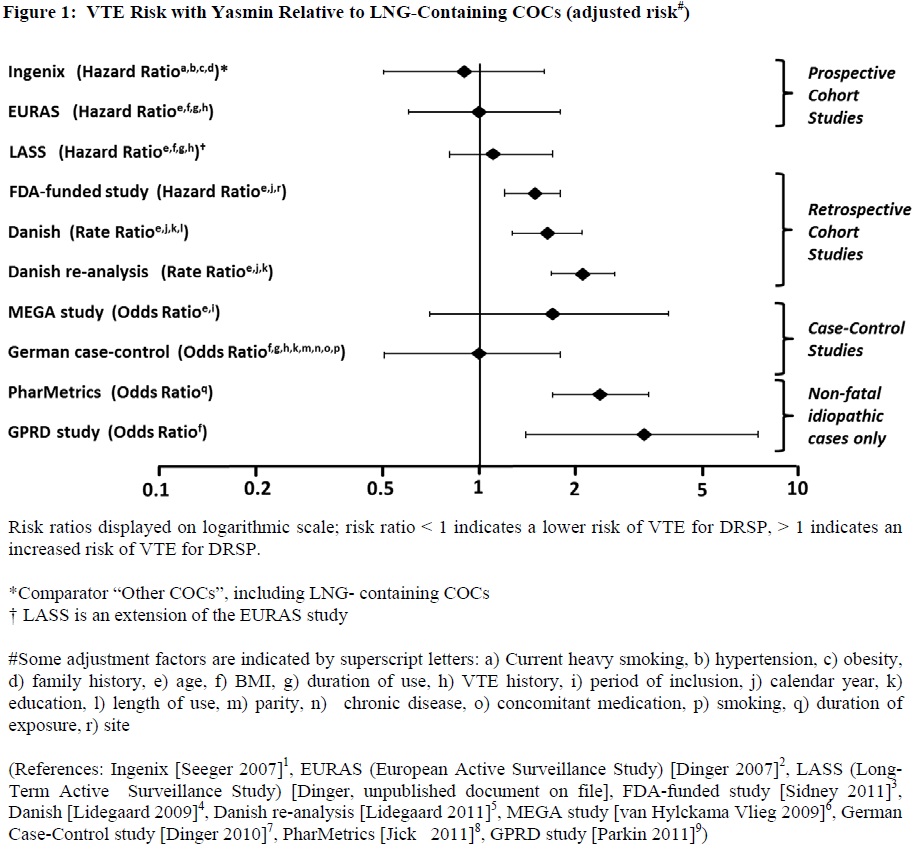
Figure 1:  Vte Risk With Yasmin Relative To Lng-containing Cocs (adjusted Risk#) (Drospirenone Fig1)
The text is a table showing the results of various studies on the risk of venous thromboembolism (VTE) associated with DRSP compared to LNG-containing COCs. The studies are divided into retrospective and prospective cohorts and case-control studies. The table shows the Hazard ratios, Rate ratios and Odds ratios of each study. The table also provides details of the various adjustment factors used in the studies.*
FDA Label Image

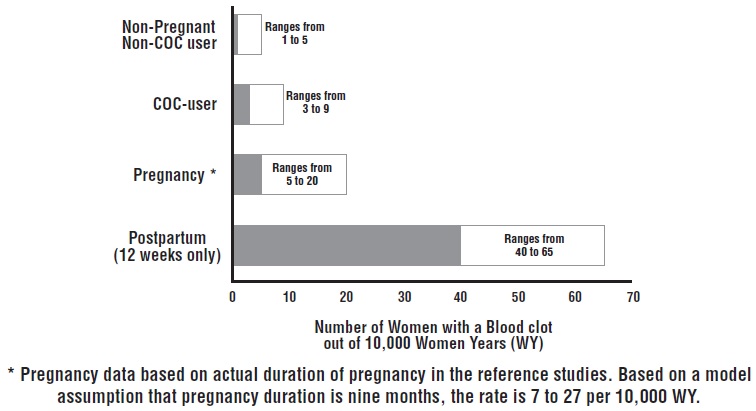
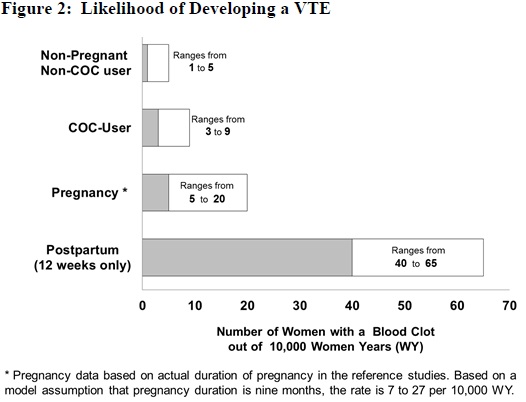
Figure 2: Likelihood Of Developing A Vte (Drospirenone Fig2)

Figure 2: Likelihood Of Developing A Vte (Drospirenone Fig2)
This is a figure showing the likelihood of developing a venous thromboembolism (VTE) in different scenarios. The data includes non-pregnant women who are not using a contraceptive pill (108 out of 10,000 women years), those who are using a contraceptive pill (unknown number due to illegible text), pregnant women (7 to 27 cases per 10,000 women years depending on the duration of pregnancy), and women in the postpartum period (400 to 650 cases per 10,000 women years during the first 12 weeks only).*
FDA Label Image

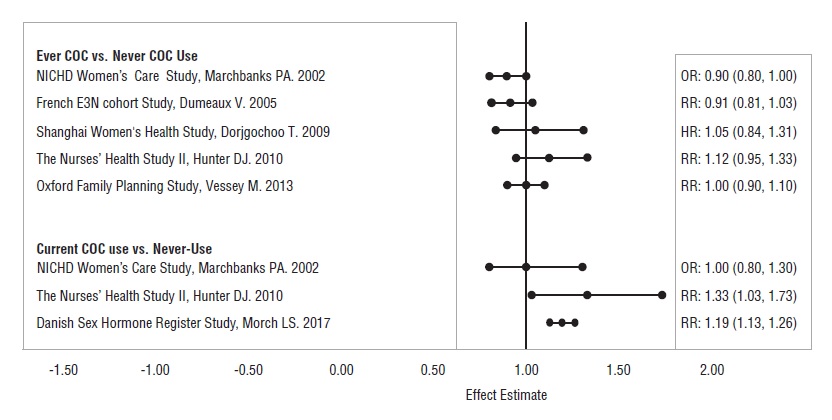
Figure 3 (Drospirenone Fig3)

Figure 3 (Drospirenone Fig3)
This text provides a series of studies comparing the use of combined oral contraceptives (COC) to never use or current use. The studies show varying results, with some showing a slightly decreased risk of negative health outcomes for those who have ever used COC, while others show an increased risk for current users. The text also includes effect estimates for each study.*
FDA Label Image

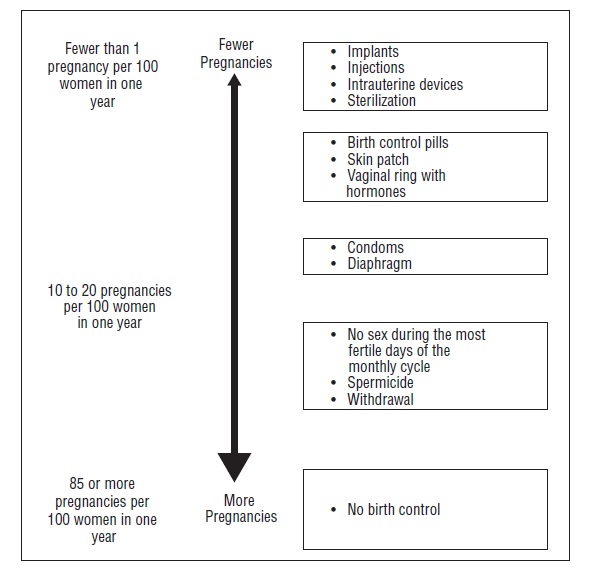
Figure-2 (Drospirenone Fig4)

Figure-2 (Drospirenone Fig4)
This appears to be a chart showing the effectiveness of different birth control methods in preventing pregnancy. The chart lists various methods such as injections, intrauterine devices, sterilization, birth control pills, condoms, diaphragms, etc. and the estimated number of pregnancies per 100 women in one year for each method. The chart suggests that some methods are more effective than others.*
FDA Label Image

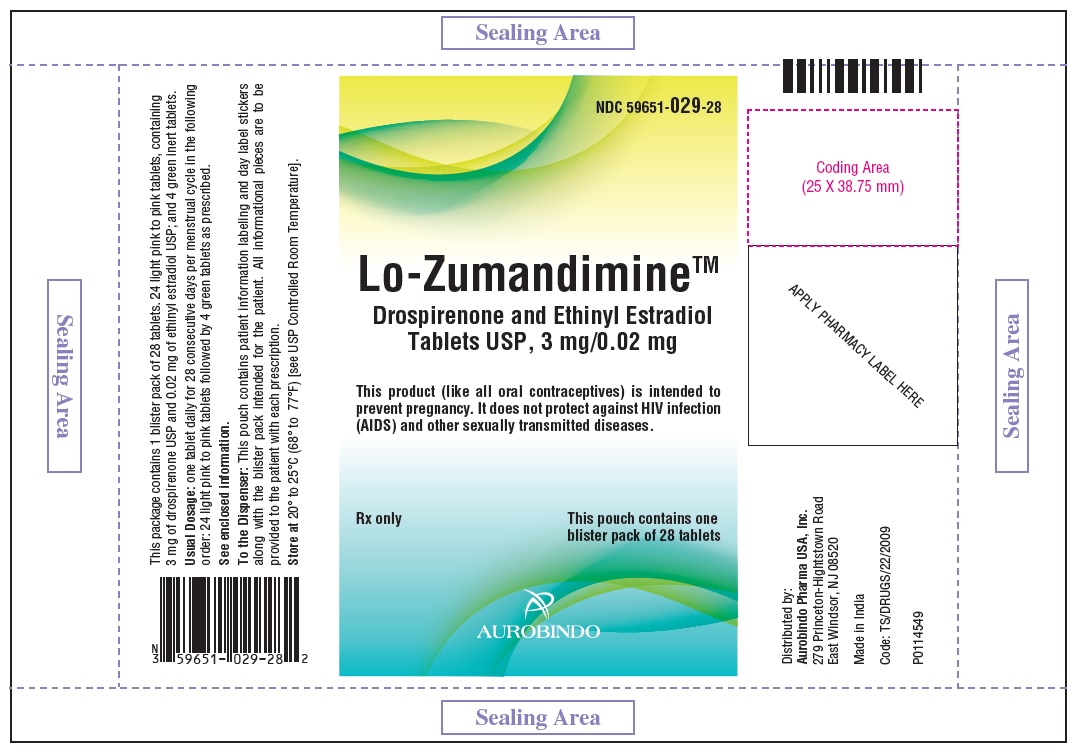
Package Label-principal Display Panel (3 mg/0.02 mg Pouch Label)

FDA Label Image

Package Label-principal Display Panel (3 mg/0.02 mg Pouch Carton)

Package Label-principal Display Panel (3 mg/0.02 mg Pouch Carton)
This appears to be a chart showing the ranges of numbers for non-pregnant individuals who are using or not using birth control pills (COC users), pregnant individuals, and postpartum individuals. The numbers range from 105 to 3109 for non-pregnant individuals, from 51020 for pregnant individuals, and from 401065 for postpartum individuals. Additionally, there is a line graph showing the number of women with blood clots out of 10,000 women years based on the given data. The pregnancy data is based on the actual duration of pregnancy in reference studies and assumes a pregnancy duration of nine months with a rate of 7 to 27 per 10,000 women years.*
FDA Label Image

Drospirenone Fig7

FDA Label Image

Drospirenone Fig8

Drospirenone Fig8
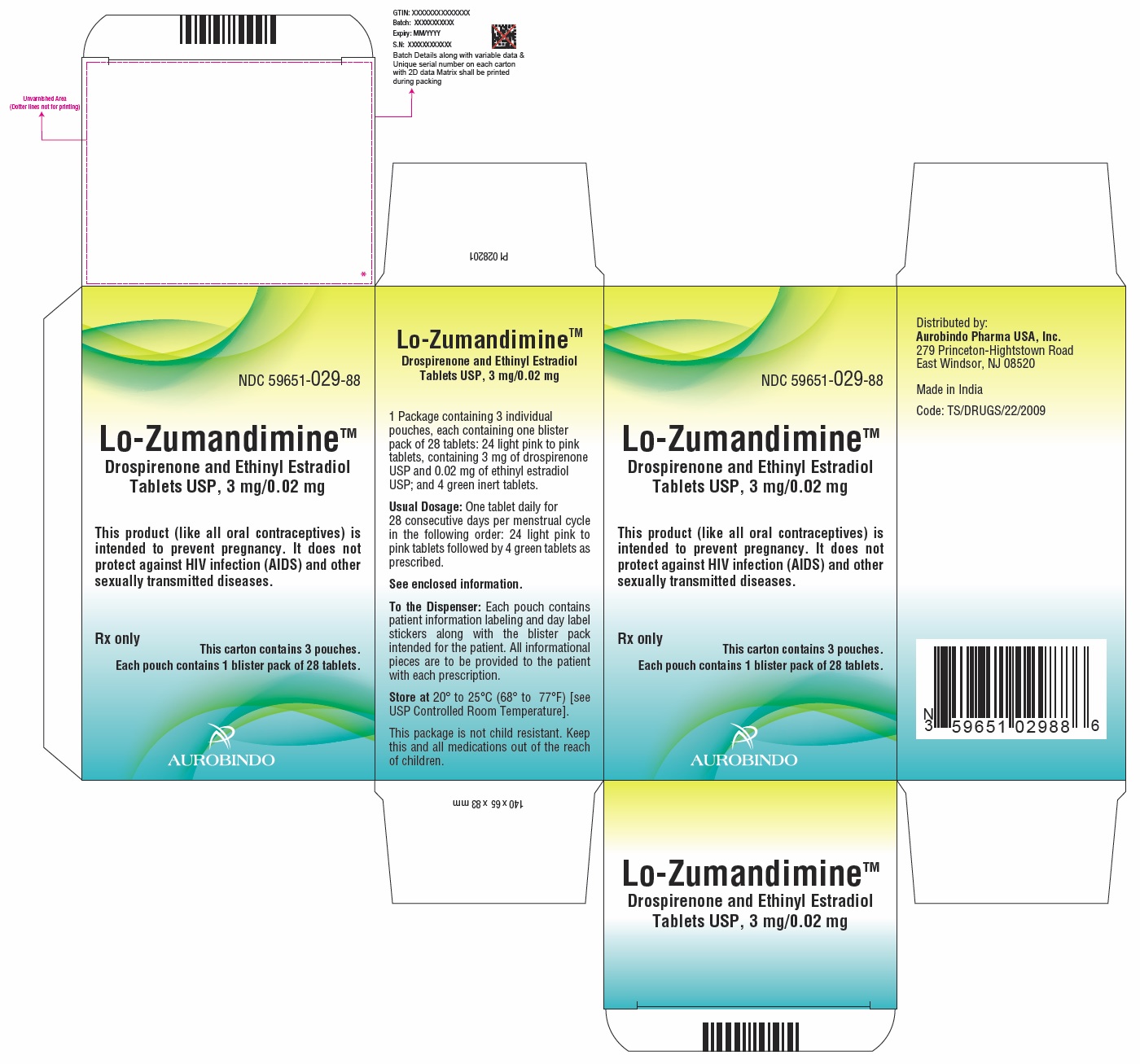
This is a product description for Lo-Zumandimine, a type of contraceptive pill manufactured by AUROBINDO. The package contains 3 pouches, each with a blister pack of 28 tablets: 24 light pink to pink tablets containing 3 mg of drospirenone USP and 0.02 mg of ethinyl estradiol USP; and 4 green inert tablets. The usual dosage is one tablet a day for 28 consecutive days per menstrual cycle, starting with the light pink to pink tablets followed by the green tablets as prescribed. The package warns that the product is intended to prevent pregnancy but does not protect against HIV and other sexually transmitted diseases.*
FDA Label Image

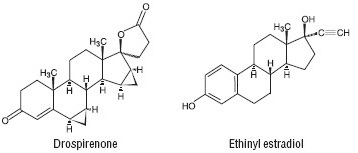
Chemical Structure (Drospirenone Str)

Chemical Structure (Drospirenone Str)
Drospirenone and Ethinyl Estradiol are two hormonal components commonly used in combined oral contraceptives. They work together to prevent pregnancy by suppressing ovulation, thickening cervical mucus, and altering the lining of the uterus.*

* These product label images have been analyzed using experimental machine learning. Please verify findings with the primary label text.