Zafirlukast Tablet, Film Coated
Product Images NDC 59651-291

View Photos of Packaging, Regulatory Labels, and Product Appearance

Product Visual Gallery

This gallery contains 4 technical images submitted to the FDA as part of the official labeling for Zafirlukast (NDC 59651-291). Unlike standard consumer photos, these assets often include clinical data figures, molecular chemical structures, and official manufacturer packaging layouts.

As provided by Aurobindo Pharma Limited, these visuals offer a comprehensive scientific overview of the product's physical and chemical identity, aiding pharmacists and researchers in product verification and study.

FDA Label Image

Figure (Zafirlukast Fig1)

FDA Label Image

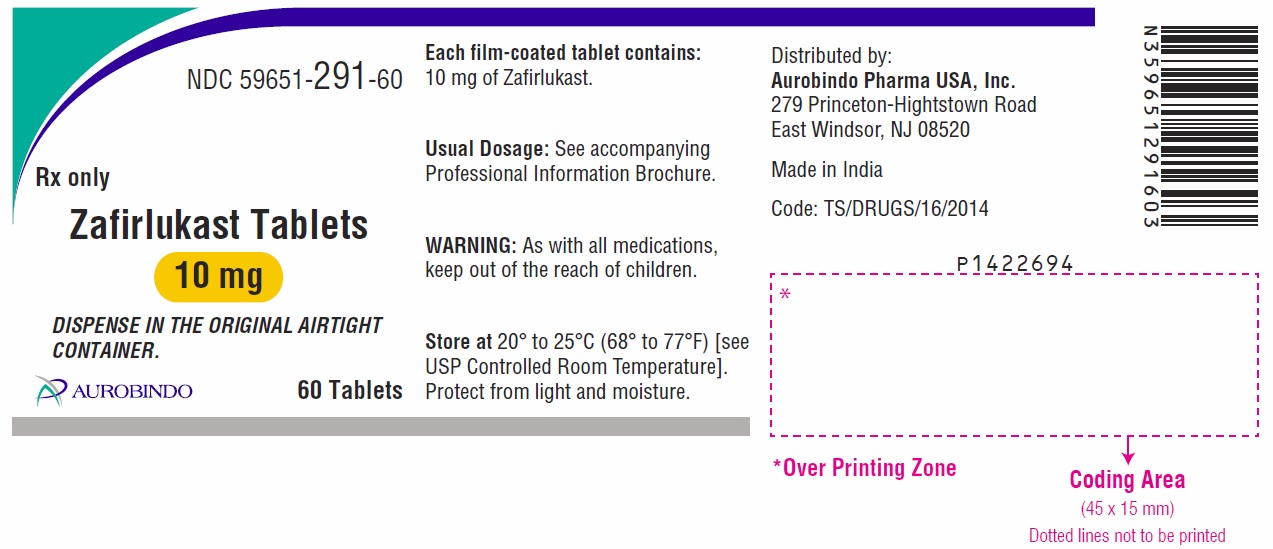
Package Label-principal Display Panel (10 mg)

Package Label-principal Display Panel (10 mg)
Zafirlukast Tablets are film-coated tablets containing 10 mg of Zafirlukast. The tablets should be stored in the original airtight container at a temperature between 20°C to 25°C. They should be protected from light and moisture. The dosage instructions can be found in the accompanying Professional Information Brochure. The medication should be kept out of reach of children. These tablets are distributed by Aurobindo Pharma USA, Inc. and are made in India.*
FDA Label Image

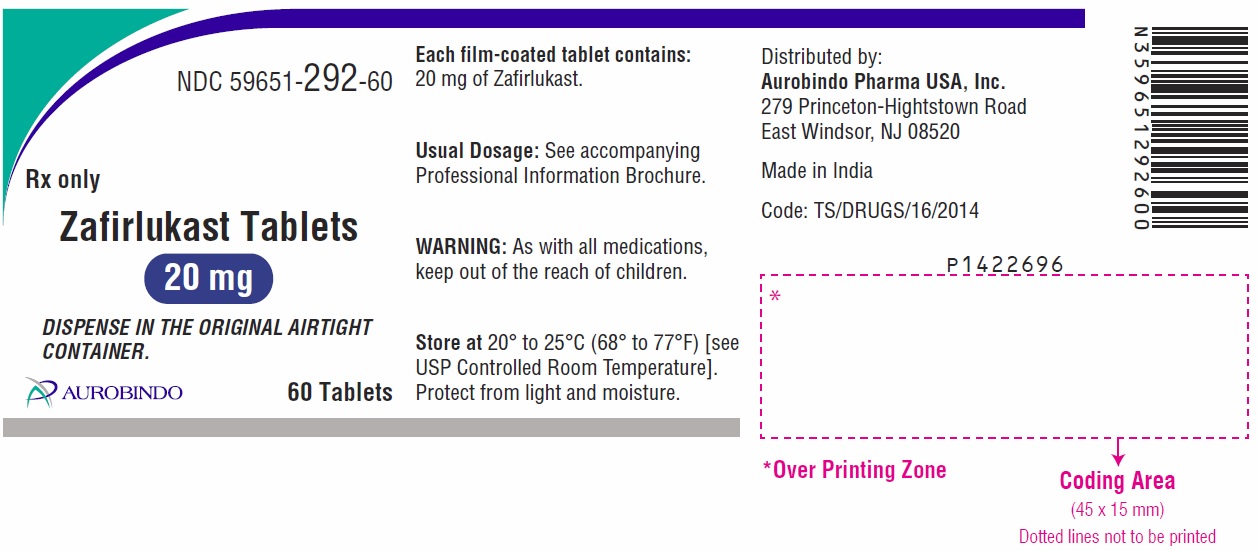
Package Label-principal Display Panel (20 mg)

Package Label-principal Display Panel (20 mg)
Each film-coated tablet contains 20 mg of Zafirlukast. The usual dosage information is available in the accompanying Professional Information Brochure. These tablets are dispensed in the original airtight container. It is important to keep this medication out of the reach of children. The tablets should be stored between 20° to 25°C (68° to 77°F), protected from light and moisture. This product is distributed by Aurobindo Pharma USA, Inc. and is made in India. The provided code is TS/DRUGS/16/2014. Please note that the dotted lines are not to be printed.*
FDA Label Image

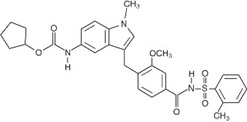
Chemical-structure (Zafirlukast Str)

* These product label images have been analyzed using experimental machine learning. Please verify findings with the primary label text.