- More EDURANT treated subjects with HIV-1 RNA greater than 100,000 copies/mL at the start of therapy experienced virologic failure (HIV-1 RNA ≥50 copies/mL) compared to EDURANT treated subjects with HIV-1 RNA less than or equal to 100,000 copies/mL
[see
Clinical Studies (14.1)]
.
Oral Lead-In Dosing to Assess Tolerability of Rilpivirine
Oral lead-in should be used for approximately 1 month (at least 28 days) to assess the tolerability of rilpivirine prior to the initiation of CABENUVA. The recommended oral daily dose is one 25 mg tablet of EDURANT (rilpivirine) in combination with one 30 mg tablet of VOCABRIA (cabotegravir). Take EDURANT with VOCABRIA (cabotegravir) orally once daily at approximately the same time each day with a meal
[see
Clinical Pharmacology (12.3)].
Because EDURANT is indicated in combination with VOCABRIA (cabotegravir), the prescribing information for VOCABRIA (cabotegravir) tablets should also be consulted.
The last oral dose should be taken on the same day injections with CABENUVA are started.
Oral Dosing to Replace Planned Missed Injections of CABENUVA
Planned Missed Injections for Patients on Monthly Dosing Schedule
If a patient plans to miss a scheduled monthly injection of CABENUVA by more than 7 days, take daily oral therapy for up to 2 months to replace missed injection visits. The recommended oral daily dose is one 25 mg tablet of EDURANT and one 30 mg tablet of VOCABRIA (cabotegravir). Take EDURANT with VOCABRIA (cabotegravir) at approximately the same time each day with a meal. The first dose of oral therapy should be initiated at approximately the same time as the planned missed injection and continued until the day injection dosing is restarted. For oral therapy with EDURANT and VOCABRIA of durations greater than 2 months, an alternative oral regimen is recommended, which may include EDURANT. See full prescribing information for CABENUVA to resume monthly injection dosing.
Planned Missed Injections for Patients on Every-2-Month Dosing Schedule
If a patient plans to miss a scheduled every-2-month injection of CABENUVA by more than 7 days, take daily oral therapy for a duration of up to 2 months to replace 1 missed scheduled every-2-month injection. The recommended oral daily dose is one 25 mg tablet of EDURANT and one 30 mg tablet of VOCABRIA (cabotegravir). Take EDURANT with VOCABRIA (cabotegravir) at approximately the same time each day with a meal. The first dose of oral therapy should be initiated at approximately the same time as the planned missed injection and continued until the day injection dosing is restarted. For oral therapy with EDURANT and VOCABRIA of durations greater than 2 months, an alternative oral regimen is recommended, which may include EDURANT. See full prescribing information for CABENUVA to resume every-2-month injection dosing.
EDURANT 25 mg Film-Coated Tablets
25 mg white to off-white, film-coated, round, biconvex, tablet of 6.4 mm, debossed with "TMC" on one side and "25" on the other side. Each tablet contains 27.5 mg of rilpivirine hydrochloride, which is equivalent to 25 mg of rilpivirine.
EDURANT PED 2.5 mg Tablets for Oral Suspension
2.5 mg white to almost white, round 6.5 mm tablet, debossed with "TMC" on one side and "PED" on the other side. Each tablet for oral suspension contains 2.75 mg of rilpivirine hydrochloride equivalent to 2.5 mg rilpivirine.
Clinical Trials Experience in Adults
The safety assessment is based on the Week 96 pooled data from 1368 patients in the Phase 3 controlled trials TMC278-C209 (ECHO) and TMC278-C215 (THRIVE) in antiretroviral treatment-naïve HIV-1 infected adult patients, 686 of whom received EDURANT (25 mg once daily)
[see
Clinical Studies (14.1)]
. The median duration of exposure for patients in the EDURANT arm and efavirenz arm was 104.3 and 104.1 weeks, respectively. Most adverse reactions occurred in the first 48 weeks of treatment. The proportion of subjects who discontinued treatment with EDURANT or efavirenz due to adverse reaction, regardless of severity, was 2% and 4%, respectively. The most common adverse reactions leading to discontinuation were psychiatric disorders: 10 (1%) subjects in the EDURANT arm and 11 (2%) subjects in the efavirenz arm. Rash led to discontinuation in 1 (<1%) subject in the EDURANT arm and 10 (2%) subjects in the efavirenz arm.
Common Adverse Reactions
Adverse reactions of at least moderate intensity (≥Grade 2) reported in at least 2% of adult subjects are presented in Table 3. Selected laboratory abnormalities are included in Table 4.
Table 3: Selected Adverse Reactions of at Least Moderate Intensity
Intensities are defined as follows: Moderate (discomfort enough to cause interference with usual activity); Severe (incapacitating with inability to work or do usual activity).
(Grades 2–4) Occurring in at Least 2% of Antiretroviral Treatment-Naïve HIV-1 Infected Adult Subjects (Week 96 Analysis)
System Organ Class,
Preferred Term,
%
| Pooled Data from the Phase 3 TMC278-C209 and TMC278-C215 Trials |
|---|
EDURANT + BR
N=686
| Efavirenz + BR
N=682
|
|---|
| N=total number of subjects per treatment group; BR=background regimen |
| Gastrointestinal Disorders | |
| Abdominal pain | 2% | 2% |
| Nausea | 1% | 3% |
| Vomiting | 1% | 2% |
| General Disorders and Administration Site Conditions | |
| Fatigue | 2% | 2% |
| Nervous System Disorders | |
| Headache | 3% | 4% |
| Dizziness | 1% | 7% |
| Psychiatric Disorders | |
| Depressive disorders
Includes adverse reactions reported as depressed mood, depression, dysphoria, major depression, mood altered, negative thoughts, suicide attempt, suicide ideation. | 5% | 4% |
| Insomnia | 3% | 4% |
| Abnormal dreams | 2% | 4% |
| Skin and Subcutaneous Tissue Disorders | |
| Rash | 3% | 11% |
No new adverse reaction terms were identified in adult subjects in the Phase 3 TMC278-C209 and TMC278-C215 trials between 48 weeks and 96 weeks nor in the Phase 2b TMC278-C204 trial through 240 weeks. The incidence of adverse events in the Phase 2b TMC278-C204 trial was similar to the Phase 3 trials through 96 weeks.
Less Common Adverse Reactions
Adverse reactions of at least moderate intensity (≥Grade 2) occurring in less than 2% of antiretroviral treatment-naïve subjects receiving EDURANT are listed below by System Organ Class. Some adverse events have been included because of investigator's assessment of potential causal relationship and were considered serious or have been reported in more than 1 subject treated with EDURANT.
Gastrointestinal Disorders: diarrhea, abdominal discomfort
Hepatobiliary Disorders: cholecystitis, cholelithiasis
Metabolism and Nutrition Disorders: decreased appetite
Nervous System Disorders: somnolence
Psychiatric Disorders: sleep disorders, anxiety
Renal and Urinary Disorders: glomerulonephritis membranous, glomerulonephritis mesangioproliferative, nephrolithiasis
Laboratory Abnormalities in Treatment-Naïve Subjects
The percentage of subjects treated with EDURANT or efavirenz in the Phase 3 trials with selected laboratory abnormalities (Grades 1 to 4), representing worst Grade toxicity are shown in Table 4.
Table 4: Selected Changes in Laboratory Parameters (Grades 1 to 4) Observed in Antiretroviral Treatment-Naïve HIV-1-Infected Adult Subjects (Week 96 Analysis)| Laboratory Parameter Abnormality, (%) | DAIDS Toxicity Range | Pooled Data from the Phase 3 TMC278-C209 and TMC278-C215 Trials |
|---|
EDURANT + BR
N=686
| Efavirenz + BR
N=682
|
|---|
| BIOCHEMISTRY | |
|---|
| BR=background regimen; ULN=upper limit of normal |
| N=number of subjects per treatment group |
| Note: Percentages were calculated versus the number of subjects in ITT. |
| Increased Creatinine | | | |
| Grade 1 | ≥1.1–≤1.3 × ULN | 6% | 1% |
| Grade 2 | >1.3–≤1.8 × ULN | 1% | 1% |
| Grade 3 | >1.8–≤3.4 × ULN | <1% | 0 |
| Grade 4 | >3.4 × ULN | 0 | <1% |
| Increased AST | | | |
| Grade 1 | ≥1.25–≤2.5 × ULN | 16% | 19% |
| Grade 2 | >2.5–≤5.0 × ULN | 4% | 7% |
| Grade 3 | >5.0–≤10.0 × ULN | 2% | 2% |
| Grade 4 | >10.0 × ULN | 1% | 1% |
| Increased ALT | | | |
| Grade 1 | ≥1.25–≤2.5 × ULN | 18% | 20% |
| Grade 2 | >2.5–≤5.0 × ULN | 5% | 7% |
| Grade 3 | >5.0–≤10.0 × ULN | 1% | 2% |
| Grade 4 | >10.0 × ULN | 1% | 1% |
| Increased Total Bilirubin | | | |
| Grade 1 | ≥1.1–≤1.5 × ULN | 5% | <1% |
| Grade 2 | >1.5–≤2.5 × ULN | 3% | 1% |
| Grade 3 | >2.5–≤5.0 × ULN | 1% | <1% |
| Grade 4 | >5.0 × ULN | 0 | 0 |
| Increased Total Cholesterol (fasted) | | | |
| Grade 1 | 5.18–6.19 mmol/L
200–239 mg/dL
| 17% | 31% |
| Grade 2 | 6.20–7.77 mmol/L
240–300 mg/dL
| 7% | 19% |
| Grade 3 | >7.77 mmol/L
>300 mg/dL
| <1% | 3% |
| Increased LDL Cholesterol (fasted) | | | |
| Grade 1 | 3.37–4.12 mmol/L
130–159 mg/dL
| 14% | 26% |
| Grade 2 | 4.13–4.90 mmol/L
160–190 mg/dL
| 5% | 13% |
| Grade 3 | ≥4.91 mmol/L
≥191 mg/dL
| 1% | 5% |
| Increased Triglycerides (fasted) | | | |
| Grade 2 | 5.65–8.48 mmol/L
500–750 mg/dL
| 2% | 2% |
| Grade 3 | 8.49–13.56 mmol/L
751–1,200 mg/dL
| 1% | 3% |
| Grade 4 | >13.56 mmol/L
>1,200 mg/dL
| 0 | 1% |
Adrenal Function
In the pooled Phase 3 trials, at Week 96, there was an overall mean change from baseline in basal cortisol of -0.69 (-1.12, 0.27) micrograms/dL in the EDURANT group and of -0.02 (-0.48, 0.44) micrograms/dL in the efavirenz group.
In the EDURANT group, 43/588 (7%) of subjects with a normal 250 micrograms ACTH stimulation test at baseline developed an abnormal 250 micrograms ACTH stimulation test (peak cortisol level <18.1 micrograms/dL) during the trial compared to 18/561 (3%) in the efavirenz group. Of the subjects who developed an abnormal 250 micrograms ACTH stimulation test during the trial, fourteen subjects in the EDURANT group and nine subjects in the efavirenz group had an abnormal 250 micrograms ACTH stimulation test at Week 96. Overall, there were no serious adverse events, deaths, or treatment discontinuations that could clearly be attributed to adrenal insufficiency. The clinical significance of the higher abnormal rate of 250 micrograms ACTH stimulation tests in the EDURANT group is not known.
Serum Creatinine
In the pooled Phase 3 trials, an increase in serum creatinine was observed over the 96 weeks of treatment with EDURANT. Most of this increase occurred within the first four weeks of treatment, with a mean change of 0.1 mg/dL (range: -0.3 mg/dL to 0.6 mg/dL) observed after 96 weeks of treatment. In subjects who entered the trial with mild or moderate renal impairment, the serum creatinine increase observed was similar to that seen in subjects with normal renal function. These changes are not considered to be clinically relevant and no subject discontinued treatment due to increases in serum creatinine. Serum creatinine increases occurred regardless of the background N(t)RTI regimen.
Serum Lipids
Changes from baseline in total cholesterol, LDL-cholesterol, HDL-cholesterol and triglycerides are presented in Table 5. The clinical benefit of these findings has not been demonstrated.
Table 5: Lipid Values, Mean Change from Baseline
Excludes subjects who received lipid lowering agents during the treatment period
| Pooled Data from the Week 96 Analysis of the Phase 3 TMC278-C209 and TMC278-C215 Trials |
|---|
| EDURANT + BR | Efavirenz + BR |
|---|
| N | Baseline | Week 96 | N | Baseline | Week 96 |
|---|
Mean
(95% CI)
| | Mean
(mg/dL)
| Mean
(mg/dL)
| Mean Change
The change from baseline is the mean of within-patient changes from baseline for patients with both baseline and Week 96 values
(mg/dL)
| | Mean
(mg/dL)
| Mean
(mg/dL)
| Mean Change
(mg/dL)
|
|---|
| N=number of subjects per treatment group; BR=background regimen |
Total Cholesterol
(fasted)
| 546 | 161
| 166
| 5
| 507 | 160
| 187
| 28
|
HDL-cholesterol
(fasted)
| 545 | 41
| 46
| 4
| 505 | 40
| 51
| 11
|
LDL-cholesterol
(fasted)
| 543 | 96
| 98
| 1
| 503 | 95
| 109
| 14
|
Triglycerides
(fasted)
| 546 | 122
| 116
| -6
| 507 | 130
| 141
| 11
|
Subjects Co-infected with Hepatitis B and/or Hepatitis C Virus
In subjects co-infected with hepatitis B or C virus receiving EDURANT, the incidence of hepatic enzyme elevation was higher than in subjects receiving EDURANT who were not co-infected. This observation was the same in the efavirenz arm. The pharmacokinetic exposure of rilpivirine in co-infected subjects was comparable to that in subjects without co-infection.
Use in Combination with Cabotegravir
Safety findings from Phase 3/3b trials in adults were similar when EDURANT was administered in combination with VOCABRIA (cabotegravir) or other antiretrovirals. See full prescribing information for VOCABRIA and CABENUVA (cabotegravir extended-release injectable suspension; rilpivirine extended-release injectable suspension) for additional information.
Clinical Trials Experience in Pediatric Patients
Pediatric Population (≥12 to less than 18 years of age)
Trial TMC278-C213 Cohort 1
The safety assessment is based on the Week 48 analysis of the single-arm, open-label, Phase 2 trial, TMC278-C213 Cohort 1, in which 36 antiretroviral treatment-naïve HIV-1 infected patients 12 to less than 18 years of age and weighing at least 32 kg received EDURANT (25 mg once daily) in combination with other antiretroviral agents
[see
Clinical Studies (14.3)]
. The median duration of exposure was 63.5 weeks. There were no patients who discontinued treatment due to adverse reactions. No new adverse reactions were identified compared to those seen in adults.
Adverse reactions were reported in nineteen pediatric subjects (53%). Most adverse reactions were Grade 1 or 2. The most common adverse reactions reported in at least 2 subjects (regardless of severity) include headache (19%), depression (19%), somnolence (14%), nausea (11%), dizziness (8%), abdominal pain (8%), vomiting (6%) and rash (6%).
Observed laboratory abnormalities were comparable to those in adults.
Adrenal Function
In trial TMC278-C213 Cohort 1, at Week 48, the overall mean change from baseline in basal cortisol showed an increase of 1.59 (0.24, 2.93) micrograms/dL.
Six of 30 (20%) subjects with a normal 250 micrograms ACTH stimulation test at baseline developed an abnormal 250 micrograms ACTH stimulation test (peak cortisol level <18.1 micrograms/dL) during the trial. Three of these subjects had an abnormal 250 micrograms ACTH stimulation test at Week 48. Overall, there were no serious adverse events, deaths, or treatment discontinuations that could clearly be attributed to adrenal insufficiency. The clinical significance of the abnormal 250 micrograms ACTH stimulation tests is not known.
Trial 208580 [MOCHA]
Based on data from the Week 16 analysis of the MOCHA trial in 15 adolescents (12 to less than 18 years of age and weighing ≥35 kg) receiving EDURANT (25 mg once daily) in addition to continuing background antiretroviral therapy, the safety profile during the oral lead-in period in adolescents was consistent with the safety profile established with EDURANT in adults.
Pediatric Population (≥2 to less than 12 years of age)
Two clinical trials were conducted in pediatric subjects weighing at least 16 kg (5 to less than 12 years of age). A total of 18 and 26 pediatric subjects were enrolled in Trial TMC278-C213 and Trial TMC278HTX2002, respectively. Overall, the safety data in these pediatric studies were similar to those observed in adults. Safety results from the two trials are summarized below.
Trial TMC278-C213 Cohort 2
Cohort 2 of the single-arm, open-label Phase 2 trial, TMC278-C213 evaluated the safety of the EDURANT and EDURANT PED weight adjusted doses 25, 15 and 12.5 mg once daily in antiretroviral treatment-naïve HIV-1 infected patients (≥6 to <12 years of age and weighing at least 17 kg)
[see
Clinical Studies (14.4)]
. The median duration of exposure for patients in the Week 48 analysis (including post-Week 48 extension) was 69.5 (range 35 to 218) weeks.
All adverse reactions were Grade 1 or 2. Adverse reactions reported in at least 2 subjects, regardless of grading, in Trial TMC278-C213 Cohort 2 were: decreased appetite (3/18, 17%), vomiting (2/18, 11%), ALT increased (2/18, 11%), AST increased (2/18, 11%), and rash (2/18, 11%). No adverse reactions led to discontinuation.
Adrenal Function
In trial TMC278-C213 Cohort 2, basal cortisol at baseline was normal (≥9 μg/dL) for 4/18 subjects, low for 13/18 subjects, and missing for 1/18 subjects.
Among the 4 subjects with normal basal cortisol at baseline, 3 subjects had either normal basal cortisol levels (≥9 μg/dL) or normal cortisol levels 1 hour after ACTH stimulation (≥18.1 μg/dL) throughout the trial and/or at the last available visit (Week 24 and Week 72), and 1 subject had low basal cortisol at the last available assessment (Week 48) and no ACTH stimulation test was performed. Among the 13 subjects with low basal cortisol pre-dose at baseline, 2 subjects had low basal and ACTH stimulated cortisol values throughout the trial, including ACTH stimulated cortisol at baseline before starting treatment with rilpivirine. For both subjects, no adverse events suggestive for adrenal insufficiency were reported. The remaining 11 subjects had normal serum cortisol values after ACTH stimulation at baseline and/or during treatment.
Trial TMC278HTX2002
The single arm, open-label Phase 2 trial, TMC278HTX2002, evaluated the safety of EDURANT and EDURANT PED weight-adjusted doses 25, 15 and 12.5 mg once daily in virologically suppressed HIV-1 infected patients (≥2 to <12 years of age and weighing at least 16 kg). The median duration of exposure for patients in the Week 48 analysis was 48.4 (range 47 to 52) weeks.
All adverse reactions were Grade 1 or 2. Adverse reactions reported in at least 2 subjects, regardless of grading, in Trial TMC278HTX2002 were: vomiting (4/26, 15%), abdominal pain (3/26, 12%), nausea (2/26, 8%), ALT increased (3/26, 12%), AST increased (2/26, 8%), and decreased appetite (2/26, 8%). No adverse reactions led to discontinuation.
Adrenal Function
In trial TMC278HTX2002, 15/26 subjects had either normal basal cortisol (≥9 μg/dL) or normal cortisol 1 hour after ACTH stimulation (≥18.1 μg/dL), 9 had low basal cortisol on Day 1, and in 2 subjects the baseline value was missing.
From the 19 subjects with low basal cortisol at Week 48, in 15 subjects, the Week 48 serum cortisol levels returned to normal (≥248 nmol/L) after repeat serum basal cortisol testing or was normal after ACTH stimulation testing (≥500 nmol/L). In 4 subjects, the serum cortisol levels remained low after repeat serum basal cortisol testing or after ACTH stimulation testing. At Week 48, 6 subjects had normal (basal) cortisol (≥9 ug/dL) and the Week 48 result was not available for 1 subject.
QT Prolonging Drugs
There is limited information available on the potential for a pharmacodynamic interaction between rilpivirine and drugs that prolong the QTc interval of the electrocardiogram. In a study of healthy subjects, 75 mg once daily and 300 mg once daily (3 times and 12 times the dose in EDURANT) have been shown to prolong the QTc interval of the electrocardiogram
[see
Clinical Pharmacology (12.2)]
. Consider alternatives to EDURANT when coadministered with a drug with a known risk of torsade de pointes.
Pregnancy Exposure Registry
There is a pregnancy exposure registry that monitors pregnancy outcomes in women exposed to EDURANT during pregnancy. Healthcare providers are encouraged to register patients by calling the Antiretroviral Pregnancy Registry (APR) 1-800-258-4263.
Risk Summary
Available data from the APR show no difference in the overall risk of birth defects for rilpivirine compared with the background rate for major birth defects of 2.7% in the Metropolitan Atlanta Congenital Defects Program (MACDP) reference population
(see
Data)
. The rate of miscarriage is not reported in the APR. The estimated background rate of miscarriage in clinically recognized pregnancies in the U.S. general population is 15% to 20%. The background risk for major birth defects and miscarriage for the indicated population is unknown. Methodologic limitations of the APR include the use of MACDP as the external comparator group. The MACDP population is not disease-specific, evaluates women and infants from a limited geographic area, and does not include outcomes for births that occurred at <20 weeks gestation. In a clinical trial, total rilpivirine exposures were generally lower during pregnancy compared to the postpartum period
(see
Data)
.
In animal reproduction studies, no adverse developmental outcomes were observed when rilpivirine was administered orally at exposures up to 15 (rats) and 70 (rabbits) times the exposure in humans (≥12 years of age and weighing at least 32 kg) at the recommended dose of 25 mg once daily
(see
Data)
.
Clinical Considerations
Dosing During Pregnancy and the Postpartum Period
Based on the experience of HIV-1-infected pregnant women who completed a clinical trial through the postpartum period with a rilpivirine-based regimen, no dose adjustments are required for pregnant patients who are already on a stable EDURANT regimen prior to pregnancy and who are virologically suppressed (HIV-1 RNA less than 50 copies per mL)
[see
Dosage and Administration (2.5)].
Lower exposures of rilpivirine were observed during pregnancy, therefore viral load should be monitored closely
[see
Clinical Pharmacology (12.3)]
.
Data
Human Data
Based on prospective reports to the APR of over 550 exposures to rilpivirine during the first trimester of pregnancy resulting in live births, there was no significant difference between the overall risk of birth defects with rilpivirine compared to the background birth defect rate of 2.7% in the U.S. reference population of the MACDP. The prevalence of birth defects in live births was 1.4% (95% CI: 0.6% to 2.8%) and 1.5% (95% CI: 0.3% to 4.3%) following first and second/third trimester exposure, respectively, to rilpivirine-containing regimens.
Rilpivirine in combination with a background regimen was evaluated in a clinical trial of 19 HIV-1 infected pregnant women during the second and third trimesters and postpartum. Each of the women were on a rilpivirine-based regimen at the time of enrollment. Twelve subjects completed the trial through the postpartum period (6–12 weeks after delivery) and pregnancy outcomes are missing for six subjects. The exposure (C
0hand AUC) of total rilpivirine was approximately 30 to 40% lower during pregnancy compared with postpartum (6 to 12 weeks). The protein binding of rilpivirine was similar (>99%) during second trimester, third trimester, and postpartum period. One subject discontinued the trial following spontaneous termination of the pregnancy at 25 weeks gestation due to suspected premature rupture of membranes. Among the 12 subjects who were virologically suppressed at baseline (less than 50 copies/mL), virologic response was preserved in 10 subjects (83.3%) through the third trimester visit and in 9 subjects (75%) through the 6–12 week postpartum visit. Virologic outcomes during the third trimester visit were missing for two subjects who were withdrawn (one subject was nonadherent to the study drug and one subject withdrew consent). Among the 10 infants with HIV test results available, born to 10 HIV-infected pregnant women, all had test results that were negative for HIV-1 at the time of delivery and up to 16 weeks postpartum. All 10 infants received antiretroviral prophylactic treatment with zidovudine. Rilpivirine was well tolerated during pregnancy and postpartum. There were no new safety findings compared with the known safety profile of rilpivirine in HIV–1-infected adults.
Animal Data
Rilpivirine was administered orally to pregnant rats (40, 120, or 400 mg per kg per day) and rabbits (5, 10, or 20 mg per kg per day) through organogenesis (on gestation Days 6 through 17, and 6 through 19, respectively). No significant toxicological effects were observed in embryo-fetal toxicity studies performed with rilpivirine in rats and rabbits at exposures 15 (rats) and 70 (rabbits) times higher than the exposure in humans (≥12 years of age and weighing >32 kg) at the recommended dose of 25 mg once daily. In a pre- and postnatal development study, rilpivirine was administered orally up to 400 mg/kg/day through lactation. No adverse effects were noted in the offspring at maternal exposures up to 63 times the exposure in humans (≥12 years of age and weighing >32 kg) at the recommended dose of 25 mg daily.
Risk Summary
Based on limited data after oral administration, rilpivirine is present in human breast milk. The data do not allow determination of the amount of rilpivirine that is transferred to milk. There are no data on the effects on a breastfed infant, or the effects on milk production. Rilpivirine is present in rat milk
(see
Data)
. Potential risks of breastfeeding include: (1) HIV transmission (in HIV-negative infants), (2) developing viral resistance (in HIV-positive infants), and (3) adverse reactions in a breastfed infant similar to those seen in adults.
Data
Animal Data
Animal lactation studies with rilpivirine have not been conducted. However, rilpivirine was detected in the plasma of nursing pups on lactation day 7 in the rat pre- and postnatal development study.
Trial TMC278-C213
TMC278-C213 was a single arm, open-label, Phase 2 trial in antiretroviral treatment-naïve HIV-1 infected pediatric subjects, and was divided into two Cohorts.
- Cohort 1 evaluated the safety, efficacy and pharmacokinetics of EDURANT and enrolled 36 children aged 12 to less than 18 years of age and weighing at least 32 kg
[see
Adverse Reactions (6.1),
Clinical Pharmacology (12.3), and
Clinical Studies (14.3)]
.
- Cohort 2 evaluated the safety, tolerability, antiviral activity and pharmacokinetics of EDURANT and EDURANT PED weight-adjusted doses 25, 15 and 12.5 mg daily, and enrolled 18 children aged 6 to less than 12 years of age and weighing at least 17 kg
[see
Adverse Reactions (6.1),
Clinical Pharmacology (12.3), and
Clinical Studies (14.4)]
.
Trial TMC278HTX2002
The safety, tolerability, antiviral activity and pharmacokinetics of EDURANT and EDURANT PED weight-adjusted doses 25, 15 and 12.5 mg daily was evaluated in a single-arm, open-label Phase 2 trial in 26 HIV-1 infected pediatric subjects 2 to less than 12 years of age and weighing at least 16 kg. Trial TMC278HTX2002 supports the safety and effectiveness of EDURANT and EDURANT PED in treatment-naïve HIV-1 infected pediatric patients 2 to less than 6 years of age
[see
Adverse Reactions (6.1) and
Clinical Pharmacology (12.3)].
MOCHA Trial (NCT03497676)
The safety, tolerability, and pharmacokinetics of oral and injectable cabotegravir and oral and injectable rilpivirine are being assessed in an ongoing Phase 1/2 multicenter, open-label, non- comparative study, MOCHA (IMPAACT 2017)
[see
Adverse Reactions (6.1)]
. Refer to the VOCABRIA and CABENUVA prescribing information for additional information when EDURANT is used in combination with cabotegravir.
The safety and effectivness of EDURANT in these pediatric subjects were similar to that seen in adults, and there were no significant changes on rilpivirine exposures
[see
Adverse Reactions (6.1),
Clinical Pharmacology (12.3), and
Clinical Studies (14)].
Safety and effectiveness in pediatric patients less than 2 years of age or weighing less than 14 kg have not been established. Treatment with EDURANT PED is not recommended in pediatric patients less than 2 years of age or weighing below 14 kg
[see
Warnings and Precautions (5.6)]
.
Effects on Electrocardiogram
The effect of EDURANT at the recommended dose of 25 mg once daily on the QTcF interval was evaluated in a randomized, placebo and active (moxifloxacin 400 mg once daily) controlled crossover study in 60 healthy adults, with 13 measurements over 24 hours at steady state. The maximum mean time-matched (95% upper confidence bound) differences in QTcF interval from placebo after baseline-correction was 2.0 (5.0) milliseconds (i.e., below the threshold of clinical concern).
When doses of 75 mg once daily and 300 mg once daily of EDURANT (3 times and 12 times the dose in EDURANT) were studied in healthy adults, the maximum mean time-matched (95% upper confidence bound) differences in QTcF interval from placebo after baseline-correction were 10.7 (15.3) and 23.3 (28.4) milliseconds, respectively. Steady-state administration of EDURANT 75 mg once daily and 300 mg once daily resulted in a mean steady-state C
maxapproximately 2.6-fold and 6.7-fold, respectively, higher than the mean C
maxobserved with the recommended 25 mg once daily dose of EDURANT
[see
Warnings and Precautions (5.4)]
.
Pharmacokinetics in Adults
The pharmacokinetic properties of rilpivirine have been evaluated in adult healthy subjects and in adult antiretroviral treatment-naïve HIV-1-infected subjects. Exposure to rilpivirine was generally lower in HIV-1 infected subjects than in healthy subjects.
Table 7: Pharmacokinetic Estimates of Rilpivirine 25 mg Once Daily in Antiretroviral Treatment-Naïve HIV-1-Infected Adult Subjects (Pooled Data from Phase 3 Trials through Week 96)| Parameter | Rilpivirine 25 mg once daily
N=679
|
|---|
| AUC
24h(ng∙h/mL)
| |
| Mean±Standard Deviation | 2235±851 |
| Median (Range) | 2096 (198 – 7307) |
| C
0h(ng/mL)
| |
| Mean±Standard Deviation | 79±35 |
| Median (Range) | 73 (2 – 288) |
Absorption and Bioavailability
After oral administration, the maximum plasma concentration of rilpivirine is generally achieved within 4–5 hours. The absolute bioavailability of EDURANT and EDURANT PED is unknown.
Effects of Food on Oral Absorption
The exposure to rilpivirine was approximately 40% lower when EDURANT was taken in a fasted condition as compared to a normal caloric meal (533 kcal) or high-fat high-caloric meal (928 kcal). When EDURANT was taken with only a protein-rich nutritional drink, exposures were 50% lower than when taken with a meal.
Administration of the EDURANT PED 2.5 mg tablets dispersed in drinking water in fasted conditions or after yogurt consumption resulted in a 31% and 28% lower exposure, respectively, compared to administration in fed conditions (a meal containing 533 kcal) in adults.
Distribution
Rilpivirine is approximately 99.7% bound to plasma proteins
in vitro, primarily to albumin. The distribution of rilpivirine into compartments other than plasma (e.g., cerebrospinal fluid, genital tract secretions) has not been evaluated in humans.
Metabolism
In vitro experiments indicate that rilpivirine primarily undergoes oxidative metabolism mediated by the cytochrome P450 (CYP) 3A system.
Elimination
The terminal elimination half-life of rilpivirine is approximately 50 hours. After single dose oral administration of
14C-rilpivirine, on average 85% and 6.1% of the radioactivity could be retrieved in feces and urine, respectively. In feces, unchanged rilpivirine accounted for on average 25% of the administered dose. Only trace amounts of unchanged rilpivirine (<1% of dose) were detected in urine.
Specific Populations
Pregnancy and Postpartum
The exposure (C
0hand AUC
24h) to total rilpivirine after intake of rilpivirine 25 mg once daily as part of an antiretroviral regimen was 30 to 40% lower during pregnancy (similar for the second and third trimester), compared with postpartum (see
Table 8). However, the exposure during pregnancy was not significantly different from exposures obtained in Phase 3 trials. Based on the exposure-response relationship for rilpivirine, this decrease is not considered clinically relevant in patients who are virollogically suppressed. The protein binding of rilpivirine was similar (>99%) during the second trimester, third trimester, and postpartum.
Table 8: Pharmacokinetic Results of Total Rilpivirine After Administration of Rilpivirine 25 mg Once Daily as Part of an Antiretroviral Regimen, During the 2
nd Trimester of Pregnancy, the 3
rd Trimester of Pregnancy and Postpartum
Pharmacokinetics of total rilpivirine
(mean ± SD, t
max: median [range])
| Postpartum
(6–12 Weeks)
(n=11)
| 2
nd Trimester of pregnancy
(n=15)
| 3
rd Trimester of pregnancy
(n=13)
|
|---|
| C
0h, ng/mL
| 111±69.2 | 65.0±23.9 | 63.5±26.2 |
| C
min, ng/mL
| 84.0±58.8 | 54.3±25.8 | 52.9±24.4 |
| C
max, ng/mL
| 167±101 | 121±45.9 | 123±47.5 |
| t
max, h
| 4.00 (2.03–25.08) | 4.00 (1.00–9.00) | 4.00 (2.00–24.93) |
| AUC
24h, ng.h/mL
| 2714±1535 | 1792±711 | 1762±662 |
Pediatric Patients
The pharmacokinetics of rilpivirine in HIV-1 infected pediatric patients 2 to less than 18 years of age and weighing at least 16 kg receiving the recommended weight-based dosing regimen of EDURANT and EDURANT PED were comparable or slightly higher than those obtained in treatment-naïve HIV-1 infected adult patients (see
Table 9 and
Table 10).
Table 9: Pharmacokinetic Estimates of Rilpivirine After Administration of the Recommended Daily Oral Dosing Regimen in Pediatric Patients ≥6 to <18 Years (Trial TMC278-C213)
The 12.5 mg and 15 mg doses were administered as 5 and 6 dispersed 2.5 mg tablets, respectively. The 25 mg dose was administered as one 25 mg tablet. Mean rilpivirine exposure was approximately 40% higher in TMC278HTX2002 compared to TMC278-C213
| Pharmacokinetics of rilpivirine
Individual data when N=2
Mean±SD
Median (range)
| 12.5 mg once daily
<20 kg
| 15 mg once daily
≥20 to <25 kg
| 25 mg once daily
≥25 kg
|
|---|
| NA = not applicable |
| N | 2 | 2 | 44 |
| AUC
24h(ng.h/mL)
| 1974, 2707
NA (1974 – 2707)
| 1912, 2477
NA (1912 – 2477)
| 2536±979
2413 (973 – 4848)
|
| C
0h(ng/mL)
| 68.1, 86.7
NA (68.1 – 86.7)
| 48.3, 80.0
NA (48.3 – 80.0)
| 87.0±34.5
82.7 (27.8 – 171)
|
Table 10: Pharmacokinetic Estimates of Rilpivirine After Administration of the Recommended Daily Oral Dosing Regimen in Pediatric Patients ≥2 to <18 Years (Trial TMC278HTX2002)
The 12.5 mg and 15 mg doses were administered as 5 and 6 dispersed 2.5 mg tablets, respectively. The 25 mg dose was administered as one 25 mg tablet. Mean rilpivirine exposure was approximately 40% higher in TMC278HTX2002 compared to TMC278-C213
| Pharmacokinetics of rilpivirine
Individual data when N=2
Mean±SD
Median (range)
| 12.5 mg once daily
≥10 to <20 kg
| 15 mg once daily
≥20 to <25 kg
| 25 mg once daily
≥25 kg
|
|---|
| NA = not applicable |
| N | 2 | 5 | 18 |
| AUC
24h(ng.h/mL)
| 4375, 5057
NA (4375 – 5057)
| 3541±949
3112 (2689 – 4947)
| 4195±1056
4016 (2732 – 6260)
|
| C
0h(ng/mL)
| 151, 163
NA (151 – 163)
| 112±39.8
91.8 (73.7 – 172)
| 134±38.7
121 (78.9 – 220)
|
Renal Impairment
Pharmacokinetic analysis indicated that rilpivirine exposure was similar in HIV-1 infected subjects with mild renal impairment relative to HIV-1 infected subjects with normal renal function. No dose adjustment is required in patients with mild renal impairment. There is limited or no information regarding the pharmacokinetics of rilpivirine in patients with moderate or severe renal impairment or in patients with end-stage renal disease, and rilpivirine concentrations may be increased due to alteration of drug absorption, distribution, and metabolism secondary to renal dysfunction. The potential impact is not expected to be of clinical relevance for HIV-1-infected subjects with moderate renal impairment, and no dose adjustment is required in these patients. Rilpivirine should be used with caution and with increased monitoring for adverse effects in patients with severe renal impairment or end-stage renal disease. As rilpivirine is highly bound to plasma proteins, it is unlikely that it will be significantly removed by hemodialysis or peritoneal dialysis
[see
Use in Specific Populations (8.6)]
.
Hepatic Impairment
Rilpivirine is primarily metabolized and eliminated by the liver. In a study comparing 8 subjects with mild hepatic impairment (Child-Pugh score A) to 8 matched controls, and 8 subjects with moderate hepatic impairment (Child-Pugh score B) to 8 matched controls, the multiple dose exposure of rilpivirine was 47% higher in subjects with mild hepatic impairment and 5% higher in subjects with moderate hepatic impairment. EDURANT has not been studied in subjects with severe hepatic impairment (Child-Pugh score C)
[see
Use in Specific Populations (8.7)]
.
Sex, Race, Hepatitis B and/or Hepatitis C Virus Co-infection
No clinically relevant differences in the pharmacokinetics of rilpivirine have been observed between sex, race and patients with hepatitis B and/or C-virus co-infection.
Drug Interactions
[see
Contraindications (4)and
Drug Interactions (7)].
Rilpivirine is primarily metabolized by cytochrome P450 (CYP)3A, and drugs that induce or inhibit CYP3A may thus affect the clearance of rilpivirine. Coadministration of EDURANT or EDURANT PED and drugs that induce CYP3A may result in decreased plasma concentrations of rilpivirine and loss of virologic response and possible resistance. Coadministration of EDURANT and EDURANT PED and drugs that inhibit CYP3A may result in increased plasma concentrations of rilpivirine. Coadministration of EDURANT and EDURANT PED with drugs that increase gastric pH may result in decreased plasma concentrations of rilpivirine and loss of virologic response and possible resistance to rilpivirine and to the class of NNRTIs.
EDURANT and EDURANT PED at the recommended doses are not likely to have a clinically relevant effect on the exposure of medicinal products metabolized by CYP enzymes.
Drug interaction studies were performed with EDURANT and other drugs likely to be coadministered or commonly used as probes for pharmacokinetic interactions. The effects of coadministration of other drugs on the C
max, AUC, and C
minvalues of rilpivirine are summarized in Table 11 (effect of other drugs on EDURANT). The effect of coadministration of EDURANT on the C
max, AUC, and C
minvalues of other drugs are summarized in Table 12 (effect of EDURANT on other drugs). [For information regarding clinical recommendations,
see
Drug Interactions (7)].
Table 11: Drug Interactions: Pharmacokinetic Parameters for Rilpivirine in the Presence of Coadministered Drugs| Coadministered Drug | Dose/Schedule | N | Mean Ratio of
Rilpivirine
Pharmacokinetic Parameters With/Without Coadministered Drug
(90% CI); No Effect=1.00
|
|---|
| Coadministered Drug | Rilpivirine | C
max | AUC | C
min |
|---|
| CI=Confidence Interval; N=maximum number of subjects with data; N.A.=not available; ↑=increase; ↓=decrease; ↔=no change; q.d.=once daily; b.i.d.=twice daily |
| Coadministration With HIV Protease Inhibitors (PIs) |
| Darunavir/ritonavir | 800/100 mg q.d. | 150 mg q.d.
This interaction study has been performed with a dose higher than the recommended dose for EDURANT assessing the maximal effect on the coadministered drug. | 14 | 1.79
(1.56–2.06)
| 2.30
(1.98–2.67)
| 2.78
(2.39–3.24)
|
Lopinavir/ritonavir
(soft gel capsule)
| 400/100 mg b.i.d. | 150 mg q.d.
| 15 | 1.29
(1.18–1.40)
| 1.52
(1.36–1.70)
| 1.74
(1.46–2.08)
|
| Coadministration With HIV Nucleoside or Nucleotide Reverse Transcriptase Inhibitors (NRTIs/N[t]RTIs) |
| Didanosine | 400 mg q.d.
delayed release capsules taken 2 hours before rilpivirine
| 150 mg q.d.
| 21 | 1.00
(0.90–1.10)
| 1.00
(0.95–1.06)
| 1.00
(0.92–1.09)
|
| Tenofovir disoproxil fumarate | 300 mg q.d. | 150 mg q.d.
| 16 | 0.96
(0.81–1.13)
| 1.01
(0.87–1.18)
| 0.99
(0.83–1.16)
|
| Coadministration With HIV Integrase Strand Transfer Inhibitors |
| Cabotegravir | 30 mg q.d. | 25 mg q.d. | 11 | 0.96
(0.85–1.09)
| 0.99
(0.89–1.09)
| 0.92
(0.79–1.07)
|
| Raltegravir | 400 mg b.i.d. | 25 mg q.d. | 23 | 1.12
(1.04–1.20)
| 1.12
(1.05–1.19)
| 1.03
(0.96–1.12)
|
| Coadministration With other Antivirals |
| Simeprevir | 150 mg q.d. | 25 mg q.d. | 23 | 1.04
(0.95–1.13)
| 1.12
(1.05–1.19)
| 1.25
(1.16–1.35)
|
| Coadministration With Drugs other than Antiretrovirals |
| Acetaminophen | 500 mg single dose | 150 mg q.d.
| 16 | 1.09
(1.01–1.18)
| 1.16
(1.10–1.22)
| 1.26
(1.16–1.38)
|
| Atorvastatin | 40 mg q.d. | 150 mg q.d.
| 16 | 0.91
(0.79–1.06)
| 0.90
(0.81–0.99)
| 0.90
(0.84–0.96)
|
| Chlorzoxazone | 500 mg single dose taken 2 hours after rilpivirine | 150 mg q.d.
| 16 | 1.17
(1.08–1.27)
| 1.25
(1.16–1.35)
| 1.18
(1.09–1.28)
|
| Ethinylestradiol/Norethindrone | 0.035 mg q.d./
1 mg q.d.
| 25 mg q.d. | 15 | ↔
Comparison based on historic controls | ↔
| ↔
|
| Famotidine | 40 mg single dose taken 12 hours before rilpivirine | 150 mg single dose
| 24 | 0.99
(0.84–1.16)
| 0.91
(0.78–1.07)
| N.A. |
| Famotidine | 40 mg single dose taken 2 hours before rilpivirine | 150 mg single dose
| 23 | 0.15
(0.12–0.19)
| 0.24
(0.20–0.28)
| N.A. |
| Famotidine | 40 mg single dose taken 4 hours after rilpivirine | 150 mg single dose
| 24 | 1.21
(1.06–1.39)
| 1.13
(1.01–1.27)
| N.A. |
| Ketoconazole | 400 mg q.d. | 150 mg q.d.
| 15 | 1.30
(1.13–1.48)
| 1.49
(1.31–1.70)
| 1.76
(1.57–1.97)
|
| Methadone | 60–100 mg q.d., individualized dose | 25 mg q.d. | 12 | ↔
| ↔
| ↔
|
| Omeprazole | 20 mg q.d. | 150 mg q.d.
| 16 | 0.60
(0.48–0.73)
| 0.60
(0.51–0.71)
| 0.67
(0.58–0.78)
|
| Rifabutin | 300 mg q.d. | 25 mg q.d. | 18 | 0.69
(0.62–0.76)
| 0.58
(0.52–0.65)
| 0.52
(0.46–0.59)
|
| Rifabutin | 300 mg q.d. | 50 mg q.d. | 18 | 1.43
(1.30–1.56)
| 1.16
(1.06–1.26)
| 0.93
(0.85–1.01)
|
| | | | (reference arm for comparison was 25 mg q.d. rilpivirine administered alone) |
| Rifampin | 600 mg q.d. | 150 mg q.d.
| 16 | 0.31
(0.27–0.36)
| 0.20
(0.18–0.23)
| 0.11
(0.10–0.13)
|
| Sildenafil | 50 mg single dose | 75 mg q.d.
| 16 | 0.92
(0.85–0.99)
| 0.98
(0.92–1.05)
| 1.04
(0.98–1.09)
|
Table 12: Drug Interactions: Pharmacokinetic Parameters for Coadministered Drugs in the Presence of EDURANT| Coadministered Drug | Dose/Schedule | N | Mean Ratio of
Coadministered Drug
Pharmacokinetic Parameters With/Without EDURANT
(90% CI); No Effect=1.00
|
|---|
| Coadministered Drug | Rilpivirine | C
max | AUC | C
min |
|---|
| CI=Confidence Interval; N=maximum number of subjects with data; N.A.=not available; ↑=increase; ↓=decrease; ↔=no change; q.d.=once daily; b.i.d.=twice daily |
| Coadministration With HIV Protease Inhibitors (PIs) |
| Darunavir/ritonavir | 800/100 mg q.d. | 150 mg q.d.
This interaction study has been performed with a dose higher than the recommended dose for EDURANT (25 mg once daily) assessing the maximal effect on the coadministered drug. | 15 | 0.90
(0.81–1.00)
| 0.89
(0.81–0.99)
| 0.89
(0.68–1.16)
|
Lopinavir/ritonavir
(soft gel capsule)
| 400/100 mg b.i.d. | 150 mg q.d.
| 15 | 0.96
(0.88–1.05)
| 0.99
(0.89–1.10)
| 0.89
(0.73–1.08)
|
| Coadministration With HIV Nucleoside or Nucleotide Reverse Transcriptase Inhibitors (NRTIs/N[t]RTIs) |
| Didanosine | 400 mg q.d.
delayed release capsules taken 2 hours before rilpivirine
| 150 mg q.d.
| 13 | 0.96
(0.80–1.14)
| 1.12
(0.99–1.27)
| N.A. |
| Tenofovir disoproxil fumarate | 300 mg q.d. | 150 mg q.d.
| 16 | 1.19
(1.06–1.34)
| 1.23
(1.16–1.31)
| 1.24
(1.10–1.38)
|
| Coadministration With HIV Integrase Strand Transfer Inhibitors |
| Cabotegravir | 30 mg q.d. | 25 mg q.d. | 11 | 1.05
(0.96–1.15)
| 1.12
(1.05–1.19)
| 1.14
(1.04–1.24)
|
| Raltegravir | 400 mg b.i.d. | 25 mg q.d. | 23 | 1.10
(0.77–1.58)
| 1.09
(0.81–1.47)
| 1.27
(1.01–1.60)
|
| Coadministration With other Antivirals |
| Simeprevir | 150 mg q.d. | 25 mg q.d. | 21 | 1.10
(0.97–1.26)
| 1.06
(0.94–1.19)
| 0.96
(0.83–1.11)
|
| Coadministration With Drugs other than Antiretrovirals |
| Acetaminophen | 500 mg single dose | 150 mg q.d.
| 16 | 0.97
(0.86–1.10)
| 0.91
(0.86–0.97)
| N.A. |
| Atorvastatin | 40 mg q.d. | 150 mg q.d.
| 16 | 1.35
(1.08–1.68)
| 1.04
(0.97–1.12)
| 0.85
(0.69–1.03)
|
| 2-hydroxy-atorvastatin | | | 16 | 1.58
(1.33–1.87)
| 1.39
(1.29–1.50)
| 1.32
(1.10–1.58)
|
| 4-hydroxy-atorvastatin | | | 16 | 1.28
(1.15–1.43)
| 1.23
(1.13–1.33)
| N.A. |
| Chlorzoxazone | 500 mg single dose taken 2 hours after rilpivirine | 150 mg q.d.
| 16 | 0.98
(0.85–1.13)
| 1.03
(0.95–1.13)
| N.A. |
| Digoxin | 0.5 mg single dose | 25 mg q.d. | 22 | 1.06
(0.97–1.17)
| 0.98
(0.93–1.04)
AUC
(0–last) | N.A. |
| Ethinylestradiol | 0.035 mg q.d. | 25 mg q.d. | 17 | 1.17
(1.06–1.30)
| 1.14
(1.10–1.19)
| 1.09
(1.03–1.16)
|
| Norethindrone | 1 mg q.d. | | 17 | 0.94
(0.83–1.06)
| 0.89
(0.84–0.94)
| 0.99
(0.90–1.08)
|
| Ketoconazole | 400 mg q.d. | 150 mg q.d.
| 14 | 0.85
(0.80–0.90)
| 0.76
(0.70–0.82)
| 0.34
(0.25–0.46)
|
| R(-) methadone | 60–100 mg q.d., individualized dose | 25 mg q.d. | 13 | 0.86
(0.78–0.95)
| 0.84
(0.74–0.95)
| 0.78
(0.67–0.91)
|
| S(+) methadone | | | 13 | 0.87
(0.78–0.97)
| 0.84
(0.74–0.96)
| 0.79
(0.67–0.92)
|
| Metformin | 850 mg single dose | 25 mg q.d. | 20 | 1.02
(0.95–1.10)
| 0.97
(0.90–1.06)
N (maximum number of subjects with data) for AUC
(0–∞)=15
| N.A. |
| Omeprazole | 20 mg q.d. | 150 mg q.d.
| 15 | 0.86
(0.68–1.09)
| 0.86
(0.76–0.97)
| N.A. |
| Rifampin | 600 mg q.d. | 150 mg q.d.
| 16 | 1.02
(0.93–1.12)
| 0.99
(0.92–1.07)
| N.A. |
| 25-desacetylrifampin | | | 16 | 1.00
(0.87–1.15)
| 0.91
(0.77–1.07)
| N.A. |
| Sildenafil | 50 mg single dose | 75 mg q.d.
| 16 | 0.93
(0.80–1.08)
| 0.97
(0.87–1.08)
| N.A. |
| N-desmethyl-sildenafil
| | | 16 | 0.90
(0.80–1.02)
| 0.92
(0.85–0.99)
| N.A. |
Mechanism of Action
Rilpivirine is a diarylpyrimidine non-nucleoside reverse transcriptase inhibitor (NNRTI) of human immunodeficiency virus type 1 (HIV-1) and inhibits HIV-1 replication by non-competitive inhibition of HIV-1 reverse transcriptase (RT). Rilpivirine does not inhibit the human cellular DNA polymerases α, β and γ.
Antiviral Activity in Cell Culture
Rilpivirine exhibited activity against laboratory strains of wild-type HIV-1 in an acutely infected T-cell line with a median EC
50value for HIV-1
IIIBof 0.73 nM (0.27 ng/mL). Rilpivirine demonstrated limited activity in cell culture against HIV-2 with a median EC
50value of 5220 nM (range 2510 to 10830 nM) (920 to 3970 ng/mL).
Rilpivirine demonstrated antiviral activity against a broad panel of HIV-1 group M (subtype A, B, C, D, F, G, H) primary isolates with EC
50values ranging from 0.07 to 1.01 nM (0.03 to 0.37 ng/mL) and was less active against group O primary isolates with EC
50values ranging from 2.88 to 8.45 nM (1.06 to 3.10 ng/mL).
The antiviral activity of rilpivirine was not antagonistic when combined with the NNRTIs efavirenz, etravirine or nevirapine; the N(t)RTIs abacavir, didanosine, emtricitabine, lamivudine, stavudine, tenofovir or zidovudine; the PIs amprenavir, atazanavir, darunavir, indinavir, lopinavir, nelfinavir, ritonavir, saquinavir or tipranavir; the fusion inhibitor enfuvirtide; the CCR5 co-receptor antagonist maraviroc, or the integrase strand transfer inhibitor raltegravir.
Resistance
In Cell Culture
Rilpivirine-resistant strains were selected in cell culture starting from wild-type HIV-1 of different origins and subtypes as well as NNRTI resistant HIV-1. The frequently observed amino acid substitutions that emerged and conferred decreased phenotypic susceptibility to rilpivirine included: L100I, K101E, V106I and A, V108I, E138K and G, Q, R, V179F and I, Y181C and I, V189I, G190E, H221Y, F227C and M230I and L.
In Treatment-Naïve Adult Subjects
In the Week 96 pooled resistance analysis of the Phase 3 trials TMC278-C209 and TMC278-C215, the emergence of resistance was greater among subjects' viruses in the EDURANT arm compared to the efavirenz arm, and was dependent on baseline viral load. In the pooled resistance analysis, 58% (57/98) of the subjects who qualified for resistance analysis (resistance analysis subjects) in the EDURANT arm had virus with genotypic and/or phenotypic resistance to rilpivirine compared to 45% (25/56) of the resistance analysis subjects in the efavirenz arm who had genotypic and/or phenotypic resistance to efavirenz. Moreover, genotypic and/or phenotypic resistance to a background drug (emtricitabine, lamivudine, tenofovir, abacavir or zidovudine) emerged in viruses from 52% (51/98) of the resistance analysis subjects in the rilpivirine arm compared to 23% (13/56) in the efavirenz arm.
Emerging NNRTI substitutions in the rilpivirine resistance analysis of subjects' viruses included V90I, K101E/P/T, E138K/A/Q/G, V179I/L, Y181C/I, V189I, H221Y, F227C/L and M230L, which were associated with a rilpivirine phenotypic fold change range of 2.6 – 621. The E138K substitution emerged most frequently during rilpivirine treatment commonly in combination with the M184I substitution. The emtricitabine and lamivudine resistance-associated substitutions M184I or V and NRTI resistance-associated substitutions (K65R/N, A62V, D67N/G, K70E, Y115F, T215S/T, or K219E/R) emerged more frequently in rilpivirine resistance analysis subjects compared to efavirenz resistance analysis subjects (see
Table 13).
NNRTI- and NRTI-resistance substitutions emerged less frequently in resistance analysis of viruses from subjects with baseline viral load of ≤100,000 copies/mL compared to viruses from subjects with baseline viral load of >100,000 copies/mL: 26% (14/54) compared to 74% (40/54) of NNRTI-resistance substitutions and 22% (11/50) compared to 78% (39/50) of NRTI-resistance substitutions. This difference was also observed for the individual emtricitabine/lamivudine and tenofovir resistance substitutions: 23% (11/47) compared to 77% (36/47) for M184I/V and 0% (0/8) compared to 100% (8/8) for K65R/N. Additionally, NNRTI- and NRTI-resistance substitutions emerged less frequently in the resistance analysis of viruses from subjects with baseline CD4+ cell counts ≥200 cells/mm
3compared to viruses from subjects with baseline CD4+ cell counts <200 cells/mm
3: 37% (20/54) compared to 63% (34/54) of NNRTI-resistance substitutions and 28% (14/50) compared to 72% (36/50) of NRTI-resistance substitutions.
Table 13: Proportion of Resistance Analysis Subjects
Subjects who qualified for resistance analysis.
with Frequently Emerging Reverse Transcriptase Substitutions from the Pooled Phase 3 TMC278-C209 and TMC278-C215 Trials in the Week 96 Analysis
| TMC278-C209 and TMC278-C215
N=1368
|
|---|
| EDURANT + BR
N=686
| Efavirenz + BR
N=682
|
|---|
| BR=background regimen |
| Subjects who Qualified for Resistance Analysis | 15% (98/652) | 9% (56/604) |
| Subjects with Evaluable Post-Baseline Resistance Data | 87 | 43 |
| Emerging NNRTI Substitutions V90, L100, K101, K103, V106, V108, E138, V179, Y181, Y188, V189, G190, H221, P225, F227 or M230 |
| Any | 62% (54/87) | 53% (23/43) |
| V90I | 13% (11/87) | 2% (1/43) |
| K101E/P/T/Q | 20% (17/87) | 9% (4/43) |
| K103N | 1% (1/87) | 40% (17/43) |
| E138K/A/Q/G | 40% (35/87) | 2% (1/43) |
| E138K+ M184I
This combination of NNRTI and NRTI substitutions is a subset of those with the E138K. | 25% (22/87) | 0 |
| V179I/L/D | 6% (5/87) | 7% (3/43) |
| Y181C/I/S | 10% (9/87) | 2% (1/43) |
| V189I | 8% (7/87) | 2% (1/43) |
| H221Y | 9% (8/87) | 0 |
| Emerging NRTI Substitutions
A62V, K65R/N, D67N/G, K70E, L74I, V75I, Y115F, M184I/V, L210F, T215S/T, K219E/R |
| Any | 57% (50/87) | 30% (13/43) |
| M184I/V | 54% (47/87) | 26% (11/43) |
| K65R/N | 9% (8/87) | 5% (2/43) |
| A62V, D67N/G, K70E, Y115F, T215S/T or K219E/R
These substitutions emerged in addition to the primary substitutions M184V/I or K65R/N; A62V (n=3), D67N/G (n=3), K70E (n=4), Y115F (n=2), T215S/T (n=1), K219E/R (n=8) in rilpivirine resistance analysis subjects. | 21% (18/87) | 2% (1/43) |
Treatment--Naïve HIV-1-Infected Pediatric Subjects
In trial TMC278-C213 Cohort 1, a single-arm, open-label Phase 2 trial in antiretroviral treatment-naïve HIV-1-infected pediatric subjects ≥12 to less than 18 years
[see
Clinical Studies (14.3)]
, rilpivirine resistance-associated substitutions were observed in 62.5% (5/8) of subjects with virologic failure and post-baseline genotypic data at 48 weeks with 4 of 5 having ≥2.5-fold decrease in susceptibility to rilpivirine. In addition, 4 of the 5 subjects with rilpivirine resistance substitutions also had at least 1 treatment-emergent resistance substitution to nucleos(t)ide reverse transcriptase inhibitors.
In trial TMC278-C213 Cohort 2, a single-arm, open-label Phase 2 trial in antiretroviral treatment-naïve HIV-1-infected pediatric subjects 6 to less than 12 years of age
[see
Clinical Studies (14.4)]
, 83% (5/6) of subjects with virologic failure (3 subjects failed ≤48 weeks and 3 subjects failed after 48 weeks) had treatment-emergent rilpivirine resistance-associated substitutions with 4 showing reduced rilpivirine susceptibility. Additionally, 4 of the virologic failures also had treatment-emergent resistance substitutions to nucleos(t)ide reverse transcriptase inhibitors.
The emergent rilpivirine resistance-associated substitutions in pediatric patients are consistent with those seen in adults failing on a rilpivirine-containing regimen (see
Table 13).
Cross-Resistance
Site-Directed NNRTI Mutant Virus
Cross-resistance has been observed among NNRTIs. The single NNRTI substitutions K101P, Y181I and Y181V conferred 52-fold, 15-fold and 12-fold decreased susceptibility to rilpivirine, respectively. The combination of E138K and M184I showed 6.7-fold reduced susceptibility to rilpivirine compared to 2.8-fold for E138K alone. The K103N substitution did not result in reduced susceptibility to rilpivirine by itself. However, the combination of K103N and L100I resulted in a 7-fold reduced susceptibility to rilpivirine. Combinations of 2 or 3 NNRTI resistance-associated substitutions had decreased susceptibility to rilpivirine (fold change range of 3.7 – 554) in 38% and 66% of mutants analyzed, respectively.
Treatment-Naïve HIV-1-Infected Adult Subjects
Considering all available cell culture and clinical data, any of the following amino acid substitutions, when present at baseline, are likely to decrease the antiviral activity of rilpivirine: K101E, K101P, E138A, E138G, E138K, E138R, E138Q, V179L, Y181C, Y181I, Y181V, Y188L, H221Y, F227C, M230I or M230L.
Cross-resistance to efavirenz, etravirine and/or nevirapine is likely after virologic failure and development of rilpivirine resistance. In the Week 96 pooled analyses of the Phase 3 TMC278-C209 and TMC278-C215 clinical trials, 50 of the 87 (57%) rilpivirine resistance analysis subjects with post-baseline resistance data had virus with decreased susceptibility to rilpivirine (≥2.5-fold change). Of these, 86% (n=43/50) were resistant to efavirenz (≥3.3-fold change), 90% (n=45/50) were resistant to etravirine (≥3.2-fold change) and 62% (n=31/50) were resistant to nevirapine (≥6-fold change). In the efavirenz arm, 3 of the 21 (14%) efavirenz resistance analysis subjects' viruses were resistant to etravirine and rilpivirine, and 95% (n=20/21) were resistant to nevirapine. Virus from subjects experiencing virologic failure on EDURANT developed more NNRTI resistance-associated substitutions conferring more cross-resistance to the NNRTI class and had a higher likelihood of cross-resistance to all NNRTIs in the class compared to virus from subjects who failed on efavirenz.
Carcinogenesis and Mutagenesis
Two-year carcinogenicity studies in mice and rats were conducted with rilpivirine. In rats, there were no drug related neoplasms at exposures 3 times those observed in humans (12 years of age and older and weighing greater than 32 kg) and ≥1.4 times relative to the predicted exposures in children (2 to less than 12 years of age, weighing at least 14 kg) at the recommended daily dose. In mice, rilpivirine was positive for hepatocellular neoplasms in both males and females. The observed hepatocellular findings in mice may be rodent-specific. At the lowest tested dose in the mouse carcinogenicity study, the systemic exposure to rilpivirine was 21 times that observed in humans (12 years of age and older and weighing greater than 32 kg) and ≥12 times relative to the predicted exposures in children (2 to less than 12 years of age, weighing at least 14 kg) at the recommended daily dose.
Rilpivirine was not genotoxic in the bacterial reverse mutation assay, mouse lymphoma assay, or in the
in vivorodent micronucleus assay.
Impairment of Fertility
In rat fertility and early embryonic development studies with rilpivirine, no effects on fertility were observed at rilpivirine exposures (AUC) greater than 36 times (male) and 40 times (female) the exposure in humans (12 years of age and older and weighing at least 32 kg) at the recommended daily dose of 25 mg.
Severe Skin and Hypersensitivity Reactions
Advise patients to immediately contact their healthcare provider if they develop a rash. Instruct patients to immediately stop taking EDURANT or EDURANT PED and seek medical attention if they develop a rash associated with any of the following symptoms as it may be a sign of more serious reactions such as DRESS severe hypersensitivity: fever, blisters, mucosal involvement, eye inflammation (conjunctivitis), severe allergic reaction causing a swelling of the face, eyes, lips, mouth, tongue or throat, which may lead to difficulty swallowing or breathing, and any signs and symptoms of liver problems as it may be a sign of a more serious reaction. Advise patients that if severe rash occurs, they will be closely monitored, laboratory tests will be performed and appropriate therapy will be initiated
[see
Warnings and Precautions (5.1)]
.
Hepatotoxicity
Inform patients that hepatotoxicity has been reported with EDURANT. Inform patients that laboratory monitoring for hepatotoxicity during therapy with EDURANT or EDURANT PED is recommended, especially for patients with underlying liver disease such as hepatitis B or C virus infection
[see
Warnings and Precautions (5.2)].
Depressive Disorders
Inform patients that depressive disorders (depressed mood, depression, dysphoria, major depression, mood altered, negative thoughts, suicide attempt, suicidal ideation) have been reported with EDURANT. Advise patients to seek immediate medical evaluation if they experience depressive symptoms
[see
Warnings and Precautions (5.3)]
.
Drug Interactions
EDURANT or EDURANT PED may interact with many drugs; therefore, advise patients to report to their healthcare provider the use of any other prescription or nonprescription medication or herbal products, including St. John's wort
[see
Contraindications (4),
Warnings and Precautions (5.4), and
Drug Interactions (7)]
.
For patients concomitantly receiving rifabutin, the EDURANT dose should be increased to 50 mg once daily, taken with a meal. When rifabutin coadministration is stopped, the EDURANT dose should be decreased to 25 mg once daily, taken with a meal
[see
Dosage and Administration (2.7)]
.
Immune Reconstitution Syndrome
Advise patients to inform their healthcare provider immediately of any signs or symptoms of infection as inflammation from previous infection may occur soon after combination antiretroviral therapy, including when EDURANT or EDURANT PED is started
[see
Warnings and Precautions (5.5)].
EDURANT Tablets and EDURANT PED Tablets for Oral Suspension Are Not Substitutable
Advise patients that EDURANT and EDURANT PED have differing pharmacokinetic profiles and are not substitutable on a milligram-per-milligram basis. Advise patients or their care providers that patients switching from EDURANT PED tablets for oral suspension to EDURANT tablets must adjust the dose
[see
Dosage and Administration (2.1,
2.3)and
Warnings and Precautions (5.6)].
To avoid a dosing error from using the wrong formulation of EDURANT, strongly advise patients and caregivers to visually inspect the tablets to verify the correct formulation each time the prescription is filled
[see
Dosage and Administration (2),
Warnings and Precautions (5.6), and
How Supplied/Storage and Handling (16)].
Administration Instructions
Advise patients to take EDURANT or EDURANT PED with a meal once a day as prescribed. A protein drink or yogurt alone does not replace a meal
[see
Clinical Pharmacology (12.3)]
. EDURANT and EDURANT PED must always be used in combination with other antiretroviral drugs. Advise patients not to alter the dose of EDURANT or EDURANT PED or discontinue therapy without consulting their physician.
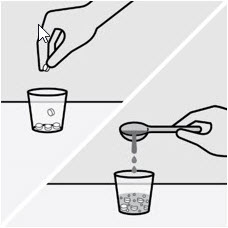
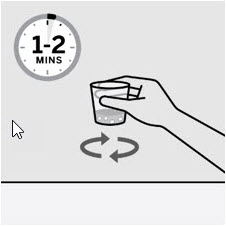
Inform patients and caregivers that EDURANT PED tablets for oral suspension should be dispersed in drinking water and should not be crushed, chewed, or swallowed whole
[see
Dosage and Administration (2.4)].
If the patient misses a dose of EDURANT or EDURANT PED within 12 hours of the time it is usually taken, advise the patient to take EDURANT or EDURANT PED with a meal as soon as possible and then take the next dose of EDURANT or EDURANT PED at the regularly scheduled time. If a patient misses a dose of EDURANT or EDURANT PED by more than 12 hours, advise the patient to not take the missed dose, but resume the usual dosing schedule. Inform the patient that he or she should not take more or less than the prescribed dose of EDURANT or EDURANT PED at any one time.
Pregnancy Registry
Advise patients that there is a pregnancy exposure registry that monitors pregnancy outcomes in women exposed to EDURANT during pregnancy
[see
Use in Specific Populations (8.1)].
Lactation
Inform individuals with HIV-1 infection that the potential risks of breastfeeding include: (1) HIV-1 transmission (in HIV-1-negative infants), (2) developing viral resistance (in HIV-1-positive infants), and (3) adverse reactions in a breastfed infant similar to those seen in adults
[see
Use in Specific Populations (8.2)]
.
Manufactured for:
Janssen Products, LP
Horsham, PA 19044, USA
For patent information: www.janssenpatents.com
© Johnson & Johnson and its affiliates 2011, 2024