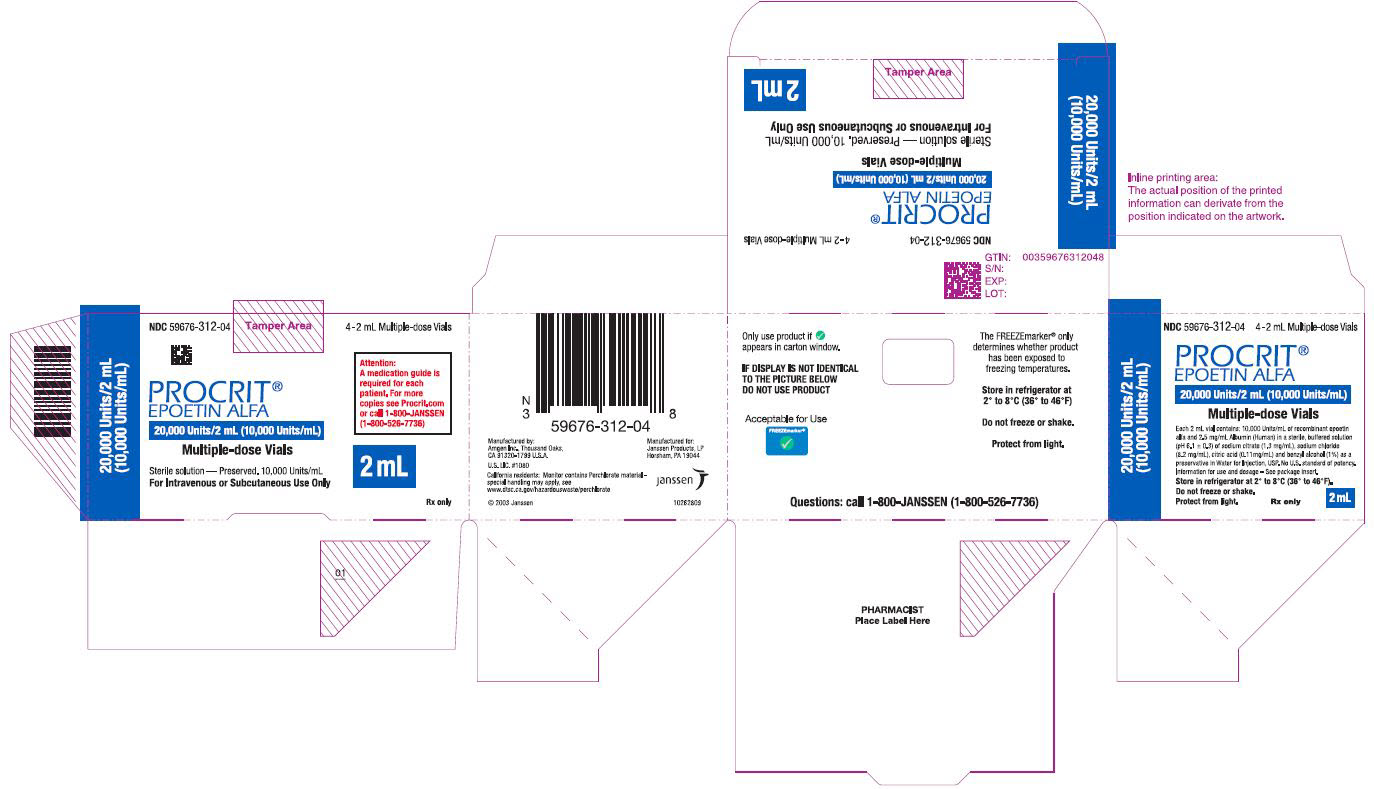
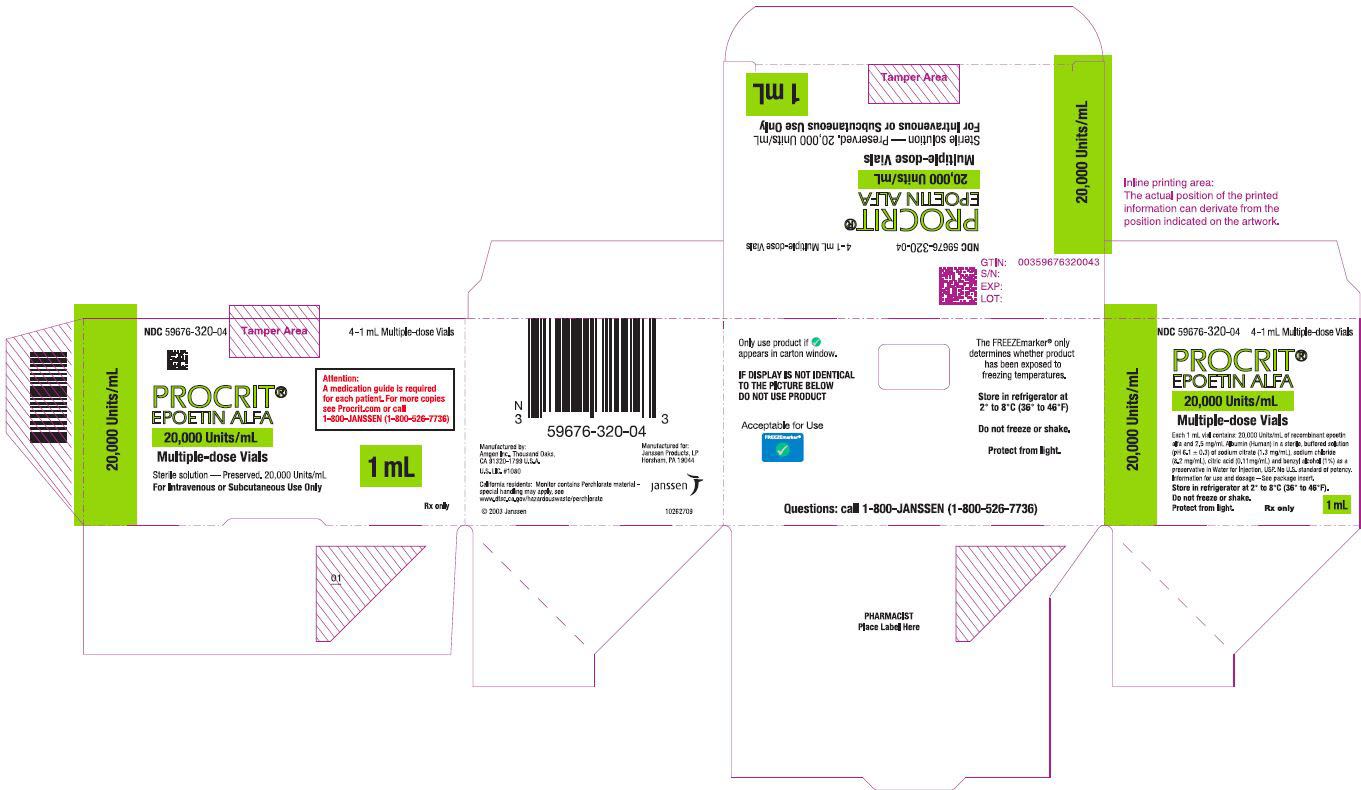
Other
Chronic Kidney Disease:
- In controlled trials, patients experienced greater risks for death, serious adverse cardiovascular reactions, and stroke when administered erythropoiesis-stimulating agents (ESAs) to target a hemoglobin level of greater than 11 g/dL [see Warnings and Precautions (5.1)].
- No trial has identified a hemoglobin target level, ESA dose, or dosing strategy that does not increase these risks [see Dosage and Administration (2.2)].
- Use the lowest PROCRIT dose sufficient to reduce the need for red blood cell (RBC) transfusions [see Warnings and Precautions (5.1)].
- ESAs shortened overall survival and/or increased the risk of tumor progression or recurrence in clinical studies of patients with breast, non-small cell lung, head and neck, lymphoid, and cervical cancers [see Warnings and Precautions (5.2)].
- To decrease these risks, as well as the risk of serious cardiovascular and thromboembolic reactions, use the lowest dose needed to avoid RBC transfusions [see Dosage and Administration (2.4)].
- Use ESAs only for anemia from myelosuppressive chemotherapy [see Indications and Usage (1.3)].
- ESAs are not indicated for patients receiving myelosuppressive chemotherapy when the anticipated outcome is cure [see Indications and Usage (1.5)].
- Discontinue following the completion of a chemotherapy course [see Dosage and Administration (2.4)].
- Due to increased risk of Deep Venous Thrombosis (DVT), DVT prophylaxis is recommended [see Dosage and Administration (2.5), Warnings and Precautions (5.1)].
- Do not increase the dose more frequently than once every 4 weeks. Decreases in dose can occur more frequently. Avoid frequent dose adjustments.
- If the hemoglobin rises rapidly (e.g., more than 1 g/dL in any 2-week period), reduce the dose of PROCRIT by 25% or more as needed to reduce rapid responses.
- For patients who do not respond adequately, if the hemoglobin has not increased by more than 1 g/dL after 4 weeks of therapy, increase the dose by 25%.
- For patients who do not respond adequately over a 12-week escalation period, increasing the PROCRIT dose further is unlikely to improve response and may increase risks. Use the lowest dose that will maintain a hemoglobin level sufficient to reduce the need for RBC transfusions. Evaluate other causes of anemia. Discontinue PROCRIT if responsiveness does not improve.
- Initiate PROCRIT treatment when the hemoglobin level is less than 10 g/dL.
- If the hemoglobin level approaches or exceeds 11 g/dL, reduce or interrupt the dose of PROCRIT.
- The recommended starting dose for adult patients is 50 to 100 Units/kg 3 times weekly intravenously or subcutaneously. The intravenous route is recommended for patients on hemodialysis.
- Consider initiating PROCRIT treatment only when the hemoglobin level is less than 10 g/dL and the following considerations apply:
- The rate of hemoglobin decline indicates the likelihood of requiring a RBC transfusion and,
- Reducing the risk of alloimmunization and/or other RBC transfusion-related risks is a goal
- If the hemoglobin level exceeds 10 g/dL, reduce or interrupt the dose of PROCRIT, and use the lowest dose of PROCRIT sufficient to reduce the need for RBC transfusions.
- The recommended starting dose for adult patients is 50 to 100 Units/kg 3 times weekly intravenously or subcutaneously.
- Initiate PROCRIT treatment only when the hemoglobin level is less than 10 g/dL.
- If the hemoglobin level approaches or exceeds 12 g/dL, reduce or interrupt the dose of PROCRIT.
- The recommended starting dose for pediatric patients (ages 1 month or older) is 50 Units/kg 3 times weekly intravenously or subcutaneously.
- If hemoglobin does not increase after 8 weeks of therapy, increase PROCRIT dose by approximately 50 to 100 Units/kg at 4- to 8-week intervals until hemoglobin reaches a level needed to avoid RBC transfusions or 300 Units/kg.
- Withhold PROCRIT if hemoglobin exceeds 12 g/dL. Resume therapy at a dose 25% below the previous dose when hemoglobin declines to less than 11 g/dL.
- 150 Units/kg subcutaneously 3 times per week until completion of a chemotherapy course or
- 40,000 Units subcutaneously weekly until completion of a chemotherapy course.
- 600 Units/kg intravenously weekly until completion of a chemotherapy course.
- Hemoglobin increases greater than 1 g/dL in any 2-week period or
- Hemoglobin reaches a level needed to avoid RBC transfusion.
- 300 Units/kg three times per week in adults or
- 60,000 Units weekly in adults
- 900 Units/kg (maximum 60,000 Units) weekly in pediatric patients
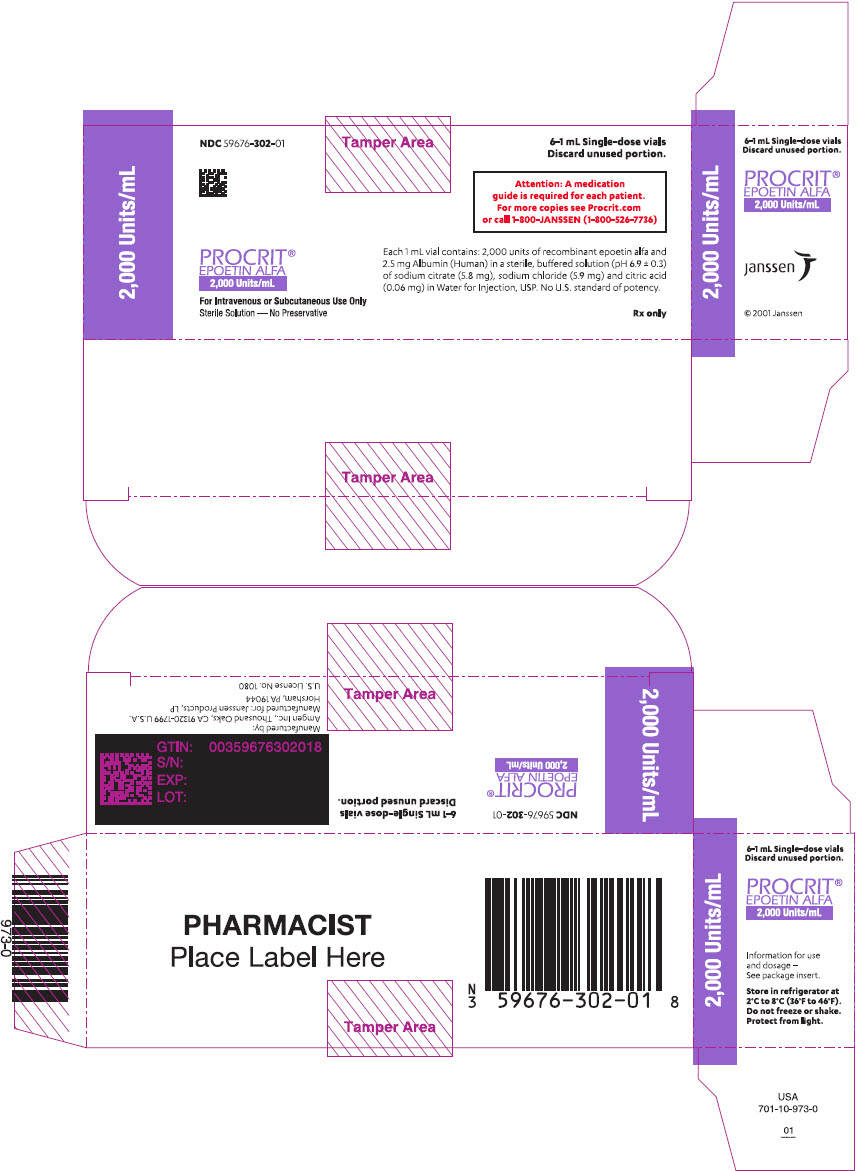
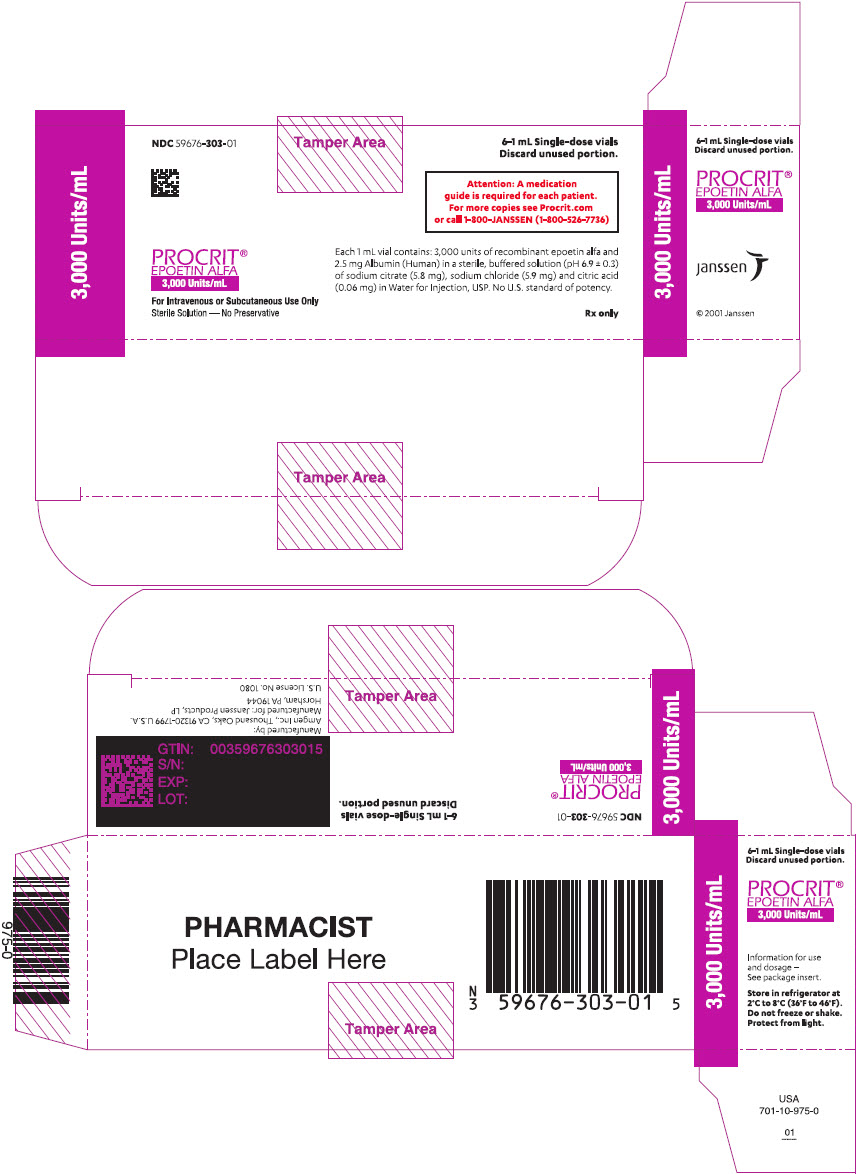
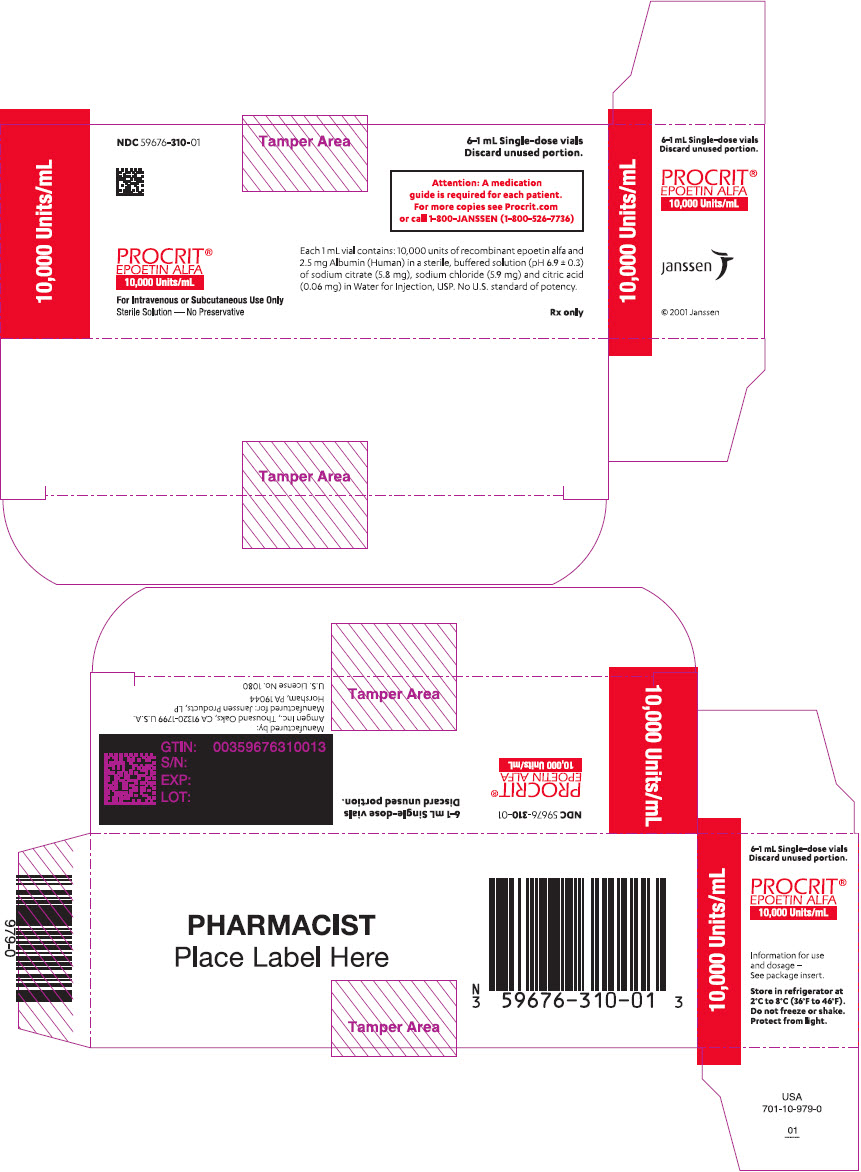
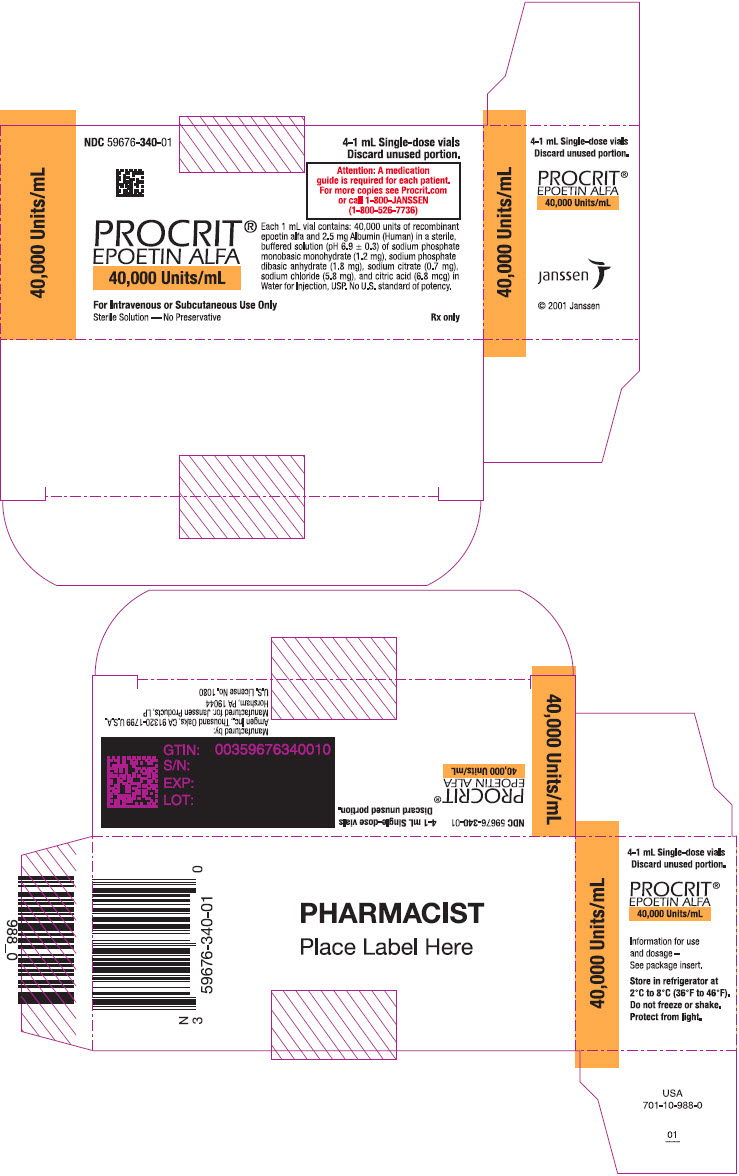
- The name PROCRIT appears on the carton and vial label.
- The expiration date on the vial label has not passed. Do not use a vial of PROCRIT after the expiration date on the label.
- The dose strength of the PROCRIT vial (number of Units per mL on the vial label) is the same as your healthcare provider prescribed.
- You understand what the dose strength of PROCRIT means. PROCRIT vials come in several dose strengths. For example, the dose strength may be described as 10,000 Units/mL on the vial label. This strength means that 10,000 Units of medicine are contained in each 1 mL (milliliter) of liquid. Your healthcare provider may also refer to a mL as a "cc." One mL is the same as one "cc."
- The PROCRIT liquid in the vial is clear and colorless. Do not use PROCRIT if the liquid in the vial looks discolored or cloudy, or if the liquid has lumps, flakes, or particles.
- The PROCRIT vial has a color cap on the top of the vial. Do not use a vial of PROCRIT if the color cap on the top of the vial has been removed or is missing.
- Use only the type of disposable syringe and needle that your healthcare provider has prescribed.
- Do not shake PROCRIT. Shaking could cause PROCRIT not to work. If you shake PROCRIT, the solution in the vial may look foamy and should not be used.
- Do not freeze PROCRIT. Do not use a vial of PROCRIT that has been frozen.
- Store PROCRIT in the refrigerator between 36°F to 46°F (2°C to 8°C).
- Keep PROCRIT away from light.
- Single-dose vials of PROCRIT should be used only one time. Throw the vial away after use even if there is medicine left in the vial.
- After removing a dose from the multidose vial, store the vial in the refrigerator (but not the freezer). Do not store the vial for more than 21 days.
- Throw away the multidose vial as directed by your healthcare provider:
- if there is not enough medicine left in the multidose vial for another dose, or
- if it has been more than 21 days since you first put a needle into the multidose vial.
- Always keep an extra syringe and needle on hand.
- Follow your healthcare provider's instructions on how to measure your dose of PROCRIT. This dose will be measured in Units per mL or cc (1 mL is the same as 1 cc). Use a syringe that is marked in tenths of mL (for example, 0.2 mL or 0.2 cc). Using the wrong syringe can lead to a mistake in your dose and you could inject too much or too little PROCRIT.
- Single-dose Vials
- Multidose Vials
- Remove the vial of PROCRIT from the refrigerator. During this time, protect the solution from light.
- Do not use a single-dose vial of PROCRIT more than one time.
- Do not shake PROCRIT.
- Gather the other supplies you will need for your injection (vial, syringe, alcohol wipes, cotton ball, and a puncture-proof container for throwing away the syringe and needle). See Figure 1.
5. Check the date on the PROCRIT vial to be sure that the drug has not expired.6. Wash your hands well with soap and water before preparing the medicine. See Figure 2.7. Flip off the protective color cap on the top of the vial. Do not remove the grey rubber stopper. Wipe the top of the grey rubber stopper with an alcohol wipe. See Figures 3 and 4.8. Check the package containing the syringe. If the package has been opened or damaged, do not use that syringe. Throw away the syringe in the puncture-proof disposable container. If the syringe package is undamaged, open the package and remove the syringe.9. Using a syringe and needle that has been recommended by your healthcare provider, carefully remove the needle cover. See Figure 5. Then draw air into the syringe by pulling back on the plunger. The amount of air drawn into the syringe should be equal to the amount (mL or cc) of the PROCRIT dose prescribed by your healthcare provider. See Figure 6.10. With the vial on a flat work surface, insert the needle straight down through the grey rubber stopper of the PROCRIT vial. See Figure 7.11. Push the plunger of the syringe down to inject the air from the syringe into the vial of PROCRIT. The air injected into the vial will allow PROCRIT to be easily withdrawn into the syringe. See Figure 7.12. Keep the needle inside the vial. Turn the vial and syringe upside down. Be sure the tip of the needle is in the PROCRIT liquid. Keep the vial upside down. Slowly pull back on the plunger to fill the syringe with PROCRIT liquid to the number (mL or cc) that matches the dose your healthcare provider prescribed. See Figure 8.13. Keep the needle in the vial. Check for air bubbles in the syringe. A small amount of air is harmless. Too large an air bubble will give you the wrong PROCRIT dose. To remove air bubbles, gently tap the syringe with your fingers until the air bubbles rise to the top of the syringe. Slowly push the plunger up to force the air bubbles out of the syringe. Keep the tip of the needle in the PROCRIT liquid. Pull the plunger back to the number on the syringe that matches your dose. Check again for air bubbles. If there are still air bubbles, repeat the steps above to remove them. See Figures 9 and 10.14. Double-check that you have the correct dose in the syringe. Lay the vial down on its side with the needle still in it until after you have selected and prepared your site for injection.1. Subcutaneous Route:- PROCRIT can be injected directly into a layer of fat under your skin. This is called a subcutaneous injection. When giving subcutaneous injections, follow your healthcare provider's instructions about changing the site for each injection. You may wish to write down the site where you have injected.
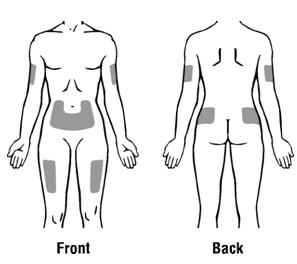
- Do not inject PROCRIT into an area that is tender, red, bruised, hard, or has scars or stretch marks. Recommended sites for injection are shown in Figure 11 below, including:
- The outer area of the upper arms
- The abdomen (except for the 2-inch area around the navel)
- The front of the middle thighs
- The upper outer area of the buttocks
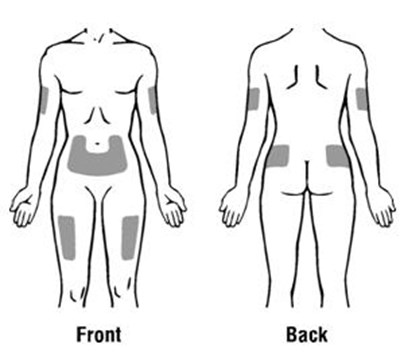
Figure 11 (Procrit 11)
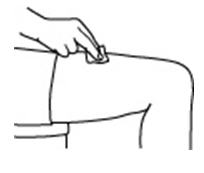
Figure 11 - Clean the skin with an alcohol wipe where the injection is to be made. Be careful not to touch the skin that has been wiped clean. See Figure 12.
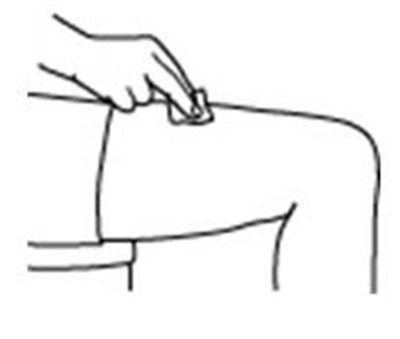
Figure 12 (Procrit 12)
Figure 12 - Double-check that the correct amount of PROCRIT is in the syringe.
- Remove the prepared syringe and needle from the vial of PROCRIT and hold it in the hand that you will use to inject the medicine.
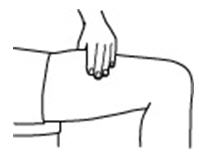
- Use the other hand to pinch a fold of skin at the cleaned injection site. Do not touch the cleaned area of skin. See Figure 13.

Figure 13 (Procrit 13)
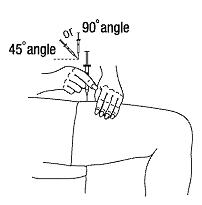
Figure 13 - Hold the syringe like you would hold a pencil. Use a quick "dart-like" motion to insert the needle either straight up and down (90-degree angle) or at a slight angle (45 degrees) into the skin. Inject the prescribed dose subcutaneously as directed by your doctor, nurse or pharmacist. See Figure 14.

Figure 14 (Procrit 14)
Figure 14 - Pull the needle out of the skin and press a cotton ball or gauze over the injection site and hold it there for several seconds. Do not recap the needle.
- Dispose of the used syringe and needle as described below. Do not reuse syringes and needles.
2. Intravenous Route:- PROCRIT can be injected in your vein through a special access port placed by your healthcare provider. This type of PROCRIT injection is called an intravenous (IV) injection. This route is usually for hemodialysis patients.
- If you have a dialysis vascular access, make sure it is working by checking it as your healthcare provider has shown you. Be sure to let your healthcare provider know right away if you are having any problems, or if you have any questions.
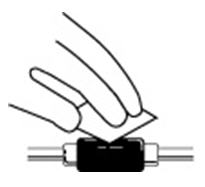
- Wipe off the venous port of the hemodialysis tubing with an alcohol wipe. See Figure 15.
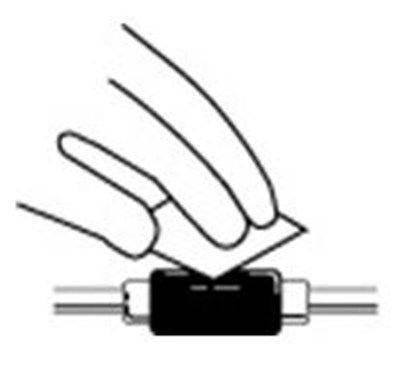
Figure 15 (Procrit 15)
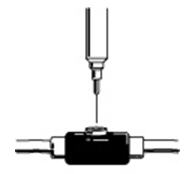
Figure 15 - Insert the needle of the syringe into the cleaned venous port and push the plunger all the way down to inject all the PROCRIT. See Figure 16.

Figure 16 (Procrit 16)
Figure 16 - Remove the syringe from the venous port. Do not recap the needle.
- Dispose of the used syringe and needle as described below.
- Do not throw the vials, syringes, or needles in the household trash or recycle.
- Do not put the needle cover back on the needle.
- Place all used needles and syringes in a puncture-proof disposable container with a lid. Do not use glass or clear plastic containers, or any container that will be recycled or returned to a store.
- Keep the puncture-proof disposable container out of the reach of children.
- When the puncture-proof disposable container is full, tape around the cap or lid to make sure the cap or lid does not come off. Throw away the puncture-proof disposable container as instructed by your healthcare provider. There may be special state and local laws for disposing of used needles and syringes. Do not throw the puncture-proof disposable container in the household trash. Do not recycle.
Cancer:
Perisurgery:
Evaluation of Iron Stores and Nutritional Factors
Evaluate the iron status in all patients before and during treatment. Administer supplemental iron therapy when serum ferritin is less than 100 mcg/L or when serum transferrin saturation is less than 20%. The majority of patients with CKD will require supplemental iron during the course of ESA therapy.
Monitoring of Response to Therapy
Correct or exclude other causes of anemia (e.g., vitamin deficiency, metabolic or chronic inflammatory conditions, bleeding, etc.) before initiating PROCRIT. Following initiation of therapy and after each dose adjustment, monitor hemoglobin weekly until the hemoglobin level is stable and sufficient to minimize the need for RBC transfusion.
Selection of Formulation
In pregnant women, lactating women, neonates, and infants use only single-dose vials (the benzyl alcohol-free formulation) [see Contraindications (4) and Use in Specific Populations (8.1, 8.2, and 8.4)].
For all patients with CKD:
When initiating or adjusting therapy, monitor hemoglobin levels at least weekly until stable, then monitor at least monthly. When adjusting therapy consider hemoglobin rate of rise, rate of decline, ESA responsiveness and hemoglobin variability. A single hemoglobin excursion may not require a dosing change.
For adult patients with CKD on dialysis:
For adult patients with CKD not on dialysis:
For pediatric patients with CKD:
When treating patients who have chronic kidney disease and cancer, physicians should refer to Warnings and Precautions (5.1 and 5.2).
Starting Dose
The recommended starting dose in adults is 100 Units/kg as an intravenous or subcutaneous injection 3 times per week.
Dose Adjustment
Discontinue PROCRIT if an increase in hemoglobin is not achieved at a dose of 300 Units/kg for 8 weeks.
Recommended Starting Dose
Adults:
Pediatric Patients (5 to 18 years):
Dose Reduction
Reduce dose by 25% if:
Withhold dose if hemoglobin exceeds a level needed to avoid RBC transfusion. Reinitiate at a dose 25% below the previous dose when hemoglobin approaches a level where RBC transfusions may be required.
Dose Increase
After the initial 4 weeks of PROCRIT therapy, if hemoglobin increases by less than 1 g/dL and remains below 10 g/dL, increase dose to:
After 8 weeks of therapy, if there is no response as measured by hemoglobin levels or if RBC transfusions are still required, discontinue PROCRIT.
Patients with Chronic Kidney Disease
Normal Hematocrit Study (NHS): A prospective, randomized, open-label study of 1265 patients with chronic kidney disease on dialysis with documented evidence of congestive heart failure or ischemic heart disease was designed to test the hypothesis that a higher target hematocrit (Hct) would result in improved outcomes compared with a lower target Hct. In this study, patients were randomized to epoetin alfa treatment targeted to a maintenance hemoglobin of either 14 ± 1 g/dL or 10 ± 1 g/dL. The trial was terminated early with adverse safety findings of higher mortality in the high hematocrit target group. Higher mortality (35% vs. 29%) was observed for the patients randomized to a target hemoglobin of 14 g/dL than for the patients randomized to a target hemoglobin of 10 g/dL. For all-cause mortality, the HR=1.27; 95% CI (1.04, 1.54); p=0.018. The incidence of nonfatal myocardial infarction, vascular access thrombosis, and other thrombotic events was also higher in the group randomized to a target hemoglobin of 14 g/dL.
CHOIR: A randomized, prospective trial, 1432 patients with anemia due to CKD who were not undergoing dialysis and who had not previously received epoetin alfa therapy were randomized to epoetin alfa treatment targeting a maintenance hemoglobin concentration of either 13.5 g/dL or 11.3 g/dL. The trial was terminated early with adverse safety findings. A major cardiovascular event (death, myocardial infarction, stroke, or hospitalization for congestive heart failure) occurred in 125 of the 715 patients (18%) in the higher hemoglobin group compared to 97 of the 717 patients (14%) in the lower hemoglobin group [hazard ratio (HR) 1.34, 95% CI: 1.03, 1.74; p=0.03].
TREAT: A randomized, double-blind, placebo-controlled, prospective trial of 4038 patients with: CKD not on dialysis (eGFR of 20 – 60 mL/min), anemia (hemoglobin levels ≤ 11 g/dL), and type 2 diabetes mellitus, patients were randomized to receive either darbepoetin alfa treatment or a matching placebo. Placebo group patients also received darbepoetin alfa when their hemoglobin levels were below 9 g/dL. The trial objectives were to demonstrate the benefit of darbepoetin alfa treatment of the anemia to a target hemoglobin level of 13 g/dL, when compared to a "placebo" group, by reducing the occurrence of either of two primary endpoints: (1) a composite cardiovascular endpoint of all-cause mortality or a specified cardiovascular event (myocardial ischemia, CHF, MI, and CVA) or (2) a composite renal endpoint of all-cause mortality or progression to end stage renal disease. The overall risks for each of the two primary endpoints (the cardiovascular composite and the renal composite) were not reduced with darbepoetin alfa treatment (see Table 1), but the risk of stroke was increased nearly two-fold in the darbepoetin alfa -treated group versus the placebo group: annualized stroke rate 2.1% vs. 1.1%, respectively, HR 1.92; 95% CI: 1.38, 2.68; p < 0.001. The relative risk of stroke was particularly high in patients with a prior stroke: annualized stroke rate 5.2% in the darbepoetin alfa-treated group and 1.9% in the placebo group, HR 3.07; 95% CI: 1.44, 6.54. Also, among darbepoetin alfa-treated subjects with a past history of cancer, there were more deaths due to all causes and more deaths adjudicated as due to cancer, in comparison with the control group.
Patients with Cancer
An increased incidence of thromboembolic reactions, some serious and life-threatening, occurred in patients with cancer treated with ESAs.
In a randomized, placebo-controlled study (Study 2 in Table 2 [see Warnings and Precautions (5.2)]) of 939 women with metastatic breast cancer receiving chemotherapy, patients received either weekly epoetin alfa or placebo for up to a year. This study was designed to show that survival was superior when epoetin alfa was administered to prevent anemia (maintain hemoglobin levels between 12 and 14 g/dL or hematocrit between 36% and 42%). This study was terminated prematurely when interim results demonstrated a higher mortality at 4 months (8.7% vs. 3.4%) and a higher rate of fatal thrombotic reactions (1.1% vs. 0.2%) in the first 4 months of the study among patients treated with epoetin alfa. Based on Kaplan-Meier estimates, at the time of study termination, the 12-month survival was lower in the epoetin alfa group than in the placebo group (70% vs. 76%; HR 1.37, 95% CI: 1.07, 1.75; p=0.012).
Patients Having Surgery
An increased incidence of deep venous thrombosis (DVT) in patients receiving epoetin alfa undergoing surgical orthopedic procedures was demonstrated [see Adverse Reactions (6.1)]. In a randomized, controlled study, 680 adult patients, not receiving prophylactic anticoagulation and undergoing spinal surgery, were randomized to 4 doses of 600 Units/kg epoetin alfa (7, 14, and 21 days before surgery, and the day of surgery) and standard of care (SOC) treatment (n=340) or to SOC treatment alone (n=340). A higher incidence of DVTs, determined by either color flow duplex imaging or by clinical symptoms, was observed in the epoetin alfa group (16 [4.7%] patients) compared with the SOC group (7 [2.1%] patients). In addition to the 23 patients with DVTs included in the primary analysis, 19 [2.8%] patients (n=680) experienced 1 other thrombovascular event (TVE) each (12 [3.5%] in the epoetin alfa group and 7 [2.1%] in the SOC group). Deep venous thrombosis prophylaxis is strongly recommended when ESAs are used for the reduction of allogeneic RBC transfusions in surgical patients [see Dosage and Administration (2.5)].
Increased mortality was observed in a randomized, placebo-controlled study of PROCRIT in adult patients who were undergoing CABG surgery (7 deaths in 126 patients randomized to PROCRIT versus no deaths among 56 patients receiving placebo). Four of these deaths occurred during the period of study drug administration and all 4 deaths were associated with thrombotic events.
Decreased Overall Survival
Study 2 was described in the previous section [see Warnings and Precautions (5.1)]. Mortality at 4 months (8.7% vs. 3.4%) was significantly higher in the epoetin alfa arm. The most common investigator-attributed cause of death within the first 4 months was disease progression; 28 of 41 deaths in the epoetin alfa arm and 13 of 16 deaths in the placebo arm were attributed to disease progression. Investigator-assessed time to tumor progression was not different between the 2 groups. Survival at 12 months was significantly lower in the epoetin alfa arm (70% vs. 76%; HR 1.37, 95% CI: 1.07, 1.75; p=0.012).
Study 3 was a randomized, double-blind study (darbepoetin alfa vs. placebo) conducted in 344 anemic patients with lymphoid malignancy receiving chemotherapy. With a median follow-up of 29 months, overall mortality rates were significantly higher among patients randomized to darbepoetin alfa as compared to placebo (HR 1.36, 95% CI: 1.02, 1.82).
Study 8 was a multicenter, randomized, double-blind study (epoetin alfa vs. placebo) in which patients with advanced non-small cell lung cancer receiving only palliative radiotherapy or no active therapy were treated with epoetin alfa to achieve and maintain hemoglobin levels between 12 and 14 g/dL. Following an interim analysis of 70 patients (planned accrual 300 patients), a significant difference in survival in favor of the patients in the placebo arm of the study was observed (median survival 63 vs. 129 days; HR 1.84; p=0.04).
Study 9 was a randomized, double-blind study (darbepoetin alfa vs. placebo) in 989 anemic patients with active malignant disease, neither receiving nor planning to receive chemotherapy or radiation therapy. There was no evidence of a statistically significant reduction in proportion of patients receiving RBC transfusions. The median survival was shorter in the darbepoetin alfa treatment group than in the placebo group (8 months vs. 10.8 months; HR 1.30, 95% CI: 1.07, 1.57).
Decreased Progression-free Survival and Overall Survival
Study 1 was a randomized, open-label, multicenter study in 2,098 anemic women with metastatic breast cancer, who received first line or second line chemotherapy. This was a non-inferiority study designed to rule out a 15% risk increase in tumor progression or death of epoetin alfa plus standard of care (SOC) as compared with SOC alone. The median progression free survival (PFS) per investigator assessment of disease progression was 7.4 months in each arm (HR 1.09, 95% CI: 0.99, 1.20), indicating the study objective was not met. At the time of clinical data cutoff, 1337 deaths were reported. Median overall survival in the epoetin alfa plus SOC group was 17.2 months compared with 17.4 months in the SOC alone group (HR 1.06, 95% CI: 0.95, 1.18). There were more deaths from disease progression in the epoetin alfa plus SOC arm (59% vs. 56%) and more thrombotic vascular events in the epoetin alfa plus SOC arm (3% vs. 1%).
Study 4 was a randomized, open-label, controlled, factorial design study in which darbepoetin alfa was administered to prevent anemia in 733 women receiving neo-adjuvant breast cancer treatment. A final analysis was performed after a median follow-up of approximately 3 years. The 3-year survival rate was lower (86% vs. 90%; HR 1.42, 95% CI: 0.93, 2.18) and the 3-year relapse-free survival rate was lower (72% vs. 78%; HR 1.33, 95% CI: 0.99, 1.79) in the darbepoetin alfa-treated arm compared to the control arm.
Study 5 was a randomized, open-label, controlled study that enrolled 114 of a planned 460 cervical cancer patients receiving chemotherapy and radiotherapy. Patients were randomized to receive epoetin alfa to maintain hemoglobin between 12 and 14 g/dL or to RBC transfusion support as needed. The study was terminated prematurely due to an increase in thromboembolic adverse reactions in epoetin alfa-treated patients compared to control (19% vs. 9%). Both local recurrence (21% vs. 20%) and distant recurrence (12% vs. 7%) were more frequent in epoetin alfa-treated patients compared to control. Progression-free survival at 3 years was lower in the epoetin alfa-treated group compared to control (59% vs. 62%; HR 1.06, 95% CI: 0.58, 1.91). Overall survival at 3 years was lower in the epoetin alfa-treated group compared to control (61% vs. 71%; HR 1.28, 95% CI: 0.68, 2.42).
Study 6 was a randomized, placebo-controlled study in 351 head and neck cancer patients where epoetin beta or placebo was administered to achieve target hemoglobins ≥ 14 and ≥ 15 g/dL for women and men, respectively. Locoregional progression-free survival was significantly shorter in patients receiving epoetin beta (HR 1.62, 95% CI: 1.22, 2.14; p=0.0008) with medians of 406 days and 745 days in the epoetin beta and placebo arms, respectively. Overall survival was significantly shorter in patients receiving epoetin beta (HR 1.39, 95% CI: 1.05, 1.84; p=0.02).
Decreased Locoregional Control
Study 7 was a randomized, open-label, controlled study conducted in 522 patients with primary squamous cell carcinoma of the head and neck receiving radiation therapy alone (no chemotherapy) who were randomized to receive darbepoetin alfa to maintain hemoglobin levels of 14 to 15.5 g/dL or no darbepoetin alfa. An interim analysis performed on 484 patients demonstrated that locoregional control at 5 years was significantly shorter in patients receiving darbepoetin alfa (RR 1.44, 95% CI: 1.06, 1.96; p=0.02). Overall survival was shorter in patients receiving darbepoetin alfa (RR 1.28, 95% CI: 0.98, 1.68; p=0.08).
Patients with Chronic Kidney Disease
Adult Patients
Three double-blind, placebo-controlled studies, including 244 patients with CKD on dialysis, were used to identify the adverse reactions to PROCRIT. In these studies, the mean age of patients was 48 years (range: 20 to 80 years). One hundred and thirty-three (55%) patients were men. The racial distribution was as follows: 177 (73%) patients were white, 48 (20%) patients were black, 4 (2%) patients were Asian, 12 (5%) patients were other, and racial information was missing for 3 (1%) patients.
Two double-blind, placebo-controlled studies, including 210 patients with CKD not on dialysis, were used to identify the adverse reactions to PROCRIT. In these studies, the mean age of patients was 57 years (range: 24 to 79 years). One hundred and twenty-one (58%) patients were men. The racial distribution was as follows: 164 (78%) patients were white, 38 (18%) patients were black, 3 (1%) patients were Asian, 3 (1%) patients were other, and racial information was missing for 2 (1%) patients.
The adverse reactions with a reported incidence of ≥ 5% in PROCRIT-treated patients and that occurred at a ≥ 1% higher frequency than in placebo-treated patients are shown in the table below:
| Adverse Reaction | PROCRIT-treated Patients (n=148) | Placebo-treated Patients (n=96) |
|---|---|---|
| Hypertension | 27.7% | 12.5% |
| Arthralgia | 16.2% | 3.1% |
| Muscle spasm | 7.4% | 6.3% |
| Pyrexia | 10.1% | 8.3% |
| Dizziness | 9.5% | 8.3% |
| Medical Device Malfunction (artificial kidney clotting during dialysis) | 8.1% | 4.2% |
| Vascular Occlusion (vascular access thrombosis) | 8.1% | 2.1% |
| Upper respiratory tract infection | 6.8% | 5.2% |
An additional serious adverse reaction that occurred in less than 5% of epoetin alfa-treated dialysis patients and greater than placebo was thrombosis (2.7% PROCRIT and 1% placebo) [see Warnings and Precautions (5.1)].
The adverse reactions with a reported incidence of ≥ 5% in PROCRIT-treated patients and that occurred at a ≥ 1% higher frequency than in placebo-treated patients are shown in the table below:
| Adverse Reactions | PROCRIT-treated Patients (n=131) | Placebo-treated Patients (n=79) |
|---|---|---|
| Hypertension | 13.7% | 10.1% |
| Arthralgia | 12.2% | 7.6% |
Additional serious adverse reactions that occurred in less than 5% of epoetin alfa-treated patients not on dialysis and greater than placebo were erythema (0.8% PROCRIT and 0% placebo) and myocardial infarction (0.8% PROCRIT and 0% placebo) [see Warnings and Precautions (5.1)].
Pediatric Patients
In pediatric patients with CKD on dialysis, the pattern of adverse reactions was similar to that found in adults.
Zidovudine-treated Patients with HIV-infection
A total of 297 zidovudine-treated patients with HIV-infection were studied in 4 placebo-controlled studies. A total of 144 (48%) patients were randomly assigned to receive PROCRIT and 153 (52%) patients were randomly assigned to receive placebo. PROCRIT was administered at doses between 100 and 200 Units/kg 3 times weekly subcutaneously for up to 12 weeks.
For the combined PROCRIT treatment groups, a total of 141 (98%) men and 3 (2%) women between the ages of 24 and 64 years were enrolled. The racial distribution of the combined PROCRIT treatment groups was as follows: 129 (90%) white, 8 (6%) black, 1 (1%) Asian, and 6 (4%) other.
In double-blind, placebo-controlled studies of 3 months duration involving approximately 300 zidovudine-treated patients with HIV-infection, adverse reactions with an incidence of ≥ 1% in patients treated with PROCRIT were:
| Adverse Reaction | PROCRIT (n=144) | Placebo (n=153) |
|---|---|---|
| Pyrexia | 42% | 34% |
| Cough | 26% | 14% |
| Rash | 19% | 7% |
| Injection site irritation | 7% | 4% |
| Urticaria | 3% | 1% |
| Respiratory tract congestion | 1% | Not reported |
| Pulmonary embolism | 1% | Not reported |
Patients with Cancer on Chemotherapy
The data below were obtained in Study C1, a 16-week, double-blind, placebo-controlled study that enrolled 344 patients with anemia secondary to chemotherapy. There were 333 patients who were evaluable for safety; 168 of 174 patients (97%) randomized to PROCRIT received at least 1 dose of study drug, and 165 of 170 patients (97%) randomized to placebo received at least 1 placebo dose. For the once weekly PROCRIT-treatment group, a total of 76 men (45%) and 92 women (55%) between the ages of 20 and 88 years were treated. The racial distribution of the PROCRIT-treatment group was 158 white (94%) and 10 black (6%). PROCRIT was administered once weekly for an average of 13 weeks at a dose of 20,000 to 60,000 IU subcutaneously (mean weekly dose was 49,000 IU).
The adverse reactions with a reported incidence of ≥ 5% in PROCRIT-treated patients that occurred at a higher frequency than in placebo-treated patients are shown in the table below:
| Adverse Reaction | PROCRIT (n=168) | Placebo (n=165) |
|---|---|---|
| Nausea | 35% | 30% |
| Vomiting | 20% | 16% |
| Myalgia | 10% | 5% |
| Arthralgia | 10% | 6% |
| Stomatitis | 10% | 8% |
| Cough | 9% | 7% |
| Weight decrease | 9% | 5% |
| Leukopenia | 8% | 7% |
| Bone pain | 7% | 4% |
| Rash | 7% | 5% |
| Hyperglycemia | 6% | 4% |
| Insomnia | 6% | 2% |
| Headache | 5% | 4% |
| Depression | 5% | 4% |
| Dysphagia | 5% | 2% |
| Hypokalemia | 5% | 3% |
| Thrombosis | 5% | 3% |
Surgery Patients
Four hundred sixty-one patients undergoing major orthopedic surgery were studied in a placebo-controlled study (S1) and a comparative dosing study (2 dosing regimens, S2). A total of 358 patients were randomly assigned to receive PROCRIT and 103 (22%) patients were randomly assigned to receive placebo. PROCRIT was administered daily at a dose of 100 to 300 IU/kg subcutaneously for 15 days or at 600 IU/kg once weekly for 4 weeks.
For the combined PROCRIT treatment groups, a total of 90 (25%) and 268 (75%) women between the ages of 29 and 89 years were enrolled. The racial distribution of the combined PROCRIT treatment groups was as follows: 288 (80%) white, 64 (18%) black, 1 (< 1%) Asian, and 5 (1%) other.
The adverse reactions with a reported incidence of ≥ 1% in PROCRIT-treated patients that occurred at a higher frequency than in placebo-treated patients are shown in the table below:
| Adverse Reaction | Study S1 | Study S2 | |||
|---|---|---|---|---|---|
| PROCRIT 300 U/kg | PROCRIT 100 U/kg | Placebo | PROCRIT 600 U/kg × 4 weeks | PROCRIT 300 U/kg × 15 days | |
| (n=112) Study included patients undergoing orthopedic surgery treated with PROCRIT or placebo for 15 days. | (n=101) | (n=103) | (n=73) Study included patients undergoing orthopedic surgery treated with PROCRIT 600 U/kg weekly for 4 weeks or 300 U/kg daily for 15 days. | (n=72) | |
| Nausea | 47% | 43% | 45% | 45% | 56% |
| Vomiting | 21% | 12% | 14% | 19% | 28% |
| Pruritus | 16% | 16% | 14% | 12% | 21% |
| Headache | 13% | 11% | 9% | 10% | 18% |
| Injection site pain | 13% | 9% | 8% | 12% | 11% |
| Chills | 7% | 4% | 1% | 1% | 0% |
| Deep vein thrombosis | 6% | 3% | 3% | 0% DVTs were determined by clinical symptoms. | 0% |
| Cough | 5% | 4% | 0% | 4% | 4% |
| Hypertension | 5% | 3% | 5% | 5% | 6% |
| Rash | 2% | 2% | 1% | 3% | 3% |
| Edema | 1% | 2% | 2% | 1% | 3% |
Risk Summary
PROCRIT from multiple-dose vials contains benzyl alcohol and is contraindicated in pregnant women [see Contraindications (4)]. When therapy with PROCRIT is needed during pregnancy, use a benzyl alcohol-free formulation (i.e., single-dose vial). Do not mix PROCRIT with bacteriostatic saline when administering to pregnant women because it contains benzyl alcohol (see Clinical Considerations) [see Dosage and Administration (2.1)].
The limited available data on PROCRIT use in pregnant women are insufficient to determine a drug-associated risk of adverse developmental outcomes. In animal reproductive and developmental toxicity studies, adverse fetal effects including embryo-fetal death, skeletal anomalies, and growth defects occurred when pregnant rats received epoetin alfa at doses approximating the clinical recommended starting doses (see Data). Consider the benefits and risks of PROCRIT single-dose vials for the mother and possible risks to the fetus when prescribing PROCRIT to a pregnant woman.
The estimated background risk of major birth defects and miscarriage for the indicated population is unknown. . All pregnancies have a background risk of birth defect, loss, or other adverse outcomes. In the U.S. general population, the estimated background risks of major birth defects and miscarriage in clinically recognized pregnancies is 2–4% and 15–20%, respectively.
Clinical Considerations
Fetal/Neonatal Adverse Reactions
The multiple-dose vials of PROCRIT contain benzyl alcohol. The preservative benzyl alcohol has been associated with serious adverse reactions and death when administered intravenously to neonates and infants [see Warnings and Precautions (5.9), Use in Specific Populations (8.4)]. There is a potential for similar risks to fetuses exposed to benzyl alcohol in utero.
Data
Human Data
There are reports of pregnant women with anemia alone or anemia associated with severe renal disease and other hematologic disorders who received PROCRIT. Polyhydramnios and intrauterine growth restriction were reported in women with chronic renal disease, which is associated with an increased risk for these adverse pregnancy outcomes. Due to the limited number of exposed pregnancies and multiple confounding factors (such as underlying maternal conditions, other maternal medications, and gestational timing of exposure), these published case reports and studies do not reliably estimate the frequency, presence or absence of adverse outcomes.
Animal Data
When rats received PROCRIT at doses greater than or equal to 100 Units/kg/day during mating and through early pregnancy (dosing stopped prior to organogenesis), there were slight increases in the incidences of pre- and post-implantation loss, and a decrease in live fetuses in the presence of maternal toxicity (red limbs/pinna, focal splenic capsular toxicity, increased organ weights). This animal dose level of 100 Units/kg/day may approximate the clinical recommended starting dose, depending on the treatment indication. When pregnant rats and rabbits received intravenous doses of up to 500 mg/kg/day of PROCRIT only during organogenesis (gestational days 7 to 17 in rats and gestational days 6 to 18 in rabbits), no teratogenic effects were observed in the offspring. The offspring (F1 generation) of the treated rats were observed postnatally; rats from the F1 generation reached maturity and were mated; no PROCRIT-related effects were apparent for their offspring (F2 generation fetuses).
When pregnant rats received PROCRIT at doses of 500 Units/kg/day late in pregnancy (after the period of organogenesis from day 17 of gestation through day 21 of lactation), pups exhibited decreased number of caudal vertebrae, decreased body weight gain, and delayed appearance of abdominal hair, eyelid opening, and ossification in the presence of maternal toxicity (red limbs/pinna, increased organ weights). This animal dose level of 500 U/kg/day is approximately five times the clinical recommended starting dose depending on the patient's treatment indication.
Risk Summary
PROCRIT from multiple-dose vials contains benzyl alcohol and is contraindicated in lactating women [see Contraindications (4), Warnings and Precautions (5.9)]. Advise a lactating woman not to breastfeed for at least 2 weeks after the last dose. The preservative benzyl alcohol has been associated with serious adverse reactions and death when administered intravenously to neonates and infants [see Use in Specific Populations (8.4)]. There is a potential for similar risks to infants exposed to benzyl alcohol through human milk.
Do not mix PROCRIT with bacteriostatic saline containing benzyl alcohol, if administering PROCRIT to a lactating woman [see Dosage and Administration (2.1)].
There is no information regarding the presence of PROCRIT in human milk, the effects on the breastfed infant, or the effects on milk production. However, endogenous erythropoietin is present in human milk. Because many drugs are present in human milk, caution should be exercised when PROCRIT from single-dose vials is administered to a lactating woman.
Pediatric Patients with CKD
PROCRIT is indicated in pediatric patients, ages 1 month to 16 years of age, for the treatment of anemia associated with CKD requiring dialysis. Safety and effectiveness in pediatric patients less than 1 month old have not been established [see Clinical Studies (14.1)].
Use of PROCRIT in pediatric patients with CKD not requiring dialysis is supported by efficacy in pediatric patients requiring dialysis. The mechanism of action of PROCRIT is the same for these two populations. Published literature also has reported the use of PROCRIT in pediatric patients with CKD not requiring dialysis. Dose-dependent increases in hemoglobin and hematocrit were observed with reductions in transfusion requirements.
The safety data from the pediatric studies and postmarketing reports are similar to those obtained from the studies of PROCRIT in adult patients with CKD [see Warnings and Precautions (5) and Adverse Reactions (6.1)]. Postmarketing reports do not indicate a difference in safety profiles in pediatric patients with CKD requiring dialysis and not requiring dialysis.
Pediatric Patients with Cancer on Chemotherapy
PROCRIT is indicated in patients 5 to 18 years old for the treatment of anemia due to concomitant myelosuppressive chemotherapy. Safety and effectiveness in pediatric patients less than 5 years of age have not been established [see Clinical Studies (14.3)]. The safety data from these studies are similar to those obtained from the studies of PROCRIT in adult patients with cancer [see Warnings and Precautions (5.1, 5.2) and Adverse Reactions (6.1)].
Pediatric Patients With HIV-infection Receiving Zidovudine
Published literature has reported the use of PROCRIT in 20 zidovudine-treated, anemic, pediatric patients with HIV-infection, ages 8 months to 17 years, treated with 50 to 400 Units/kg subcutaneously or intravenously 2 to 3 times per week. Increases in hemoglobin levels and in reticulocyte counts and decreases in or elimination of RBC transfusions were observed.
Pharmacokinetics in Neonates
Limited pharmacokinetic data from a study of 7 preterm, very low birth weight neonates and 10 healthy adults given intravenous erythropoietin suggested that distribution volume was approximately 1.5 to 2 times higher in the preterm neonates than in the healthy adults, and clearance was approximately 3 times higher in the preterm neonates than in the healthy adults.
Adult Patients on Dialysis
Patients with chronic kidney disease on dialysis: ESA effects on rates of transfusion
In clinical studies of patients with CKD on dialysis, PROCRIT increased hemoglobin levels and decreased the need for RBC transfusion. Overall, more than 95% of patients were RBC transfusion-independent after receiving PROCRIT for 3 months. In clinical studies at starting doses of 50 to 150 Units/kg 3 times weekly, adult patients responded with an average rate of hemoglobin rise as presented in Table 8.
| Starting Dose (3 Times Weekly Intravenously) | Hemoglobin Increase in 2 Weeks |
|---|---|
| 50 Units/kg | 0.5 g/dL |
| 100 Units/kg | 0.8 g/dL |
| 150 Units/kg | 1.2 g/dL |
The safety and efficacy of PROCRIT were evaluated in 13 clinical studies involving intravenous administration to a total of 1010 patients on dialysis with anemia. Overall, more than 90% of the patients treated with PROCRIT experienced improvement in hemoglobin concentrations. In the 3 largest of these clinical studies, the median maintenance dose necessary to maintain the hemoglobin between 10 to 12 g/dL was approximately 75 Units/kg 3 times weekly. More than 95% of patients were able to avoid RBC transfusions. In the largest US multicenter study, approximately 65% of the patients received doses of 100 Units/kg 3 times weekly or less to maintain their hemoglobin at approximately 11.7 g/dL. Almost 10% of patients received a dose of 25 Units/kg or less, and approximately 10% received a dose of more than 200 Units/kg 3 times weekly to maintain their hemoglobin at this level.
In the Normal Hematocrit Study, the yearly transfusion rate was 51.5% in the lower hemoglobin group (10 g/dL) and 32.4% in the higher hemoglobin group (14 g/dL).
Other ESA trials
In a 26-week, double-blind, placebo-controlled study, 118 patients on dialysis with an average hemoglobin of approximately 7 g/dL were randomized to either PROCRIT or placebo. By the end of the study, average hemoglobin increased to approximately 11 g/dL in the PROCRIT-treated patients and remained unchanged in patients receiving placebo. PROCRIT-treated patients experienced improvements in exercise tolerance and patient-reported physical functioning at month 2 that were maintained throughout the study.
A multicenter, unit-dose study was also conducted in 119 patients receiving peritoneal dialysis who self-administered PROCRIT subcutaneously. Patients responded to PROCRIT administered subcutaneously in a manner similar to patients receiving intravenous administration.
Pediatric Patients with CKD on Dialysis
The safety and efficacy of PROCRIT were studied in a placebo-controlled, randomized study of 113 pediatric patients with anemia (hemoglobin ≤ 9 g/dL) undergoing peritoneal dialysis or hemodialysis. The initial dose of PROCRIT was 50 Units/kg intravenously or subcutaneously 3 times weekly. The dose of study drug was titrated to achieve either a hemoglobin of 10 to 12 g/dL or an absolute increase in hemoglobin of 2 g/dL over baseline.
At the end of the initial 12 weeks, a statistically significant rise in mean hemoglobin (3.1 g/dL vs. 0.3 g/dL) was observed only in the PROCRIT arm. The proportion of pediatric patients achieving a hemoglobin of 10 g/dL, or an increase in hemoglobin of 2 g/dL over baseline, at any time during the first 12 weeks was higher in the PROCRIT arm (96% vs. 58%). Within 12 weeks of initiating PROCRIT therapy, 92.3% of the pediatric patients were RBC transfusion independent as compared to 65.4% who received placebo. Among patients who received 36 weeks of PROCRIT, hemodialysis patients received a higher median maintenance dose [167 Units/kg/week (n=28) vs. 76 Units/kg/week (n=36)] and took longer to achieve a hemoglobin of 10 to 12 g/dL (median time to response 69 days vs. 32 days) than patients undergoing peritoneal dialysis.
Adult Patients With CKD Not Requiring Dialysis
Four clinical studies were conducted in patients with CKD not on dialysis involving 181 patients treated with PROCRIT. These patients responded to PROCRIT therapy in a manner similar to that observed in patients on dialysis. Patients with CKD not on dialysis demonstrated a dose-dependent and sustained increase in hemoglobin when PROCRIT was administered by either an intravenous or subcutaneous route, with similar rates of rise of hemoglobin when PROCRIT was administered by either route.
Patients with chronic kidney disease not on dialysis: ESA effects on rates of transfusion
In TREAT, a randomized, double-blind trial of 4038 patients with CKD and type 2 diabetes not on dialysis, a post-hoc analysis showed that the proportion of patients receiving RBC transfusions was lower in patients administered an ESA to target a hemoglobin of 13 g/dL compared to the control arm in which an ESA was administered intermittently if hemoglobin concentration decreased to less than 9 g/dL (15% versus 25%, respectively). In CHOIR, a randomized open-label study of 1432 patients with CKD not on dialysis, use of epoetin alfa to target a higher (13.5 g/dL) versus lower (11.3 g/dL) hemoglobin goal did not reduce the use of RBC transfusions. In each trial, no benefits occurred for the cardiovascular or end-stage renal disease outcomes. In each trial, the potential benefit of ESA therapy was offset by worse cardiovascular safety outcomes resulting in an unfavorable benefit-risk profile [see Warnings and Precautions (5.1)].
ESA Effects on rates of death and other serious cardiac adverse reactions
Three randomized outcome trials (Normal Hematocrit Study [NHS], Correction of Anemia with Epoetin Alfa in Chronic Kidney Disease [CHOIR], and Trial of Darbepoetin Alfa in Type 2 Diabetes and CKD [TREAT]) have been conducted in patients with CKD using Epogen/PROCRIT/Aranesp to target higher vs. lower hemoglobin levels. Though these trials were designed to establish a cardiovascular or renal benefit of targeting higher hemoglobin levels, in all 3 studies, patients randomized to the higher hemoglobin target experienced worse cardiovascular outcomes and showed no reduction in progression to ESRD. In each trial, the potential benefit of ESA therapy was offset by worse cardiovascular safety outcomes resulting in an unfavorable benefit-risk profile [see Warnings and Precautions (5.1)].
Study C1
Study C1 was conducted in patients with anemia (hemoglobin < 11.5 g/dL for males; < 10.5 g/dL for females) with non-myeloid malignancies receiving myelosuppressive chemotherapy. Randomization was stratified by type of malignancy (lung vs. breast vs. other), concurrent radiation therapy planned (yes or no), and baseline hemoglobin (< 9 g/dL vs. ≥ 9 g/dL); patients were randomized to epoetin alfa 40,000 Units (n=174) or placebo (n=170) as a weekly subcutaneous injection commencing on the first day of the chemotherapy cycle.
Ninety-one percent of patients were white, 44% were male, and the median age of patients was 66 years (range: 20 to 88 years). The proportion of patients withdrawn from the study prior to week 5 was less than 10% for placebo-treated or epoetin-treated patients. Per protocol, the last available hemoglobin values from patients who dropped out were included in the efficacy analyses. Efficacy results are shown in Table 9.
| Week 5 Through Week 16 or End of Study Last-known RBC transfusion status carried forward for patients who discontinued treatment. | ||
|---|---|---|
| Chemotherapy Regimen | PROCRIT (n=174) | Placebo (n=170) |
| All Regimens | 14% (25/174) Two-sided p < 0.001, logistic regression analysis adjusting for accrual rate and stratification variables. | 28% (48/170) |
| Regimens without cisplatin | 14% (21/148) | 26% (35/137) |
| Regimens containing cisplatin | 15% (4/26) | 39% (13/33) |
Study C2
Study C2 was conducted in 222 patients with anemia, ages 5 to 18, receiving chemotherapy for the treatment of various childhood malignancies. Randomization was stratified by cancer type (solid tumors, Hodgkin's disease, acute lymphocytic leukemia, vs. non-Hodgkin's lymphoma); patients were randomized to receive epoetin alfa at 600 Units/kg maximum 40,000 Units (n=111) or placebo (n=111) as a weekly intravenous injection.
Sixty-nine percent of patients were white, 55% were male, and the median age of patients was 12 years (range: 5 to 18 years). Two (2%) of placebo-treated patients and 3 (3%) of epoetin alfa-treated patients dropped out of the study prior to week 5. There were fewer RBC transfusions from week 5 through the end-of-study in epoetin-alfa treated patients [51% (57/111)] compared to placebo-treated patients [69% (77/111)]. There was no evidence of an improvement in health-related quality of life, including no evidence of an effect on fatigue, energy, or strength in patients receiving PROCRIT as compared to those receiving placebo.
Pooled Analysis (Three Times Per Week Dosing)
The results of 6 studies of similar design and that randomized 131 patients to epoetin alfa or placebo were pooled to assess the safety and effectiveness of epoetin alfa. Patients were randomized to receive epoetin alfa at 150 Units/kg (n=63) or placebo (n=68), subcutaneously three times per week for 12 weeks in each study. Across all studies, 72 patients were treated with concomitant non cisplatin-containing chemotherapy regimens and 59 patients were treated with concomitant cisplatin-containing chemotherapy regimens. Twelve patients (19%) in the epoetin alfa arm and 10 patients (15%) in the placebo-arm dropped out prior to week 6 and are excluded from efficacy analyses.
| Week 5 Through Week 12 or End of Study Limited to patients remaining on study beyond week 6 and includes only RBC transfusions during weeks 5–12. | ||
|---|---|---|
| Chemotherapy Regimen | PROCRIT | Placebo |
| All Regimens | 22% (11/51) Two-sided p < 0.05, unadjusted. | 43% (25/58) |
| Regimens without cisplatin | 21% (6/29) | 33% (11/33) |
| Regimens containing cisplatin | 23% (5/22) | 56% (14/25) |
PROCRIT® (epoetin alfa)
Manufactured by:
Amgen Inc.
One Amgen Center Drive
Thousand Oaks, CA 91320-1799 U.S.A.
U.S. License Number 1080
Manufactured for:
Janssen Products, LP
Horsham, Pennsylvania 19044
© 2000 Janssen Pharmaceutical Companies
Instructions for Use
PROCRIT® (PRO'–KRIT)
(epoetin alfa)
Use these Instructions for Use if you or your caregiver has been trained to give PROCRIT injections at home. Do not give yourself the injection unless you have received training from your healthcare provider. If you are not sure about giving the injection or you have questions, ask your healthcare provider for help.
Before reading these Instructions for Use, read the Medication Guide that comes with PROCRIT for the most important information you need to know.
When you receive your PROCRIT vial and syringes make sure that:
How should I prepare for an injection of PROCRIT?
Only use disposable syringes and needles. Use the syringes and needles only one time and then throw them away as instructed by your healthcare provider.
What do I need to know about the different types of PROCRIT vials?
PROCRIT comes in two different types of vials.
The multidose vial of PROCRIT contains the preservative benzyl alcohol. Benzyl alcohol has been shown to cause brain damage, other serious side effects, and death in newborn and premature babies. PROCRIT that comes in single-dose vials does not contain benzyl alcohol.
Important: Follow these instructions exactly to help avoid infections.
Preparing the dose:
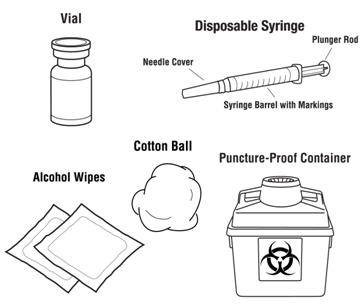
Figure 1 (Procrit 01)
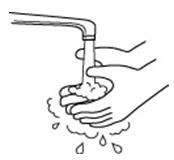
Figure 2 (Procrit 02)
 Figure 3 (Procrit 03) | 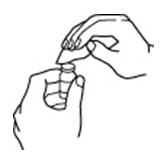 Figure 4 (Procrit 04) |
| Figure 3 | Figure 4 |
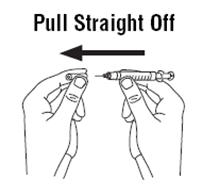 Figure 5 (Procrit 05) | 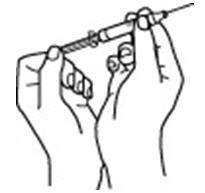 Figure 6 (Procrit 06) |
| Figure 5 | Figure 6 |
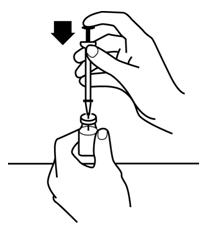
Figure 7 (Procrit 07)
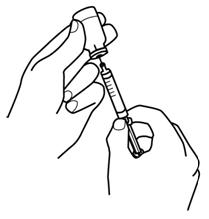
Figure 8 (Procrit 08)
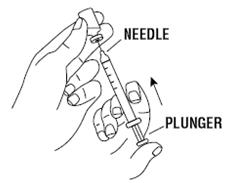 Figure 9 (Procrit 09) | 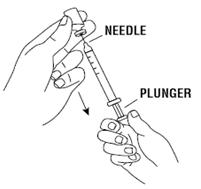 Figure 10 (Procrit 10) |
| Figure 9 | Figure 10 |
Selecting and preparing the injection site:
PROCRIT can be injected into your body using two different ways (routes) as described below. Follow your healthcare provider's instructions about how you should inject PROCRIT. In patients on hemodialysis, the intravenous (IV) route is recommended.
How should I dispose of the vials, syringes, and needles?
Do not reuse the single-dose vials, syringes, or needles. Throw away the vials, syringes, and needles as instructed by your healthcare provider or by following these steps:
Keep PROCRIT and all medicines out of reach of children.
These Instructions for Use have been approved by the U.S. Food and Drug Administration.
Manufactured by:
Amgen Inc.
One Amgen Center Drive
Thousand Oaks, CA 91320-1799 U.S.A.
Manufactured for:
Janssen Products, LP
Horsham, Pennsylvania 19044
© Janssen Products, LP 2000
Printed in U. S. A.
Revised: 05/2012