Risperidone is indicated for the treatment of schizophrenia. Efficacy was established in 4 short-term trials in adults, 2 short-term trials in adolescents (ages 13 to 17 years), and one long-term maintenance trial in adults [see Clinical Studies (14.1)].
Monotherapy
Risperidone is indicated for the treatment of acute manic or mixed episodes associated with Bipolar I Disorder. Efficacy was established in 2 short-term trials in adults and one short-term trial in children and adolescents (ages 10 to 17 years) [see Clinical Studies (14.2)].
Adjunctive Therapy
Risperidone adjunctive therapy with lithium or valproate is indicated for the treatment of acute manic or mixed episodes associated with Bipolar I Disorder. Efficacy was established in one short-term trial in adults [see Clinical Studies (14.3)].
Risperidone is indicated for the treatment of irritability associated with autistic disorder, including symptoms of aggression towards others, deliberate self-injuriousness, temper tantrums, and quickly changing moods. Efficacy was established in 3 short-term trials in children and adolescents (ages 5 to 17 years) [see Clinical Studies (14.4)].
Adults
Usual Initial Dose
Risperidone can be administered once or twice daily. Initial dosing is 2 mg per day. May increase the dose at intervals of 24 hours or greater, in increments of 1 to 2 mg per day, as tolerated, to a recommended dose of 4 to 8 mg per day. In some patients, slower titration may be appropriate. Efficacy has been demonstrated in a range of 4 mg to 16 mg per day. However, doses above 6 mg per day for twice daily dosing were not demonstrated to be more efficacious than lower doses, were associated with more extrapyramidal symptoms and other adverse effects, and are generally not recommended. In a single study supporting once-daily dosing, the efficacy results were generally stronger for 8 mg than for 4 mg. The safety of doses above 16 mg per day has not been evaluated in clinical trials [see Clinical Studies (14.1)].
Adolescents
The initial dose is 0.5 mg once daily, administered as a single-daily dose in the morning or evening. The dose may be adjusted at intervals of 24 hours or greater, in increments of 0.5 mg or 1 mg per day, as tolerated, to a recommended dose of 3 mg per day. Although efficacy has been demonstrated in studies of adolescent patients with schizophrenia at doses between 1 mg to 6 mg per day, no additional benefit was observed above 3 mg per day, and higher doses were associated with more adverse events. Doses higher than 6 mg per day have not been studied.
Patients experiencing persistent somnolence may benefit from administering half the daily dose twice daily.
Maintenance Therapy
While it is unknown how long a patient with schizophrenia should remain on risperidone, the effectiveness of risperidone 2 mg per day to 8 mg per day at delaying relapse was demonstrated in a controlled trial in adult patients who had been clinically stable for at least 4 weeks and were then followed for a period of 1 to 2 years [see Clinical Studies (14.1)]. Both adult and adolescent patients who respond acutely should generally be maintained on their effective dose beyond the acute episode. Patients should be periodically reassessed to determine the need for maintenance treatment.
Reinitiation of Treatment in Patients Previously Discontinued
Although there are no data to specifically address reinitiation of treatment, it is recommended that after an interval off risperidone, the initial titration schedule should be followed.
Switching From Other Antipsychotics
There are no systematically collected data to specifically address switching schizophrenic patients from other antipsychotics to risperidone, or treating patients with concomitant antipsychotics.
Usual Dose
Adults
The initial dose range is 2 mg to 3 mg per day. The dose may be adjusted at intervals of 24 hours or greater, in increments of 1 mg per day. The effective dose range is 1 mg to 6 mg per day, as studied in the short-term, placebo-controlled trials. In these trials, short-term (3 week) anti-manic efficacy was demonstrated in a flexible dosage range of 1 mg to 6 mg per day [see Clinical Studies (14.2, 14.3)]. Risperidone doses higher than 6 mg per day were not studied.
Pediatrics
The initial dose is 0.5 mg once daily, administered as a single-daily dose in the morning or evening. The dose may be adjusted at intervals of 24 hours or greater, in increments of 0.5 mg or 1 mg per day, as tolerated, to the recommended target dose of 1 mg to 2.5 mg per day. Although efficacy has been demonstrated in studies of pediatric patients with bipolar mania at doses between 0.5 mg and 6 mg per day, no additional benefit was observed above 2.5 mg per day, and higher doses were associated with more adverse events. Doses higher than 6 mg per day have not been studied.
Patients experiencing persistent somnolence may benefit from administering half the daily dose twice daily.
Maintenance Therapy
There is no body of evidence available from controlled trials to guide a clinician in the longer-term management of a patient who improves during treatment of an acute manic episode with risperidone. While it is generally agreed that pharmacological treatment beyond an acute response in mania is desirable, both for maintenance of the initial response and for prevention of new manic episodes, there are no systematically obtained data to support the use of risperidone in such longer-term treatment (i.e., beyond 3 weeks). The physician who elects to use risperidone for extended periods should periodically re-evaluate the long-term risks and benefits of the drug for the individual patient.
Tablet Accessing
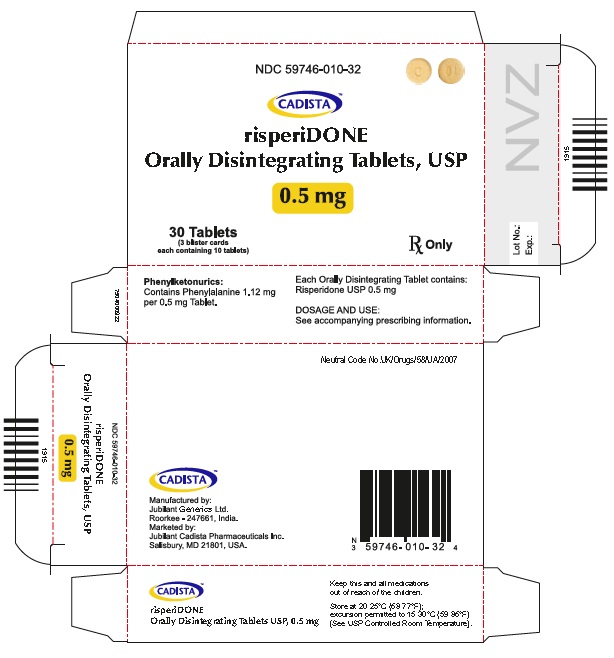
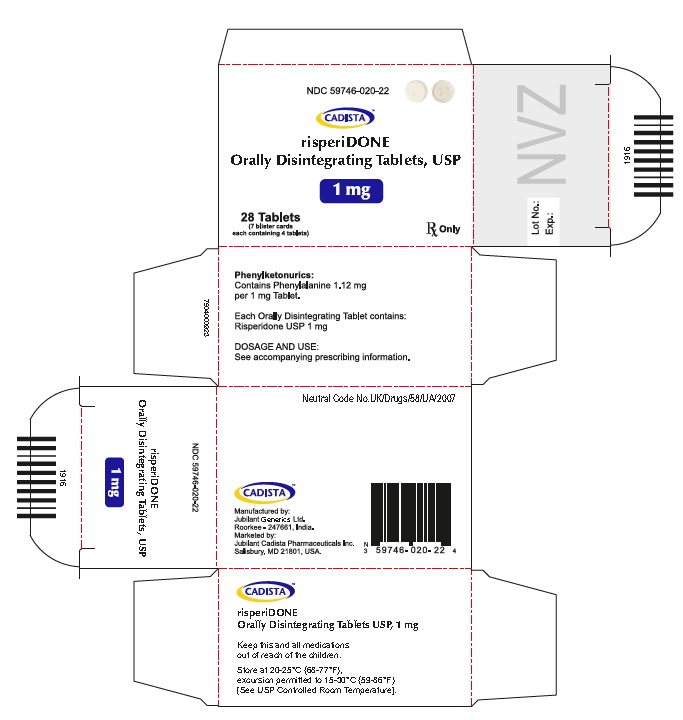
Risperidone Orally Disintegrating Tablets 0.5 mg and 1 mg
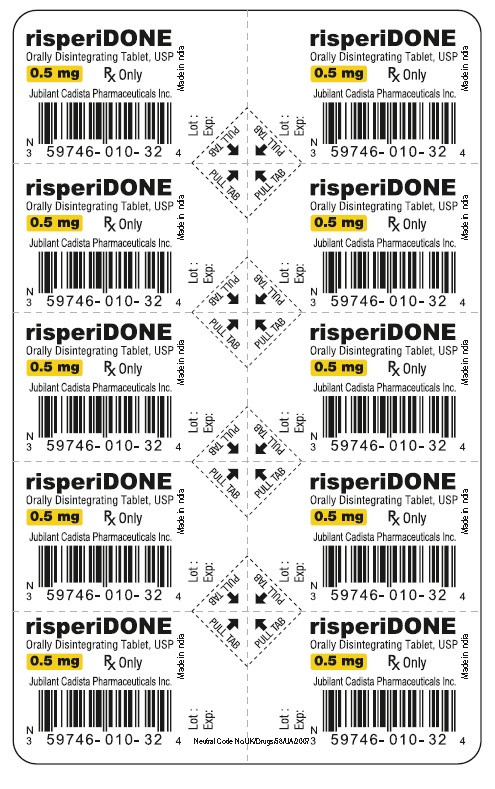
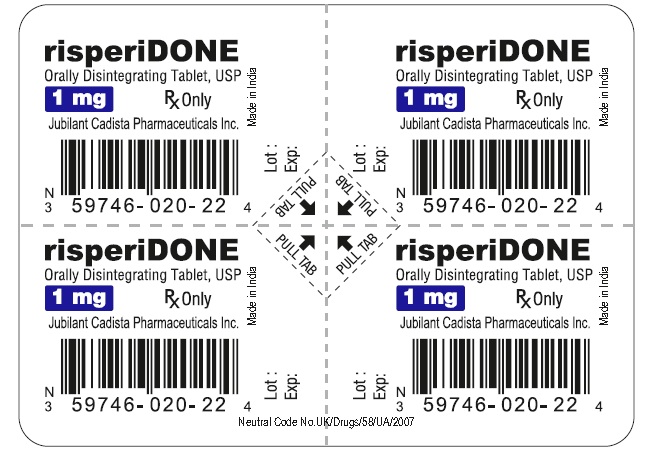
Risperidone Orally Disintegrating Tablets 0.5 mg and 1 mg are supplied both in blister packs of 4 and blister packs of 10 tablets.
Do not open the blister until ready to administer. For single tablet removal, separate one of the four or ten blister units by tearing apart at the perforations. DO NOT push the tablet through the foil because this could damage the tablet. Peel back at pull tab to expose the tablet.
Risperidone Orally Disintegrating Tablets 2 mg, 3 mg and 4 mg
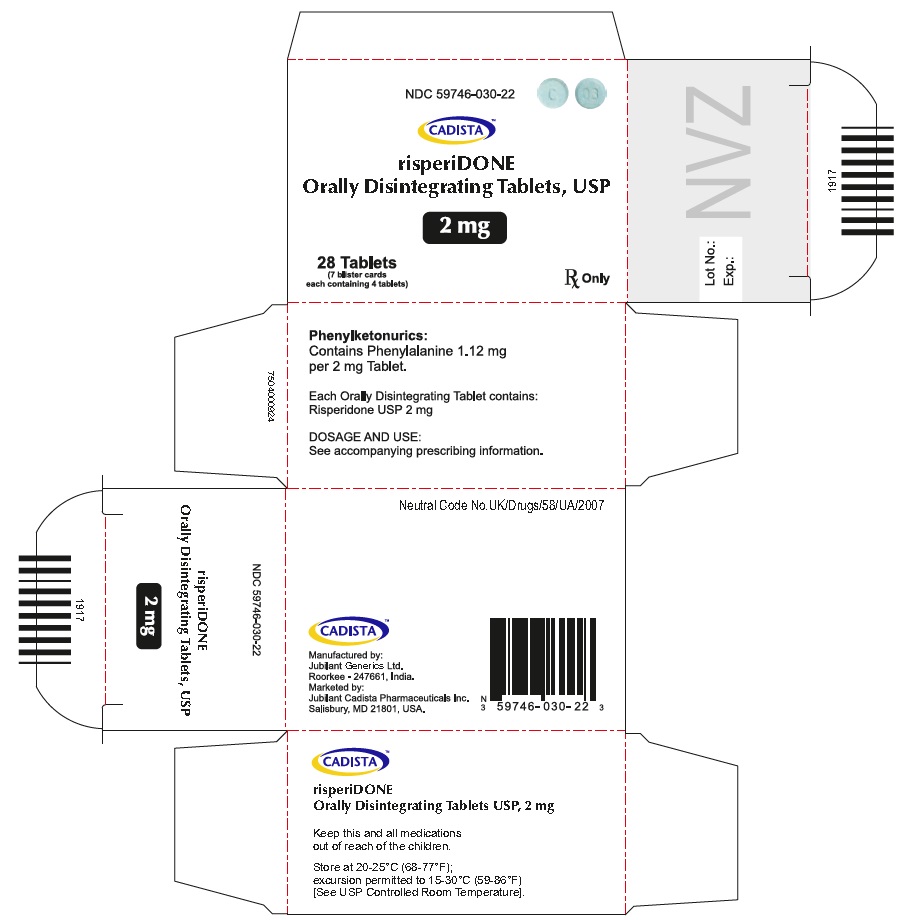
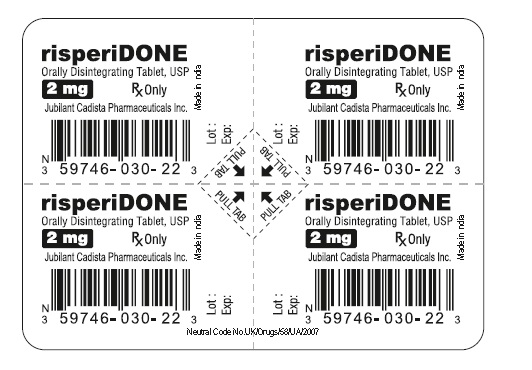
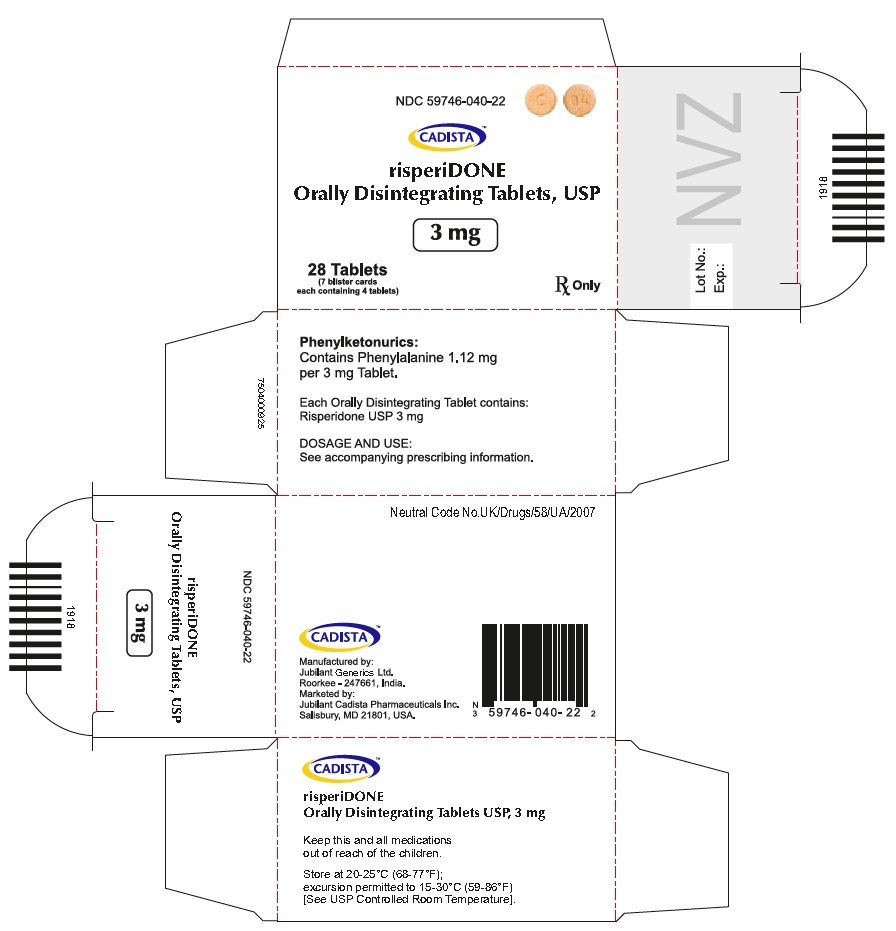
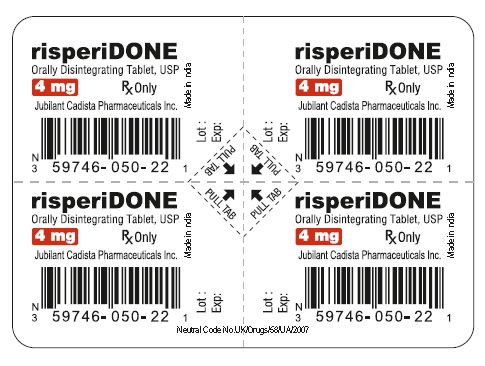
Risperidone Orally Disintegrating Tablets 2 mg, 3 mg and 4 mg are supplied in blister pack of 4 tablets each.
Do not open the blister until ready to administer. For single tablet removal, separate one of the four blister units by tearing apart at the perforations. DO NOT push the tablet through the foil, because this could damage the tablet. Peel back at pull tab to expose the tablet.
Tablet Administration
Using dry hands, remove the tablet from the blister unit and immediately place the entire Risperidone Orally Disintegrating Tablet on the tongue. The Risperidone Orally Disintegrating Tablet should be consumed immediately, as the tablet cannot be stored once removed from the blister unit. Risperidone Orally Disintegrating Tablets disintegrate in the mouth within seconds and can be swallowed subsequently with or without liquid. Patients should not attempt to split or to chew the tablet.
Because clinical trials are conducted under widely varying conditions, adverse reaction rates observed in the clinical trials of a drug cannot be directly compared to rates in the clinical trials of another drug and may not reflect the rates observed in clinical practice.
Commonly-Observed Adverse Reactions in Double-Blind, Placebo-Controlled Clinical Trials – Schizophrenia
Adult Patients with Schizophrenia
Table 8 lists the adverse reactions reported in 2% or more of risperodone-treated adult patients with schizophrenia in three 4- to 8-week, double-blind, placebo-controlled trials.
Table 8. Adverse Reactions in ≥2% of Risperidone-Treated Adult Patients (and greater than placebo) with Schizophrenia in Double-Blind, Placebo-Controlled Trials
| Percentage of Patients Reporting Reaction |
| Risperidone | |
System/Organ Class Adverse Reaction | 2-8 mg per day (N=366) | >8-16 mg per day (N=198) | Placebo (N=225) |
Cardiac Disorders |
Tachycardia | 1 | 3 | 0 |
Eye Disorders |
Vision blurred | 3 | 1 | 1 |
Gastrointestinal Disorders |
Nausea | 9 | 4 | 4 |
Constipation | 8 | 9 | 6 |
Dyspepsia | 8 | 6 | 5 |
Dry mouth | 4 | 0 | 1 |
Abdominal discomfort | 3 | 1 | 1 |
Salivary hypersecretion | 2 | 1 | <1 |
Diarrhea | 2 | 1 | 1 |
General Disorders |
Fatigue | 3 | 1 | 0 |
Chest pain | 2 | 2 | 1 |
Asthenia | 2 | 1 | <1 |
Infections and Infestations |
Nasopharyngitis | 3 | 4 | 3 |
Upper respiratory tract infection | 2 | 3 | 1 |
Sinusitis | 1 | 2 | 1 |
Urinary tract infection | 1 | 3 | 0 |
Investigations |
Blood creatine phosphokinase increased | 1 | 2 | <1 |
Heart rate increased | <1 | 2 | 0 |
Musculoskeletal and Connective Tissue Disorders |
Back pain | 4 | 1 | 1 |
Arthralgia | 2 | 3 | <1 |
Pain in extremity | 2 | 1 | 1 |
Nervous System Disorders |
Parkinsonism* | 14 | 17 | 8 |
Akathisia* | 10 | 10 | 3 |
Sedation | 10 | 5 | 2 |
Dizziness | 7 | 4 | 2 |
Dystonia* | 3 | 4 | 2 |
Tremor* | 2 | 3 | 1 |
Dizziness postural | 2 | 0 | 0 |
Psychiatric Disorders |
Insomnia | 32 | 25 | 27 |
Anxiety | 16 | 11 | 11 |
Respiratory, Thoracic and Mediastinal Disorders |
Nasal congestion | 4 | 6 | 2 |
Dyspnea | 1 | 2 | 0 |
Epistaxis | <1 | 2 | 0 |
Skin and Subcutaneous Tissue Disorders |
Rash | 1 | 4 | 1 |
Dry skin | 1 | 3 | 0 |
Vascular Disorders |
Orthostatic hypotension | 2 | 1 | 0 |
* Parkinsonism includes extrapyramidal disorder, musculoskeletal stiffness, parkinsonism, cogwheel rigidity, akinesia, bradykinesia, hypokinesia, masked facies, muscle rigidity, and Parkinson’s disease. Akathisia includes akathisia and restlessness. Dystonia includes dystonia, muscle spasms, muscle contractions involuntary, muscle contracture, oculogyration, tongue paralysis. Tremor includes tremor and parkinsonian rest tremor. |
Pediatric Patients with Schizophrenia
Table 9 lists the adverse reactions reported in 5% or more of risperidone-treated pediatric patients with schizophrenia in a 6-week double-blind, placebo-controlled trial.
Table 9. Adverse Reactions in ≥5% of Risperidone-Treated Pediatric Patients (and greater than placebo) with Schizophrenia in a Double-Blind Trial
| Percentage of Patients Reporting Reaction |
| Risperidone |
System/Organ Class Adverse Reaction | 1-3 mg per day (N=55) | 4-6 mg per day (N=51) | Placebo (N=54) |
Gastrointestinal Disorders |
Salivary hypersecretion | 0 | 10 | 2 |
Nervous System Disorders |
Sedation | 24 | 12 | 4 |
Parkinsonism* | 16 | 28 | 11 |
Tremor | 11 | 10 | 6 |
Akathisia* | 9 | 10 | 4 |
Dizziness | 7 | 14 | 2 |
Dystonia* | 2 | 6 | 0 |
Psychiatric Disorders |
Anxiety | 7 | 6 | 0 |
* Parkinsonism includes extrapyramidal disorder, muscle rigidity, musculoskeletal stiffness, and hypokinesia. Akathisia includes akathisia and restlessness. Dystonia includes dystonia and oculogyration. |
Commonly-Observed Adverse Reactions in Double-Blind, Placebo-Controlled Clinical Trials–Bipolar Mania
Adult Patients with Bipolar Mania
Table 10 lists the adverse reactions reported in 2% or more of risperidone-treated adult patients with bipolar mania in four 3-week, double-blind, placebo-controlled monotherapy trials.
Table 10. Adverse Reactions in ≥2% of Risperidone-Treated Adult Patients (and greater than placebo) with Bipolar Mania in Double-Blind, Placebo-Controlled Monotherapy Trials
|
System/Organ Class Adverse Reaction | Percentage of Patients Reporting Reaction |
Risperidone 1-6 mg per day (N=448) | Placebo (N=424) |
Eye Disorders | | |
Vision blurred | 2 | 1 |
Gastrointestinal Disorders | | |
Nausea | 5 | 2 |
Diarrhea | 3 | 2 |
Salivary hypersecretion | 3 | 1 |
Stomach discomfort | 2 | <1 |
General Disorders | | |
Fatigue | 2 | 1 |
Nervous System Disorders | | |
Parkinsonism* | 25 | 9 |
Sedation | 11 | 4 |
Akathisia* | 9 | 3 |
Tremor* | 6 | 3 |
Dizziness | 6 | 5 |
Dystonia* | 5 | 1 |
Lethargy | 2 | 1 |
* Parkinsonism includes extrapyramidal disorder, parkinsonism, musculoskeletal stiffness, hypokinesia, muscle rigidity, muscle tightness, bradykinesia, cogwheel rigidity. Akathisia includes akathisia and restlessness. Tremor includes tremor and parkinsonian rest tremor. Dystonia includes dystonia, muscle spasms, oculogyration, torticollis.
Table 11 lists the adverse reactions reported in 2% or more of risperidone-treated adult patients with bipolar mania in two 3-week, double-blind, placebo-controlled adjuvant therapy trials.
Table 11. Adverse Reactions in ≥2% of Risperidone-Treated Adult Patients (and greater than placebo) with Bipolar Mania in Double-Blind, Placebo-Controlled Adjunctive Therapy Trials
| * Parkinsonism includes extrapyramidal disorder, hypokinesia and bradykinesia. Akathisia includes hyperkinesia and akathisia. |
System/Organ Class Adverse Reaction | Percentage of Patients Reporting Reaction |
Risperidone + Mood Stabilizer (N=127) | Placebo + Mood Stabilizer (N=126) |
Cardiac Disorders | | |
Palpitations | 2 | 0 |
Gastrointestinal Disorders | | |
Dyspepsia | 9 | 8 |
Nausea | 6 | 4 |
Diarrhea | 6 | 4 |
Salivary hypersecretion | 2 | 0 |
General Disorders | | |
Chest pain | 2 | 1 |
Infections and Infestations | | |
Urinary tract infection | 2 | 1 |
Nervous System Disorders | | |
Parkinsonism* | 14 | 4 |
Sedation | 9 | 4 |
Akathisia* | 8 | 0 |
Dizziness | 7 | 2 |
Tremor | 6 | 2 |
Lethargy | 2 | 1 |
Psychiatric Disorders | | |
Anxiety | 3 | 2 |
Respiratory, Thoracic and Mediastinal Disorders | | |
Pharyngolaryngeal pain | 5 | 2 |
Cough | 2 | 0 |
Pediatric Patients with Bipolar Mania
Table 12 lists the adverse reactions reported in 5% or more of risperidone-treated pediatric patients with bipolar mania in a 3-week double-blind, placebo-controlled trial.
Table 12. Adverse Reactions in ≥5% of Risperidone-Treated Pediatric Patients (and greater than placebo) with Bipolar Mania in Double-Blind, Placebo-Controlled Trials
|
System/Organ Class Adverse Reaction | Percentage of Patients Reporting Reaction |
Risperidone | Placebo (N=58) |
0.5-2.5 mg per day (N=50) | 3-6 mg per day (N=61) |
Eye Disorders | | | |
Vision blurred | 4 | 7 | 0 |
Gastrointestinal Disorders | | | |
Abdominal pain upper | 16 | 13 | 5 |
Nausea | 16 | 13 | 7 |
Vomiting | 10 | 10 | 5 |
Diarrhea | 8 | 7 | 2 |
Dyspepsia | 10 | 3 | 2 |
Stomach discomfort | 6 | 0 | 2 |
General Disorders | | | |
Fatigue | 18 | 30 | 3 |
Metabolism and Nutrition Disorders | | | |
Increased appetite | 4 | 7 | 2 |
Nervous System Disorders | | | |
Sedation | 42 | 56 | 19 |
Dizziness | 16 | 13 | 5 |
Parkinsonism* | 6 | 12 | 3 |
Dystonia* | 6 | 5 | 0 |
Akathisia* | 0 | 8 | 2 |
Psychiatric Disorders | | | |
Anxiety | 0 | 8 | 3 |
Respiratory, Thoracic and Mediastinal Disorders | | | |
Pharyngolaryngeal pain | 10 | 3 | 5 |
Skin and Subcutaneous Tissue Disorders | | | |
Rash | 0 | 7 | 2 |
* Parkinsonism includes musculoskeletal stiffness, extrapyramidal disorder, bradykinesia, and nuchal rigidity. Dystonia includes dystonia, laryngospasm, and muscle spasms. Akathisia includes restlessness and akathisia.
Commonly-Observed Adverse Reactions in Double-Blind, Placebo-Controlled Clinical Trials - Autistic Disorder
Table 13 lists the adverse reactions reported in 5% or more of risperidone-treated pediatric patients treated for irritability associated with autistic disorder in two 8-week, double-blind, placebo-controlled trials and one 6-week double-blind, placebo-controlled study.
Table 13. Adverse Reactions in ≥5% of Risperidone-Treated Pediatric Patients (and greater than placebo) Treated for Irritability Associated with Autistic Disorder in Double-Blind, Placebo-Controlled Trials
| * Parkinsonism includes musculoskeletal stiffness, extrapyramidal disorder, muscle rigidity, cogwheel rigidity, and muscle tightness. |
System/Organ Class
Adverse Reaction | Percentage of Patients Reporting Reaction |
Risperidone
0.5-4.0 mg/day
(N=107) | Placebo (N=115) |
Gastrointestinal Disorders | | |
Vomiting | 20 | 17 |
Constipation | 17 | 6 |
Dry mouth | 10 | 4 |
Nausea | 8 | 5 |
Salivary hypersecretion | 7 | 1 |
General Disorders and Administration Site Conditions | | |
Fatigue | 31 | 9 |
Pyrexia | 16 | 13 |
Thirst | 7 | 4 |
Infections and Infestations | | |
Nasopharyngitis | 19 | 9 |
Rhinitis | 9 | 7 |
Upper respiratory tract infection | 8 | 3 |
Investigations | | |
Weight increased | 8 | 2 |
Metabolism and Nutrition Disorders | | |
Increased appetite | 44 | 15 |
Nervous System Disorders | | |
Sedation | 63 | 15 |
Drooling | 12 | 4 |
Headache | 12 | 10 |
Tremor | 8 | 1 |
Dizziness | 8 | 2 |
Parkinsonism* | 8 | 1 |
Renal and Urinary Disorders | | |
Enuresis | 16 | 10 |
Respiratory, Thoracic and Mediastinal Disorders | | |
Cough | 17 | 12 |
Rhinorrhea | 12 | 10 |
Nasal congestion | 10 | 4 |
Skin and Subcutaneous Tissue Disorders | | |
Rash | 8 | 5 |
Other Adverse Reactions Observed During the Clinical Trial Evaluation of Risperidone
The following additional adverse reactions occurred across all placebo-controlled, active-controlled, and open-label studies of risperidone in adults and pediatric patients.
Blood and Lymphatic System Disorders: anemia, granulocytopenia, neutropenia
Cardiac Disorders: sinus bradycardia, sinus tachycardia, atrioventricular block first degree, bundle branch block left, bundle branch block right, atrioventricular block
Ear and Labyrinth Disorders: ear pain, tinnitus
Endocrine Disorders: hyperprolactinemia
Eye Disorders: ocular hyperemia, eye discharge, conjunctivitis, eye rolling, eyelid edema, eye swelling, eyelid margin crusting, dry eye, lacrimation increased, photophobia, glaucoma, visual acuity reduced
Gastrointestinal Disorders: dysphagia, fecaloma, fecal incontinence, gastritis, lip swelling, cheilitis, aptyalism
General Disorders: edema peripheral, thirst, gait disturbance, influenza-like illness, pitting edema, edema, chills, sluggishness, malaise, chest discomfort, face edema, discomfort, generalized edema, drug withdrawal syndrome, peripheral coldness, feeling abnormal
Immune System Disorders: drug hypersensitivity
Infections and Infestations: pneumonia, influenza, ear infection, viral infection, pharyngitis, tonsillitis, bronchitis, eye infection, localized infection, cystitis, cellulitis, otitis media, onychomycosis, acarodermatitis, bronchopneumonia, respiratory tract infection, tracheobronchitis, otitis media chronic
Investigations: body temperature increased, blood prolactin increased, alanine aminotransferase increased, electrocardiogram abnormal, eosinophil count increased, white blood cell count decreased, blood glucose increased, hemoglobin decreased, hematocrit decreased, body temperature decreased, blood pressure decreased, transaminases increased
Metabolism and Nutrition Disorders: decreased appetite, polydipsia, anorexia
Musculoskeletal and Connective Tissue Disorders: joint stiffness, joint swelling, musculoskeletal chest pain, posture abnormal, myalgia, neck pain, muscular weakness, rhabdomyolysis
Nervous System Disorders: balance disorder, disturbance in attention, dysarthria, unresponsive to stimuli, depressed level of consciousness, movement disorder, transient ischemic attack, coordination abnormal, cerebrovascular accident, speech disorder, syncope, loss of consciousness, hypoesthesia, tardive dyskinesia, dyskinesia, cerebral ischemia, cerebrovascular disorder, neuroleptic malignant syndrome, diabetic coma, head titubation
Psychiatric Disorders: agitation, blunted affect, confusional state, middle insomnia, nervousness, sleep disorder, listlessness, libido decreased, and anorgasmia
Renal and Urinary Disorders: enuresis, dysuria, pollakiuria, urinary incontinence
Reproductive System and Breast Disorders: menstruation irregular, amenorrhea, gynecomastia, galactorrhea, vaginal discharge, menstrual disorder, erectile dysfunction, retrograde ejaculation, ejaculation disorder, sexual dysfunction, breast enlargement
Respiratory, Thoracic, and Mediastinal Disorders: wheezing, pneumonia aspiration, sinus congestion, dysphonia, productive cough, pulmonary congestion, respiratory tract congestion, rales, respiratory disorder, hyperventilation, nasal edema
Skin and Subcutaneous Tissue Disorders: erythema, skin discoloration, skin lesion, pruritus, skin disorder, rash erythematous, rash papular, rash generalized, rash maculopapular, acne, hyperkeratosis, seborrheic dermatitis
Vascular Disorders: hypotension, flushing
Discontinuations Due to Adverse Reactions
Schizophrenia - Adults
Approximately 7% (39/564) of risperidone-treated patients in double-blind, placebo-controlled trials discontinued treatment due to an adverse reaction, compared with 4% (10/225) who were receiving placebo. The adverse reactions associated with discontinuation in 2 or more risperidone-treated patients were:
Table 14. Adverse Reactions Associated With Discontinuation in 2 or More Risperidone-Treated Adult Patients in Schizophrenia Trials
Adverse Reaction | Risperidone | Placebo (N=225) |
2-8 mg/day
(N=366) | >8-16 mg/day (N=198) |
Dizziness | 1.4% | 1.0% | 0% |
Nausea | 1.4% | 0% | 0% |
Vomiting | 0.8% | 0% | 0% |
Parkinsonism | 0.8% | 0% | 0% |
Somnolence | 0.8% | 0% | 0% |
Dystonia | 0.5% | 0% | 0% |
Agitation | 0.5% | 0% | 0% |
Abdominal pain | 0.5% | 0% | 0% |
Orthostatic hypotension | 0.3% | 0.5% | 0% |
Akathisia | 0.3% | 2.0% | 0% |
Discontinuation for extrapyramidal symptoms (including Parkinsonism, akathisia, dystonia, and tardive dyskinesia) was 1% in placebo-treated patients, and 3.4% in active control-treated patients in a double-blind, placebo- and active-controlled trial.
Schizophrenia - Pediatrics
Approximately 7% (7/106), of risperidone-treated patients discontinued treatment due to an adverse reaction in a double-blind, placebo-controlled trial, compared with 4% (2/54) placebo-treated patients. The adverse reactions associated with discontinuation for at least one risperidone-treated patient were dizziness (2%), somnolence (1%), sedation (1%), lethargy (1%), anxiety (1%), balance disorder (1%), hypotension (1%), and palpitation (1%).
Bipolar Mania - Adults
In double-blind, placebo-controlled trials with risperidone as monotherapy, approximately 6% (25/448) of risperidone-treated patients discontinued treatment due to an adverse event, compared with approximately 5% (19/424) of placebo-treated patients. The adverse reactions associated with discontinuation in risperidone-treated patients were:
Table 15. Adverse Reactions Associated With Discontinuation in 2 or More Risperidone-Treated Adult Patients in Bipolar Mania Clinical Trials
| Risperidone | |
| 1-6 mg/day | Placebo |
Adverse Reaction | (N=448) | (N=424) |
Parkinsonism | 0.4% | 0% |
Lethargy | 0.2% | 0% |
Dizziness | 0.2% | 0% |
Alanine aminotransferase increased | 0.2% | 0.2% |
Aspartate aminotransferase increased | 0.2% | 0.2% |
Bipolar Mania - Pediatrics
In a double-blind, placebo-controlled trial 12% (13/111) of risperidone-treated patients discontinued due to an adverse reaction, compared with 7% (4/58) of placebo-treated patients. The adverse reactions associated with discontinuation in more than one risperidone-treated pediatric patient were nausea (3%), somnolence (2%), sedation (2%), and vomiting (2%).
Autistic Disorder - Pediatrics
In the two 8-week, placebo-controlled trials in pediatric patients treated for irritability associated with autistic disorder (n = 156), one risperidone-treated patient discontinued due to an adverse reaction (Parkinsonism), and one placebo-treated patient discontinued due to an adverse event.
Dose Dependency of Adverse Reactions in Clinical Trials
Extrapyramidal Symptoms
Data from two fixed-dose trials in adults with schizophrenia provided evidence of dose-relatedness for extrapyramidal symptoms associated with risperidone treatment.
Two methods were used to measure extrapyramidal symptoms (EPS) in an 8-week trial comparing 4 fixed doses of risperidone (2, 6, 10, and 16 mg/day), including (1) a Parkinsonism score (mean change from baseline) from the Extrapyramidal Symptom Rating Scale, and (2) incidence of spontaneous complaints of EPS:
Table 16.
Dose Groups | Placebo | Risperidone
2 mg | Risperidone
6 mg | Risperidone
10 mg | Risperidone
16 mg |
Parkinsonism | 1.2 | 0.9 | 1.8 | 2.4 | 2.6 |
EPS Incidence | 13% | 17% | 21% | 21% | 35% |
Similar methods were used to measure extrapyramidal symptoms (EPS) in an 8-week trial comparing 5 fixed doses of risperidone (1, 4, 8, 12, and 16 mg/day):
Table 17.
Dose Groups | Risperidone
1 mg | Risperidone
4 mg | Risperidone
8 mg | Risperidone
12 mg | Risperidone
16 mg |
Parkinsonism | 0.6 | 1.7 | 2.4 | 2.9 | 4.1 |
EPS Incidence | 7% | 12% | 17% | 18% | 20% |
Dystonia
Class Effect: Symptoms of dystonia, prolonged abnormal contractions of muscle groups, may occur in susceptible individuals during the first few days of treatment. Dystonic symptoms include: spasm of the neck muscles, sometimes progressing to tightness of the throat, swallowing difficulty, difficulty breathing, and/or protrusion of the tongue. While these symptoms can occur at low doses, they occur more frequently and with greater severity with high potency and at higher doses of first generation antipsychotic drugs. An elevated risk of acute dystonia is observed in males and younger age groups.
Other Adverse Reactions
Adverse event data elicited by a checklist for side effects from a large study comparing 5 fixed doses of risperidone (1, 4, 8, 12, and 16 mg/day) were explored for dose-relatedness of adverse events. A Cochran-Armitage Test for trend in these data revealed a positive trend (p<0.05) for the following adverse reactions: somnolence, vision abnormal, dizziness, palpitations, weight increase, erectile dysfunction, ejaculation disorder, sexual function abnormal, fatigue, and skin discoloration.
Changes in Body Weight
Weight gain was observed in short-term, controlled trials and longer-term uncontrolled studies in adult and pediatric patients [see Warnings and Precautions (5.5), Adverse Reactions (6), and Use in Specific Populations (8.4)].
Changes in ECG Parameters
Between-group comparisons for pooled placebo-controlled trials in adults revealed no statistically significant differences between risperidone and placebo in mean changes from baseline in ECG parameters, including QT, QTc, and PR intervals, and heart rate. When all risperidone doses were pooled from randomized controlled trials in several indications, there was a mean increase in heart rate of 1 beat per minute compared to no change for placebo patients. In short-term schizophrenia trials, higher doses of risperidone (8-16 mg/day) were associated with a higher mean increase in heart rate compared to placebo (4-6 beats per minute). In pooled placebo-controlled acute mania trials in adults, there were small decreases in mean heart rate, similar among all treatment groups.
In the two placebo-controlled trials in children and adolescents with autistic disorder (aged 5 - 16 years) mean changes in heart rate were an increase of 8.4 beats per minute in the risperidone groups and 6.5 beats per minute in the placebo group. There were no other notable ECG changes.
In a placebo-controlled acute mania trial in children and adolescents (aged 10 – 17 years), there were no significant changes in ECG parameters, other than the effect of risperidone to transiently increase pulse rate (< 6 beats per minute). In two controlled schizophrenia trials in adolescents (aged 13 – 17 years), there were no clinically meaningful changes in ECG parameters including corrected QT intervals between treatment groups or within treatment groups over time.
The following adverse reactions have been identified during postapproval use of risperidone. Because these reactions are reported voluntarily from a population of uncertain size, it is not always possible to reliably estimate their frequency or establish a causal relationship to drug exposure. These adverse reactions include: alopecia, anaphylactic reaction, angioedema, atrial fibrillation, cardiopulmonary arrest, diabetic ketoacidosis in patients with impaired glucose metabolism, dysgeusia, hypoglycemia, hypothermia, ileus, inappropriate antidiuretic hormone secretion, intestinal obstruction, jaundice, mania, pancreatitis, pituitary adenoma, precocious puberty, pulmonary embolism, QT prolongation, sleep apnea syndrome, sudden death, thrombocytopenia, thrombotic thrombocytopenic purpura, urinary retention, and water intoxication.