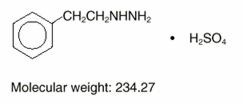
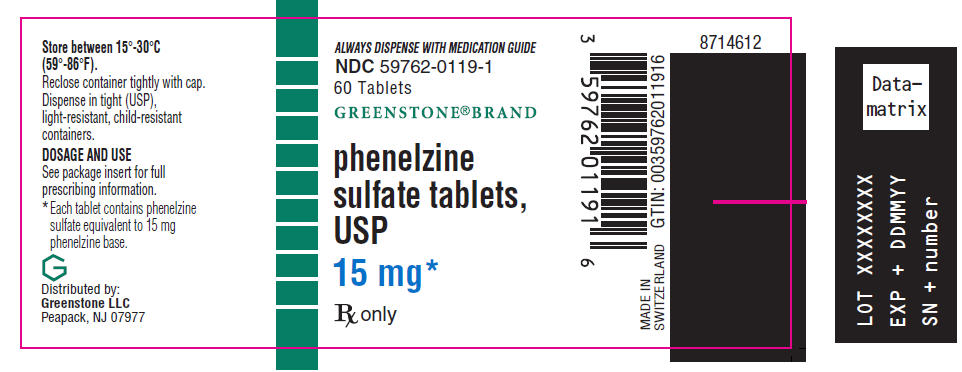
Foods and Beverages To Avoid
Meat and Fish
Pickled herring
Liver
Dry sausage (including Genoa salami, hard salami, pepperoni, and Lebanon bologna)
Vegetables
Broad bean pods (fava bean pods)
Sauerkraut
Dairy Products
Cheese (cottage cheese and cream cheese are allowed)
Yogurt
Beverages
Beer and wine
Alcohol-free and reduced-alcohol beer and wine products
Miscellaneous
Yeast extract (including brewer's yeast in large quantities)
Meat extract
Excessive amounts of chocolate and caffeine
Also, any spoiled or improperly refrigerated, handled, or stored protein-rich foods such as meats, fish, and dairy products, including foods that may have undergone protein changes by aging, pickling, fermentation, or smoking to improve flavor should be avoided.
OTC Medications To Avoid
Cold and cough preparations (including those containing dextromethorphan)
Nasal decongestants (tablets, drops, or spray)
Hay-fever medications
Sinus medications
Asthma inhalant medications
Antiappetite medicines
Weight-reducing preparations
"Pep" pills
L-tryptophan containing preparations
Also, certain prescription drugs should be avoided. Therefore, patients under the care of another physician or dentist should inform him/her that they are taking phenelzine sulfate.
Patients should be warned that the use of the above foods, beverages, or medications may cause a reaction characterized by headache and other serious symptoms due to a rise in blood pressure, with the exception of dextromethorphan which may cause reactions similar to those seen with meperidine. Also, there has been a report of an interaction between phenelzine sulfate and dextromethorphan (ingested as a lozenge) causing drowsiness and bizarre behavior.
Patients should be instructed to report promptly the occurrence of headache or other unusual symptoms.
Concomitant Use with Dibenzazepine Derivative Drugs
If the decision is made to administer phenelzine sulfate concurrently with other antidepressant drugs, or within less than 10 days after discontinuation of antidepressant therapy, the patient should be cautioned by the physician regarding the possibility of adverse drug interaction.
A List of Dibenzazepine Derivative Drugs by Generic Name Follows:
nortriptyline hydrochloride
amitriptyline hydrochloride
perphenazine and amitriptyline hydrochloride
clomipramine hydrochloride
desipramine hydrochloride
imipramine hydrochloride
doxepin
carbamazepine
cyclobenzaprine HCl
amoxapine
maprotiline HCl
trimipramine maleate
protriptyline HCl
mirtazapine
Phenelzine sulfate should be used with caution in combination with antihypertensive drugs, including thiazide diuretics and β-blockers, since exaggerated hypotensive effects may result.
Common side effects include:
Nervous System—Dizziness, headache, drowsiness, sleep disturbances (including insomnia and hypersomnia), fatigue, weakness, tremors, twitching, myoclonic movements, hyperreflexia.
Gastrointestinal—Constipation, dry mouth, gastrointestinal disturbances, elevated serum transaminases (without accompanying signs and symptoms).
Metabolic—Weight gain.
Cardiovascular—Postural hypotension, edema.
Genitourinary—Sexual disturbances, eg, anorgasmia and ejaculatory disturbances and impotence.
Less common mild to moderate side effects (some of which have been reported in a single patient or by a single physician) include:
Nervous System—Jitteriness, palilalia, euphoria, nystagmus, paresthesias.
Genitourinary—Urinary retention.
Metabolic—Hypernatremia.
Dermatologic—Pruritus, skin rash, sweating.
Special Senses—Blurred vision, glaucoma.
Although reported less frequently, and sometimes only once, additional severe side effects include:
Nervous System—Ataxia, shock-like coma, toxic delirium, manic reaction, convulsions, acute anxiety reaction, precipitation of schizophrenia, transient respiratory and cardiovascular depression following ECT.
Gastrointestinal—To date, fatal progressive necrotizing hepatocellular damage has been reported in very few patients. Reversible jaundice.
Hematologic—Leukopenia.
Immunologic—Lupus-like syndrome
Metabolic—Hypermetabolic syndrome (which may include, but is not limited to, hyperpyrexia, tachycardia, tachypnea, muscular rigidity, elevated CK levels, metabolic acidosis, hypoxia, coma and may resemble an overdose).
Respiratory—Edema of the glottis.
General—Fever associated with increased muscle tone.
Withdrawal may be associated with nausea, vomiting, and malaise.
An uncommon withdrawal syndrome following abrupt withdrawal of phenelzine sulfate has been infrequently reported. Signs and symptoms of this syndrome generally commence 24 to 72 hours after drug discontinuation and may range from vivid nightmares with agitation to frank psychosis and convulsions. This syndrome generally responds to reinstitution of low-dose phenelzine sulfate therapy followed by cautious downward titration and discontinuation.
Rx only
LAB-0456-3.0
April 2026