Desogestrel And Ethinyl Estradiol Kit
Product Images NDC 60505-4896

View Photos of Packaging, Regulatory Labels, and Product Appearance

Product Visual Gallery

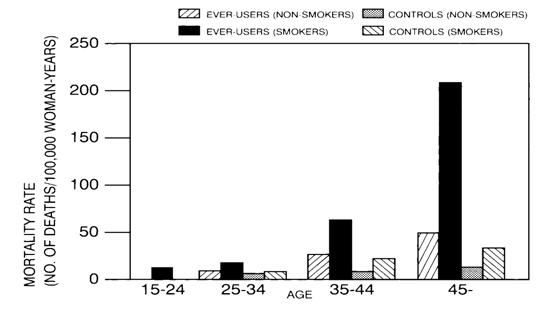
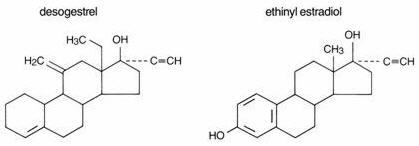
This gallery contains 7 technical images submitted to the FDA as part of the official labeling for Desogestrel And Ethinyl Estradiol (NDC 60505-4896). Unlike standard consumer photos, these assets often include clinical data figures, molecular chemical structures, and official manufacturer packaging layouts.

As provided by Apotex Corp., these visuals offer a comprehensive scientific overview of the product's physical and chemical identity, aiding pharmacists and researchers in product verification and study.

FDA Label Image

Blister (Blister)

Blister (Blister)
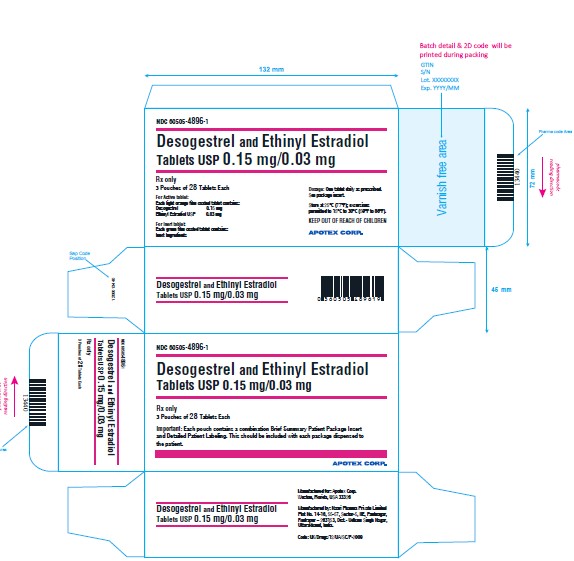
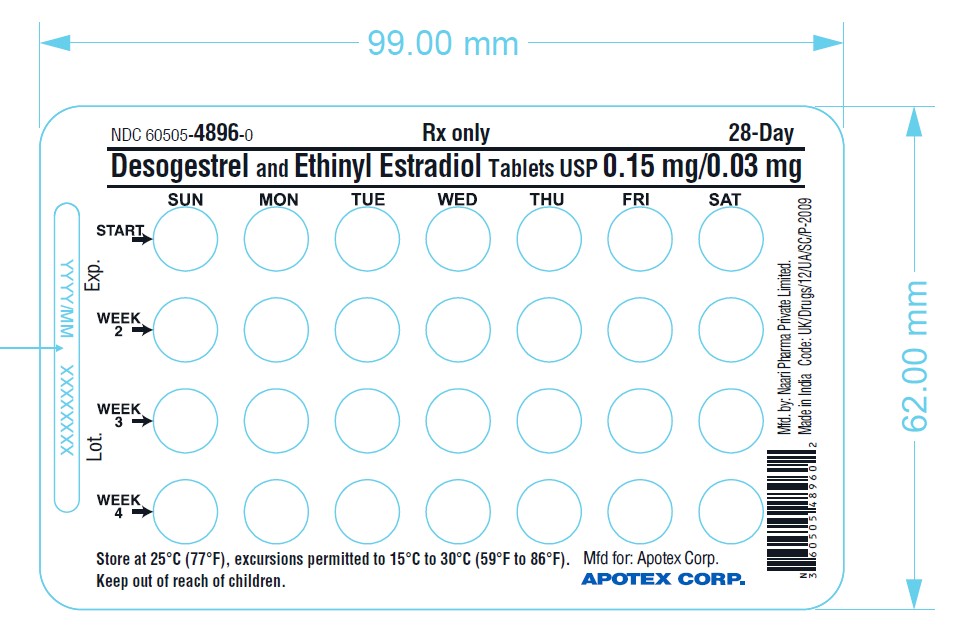
This is a description of a pack of Desogestrel and Ethinyl Estradiol Tablets labeled for prescription use only. It contains 28 tablets for a 28-day cycle, with each tablet containing 0.15 mg of Desogestrel and 0.03 mg of Ethinyl Estradiol. The tablets are to be stored at a temperature range of 15°C to 30°C. The manufacturer is Apotex Corp and the product is made in India by Nari Pharma Private Limited.*
FDA Label Image

Deso-ee-02 (Deso Ee 02)

FDA Label Image

Deso-ee-structure (Deso Ee Structure)

FDA Label Image

Fig-2.jpg (Fig 2)

Fig-2.jpg (Fig 2)
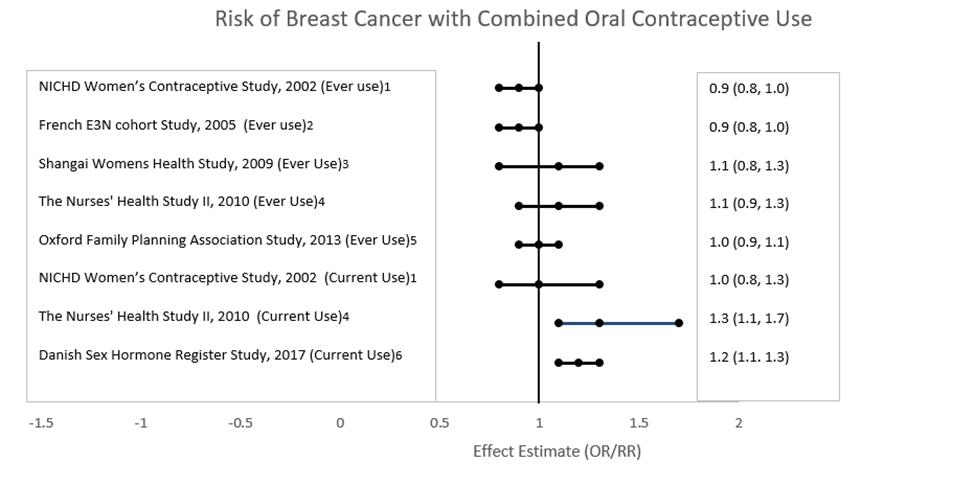
This text provides information on different studies evaluating the risk of breast cancer associated with the use of combined oral contraceptives. The studies mentioned include the NICHD Women's Contraceptive Study from 2002, French E3N cohort Study from 2005, Shangai Women's Health Study from 2009, The Nurses' Health Study II from 2010, Oxford Family Planning Association Study from 2013, and the Danish Sex Hormone Register Study from 2017. The text also includes effect estimate ranges (odds ratios or relative risks) for different studies and categories of contraceptive use (Ever Use, Current Use).*
FDA Label Image

Outer-carton (Outer Carton)

FDA Label Image

Table1-part1 (Table1 Part1)

Table1-part1 (Table1 Part1)
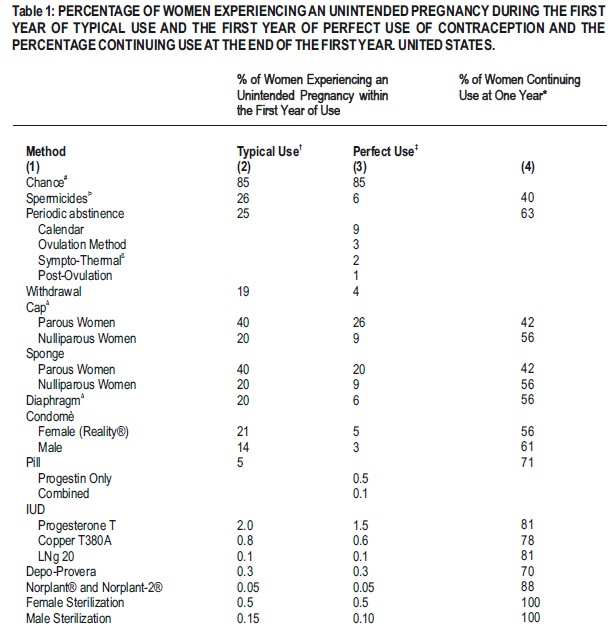
This text provides a table showing the percentage of women experiencing unintended pregnancy during the first year of typical use and perfect use of contraceptives, along with the percentage continuing to use at the end of the first year in the United States. It lists various contraceptive methods and their effectiveness rates in preventing unintended pregnancies. This information can be helpful for individuals seeking to make informed decisions about contraception options.*
FDA Label Image

Table1-part2 (Table1 Part2)

Table1-part2 (Table1 Part2)
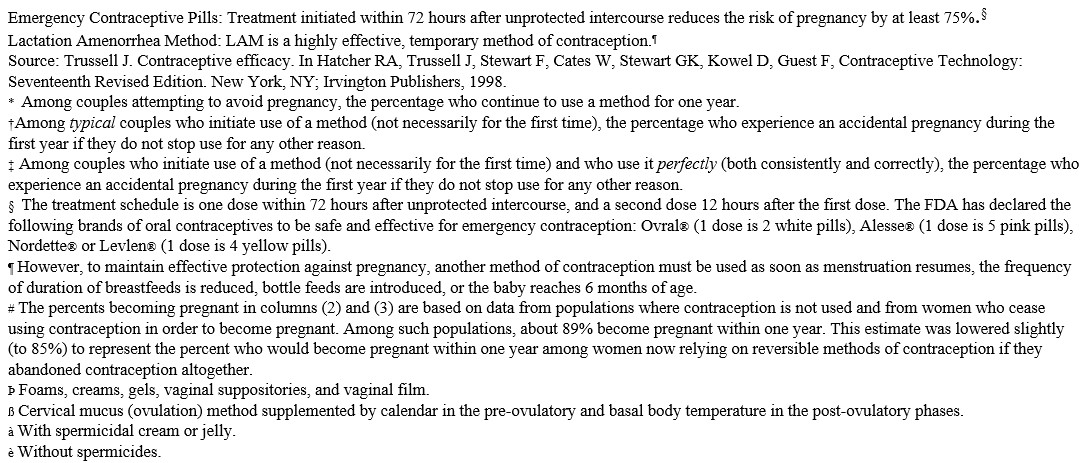
Emergency Contraceptive Pills, including brands such as Ovrals, Alesses, Nordettes or Levlens, are highly effective when taken within 72 hours after unprotected intercourse, reducing the risk of pregnancy by at least 75%. Lactation Amenorrhea Method (LAM) is a temporary method of contraception that is also highly effective. To maintain effective protection, it is advised to use another method of contraception once menstruation resumes, breast feeding frequency or duration is reduced, bottle feeds are introduced, or the baby reaches 6 months of age. The text also discusses contraceptive efficacy rates for various methods such as foams, creams, gels, vaginal suppositories, cervical mucus method, and spermicidal cream or jelly.*

* These product label images have been analyzed using experimental machine learning. Please verify findings with the primary label text.