Levetiracetam Tablet, Film Coated
Product Images NDC 60687-657
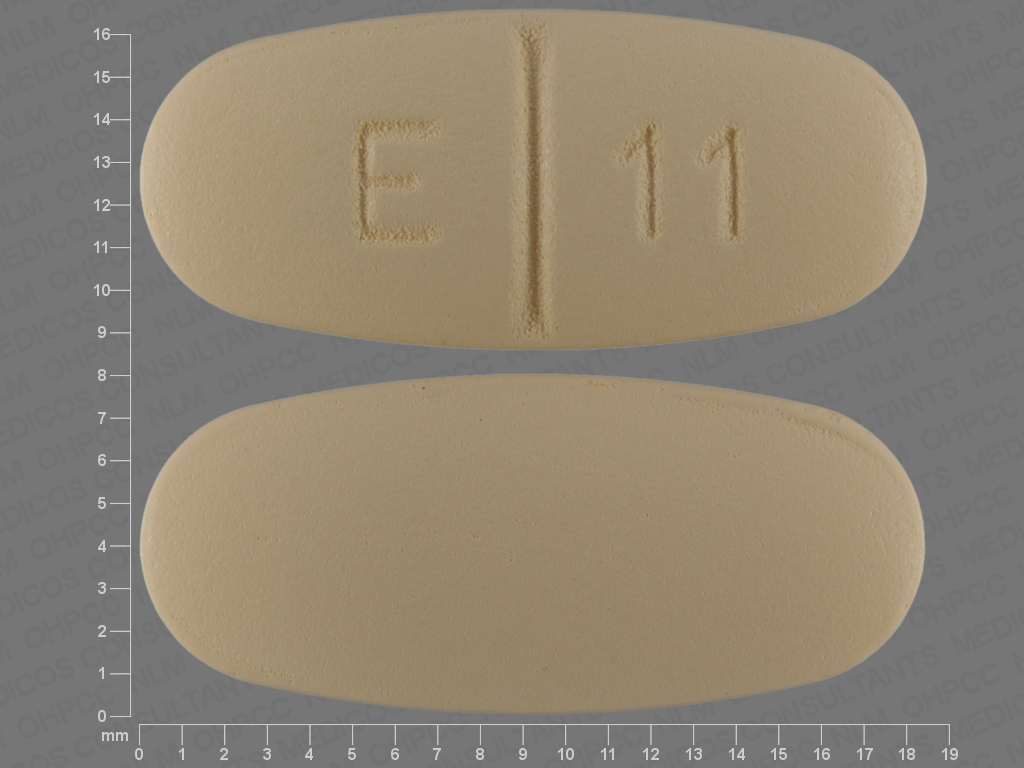
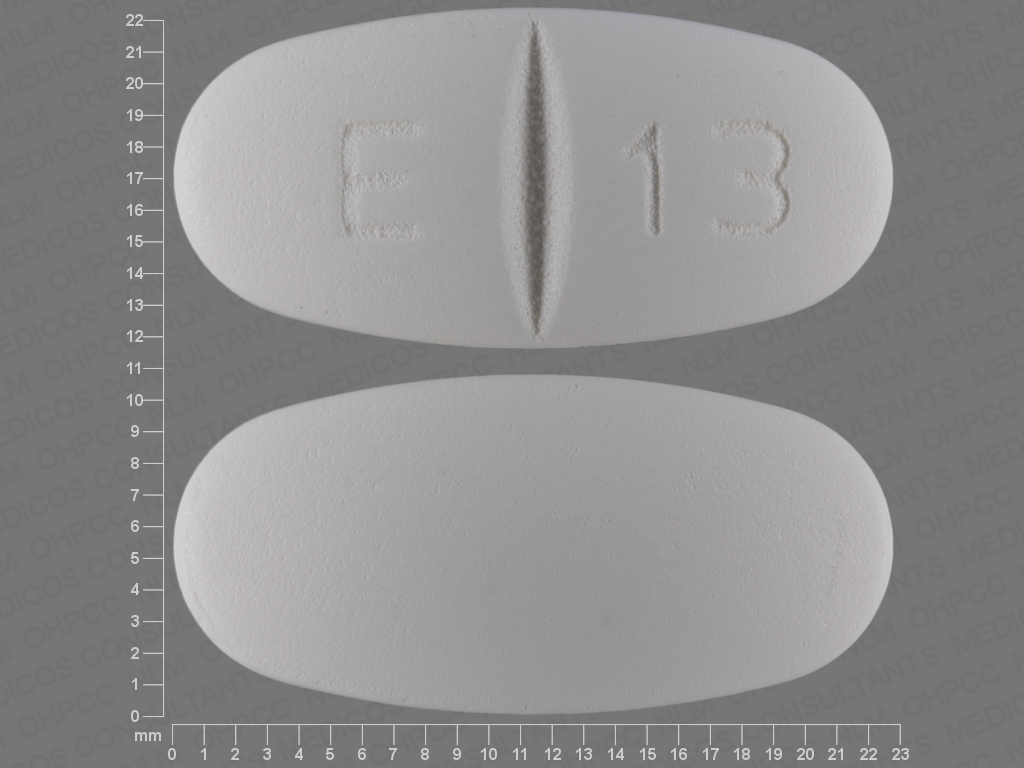
View Photos of Packaging, Regulatory Labels, and Product Appearance
Product Visual Gallery
This gallery contains 13 technical images submitted to the FDA as part of the official labeling for Levetiracetam (NDC 60687-657). Unlike standard consumer photos, these assets often include clinical data figures, molecular chemical structures, and official manufacturer packaging layouts.
As provided by American Health Packaging, these visuals offer a comprehensive scientific overview of the product's physical and chemical identity, aiding pharmacists and researchers in product verification and study.
Product Images & Figures Index
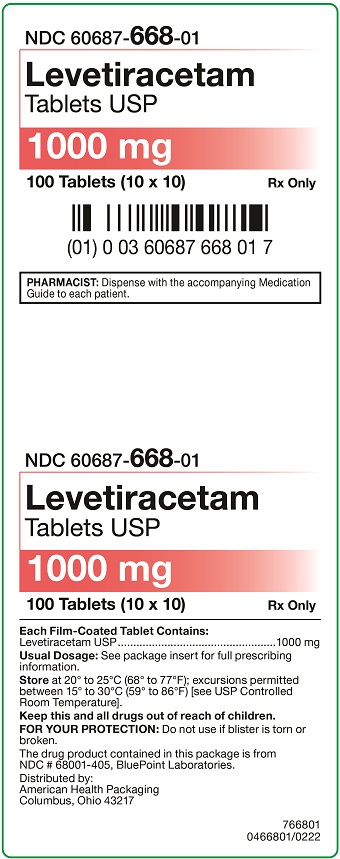
1000 mg Levetiracetam Tablets Carton (1000 mg Carton)
Levetiracetam is a drug that comes in tablet form with each film-coated tablet containing 1000mg of the drug. The package contains 100 tablets arranged in 10 strips of 10 tablets each. The drug is distributed by American Health Packaging and it is important to dispense it with an accompanying medication guide to each patient. The package insert contains complete prescribing information and the drug should be stored in temperatures between 20°C to 25°C. Additionally, the package should be kept out of reach of children. The text also includes the National Drug Code (NDC) and information on the drug's manufacturer.*
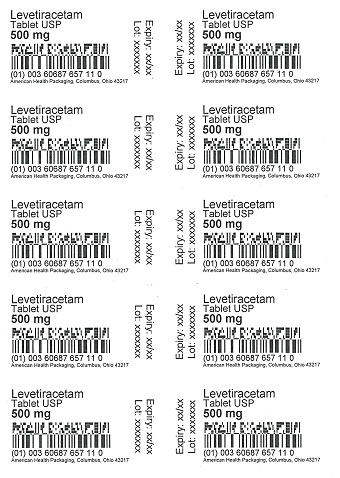
500 mg Levetiracetam Tablet Blister (500 mg Blister)
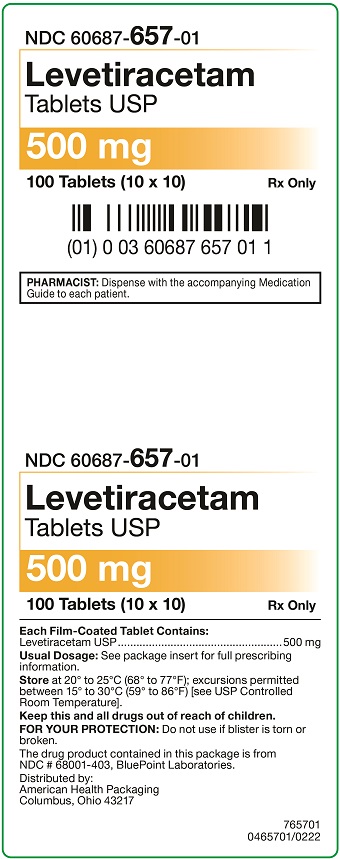
500 mg Levetiracetam Tablets Carton (500 mg Carton)
Levetiracetam is a medication that comes in film-coated tablets. Each package has 100 tablets (10 x 10). It is Rx-only medicine which makes it necessary to Have a full prescribing-information. It contains USP Levetiracetam of 500mg. A medication guide is included in the packaging that should be provided to each patient by the dispensa. It should be stored between 20°C and 25°C with a permissible range of 15°C to 30°C. It is important to keep it out of reach of children and to not use it in case of a broken or blistered pack. The manufacturer of the medication is BluePoint Laboratories and is distributed by American Health Packaging from Columbus, Ohio 43217.*
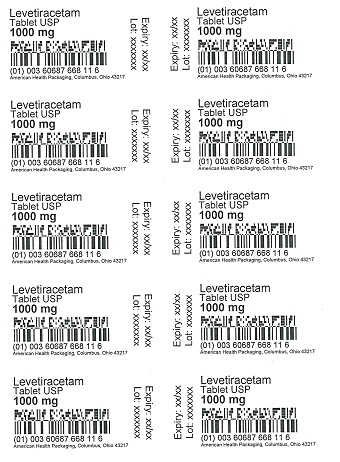
Ahp65701
Ahp66801
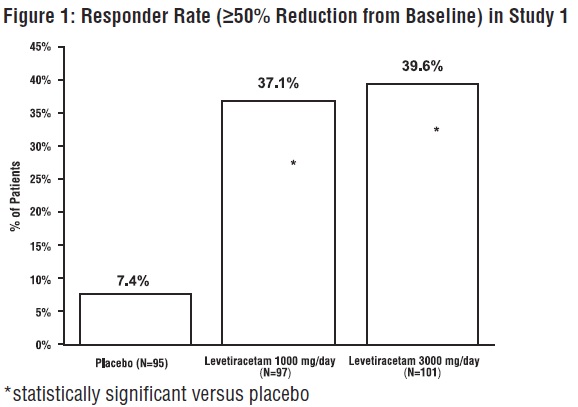
Figure 1: Responder Rate (≥50% Reduction From Baseline) In Study 1 (Figure 1)
This is a figure from a study depicting the Responder Rate, which shows a 250% reduction from baseline. The figure shows different percentages on the Y-axis and different treatment groups on the X-axis. One treatment group exhibits statistically significant results compared to a placebo group. The graph also mentions Leviaseam 000 oy and Leviaseam 100 ooy.*
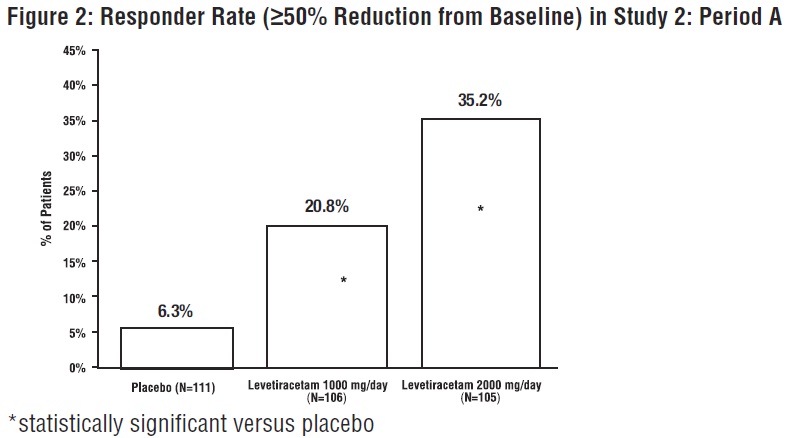
Figure 2: Responder Rate (≥50% Reduction From Baseline) In Study 2: Period A (Figure 2)
The text describes a chart titled "Figure 2: Responder Rate" that shows the percentage of patients who experienced a 250% reduction from baseline during "Period A" of Study 2. The chart displays results for a placebo group and two groups of patients taking different doses of a medication called Levetiracetam. One of the groups taking Levetiracetam showed a statistically significant improvement in responder rate compared to the placebo group.*
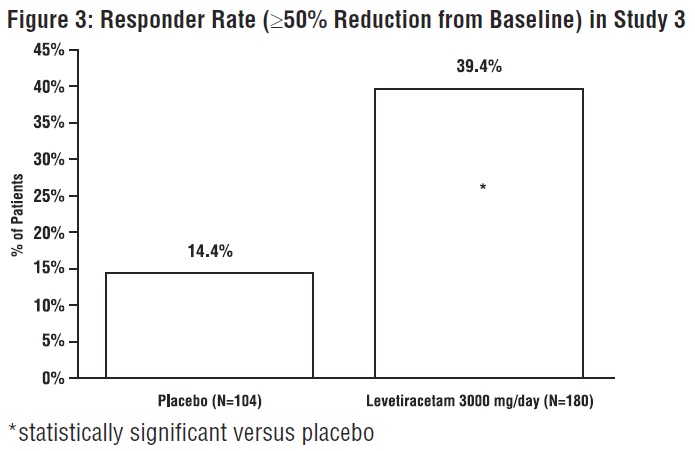
Figure 3: Responder Rate (≥50% Reduction From Baseline) In Study 3 (Figure 3)
The text describes Figure 3 showing the responder rate (>50% reduction from baseline) in Study 3. The graph includes two vertical bars representing the placebo (N=104) and Levetiracetam 3000 mg/day (N=180) groups along with percentages on the horizontal axis ranging from 0% to 45%. The Levetiracetam group had a statistically significant response rate compared to the placebo group.*
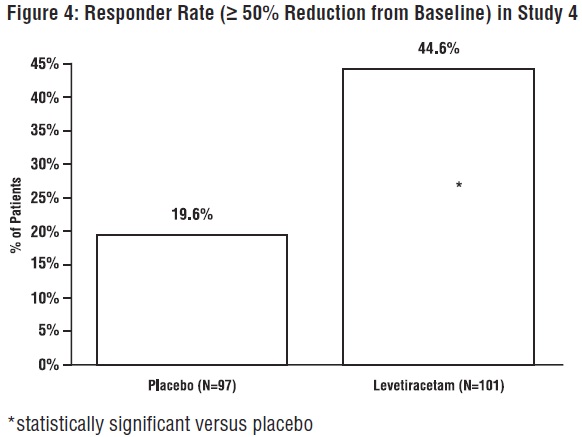
Figure 4: Responder Rate (≥ 50% Reduction From Baseline) In Study 4 (Figure 4)
Figure 4 displays the Responder Rate for a study, where a reduction of 50% from the baseline was achieved. The percentage of responders was 44.6% for the placebo group and 45% for the group that took Levetiracetam. The graph shows that the Levetiracetam group had a statistically significant result compared to the placebo group.*
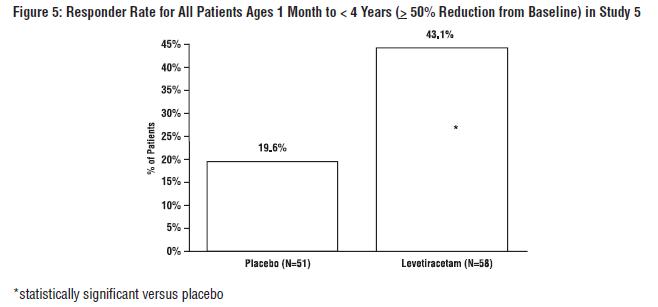
Figure 5: Responder Rate For All Patients Ages 1 Month To < 4 Years (≥ 50% Reduction From Baseline) In Study 5 (Figure 5)
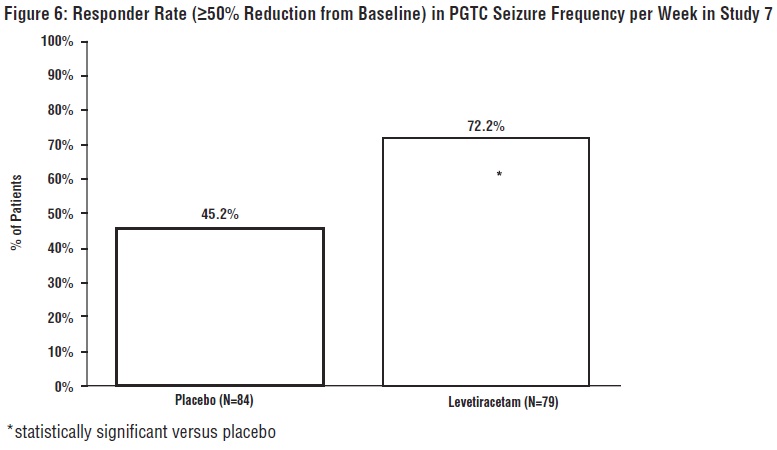
Figure 6: Responder Rate (≥50% Reduction From Baseline) In Pgtc Seizure Frequency Per Week In Study 7 (Figure 6)
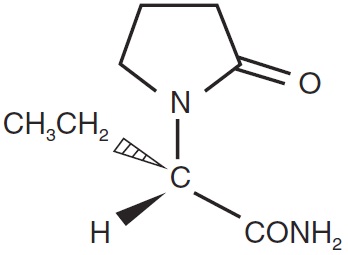
Structural Formula (Structure)
* These product label images have been analyzed using experimental machine learning. Please verify findings with the primary label text.