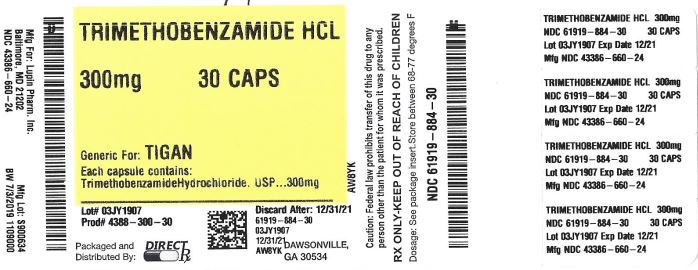
During the course of acute febrile illness, encephalitides, gastroenteritis, dehydration and electrolyte imbalance, especially in children and the elderly or debilitated, CNS reactions such as opisthotonos, convulsions, coma and extrapyramidal symptoms have been reported with and without use of trimethobenzamide hydrochloride capsules or other antiemetic agents. In such disorders caution should be exercised in administering trimethobenzamide hydrochloride capsules, particularly to patients who have recently received other CNS acting agents (phenothiazines, barbiturates, belladonna derivatives). Primary emphasis should be directed toward the restoration of body fluids and electrolyte balance, the relief of fever and relief of the causative disease process. Overhydration should be avoided since it may result in cerebral edema.
The antiemetic effects of trimethobenzamide hydrochloride capsules may render diagnosis more difficult in such conditions as appendicitis and obscure signs of toxicity due to overdosage of other drugs.
General
Adjustment of Dose in Renal Failure
A substantial route of elimination of unchanged trimethobenzamide is via the kidney. Dosage adjustment should be considered in patients with reduced renal function including some elderly patients. (See CLINICAL PHARMACOLOGY and DOSAGE AND ADMINISTRATION).
Geriatric Use
Clinical studies of trimethobenzamide hydrochloride did not include sufficient numbers of patients aged 65 and over to determine whether they respond differently from younger patients. Although there are studies reported in the literature that included elderly patients >65 years old with younger patients, it is not known if there are differences in efficacy or safety parameters for elderly and non-elderly patients treated with trimethobenzamide. In general, dose selection for an elderly patient should be cautious, usually starting at the low end of the dosing range, reflecting the greater frequency of decreased hepatic, renal, or cardiac function, and of concomitant disease or other drug therapy.
This drug is known to be substantially excreted by the kidney, and the risk of toxic reactions to this drug may be greater in patients with impaired renal function. Because elderly patients are more likely to have decreased renal function, care should be taken in dose selection, and it may be useful to monitor renal function. (See CLINCAL PHARMACOLOGY and DOSAGE AND ADMINISTRATION).