Tramadol Hydrochloride Tablet, Extended Release
FDA Label NDC 61919-893

21 label sections · Submitted to the FDA by Direct Rx · Indications, Dosage, Usage, and Precautions

Structured Product Label

The following Structured Product Label (SPL) was submitted to the FDA by Direct Rx for the product Tramadol Hydrochloride (NDC 61919-893). This document serves as the official prescribing information, containing essential scientific data and clinical materials required for healthcare providers and patients.

This specific version of the label includes detailed information regarding description section, clinical pharmacology section, clinical studies section, indications & usage section, contraindications section, warnings section, drug abuse and dependence section, precautions section, and other regulatory disclosures. Use the navigation below to review specific sections of the FDA submission.

Description Section

Tramadol hydrochloride is a centrally acting synthetic analgesic in an extended-release formulation. The chemical name is (±)cis-2-[(dimethylamino) methyl]-1-(3-methoxyphenyl) cyclohexanol hydrochloride. Its structural formula is:

Figure 1

Image Description (Module1)

Image Description (Module1)

The molecular weight of tramadol hydrochloride is 299.84. It is a white, crystalline powder that is freely soluble in water and methanol, very slightly soluble in acetone and has a pKa of 9.41. The n-octanol/water log partition coefficient (logP) is 1.35 at pH 7. Tramadol hydrochloride extended-release tablets contain 100 mg, 200 mg or 300 mg of tramadol hydrochloride, USP in an extended-release formulation. The tablets are white in color and contain the inactive ingredients pregelatinized maize starch, hypromellose, mannitol, magnesium stearate, cellulose acetate and polyethylene glycol.

Imprinting ink contains, shellac glaze, iron oxide black, N-butyl alcohol, ammonium hydroxide and propylene glycol.

Clinical Pharmacology Section

12.1 Mechanism of Action

Tramadol hydrochloride tablets contains tramadol, an opioid agonist and inhibitor of norepinephrine and serotonin re-uptake. Although the mode of action is not completely understood, the analgesic effect of tramadol is believed to be due to both binding to μ-opioid receptors and weak inhibition of re-uptake of norepinephrine and serotonin.

Opioid activity is due to both low affinity binding of the parent compound and higher affinity binding of the O-demethylated metabolite M1 to μ-opioid receptors. In animal models, M1 is up to 6 times more potent than tramadol in producing analgesia and 200 times more potent in μ-opioid binding. Tramadol-induced analgesia is only partially antagonized by the opioid antagonist naloxone in several animal tests. The relative contribution of both tramadol and M1 to human analgesia is dependent upon the plasma concentrations of each compound [see CLINICAL PHARMACOLOGY (12.2)].

Analgesia in humans begins approximately within one hour after administration and reaches a peak in approximately two to three hours.

12.2 Pharmacodynamics

Effects on the Central Nervous System

Tramadol produces respiratory depression by direct action on brain stem respiratory centers. The respiratory depression involves a reduction in the responsiveness of the brain stem respiratory centers to both increases in carbon dioxide tension and electrical stimulation.

Tramadol administration may produce a constellation of symptoms including nausea and vomiting, dizziness, and somnolence.

Tramadol causes miosis, even in total darkness. Pinpoint pupils are a sign of opioid overdose but are not pathognomonic (e.g., pontine lesions of hemorrhagic or ischemic origins may produce similar findings). Marked mydriasis rather than miosis may be seen due to hypoxia in overdose situations.

Effects on the Gastrointestinal Tract and Other Smooth Muscle

Tramadol causes a reduction in motility associated with an increase in smooth muscle tone in the antrum of the stomach and duodenum. Digestion of food in the small intestine is delayed and propulsive contractions are decreased. Propulsive peristaltic waves in the colon are decreased, while tone may be increased to the point of spasm resulting in constipation. Other opioid-induced effects may include a reduction in biliary and pancreatic secretions, spasm of sphincter of Oddi, and transient elevations in serum amylase.

Effects on the Cardiovascular System

Tramadol produces peripheral vasodilation, which may result in orthostatic hypotension or syncope. Manifestations of peripheral vasodilation may include pruritus, flushing, red eyes, sweating and/or orthostatic hypotension.

The effect of oral tramadol on the QTcF interval was evaluated in a double-blind, randomized, four-way crossover, placebo- and positive- (moxifloxacin) controlled study in 68 adult male and female healthy subjects. At a 600 mg/day dose (1.5-fold the maximum immediate-release daily dose), the study demonstrated no significant effect on the QTcF interval.

Effects on the Endocrine System

Opioids inhibit the secretion of adrenocorticotropic hormone (ACTH), cortisol, and luteinizing hormone (LH) in humans. They also stimulate prolactin, growth hormone (GH) secretion, and pancreatic secretion of insulin and glucagon [see WARNINGS AND PRECAUTIONS (5.11); Adverse Reactions (6)].

Chronic use of opioids may influence the hypothalamic-pituitary-gonadal axis, leading to androgen deficiency that may manifest as low libido, impotence, erectile dysfunction, amenorrhea, or infertility. The causal role of opioids in the clinical syndrome of hypogonadism is unknown because the various medical, physical, lifestyle, and psychological stressors that may influence gonadal hormone levels have not been adequately controlled for in studies conducted to date [see Adverse Reactions (6)].

Effects on the Immune System

Opioids have been shown to have a variety of effects on components of the immune system in in vitro and animal models. The clinical significance of these findings is unknown. Overall, the effects of opioids appear to be modestly immunosuppressive.

Concentration–Efficacy Relationships

The minimum effective analgesic concentration will vary widely among patients, especially among patients who have been previously treated with potent opioid agonists. The minimum effective analgesic concentration of tramadol for any individual patient may increase over time due to an increase in pain, the development of a new pain syndrome and/or the development of analgesic tolerance [see Dosage and Administration (2)].

Concentration–Adverse Reaction Relationships

There is a relationship between increasing tramadol plasma concentration and increasing frequency of dose-related opioid adverse reactions such as nausea, vomiting, CNS effects, and respiratory depression. In opioid-tolerant patients, the situation may be altered by the development of tolerance to opioid-related adverse reactions [see Dosage and Administration (2)].

12.3 Pharmacokinetics

The analgesic activity of tramadol hydrochloride is due to both parent drug and the M1 metabolite [see Clinical Pharmacology (12.1, 12.2)]. Tramadol is administered as a racemate and both the [-] and [+] forms of both tramadol and M1 are detected in the circulation. Linear pharmacokinetics have been observed following multiple doses of 50 and 100 mg to steady-state.

Absorption

The mean absolute bioavailability of a 100 mg oral dose is approximately 75%. The mean peak plasma concentration of racemic tramadol and M1 occurs at two and three hours, respectively, after administration in healthy adults. In general, both enantiomers of tramadol and M1 follow a parallel time course in the body following single and multiple doses although small differences (~ 10%) exist in the absolute amount of each enantiomer present.

Steady-state plasma concentrations of both tramadol and M1 are achieved within two days with four times per day dosing. There is no evidence of self-induction (see Figure 1 and Table 3 below).

Figure 1: Mean Tramadol and M1 Plasma Concentration Profiles after a Single 100 mg Oral Dose and after Twenty-Nine 100 mg Oral Doses of Tramadol Hydrochloride given four times per day.

[10]

Table 3: Mean (%CV) Pharmacokinetic Parameters for Racemic Tramadol and M1 Metabolite

Population/Dosage

Regimena

Parent Drug/

Metabolite

Peak Conc.(ng/mL)

Time to Peak

(hrs)

Clearance/Fb

(mL/min/Kg)

t1/2 (hrs)

Healthy Adults,

Tramadol

592 (30)

2.3 (61)

5.90 (25)c

6.7 (15)

100 mg qid, MD p.o.

M1

110 (29)

2.4 (46)

7.0 (14)

Healthy Adults,

Tramadol

308 (25)

1.6 (63)

8.50 (31)c

5.6 (20)

100 mg SD p.o.

M1

55.0 (36)

3.0 (51)

6.7 (16)

Geriatric, (>75 yrs)

Tramadol

208 (31)d

2.1 (19)d

6.89 (25)c

7.0 (23)d

50 mg SD p.o.

M1


Hepatic Impaired,

Tramadol

217 (11)

1.9 (16)

4.23 (56)c

13.3 (11)

50 mg SD p.o.

M1

19.4 (12)

9.8 (20)

18.5 (15)

Renal Impaired,

Tramadol

c

c

4.23 (54)c

10.6 (31)

CLcr10-30 mL/min

M1

c

c

11.5 (40)

100 mg SD i.v.


Renal Impaired,

Tramadol

c

c

3.73 (17)c

11.0 (29)

CLcr<5 mL/min

M1

c

c

16.9 (18)

100 mg SD i.v.


a SD = Single dose, MD = Multiple dose, p.o.= Oral administration, i.v.= Intravenous administration, q.i.d. = Four times daily

b F represents the oral bioavailability of tramadol

c Not applicable

d Not measured

Food Effects

Oral administration of tramadol hydrochloride with food does not significantly affect its rate or extent of absorption, therefore, tramadol hydrochloride can be administered without regard to food.

Distribution

The volume of distribution of tramadol was 2.6 and 2.9 liters/kg in male and female subjects, respectively, following a 100 mg intravenous dose. The binding of tramadol to human plasma proteins is approximately 20% and binding also appears to be independent of concentration up to 10 mcg/mL. Saturation of plasma protein binding occurs only at concentrations outside the clinically relevant range.

Elimination

Tramadol is eliminated primarily through metabolism by the liver and the metabolites are eliminated primarily by the kidneys. The mean (%CV) apparent total clearance of tramadol after a single 100 mg oral dose is 8.50 (31) mL/min/kg. The mean terminal plasma elimination half-lives of racemic tramadol and racemic M1 are 6.3 ± 1.4 and 7.4 ± 1.4 hours, respectively. The plasma elimination half-life of racemic tramadol increased from approximately six hours to seven hours upon multiple dosing.

Metabolism

Tramadol is extensively metabolized after oral administration by a number of pathways, including CYP2D6 and CYP3A4, as well as by conjugation of parent and metabolites. Approximately 30% of the dose is excreted in the urine as unchanged drug, whereas 60% of the dose is excreted as metabolites. The remainder is excreted either as unidentified or as unextractable metabolites. The major metabolic pathways appear to be N- and O-demethylation and glucuronidation or sulfation in the liver. One metabolite (O-desmethyltramadol, denoted M1) is pharmacologically active in animal models. Formation of M1 is dependent on CYP2D6 and as such is subject to inhibition, which may affect the therapeutic response [WARNINGS AND PRECAUTIONS (5.4); Drug Interactions (7)].

Approximately 7% of the population has reduced activity of the CYP2D6 isoenzyme of cytochrome P-450. These individuals are “poor metabolizers” of debrisoquine, dextromethorphan, tricyclic antidepressants, among other drugs. Based on a population PK analysis of Phase 1 studies in healthy subjects, concentrations of tramadol were approximately 20% higher in “poor metabolizers” versus “extensive metabolizers”, while M1 concentrations were 40% lower. Concomitant therapy with inhibitors of CYP2D6 such as fluoxetine, paroxetine and quinidine could result in significant drug interactions. In vitro drug interaction studies in human liver microsomes indicate that inhibitors of CYP2D6 such as fluoxetine and its metabolite norfluoxetine, amitriptyline and quinidine inhibit the metabolism of tramadol to various degrees, suggesting that concomitant administration of these compounds could result in increases in tramadol concentrations and decreased concentrations of M1. The full pharmacological impact of these alterations in terms of either efficacy or safety is unknown. Concomitant use of serotonin re-uptake inhibitors and MAO inhibitors may enhance the risk of adverse events, including seizure and serotonin syndrome [see WARNINGS AND PRECAUTIONS (5.8) and Drug Interactions (7)].

Excretion

Tramadol metabolites are eliminated primarily by the kidneys. Approximately 30% of the dose is excreted in the urine as unchanged drug, whereas 60% of the dose is excreted as metabolites. The remainder is excreted either as unidentified or as unextractable metabolites.

Special Populations

Hepatic Impairment

Metabolism of tramadol and M1 is reduced in patients with severe hepatic impairment based on a study in patients with advanced cirrhosis of the liver, resulting in both a larger area under the concentration time curve for tramadol and longer tramadol and M1 elimination half-lives (13 hrs. for tramadol and 19 hrs. for M1). In patients with severe hepatic impairment, adjustment of the dosing regimen is recommended [see Dosage and Administration (2)].

Renal Impairment

Impaired renal function results in a decreased rate and extent of excretion of tramadol and its active metabolite, M1. In patients with creatinine clearances of less than 30 mL/min, adjustment of the dosing regimen is recommended [see Dosage and Administration (2)]. The total amount of tramadol and M1 removed during a 4-hour dialysis period is less than 7% of the administered dose.

Age: Geriatric

Healthy elderly subjects aged 65 to 75 years have plasma tramadol concentrations and elimination half-lives comparable to those observed in healthy subjects less than 65 years of age. In subjects over 75 years, maximum serum concentrations are elevated (208 vs. 162 ng/mL) and the elimination half-life is prolonged (7 vs. 6 hours) compared to subjects 65 to 75 years of age. Adjustment of the daily dose is recommended for patients older than 75 years [see DOSAGE AND ADMINISTRATION (2.3)].

Sex

The absolute bioavailability of tramadol was 73% in males and 79% in females. The plasma clearance was 6.4 mL/min/kg in males and 5.7 mL/min/kg in females following a 100 mg IV dose of tramadol. Following a single oral dose, and after adjusting for body weight, females had a 12% higher peak tramadol concentration and a 35% higher area under the concentration-time curve compared to males. The clinical significance of this difference is unknown.

Poor / Extensive Metabolizers, CYP2D6

The formation of the active metabolite, M1, is mediated by CYP2D6, a polymorphic enzyme. Approximately 7% of the population has reduced activity of the CYP2D6 isoenzyme of cytochrome P450 metabolizing enzyme system. These individuals are “poor metabolizers” of debrisoquine, dextromethorphan and tricyclic antidepressants, among other drugs. Based on a population PK analysis of Phase 1 studies with IR tablets in healthy subjects, concentrations of tramadol were approximately 20% higher in “poor metabolizers” versus “extensive metabolizers,” while M1 concentrations were 40% lower.

Clinical Studies Section

    Tramadol hydrochloride was studied in patients with chronic, moderate to moderately severe pain due to osteoarthritis and/or low back pain in four 12-week, randomized, double-blind, placebo-controlled trials. To qualify for inclusion into these studies, patients were required to have moderate to moderately severe pain as defined by a pain intensity score of ≥40 mm, off previous medications, on a 0 mm to 100 mm visual analog scale (VAS). Adequate evidence of efficacy was demonstrated in the following two studies:

    In one 12-week randomized, double-blind, placebo-controlled study, patients with moderate to moderately severe pain due to osteoarthritis of the knee and/or hip were administered doses from 100 mg to 400 mg daily. Treatment was initiated at 100 mg QD for four days then increased by 100 mg per day increments every five days to the randomized fixed dose. Between 51% and 59% of patients in the tramadol hydrochloride extended-release tablets treatment groups completed the study and 56% of patients in the placebo group completed the study. Discontinuations due to adverse events were more common in the tramadol hydrochloride extended-release tablets 200 mg, 300 mg and 400 mg treatment groups (20%, 27%, and 30% of discontinuations, respectively) compared to 14% of the patients treated with tramadol hydrochloride extended-release tablets 100 mg and 20% of patients treated with placebo.

    Pain, as assessed by the WOMAC Pain subscale, was measured at 1, 2, 3, 6, 9, and 12 weeks and change from baseline assessed. A responder analysis based on the percent change in WOMAC Pain subscale demonstrated a statistically significant improvement in pain for the 100 mg and 200 mg treatment groups compared to placebo (see Figure 3).

    In one 12-week randomized, double-blind, placebo-controlled flexible-dosing trial of tramadol hydrochloride extended-release tablets in patients with osteoarthritis of the knee, patients titrated to an average daily tramadol hydrochloride extended-release tablets dose of approximately 270 mg/day. Forty-nine percent of patients randomized to tramadol hydrochloride extended-release tablets completed the study, while 52% of patients randomized to placebo completed the study. Most of the early discontinuations in the tramadol hydrochloride extended-release tablets treatment group were due to adverse events, accounting for 27% of the early discontinuations in contrast to 7% of the discontinuations from the placebo group.

    Thirty-four percent of the placebo-treated patients discontinued the study due to lack of efficacy compared to 15% of tramadol hydrochloride extended-release tablets-treated patients. The tramadol hydrochloride extended-release tablets group demonstrated a statistically significant decrease in the mean VAS score, and a statistically significant difference in the responder rate, based on the percent change from baseline in the VAS score, measured at 1, 2, 4, 8, and 12 weeks, between patients receiving tramadol hydrochloride extended-release tablets and placebo (see Figure 4).

    Close

Indications & Usage Section

Tramadol hydrochloride extended-release tablets are indicated for the management of moderate to moderately severe chronic pain in adults who require around-the-clock treatment of their pain for an extended period of time

Contraindications Section

Tramadol hydrochloride extended-release tablets should not be administered to patients who have previously demonstrated hypersensitivity to tramadol, any other component of this product or opioids. Tramadol hydrochloride extended-release tablets are contraindicated in any situation where opioids are contraindicated, including acute intoxication with any of the following: alcohol, hypnotics, narcotics, centrally acting analgesics, opioids or psychotropic drugs. Tramadol hydrochloride extended-release tablets may worsen central nervous system and respiratory depression in these patients.

Warnings Section

    Seizure Risk

    Seizures have been reported in patients receiving tramadol within the recommended dosage range. Spontaneous postmarketing reports indicate that seizure risk is increased with doses of tramadol above the recommended range. Concomitant use of tramadol increases the seizure risk in patients taking:

    • Selective serotonin re-uptake inhibitors (SSRI antidepressants or anorectics),
    • Tricyclic antidepressants (TCAs), and other tricyclic compounds (e.g., cyclobenzaprine, promethazine, etc.), or
    • Other opioids.
    • Administration of tramadol may enhance the seizure risk in patients taking:

      • MAO inhibitors (see also WARNINGS - Use with MAO Inhibitors),
      • Neuroleptics, or
      • Other drugs that reduce the seizure threshold.
      • Risk of convulsions may also increase in patients with epilepsy, those with a history of seizures, or in patients with a recognized risk for seizure (such as head trauma, metabolic disorders, alcohol and drug withdrawal, CNS infections). In tramadol overdose, naloxone administration may increase the risk of seizure.

        Suicide Risk

        • Do not prescribe tramadol hydrochloride extended-release tablets for patients who are suicidal or addiction-prone.
        • Prescribe tramadol hydrochloride extended-release tablets with caution for patients taking tranquilizers or antidepressant drugs and patients who use alcohol in excess.
        • Tell your patients not to exceed the recommended dose and to limit their intake of alcohol.
        • Serotonin Syndrome Risk

          The development of a potentially life-threatening serotonin syndrome may occur with use of tramadol products, including tramadol hydrochloride extended-release tablets, particularly with concomitant use of serotonergic drugs such as SSRIs, SNRIs, TCAs, MAOIs and triptans, with drugs which impair metabolism of serotonin (including MAOIs) and with drugs which impair metabolism of tramadol (CYP2D6 and CYP3A4 inhibitors). This may occur within the recommended dose. (See CLINICAL PHARMACOLOGY - Pharmacokinetics).

          Serotonin syndrome may include mental-status changes (e.g., agitation, hallucinations, coma), autonomic instability (e.g., tachycardia, labile blood pressure, hyperthermia), neuromuscular aberrations (e.g., hyperreflexia, incoordination) and/or gastrointestinal symptoms (e.g., nausea, vomiting, diarrhea).

          Tramadol products in excessive doses, either alone or in combination with other CNS depressants, including alcohol, are a major cause of drug-related deaths. Fatalities within the first hour of overdosage are not uncommon. Tramadol should not be taken in doses higher than those recommended by the physician. The judicious prescribing of tramadol is essential to the safe use of this drug. With patients who are depressed or suicidal, consideration should be given to the use of non-narcotic analgesics. Patients should be cautioned about the concomitant use of tramadol products and alcohol because of potentially serious CNS-additive effects of these agents. Because of its added depressant effects, tramadol should be prescribed with caution for those patients whose medical condition requires the concomitant administration of sedatives, tranquilizers, muscle relaxants, antidepressants, or other CNS-depressant drugs. Patients should be advised of the additive depressant effects of these combinations.

          Many of the tramadol-related deaths have occurred in patients with previous histories of emotional disturbances or suicidal ideation or attempts as well as histories of misuse of tranquilizers, alcohol, and other CNS-active drugs. Some deaths have occurred as a consequence of the accidental ingestion of excessive quantities of tramadol alone or in combination with other drugs. Patients taking tramadol should be warned not to exceed the dose recommended by their physician.

          Anaphylactoid Reactions

          Serious and rarely fatal anaphylactoid reactions have been reported in patients receiving therapy with tramadol. When these events do occur it is often following the first dose. Other reported allergic reactions include pruritus, hives, bronchospasm, angioedema, toxic epidermal necrolysis and Stevens-Johnson syndrome. Patients with a history of anaphylactoid reactions to codeine and other opioids may be at increased risk and therefore should not receive tramadol hydrochloride extended-release tablets (see CONTRAINDICATIONS).

          Respiratory Depression

          Administer tramadol hydrochloride extended-release tablets cautiously in patients at risk for respiratory depression. In these patients alternative non-opioid analgesics should be considered. When large doses of tramadol are administered with anesthetic medications or alcohol, respiratory depression may result. Respiratory depression should be treated as an overdose. If naloxone is to be administered, use cautiously because it may precipitate seizures (see WARNINGS Seizure Risk and OVERDOSAGE).

          Interaction With Central Nervous System (CNS) Depressants

          Tramadol hydrochloride extended-release tablets should be used with caution and in reduced dosages when administered to patients receiving CNS depressants such as alcohol, opioids, anesthetic agents, narcotics, phenothiazines, tranquilizers or sedative hypnotics. Tramadol hydrochloride extended-release tablets increase the risk of CNS and respiratory depression in these patients.

          Increased Intracranial Pressure or Head Trauma

          Tramadol hydrochloride extended-release tablets should be used with caution in patients with increased intracranial pressure or head injury. The respiratory depressant effects of opioids include carbon dioxide retention and secondary elevation of cerebrospinal fluid pressure, and may be markedly exaggerated in these patients. Additionally, pupillary changes (miosis) from tramadol may obscure the existence, extent, or course of intracranial pathology. Clinicians should also maintain a high index of suspicion for adverse drug reaction when evaluating altered mental status in these patients if they are receiving tramadol hydrochloride extended-release tablets. (see WARNINGS - Respiratory Depression).

          Use in Ambulatory Patients

          Tramadol hydrochloride extended-release tablets may impair the mental and or physical abilities required for the performance of potentially hazardous tasks such as driving a car or operating machinery. The patient using this drug should be cautioned accordingly.

          Use With MAO Inhibitors and Serotonin Re-uptake Inhibitors

          Use tramadol hydrochloride extended-release tablets with great caution in patients taking monoamine oxidase inhibitors. Animal studies have shown increased deaths with combined administration. Concomitant use of tramadol hydrochloride extended-release tablets with MAO inhibitors or SSRIs increases the risk of adverse events, including seizure and serotonin syndrome.

          Withdrawal

          Withdrawal symptoms may occur if tramadol hydrochloride extended-release tablet is discontinued abruptly. These symptoms may include: anxiety, sweating, insomnia, rigors, pain, nausea, tremors, diarrhea, upper respiratory symptoms, piloerection, and rarely hallucinations. Clinical experience suggests that withdrawal symptoms may be reduced by tapering tramadol hydrochloride extended-release tablets.

          Misuse, Abuse and Diversion of Opioids

          Tramadol is an opioid agonist of the morphine-type. Such drugs are sought by drug abusers and people with addiction disorders and are subject to criminal diversion.

          Tramadol can be abused in a manner similar to other opioid agonists, legal or illicit. This should be considered when prescribing or dispensing tramadol hydrochloride extended-release tablets in situations where the physician or pharmacist is concerned about an increased risk of misuse, abuse, or diversion.

          Tramadol hydrochloride extended-release tablets could be abused by crushing, chewing, snorting, or injecting the dissolved product. These practices will result in the uncontrolled delivery of the opioid and pose a significant risk to the abuser that could result in overdose and death (see WARNINGS and DRUG ABUSE AND ADDICTION).

          Concerns about abuse, addiction, and diversion should not prevent the proper management of pain. The development of addiction to opioid analgesics in properly managed patients with pain has been reported to be rare. However, data are not available to establish the true incidence of addiction in chronic pain patients.

          Healthcare professionals should contact their State Professional Licensing Board, or State Controlled Substances Authority for information on how to prevent and detect abuse or diversion of this product.

          Interactions with Alcohol and Drugs of Abuse

          Tramadol may be expected to have additive effects when used in conjunction with alcohol, other opioids, or illicit drugs that cause central nervous system depression.

Drug Abuse And Dependence Section

    Tramadol hydrochloride extended-release tablet is a mu-agonist opioid. Tramadol, like other opioids used in analgesia, can be abused and is subject to criminal diversion.

    Drug addiction is characterized by compulsive use, use for non-medical purposes, and continued use despite harm or risk of harm. Drug addiction is a treatable disease, utilizing a multi-disciplinary approach, but relapse is common.

    “Drug-seeking” behavior is very common in addicts and drug abusers. Drug-seeking tactics include emergency calls or visits near the end of office hours, refusal to undergo appropriate examination, testing or referral, repeated “loss” of prescriptions, tampering with prescriptions and reluctance to provide prior medical records or contact information for other treating physician(s). “Doctor shopping” to obtain additional prescriptions is common among drug abusers and people suffering from untreated addiction.

    Abuse and addiction are separate and distinct from physical dependence and tolerance. Physicians should be aware that addiction may not be accompanied by concurrent tolerance and symptoms of physical dependence in all addicts. In addition, abuse of opioids can occur in the absence of true addiction and is characterized by misuse for non- medical purposes, often in combination with other psychoactive substances. Tramadol hydrochloride extended-release tablets, like other opioids, may be diverted for non-medical use. Careful record-keeping of prescribing information, including quantity, frequency, and renewal requests is strongly advised.

    Proper assessment of the patient, proper prescribing practices, periodic re-evaluation of therapy, and proper dispensing and storage are appropriate measures that help to limit abuse of opioid drugs.

    Tramadol hydrochloride extended-release tablets are intended for oral use only. The crushed tablet poses a hazard of overdose and death. This risk is increased with concurrent abuse of alcohol and other substances. With parenteral abuse, the tablet excipients can be expected to result in local tissue necrosis, infection, pulmonary granulomas, and increased risk of endocarditis and valvular heart injury. Parenteral drug abuse is commonly associated with transmission of infectious diseases such as hepatitis and HIV.

    Risk of Overdosage

    Serious potential consequences of overdosage with tramadol hydrochloride extended-release tablets are central nervous system depression, respiratory depression and death. In treating an overdose, primary attention should be given to maintaining adequate ventilation along with general supportive treatment (see OVERDOSAGE).

Precautions Section


Acute Abdominal Condition

The administration of tramadol hydrochloride extended-release tablets may complicate the clinical assessment of patients with acute abdominal conditions.

Use in Renal and Hepatic Disease

Impaired renal function results in a decreased rate and extent of excretion of tramadol and its active metabolite, M1. Tramadol hydrochloride extended-release tablets have not been studied in patients with severe renal impairment (CLcr < 30 mL/min). The limited availability of dose strengths and once daily dosing of tramadol hydrochloride extended-release tablets do not permit the dosing flexibility required for safe use in patients with severe renal impairment. Therefore, tramadol hydrochloride extended-release tablets should not be used in patients with severe renal impairment (see CLINICAL PHARMACOLOGY and DOSAGE AND ADMINISTRATION).

Metabolism of tramadol and M1 is reduced in patients with advanced cirrhosis of the liver. The pharmacokinetics of tramadol hydrochloride extended-release tablets has not been studied in patients with severe hepatic impairment. The limited availability of dose strengths and once daily dosing of tramadol hydrochloride extended-release tablets do not permit the dosing flexibility required for safe use in patients with severe hepatic impairment. Therefore, tramadol hydrochloride extended-release tablets should not be used in patients with severe hepatic impairment (see CLINICAL PHARMACOLOGY and DOSAGE AND ADMINISTRATION).

Information For Patients Section

    • Patients should be informed that tramadol hydrochloride extended-release tablets is for oral use only and should be swallowed whole. The tablets should not be chewed, crushed, or split.
    • Patients should be informed that tramadol hydrochloride extended-release tablets may cause seizures and/or serotonin syndrome with concomitant use of serotonergic agents (including SRIs, NRIs, and triptans) or drugs that significantly reduce the metabolic clearance of tramadol.
    • Patients should be informed that tramadol hydrochloride extended-release tablets may impair mental or physical abilities required for the performance of potentially hazardous tasks such as driving a car or operating machinery.
    • Patients should be informed that tramadol hydrochloride extended-release tablets should not be taken with alcohol containing beverages.
    • Patients should be informed that tramadol hydrochloride extended-release tablets should be used with caution when taking medications such as tranquilizers, hypnotics or other opiate containing analgesics.
    • Female patients should be instructed to inform the prescriber if they are pregnant, think they might become pregnant, or are trying to become pregnant (see PRECAUTIONS, Labor and Delivery).
    • Patients should be educated regarding the single-dose and 24-hour dosing regimen, as exceeding these recommendations can result in respiratory depression, seizures or death.
    • Use in Drug and Alcohol Addiction

      Tramadol hydrochloride extended-release tablet is an opioid with no approved use in the management of addictive disorders. Its proper usage in individuals with drug or alcohol dependence, either active or in remission, is for the management of pain requiring opioid analgesia.

      Drug Interactions

      CYP2D6 and CYP3A4 inhibitors: Concomitant administration of CYP2D6 and/or CYP3A4 inhibitors (See CLINICAL PHARMACOLOGY - Pharmacokinetics), such as quinidine, fluoxetine, paroxetine and amitriptyline (CYP2D6 inhibitors), and ketoconazole and erythromycin (CYP3A4 inhibitors), may reduce metabolic clearance of tramadol increasing the risk for serious adverse events including seizures and serotonin syndrome.

      Serotonergic Drugs: There have been postmarketing reports of serotonin syndrome with use of tramadol and SSRIs/SNRIs or MAOIs and α2-adrenergic blockers. Caution is advised when tramadol hydrochloride extended-release tablets are coadministered with other drugs that may affect the serotonergic neurotransmitter systems, such as SSRIs, MAOIs, triptans, linezolid (an antibiotic which is a reversible non-selective MAOI), lithium, or St. John's Wort. If concomitant treatment of tramadol hydrochloride extended-release tablets with a drug affecting the serotonergic neurotransmitter system is clinically warranted, careful observation of the patient is advised, particularly during treatment initiation and dose increases (see WARNINGS - Serotonin Syndrome).

      Triptans: Based on the mechanism of action of tramadol and the potential for serotonin syndrome, caution is advised when tramadol hydrochloride extended-release tablets are coadministered with a triptan. If concomitant treatment of tramadol hydrochloride extended-release tablets with a triptan is clinically warranted, careful observation of the patient is advised, particularly during treatment initiation and dose increases (see WARNINGS - Serotonin Syndrome).

      Use With Carbamazepine

      Patients taking carbamazepine, a CYP3A4 inducer, may have a significantly reduced analgesic effect of tramadol. Because carbamazepine increases tramadol metabolism and because of the seizure risk associated with tramadol, concomitant administration of tramadol hydrochloride extended-release tablets and carbamazepine is not recommended.

      Use With Quinidine

      Coadministration of quinidine with tramadol hydrochloride extended-release tablets resulted in a 50% to 60% increase in tramadol exposure and a 50% to 60% decrease in M1 exposure (see CLINICAL PHARMACOLOGY, Drug Interactions). The clinical consequences of these findings are unknown.

      Use With Digoxin and Warfarin

      Postmarketing surveillance of tramadol has revealed rare reports of digoxin toxicity and alteration of warfarin effect, including elevation of prothrombin times.

      Potential for Other Drugs to Affect Tramadol

      In vitro drug interaction studies in human liver microsomes indicate that concomitant administration with inhibitors of CYP2D6 such as fluoxetine, paroxetine, and amitriptyline could result in some inhibition of the metabolism of tramadol. Administration of CYP3A4 inhibitors, such as ketoconazole and erythromycin, or inducers, such as rifampin and St. John’s Wort, with tramadol hydrochloride extended-release tablets may affect the metabolism of tramadol leading to altered tramadol exposure.

      Potential for Tramadol to Affect Other Drugs

      In vitro drug interaction studies in human liver microsomes indicate that tramadol has no effect on quinidine metabolism. In vitro studies indicate that tramadol is unlikely to inhibit the CYP3A4-mediated metabolism of other drugs when administered concomitantly at therapeutic doses. Tramadol is a mild inducer of selected drug metabolism pathways measured in animals.

      Carcinogenesis, Mutagenesis, Impairment of Fertility

      No carcinogenic effect of tramadol was observed in p53(+/–)-heterozygous mice at oral doses up to 150 mg/kg/day (approximately 2-fold maximum daily human dose [MDHD] of 400 mg/day for a 60 kg adult based on body surface conversion) for 26 weeks and in rats at oral doses up to 75 mg/kg/day for males and 100 mg/kg/day for females (approximately 2-fold MDHD) for two years. However, the excessive decrease in body weight gain observed in the rat study might have reduced their sensitivity to any potential carcinogenic effect of the drug.

      Tramadol was not mutagenic in the following assays: a bacterial reverse mutation assay using Salmonella and E. coli, a mouse lymphoma assay (in the absence of metabolic activation), and a bone marrow micronucleus test in mice. Mutagenic results occurred in the presence of metabolic activation in the mouse lymphoma assay. Overall, the weight of evidence from these tests indicates that tramadol does not pose a genotoxic risk to humans.

      No effects on fertility were observed for tramadol at oral dose levels up to 50 mg/kg/day in male and female rats (approximately equivalent to MDHD).

      Pregnancy

      Teratogenic Effects: Pregnancy Category C

      Tramadol was not teratogenic at oral dose levels up to 50 mg/kg/day (approximately equivalent to MDHD) in rats and 100 mg/kg (approximately 5-fold MDHD) in rabbits during organogenesis. However, embryo-fetal lethality, reductions in fetal weight and skeletal ossification, and increased supernumerary ribs were observed at a maternal toxic dose of 140 mg/kg in mice (approximately 2-fold MDHD), 80 mg/kg in rats (2-fold MDHD) or 300 mg/kg in rabbits (approximately 15-fold MDHD).

      Non-teratogenic Effects

      Tramadol caused a reduction in neonatal body weight and survival at an oral dose of 80 mg/kg (approximately 2-fold MDHD) when rats were treated during late gestation throughout lactation period.

      There are no adequate and well-controlled studies in pregnant women. Tramadol hydrochloride extended-release tablets should be used during pregnancy only if the potential benefit justifies the potential risk to the fetus. Neonatal seizures, neonatal withdrawal syndrome, fetal death and still birth have been reported during postmarketing reports with tramadol hydrochloride immediate-release products.

      Labor and Delivery

      Tramadol hydrochloride extended-release tablets should not be used in pregnant women prior to or during labor unless the potential benefits outweigh the risks. Safe use in pregnancy has not been established. Chronic use during pregnancy may lead to physical dependence and post-partum withdrawal symptoms in the newborn (see DRUG ABUSE AND ADDICTION). Tramadol has been shown to cross the placenta. The mean ratio of serum tramadol in the umbilical veins compared to maternal veins was 0.83 for 40 women treated with tramadol hydrochloride during labor.

      The effect of tramadol hydrochloride extended-release tablets, if any, on the later growth, development, and functional maturation of the child is unknown.

      Nursing Mothers

      Tramadol hydrochloride extended-release tablets are not recommended for obstetrical preoperative medication or for post-delivery analgesia in nursing mothers because its safety in infants and newborns has not been studied. Following a single intravenous 100 mg dose of tramadol, the cumulative excretion in breast milk within sixteen hours postdose was 100 mcg of tramadol (0.1% of the maternal dose) and 27 mcg of M1.

      Pediatric Use

      The safety and efficacy of tramadol hydrochloride extended-release tablets in patients under 18 years of age have not been established. The use of tramadol hydrochloride extended-release tablets in the pediatric population is not recommended.

      Geriatric Use

      Nine-hundred-one elderly (65 years of age or older) subjects were exposed to tramadol hydrochloride extended-release tablets in clinical trials. Of those subjects, 156 were 75 years of age and older. In general, higher incidence rates of adverse events were observed for patients older than 65 years of age compared with patients 65 years and younger, particularly for the following adverse events: constipation, fatigue, weakness, postural hypotension and dyspepsia. For this reason, tramadol hydrochloride extended-release tablets should be used with great caution in patients older than 75 years of age (see CLINICAL PHARMACOLOGY and DOSAGE AND ADMINISTRATION).

Adverse Reactions Section

The following serious adverse reactions are described, or described in greater detail, in other sections:

Addiction, Abuse, and Misuse [see WARNINGS AND PRECAUTIONS (5.1)]
Life-Threatening Respiratory Depression [see WARNINGS AND PRECAUTIONS (5.3)]
Ultra-Rapid Metabolism of Tramadol and Other Risk Factors for Life-threatening Respiratory Depression in Children [see WARNINGS AND PRECAUTIONS (5.4)]
Neonatal Opioid Withdrawal Syndrome [see WARNINGS AND PRECAUTIONS (5.5)]
Interactions with Benzodiazepines or Other CNS Depressants [see WARNINGS AND PRECAUTIONS (5.7)]
Serotonin Syndrome [see WARNINGS AND PRECAUTIONS (5.8)]
Seizures [see WARNINGS AND PRECAUTIONS (5.9)]
Suicide [see WARNINGS AND PRECAUTIONS (5.10)]
Adrenal Insufficiency [see WARNINGS AND PRECAUTIONS (5.11)]
Severe Hypotension [see WARNINGS AND PRECAUTIONS (5.13)]
Gastrointestinal Adverse Reactions [see WARNINGS AND PRECAUTIONS (5.15)]
Hypersensitivity Reactions [see WARNINGS AND PRECAUTIONS (5.16)]
Withdrawal [see WARNINGS AND PRECAUTIONS (5.17)]

6.1 Clinical Trials Experience

Because clinical trials are conducted under widely varying conditions, adverse reaction rates observed in the clinical trials of a drug cannot be directly compared to rates in the clinical trials of another drug and may not reflect the rates observed in practice.

Tramadol hydrochloride was administered to 550 patients during the double-blind or open-label extension periods in U.S. studies of chronic nonmalignant pain. Of these patients, 375 were 65 years old or older. Table 1 reports the cumulative incidence rate of adverse reactions by 7, 30 and 90 days for the most frequent reactions (5% or more by 7 days). The most frequently reported events were in the central nervous system and gastrointestinal system. Although the reactions listed in the table are felt to be probably related to tramadol hydrochloride administration, the reported rates also include some events that may have been due to underlying disease or concomitant medication. The overall incidence rates of adverse experiences in these trials were similar for tramadol hydrochloride and the active control groups, TYLENOL with Codeine #3 (acetaminophen 300 mg with codeine phosphate 30 mg), and aspirin 325 mg with codeine phosphate 30 mg, however, the rates of withdrawals due to adverse events appeared to be higher in the tramadol hydrochloride groups.

Table 1: Cumulative Incidence of Adverse Reactions for Tramadol Hydrochloride in Chronic Trials of Nonmalignant Pain (N=427)

Up to 7 Days

Up to 30 Days

Up to 90 Days

Dizziness/Vertigo

26%

31%

33%

Nausea

24%

34%

40%

Constipation

24%

38%

46%

Headache

18%

26%

32%

Somnolence

16%

23%

25%

Vomiting

9%

13%

17%

Pruritus

8%

10%

11%

“CNS Stimulation”1

7%

11%

14%

Asthenia

6%

11%

12%

Sweating

6%

7%

9%

Dyspepsia

5%

9%

13%

Dry Mouth

5%

9%

10%

Diarrhea

5%

6%

10%

1 “CNS Stimulation” is a composite of nervousness, anxiety, agitation, tremor, spasticity, euphoria, emotional lability and hallucinations

Incidence 1% to Less than 5% Possibly Causally Related

The following lists adverse reactions that occurred with an incidence of 1% to less than 5% in clinical trials, and for which the possibility of a causal relationship with tramadol hydrochloride exists.

Body as a Whole: Malaise.

Cardiovascular: Vasodilation.

Central Nervous System: Anxiety, Confusion, Coordination disturbance, Euphoria, Miosis, Nervousness, Sleep disorder.

Gastrointestinal: Abdominal pain, Anorexia, Flatulence.

Musculoskeletal: Hypertonia.

Skin: Rash.

Special Senses: Visual disturbance.

Urogenital: Menopausal symptoms, Urinary frequency, Urinary retention.

Incidence Less than 1%, Possibly Causally Related

The following lists adverse reactions that occurred with an incidence of less than 1% in clinical trials of tramadol and/or reported in postmarketing experience with tramadol-containing products.

Body as a Whole: Accidental injury, Allergic reaction, Anaphylaxis, Death, Suicidal tendency, Weight loss, Serotonin syndrome (mental status change, hyperreflexia, fever, shivering, tremor, agitation, diaphoresis, seizures and coma).

Cardiovascular: Orthostatic hypotension, Syncope, Tachycardia.

Central Nervous System: Abnormal gait, Amnesia, Cognitive dysfunction, Depression, Difficulty in concentration, Hallucinations, Paresthesia, Seizure, Tremor.

Respiratory: Dyspnea.

Skin: Stevens-Johnson syndrome/Toxic epidermal necrolysis, Urticaria, Vesicles.

Special Senses: Dysgeusia.

Urogenital: Dysuria, Menstrual disorder.

Other Adverse Experiences, Causal Relationship Unknown

A variety of other adverse events were reported infrequently in patients taking tramadol hydrochloride during clinical trials and/or reported in postmarketing experience. A causal relationship between tramadol hydrochloride and these events has not been determined. However, the most significant events are listed below as alerting information to the physician.

Cardiovascular: Abnormal ECG, Hypertension, Hypotension, Myocardial ischemia, Palpitations, Pulmonary edema, Pulmonary embolism.

Central Nervous System: Migraine.

Gastrointestinal: Gastrointestinal bleeding, Hepatitis, Stomatitis, Liver failure.

Laboratory Abnormalities: Creatinine increase, Elevated liver enzymes, Hemoglobin decrease, Proteinuria.

Sensory: Cataracts, Deafness, Tinnitus.

6.2 Post-marketing Experience

The following adverse reactions have been identified during post-approval use of tramadol hydrochloride. Because these reactions are reported voluntarily from a population of uncertain size, it is not always possible to reliably estimate their frequency or establish a causal relationship to drug exposure.

Serotonin syndrome: Cases of serotonin syndrome, a potentially life-threatening condition, have been reported during concomitant use of opioids with serotonergic drugs.

Adrenal insufficiency: Cases of adrenal insufficiency have been reported with opioid use, more often following greater than one month of use.

Androgen deficiency: Cases of androgen deficiency have occurred with chronic use of opioids [see CLINICAL PHARMACOLOGY (12.2)].

QT prolongation/torsade de pointes: Cases of QT prolongation and/or torsade de pointes have been reported with tramadol use. Many of these cases were reported in patients taking another drug labeled for QT prolongation, in patients with a risk factor for QT prolongation (e.g., hypokalemia), or in the overdose setting.

Eye disorders – mydriasis

Metabolism and nutrition disorders – Hyponatremia: Cases of severe hyponatremia and/or SIADH have been reported in patients taking tramadol, most often in females over the age of 65, and within the first week of therapy [see WARNINGS AND PRECAUTIONS (5.19)].

Hypoglycemia: Cases of hypoglycemia have been reported in patients taking tramadol. Most reports were in patients with predisposing risk factors, including diabetes or renal insufficiency, or in elderly patients [see WARNINGS AND PRECAUTIONS (5.20)].

Nervous system disorders – movement disorder, speech disorder

Psychiatric disorders – delirium

Overdosage Section

Acute overdosage with tramadol can be manifested by respiratory depression, somnolence progressing to stupor or coma, skeletal muscle flaccidity, cold and clammy skin, constricted pupils, bradycardia, hypotension, and death.

Deaths due to overdose have been reported with abuse and misuse of tramadol, by ingesting, inhaling, or injecting the crushed tablets. Review of case reports has indicated that the risk of fatal overdose is further increased when tramadol is abused concurrently with alcohol or other CNS depressants, including other opioids.

In the treatment of tramadol overdosage, primary attention should be given to the re- establishment of a patent airway and institution of assisted or controlled ventilation. Supportive measures (including oxygen and vasopressors) should be employed in the management of circulatory shock and pulmonary edema accompanying overdose as indicated. Cardiac arrest or arrhythmias may require cardiac massage or defibrillation.

While naloxone will reverse some, but not all, symptoms caused by overdosage with tramadol, the risk of seizures is also increased with naloxone administration. In animals convulsions following the administration of toxic doses of tramadol could be suppressed with barbiturates or benzodiazepines but were increased with naloxone. Naloxone administration did not change the lethality of an overdose in mice. Hemodialysis is not expected to be helpful in an overdose because it removes less than 7% of the administered dose in a 4-hour dialysis period.

Dosage & Administration Section

Tramadol hydrochloride extended-release tablets should not be used in patients with:
creatinine clearance less than 30 mL/min,
severe hepatic impairment (Child-Pugh Class C)

(See PRECAUTIONS, Use in Renal and Hepatic Disease).

Tramadol hydrochloride extended-release tablets must be swallowed whole and must not be chewed, crushed, or split (see WARNINGS, Misuse, Abuse and Diversion of Opioids and DRUG ABUSE AND ADDICTION).

Adults (18 years of age and over)

Patients Not Currently on Tramadol Immediate-Release Products

For patients not currently treated with tramadol immediate-release (IR) products, tramadol hydrochloride extended-release tablets should be initiated at a dose of 100 mg once daily and titrated up as necessary by 100 mg increments every five days to relief of pain and depending upon tolerability. Tramadol hydrochloride extended-release tablets should not be administered at a dose exceeding 300 mg per day.

Patients Currently on Tramadol Immediate-Release Products

For patients maintained on tramadol IR products, calculate the 24-hour tramadol immediate-release (IR) dose and initiate a total daily dose of tramadol hydrochloride extended-release tablets rounded down to the next lowest 100 mg increment. The dose may subsequently be individualized according to patient need. Due to limitations in flexibility of dose selection with tramadol hydrochloride extended-release tablets, some patients maintained on tramadol IR products may not be able to convert to tramadol hydrochloride extended-release tablets. Tramadol hydrochloride extended-release tablets should not be administered at a dose exceeding 300 mg per day. The concomitant use of tramadol hydrochloride extended-release tablets with other tramadol products is not recommended (see WARNINGS).

Individualization of Dose

Good pain management practice dictates that the dose be individualized according to patient need using the lowest beneficial dose. Start at the lowest possible dose and titrate upward as tolerated to achieve an adequate effect. Clinical studies of tramadol hydrochloride extended-release tablets have not demonstrated a clinical benefit at a total daily dose exceeding 300 mg.

In general, dosing of an elderly patient (over 65 years of age) should be initiated cautiously, usually starting at the low end of the dosing range, reflecting the greater frequency of decreased hepatic, renal or cardiac function and of concomitant disease or other drug therapy. Tramadol hydrochloride extended-release tablets should be administered with even greater caution in patients over 75 years, due to the greater frequency of adverse events seen in this population.

How Supplied Section

Tramadol hydrochloride extended-release tablets USP are supplied in the following package and dose strength forms:

100 mg tablets (white to off-white circular, biconvex, beveled edge, coated) imprinted with 'L010' on one side and plain on the other side.

Bottles of 30 tablets: NDC 68180-697-06

Bottles of 100 tablets: NDC 68180-697-01

Bottles of 500 tablets: NDC 68180-697-02

200 mg tablets (white to off-white circular, biconvex, beveled edge, coated) imprinted with 'L011' on one side and plain on the other side.

Bottles of 30 tablets: NDC 68180-698-06

Bottles of 100 tablets: NDC 68180-698-01

Bottles of 500 tablets: NDC 68180-698-02

300 mg tablets (white to off-white circular, biconvex, beveled edge, coated) imprinted with 'L012' on one side and plain on the other side

Bottles of 30 tablets: NDC 68180-699-06

Bottles of 100 tablets: NDC 68180-699-01

Package Label.Principal Display Panel

893 (893 30)

893 (893 30)

21 (073 21)

21 (073 21)

818-60 (818 60)

818-60 (818 60)

Josihfioalwreoip (61919 893 60)

Josihfioalwreoip (61919 893 60)

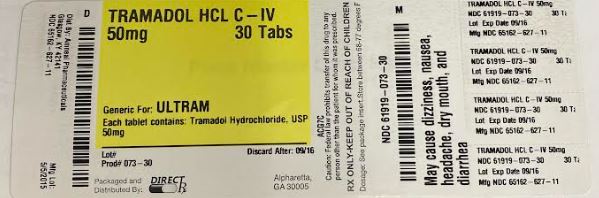
073-30 (61919 073 30)

073-30 (61919 073 30)

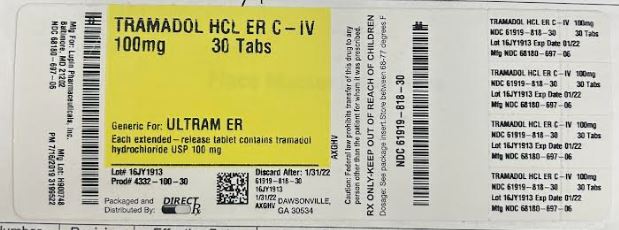
818-30 (61919 818 30)

818-30 (61919 818 30)

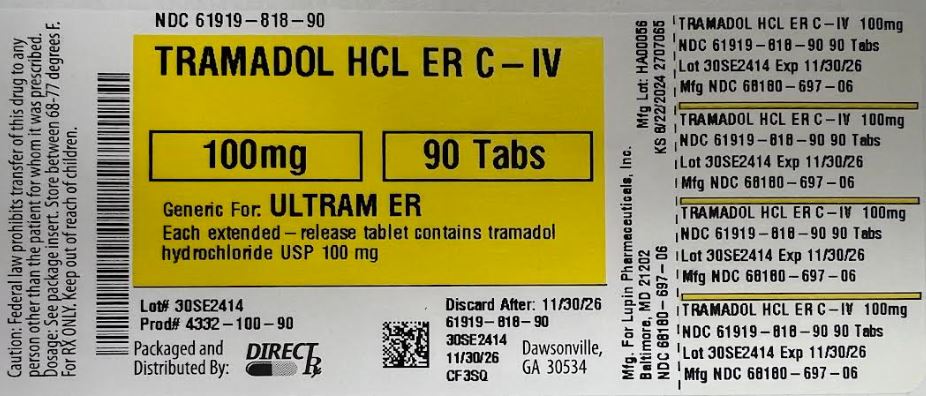
61919-818-90 (61919 818 90)

61919-818-90 (61919 818 90)

* Please review the disclaimer below.