Laboratory Abnormalities
Eosinophil Count Increased: In MYR301, increases in eosinophil counts were reported in 33% of participants (all Grade 1) receiving HEPCLUDEX; there were no associated clinical sequelae, hepatic adverse reactions, or significant liver-related laboratory abnormalities.
Total Bile Salts Increased: HEPCLUDEX inhibits sodium taurocholate co-transporting polypeptide (NTCP)-mediated bile acid transport. Consistent with this, elevations in total serum bile salt levels were observed in clinical trials of HEPCLUDEX. In MYR301, all participants who received HEPCLUDEX had elevated serum bile salts. Bile salt levels showed visit-to-visit variability and peaked by Week 8 of treatment in both participants without cirrhosis and those with compensated cirrhosis, although median levels trended higher in the latter group. Bile salt elevations resolved upon discontinuation of HEPCLUDEX.
In MYR301, 14% of HEPCLUDEX recipients experienced Grade 1 or 2 pruritus that was self-limited. The magnitude of total serum bile salt elevations did not correlate with the severity of pruritus.
Risk Summary
There are insufficient human data on the use of HEPCLUDEX during pregnancy to inform a drug-associated risk of birth defects and miscarriage. The estimated background risk of major birth defects and miscarriage for the indicated population is unknown. In the U.S. general population, the background risk of major birth defects and miscarriage in clinically recognized pregnancies is 2-4% and 15-20%, respectively.
In nonclinical reproductive toxicity studies, bulevirtide demonstrated no adverse effect on embryofetal development when administered to pregnant rats and rabbits at systemic exposures (AUC) 4- and 37-fold relative to exposure in humans at the recommended human dose (RHD).
Data
Animal Data
Bulevirtide was administered via subcutaneous injection to pregnant rats and rabbits (2.5 mg/kg/day) on Gestation Days 6 through 17 and 6 through 20, respectively, and also to rats from Gestation Day 6 to Lactation/Postpartum Day 20. There were no adverse effects on embryofetal development in rats and rabbits. During organogenesis, exposure in rats and rabbits was 4 and 37 times higher, respectively, than the exposure in humans at the RHD. In a pre/postnatal development study in rats, bulevirtide (2.5 mg/kg/day) was administered via subcutaneous injection from Gestation Day 6 to Lactation Day 21. No effects were observed in the offspring at maternal exposures 3 times the exposure at the RHD.
Risk Summary
It is not known whether bulevirtide is present in human breast milk, affects human milk production, or has effects on the breastfed infant. In nonclinical pre- and postnatal developmental rat studies, bulevirtide was not measured in the plasma of pups or in the milk of nursing animals. However, due to its high protein binding, liver tropism, and high specificity for NTCP, bulevirtide is not likely to be secreted in milk. The developmental and health benefits of breastfeeding should be considered along with the mother’s clinical need for HEPCLUDEX and any potential adverse effects on the breastfed child from HEPCLUDEX or from the underlying maternal condition.
Specific Populations
Age (18 to 65 years), sex, race (87.5% White, 1.9% Black, 10.3% Asian, 0.2% Other), or body weight (39.7 to 110 kg) did not have a clinically relevant impact on the systemic exposure of bulevirtide.
Geriatric Patients
The pharmacokinetics of bulevirtide have not been evaluated in elderly participants with HDV infection (65 years of age and older) [see Use in Specific Populations (8.5)].
Patients with Renal Impairment
In a Phase 1, open-label study in participants without HDV infection, the steady state pharmacokinetics of bulevirtide were similar among participants with normal renal function and participants with severe renal impairment (CrCl 15 to less than 30 mL per minute), and no clinically relevant differences in total bile acid elevations were observed between the two groups. The pharmacokinetics of bulevirtide have not been evaluated in participants with end-stage renal disease (CrCl less than 15 mL per minute), including those on dialysis. As bulevirtide is greater than 99% protein bound, dialysis is not expected to alter exposures of bulevirtide [see Use in Specific Populations (8.6)].
Patients with Hepatic Impairment
In a Phase 1, open-label study in participants without HDV infection, the steady-state pharmacokinetics of bulevirtide were approximately 27% lower in participants with moderate hepatic impairment (Child-Pugh Class B) than participants with normal hepatic function. The steady state pharmacokinetics of bulevirtide were similar among participants with severe hepatic impairment (Child-Pugh Class C) and participants with normal hepatic function [see Use in Specific Populations (8.7)].
Drug Interaction Studies
Effect of Bulevirtide on Other Drugs
Cytochrome P450 (CYP) Enzymes: In vitro studies have shown, bulevirtide is not an inhibitor of CYP1A2, CYP2A6, CYP2B6, CYP2C9, CYP2C19, CYP2D6, and CYP3A4. Bulevirtide is not an inducer of CYP1A2, CYP2B6, or CYP3A4. Consistent with in vitro results, bulevirtide at steady state did not impact the pharmacokinetics of the CYP3A4 probe substrate midazolam, administered as an oral 30 μg microdose, in clinical drug-interaction studies.
Transporter Systems: In vitro studies have shown that no clinically relevant interactions are expected for efflux transporters including MDR1, BCRP, BSEP, MATE1, and MATE2K and uptake transporters including OATP2B1, OAT1, OAT3, OCT1, and OCT2. In vitro studies have shown that bulevirtide inhibits the organic anion transporting polypeptides, OATP1B1 and OATP1B3, with IC50 values of 0.5 and 8.7 μM, respectively, and taurocholate uptake via NTCP receptors with an IC50 value of 0.320 μM; however, no clinical drug interaction is expected for OATP1B or NTCP substrates at clinically relevant concentrations of bulevirtide.
Steady state exposures of bulevirtide administered once daily did not impact the pharmacokinetics of TDF (at 300 mg) in a dedicated clinical drug-interaction study.
Effect of Other Drugs on Bulevirtide
Based on the population PK evaluation of drug interactions for bulevirtide, no clinically relevant drug interactions have been observed with PEG-IFNα and TAF or TDF.
Antiviral Activity in Cell Culture
In primary human hepatocytes (PHH), bulevirtide inhibited infection of lab-generated HDV GTs 1-8 carrying envelopes from HBV GTs A-H with a median EC50 value of 0.52 nM (range: 0.23-0.93 nM) overall and median EC50 values of 0.32-0.72 nM across HBV GTs. In addition, bulevirtide inhibited infection of PHH with lab-generated HDV GT-1 carrying 24 different HBV envelopes (GT-A: 2, GT-B: 10, GT-C: 10, GT-D: 2) with a median EC50 value of 0.47 nM (range: 0.17-0.93 nM) overall and median EC50 values of 0.29-0.65 nM across HBV GTs. Lastly, bulevirtide inhibited infection of 264 HDV clinical isolates (mostly HBV GT-D [n=209] or HBV GT-A [n=34]) in PHH with median EC50 values of 0.40 nM (range: 0.10-1.27 nM) overall, 0.37 nM (range: 0.10-1.27 nM) against GT-D, and 0.65 nM (range: 0.27-1.08 nM) against GT-A. In the U.S., a surveillance study of individuals with HBV/HDV co-infection found that GT-D is the most prevalent HBV genotype (41%), followed by GT-A (33%).
Antiviral Resistance
In Cell Culture
HBV or HDV viruses resistant to bulevirtide in cell culture have not been identified to date. It is not possible to select for HBV or HDV resistance to antivirals using current cell culture systems. As described above, bulevirtide maintained activity against lab-generated HDV carrying envelopes from HBV GTs A-H, lab-generated HDV carrying 24 different envelope variants from HBV GTs A-D, and HDV clinical isolates in PHH. In addition, NTCP polymorphisms that disrupt bulevirtide activity while permitting HDV infection have not been identified to date.
In Clinical Trials
The antiviral activity of HEPCLUDEX 8.5 mg against different HBV and HDV genotypes was evaluated in trials MYR301 and MYR204. HBV GT-D was the most prevalent in these trials, in 129/150 (86%) participants, followed by GT-A in 12/150 (8%) participants. For participants treated with HEPCLUDEX 8.5 mg for 96 weeks, a virologic response (HDV RNA declining ≥ 2.0 log10 IU/mL or becoming undetectable) was achieved by 6/12 (50%) participants with GT-A and 112/129 (87%) participants with GT-D, which included 1/12 (8.3%) participants with GT-A who achieved undetectable HDV RNA compared with 52/129 (40%) participants with GT-D.
Resistance analysis was performed for participants who had virologic non-response (HDV RNA decline < 1 log10 IU/mL from baseline) or who experienced virologic breakthrough (2 consecutive increases in HDV RNA of ≥ 1 log10 IU/mL from nadir or 2 consecutive HDV RNA values ≥ lower limit of quantification [LLOQ] if previously < LLOQ during treatment with HEPCLUDEX).
In Trials MYR301 and MYR204, resistance analysis was performed for 13/150 participants at Week 48, 20/150 participants at Week 96, and 5/50 participants at Week 144 on HEPCLUDEX treatment (n=24 unique participants). Amino acid sequences for the bulevirtide region of HBsAg were determined at baseline for 17/24 participants with virologic non-response or breakthrough at any time point, and paired baseline and post-baseline sequence data were determined for 10/24 participants. For HDV, baseline sequence data for the HDAg region were determined for 23/24 participants, and paired baseline and post-baseline sequence data were determined for 21/24 participants.
No baseline polymorphisms identified in the bulevirtide region of HBsAg or in HDAg were associated with virologic non-response or breakthrough. Similarly, no post-baseline substitutions in the bulevirtide region or in HDAg showed an association with virologic breakthrough. All identified baseline and post-baseline variants retained susceptibility to bulevirtide in cell culture assays. A positive control for resistance was not available for these experiments.
Cross-Resistance
Cross-resistance is not expected between bulevirtide and nucleos(t)ide analog reverse transcriptase inhibitors approved for the treatment of chronic HBV infection given their different mechanisms of action.
Important Preparation and Administration Considerations
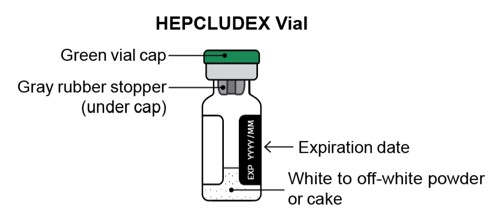
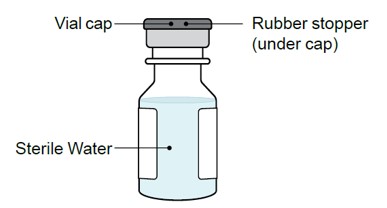
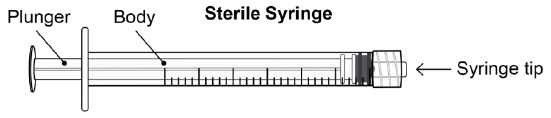
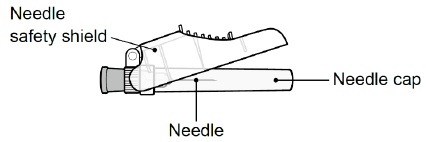
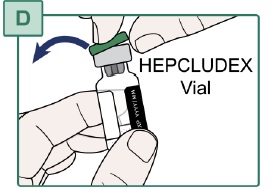
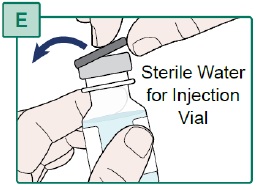
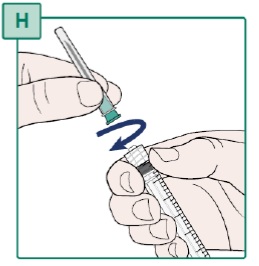
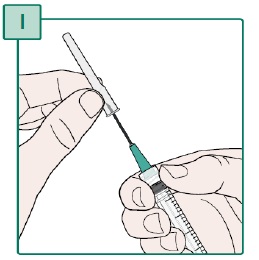
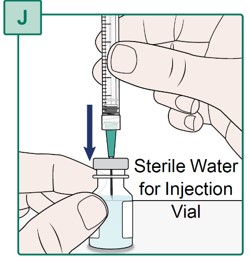
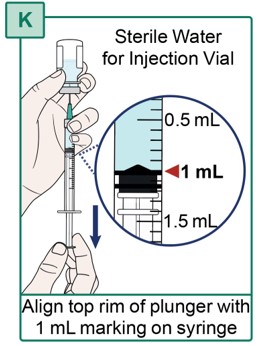
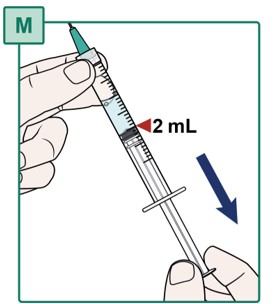
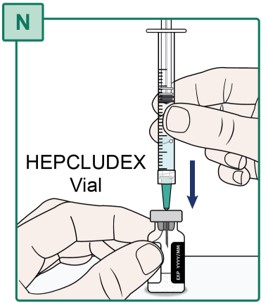
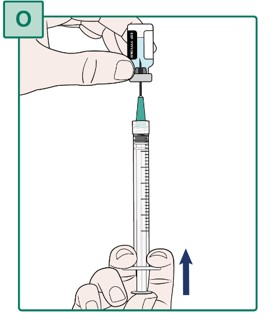
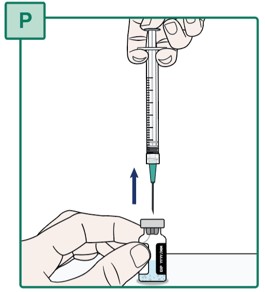
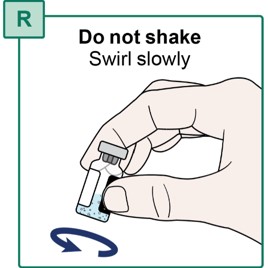
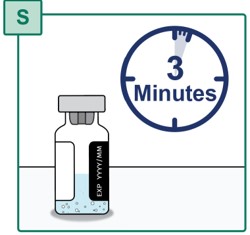
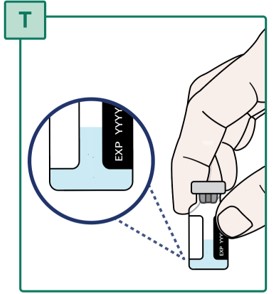
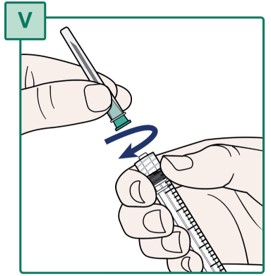
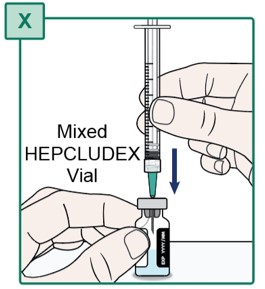
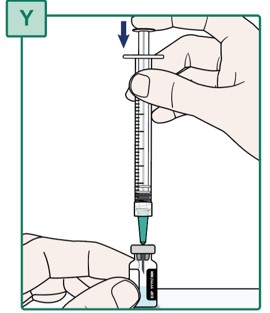
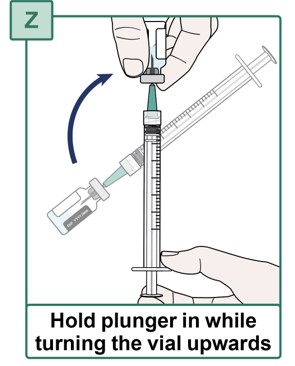
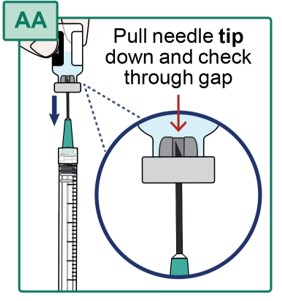
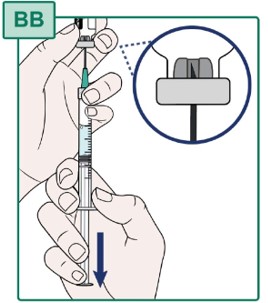
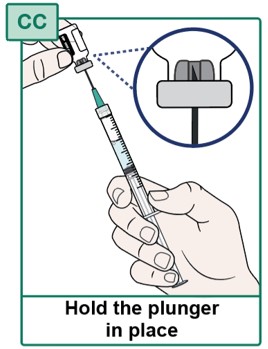
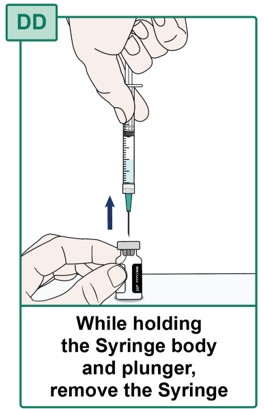
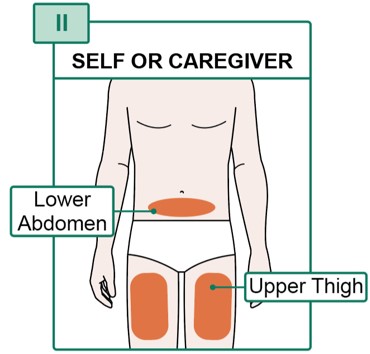
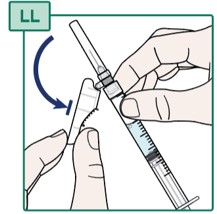
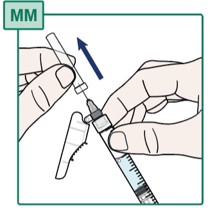
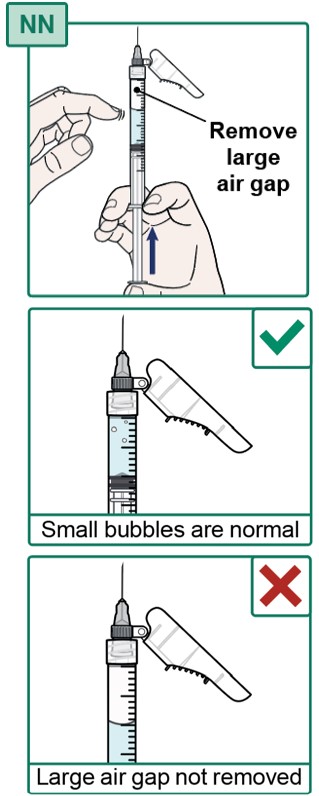
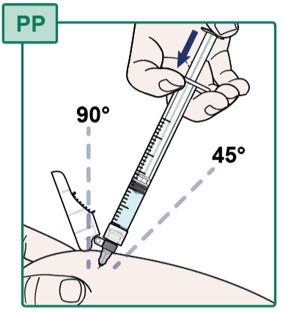
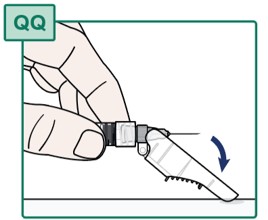
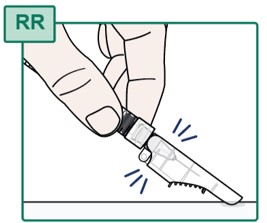
Healthcare professionals should train patients or caregivers in the proper technique for reconstituting HEPCLUDEX with Sterile Water for Injection and administering subcutaneous injections using a syringe and consider preparation and administration of the first dose under the supervision of a healthcare provider.
Inform patients that the Sterile Water for Injection, syringes, and needles needed for preparation and injection of HEPCLUDEX are obtained separately from the pharmacy.
Exacerbation of Hepatitis D and B after Discontinuation of Treatment
Inform patients that discontinuation of HEPCLUDEX may result in severe acute exacerbations of hepatitis D and B. Advise the patient to inform their healthcare provider before they discontinue HEPCLUDEX [see Warnings and Precautions (5.1)].
Hypersensitivity Reactions Including Anaphylaxis
Advise patients that hypersensitivity reactions, including anaphylaxis, have been reported with HEPCLUDEX. Advise patients to immediately discontinue HEPCLUDEX and alert their healthcare provider if signs or symptoms of a clinically significant hypersensitivity reaction or anaphylaxis occur [see Warnings and Precautions (5.2)].
Missed Dosage
Inform patients that it is important to take HEPCLUDEX on a regular dosing schedule and to avoid missing doses. If a dose is missed, that dose should be taken as soon as possible. However, if it is almost time for the next dose, skip the missed dose and resume the original schedule [see Dosage and Administration (2.1)].
Treatment Duration
Advise patients that in the treatment of chronic hepatitis D, the optimal duration of treatment is unknown [see Dosage and Administration (2.1)].
Manufactured by:
Gilead Sciences, Inc.
Foster City, CA 94404
U.S. License No.2258
HEPCLUDEX is a trademark of Gilead Sciences, Inc., or its related companies. All other trademarks referenced herein are the property of their respective owners.
© 2026 Gilead Sciences, Inc. All rights reserved.