Oxygen Gas
Product Images NDC 62179-1234

View Photos of Packaging, Regulatory Labels, and Product Appearance

Product Visual Gallery

This gallery contains 5 technical images submitted to the FDA as part of the official labeling for Oxygen (NDC 62179-1234). Unlike standard consumer photos, these assets often include clinical data figures, molecular chemical structures, and official manufacturer packaging layouts.

As provided by Intermountain Home Care, these visuals offer a comprehensive scientific overview of the product's physical and chemical identity, aiding pharmacists and researchers in product verification and study.

FDA Label Image

Oxygen Label 1 (Oxygen Labels Page 1)
Oxygen Label 1 (Oxygen Labels Page 1)
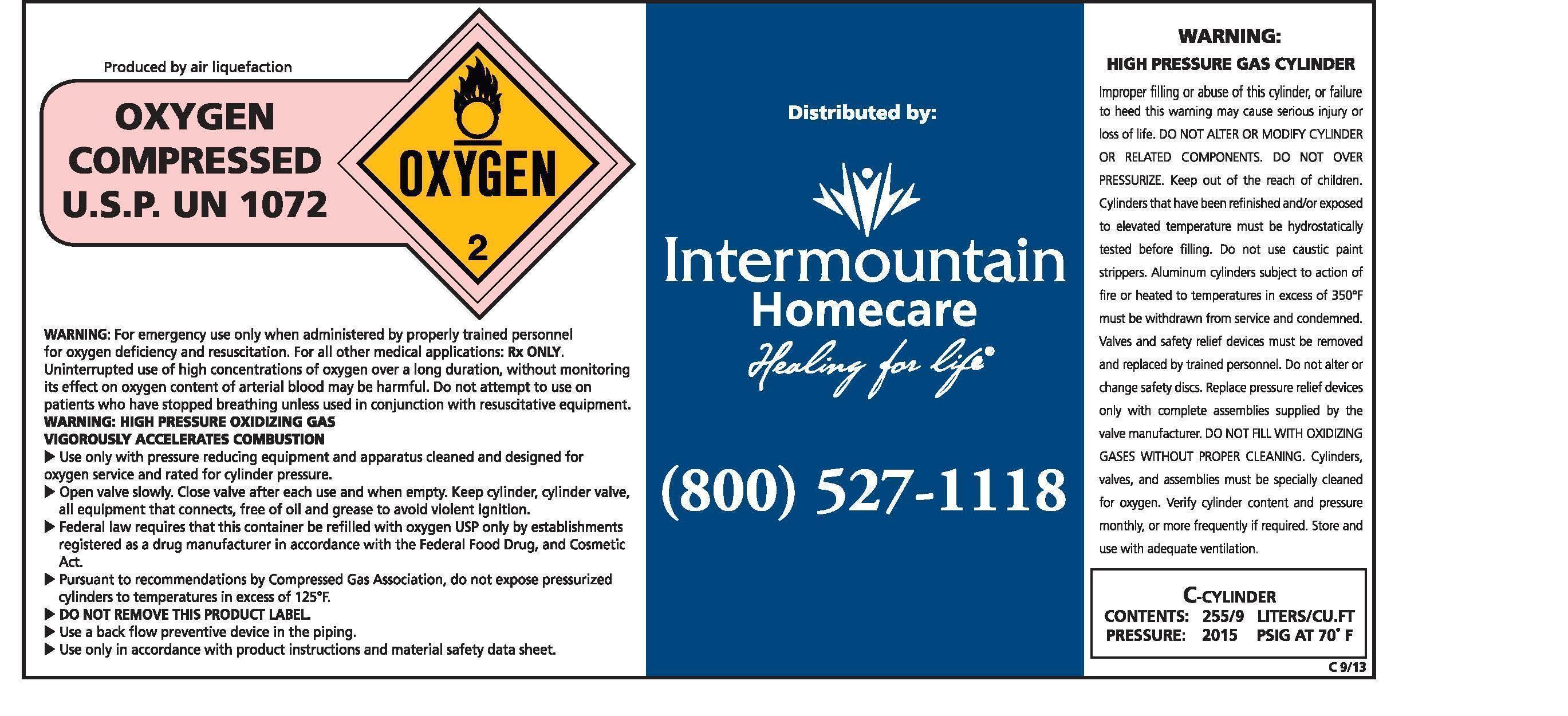
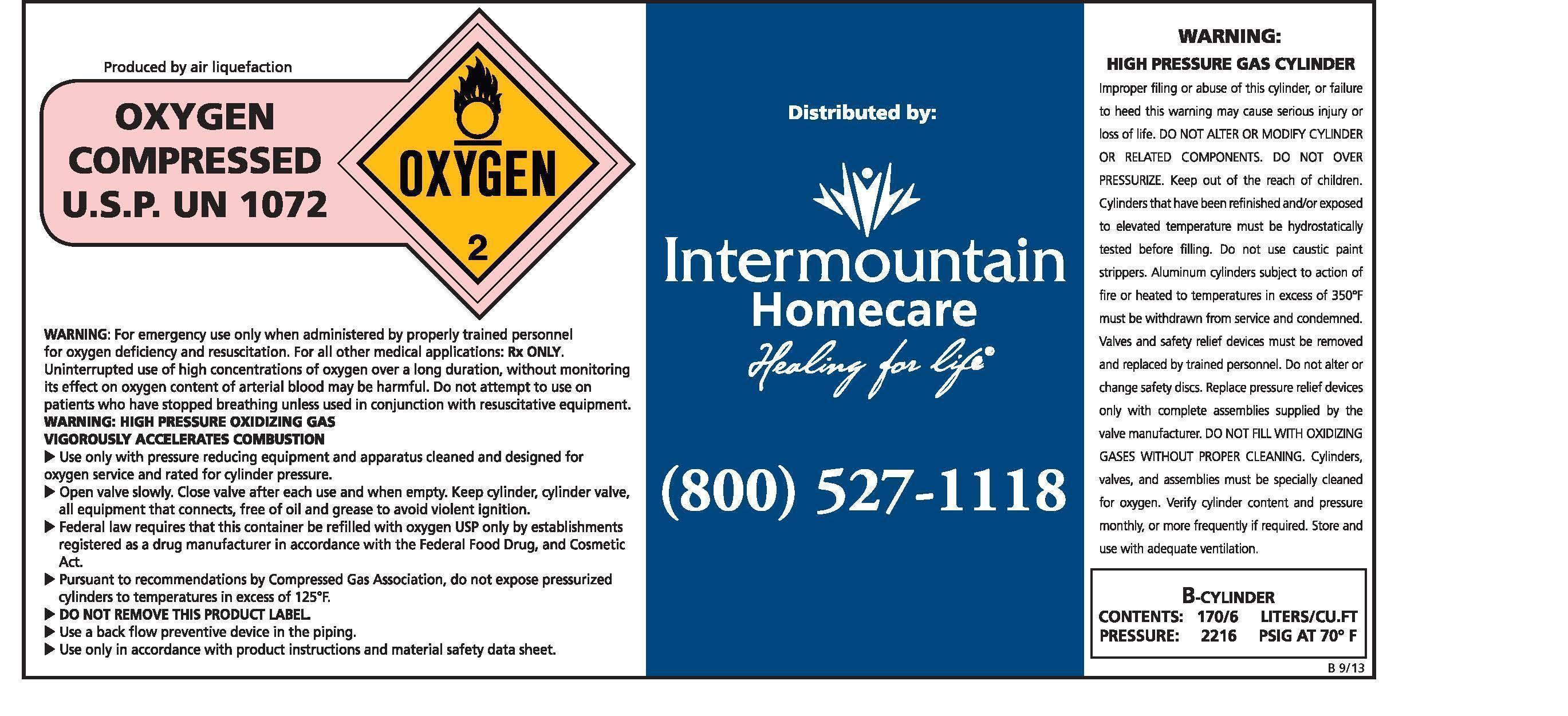
This is a warning label and description for a compressed oxygen cylinder. The cylinder is produced through air liquefaction and can be used for emergency resuscitation and oxygen deficiency treatment. However, excessive use of high oxygen concentration can be harmful if the arterial blood oxygen level is not monitored. It also warns that the cylinder is a high-pressure oxidizing gas and can vigorously accelerate combustion. It should only be used with pressure reducing equipment, and the cylinder should be kept free of oil and grease to avoid ignition. The cylinder should be refilled with oxygen USP only by registered drug manufacturing establishments. The label also contains warnings against alteration, modification, and over-pressurizing the cylinder. It also emphasizes the need to use the cylinder with adequate ventilation and periodically verify its content and pressure.*
FDA Label Image

Oxygen Label 2 (Oxygen Labels Page 3)

Oxygen Label 2 (Oxygen Labels Page 3)
This is a label attached to a compressed gas cylinder containing oxygen produced by air liquefaction for medical use. It warns the user that improper use can cause harm and that high concentrations of oxygen over a long duration may be dangerous. The label also provides safety guidelines for handling the cylinder, including using pressure reducing equipment, keeping the cylinder and equipment free of oil and grease to avoid combustion, and not exposing the cylinder to temperatures above 125°F. The product label also advises that the cylinder be filled only by authorized establishments and that a back flow preventive device be used in the piping.*
FDA Label Image

Oxygen Label 3 (Oxygen Labels Page 4)

Oxygen Label 3 (Oxygen Labels Page 4)
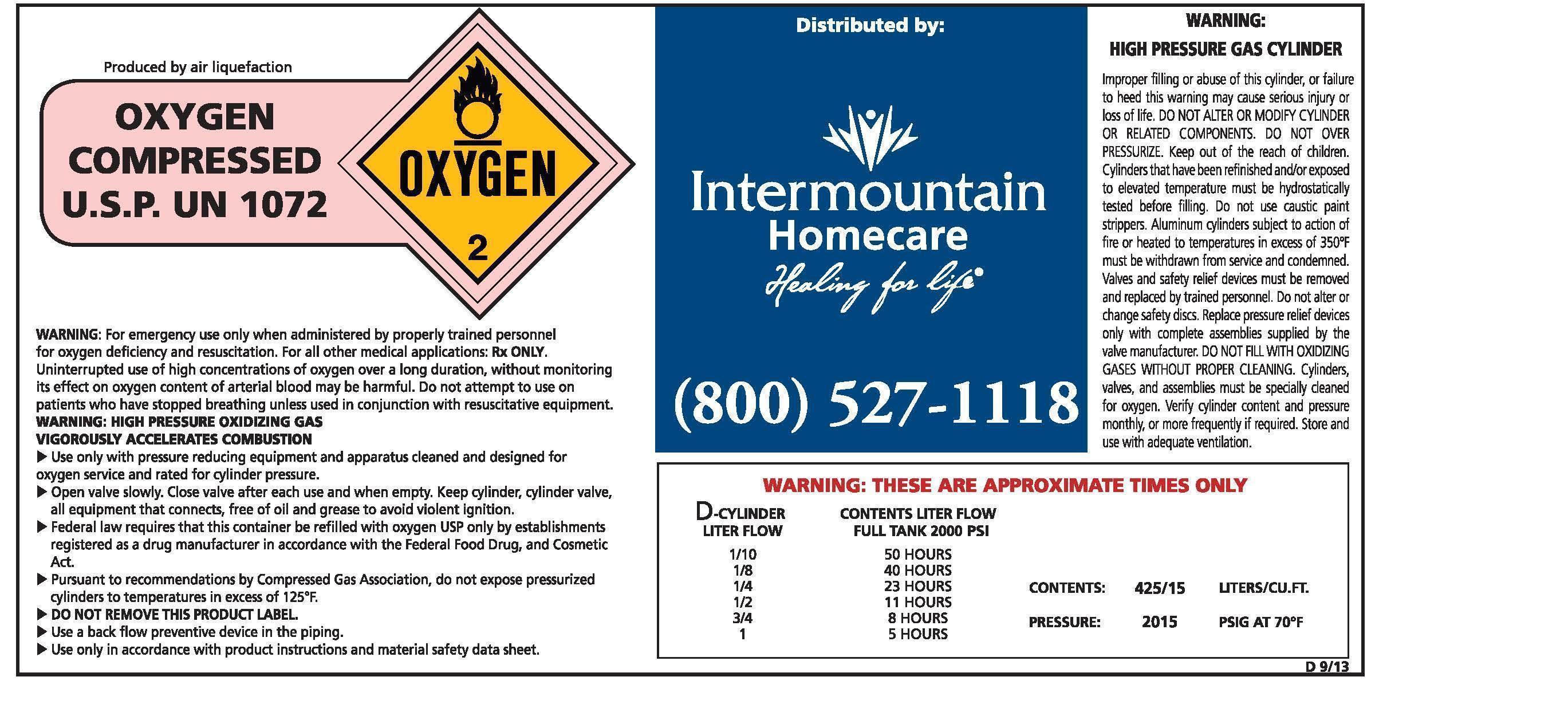
This is a warning and instructional label for a compressed oxygen gas cylinder used for emergency purposes. The cylinder is produced through air liquefaction and is appropriate for resuscitation, but has other medical applications with a prescription. The label lists various precautions and instructions for the use of the cylinder, including warnings about exposure to high pressure, effects on oxygen content of arterial blood, and the need for proper pressure reducing equipment and cleaning. Federal law regulates the refilling of the container. Contact information for the distributor is provided, along with a chart estimating times for various tank contents and liter flows.*
FDA Label Image

Oxygen Label 4 (Oxygen Labels Page 5)

Oxygen Label 4 (Oxygen Labels Page 5)
This is a warning label for a compressed oxygen cylinder, which is produced by air liquefaction. The cylinder is for emergency use only and should be administered by properly trained personnel. The cylinder should not be used for uninterrupted periods of high concentrations of oxygen without monitoring its effect on oxygen content of arterial blood, as it could be harmful. The cylinder should also only be used with pressure reducing equipment and apparatus cleaned and designed for oxygen service and rated for cylinder pressure. The label includes approximate times for the cylinder's contents at different liter flows, and the pressure of the cylinder is 2015 PSIG at 70°F.*
FDA Label Image

Oxygen Label 5 (Oxygen Labels Page 6)

Oxygen Label 5 (Oxygen Labels Page 6)
This text describes a cylinder containing compressed medical-grade oxygen, which has been produced through air liquefaction. The oxygen is intended for use in emergency resuscitation and other medical applications. However, prolonged use of high concentrations of oxygen without monitoring could be harmful. The cylinder must be handled carefully, only with clean and appropriate equipment, and stored in a well-ventilated area. The cylinder is considered a high-pressure oxidizing gas that can accelerate combustion when exposed to oil and grease, and should not be used near flames or exposed to high temperatures. The useful operational timeline for the cylinder is also provided.*

* These product label images have been analyzed using experimental machine learning. Please verify findings with the primary label text.